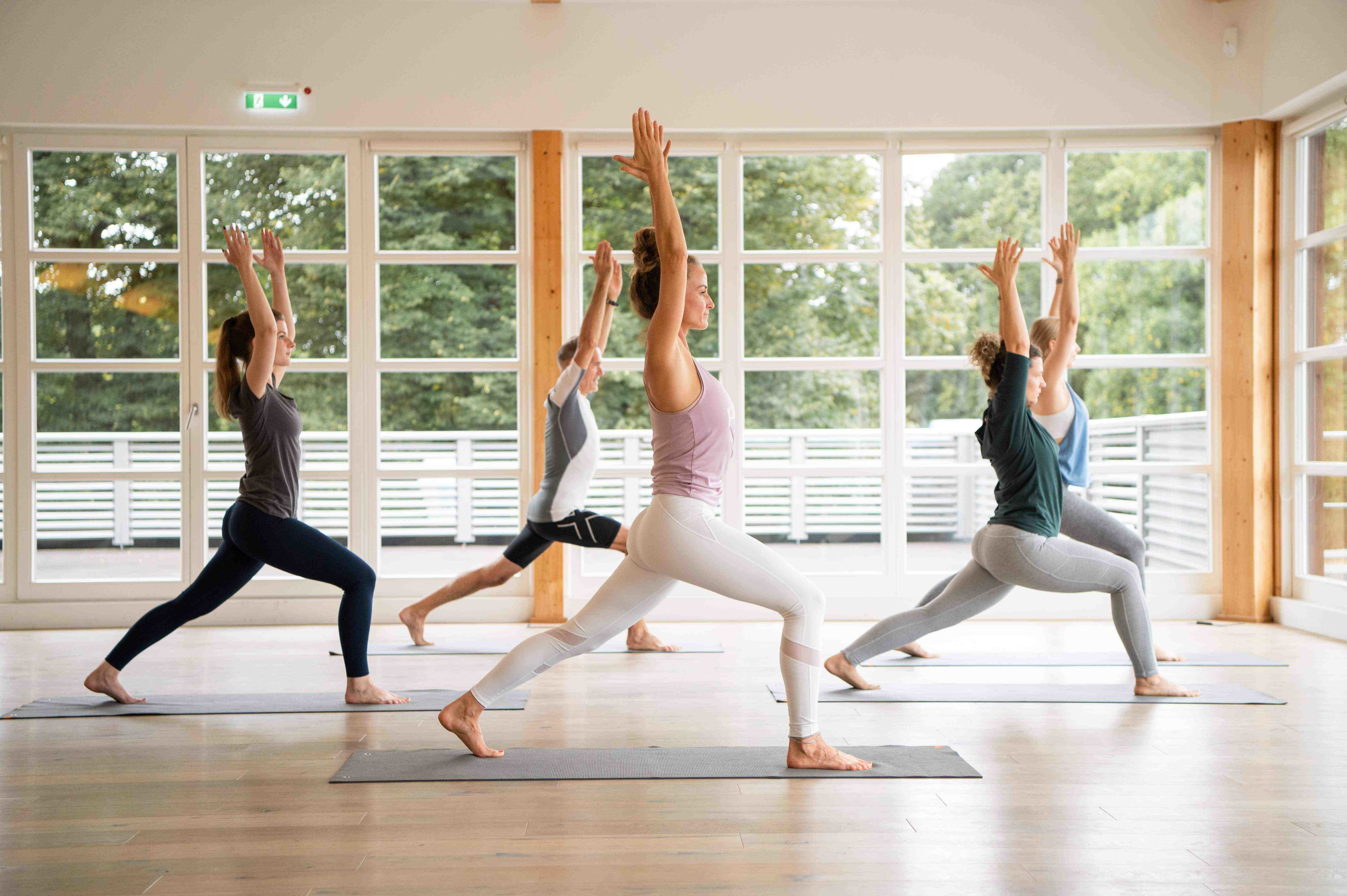
What Is Yoga? Your Ultimate Beginner's Guide

Yoga is all the rage. Yoga studios are popping up on every corner, and there are millions of videos online to follow along with. Why all the hype? What exactly is yoga? And what benefits does this millennia-old practice offer for the body and mind? The list of benefits is long. For example, yoga can provide a healthy balance to constant sitting, reduce stress, increase your flexibility and strength, and improve your overall performance.
Beginners quickly realize that yoga is much more than just doing sun salutations on a yoga mat. Yoga is a philosophy of life or a lifestyle that includes not only physical exercises but also breathing techniques, meditation, and ethical conduct. In the broadest sense, a plant-based diet is also part of yoga.
Want to learn the basics of yoga and find a style that’s right for you? Then this beginner’s guide is exactly what you need. In this article, we answer the most important questions about yoga.

Definition: What is yoga?
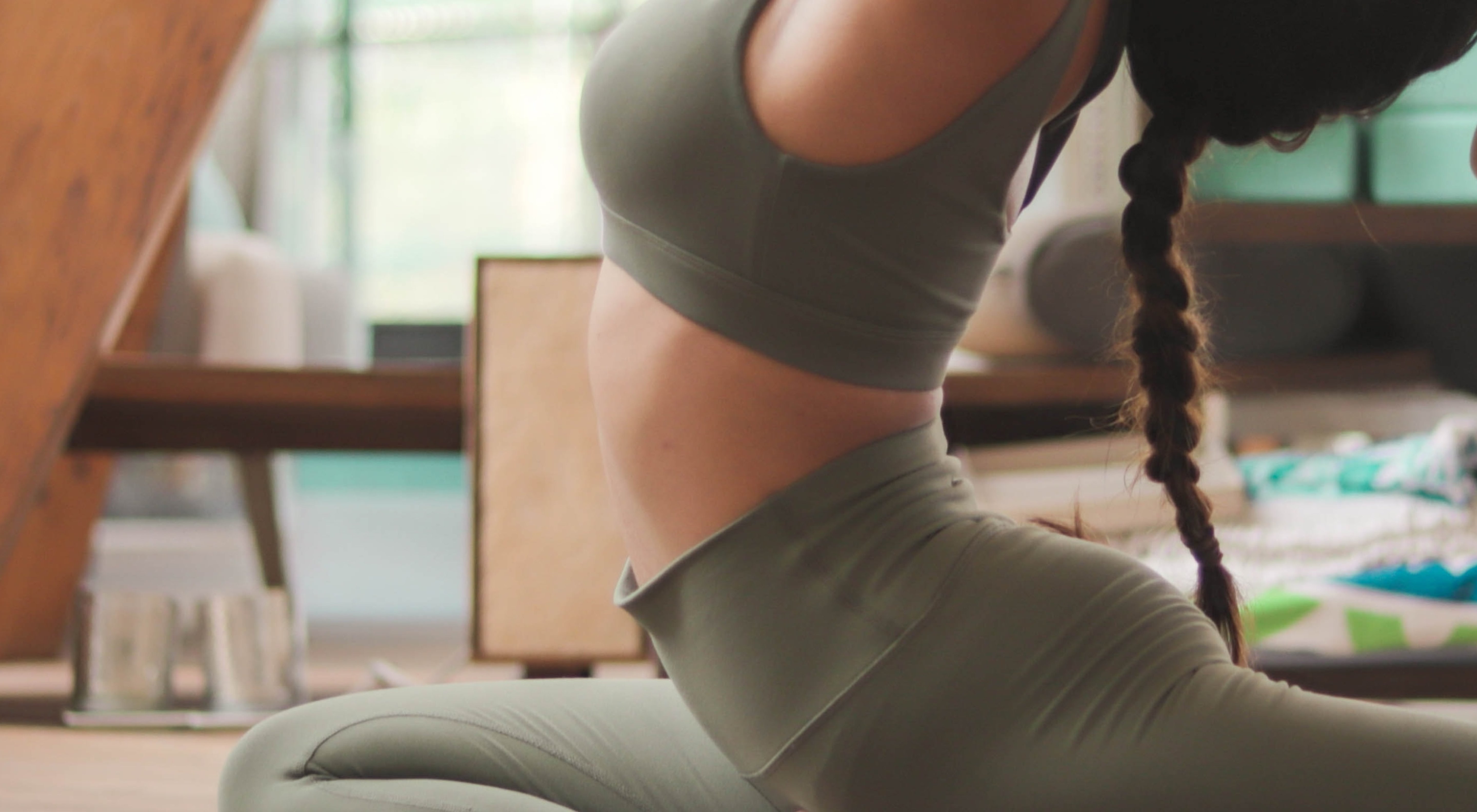
Most people associate yoga with fitness on a yoga mat. That’s not entirely wrong, since yoga does include physical exercises, also known as asanas. One of the most well-known yoga poses is Downward-Facing Dog, which you’ve probably heard of before. As a holistic practice, however, yoga encompasses much more than that: it can best be described as a philosophical teaching or a lifestyle. So what is yoga? Today, yoga primarily includes:
- Movement or physical postures (asanas),
- breathing exercises (pranayama),
- mindfulness and relaxation (meditation), as well as
- ethical conduct and adherence to rules for living in harmony with others, which, in the broadest sense, also includes diet (Yama and Niyama).
1.1. What does yoga mean?
The term “yoga” comes from Sanskrit, an ancient Indian scholarly language. What does yoga mean when translated? It roughly means “union, unity, and harmony.” Through yoga, the body, mind, soul, and the entire cosmos are meant to become a harmonious whole. In other words: You feel balanced, calm, and secure in your body, connected to other living beings, and see yourself as part of nature.
1.2. What is the purpose of yoga?
From a modern perspective, yoga is essentially about self-awareness. Through physical exercises, breathing techniques, and meditation—as well as a positive lifestyle—you should be able to channel your energy and bring peace to your mind—in short, to improve your overall health and quality of life. Positive side effects of yoga can include stress reduction, relief from back pain, muscle strengthening, and increased flexibility and physical performance.
2. Origins and History of Yoga
Yoga is a millennia-old practice that originated in India and is deeply rooted in spirituality. The teachings of yoga focus on the path to harmony between body, mind, and soul—a state that many people strive for in our hectic modern world.
The origins of yoga can be traced back as far as 5,000 years, though some researchers believe the practice may be even older. Yoga was originally passed down orally before it was eventually recorded in various ancient texts, such as the Bhagavad Gita, one of the central texts of Hinduism.
It was not until the 1920s that the millennia-old practice of yoga found its way to Germany and Europe. Starting in the 1960s, with the New Age movement, interest in this physical and spiritual practice intensified. Today, there are numerous yoga schools and wellness classes offering various traditional and modern forms of yoga.
2.1. Traditional Yoga as the Eightfold Path
Today, yoga is best known for the exercises performed on the yoga mat—the asanas. Originally, these were merely a means to an end, intended to enable practitioners to meditate in silence for as long as possible. To this day, one of the most important texts for the teaching and practice of yoga is Patanjali’s *Yogasutras*. In it, yoga is described as an eightfold path—the goal being enlightenment:
- Niyamas: self-discipline and guidelines for how to treat oneself
- Yamas: Ethical guidelines for interacting with the environment and other living beings
- Asanas: Physical exercises
- Pranayama: Breathing exercises
- Pratyahara: Withdrawal of the senses inward
- Dharana: Concentration on a single object
- Dhyana: meditation
- Samadhi: Enlightenment
2.2. What Is Yoga Today?
In a modern yoga class today, you’ll primarily encounter physical exercises, breathing techniques, and meditations. Yoga teachers often weave in aspects of self-discipline and environmental awareness into the audio track to give their class a theme. How a yoga session is structured depends on the type of yoga. There are now more than 90 different styles.
The oldest physical form of yoga is Hatha Yoga. If you want to learn yoga from the ground up and understand the philosophy behind it, you’re well advised to take a Hatha Yoga class. Most newer yoga styles—such as Yin Yoga, Vinyasa Yoga, or Myofascial Yoga—are further developments or variations of Hatha Yoga. As a beginner yogi, you have a wide range of options: There are dynamic, fitness-oriented styles and those that focus more on relaxation and stretching. Some yoga styles place great emphasis on spiritual elements such as meditation, ancient scriptures, and chanting—that is, group singing—while others omit these entirely.
3. Asanas, Pranayama, Meditation: Pillars of Yoga Philosophy
Yoga is more than just a series of exercises on a yoga mat. It is a complex philosophy that originated in India and is primarily based on physical postures (asanas), breathing techniques (pranayama), and meditation. These three elements are the pillars of yoga practice. They are intended to alleviate physical and mental suffering and lead to inner peace and relaxation. Below, we’ll introduce you to the three essential pillars of yoga philosophy in more detail:
3.1. Asanas (Yoga Poses)
At the heart of yoga are the asanas, or physical postures. They are the core of every physical yoga practice. Over the centuries, countless asanas have been developed, ranging from simple yoga exercises for beginners to complex postures for advanced yogis.
One of the best-known examples is the Sun Salutation. This sequence of movements is not only an excellent way to activate the body in the morning but also a form of moving meditation. Each transition into a new pose is synchronized with the breath—a method known in yoga as pranayama. Sun Salutation A consists of the following yoga exercises (the names of the exercises in Sanskrit are in parentheses):
- Mountain Pose (Tadasana)
- Extended Mountain Pose (Urdhva Hastasana)
- Standing Forward Bend (Uttanasana)
- Half Forward Bend (Ardha Uttanasana)
- Plank (Phalahaka)
- Four-Limbed Staff Pose (Chaturanga Dandasana)
- Small Cobra Pose (Bhujangasana)
- Downward-Facing Dog (Adho Mukha Svanasana)
- Half Forward Bend (Ardha Uttanasana)
- Forward Bend (Uttanasana)
- Extended Mountain Pose (Urdhva Hastasana)
- Mountain Pose (Tadasana)
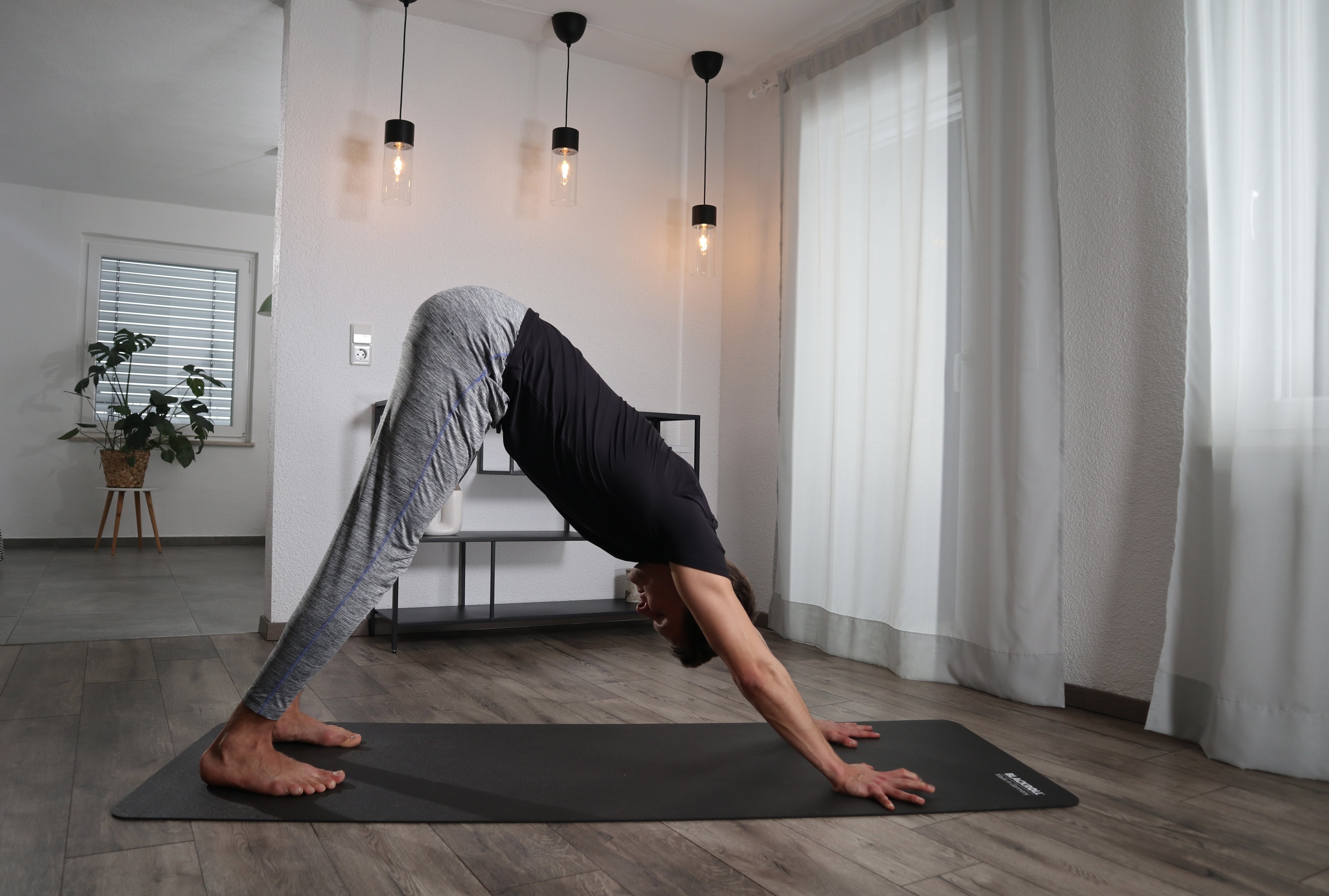
Other important yoga poses for beginners include Child’s Pose (Balasana), Table Pose (Bharmanasana), Warrior I (Virabhadrasana I), and the final relaxation pose, Shavasana, also known as Corpse Pose.
Asanas are about more than just physical fitness, strength, and flexibility. They’re about practicing mindfulness and reducing stress. Of course, some poses can be challenging, especially when you’re just starting out with yoga. But don’t worry: in yoga, there’s no “right” or “wrong.” You’re free to follow your own path. Still, it’s certainly helpful to know the basics. Ideally, you should start yoga under professional guidance, for example at a yoga studio or with a video.
3.2. Pranayama (Breathing Techniques)
Pranayama, the second important pillar of yoga, refers to breathing or breath control. In yoga, the word “prana” refers to life force or energy, and “yama” means control or mastery. “Pranayama” loosely translates to “mastery of life energy.”
Originating in India and perfected through centuries of practice, yogic breathing techniques are designed to restore balance between body and mind. They help the body relax and reduce stress.
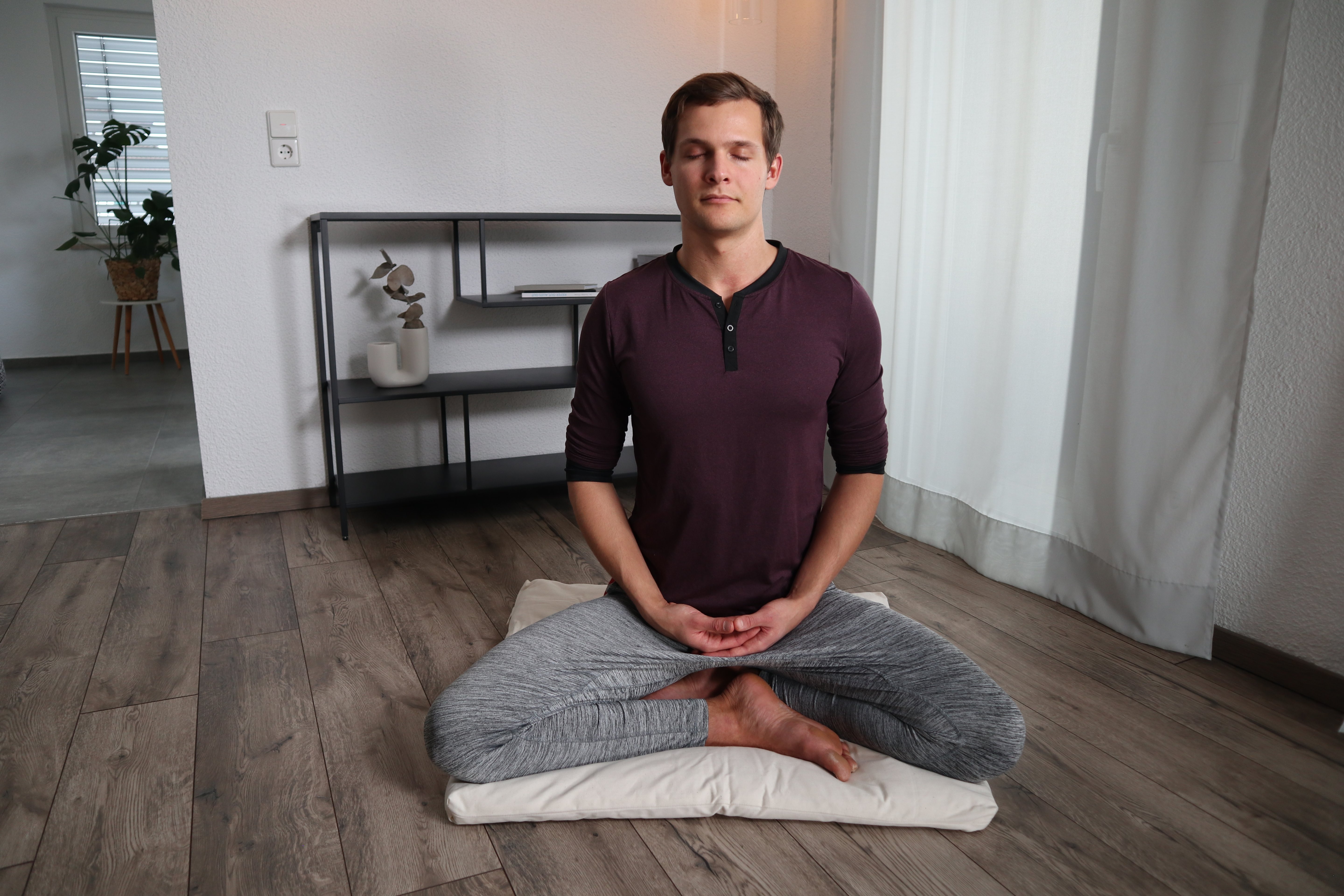
Breath control plays a role during the practice of asanas. In addition, there are many types of pranayama techniques that are practiced at the beginning or end of a yoga class. For example, alternate nostril breathing (Nadi Shodhana) can help calm the mind and balance the nervous system. Rapid exhalation (Kapalabhati), on the other hand, can boost energy levels and flush toxins from the body.
Learning these breathing exercises under the guidance of experienced yoga teachers is the surest path to success with pranayama. Let them show you how to breathe properly during asanas and what to keep in mind during specific breathing exercises.
From beginners to advanced practitioners, regular pranayama can remarkably improve health and well-being. Regulating your breath can bring you a great deal closer to your goal of experiencing relaxation, calm, and balance.
3.3. Meditation and Mindfulness
Meditation plays a central role in yoga philosophy. Meditation can be part of a yoga class. At the same time, the practice of yoga itself can put practitioners into a meditative state. Simply put, meditation consists of concentration exercises aimed at letting go of worries or stress and finding relaxation, calm, and clarity. Essentially, you focus on the here and now. Breathing, visualization, or a specific mantra can help with this.
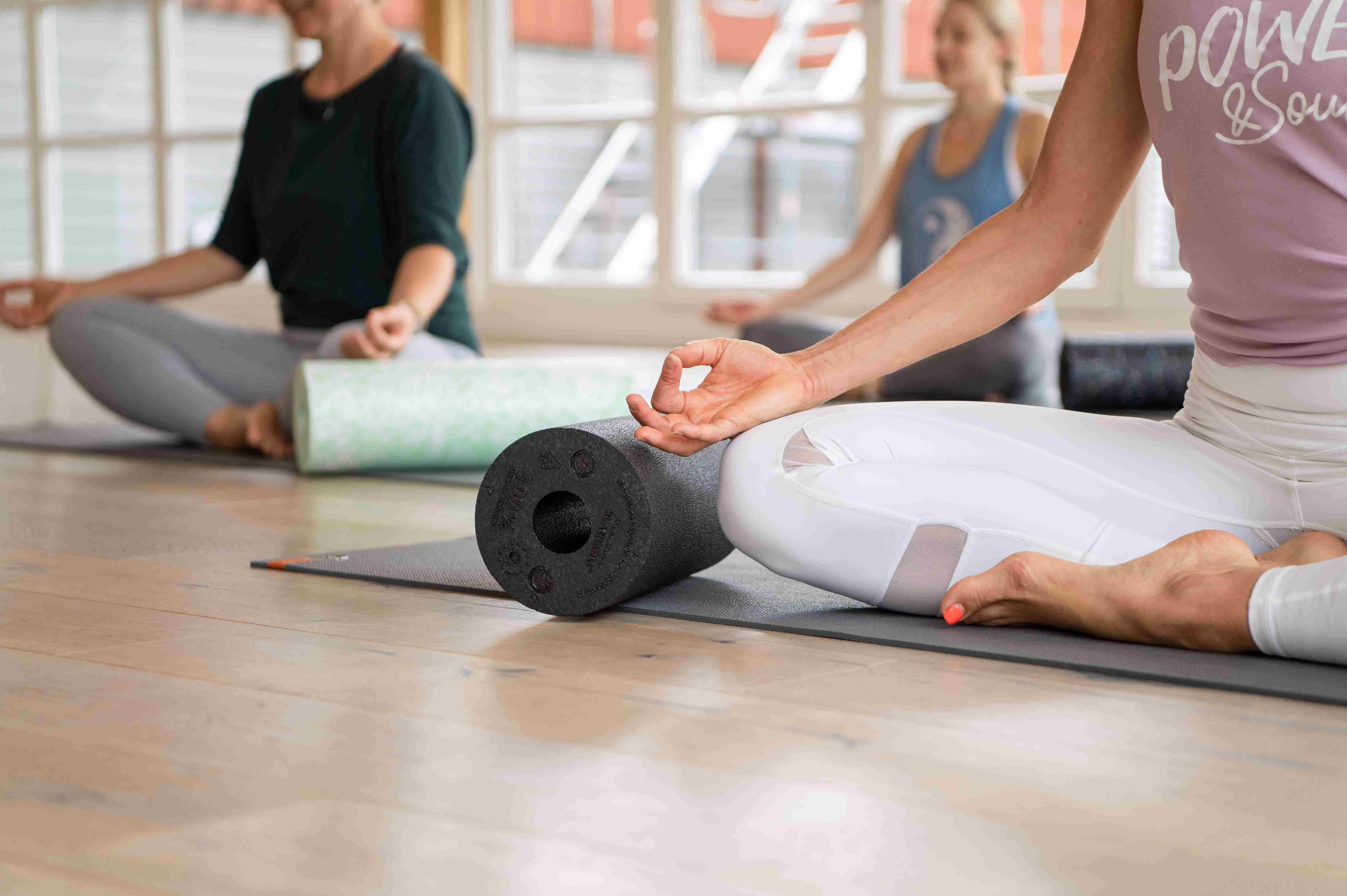
The health benefits of regular meditation are impressive: Studies have shown that it can reduce stress, strengthen the immune system, and even alleviate sleep problems. (1)
Through meditation as a mindfulness practice, you’ll learn over time to observe your thoughts rather than judge them, control them, or identify with them. This aspect of your yoga practice can help you better manage stress even when you’re off the yoga mat.

Learning to Meditate: An Introduction to Meditation
Meditation4. What Are the Benefits of Yoga?
Yoga can have a variety of positive effects on the body and mind. A major benefit is its holistic approach—the combination of movement, meditation, breathing, and mindset. This allows for change not only on a physical level but also on a mental one.
Some key benefits of yoga include:
- A yogi trains their self-awareness and improves their body awareness.
- Yoga can help you improve your posture.
- Yoga has a calming, balancing effect, which can positively impact your overall well-being.
- People who engage with the philosophy of yoga are more likely to pursue a healthy lifestyle.
- Regular practice of the asanas strengthens the muscles, especially the core muscles.
- Yoga can have a positive effect on the cardiovascular system and increase endurance.
- Yoga practice helps improve flexibility, mobility, and balance.
- Older adults, in particular, can use yoga to improve their balance and cognitive function. (2)
- Yoga can relieve pain, such as that caused by headaches, neck pain, or back pain. (3, 4, 5)
- Regular yoga practice can help alleviate anxiety and depressive symptoms. (6, 7)
- Yoga can help regulate stress, reduce stress hormones such as cortisol, and generally make you more resilient to stress. (8)
Tip: In addition to yoga, other relaxation techniques such as autogenic training or progressive muscle relaxation are also effective for managing stress.
Who is yoga suitable for?
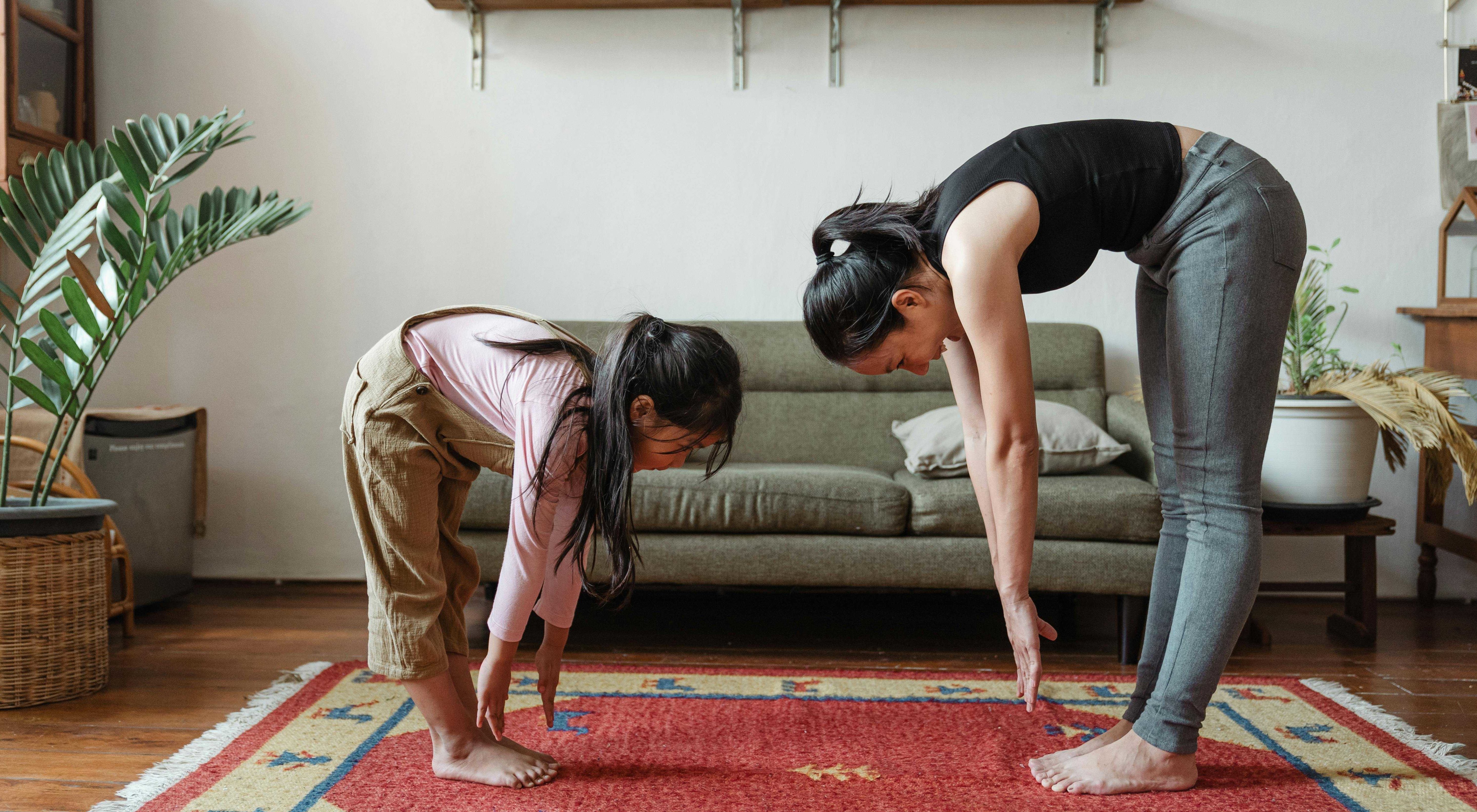
Age, gender, fitness level: None of these matter when it comes to yoga. Everyone can benefit from practicing it. Some people lose a few extra pounds through the movements, others become more flexible and improve their posture, and still others find the peace they’ve been longing for on the yoga mat, far away from the hustle and bustle of everyday life.
In recent years, yoga has increasingly found its way into various sports disciplines: runners, cyclists, strength athletes, track and field athletes, and other athletically ambitious people are integrating yoga into their training—and thereby improving their performance.
Beginners who want to learn the practice and philosophy behind yoga from the ground up are well-advised to take a Hatha yoga class. Generally speaking, however, there are beginner courses for every type of yoga. You can find out what else might suit you in the next section, where we introduce the ten most popular yoga styles.
6. The 10 Most Important Yoga Styles
Want to discover yoga for yourself but aren’t sure which style is right for you? Here’s an overview of the ten most popular types of yoga:
6.1. Hatha Yoga
Hatha Yoga is the oldest physical form of yoga. It focuses on strengthening physical exercises combined with conscious breathing. The alternation between tension and relaxation is intended to have a balancing effect on both the body and the mind. A typical Hatha yoga class consists of meditation, breathing exercises, various asanas, and a final period of deep relaxation. In addition, instructors share their knowledge of yogic philosophy.
Hatha Yoga is right for you if you want to learn the basics of yoga. This style of yoga is slow and controlled, making it suitable for anyone looking for a peaceful balance to their hectic daily life.
6.2. Yin Yoga
Yin Yoga is a slow, meditative style of yoga that focuses on stretching. During a class, various passive stretches are held for up to ten minutes at a time. This helps improve your flexibility and mobility, strengthen your connective tissue, and generally help you find inner peace.
This style of yoga is ideal for anyone looking for a complement to active sports, wanting to improve their flexibility, or seeking to build mental strength. Yin Yoga is suitable for all levels.
6.3. Ashtanga Yoga
Ashtanga Yoga, a modern form of Hatha Yoga, is considered one of the most challenging styles of yoga. It consists of six fixed sequences of poses that are repeated at a fast pace during each class. The breathing rhythm is also strictly defined.
Ashtanga Yoga is for disciplined individuals who already have a good basic level of fitness and are somewhat familiar with the fundamentals of yoga. If you want to push yourself to the limit and surpass your own limits, this is the perfect choice for you.
6.4. Vinyasa Yoga
Vinyasa Yoga is also an evolution of Hatha Yoga. Unlike the traditional form, however, the poses are practiced in a flowing, dynamic sequence. This also helps you build strength endurance. Typically, each Vinyasa Yoga class has a different theme, and the instructor shares words of wisdom related to that theme.
Vinyasa Yoga is meditation in motion. If you want to move intensely while clearing your mind, this is the perfect choice for you. Some prior experience with various asanas is helpful but not required.
6.5. Power Yoga
Power Yoga combines elements of creative, dynamic Vinyasa Yoga with those of Ashtanga Yoga. This modern yoga style is strongly fitness-oriented and less spiritual than other forms. You’ll primarily work on strength, endurance, balance, and flexibility.
Power Yoga offers an athletic introduction to yoga practice. This style is right for you if you’re not interested in spirituality but want to push yourself physically, much like in traditional fitness classes.
6.6. Jivamukti Yoga
Jivamukti Yoga is a deeply spiritual practice. The movement component is heavily based on dynamic Vinyasa Yoga. It also incorporates elements such as the recitation of sacred texts, meditation, and chanting—that is, the collective singing of mantras. The practice also promotes values such as compassion and a nonviolent way of life, which includes a vegan diet.
Jivamukti Yoga promotes growth for both body and mind. This style might be right for you if, in addition to the physically demanding yoga practice, you’re interested in yogic scriptures and rituals. Prior experience isn’t necessary, but it can make getting started easier.
6.7. Kundalini Yoga
At the heart of Kundalini Yoga is life energy (Kundalini). Meditation, breathing techniques, set sequences of asanas, specific hand gestures (mudras), and chanting are designed to awaken this energy and allow it to flow freely. A distinctive feature of this yoga style is that, traditionally, practitioners wear white clothing and a turban during Kundalini Yoga.
You should try Kundalini Yoga if you lack energy in your daily life and want to strengthen your body and mind. An openness to spiritual rituals such as chanting is a prerequisite.
6.8. Iyengar Yoga
Iyengar Yoga is yoga with props. Unlike most other styles of yoga, it deliberately avoids spiritual elements. Instead, the physical practice and fitness aspect are the clear focus. In Iyengar Yoga, you practice various static postures with the support of straps, cushions, wheels, and yoga blocks.
Iyengar Yoga is strongly health-oriented. You can participate even if you have physical limitations. If you’d like to learn yoga under precise guidance, work on your posture, and feel fitter, you should try a class. No prior experience is necessary.
6.9. Fascia Yoga
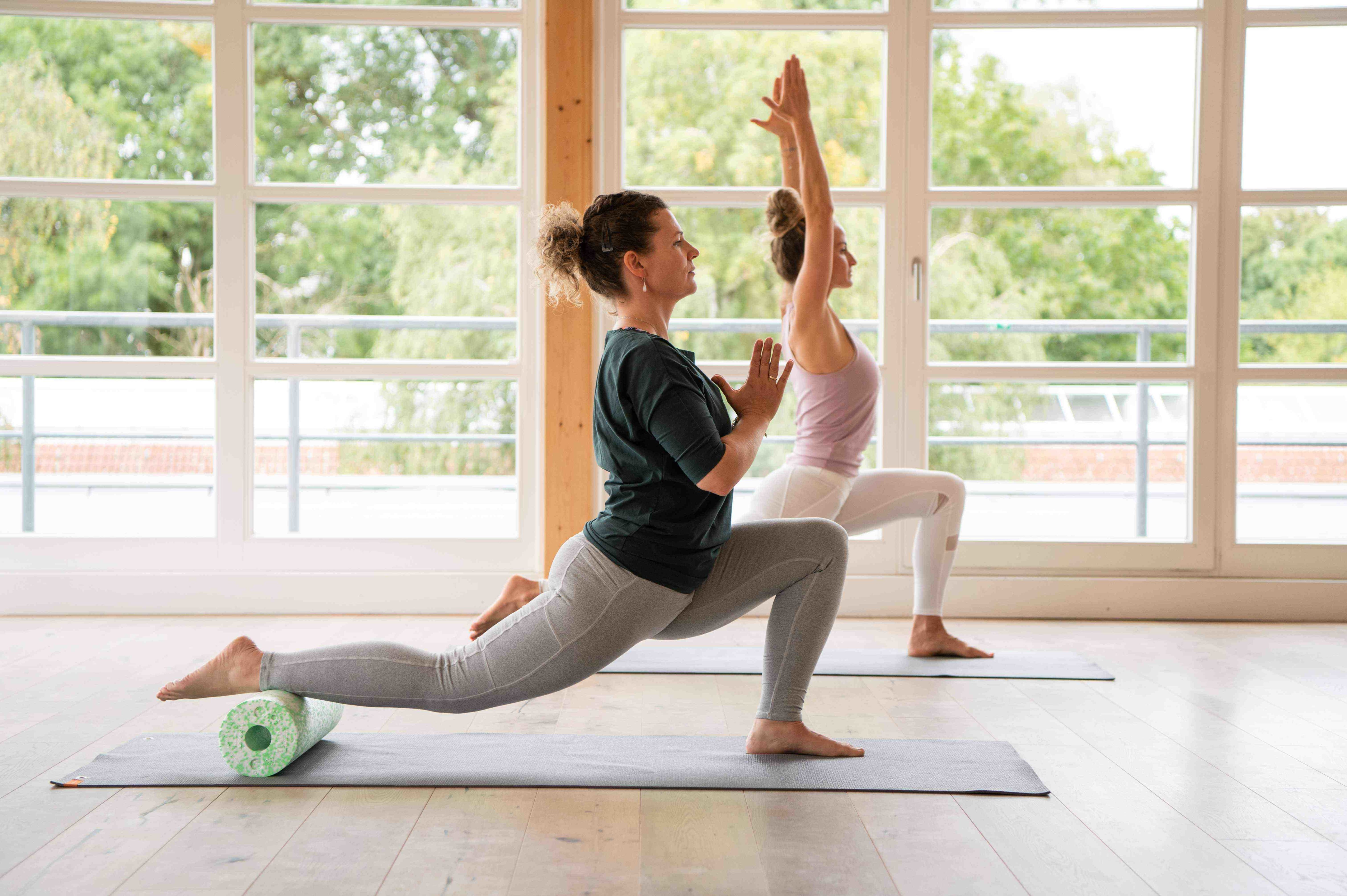
Fascia Yoga combines fascia training with dynamic yoga exercises. The focus is on active stretching and mobility training. The goal of this preventive and rehabilitative practice is to make the fascia supple, release tension, and improve performance and recovery.
Fascia Yoga is right for you if you want to supplement your regular fitness routine with health-oriented training. It’s also recommended if you’re prone to tension or have tight connective tissue. No prior yoga experience is necessary.
Want to give this style of yoga a try? Here are some fascia yoga exercises specifically for back pain. We’ll also show you relaxation exercises from fascia yoga to help your muscles unwind.
6.10. Bikram Yoga (Hot Yoga)
Bikram Yoga, also known as Hot Yoga, is a modern variation of Hatha Yoga that’s particularly gentle on the joints. The class, which follows a set sequence of physical and breathing exercises, takes place in a room heated to 40 degrees Celsius with high humidity. The combination of heat and humidity is designed to warm up the muscles, tendons, and ligaments, allowing practitioners to perform intense stretches without risking injury.
Bikram Yoga is a sweat-inducing workout that pushes you to your physical and mental limits. You should be comfortable with heat and in good health.
9. Yoga Exercises with Pictures and Videos
Yoga is best practiced under professional guidance. We have a series of exercise routines and videos for you to try out yoga at home:


Yoga is a holistic approach to the body and mind. The teachings of yoga are thousands of years old and originated in India. Today, the term primarily refers to a combination of physical exercises (asanas), breathing techniques (pranayama), and meditation. In the broadest sense, yoga describes a lifestyle intended to bring the body, mind, and soul into harmony and foster a peaceful coexistence.
Despite its spiritual origins in India, yoga is neither a sport nor a religion. It is a way of life aimed at achieving harmony between body, mind, and soul. In Germany, it is often practiced as a form of relaxation or as part of a healthy lifestyle.
Yes, there are numerous styles of yoga—more than 90 are known. Hatha Yoga, for example, the oldest physical form of yoga, focuses on slow movements combined with breathing exercises. Yin Yoga emphasizes stretching, while Ashtanga Yoga and Power Yoga focus more on vigorous sequences, and Vinyasa Yoga is a dynamic style of yoga.
Regular yoga practice can improve physical flexibility and strength and, through relaxation techniques, help reduce stress. The combination of movement and breath control is said to have a calming effect on the nervous system.
Among other things, yoga can have a positive effect on flexibility, strengthen the core muscles, and improve overall well-being. Combined with meditation and breathing exercises, yoga is also said to have positive effects on stress symptoms as well as back pain, migraines, and other types of pain.
Through asanas combined with breathing and meditation techniques, yoga can influence one’s mindset. Positive effects have been observed, among other things, in cases of anxiety and depressive symptoms. In addition, regular yoga practice can strengthen stress resilience and promote greater serenity and inner peace.
That depends on your personal goals and lifestyle. Once a week may be enough to start with to begin feeling the benefits of yoga.
Yoga poses (asanas) for beginners include, for example, Mountain Pose, Child’s Pose, Table Top Pose, Downward-Facing Dog, Cobra, Warrior I, Plank, and Shoulder Bridge. Beginners with no prior experience can also practice Sun Salutation A, a sequence of various asanas.
For yoga, we recommend light, comfortable clothing that allows for maximum freedom of movement. You should be able to cover your arms and legs so you don’t get cold at any point. A pair of socks is also a good idea for the final relaxation.
Basically, all you need for yoga is a non-slip yoga mat and comfortable clothing. Some practices may require additional accessories like blocks or straps, but that’s not always the case.
Group yoga classes cost between 10 and 25 euros per hour, depending on the region. For private lessons, you’ll pay an average of 60 to 120 euros. A membership at a yoga studio costs an average of 50 euros per month.
Sources:
(1) https://www.google.com/url?q=h...
(2) https://academic.oup.com/ageing/article/45/1/21/2195366
(3) https://link.springer.com/article/10.1007/s11606-019-05413-9
(5) https://www.cochranelibrary.com/cdsr/doi/10.1002/14651858.CD010671/full
(6) https://onlinelibrary.wiley.com/doi/10.1002/da.22762