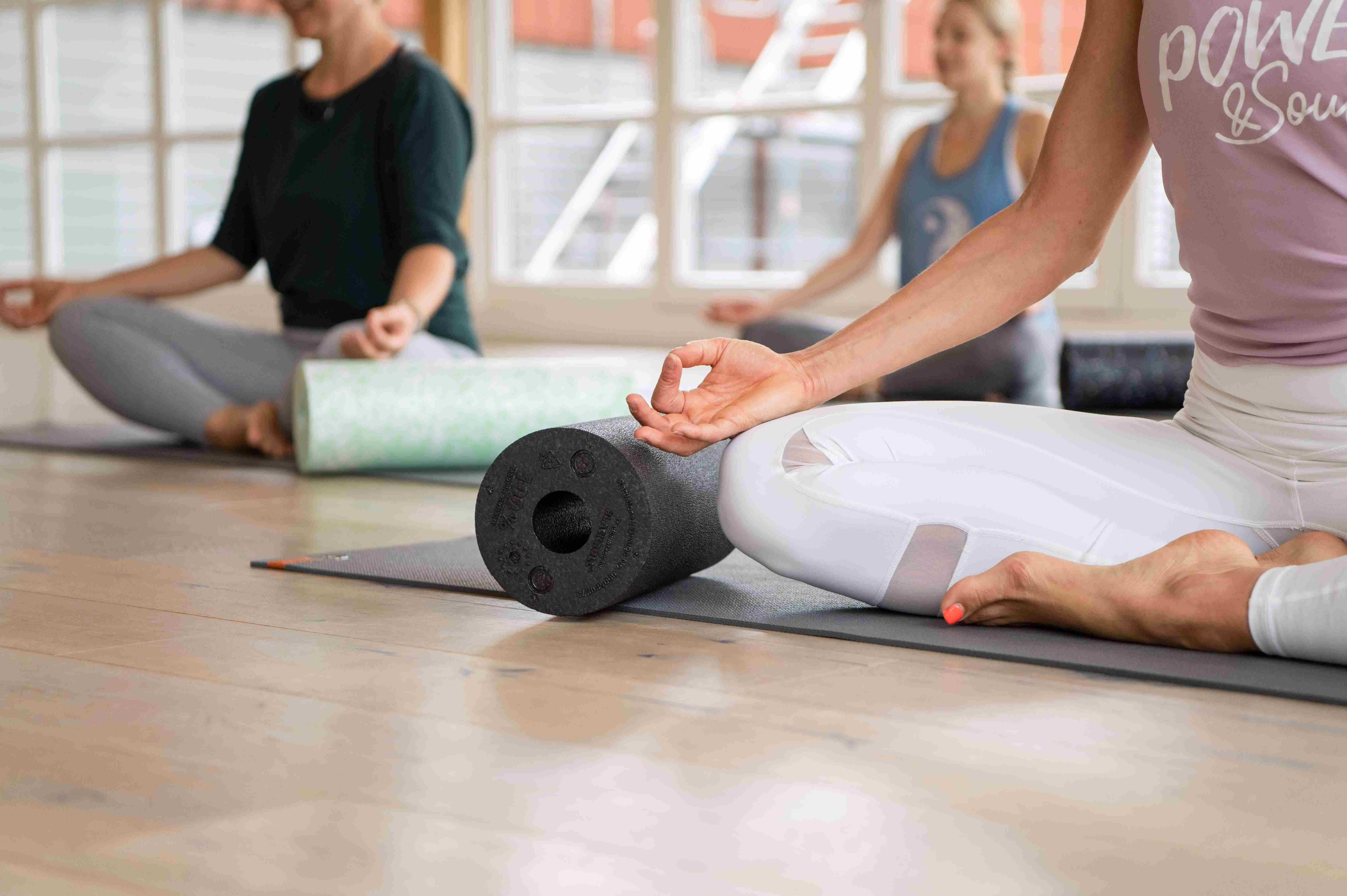
Learning to Meditate: An Introduction to Meditation

With his hands resting comfortably in his lap, Buddha sits motionless for hours under a tree, breathing calmly as he attains enlightenment: This image, passed down for millennia, is usually the first thing that comes to mind when we think of meditation. Yet meditation today is far more diverse and better suited to everyday life than it was in Buddha’s time, 500 B.C. There are now numerous modern meditation techniques that integrate well into our Western lives.
Meditation is based on the principle of mindfulness—that is, being aware of the present moment. The simplest form of meditation involves sitting in silence, breathing consciously, and observing as thoughts and feelings pass by. This sounds simple, but it takes some practice. Numerous studies confirm that it’s worth starting to meditate. Scientists from around the world are studying the positive effects of mindful introspection. Among other things, meditation is said to promote relaxation, calm, and concentration, as well as boost health.
In this article, you’ll learn more about the basics of meditation, the effects meditation can have on the body and mind, and the best way for beginners to get started.

Your stress management course for greater serenity. Up to 100% refund.
Click here for your online stress management course

Definition: Meditation and Origins
The term “meditation” is derived from the Latin “meditatio,” which means to reflect or think deeply. Other terms include contemplation, introspection, or deep reflection. Today, we associate meditation with a whole range of exercises for the mind.
In general, meditating means turning one’s attention inward and focusing on a single thing without distraction—for example, one’s breath or a specific mantra.
Meditation has been practiced in various traditions and religions for millennia, such as in Buddhism. Through this mental exercise, meditators seek to free themselves from all thoughts and feelings that cause suffering in life. The goal of traditional Buddhist Zen meditation is to develop an attitude of mindfulness, impartiality, and compassion—and ultimately to attain enlightenment. Meditation is also practiced in other religions, including both Christianity and Islam, as a means of entering into a deeper connection with God.
Through this mental practice, meditators seek to free themselves from all thoughts and feelings that cause suffering in life.
Meanwhile, numerous meditation techniques have emerged that are detached from religious motives. The primary goals are stress reduction and relaxation through concentration and mindfulness.
02. Meditation Techniques: Passive and Active Meditation
Sitting in silence and listening to your own breath is just one form of meditation. Meditation can also take other forms: you might move through a yoga flow or sing. At its core, it’s always about cultivating mindfulness by focusing your awareness and concentrating on something. Each type of meditation uses a different technique for this: for example, you might focus on your breathing, on physical sensations, or on mantras.
Basically, there are two types of mindful pause:
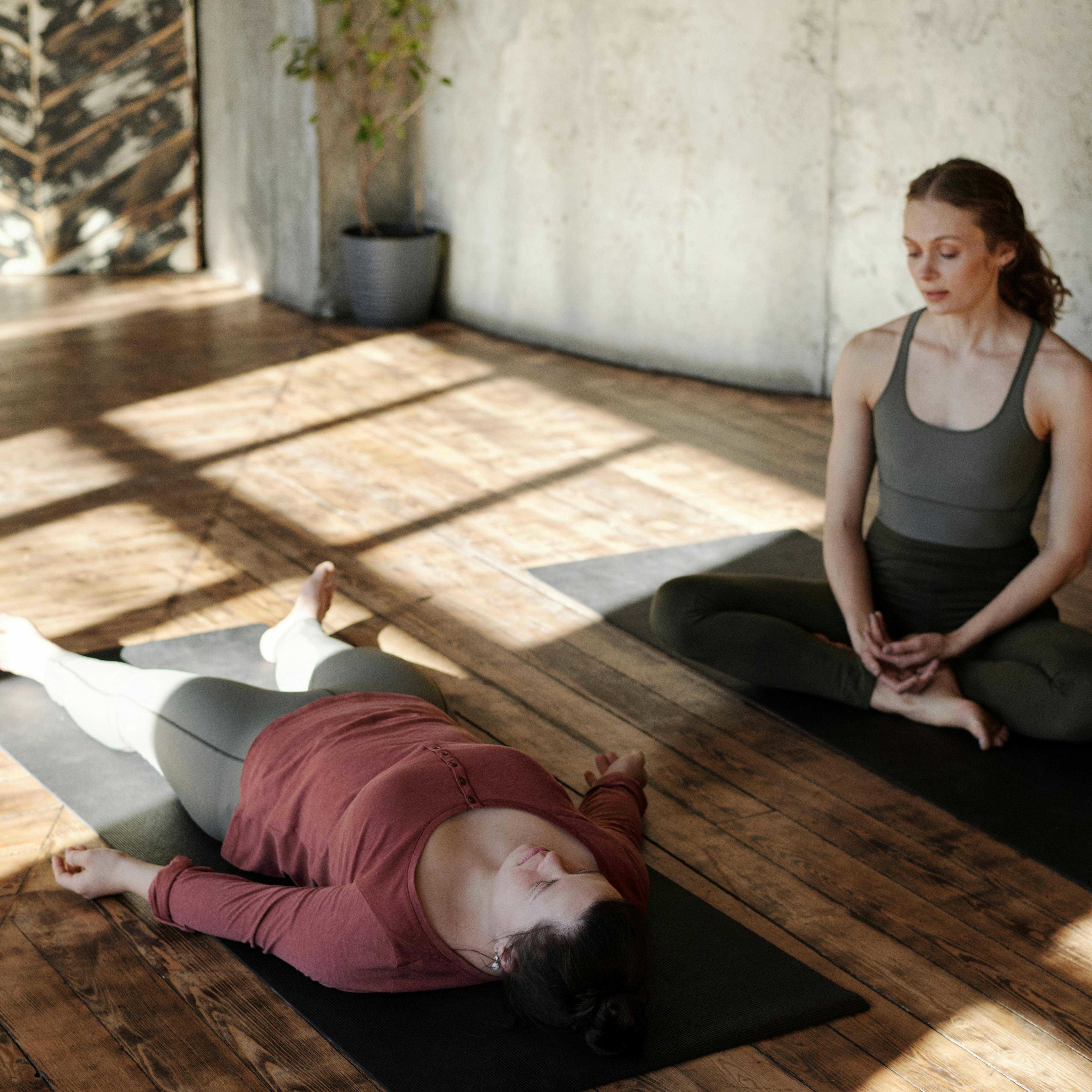
01. Passive Meditation:
In contemplative forms of meditation, you sit, lie down, or stand motionless—usually in silence—and concentrate on a specific thing, such as your breath, a mantra, or a visualization.
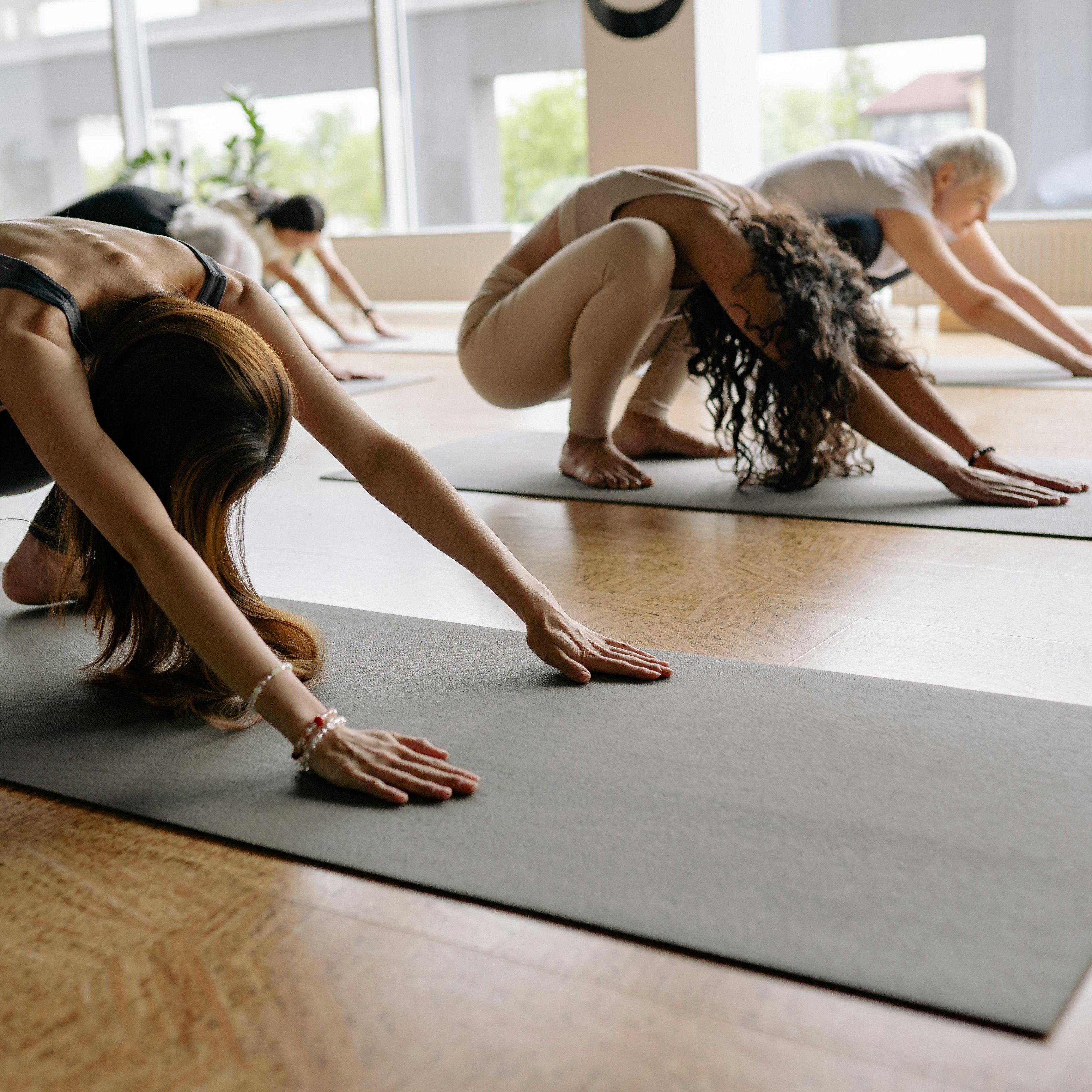
02. Active Meditation:
In this type of meditation, you are physically active, assume various postures, or use your voice. Yoga, chanting, and some martial arts are examples of dynamic meditations.
There are numerous meditation techniques. Here, we’ll focus on some of the most well-known ways to meditate, which are suitable for both beginners and experienced meditators:
Guided Meditation
In a guided meditation, a teacher guides participants step by step on what to do, what to focus on, or what to visualize in their mind’s eye in order to achieve calm, relaxation, and insight. You can find guided meditations, for example, on streaming platforms or through meditation apps. This type of meditation is particularly suitable for beginners.
Silent Meditation
In contrast to guided meditation, in this practice you sit in silence and focus on the flow of your breath. When thoughts arise, you let them pass without clinging to them. Your attention returns again and again to your breath.
Vipassana Meditation
Vipassana is a form of mindfulness meditation practiced in silence. You do not focus on your breath or any other specific object. Instead, the goal is to constantly be aware of what is happening within and around you. In this way, you become an observer of the outside world as well as your own thoughts, feelings, and physical sensations. Pain, sounds, sensations—everything is allowed to be as it is, while you calmly breathe in and out and simply observe without judgment.
Zen Meditation
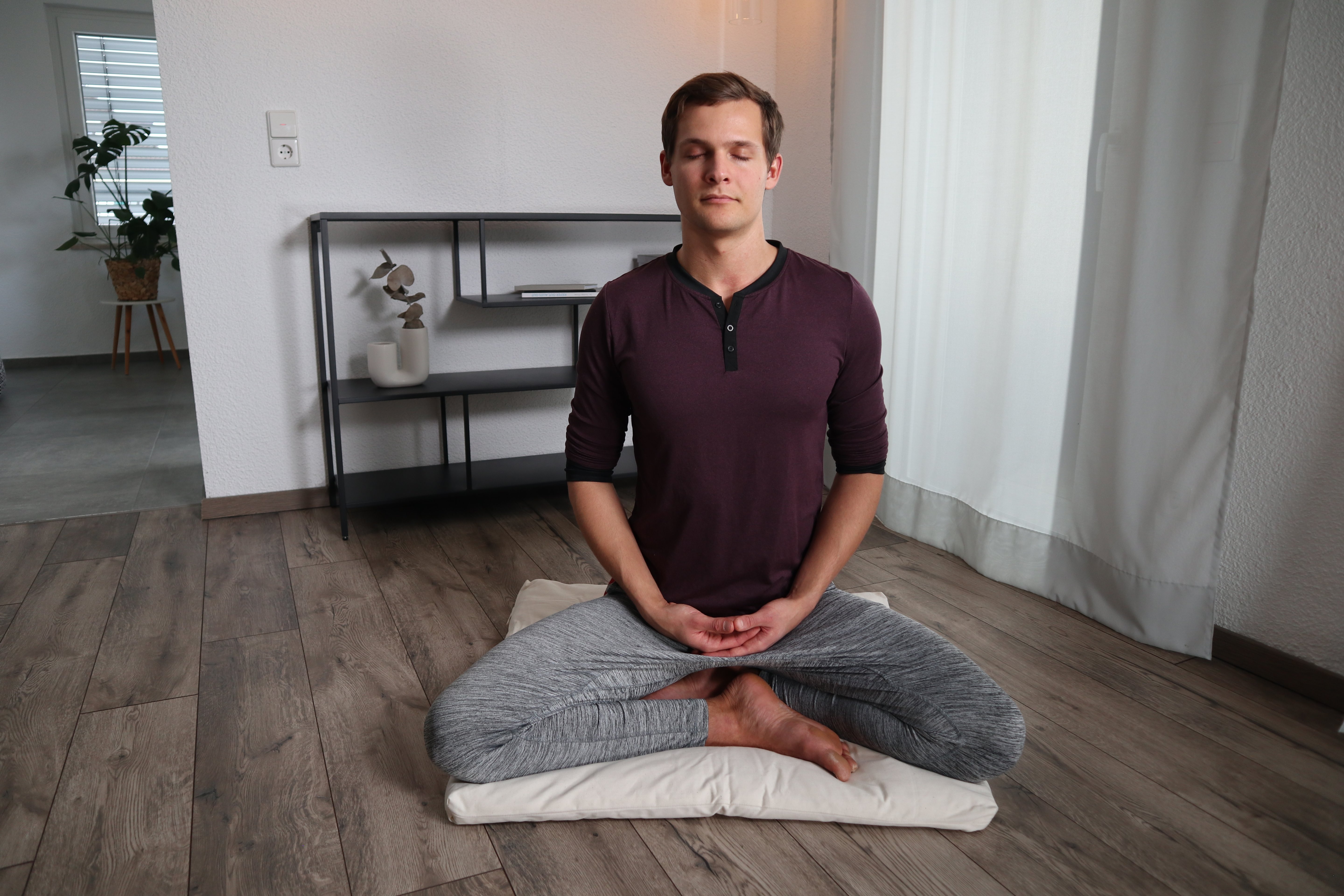
This Buddhist meditation requires a strictly prescribed posture: You typically sit upright for an extended period in the lotus, cross-legged, or heel-to-heel position, without moving. During this time, you focus on your bodily sensations and let thoughts pass by without judgment.
Walking Meditation
In this active meditation, you place one foot in front of the other at a calm, steady rhythm, concentrating on each step and synchronizing your breath with your movement. Regular walking meditation is said to help release physical and mental blockages.
Body Scan
In this meditation, which is based on autogenic training, you typically lie on your back and scan your body for tension or sensations. During the body scan, you breathe calmly and simply observe what is there without fighting it.
Mantra Meditation
Whether sitting, standing, or lying down, you think, say, or chant a mantra—such as the word “Om”—in sync with your breath. Other well-known mantras include “So ham” (I am) or “Lokah Samastah Sukhino Bhavantu” (May all beings in all worlds be happy). Affirmations are also a great option; you can use them as an anchor for your meditation, such as “I am safe.” By focusing on the words, you can more easily let go of stressful thoughts and cultivate positive feelings.
Osho Meditation
Osho Dynamic Meditation is a kind of mindfulness workout for the body and mind that can bring you into the present moment, release tension, and free you from negative thoughts.
The meditation lasts one hour, is accompanied by music, and consists of five phases:
- In sequence one (10 minutes), you release tension by breathing in and out forcefully through your nose in short bursts; as you go faster and faster, you naturally move your body along with the rhythm.
- Phase two (10 minutes): You shake your body, hop, dance, scream—explode to the music.
- This is followed by phase three (10 minutes), in which you jump into the air with your arms raised while chanting the mantra “Huh! Huh! Huh!”
- After that, inPhase Four (15 minutes), you come to an abrupt halt and remain motionless in your position. You observe your sensations and thoughts, taking in what is happening right now.
- In thefinal sequence (15 minutes), you dance exuberantly to the music and enjoy the endorphins. (1)
By the way, a common myth is that you shouldn’t think or feel anything while meditating.
That’s not quite right: rather, these mental exercises aim to teach you to simply observe your thoughts and feelings instead of identifying with them.
So it’s not a problem at all if your to-do list pops into your head during meditation or if you’re overcome by sadness. Over time, you’ll develop the ability to accept these “distractions” with kindness and let them pass.
03. Meditation Has Effects on the Body
Sitting and Doing Nothing: Although contemplative meditation may seem like very little from the outside, a great deal is happening inside our bodies while we meditate.
Meditation Trains the Vagus Nerve
The practice of meditation can have a major impact on the nervous system—specifically, on the vagus nerve. As part of the parasympathetic nervous system, it plays a crucial role in promoting calm, relaxation, and balance, among other things.
How does meditation affect the vagus nerve? Meditation combined with breathing exercises can activate and train the nerve much like a muscle. An activated vagus nerve can help you think in a solution-oriented way, stay focused, remain calm in stressful situations, and better regulate strong emotions such as anxiety. Meditation may also have positive effects on depression and other mental health conditions. (2)
An important note: Although meditation has been shown to have positive effects on mental health, mindfulness exercises are not a substitute for psychotherapy.
Pain Relief
Furthermore, meditation can alleviate pain in many cases. In one study, body awareness exercises led to the growth of certain areas of the brain and the formation of more complex neural networks. For participants with chronic pain, eight weeks of meditation practice had effects similar to those of strong medications. (3)
Meditation Can Change the Brain
Another amazing effect of meditation on the body: Regular practice can boost the activity of the enzyme telomerase, which is important for the health of the body’s cells and can positively influence life expectancy. (4)
The results of another scientific study suggest that mindfulness meditation can positively alter the gray matter in the brain.
The “gray” cerebral cortex is responsible for all of our brain’s higher-level functions, such as regulating emotions, seeing things from others’ perspectives, remembering the past, and planning for the future. (5)
04. Letting Go of Thoughts and Feelings
Every day, about 60,000 thoughts cross each of our minds, whether we want them to or not. Many of them have a negative impact on us: “I’m sad—that’ll never change.” “I look extremely tired today.” “Typical—everything’s going wrong for me again.” On top of that, there are billions of pieces of information we’re confronted with every day, and our brains can process about eleven million of them per second.
If you want to put a stop to this whirlwind of thoughts, feelings, and information, you can try meditating. Through meditation, you can turn away from the outside world, practice filtering information more effectively, and learn to stop identifying with your (negative) thoughts and feelings. Your mind will become freer, and your psyche more balanced and harmonious.
05. Calm, Relaxation, and Stress Relief Through Meditation
Meditation can relieve stress and tension in the nervous system. By meditating regularly, you can lower your cortisol levels, helping you feel more relaxed and experience inner peace. Other positive side effects of having fewer stress hormones in your blood include a reduced risk of stress-induced symptoms such as migraines, high blood pressure, sleep disturbances, and food cravings. (6)
Tip: In addition to meditation, other relaxation techniques such as autogenic training or progressive muscle relaxation are also effective against stress.

Relaxation Techniques: Reducing Stress and Finding Peace
Relaxation Techniques06. Cultivating Mindfulness and Awareness Through Meditation
Mindfulness isn’t just a buzzword—it’s an attitude toward life. Being mindful means experiencing every moment with full awareness, immersing yourself in the present moment, and not constantly getting lost in thoughts of the past or future. Mindfulness helps us reduce stress and invite more peace—as well as joy—into our lives.
Meditation is one of the most effective mindfulness practices. During the practice, only the present moment matters.
In this way, you cultivate mindfulness and learn to be fully present in the here and now. After meditating regularly for a while, you may notice that you enjoy the beauty of nature much more, savor your food more intensely, or have deeper conversations and build better relationships. You’ll likely also find yourself getting less and less caught up in worst-case scenarios or feelings of guilt, and generally find more joy in life.
Another exciting mindfulness exercise is forest bathing —learn more here!
07. Concentration and Focus
Meditation changes the way your brain reacts to distractions.
Studies show that people who practice meditation regularly change the structure of their brains and find it easier to apply their ability to concentrate to other areas of life, such as work. You’re less easily distracted and work more productively. (6)
But how exactly does meditation promote concentration? By teaching us, for example, to be aware of our breath. Breathing is an automatic bodily function—we do it without thinking. But in meditation, breathing becomes a conscious act. You focus on it and mindfully notice every breath. This trains your attention span and thereby improves your ability to concentrate.
Another important aspect is the relaxation that sets in during meditation: By reducing stress, we can enter a state of greater calm—ideal conditions for enhanced concentration.
08. Seating Position and Breathing During Meditation
The correct sitting position or posture and breathing are central components of most contemplative meditations. They can play a significant role in helping you relax and calm your mind.
Sitting Correctly During Meditation
Many people imagine the typical meditation posture to be the cross-legged position. After all, Buddha himself attained enlightenment in this position. But this cross-legged posture may not be suitable for everyone. It’s important to find a position in which you can keep your upper body upright and feel comfortable. You should remain focused, yet still be able to relax.
An alternative to the cross-legged position is sitting with your heels tucked under you. For some, sitting on a meditation bench or cushion is more comfortable. Others feel more at ease in a chair. If sitting isn’t an option for you at all, you can also meditate while lying down. As you can see, meditation isn’t nearly as rigid as you might think.
Proper Meditation Breathing
Breathing also plays a central role in most meditation techniques. Deliberate, deep breathing can help you release both physical and emotional tension. As you breathe, imagine how your abdomen expands as you inhale and contracts again as you exhale.
There are other breathing methods used in meditation practice, such as the 4-7-8 breathing technique, in which you inhale for four seconds, hold your breath for seven seconds, and then exhale for eight seconds.
Ultimately, though, it’s not about forcing yourself to use a specific technique. Find a way of breathing that helps you relax. Discover 10-minute guided breathing exercises here to let go of anxiety and stress.
09. Learning Meditation and Integrating It into Your Daily Life
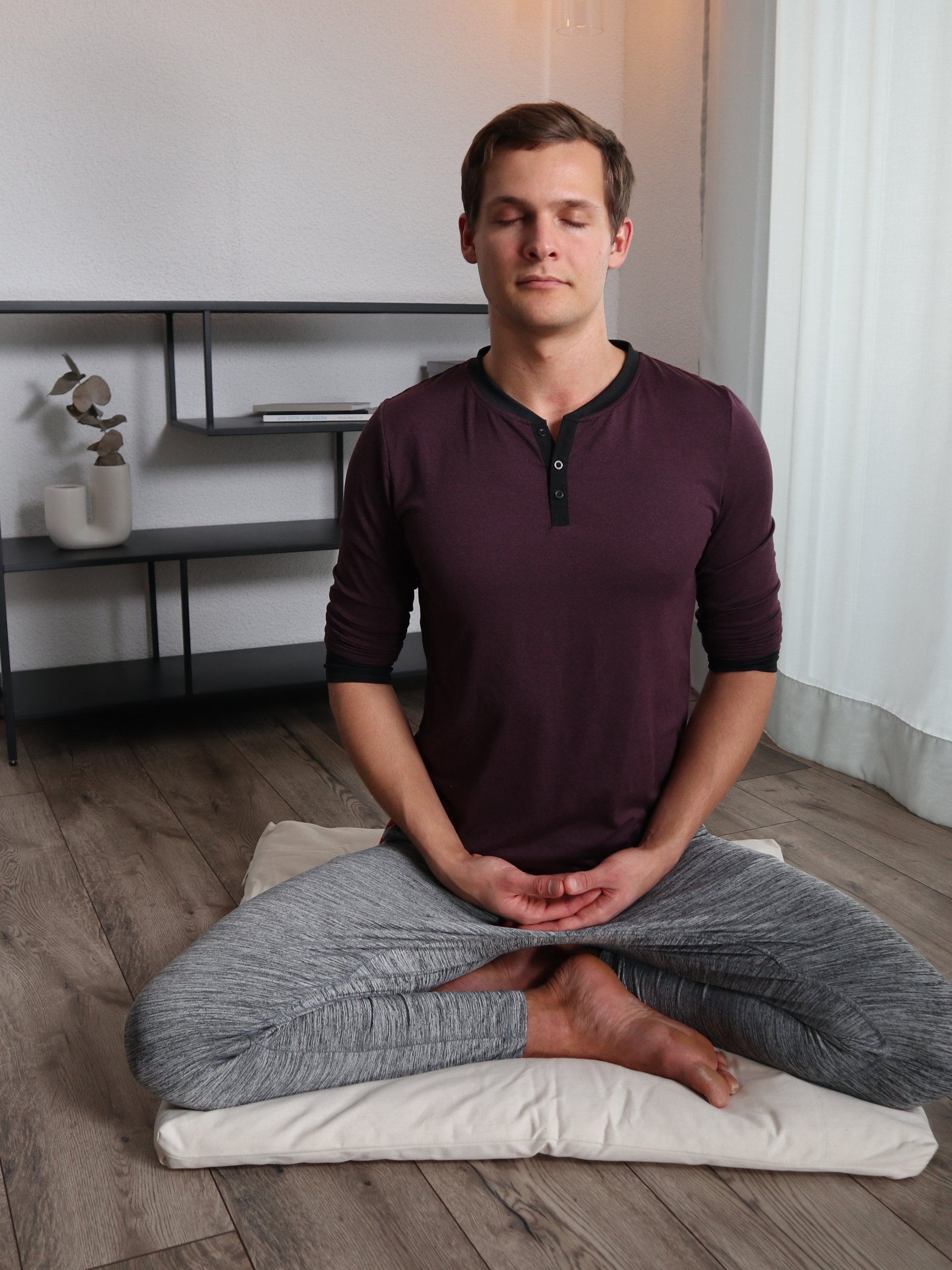
Sitting calmly on a cushion, closing your eyes, and doing nothing—from the outside, meditation can seem that simple. But in reality, meditating requires a high degree of discipline. The better you prepare yourself, the easier it will be to practice regularly.
These steps can make it easier for you to get started with meditation and help you stick with it:
- Set up a dedicated space where you’d like to meditate in the future. This should be a place where you feel comfortable and won’t be disturbed.
- Commit to a specific time for your meditation routine that fits into your daily life—whether it’s early in the morning, before bed, or in the late afternoon. Set a timer to remind you every day.
- Start with two to five minutes of meditation each day for the first 30 days, then gradually increase the duration.
- Find a sitting position that feels comfortable for you and won’t make you fall asleep. It’s important that you can stay focused.
- Choose a focal point: Do you want to focus on your breathing, a specific mantra, or a visualization? Of course, you can also try out different techniques or start with guided meditations.
- If thoughts or feelings arise, don’t fight them. That’s okay! Just keep returning to your focal point.
- Also use other relaxation techniques in your daily life, such as yoga, autogenic training, or progressive muscle relaxation, to reduce stress and enter an ever-deeper state of calm, serenity, and clarity.
- Practice patience and kindness toward yourself. There’s no such thing as a “good” or “bad” meditation. The main thing is that you practice being in the present moment. Then you’ve already won.
10. FAQ
Meditation (Latin: meditation, to reflect or contemplate) is a spiritual practice in which you can reduce stress, cultivate mindfulness, and achieve altered states of consciousness through concentration exercises. In a state of meditation, the body and mind are alert and clear, yet calm at the same time. Meditation has been deeply rooted in many traditions and religions for millennia, such as Buddhism. Today, there are many different types of meditation that can be practiced even without religious motives.
Find a regular place to meditate and choose a set time, such as always after waking up or before going to bed. Find a comfortable sitting position where you can relax but remain focused. Focus on your breathing—breathe in and out calmly—and accept the stream of thoughts. To start with, two to five minutes of meditation a day is enough; build up slowly.
There are many different forms of meditation—sitting, lying down, standing, passive, active. At its core, it’s always about consciously directing your attention. When meditating, you focus for a few minutes up to several hours on your breathing, on sensations in your body, or on mantras.
Meditation can lift your mood, reduce stress, improve how you manage your emotions, and enhance your ability to concentrate and make clear decisions. A regular meditation practice can help you make lasting, positive changes in the way you think, feel, perceive, and act.
In a meditative state, the heart beats more slowly, blood pressure drops, and muscle tension decreases. Numerous studies show that regular meditation can promote relaxation and reduce stress. In addition, this spiritual practice is said to strengthen the immune system, improve sleep quality, and alleviate pain.
How long you should meditate depends on your personal goals. Generally, five to ten minutes a day is enough to help you feel calmer, more focused, and more at ease in your daily life. Consistency is more important than the duration of a single meditation session. It’s better to sit on your meditation cushion for three minutes every day than for twenty minutes just once a week.
Anyone can learn to meditate, even on their own. All you need is the willingness to set aside time for it every day and to follow a few basic principles.
Generally, it’s recommended to meditate in an upright sitting position so you don’t fall asleep but stay focused. If you’re unable to sit comfortably for a while, you can also meditate while lying down. To avoid losing focus, you can place your thumb and index finger together and apply light pressure through your fingertips.
Many people notice the first positive effects after just a few days of meditation: they feel more relaxed and aren’t as easily stressed. The first changes in the brain are measurable after about 25 hours of meditation.
When meditating, breathe in through your nose and out through your mouth. Try to practice deep abdominal breathing, which means your belly expands as you inhale and flattens as you exhale. Find a steady, calm breathing rhythm. It can be helpful to mentally count your breaths, starting with 1 (in), 1 (out), 2 (in), 2 (out), and so on. Or you can say “in” and “out” to yourself in your mind.
In most traditions, meditation is preferably practiced in the early morning hours. Experience has shown that this routine is most effective for bringing about positive changes in thought and action, since the mind is still clear right after waking up. Nevertheless, meditating in the evening can be just as beneficial for letting go of the hectic demands of daily life before bedtime and finding peace.
In general, there is no scientific evidence of negative effects from the practice of meditation. Nevertheless, psychologists advise people with mental health conditions against meditating for several hours or days at a time. Long periods of meditation could trigger hallucinations or other psychotic symptoms in individuals with a predisposition to such conditions.
Sources:
(1) https://www.osho.de/meditationen/dynamische-meditation/
(2) https://www.frontiersin.org/articles/10.3389/fpsyt.2018.00044/full
(5) https://www.ncbi.nlm.nih.gov/pmc/articles/PMC3004979/
(6) https://pubmed.ncbi.nlm.nih.gov/23724462/
(7) https://psychcentral.com/blog/how-meditation-changes-the-brain#how-it-affects-the-brain