Mouth Taping for Better Sleep—Does It Really Work? Effects, Benefits, and Risks

The “mouth taping” trend lives up to its name. It involves taping the mouth shut while sleeping to improve sleep quality. More and more people, including Manchester City’s star striker Erling Haaland, are trying it, as he revealed in an interview.
On TikTok, Instagram, and YouTube, videos about mouth taping are also going viral at an increasing rate.
Mouth taping isn’t new. For several years now, people—especially in the biohacking community—have been advocating for taping the mouth shut at night to improve sleep quality and achieve positive health benefits.
But does it work, and is it safe to tape your mouth shut while sleeping? Can it even help with snoring and sleep apnea?
In this article, we’ll take a closer look at this topic.
What Is Mouth Taping?
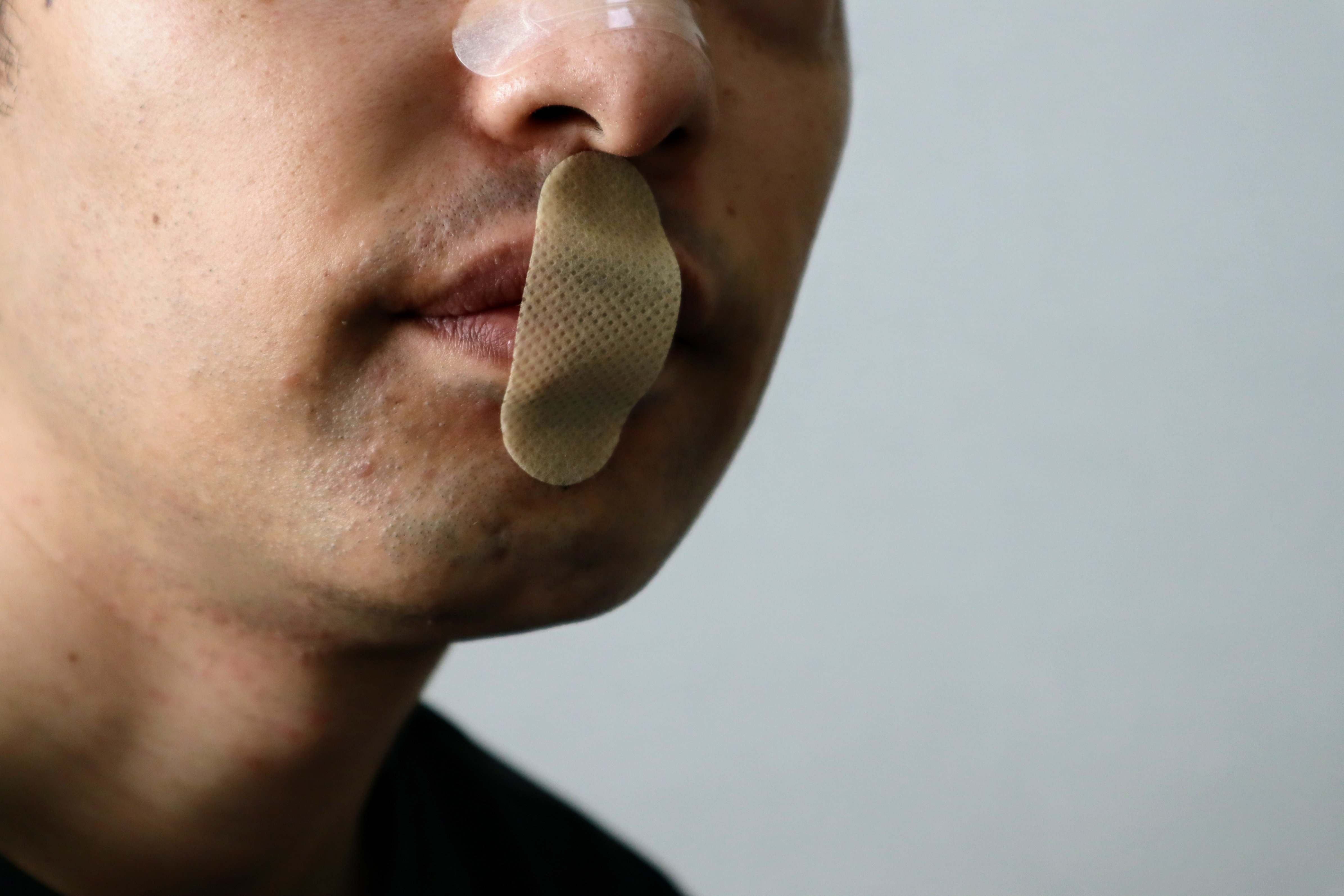
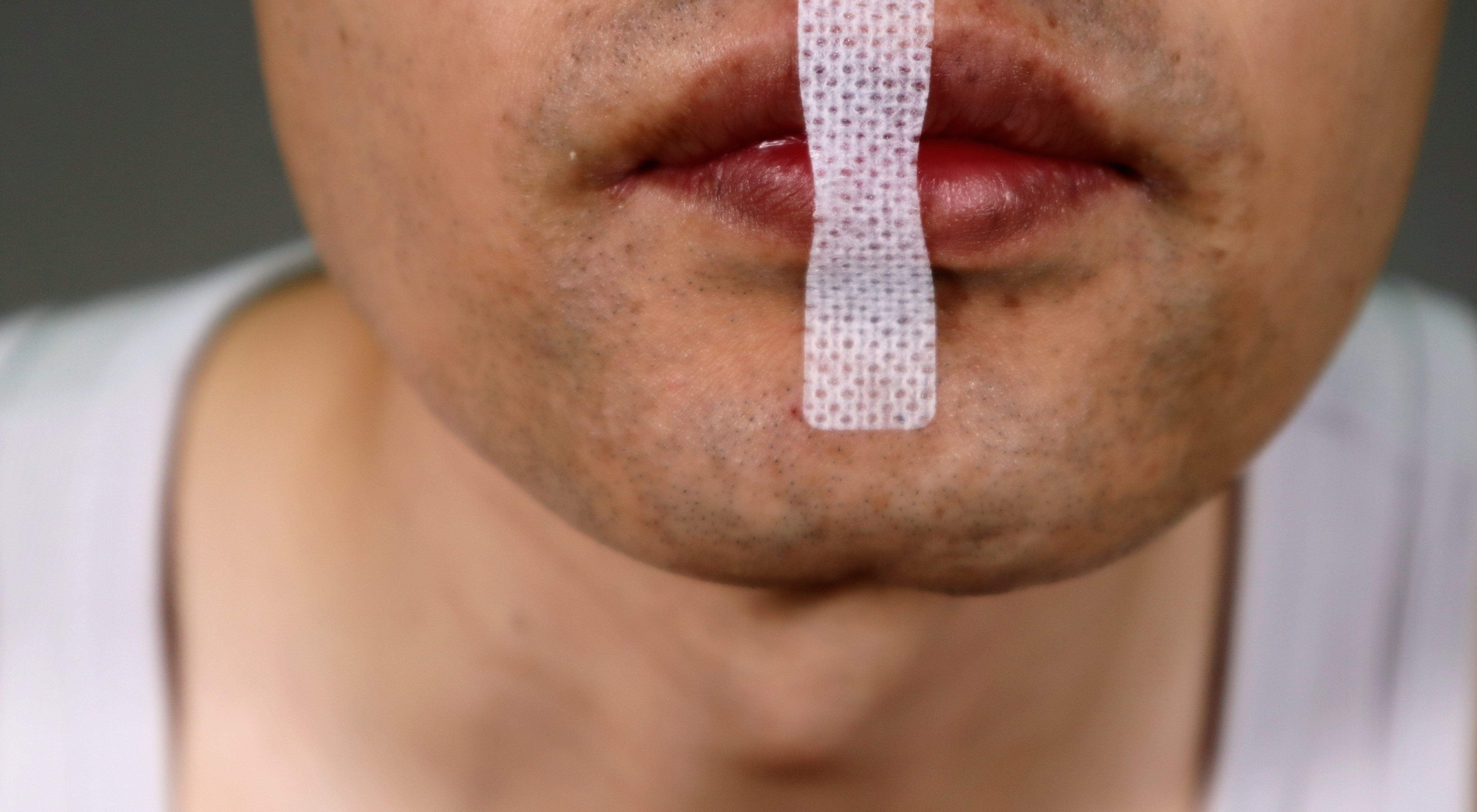
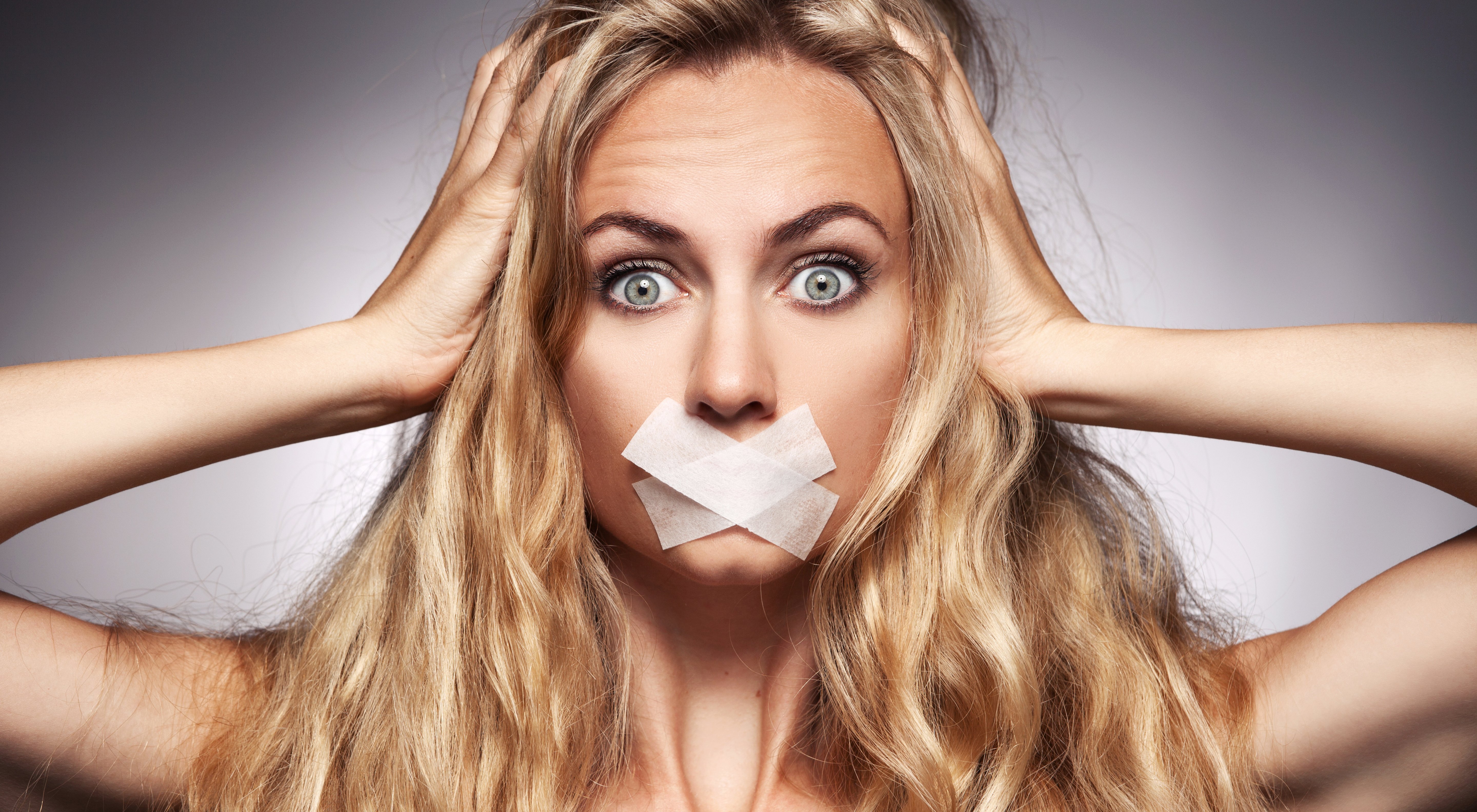
The name pretty much says it all. Mouth taping involves applying tape over the lips at night to encourage nasal breathing and keep the mouth closed while sleeping. There are many advocates who swear that preventing mouth breathing at night is beneficial for sleep and health issues.
02 What are the benefits of taping your mouth shut at night?
The goal of mouth taping is to promote nasal breathing instead of mouth breathing. Nasal breathing has the advantage that the inhaled air is filtered, humidified, and warmed before it reaches the lungs. This air conditioning helps purify the air and can filter out allergens and pollutants. In addition, nasal breathing promotes calmer breathing, which contributes to relaxation.
Furthermore, the inhaled air is enriched with nitric oxide—a gas produced in the sinuses—before it reaches the lungs. This air conditioning facilitates gas exchange in the lungs. Nitric oxide also has blood pressure-lowering and anxiety-reducing properties.
In contrast, mouth breathing does not involve comprehensive processing of the air we breathe. When breathing through the mouth, the tongue moves closer to the throat, especially during sleep, when muscle tone—including that of the tongue muscles—decreases.
This can lead to snoring or pauses in breathing. Overall, nasal breathing is the preferred and healthier option for most people at rest.
Comparison: Nasal Breathing vs. Mouth Breathing
While mouth breathing can occur in certain situations, such as during intense physical exertion or when the nose is blocked, nasal breathing is superior for everyday use for several reasons.
How can I tell if I’m a mouth or nose breather?
A common sign of mouth breathing is a dry mouth after sleeping. Another sign is audible breathing sounds from your partner during sleep, as air flows through the open mouth and can cause noise.
“Unlike mouth breathing, nasal breathing filters out foreign particles, humidifies and warms the inhaled air, and produces nitric oxide. This nitric oxide acts as a vasodilator in the body, which promotes the dilation of blood vessels and thus leads to improved oxygen supply at the cellular level. Except when engaging in very intense physical activity, one should prefer nasal breathing over mouth breathing.”
Stefan Schneider, Movement & Mindfulness Coach

Physiological Benefits of Nasal Breathing
- Filtering and warming of inhaled air: The nose acts as a filter that removes dust and other particles from the air. It also warms and humidifies the inhaled air, which is particularly beneficial in cold climates.
- Improved oxygen uptake: Breathing through the nose allows for more efficient oxygen uptake. The nasal mucosa produces nitric oxide, which increases the lungs’ capacity to absorb oxygen.
- Blood Pressure Regulation: Nitric oxide also plays a role in regulating blood pressure and promotes blood circulation.
Psychological and emotional benefits
- Stress reduction through nasal breathing: Slow, deep nasal breathing can calm the nervous system and reduce stress.
- Improved sleep quality: Regular nasal breathing can lead to deeper and more restful sleep and reduce the frequency of sleep disorders such as snoring and sleep apnea.
Nasal Breathing and Physical Performance
- Increased endurance: Athletes who focus on nasal breathing can improve their endurance and performance.
- Improved Posture: Proper breathing technique can also contribute to better posture, as the body tends to sit up straighter when breathing through the nose.
To fully reap the benefits of nasal breathing, it may also be important to position the body correctly while sleeping. Our BLACKROLL® blankets, pillows, and mattresses can help with this.
Discover our sleep products:
03 The Science Behind Mouth Taping
In theory, mouth taping is supposed to help maintain healthier breathing during sleep by keeping the mouth closed.
The benefits of mouth taping are controversial, although many anecdotal reports claim that it can alleviate problems such as snoring, fatigue, difficulty concentrating, bad breath, and excessive nighttime thirst.
To date, scientific studies have only demonstrated a reduction in snoring and fatigue in people with obstructive sleep apnea. However, even these results are inconclusive and the topic remains relatively under-researched.
Nevertheless, it is speculated that mouth taping might mitigate the negative effects of mouth breathing, such as ADHD symptoms, sleep problems, dry mouth, tooth decay, gum disease, bad breath, and cognitive impairments.
However, further research is needed to confirm these claims.
04 Does mouth taping help with sleep apnea?
There are numerous reports on the use of mouth taping to treat sleep apnea, but research on this topic is still in its early stages.
- In a small pilot study published in 2015 in the journal*Otolaryngology*, 30 people with mild sleep apnea wore adhesive patches over their mouths while sleeping at home for three nights. The intensity of snoring, as reported by the participants’ bed partners, decreased slightly.
- In a 2022 study involving 20 people, 13 participants showed lower snoring intensity than on nights without the tape.
- However, another 2022 study on the effectiveness of mouth taping for sleep apnea found that most participants continued to breathe through their mouths despite the tape. The tape was unable to stop the sleep apnea episodes.
Many experts recommend taping the mouth shut and using a CPAP machine at the same time to treat sleep apnea. A CPAP machine is a medical device that delivers continuous positive air pressure to the airways to prevent them from collapsing during sleep and to treat breathing problems such as sleep apnea.
05 What You Should Keep in Mind
First, it’s important to understand thatthere isstill very little research on mouth taping. Many experts swear by it, while others warn against it. What is certain is that there is no general consensus on the topic. Therefore, you should always consider discussing this with your trusted doctor.
Before trying mouth taping as a sleep aid, it’s advisable to test the mouth strips during the day. If you have difficulty breathing through your nose due to allergies or other reasons, you may want to avoid mouth taping.
To minimize irritation and adhesive residue, you can apply a skin-friendly oil to the area around your mouth before applying the tape.
06 What kind of tape should be used for mouth taping?
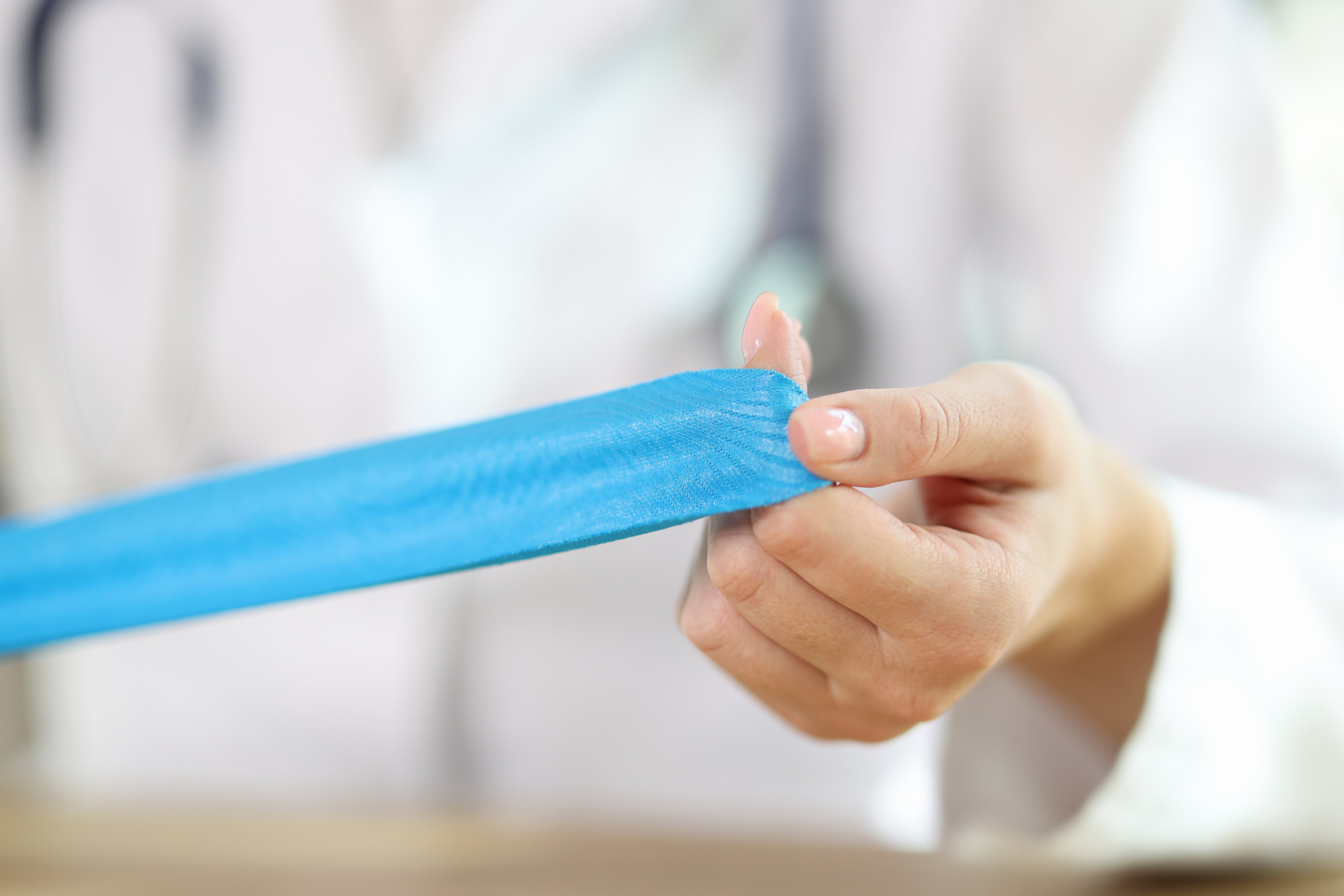
If you decide to try mouth taping, use tape that is intended for use on human skin, such as medical tape or Kinesio tape. Applying tape that is not intended for the body is more likely to cause irritation or an allergic reaction.
Most pharmacies sell hypoallergenic tape that doesn’t cause skin irritation.
There are also some companies that sell special adhesive strips designed specifically for mouth taping.
07 Side Effects of Mouth Taping
The side effects of taping the mouth shut at night have not yet been comprehensively studied, but personal accounts include:
- Skin irritation
- Pain when removing the tape, especially for people with facial hair
- Feelings of anxiety in people who feel uncomfortable when their mouth is taped shut
- Difficulty breathing through the nose at night
Further research is needed to identify possible risks and potential side effects associated with mouth taping.


What are the alternatives to mouth taping?
The choice of alternatives to mouth taping depends on why you’re interested in it in the first place. Here are a few options:
Avoid sleeping on your back: If you want to reduce snoring, sleeping on your side can be an effective option. Studies have shown that people who sleep on their side snore less than those who sleep on their back.
Optimizing your sleeping environment: To make changing your sleeping position more comfortable, you might consider getting a new mattress and pillow.
The right bedding supports proper spinal alignment and reduces pressure points when you’re lying in your preferred sleeping position.
Nasal strips: Another option for reducing snoring is nasal strips. These adhesive strips are applied to the nose to widen the nasal passage and promote nasal breathing.
Studies on nasal strips have yielded mixed results, with some showing an improvement in snoring while others find no effect.
Treatment of Allergies and Asthma: About a quarter of people in industrialized countries have allergic reactions to inhaled substances such as pollen. These reactions are often accompanied by nasal congestion.
If you suffer from allergies and breathe through your mouth at night, treating your allergies might help you breathe more comfortably through your nose at night.
Practice good sleep hygiene: Some claim that using a mouth tape reduces daytime sleepiness. However, there are numerous other sleep hygiene practices that can help you get the sleep you need.
These include maintaining a regular sleep-wake cycle, sleeping in a quiet, dark room, avoiding screens before bedtime, and avoiding alcohol and caffeine in the hours before going to bed.
Regular physical activity can also help improve sleep quality.

Conclusion – Mouth Taping
Mouth taping—taping the mouth shut at night—is a trend that’s gaining more and more attention.
The idea behind it is to promote nasal breathing and prevent mouth breathing in order to improve sleep quality. This can potentially offer benefits such as better air filtration, humidified airflow, and relaxation during sleep.
However, the scientific evidence supporting the benefits of mouth taping is limited and controversial. Although some studies show a reduction in snoring and fatigue among people with sleep apnea, the results are inconclusive. Further research is needed to clarify the long-term effects and potential benefits.
It is important to note that mouth taping is not suitable for everyone. Before trying mouth taping, you should consult a doctor or consider other proven alternatives.
How BLACKROLL® can improve your sleep quality:
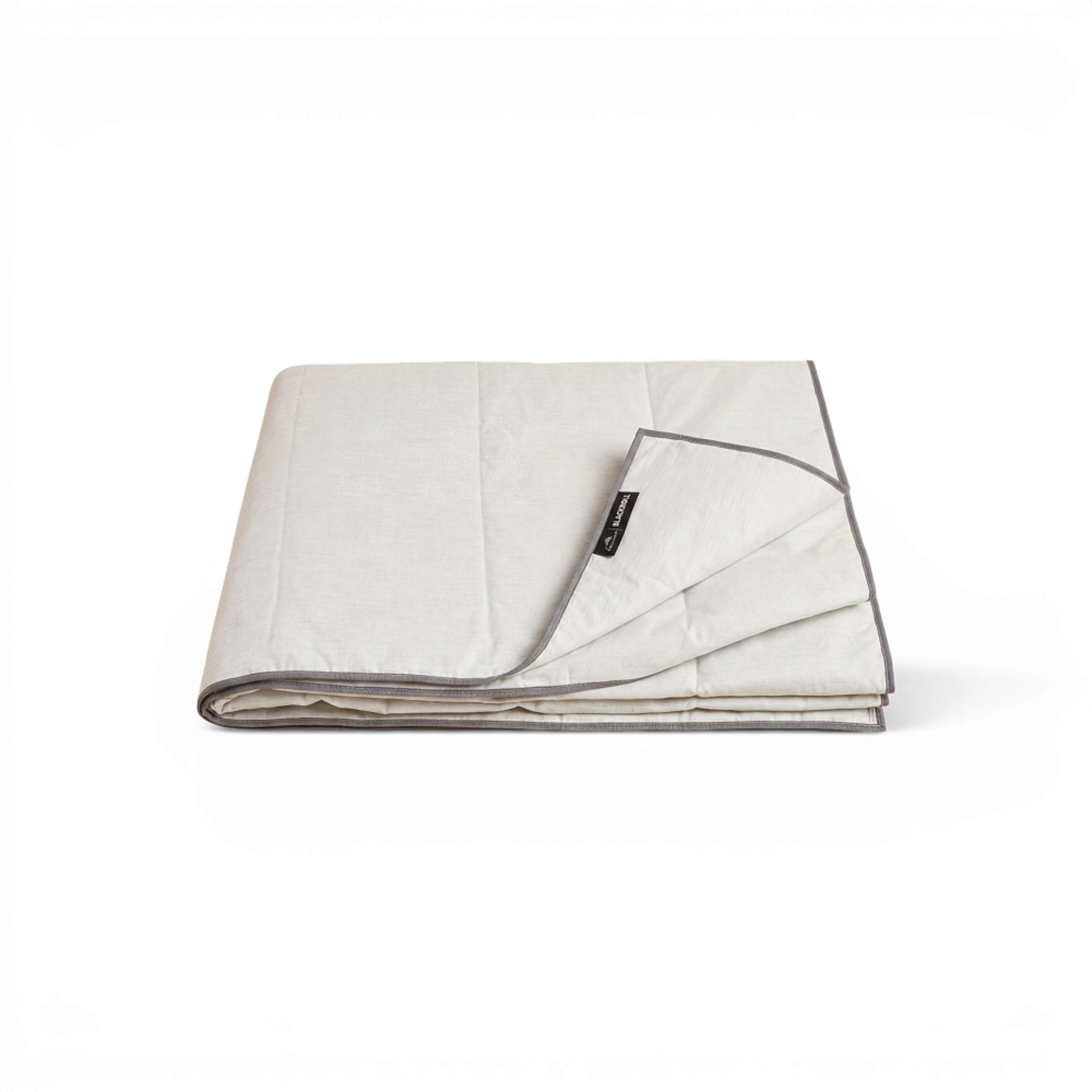
Recovery Blanket Summer
Available in multiple variants