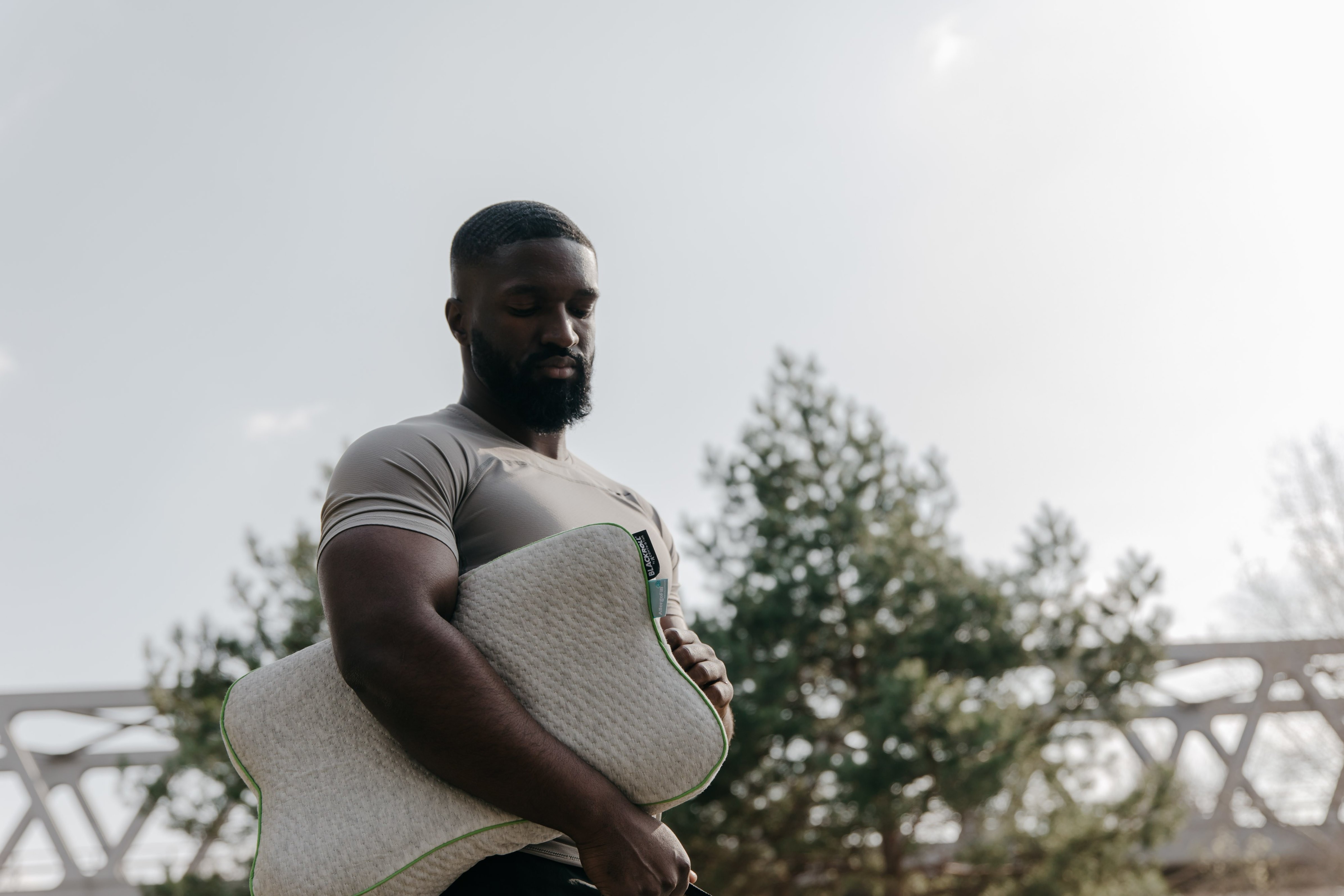
Sleep as a Performance Enhancer: Expert Insights from Anna West for Optimal Recovery in Professional Sports

BLACKROLL® meets sleep and recovery expert Anna West.
Her job is to identify habits in her clients that influence sleep and performance. She also teaches her clients how to use a good night’s sleep to boost their performance. She works primarily with professional soccer players in Europe, including the German national team and Premier League clubs.
BLACKROLL®: Dear Anna, what role does sleep play in professional sports?
Anna: About six to seven years ago, sleep was considered important in professional sports, but not a tool for performance optimization worth investing in. Today, sleep plays a much more fundamental role in improving performance.
At many clubs, a good night’s sleep is an integral part of the training plan. However, putting this into practice can sometimes be difficult.
Just as with nutrition, knowledge about sleep must not only be taught theoretically but also actively applied in everyday life.
That’s where I come in: I help athletes and clubs apply the knowledge they’ve already acquired in a meaningful way.

BLACKROLL®: Do professional athletes struggle with sleep problems right before important matches or events?
Anna: We’ve all had an important event at some point where we couldn’t sleep well beforehand. Professional athletes are no different. Some of them struggle to sleep before a big game. That causes additional stress.
The message here is clear: Athletes need to understand that the quality of their sleep isn’t just crucial the day before a game.
We can all get through a single night of poor sleep, whether we’re professional athletes, managers, nurses, or students. What’s more important is consistent sleep quality. You have to take the pressure off yourself to sleep perfectly before every event.
The reality is simply different for competitive athletes. Those who often sleep in hotels and have to perform at different times of the day can’t always count on ideal conditions for a good night’s rest. Athletes should learn to make the best of their situation through good sleep hygiene.
BLACKROLL®: What exactly do you mean by “conditions for a good night’s sleep”?
Anna: Leagues like the Bundesliga are commercial institutions. From a financial perspective, late kickoff times make sense—that way, spectators have already finished work for the day and have time to attend. However, this goes against the players’ physical needs.
As a consultant, I can’t change the game times. But I can teach players how to create the best conditions for themselves within the constraints they face.
One example is room temperature in combination with good evening routines before bedtime. These routines help us relax before we fall asleep.
Ideally, the room temperature shouldn’t exceed 18 degrees, since our body temperature needs to drop for us to fall asleep.
Players can make sure to keep this in mind even in unfamiliar hotel rooms. As a player, I can easily keep this in mind, even when staying in unfamiliar hotel rooms.
BLACKROLL®: Aside from maintaining the optimal room temperature, what elsecan you do to ensure good sleep hygiene?
Anna: Your sleep strategy starts as soon as you wake up.
A morning walk gets you going, and your body benefits from the daylight. It’s important to get your system going.
This applies not only to professional athletes but to everyone. A long-term healthy routine also helps you bounce back from a night of poor sleep.
Another important point is to stay well-hydrated.
Many people don’t realize that dehydration can interfere with sleep.
If we don’t drink enough, our bodies have trouble producing the sleep hormone melatonin.
The same applies to your diet. I recommend avoiding foods in the eveningthat cause blood sugar to spike, such as chips.
BLACKROLL®: What do you recommend if your mind won’t settle down when you’re in bed at night?
Anna: For some people, keeping a sleep journal works in moments like these. Writing down troubling thoughts before bed can calm your mind and help you fall asleep. But it takes practice.
I like to compare it to brushing your teeth. Brushing your teeth once is certainly good. But what oral hygiene is really about is the daily routine. It’s the same with sleep hygiene.
Regular journaling can help counteract ruminating thoughts. Of course, this applies just as much to other techniques like yoga or breathing exercises. Practice makes perfect.
BLACKROLL®: You’ve emphasized that sleep tips should be tailored to the individual. Can you explain that in more detail?
Anna: The knowledge I share is based on the results of many years of research. However, research tends to oversimplify things in order to be as meaningful as possible. Let me give you an example:
The World Health Organization recommends seven to nine hours of sleep for adults.
Studies show that deviations from this optimal sleep duration range can increase the risk of heart disease and diabetes. The emphasis is on “can,” because reality is dynamic.
Some people need more sleep, while others function very well on less. The same is true for sleep trackers: they provide data that meets scientific standards, not individual needs.
As a sleep expert, it’s my job to tailor this expertise to each individual. I don’t make general recommendations.
There are people who sleep wonderfully at 20 degrees—why should I change that? The same applies to an unfamiliar sleeping environment. For some people, bringing their own pillow on frequent hotel stays also helps.
BLACKROLL®: How can your own pillow help?
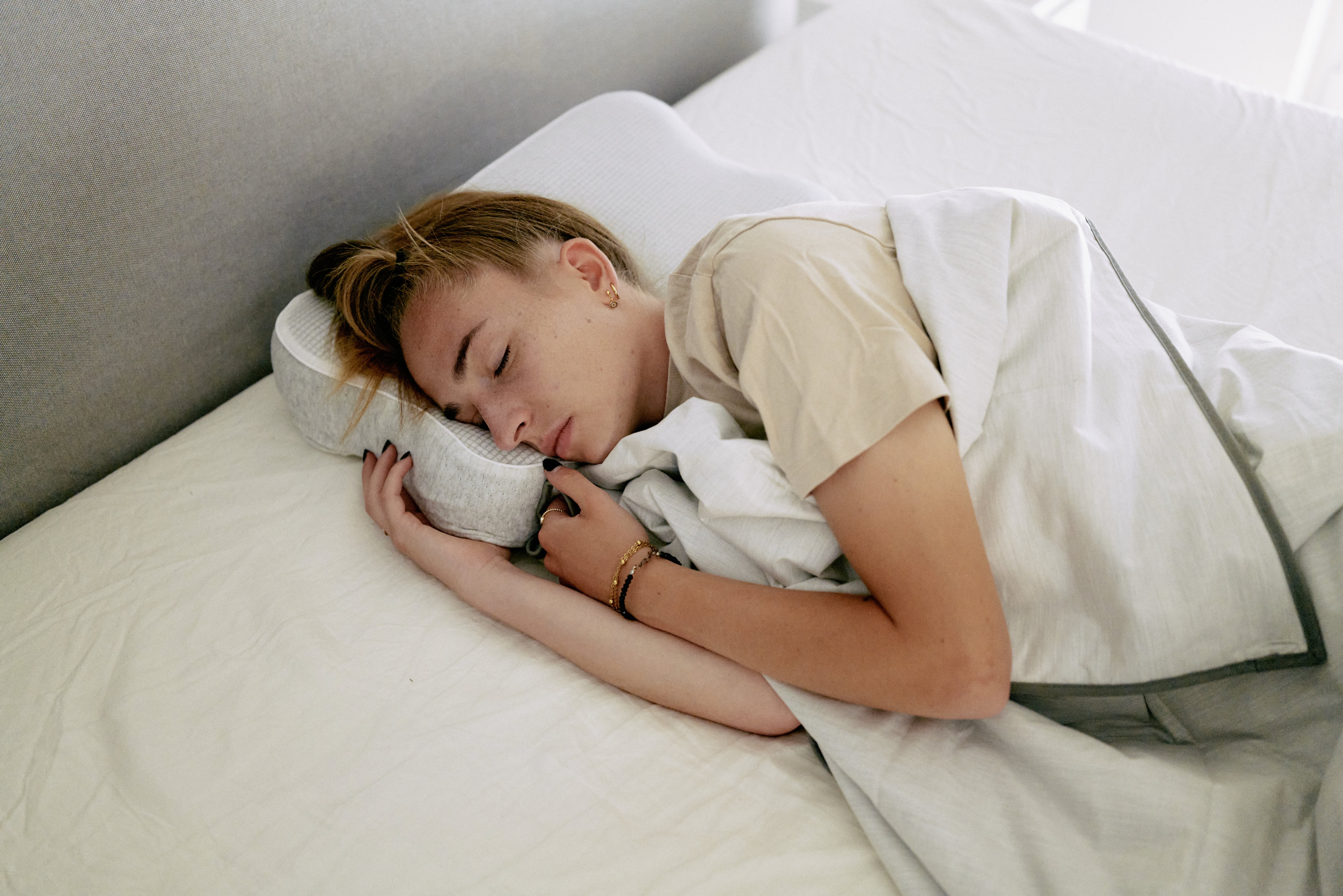
Anna: We associate our own pillow with a good night’s rest. The smell and the familiar feel signal to the body that it’s time to sleep. That alone doesn’t guarantee sleep, but it can have a small positive effect. On top of that, hotel pillows, unfortunately, aren’t always the best quality.
I recommend this to athletes because it might help them gain a few extra points toward their “sleep bank” within the context of their professional lives. Of course, this varies from person to person.
BLACKROLL®: Sleep aids like melatonin have become popular in recent years. What are your thoughts on this?
Anna: I believe that sleep habits can be positively influenced even without substances—as long as there’s no clinical sleep disorder. That’s especially true for alcohol, by the way. Unfortunately, many people misuse it as a sleep aid.
Alcohol disrupts our sleep cycle and reduces overall sleep quality.
I’m not saying you should never have a glass of wine. But you should enjoy it mindfully and in moderation. Check your habits.
BLACKROLL®: Is there anything else you should definitely avoid?
Anna: Many people underestimate the impact of bright light in the evening. Professional athletes, for example, are constantly exposed to bright stadium lights. This can activate their system and disrupt their nighttime rest.
It’s similar with smartphones. It’s not about the device itself, but rather the duration and intention behind its use. During the pandemic, studies showed that Facetiming or messaging on WhatsApp in the evening had a calming effect. We were isolated, left alone with our thoughts—a nice conversation with loved ones helped relieve stress. Professional athletes travel a lot and may only have time in the evening to talk to friends or family via smartphone.
It’s a different story when you “accidentally” spend 60 minutes hopping from Instagram to YouTube to TikTok. The same goes for TV. An episode of my favorite show can help me relax. But it shouldn’t turn into a binge-watching marathon.
Here, too, the rule is: Check your habits.
BLACKROLL®: So it all depends on the individual. Can you give us a general takeaway?
Anna: Changing sleep habits is challenging. It doesn’t happen overnight. In my opinion, the key lies in a caring and realistic approach.
It’s important to set realistic goals and gradually adjust habits so they fit your individual needs.
Maybe you can start by asking yourself how much water you drink during the day. Check your habits—just like you brush your teeth regularly and go to the dentist for checkups.
Mindfulness is a key element in improving sleep habits.
We hope that Anna West will continue to advance the topic of sleep health in sports, and we thank her for this conversation!