
Coherent Breathing: Reduce Stress and Achieve Deeper Relaxation with This Breathing Technique

Unfortunately, stress and a hectic pace are as much a part of many people’s modern lifestyles as the air we breathe. But what if this very act of breathing were the key to reducing stress and achieving deeper relaxation? In this article, we’d like to explore this very topic. In this post, you’ll learn what coherent breathing is, how to practice it, and how to use it to create more balance in your body and mind.


What is coherent breathing?
Coherent breathing is a simple and effective method for breathing more mindfully. It involves reducing the number of breaths per minute to relax the mind and regulate the nervous system.
Compared to other breathing techniques, coherent breathing focuses on the length of the inhalation and exhalation rather than on how deeply you breathe. Specifically, the breathing rate is reduced to 6 breaths per minute, which corresponds to a rhythm of 5.5 seconds of inhalation and 5.5 seconds of exhalation.
The average person breathes about 15 times per minute. Reducing this to less than half thus produces profound effects in the body. The breathing rhythm of coherent breathing also corresponds to the rhythm experienced by seasoned meditators during deep meditation.
This type of breathing practice was developed by the American author, engineer, and bioscientist Stephen Elliott in the early 2000s, though the practice of breath control—or pranayama, as it is called in yoga—has been practiced by yogis in India for thousands of years.
The primary goal of coherent breathing is to bring the body and mind into a state of balance.
How does coherent breathing work?
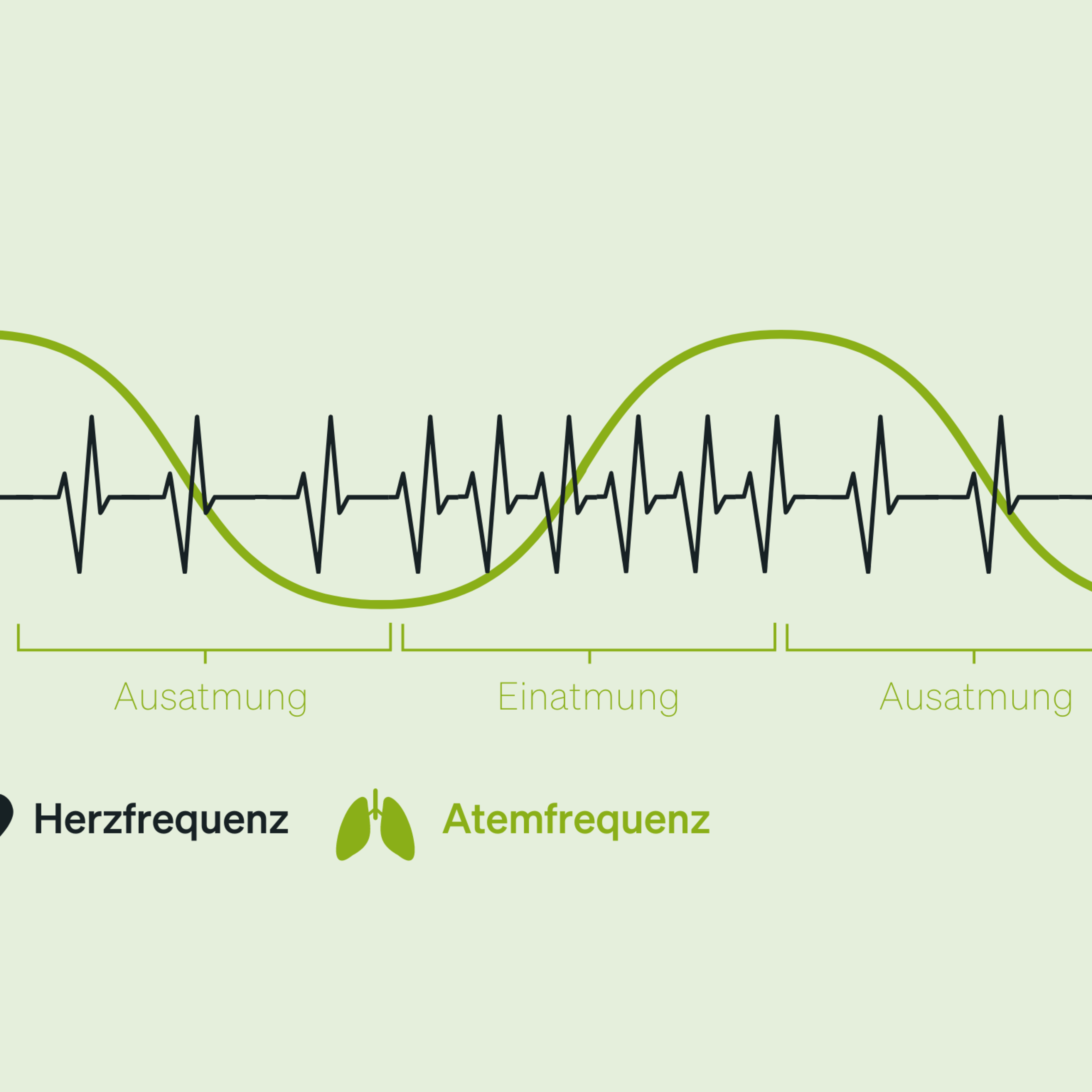
Coherent breathing aims to harmonize breathing, heart rate, and blood circulation. Normally, these three systems have their own rhythms. However, synchronizing them leads to a harmonious balance.
Inhalation activates the sympathetic nervous system, while exhalation activates the parasympathetic nervous system. This breathing technique seeks to harmonize the autonomic nervous system (ANS) and regulate heart activity and blood circulation. This state of coherence gives the technique its name.
"A calming practice that brings the heart, lungs, and circulatory system into a state of coherence, in which the body’s systems function optimally. There is no more essential or fundamental technique"—James Nestor, author of the bestselling book *Breath: The New Science of a Lost Art*


Effects and Benefits of Coherent Breathing
Coherent breathing offers a wealth of positive effects for the body and mind. Among the key benefits are:
- Regulation of the Autonomic Nervous System
One of the most fundamental benefits lies in the regulation of the autonomic nervous system. Coherent breathing positively influences heart rate variability (HRV), which serves as an indicator of the health of the autonomic nervous system. Higher heart rate variability (HRV), characterized by varying heartbeat intervals, is a sign of a balanced and healthier nervous system. Coherent breathing regulates the heartbeat, lowers blood pressure, and increases heart rate variability, all of which indicate a healthy autonomic nervous system.
- Stress and Anxiety Reduction:
Coherent breathing activates the vagus nerve, stimulates the parasympathetic nervous system, and helps shift the body from “fight-or-flight” mode to a more relaxed state.
- Improved Emotional Regulation:
This breathing technique supports emotional self-regulation and reduces reactive behavior in stressful situations.
- Reduced depression:
Regular practice of coherent breathing can help alleviate symptoms of depression and other mental health disorders.
- Reduced insomnia:
Coherent breathing promotes the body’s relaxation response and can help reduce sleep disturbances caused by stress. - Increased empathy and social connectedness:
- Increased vagus nerve tone is associated with greater empathy and social connectedness.
- Improved digestion:
Coherent breathing can also promote digestion, as there are close connections between the nervous system and digestion. By activating the parasympathetic nervous system, coherent breathing supports optimal function of the digestive tract. This can help reduce digestive discomfort, improve nutrient absorption, and contribute to a healthier gastrointestinal system overall.
Practicing coherent breathing requires very little effort and can be easily integrated into daily life. Over time, it becomes a habit and allows for moments of calm and serenity in the midst of a stressful day. Coherent breathing is thus a valuable method for promoting health and well-being on many levels.
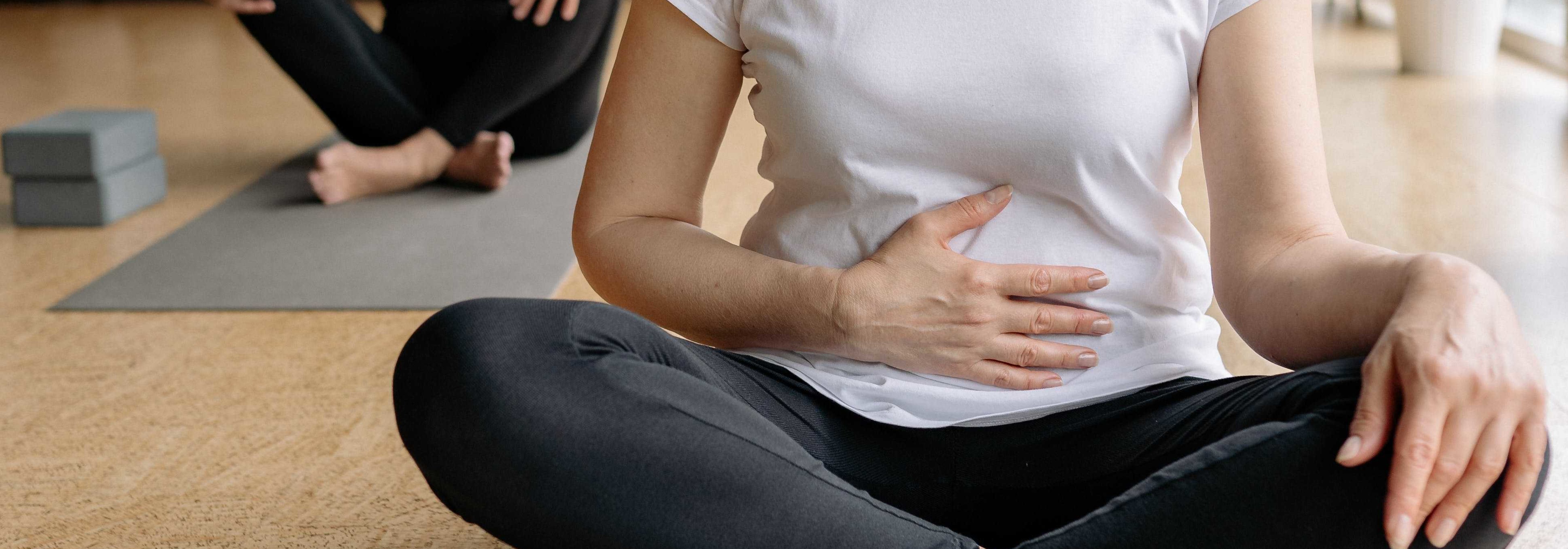
Coherent Breathing – How Does It Work?
Would you like to try coherent breathing? Here’s how
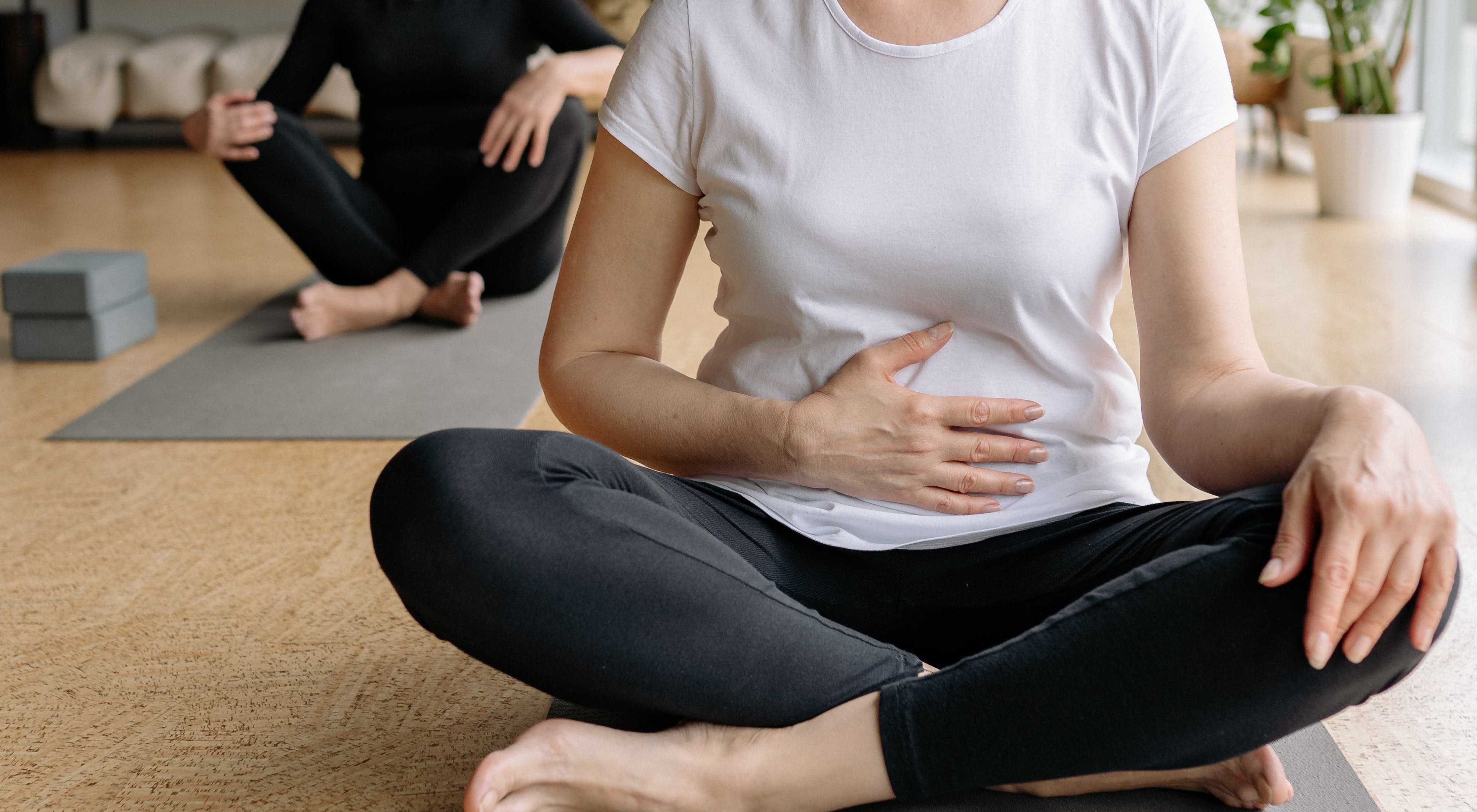
- Sit up straight, relax your shoulders and abdomen, and exhale.
- Gently inhale through your nose for 5.5 seconds as your abdomen fills with air and your lower lungs expand.
- Then, without pausing, consciously exhale through your nose for 5.5 seconds as your lungs empty and your abdomen contracts.
- Each breath should feel like a circle. Repeat this at least ten times, or more often if possible.
The cross-legged position—where you can slightly elevate your pelvis, for example, with a meditation cushion—is ideal for most breathing exercises. Of course, you can also simply sit on a chair.
Another option is to perform the exercise while lying on your back. In this case, it’s recommended to keep your legs slightly bent or to rest your calves on a raised surface, such as a chair, to ensure that your lower back is well supported and your diaphragm is in an optimal position.
If the 5.5-second rhythm seems too challenging at first, you can also choose a shorter rhythm, such as a 4:4 ratio.


More breathing exercises for stress relief
These breathing techniques can be incorporated into your daily routine as needed to reduce stress, promote relaxation, and improve self-regulation. Need help with these stress-relief breathing exercises? Before you just learn the theory, it’s best to try them out for yourself.
In the following video, Master Trainer Stefan demonstrates a breathing sequence to combat stress.

Conclusion
Coherent breathing is a simple breathing technique that can significantly impact your health and well-being. It involves taking deep, controlled breaths at a rate of five to six seconds per breath.
So, if you’re looking for an effective way to boost your zest for life and relaxation—coherent breathing could be the answer! Give it a try and discover the positive effects of this breathing technique on your health and well-being.