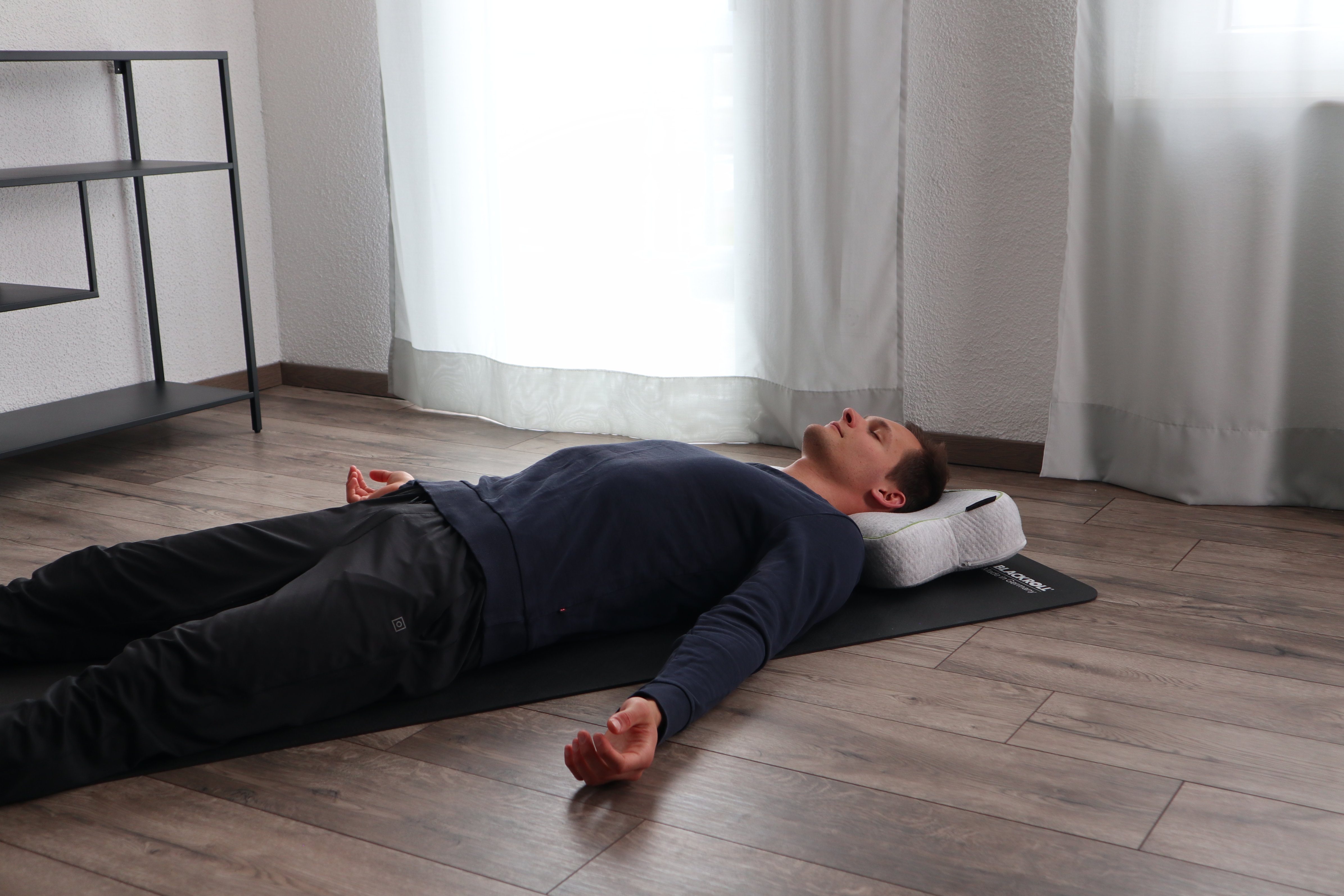
Progressive Muscle Relaxation for Your Mental Health

Progressive muscle relaxation, also known as Progressive Muscle Relaxation (PMR), involves achieving a state of relaxation through the deliberate tensing and releasing of muscles. It is used in many situations to manage stress.
Whether you’re a therapist, healthcare professional, wellness enthusiast, fitness enthusiast, or competitive athlete, this article offers helpful information about the Progressive Muscle Relaxation method. Learn more about it and expand your knowledge to enhance your relaxation skills.

Your stress management course for greater serenity. Up to 100% refund.
Click here for your online stress management course
From Stress to Relaxation: Effective Methods for Everyday Life
The human body is always somewhere on a continuum between tension and relaxation. The possible states range from the deepest sleep to a state of extreme panic.
Stress is a frequently cited issue, especially in the workplace—it is considered one of the main causes of a wide variety of physical and mental health conditions, such as heart disease or a state of total exhaustion.
For this reason, it is important and necessary for everyone to be able to relax effectively and efficiently. There are several effective methods that, with practice, can help you achieve a sense of relaxation in no time.
You can relax with very little effort, without having to plan a long getaway at a spa hotel, and you don’t have to wait for your next vacation either.
How to Achieve a Zen State of Mental Calm with PMR
Good relaxation skills are a prerequisite for optimal performance, overall well-being, and mental health.
When your body and mind are in a calm, relaxed state—known as “Zen”—you’ll recover more quickly after strenuous workouts or a stressful period in your daily life.
With regular practice, you can learn the PMR method and use it to reduce nervousness, irritability, or even specific pains.
If you’re an athlete and negative emotions arise after a setback in training or competition, you can effectively calm yourself down with PMR.
Your mental clarity increases, and you can once again focus positively on what lies ahead. Negative emotions fade more easily and do not trigger further negative physiological responses in the body.
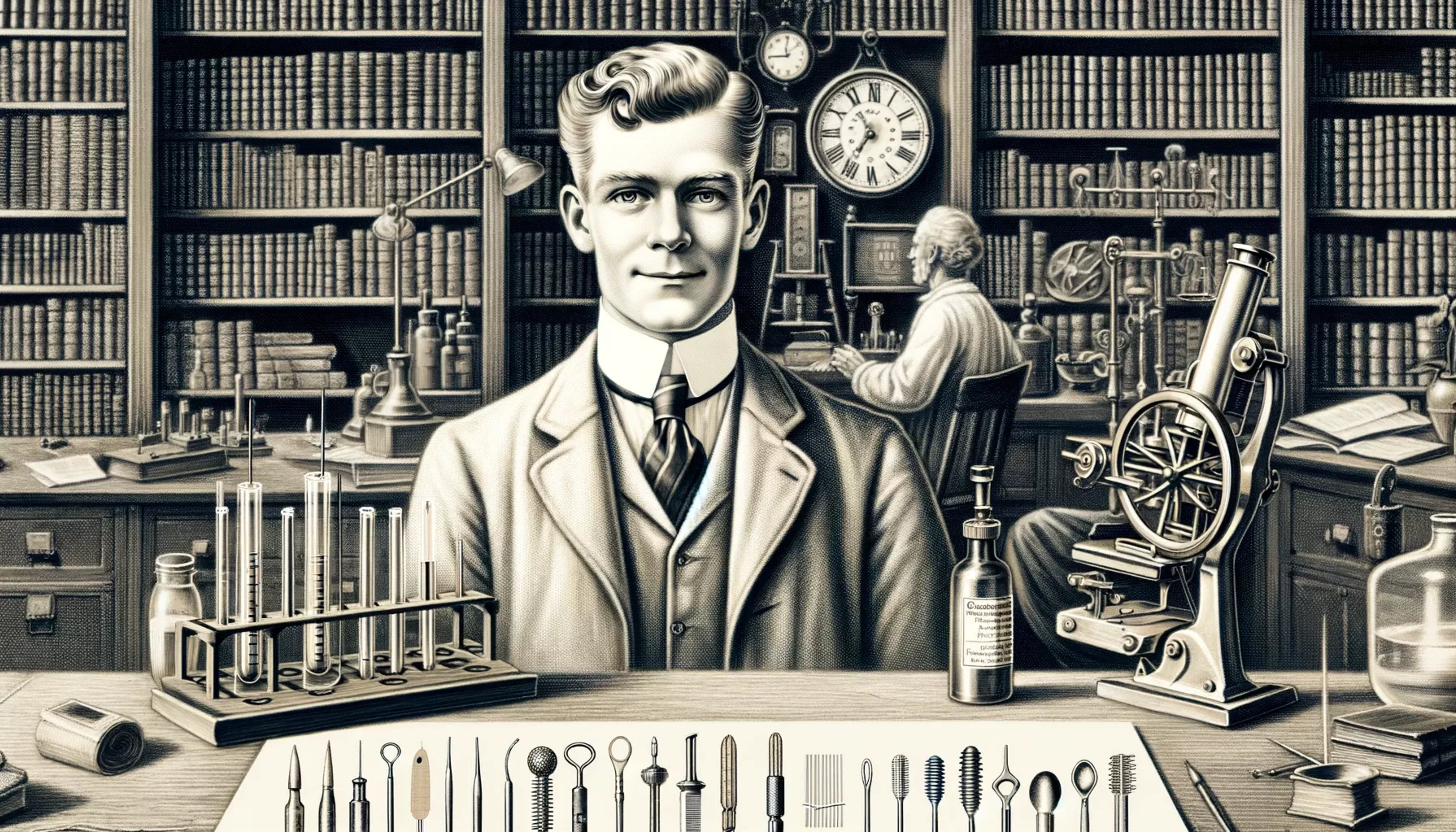
The method was developed by the American physician and physiologist Dr. Edmund Jacobsen in the 1920s. He worked at Harvard University and began his research in the field of psychophysiology.
During his work, he observed that increased stress is accompanied by heightened muscle tension and that regularly relaxing the muscles can contribute to improved inner psychological balance.
He conducted numerous experiments and discovered that muscle tension occurs unconsciously and can be a cause of physical or mental ailments.
The technique was first published in the 1930s and quickly gained recognition within the physiological and medical communities. It has been firmly established ever since and has undergone continuous refinement.
As a relaxation technique, it has become indispensable in various fields such as stress management, sports psychology, psychotherapy, sports medicine, sports science, and relaxation education.
What Is Progressive Muscle Relaxation?
The method of progressive muscle relaxation falls under the categories of relaxation techniques and psychoregulation. It is based on the alternation of tension and relaxation in various muscle groups and can also help with sleep problems. It is called “progressive” because the muscle groups are tensed and released step by step. The technique is taught and practiced under the guidance of an expert. You can practice this method on your own.
Goal and Mechanism of Action
The progressive approach has the advantage of helping you focus better on your body, identify tension in your muscles, and reduce it. Your body awareness effectively improves. This can help you cope better with stressful situations and improve your ability to relax in general. Anxiety and negative emotions can be partially reduced.
Application and Practice
The method can be performed while sitting or lying down and lasts between 10 and 45 minutes. There is a short form and a long form. Instructions are widely available. Those who practice regularly, minimize side effects, and consciously engage with the technique can effectively manage their daily energy levels. PMR is recognized worldwide as an effective method of stress management and is easy to learn. (Progressive Muscle Relaxation / PMR)
Significance and Benefits
Tension can build up in your body over many years, and breaking new behavioral patterns can take some time. Tension causes pain, which in turn can lead to emotional distress and imbalances.
The Modern Approach to PMR
Since PMR targets the muscles, it is particularly well-suited for athletes. By increasing the scope of practice, self-regulation during training and competition can be improved very effectively.
People with high stress levels—such as executives, patients with pain, and especially those with chronic conditions or a strong desire for relaxation—can also experience positive effects on both body and mind. You can reduce tension in specific situations by tensing and then relaxing different muscle groups and paying attention to the sensation of relaxation that follows. A distinct alternation between tension and relaxation improves with regular practice.
PMR is particularly suitable for people who find it difficult to control their thoughts, who tend to ruminate, or who have developed defenses to protect themselves from certain personal issues.
PMR Checklist
Before you begin, you should assess various prerequisites and factors for yourself. To do this, answer the following questions for yourself and use the checklist below!
Your Questions – Checklist
- Are you a beginner or an advanced practitioner?
- What is your attention span—or that of your client? Is it short or long?
- How intense is your stress level at work or during sports?
- What time of day works best for you to practice PMR?
- How does your current energy level factor into your overall choice of relaxation techniques?
- What is your specific preference when it comes to relaxation techniques, since there are other forms of relaxation methods such as body scan, meditation, autogenic training, and more?
- Which situations are particularly well-suited for using PMR?
- Are you able to focus more effectively after a competition or before falling asleep?
- What environmental conditions are important to you? Think about warmth, quiet, a surface to lie on (mat), a blanket, headphones, etc.
Tip: It’s best to try all three methods and see which one works best for you.
You can get started on your own with courses led by qualified trainers, or your own practice can yield effective results over time. The minimal time and financial investment required are key benefits.
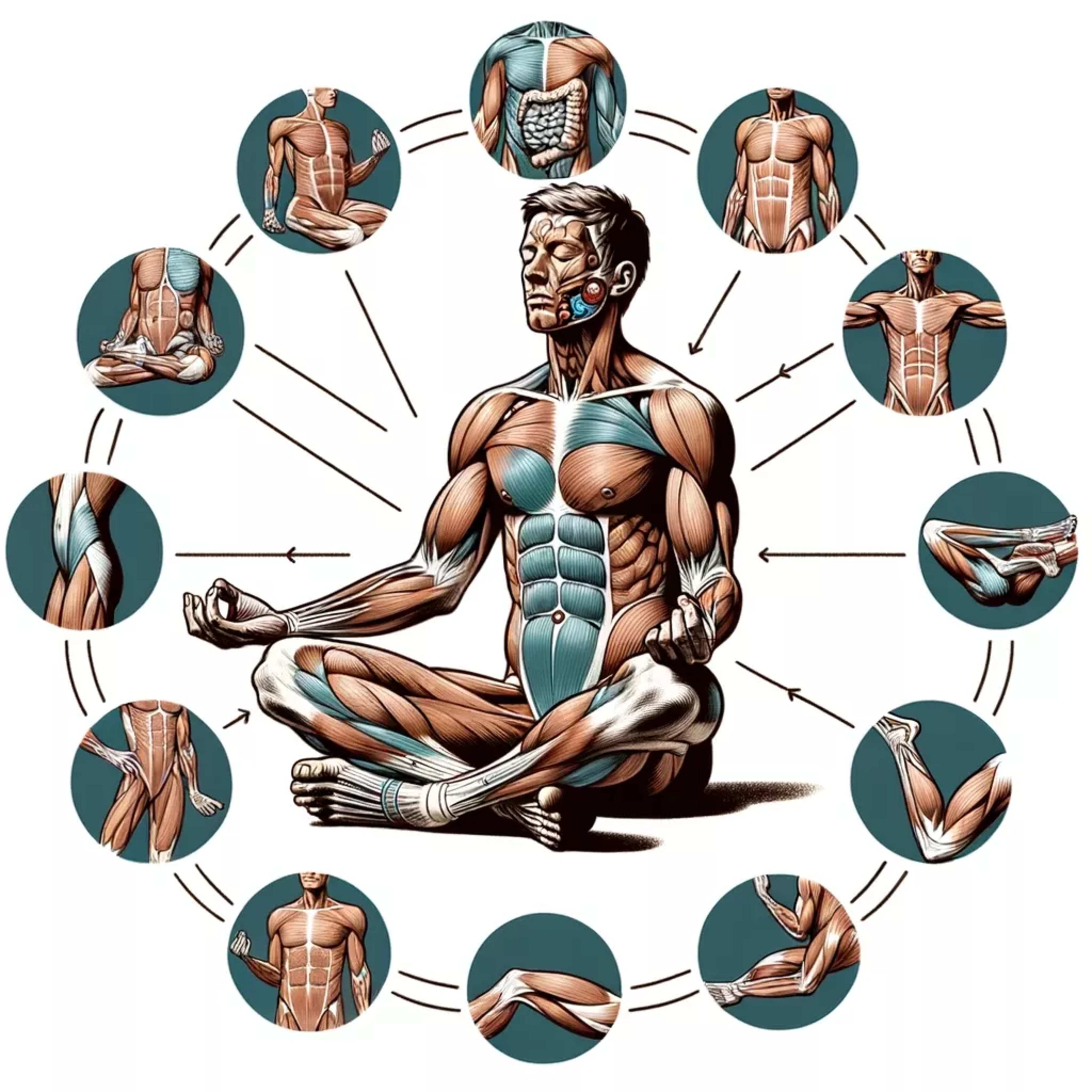
Tensing and relaxing your muscle groups in a specific order
Gradually tune into the different muscle groups. You’ll find a list of them below. Tense your muscles one after another and relax them after the specified time. You can do this exercise while lying down or sitting.
These instructions are a shortened version of PMR; start with this and gradually extend your session each time. This will help you stay motivated and allow you to slowly get used to the relaxation method.
- Hand and Forearm
- Upper arm
- Forehead and face, including the nose and jaw
- Neck and throat
- Chest, shoulders, and upper back
- Abdominal muscles
- Thighs
- Lower legs
- Feet
Let's get started!
Instructions for Progressive Muscle Relaxation
Step 1 – Settling In
Close your eyes and make sure you’re sitting comfortably. You can adjust your position again so that you feel at ease. Be aware of your breath and let it flow in and out evenly. As you exhale, let yourself sink a little more loosely into the chair or onto the floor. Keep your eyes closed and make sure you’re breathing deeply and calmly.
Step 2 – Tensing (Hold the tension for 5 seconds or count silently: 100, 80, 60, 40, 20, 10)
Forearms and Hands
Focus on your right forearm and right hand. Slowly clench your hand into a fist. As you do so, feel the tension in the muscles of your right hand. Tense the muscles in your hand more and more, and hold the tension for about 5 seconds. Now open your hand, let it sink loosely, and feel the tension leave your hand. Repeat this sequence for your left forearm and left hand.
Face
Now focus on your face. Tense all your facial muscles: squint your eyes, furrow your brow, pull the corners of your mouth upward, and clench your teeth tightly together. Hold the tension for a few seconds. Relax your facial muscles and jaw, open your lips very slightly, and feel the muscles relax. Repeat this part of the exercise.
Neck and Back Muscles
Pull your shoulder blades together, tilt your head forward, and press your upper body against the back of the chair. Tense your muscles a little more and hold the tension for about 5 seconds. Relax your muscles again and enjoy the feeling of relaxation spreading through your neck and back muscles. Repeat this part of the exercise as well. Now take a deep breath—even deeper, and just a little deeper still. Hold your breath for a moment. Then exhale. Your breath is now flowing calmly and evenly.
Chest Muscles
Breathe deeply and consciously into your chest, pulling your shoulder blades back together so that your chest is stretched forward and upward. Hold your breath for a few seconds, then relax again.
Abdominal Muscles in Connection with the Lower Back
Before engaging your abdominal muscles, take a deep breath into your abdomen and exhale, feeling your belly rise and fall. Now engage your abdominal muscles and tilt your pelvis slightly forward so that your lumbar spine rests on the floor; engage your lower back, continue breathing, and relax again. Then engage your abdomen and, counting to your own rhythm, release the tension in your abdominal muscles.
Glutes
Tense your glutes for a few seconds, then release them. As you do this, your body will be gently pushed upward off the mat. You can repeat this process two to three times.
Legs and Feet
Focus on your right leg and right foot. Straighten your leg and tense your leg muscles. Tense the muscles a little more and hold the tension for a few seconds. Relax your leg again and feel the tension leave your leg. Repeat this part of the exercise. Repeat the exercise with your left leg and right foot.
Conclusion—Tense All Muscle Groups to Conclude Your PMR
Tense all muscle groups one after another once more, hold the tension for a few seconds, and then release it. Check to see if there is any residual tension in individual muscles. If necessary, relax the affected muscle groups. Now you are completely relaxed. Slowly open your eyes and stretch. Take some time to wake up.
Tip: Be patient and don’t expect too much of yourself when first practicing PMR.
An Excursion into Pain Therapy
Pain therapy utilizes the effects of progressive muscle relaxation to induce relaxation and the resulting pain relief. Pain can disrupt sleep, and sleep deprivation can lead to increased stress and reduced well-being. A combination of physical therapy, medication management, and behavioral therapy—including relaxation techniques such as yoga, meditation, autogenic training, or the body scan method —can lead to greater pain reduction.
Regular use of PMR can be particularly helpful for chronic pain. Muscular back pain and tension headaches are relatively common in the general population and can be effectively managed. If needed, have a treatment plan developed and help yourself by incorporating regular relaxation breaks, among other things. Those who demonstrate greater compliance (willingness) in this regard usually also have improved chances of recovery due to increased acceptance of the method and its implementation

Benefits and Effects of Progressive Muscle Relaxation
As mentioned in the section above, the Progressive Muscle Relaxation (PMR) method can help reduce stress, improve sleep quality, and alleviate muscle tension. PMR is an excellent tool for self-help.
Additional effects include lowering high blood pressure, releasing internal blockages, focusing on one’s own body and specific bodily signals, reducing pain perception, replenishing energy reserves, and reducing headaches.
Be aware of obstacles and interfering factors when using Progressive Muscle Relaxation
Progressive muscle relaxation is not suitable for everyone or in every situation. The Jacobsen relaxation method is a commonly used technique for reducing stress or, more generally, for integrating greater calm into one’s mental and physical well-being. In anxious or socially withdrawn individuals, negative thought loops can be reinforced, and the anxious or depressive state may intensify!
Experience working with athletes, executives, and people with health issues has shown that various factors can play a role in why the method is not accepted by everyone or even tried at all.
Some of these reasons may include:
- For people with depression, it can lead to further compulsive rumination.
- The background noise in the environment is too loud.
- Restrictive clothing is not loosened beforehand (belts, waistbands, shoes).
- Participants may be unable to relax in a group setting.
- Fundamentally incorrect or too rapid breathing prevents relaxation.
- For people with high sympathetic nervous system activity (high need for activity, ADHD) or due to hormonal imbalance (menopause), relaxation is perceived as a disruptive factor or an inability to self-regulate
- The floor, the surroundings, or the surface (mat, blanket) are too cold.
- The instructor’s voice is unpleasant. (Male or female voice)
- Relaxation is experienced as a loss of power, because someone is telling me what to do, and this creates a feeling of losing control.
- The relaxation exercise is perceived as pressure, for example, when everyone else in the group is able to relax well.
- PMR should not be performed in cases of severe depression, acute rheumatism, or severe arthritis.
- Especially during pregnancy, one should avoid using the PMR method to prevent triggering premature labor.
Conclusion
If you’re looking for a way to relax and relieve stress or pain, progressive muscle relaxation is highly recommended. It has a solid foundation based on its origins and history and can be applied in many different contexts. It works very effectively for people. You can find various versions on YouTube, in specialized literature, or in music and relaxation apps.
Other active relaxation options include a leisurely bike ride in nature or going for a walk. Learning both the short and long versions is important to accommodate different relaxation times and needs. Start with 10 minutes and gradually work your way up to 45 minutes while sitting or lying down.
To get started, find a certified expert (psychologist, doctor, educator, therapist) who can familiarize you with the method in a course or one-on-one session.