
Lowering Cortisol: Tips & Exercises to Combat Stress in the Body

Cortisol is the body’s most important stress hormone—it boosts performance in the short term but is chronically stressful. If you want to lower it, focus on three key areas: sleep (cortisol drops at night), exercise (moderate pace instead of intense effort), and diet (less sugar, more magnesium). Just 7–10 minutes of breathing exercises or a 20-minute walk can measurably lower acute cortisol levels.
Chronically elevated cortisol levels throw many important bodily functions out of balance. Typical consequences include headaches, inner restlessness, and sleep problems. To learn exactly what the hormone cortisol does in the body, read the in-depth article “Cortisol: Why the Stress Hormone Makes You Age Faster—and What You Can Do About It.”
This article focuses on practical tips: How can you lower cortisol naturally—through exercise, diet, relaxation, and simple routines? Here you’ll find effective strategies for your daily life.


The Best Tips for Lowering Cortisol Naturally
Chronically elevated cortisol levels can’t be “magically” eliminated with a miracle cure—but they can be significantly influenced by small, effective strategies in your daily life. The key isn’t trying something just once, but applying it consistently: Only those who stick with it regularly will benefit in the long term from less stress, better sleep, and greater inner peace. Or to put it another way:
Once is never enough—the effect lies in the routine.
Relaxation techniques: meditation, yoga, breathing exercises
Relaxation is the natural antidote to stress—and thus a key to reducing cortisol. Techniques that directly address the autonomic nervous system are particularly effective:
- Breathing exercises, such as the 4-6-8 method (inhale for 4 seconds, hold for 6, exhale for 8), calm the body in just a few minutes and have been proven to lower the heart rate and the stress hormone cortisol. The sighing exercise is similarly effective—inhale briefly through the nose twice, then exhale slowly through the mouth. This activates vagal reflexes and has an immediate relaxing effect. Fun fact: Spontaneous sighing is an innate mechanism—our bodies use it to calm themselves. Click here to go directly to our 10-minute guided breathing exercises to release stress. Ideal: in the morning to get started or in the evening to wind down.
- Meditation—especially mindfulness or body-scan meditations —helps break the cycle of rumination and strengthen self-regulation.
- Gentle yoga (e.g., Yin or Hatha yoga) has a direct relaxing effect through stretching, breathing, and inner focus. Just two sessions a week can make a difference. Find a yoga style that suits you— check out the yoga guide!
What matters here isn’t perfection, but consistency—even 5 to 10 minutes a day can make a noticeable difference.
Our relaxation techniques for you



Breathing Exercises to Reduce Cortisol—What Research Shows
Numerous studies show that breathing exercises can effectively help lower the stress hormone cortisol. A 45-minute session of natural, mindful breathing resulted in significantly reduced cortisol and adrenaline levels in a study from Cyprus (2021)—and a noticeably more relaxed state.
Shorter routines are also effective: According to studies, even just a few minutes of conscious abdominal breathing each day improves heart rate variability (HRV) in the long term—a sign of a stress-resilient nervous system. Particularly effective: prolonged exhalation (e.g., using the 4-6-8 method) and humming or sighing while exhaling.
These techniques activate the vagus nerve, promote restful sleep, and boost concentration.

Targeted Stress Reduction in Everyday Life
Cortisol is often caused not by isolated crises, but by chronic overload. By taking targeted steps in daily life, you can prevent chronic stress and improve your well-being:
- Structured time management with realistic goals and intentional breaks reduces the feeling of being overwhelmed.
- Social connections act as a protective factor: A good conversation with friends or a genuine laugh can significantly reduce feelings of stress.
- Reducing stimuli: Multitasking, constant availability, or sensory overload from media act as sources of constant stress.
- Self-care through clear boundaries: Saying no, taking yourself seriously, and not taking on every task.
Important to know: Stress is a part of life. A stress-free daily routine is an illusion—but a more mindful approach to stress can be learned. We have control over how we deal with it. So what matters isn’t whether stress is present—but how we balance it. The good news: You can practice strategies to do this.
Lower cortisol levels through sufficient sleep
Too little or poor-quality sleep throws your cortisol balance off—the stress hormone remains too high in the morning or doesn’t drop sufficiently in the evening. Typical consequences: fatigue, irritability, sleep disturbances, and reduced resilience. Good sleep therefore plays an important role in naturally regulating cortisol levels.
What you can do:
- Consistent bedtime routines help stabilize your circadian rhythm.
- Ideally, have your last meal at least 3 hours before bedtime—and keep it as blood-sugar-stable as possible. A sharp spike in blood sugar in the evening can lead to nighttime blood-sugar fluctuations, causing the body to counteract this by releasing cortisol—a common cause of waking up at night.
- “Wind down” in the evening: No screens for at least one hour before falling asleep. Instead: listen to music, do some gentle stretching, or practice breathing exercises.
- Dark, quiet, cool—a sleep-promoting environment isn’t a luxury, but a biochemical prerequisite for rest.
- Learn to let go of stressful thoughts—for example, through journaling or mental sleep aids.
- Do you snore regularly? If so, elevated cortisol levels in the morning may also be a sign of nighttime breathing pauses. Sleep apnea causes massive stress in the body—which keeps cortisol levels elevated over the long term. If you suspect you have it, get it checked out by a doctor, or monitor early signs using wearables or sleep trackers.
One thing is certain: People who sleep better have been shown to lower their cortisol levels during the day—and feel more balanced, focused, and resilient.
Want to work specifically on improving your sleep quality? Then check out the BLACKROLL 21-Day Online Sleep Course —scientifically grounded, practical for everyday life, and ready to implement right away.

Your stress management course for greater serenity. Up to 100% refund.
Click here for your online stress courseMore tips for better sleep—for more energy and rest.



Exercise & Moderate Physical Activity
Exercise is one of the most effective ways to naturally lower the stress hormone cortisol—but only if it remains moderate. High-intensity exercise can actually raise cortisol levels. Therefore, avoid intense workouts 3–4 hours before bedtime—otherwise, cortisol levels may rise, disrupting your sleep. What is recommended instead:
- Zone 2 endurance training (e.g., brisk walking, light cycling with steady breathing) activates the parasympathetic nervous system while strengthening the cardiovascular system.
- Walks in nature (e.g., forest bathing) have been shown to lower stress hormones—ideal for your lunch break.
- Exercising in the morning gets your circulation going and can help regulate the natural release of cortisol.
- Fascia training, e.g., with a fascia roller or a fascia ball, not only promotes mobility but can also calm the nervous system through gentle mechanical stimulation and contribute to relaxation. You can read about how fascia and the mind influence each other here. You’ll find instructions and further background information in the article “Fascia Training: Why It’s More Than Just Muscle Care.”
Important: No pressure to perform! Consistency is key—short, regular exercise sessions are more effective in the long run than occasional high-intensity workouts.
When Exercise Becomes a Cortisol Trap
Exercise lowers cortisol—but only if the body can actually wind down afterward. Anyone who works out in the evening or gets caught up in the excitement of a game temporarily raises their cortisol levels. The problem: Cortisol and melatonin are antagonists. As long as cortisol levels are elevated, it blocks the release of the sleep hormone—the body remains in alert mode, even though your mind has long since wanted to sleep. If you then try to force yourself to sleep, the resulting frustration causes your body to produce even more cortisol.
Intense physical activity in the evening produces cortisol. If you can’t wind down afterward, you get caught in a spiral: adrenaline spikes, and the attempt to sleep triggers more cortisol, which in turn blocks melatonin production. Sleep Performance Coach Anna West calls this reaction the “highway spiral”—a car traveling at 200 km/h can’t simply be braked to a stop.
“It’s like a car going 200 km/h. You can’t just hit the brakes and expect it to stop. You have to let it coast—otherwise it’ll skid.”
— Anna West, Sleep Performance Coach
Anna’s response to the spiral isn’t a rigid protocol, but a pragmatic set of tools: a warm shower (which lowers your core body temperature afterward—a direct signal to the brain that it’s time to sleep), dim lighting in the room, and breathing exercises to help you fall asleep. Which tool works best varies from person to person.
The key is to let the cortisol surge run its course—don’t try to stop it. If you’re struggling with a whirlwind of thoughts after working out, you’ll find more concrete strategies there.
In our article “Sleep as a Performance Enhancer in Professional Sports,” we reveal what you can learn from our athletes.
Fan Bridge: This doesn’t just apply to athletes on the field. Public viewings trigger the same hormonal response as physical exertion—cortisol, adrenaline, tension. Anyone cheering or agonizing at 11 p.m. is physiologically in the same situation as a player after the final whistle. This article shows how pros wind down after the final whistle—and what aspects of that can be applied to everyday life.
Nutrition Tips for High Cortisol Levels
What we eat affects our hormonal balance. A balanced diet can help regulate cortisol naturally:
- Protein-rich meals help maintain stable blood sugar levels—fluctuations in blood sugar can trigger cortisol.
- Magnesium-rich foods such as nuts, spinach, oatmeal, or avocados can have a relaxing effect and provide good support for the nervous system.
- Omega-3 fatty acids (found, for example, in fatty fish, flaxseeds, and walnuts) can help reduce inflammation in the body and dampen stress responses.
- Cut back on caffeine—especially in the afternoon. Caffeine can raise cortisol levels and impair sleep quality.
- Stay well-hydrated—dehydration can put additional stress on the body. Therefore, make sure to drink enough fluids—preferably plain water.
- A good supply of minerals (e.g., magnesium, potassium) and vitamins such as B-complex, D, and C supports the body during stressful times—they can help regulate the nervous system and cortisol release.
A mindful, nutrient-rich diet is not a diet—it’s “anti-stress medicine” from within.
Use Cold or Heat to Reset the Nervous System
Cold and heat treatments can actively help the body exit stress mode. The targeted stimulation of the autonomic nervous system through cold therapy or thermotherapy has a positive effect on cortisol regulation—a natural way to lower the stress hormone cortisol.
- Cold (e.g., cold showers or ice baths) activates the parasympathetic nervous system, strengthens mental resilience, and, when used regularly, measurably lowers cortisol levels. You can find more information in the guide “Cold Therapy for Regeneration and Health—What’s Really Behind It.”
- Heat (e.g., through baths, heat compresses, or sauna sessions) can reduce muscular and mental tension, improve sleep quality, and relieve the stress response. Learn more about thermotherapy.
These methods work through what’s known as the hormesis effect: While the targeted, short-term stimulus is initially a stressor, the body adapts and becomes more resilient over the long term. It is precisely this principle that makes cold or heat treatments effective tools for building resilience—especially when combined with breathing exercises or recovery routines.
More on cold/heat therapy








Naturopathic Approaches & Proven Home Remedies
Some medicinal plants and natural remedies can help gently regulate cortisol—as a complementary measure to lifestyle changes:
- Adaptogenic plants and herbs such as ashwagandha (Withania somnifera), rhodiola (Rhodiola rosea), or tulsi (Ocimum sanctum) can support the body during chronic stress. Studies suggest they have cortisol-lowering effects—especially when taken regularly over several weeks.
- Adaptogenic medicinal mushrooms such as reishi (Ganoderma lucidum) and cordyceps (Cordyceps militaris / sinensis) support the stress response system in different ways. Reishi has a calming and anxiety-relieving effect; according to animal studies, it can lower cortisol and adrenaline and modulates the relaxation-promoting neurotransmitter GABA—which is helpful for inner restlessness or sleep problems. The medicinal mushroom Cordyceps, on the other hand, has a more stimulating and balancing effect: It strengthens physical resilience, reduces oxidative stress, and stabilizes cortisol levels during chronic stress. Animal studies suggest a normalization of cortisol and ACTH (a hormone that regulates the adrenal glands).
- Calming teas (e.g., lemon balm, valerian, lavender, passionflower) help you fall asleep and can promote parasympathetic activity.
- Magnesium supplements may be helpful when there is an increased need—such as during periods of intense physical or mental stress. It’s best to consult a doctor first.
Important: Home remedies are meant to be supportive, and their effects vary from person to person. They are not a substitute for relaxation practices or a healthy daily routine.
More on naturopathy


Micro-Breaks and Mindful Breaks
Stress doesn’t just subside in the evening—ideally, it should be managed throughout the day. Short, intentional breaks help prevent cortisol spikes:
- Take a 3- to 5-minute break every 90 minutes—stand up briefly, breathe, or move around.
- A conscious pause instead of a “scroll break”—for example, 60 seconds of abdominal breathing or looking out the window.
- Power naps (10–20 minutes) at midday have been shown to lower cortisol levels and improve concentration.
- Use NSDR (Non-Sleep Deep Rest) as an “active break.” This modern relaxation method is based on guided audio instructions (e.g., Yoga Nidra or meditations) in which the body rests while the mind remains awake.
- Small moments of mindfulness help center the mind—whether through a hobby, painting, listening to music, or simply pausing for a moment.
Even short breaks make a big difference in the long run—if you incorporate them regularly.
Digital Detox & Mindful Media Consumption
Constant stimuli from social media, news feeds, and notifications keep our nervous system in a state of constant alert. Yet taking a digital break is an underrated way to lower the stress hormone cortisol. We recommend:
- 1 hour without a screen before bedtime helps your nervous system switch to rest mode.
- Turn off push notifications and set specific times for digital use—this takes the strain off your mental system.
- Mindful consumption instead of sensory overload: What you consume directly affects your emotional and hormonal balance.
Taking a digital break creates inner space—and is a valuable way to reduce daily stress.



10 Daily Routines to Combat Cortisol—From Morning to Night
Do you want to lower your cortisol levels naturally—without medication, but with noticeable results? Then small, targeted habits spread throughout the day are the most effective way to do so. We’ve put together a sample daily plan based on scientifically proven strategies—one that can be implemented even with a busy schedule.
These ten routines will help you regulate your stress response, manage your energy more effectively, and live a healthier life in the long run—without any pressure, but with structure:
- Start your day gently instead of scrolling: Avoid your smartphone and the news right after you wake up. Treat yourself to 5 minutes of breathing exercises or yoga in bed.
- Morning walk or light exercise: A 15–20-minute walk in daylight supports your natural cortisol rhythm and reduces stress throughout the day.
- Eat a protein-rich breakfast: A breakfast with eggs, yogurt, or nuts stabilizes blood sugar—which prevents stress-induced cortisol spikes.
- Focus periods instead of multitasking: Plan clear blocks of work time without distractions. Structure in your daily routine reduces feeling overwhelmed—a silent driver of cortisol.
- Take a micro-break after 90 minutes: Short breaks (2–5 minutes), such as practicing abdominal breathing or a quick roll with a foam roller, reduce acute stress.
- Magnesium-rich lunch: Spinach, lentils, whole grains, or bananas—ideal for keeping the nervous system in balance and preventing cravings.
- 10-minute digital detox in the afternoon: A short break from digital media, e.g., spent in nature or with your eyes closed. Helps reset the nervous system.
- Exercise without pressure to perform: Whether it’s yoga, light exercise, or a walk—moderate physical activity helps lower cortisol naturally.
- Evening ritual with tea and breathing: The combination of a soothing herbal tea (e.g., lemon balm, lavender) and 4-6-8 abdominal breathing is the perfect way to prepare for a restful night’s sleep.
- Turn off screens 1 hour before bed: Blue light inhibits melatonin production. Instead of Netflix, try reading, meditating, or stretching—for better sleep and to reduce cortisol.
Lowering Cortisol—Good for the Brain and Biological Age
Too much cortisol over a long period of time can damage the brain—especially the hippocampus, which is responsible for learning, memory, and emotional balance. People who are constantly under stress may not only experience faster mental decline but also show signs of accelerated cellular aging.
Regular relaxation helps prevent this: It protects your brain, boosts mental performance—and can help keep your biological age young for longer.


When are these anti-stress measures not enough?
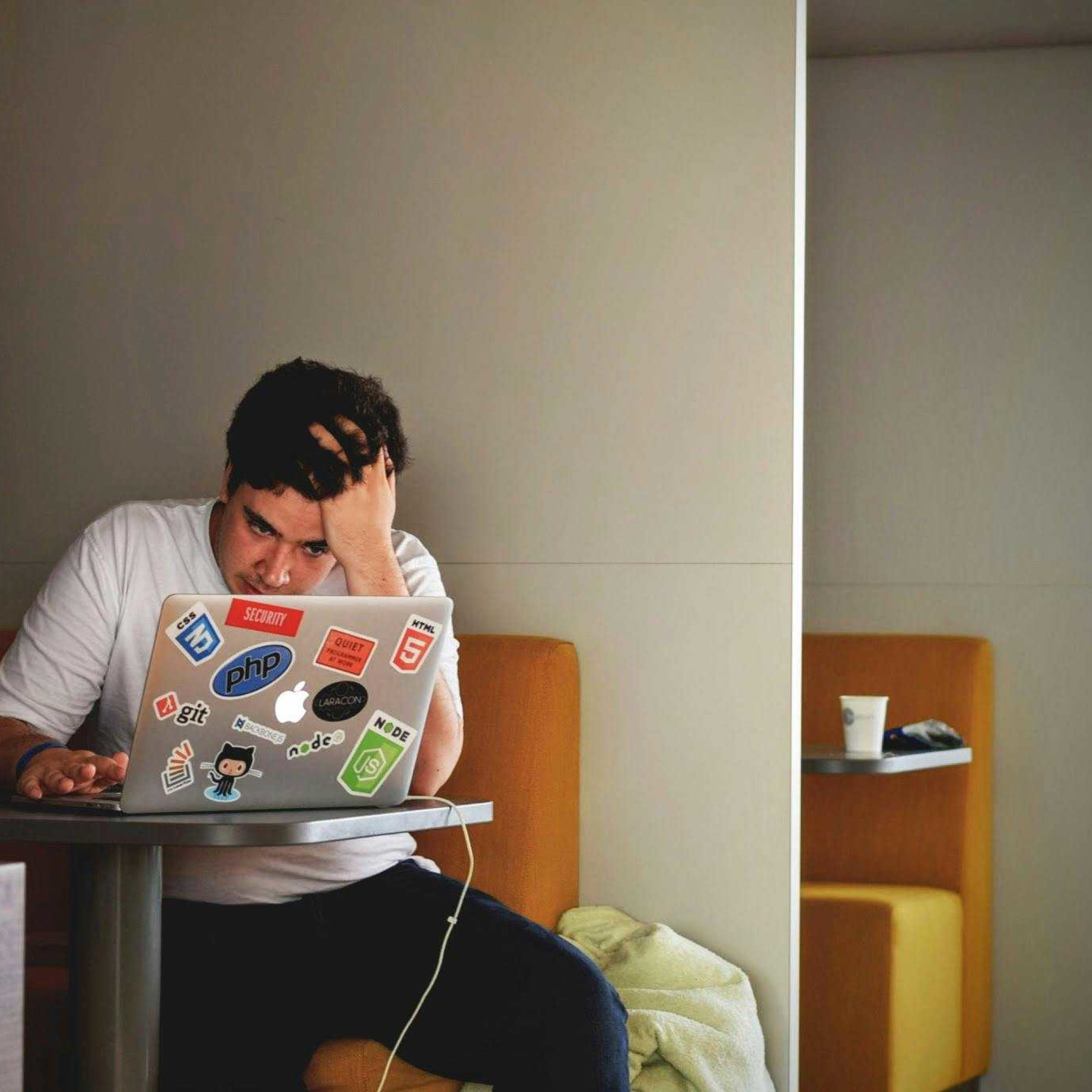
The tips and routines presented here can make a big difference—especially when dealing with everyday stressful situations, sleep problems, or inner restlessness. However, if you suffer from constant exhaustion, insomnia, significant weight gain, or emotional instability over an extended period, you should seek medical advice. This is especially true if you suspect that hormonal or psychological factors are behind your symptoms.
Important: Natural remedies are not a substitute for medical treatment, but can be a useful complement to it.


Conclusion: Lowering Cortisol – More Balance Every Day
High cortisol levels often develop gradually—and they can be regulated step by step in the same way. The good news: You don’t need radical changes or complicated programs. Even small routines—a mindful breath, a walk, a digital timeout—have the potential to calm your stress response and strengthen your health in the long term.
Take the first step today: Choose two or three tips from this article that fit well into your daily routine—and stick with them. With every mindful break, every relaxed movement, and every restful night’s sleep, you send your body an important signal: safety. And that’s exactly what lowers cortisol—naturally, effectively, and sustainably.


FAQs:
Frequently Asked Questions About “Lowering Cortisol”
Typical symptoms of high cortisol levels include sleep problems, restlessness, weight gain (especially around the abdomen), difficulty concentrating, high blood pressure, and frequent infections due to a weakened immune system. Irritability, mood swings, and exhaustion can also indicate chronic stress and persistently elevated levels of the stress hormone cortisol.
You can lower your cortisol levels naturally—through regular relaxation exercises (e.g., yoga, meditation, diaphragmatic breathing), getting enough sleep, low-stress routines, exercise in the fresh air, and a targeted diet. Even small breaks throughout the day, social interactions, and digital detox periods help reduce cortisol in the body.
Yes—the most informative method is a daily cortisol profile in saliva. This involves taking a sample several times a day (e.g., in the morning, at noon, and in the evening) to reveal your natural rhythm. These at-home tests are straightforward and significantly more reliable than blood tests, which often provide only a snapshot and can be skewed by stress (e.g., during the test).
In addition, the second morning urine sample can also be used to measure levels of catecholamines such as adrenaline—ideal for a holistic view of your stress response, but more suited for advanced users.
Important: Many labs use reference ranges as a guide, but for optimal stress management, it’s worth keeping an eye on functional optimal ranges as well. Anyone implementing measures to regulate cortisol should regularly check how the body responds—following the motto “measure, act, measure.” Micronutrients such as magnesium, zinc, selenium, or B vitamins also play an important role and should be tested as well, if necessary.
Caffeine can temporarily raise cortisol levels—especially in the morning, when the natural cortisol peak is already high. However, people who drink a lot of coffee regularly often experience a less pronounced reaction.
Tip: Don’t drink coffee right after waking up; wait about 1–2 hours instead. This way, you can avoid spikes in stress hormones. Use the time after waking up for mindfulness exercises instead.
In the afternoon, it’s best to avoid caffeinated beverages starting around 2 p.m. Consuming caffeine later in the day can not only disrupt sleep but also hinder the nighttime breakdown of cortisol—which can impair your recovery and stress resilience in the long run.
A so-called “cortisol belly” is caused by visceral belly fat, which is exacerbated by chronic stress and high cortisol levels. Countermeasures include moderate endurance exercise (e.g., brisk walking), a balanced diet low in processed and sugary foods, and regular relaxation. Lack of sleep can also contribute to fat accumulation—good sleep hygiene lowers cortisol levels and supports metabolism.
Home remedies for lowering cortisol include, for example, herbal teas with valerian, passionflower, or ashwagandha; warm baths; soothing music; aromatherapy (lavender, citrus oils); and magnesium-rich foods such as nuts and green vegetables. Conscious breathing exercises also act as a natural cortisol blocker.
Yes—moderate exercise such as yoga, fascia training, walking, or cycling can lower the stress hormone cortisol while simultaneously releasing “happiness hormones” like serotonin. Important: Avoid overtraining, as overly intense workouts can temporarily raise cortisol levels.
Sit up straight, take a deep breath in through your nose, pause briefly—and exhale slowly through your mouth. Repeat this several times. This simple breathing exercise calms your nervous system in minutes and can lower your cortisol levels in the short term—without any special equipment.
Exercise temporarily increases cortisol and adrenaline—both hormones that promote alertness. That alone often explains why it’s harder to fall asleep after an evening workout. On top of that, trying to force yourself to sleep triggers even more cortisol due to frustration—a self-perpetuating cycle. Calm transition rituals help the body gradually reduce the cortisol surge: a warm shower, soft lighting, and breathing exercises. Learn more about the connection between exercise and sleep.
Sources:
Örün, Deniz et al. (2021). The Effect of Breathing Exercise on Stress Hormones. Cyprus Journal of Medical Sciences, Volume 6, Issue 1. https://cyprusjmedsci.com/articles/the-effect-of-breathing-exercise-on-stress-hormones/cjms.2021.2020.2390
Hopper, Susan I et al. (2019). Effectiveness of diaphragmatic breathing for reducing physiological and psychological stress in adults: a quantitative systematic review. JBI Database of Systematic Reviews and Implementation Reports. https://pubmed.ncbi.nlm.nih.gov/31436595/
Blades, Robin et al. (2024). A randomized controlled clinical trial of a Wim Hof Method intervention in women with high depressive symptoms. Comprehensive Psychoneuroendocrinology, Volume 20. https://pubmed.ncbi.nlm.nih.gov/39606690/
Balban, Melis Yilmaz et al. (2023). Brief structured respiration practices enhance mood and reduce physiological arousal. *Cell Reports Medicine*, Volume 4, Issue 1. https://pubmed.ncbi.nlm.nih.gov/36630953/
Panossian, Alexander et al. (2010). Effects of Adaptogens on the Central Nervous System and the Molecular Mechanisms Associated with Their Stress-Protective Activity. Pharmaceuticals. https://pubmed.ncbi.nlm.nih.gov/27713248/