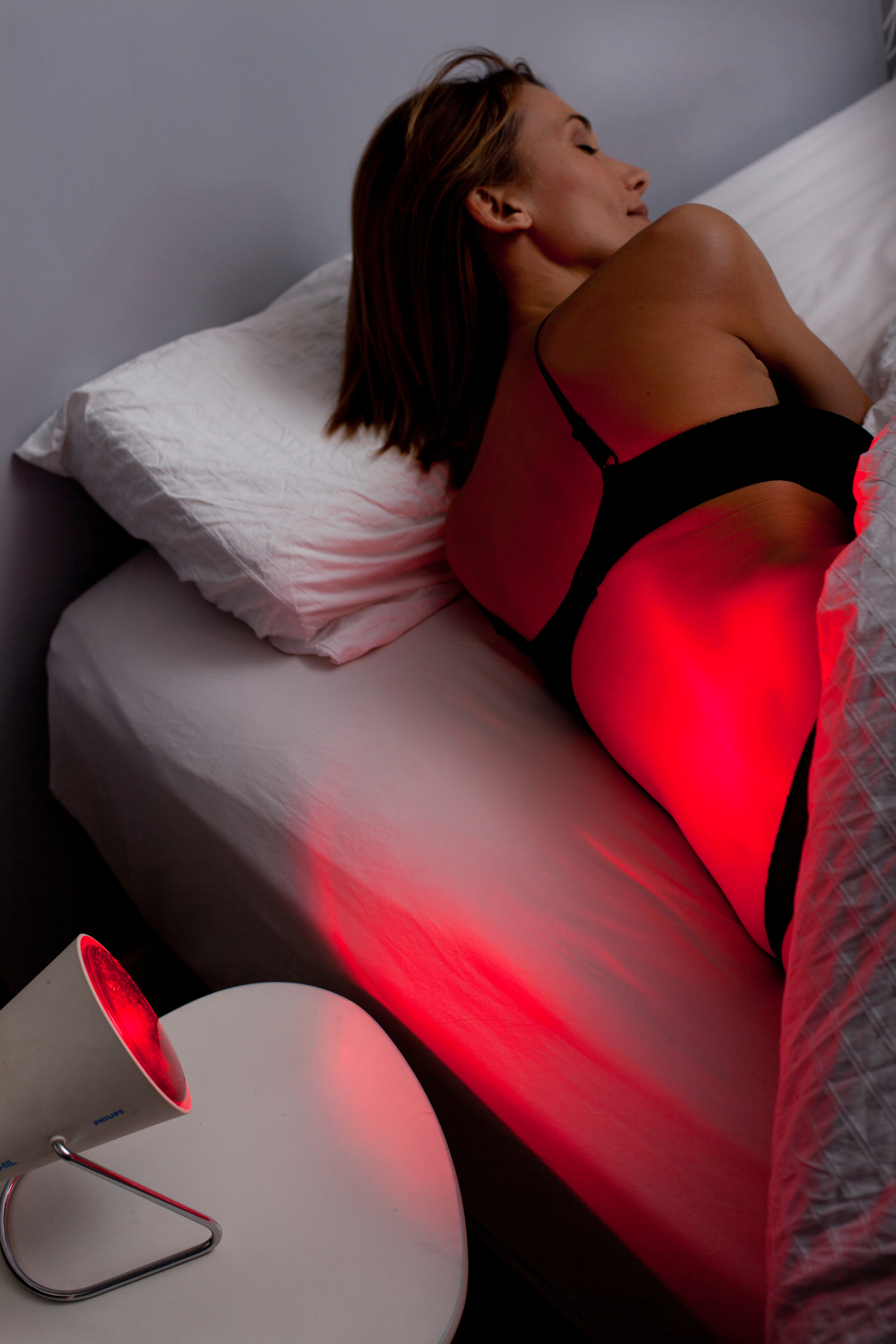
Infrared: How the Body Benefits from Heat Therapy

Infrared for Inflammation: How Your Body Benefits from Heat Therapy
Most of us probably remember red light or infrared light from our childhood. After all, a red light lamp was a staple in every home medicine cabinet and was used primarily for muscle tension, pain, and a stubborn cold. In this article, we explain the effects of infrared radiation (also known as IR radiation) on the body and provide an overview of how red light can help as an alternative treatment for inflammation.


What is infrared radiation?
Infrared light refers to electromagnetic radiation that, while invisible to the eye, can be felt on the body. This is because infrared light has a longer wavelength than visible light. Unlike visible light, infrared rays carry heat rather than brightness. Gamma rays, X-rays, and ultraviolet light are also forms of electromagnetic radiation. Depending on the wavelength range, infrared radiation is classified as follows:
- short-wavelength IR-A radiation with a wavelength range of 780 to 1,400 nanometers,
- IR-B radiation (1,400 to 3,000 nanometers),
- the long-wavelength subrange, known as IR-C radiation (3,000 nanometers to 1 millimeter).
However, treatments with infrared light primarily use IR-A rays, as they are perceived as the most comfortable on the skin. In red light lamps, therefore, a large portion of the IR-B and IR-C rays is filtered out, so that the devices emit only IR-A rays.
The discovery of infrared radiation is attributed to the astronomer Friedrich Wilhelm Herschel. In 1800, he used a prism to split sunlight into its spectral components. In doing so, he discovered by chance, beyond the red light, the invisible but warming radiation.
We come into contact with infrared radiation every day—without even realizing it. For example, IR is used for wireless data transmission in remote controls or other electronic devices such as air conditioners or speakers. Certain thermometers also use infrared radiation to measure body temperature without physical contact. And infrared sensors are often used in alarm systems, motion detectors, and automation systems to detect movement or changes in temperature.
A distinctive property of infrared rays is that they do not heat the air, but rather all objects within a room—such as furniture and walls, as well as the human body and animals. The strongest natural source of infrared radiation, however, is the sun. Infrared light accounts for slightly more than half of the sunlight that reaches Earth. That is why, even in ancient times, its heat was used to alleviate all kinds of health ailments. According to tradition, this is said to have prompted the Greek physician and forefather of medicine, Hippocrates, to make the following statement:
“The best medicine is the natural warmth of the sun.”
And even today, infrared radiation is successfully used in medicine to treat ailments and for wellness purposes.

Infrared Radiation in Medicine
In medicine, red light plays a major role in the form of heat therapy. The list of medical benefits of infrared radiation is therefore now extensive.
It is used for:
- acute or chronic muscle pain
- muscle and joint stiffness
- circulatory disorders
- Lower back pain or sprains
- Localized inflammation of the ears or sinuses
- Chronic inflammation (outside of an acute flare-up), such as rheumatic diseases, sinusitis, or chronic bronchitis
- Allergies
- Neurological diseases
- Skin conditions such as psoriasis or acne
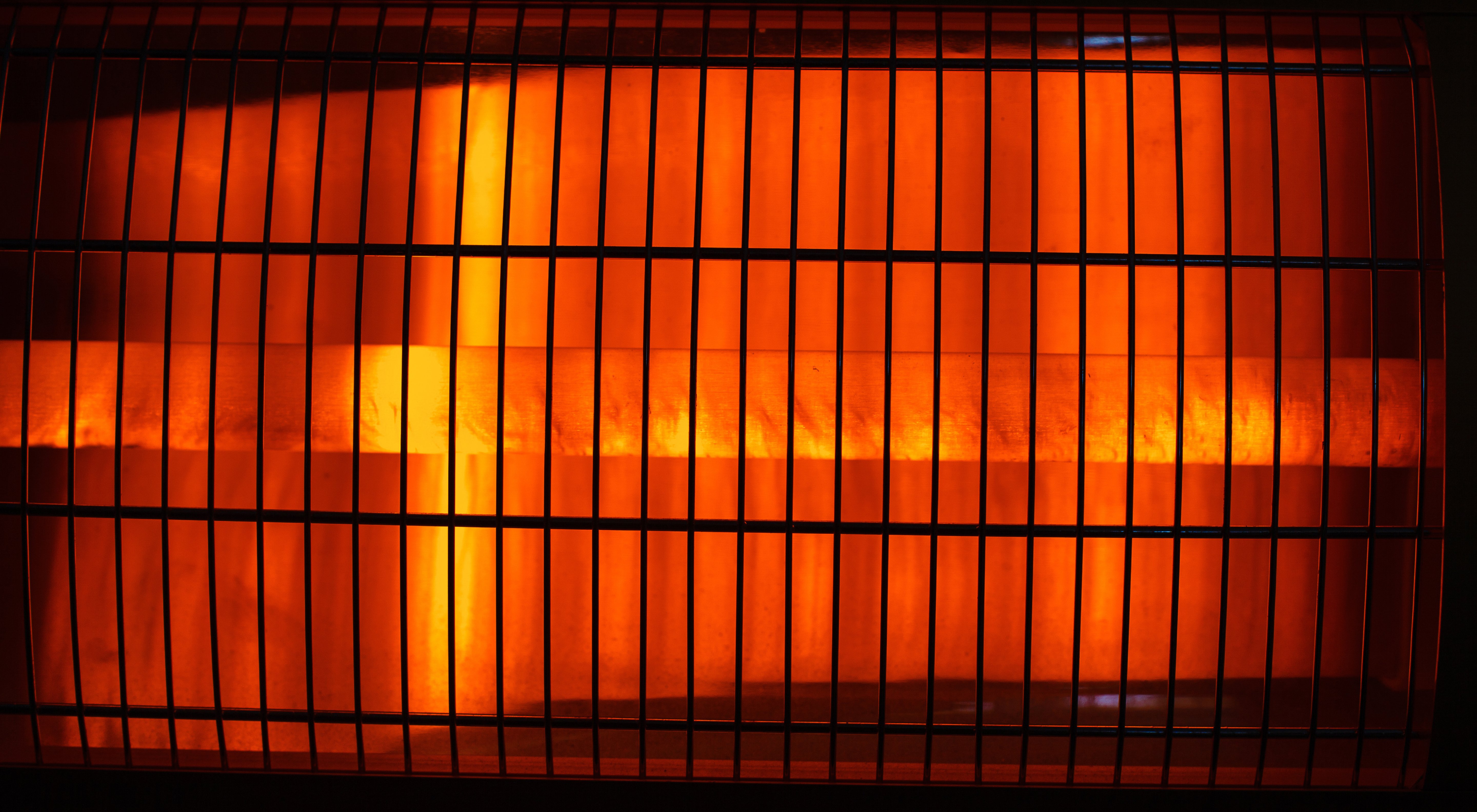
For treatment with infrared radiation, either individual red-light lamps are used for targeted irradiation, or the patient sits in an infrared cabin equipped with multiple emitters. Red light lamps contain special filaments that emit heat rays in the infrared spectrum. One of the most important factors to consider when selecting a device for infrared therapy is the wavelength of the emitted radiation.
For example, infrared devices that use short-wavelength radiation are more effective at treating pain than devices that use long-wavelength radiation. However, there are also devices that combine short- and long-wavelength radiation to achieve the best results.
Which method is right for you and your symptoms depends on the treatment goal and should be assessed by a doctor beforehand.

How does IR radiation affect the body?
The mechanism of action in heat therapy is the same regardless of the area of application: As soon as infrared radiation hits tissue, it causes molecules to vibrate. This generates heat, which leads to a rise in body temperature. Since infrared radiation penetrates deep into the skin (5 to 6 mm), it also reaches areas with good blood flow. Blood circulation and metabolism are thus stimulated, and blood vessels dilate. As a result, viruses and bacteria are eliminated from the body more quickly during infections, and mucus in the sinuses or secretions in the ears can loosen and drain more easily.
Additional benefits for the body: Infrared light can also boost the immune system. This works best in an infrared cabin. The gentle heat acts like an artificial fever, which stimulates the body’s self-healing abilities—so the immune system runs at full speed with regular heat therapy.
In addition, heat prevents and reduces pain because increased blood flow causes blood to circulate in greater quantities through the skin, muscles, and joints. Accumulated metabolic byproducts (such as pain-signaling substances), lactic acid, and bacterial toxins are flushed out of the body more quickly, while regeneration and healing processes are simultaneously promoted. All of this results in pleasant relaxation of the muscles and joints.
Of particular interest to athletes: In a study, scientists were able to demonstrate that exposing individual muscle groups to red light not only improves peak strength but also delays skeletal fatigue. This, in turn, results in enhanced performance.


Effects of Infrared Light on Inflammation
If you suffer from inflammatory conditions, red light therapy may successfully complement conservative treatment. This is because infrared light is now known for its anti-inflammatory effects, and its positive impact has been demonstrated in several studies.
Please note, however: The type of inflammation and whether it is acute or chronic are key factors in determining the appropriate use of infrared light.
- Acute Inflammation
Infrared therapy is generally not recommended for acute inflammation. This is because, in acute cases, the heat can worsen inflammatory markers and thereby tend to exacerbate symptoms.
- Chronic Inflammation
In cases of chronic inflammation, however—such as with chronic inflammatory joint diseases—heat from red light can indeed help alleviate symptoms. Red light is particularly effective for pain caused by osteoarthritis and chronic neuropathic pain, often significantly improving the quality of life for those affected.
In a study involving participants suffering from rheumatoid arthritis, the symptoms of the inflammatory joint disease were reduced by up to 70 percent through the use of red light.
In another study, researchers found that infrared therapy reduces the number of cytokines in the blood. These are proteins involved in inflammation within the body.
The reason for this, in this case as well, is the improved blood circulation resulting from the heat penetrating the deep layers of the skin. This stimulates blood and lymph flow, and the joints receive better nourishment, which in turn reduces pain.
However, if you suffer from chronic inflammatory conditions that require treatment, you should still avoid self-experimentation and consult your doctor for all necessary information before using infrared light.
- Skin Inflammation
Since red light penetrates deep into the skin, it can also relieve itching and promote regeneration in certain cases of skin inflammation. These include dermatological conditions such as psoriasis and eczema, as well as acne. Because targeted use of red light stimulates metabolism, it reduces the inflammatory reactions typically triggered by acne. If you want to address your skin problems with red light, however, you’ll need to be patient. You should sit in front of the lamp for 15 minutes up to four times a week to start seeing results after just a few weeks.
According to studies, infrared light can also promote the healing of minor wounds due to its blood circulation-boosting properties, as it stimulates the production of collagen and elastin, which play a key role in wound healing and skin regeneration.


Can infrared light have a positive effect on sleep?
Do you often have trouble falling asleep or staying asleep? And do neither Grandma’s home remedies nor other methods help you drift off to sleep? Then you can also take advantage of the effects of infrared to help you sleep. That’s because infrared radiation can positively influence your sleep—thanks to an innovative technology that is simple in its function but highly effective.
We’re talking about CELLIANT®, a blend of harmless, naturally occurring thermoreactive minerals that are incorporated into yarns, textile fibers, or fabrics—including, for example, in comforters or mattresses. It’s a patented formula from an American manufacturer, produced in the U.S.
Here’s how it works: The CELLIANT® fiber absorbs the heat emitted by the body, converts it into what’s known as far-infrared radiation, and reflects it back. This returns the body’s own radiation to the tissues and muscles, which increases local blood circulation and blood flow and supplies the cells with more oxygen. Thanks to the increased blood circulation, the fiber helps the body regulate its temperature more effectively. And that, in turn, leads to more restful sleep.
And because we’re convinced of the benefits, we at BLACKROLL® also offer a CELLIANT® collection featuring products made with this fiber. These include our RECOVERY BLANKETS and the mattress cover for the RECOVERY BASE.
The result: Our duvets and mattress cover promote healthy, restful sleep and local blood circulation, thereby supporting your recovery for more energy in your daily life.

Recovery Blanket Summer
Available in multiple variants

Infrared Light: Uses and Possible Side Effects
How long you should undergo red light therapy depends largely on the nature of your symptoms and how you react to the infrared radiation. As a general rule, however, a red light session should not exceed 15 minutes, up to three times a day (with sufficiently long breaks in between). Also, maintain a distance of 30 to 50 cm from the lamp to avoid burns. If you feel uncomfortable or your skin hurts, stop the treatment immediately.
Be prepared for the fact that, with some conditions, it may take several weeks or months before you notice an improvement from heat therapy. However, positive effects can also occur very quickly—for example, with muscle soreness after exercise.
In general, red light heat therapy poses no health risks. However, be sure to keep your eyes closed or wear protective goggles when treating the face. Most modern devices come with these included anyway. Otherwise, there is a risk of irreparable damage to your retina.
If you’re taking certain medications that increase light sensitivity, or if you suffer from skin rashes or malignant skin tumors, check with your doctor beforehand to see if infrared light therapy is suitable for you.
Summary
If you’re looking for an alternative way to treat your symptoms or to supplement conventional therapy, infrared light therapy can be a great option. The pleasant warmth on your skin, much like sunlight, creates a soothing sensation and can help improve your overall quality of life. However, don’t expect a miracle cure from infrared rays, and give yourself enough time. For some conditions, improvement may not occur until after a few weeks. If you’re unsure whether heat therapy with infrared rays is appropriate for your condition, always consult your doctor first. This is especially important in cases of acute inflammation.