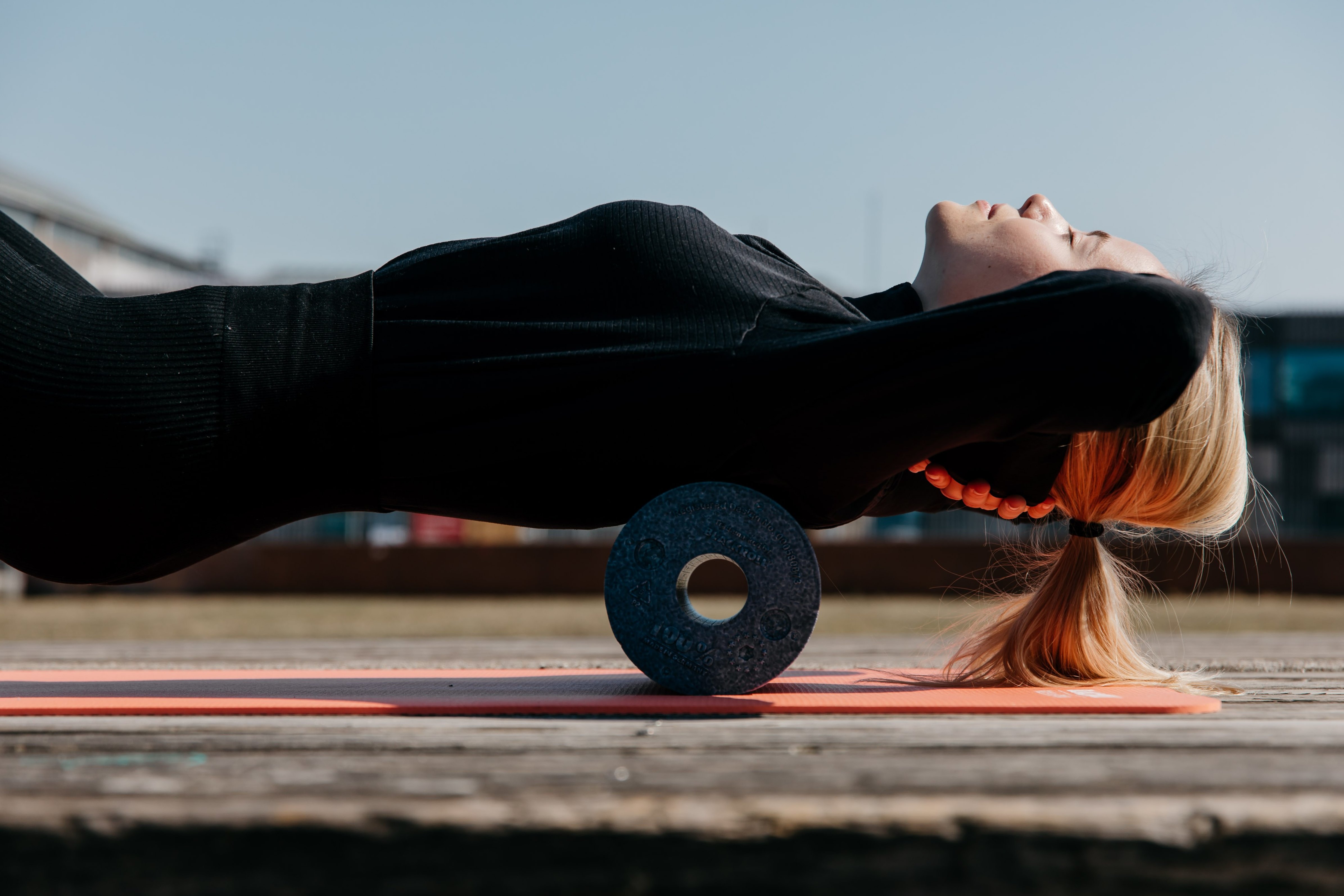
Fascia training can help with depression

Depression is one of the most common mental health disorders worldwide. According to the World Health Organization (WHO), approximately 280 million people suffer from it. This represents about 3.8% of the population, with 5% of adults affected.
The societal impact is enormous: absenteeism, reduced quality of life, and high healthcare costs. And yet, despite advances in medication and psychotherapy, the relapse rate remains high. New, holistic approaches are therefore needed.
An exciting area in this context is exercise and bodywork as a complement to traditional therapy. In particular, fascial connective tissue is increasingly becoming the focus of studies.
This is because fascial training could be an underestimated key to greater emotional balance and mental health.


Fascia and emotions?
Fascia are connective tissue sheaths that surround and connect our muscles, organs, and nerves. They form a widely branched network throughout the body and are crucial for our mobility, stability, and body awareness.
Fascia contain many receptors and are directly linked to the nervous system. Neuroscientific findings show:
- Chronic tension in the fascia can influence pain perception and
- exacerbate emotional states such as anxiety or listlessness.
The body communicates with the mind—and vice versa: Many people suffering from depression unconsciously adopt a slumped, forward-leaning posture. Their shoulders slump, their chest constricts, and their breathing becomes shallower. What appears to be a purely physical symptom often has deeper underlying causes—and can simultaneously further worsen one’s mental state.
This is because our posture directly affects our emotional state. Through what are known as somatic markers, the body sends feedback to the brain that can either intensify or dampen emotions.
Anyone who remains in a hunched posture for an extended period essentially signals to the brain that they are feeling unwell. It’s an unconscious but powerful vicious cycle.
This is exactly where targeted fascia training comes in: Through active, mindful movements and stretches, posture can be improved in the long term. This not only has a positive effect on mobility and pain—it can also enhance emotional well-being through body awareness.

Research Findings: Fascia, the Nervous System, and the Mind
A growing body of research suggests that fascia not only provides structural support to the body but is also closely linked to the nervous system and emotional health.
Although the realization that there is a connection between fascia training and mental health is still in its early stages, it is promising:
- Prof. Johannes Michalak and Prof. Robert Schleip (University of Ulm) conducted a pilot study in 2021–2022, published in*Cognitive Therapy and Research*. Participants with depressive symptoms took part in an 8-week fascial training program. The result: significant improvements in motivation, mood, and body awareness.
- Dr. Marcus Müller (Karlsruhe University of Education), together with his research group, is investigating in an ongoing study how fascial bodywork affects the nervous system in the long term. Initial results suggest that people with depressive symptoms often exhibit increased tension in the fascial tissue of the neck, back, and shoulders —areas that are particularly sensitive to stress. Through targeted fascial movement training incorporating elements such as swinging, stretching, and rocking, participants were able to reduce their muscle tension while significantly improving their emotional well-being. The exercises have a calming effect on the autonomic nervous system and promote a sense of security and self-awareness.
These findings support the theory that fascia serves as a link between the body, brain, and mind —an approach that could play a greater role in the prevention and treatment of mental health disorders in the future.
- Dr. Lea Overmann (2024) and her colleagues demonstrated in an imaging study published in the journal*Acta Psychologica* that patients with depression exhibit a marked thickening of the fascia in the upper trapezius muscle —a potential biomarker for chronic tension.
- In Bad Sooden-Allendorf, the first structured, clinical fascia therapy program for depressive disorders is currently being developed and evaluated as part of a clinical study involving a larger group of inpatients. The evaluation is being conducted systematically by the Institute for Applied Integrative Health Research (IAIG). Initial interim results indicate that significant improvements are observed with striking frequency, particularly in the thoracic spine—that is, the middle back.
More interesting articles









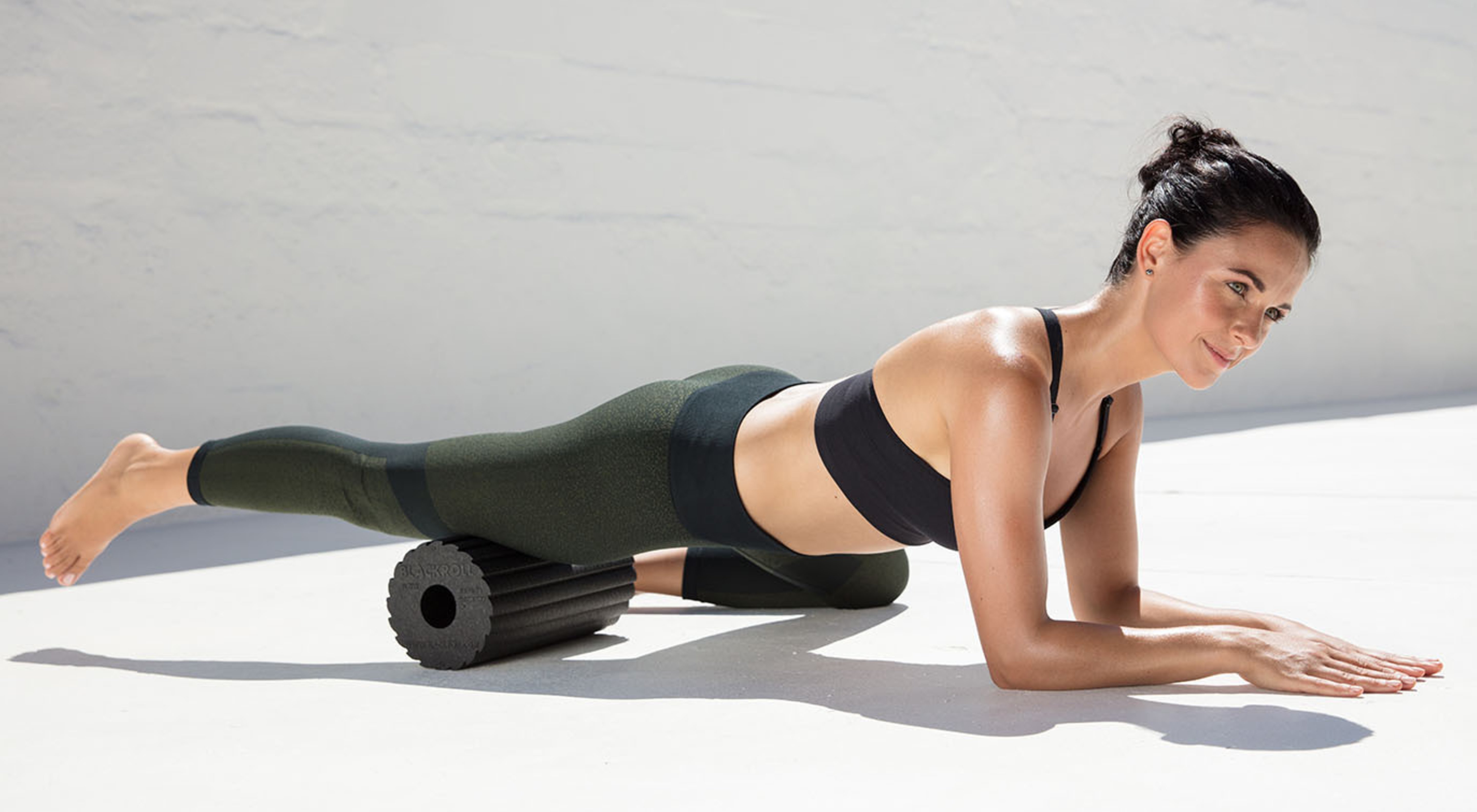

Fascia Training and Mental Health
Fascia training not only activates muscles and connective tissue—but also the autonomic nervous system —the central control center for emotional processes.
Fascia communicates directly with the autonomic nervous system. Stress leads to tension, while relaxation has the opposite effect.
According to the studies mentioned above, targeted fascia training—such as a fascia roller massage—not only relieves physical tension but also has positive effects on mental health:
- Interoceptive awareness is enhanced: This refers to the ability to consciously perceive internal bodily states such as heart rate, breathing, or muscle tension. These bodily sensations are closely linked to emotions. Those who learn to sense these signals more clearly can recognize and regulate emotional states earlier. Fascia training supports precisely this body awareness—and thus also the ability to regulate emotions and manage stress.
- The vagus nerve, also known as the “rest and digest” nerve, is stimulated. As part of the parasympathetic nervous system, it promotes calm, regeneration, and recovery. When you activate it—for example, through targeted breathing exercises or fascia training— your heart rate and stress hormone levels decrease. At the same time, the body is brought into a state that promotes relaxation and emotional balance. This is particularly helpful for depression, as the nervous system is often in a constant state of alert in such cases.
- Physical relaxation achieved through fascia training also reduces chronic tension, which often unconsciously accompanies depressive states. These physical tensions—such as tense shoulders or a constricted chest—are not merely a symptom; they can also negatively impact mental well-being via the nervous system. Fascia training thus helps lay the groundwork for psychological relief on a physical level.
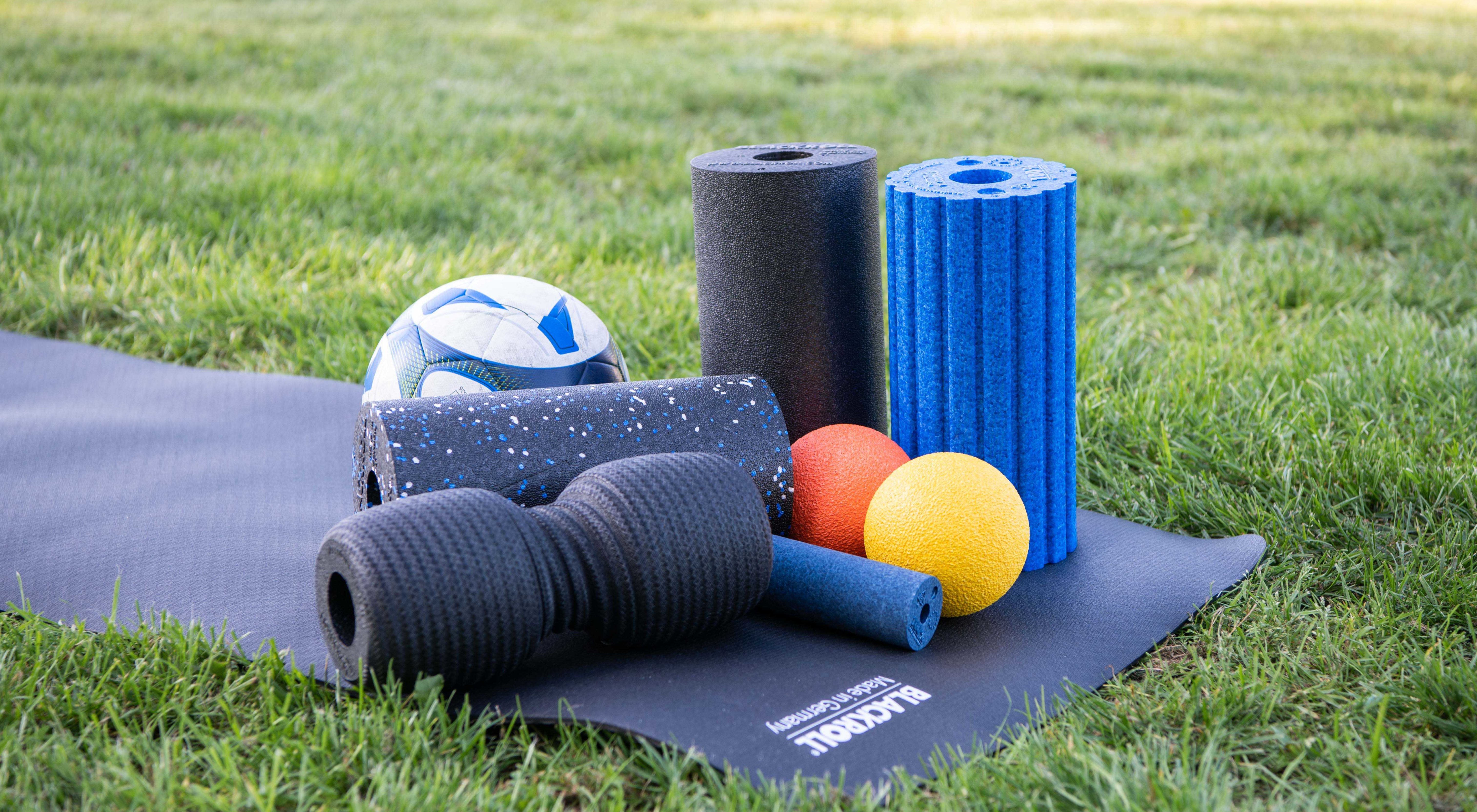
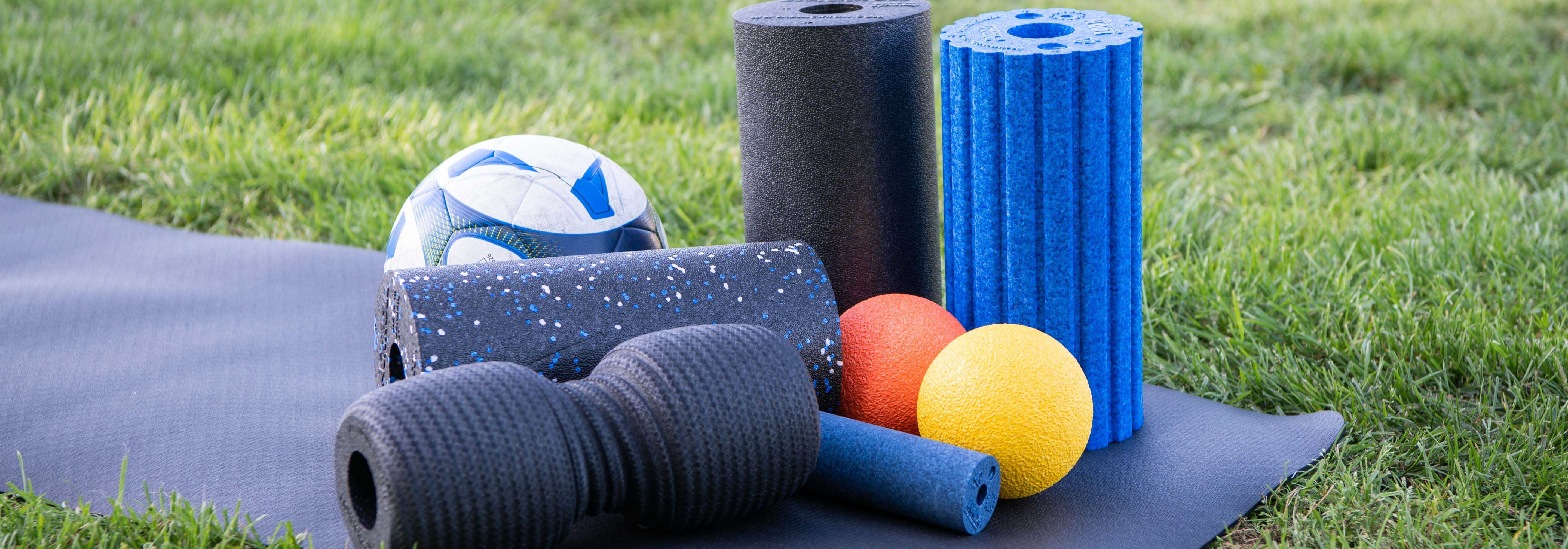
Exercises and BLACKROLL products
You can do regular fascia training with just a few targeted exercises—ideally every day or several times a week. Our recommendations:
1. Gentle rolling of the upper back and neck:
Helps with tension headaches and inner restlessness. Several studies show a significant activation of the parasympathetic nervous system, which is likely related to stimulation of the vagus nerve—especially since it runs very close to the surface in certain areas.
Neck massage
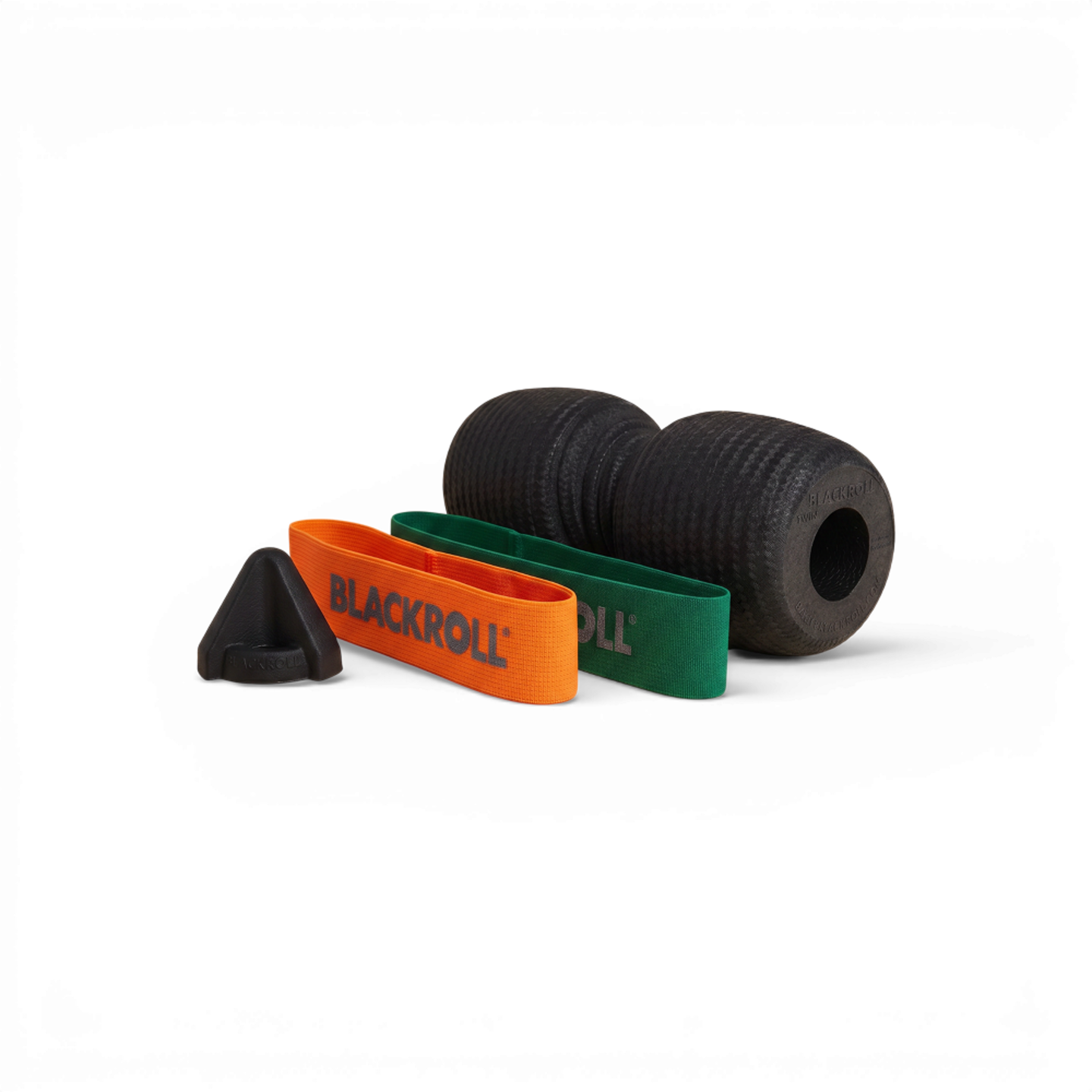
Here’s how: Place the BLACKROLL MICRO with a flat hand behind your ear, directly below the occipital bone. Apply soothing pressure and roll it downward with slow back-and-forth movements.

Scapula Push
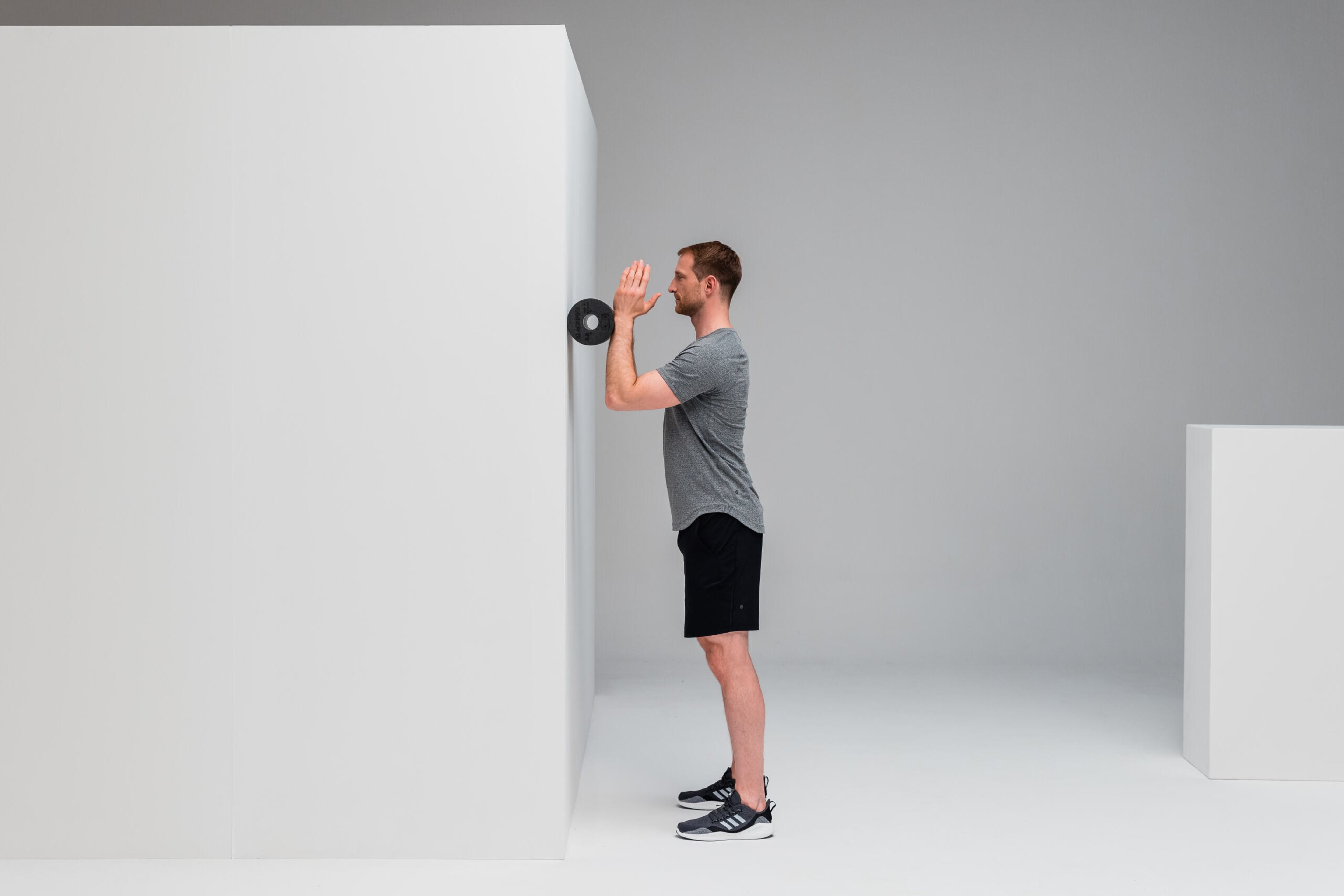
Start in an upright position facing a wall. Place the BLACKROLL STANDARD at neck height. Secure it with your wrists. Apply pressure with your forearms. Allow your shoulder blades to slide forward as a result. Push the BLACKROLL upward while maintaining pressure. Keep your core engaged and your torso straight throughout the entire movement. The movement is generated exclusively from your shoulders and shoulder blades.
Upper Trapezius Massage
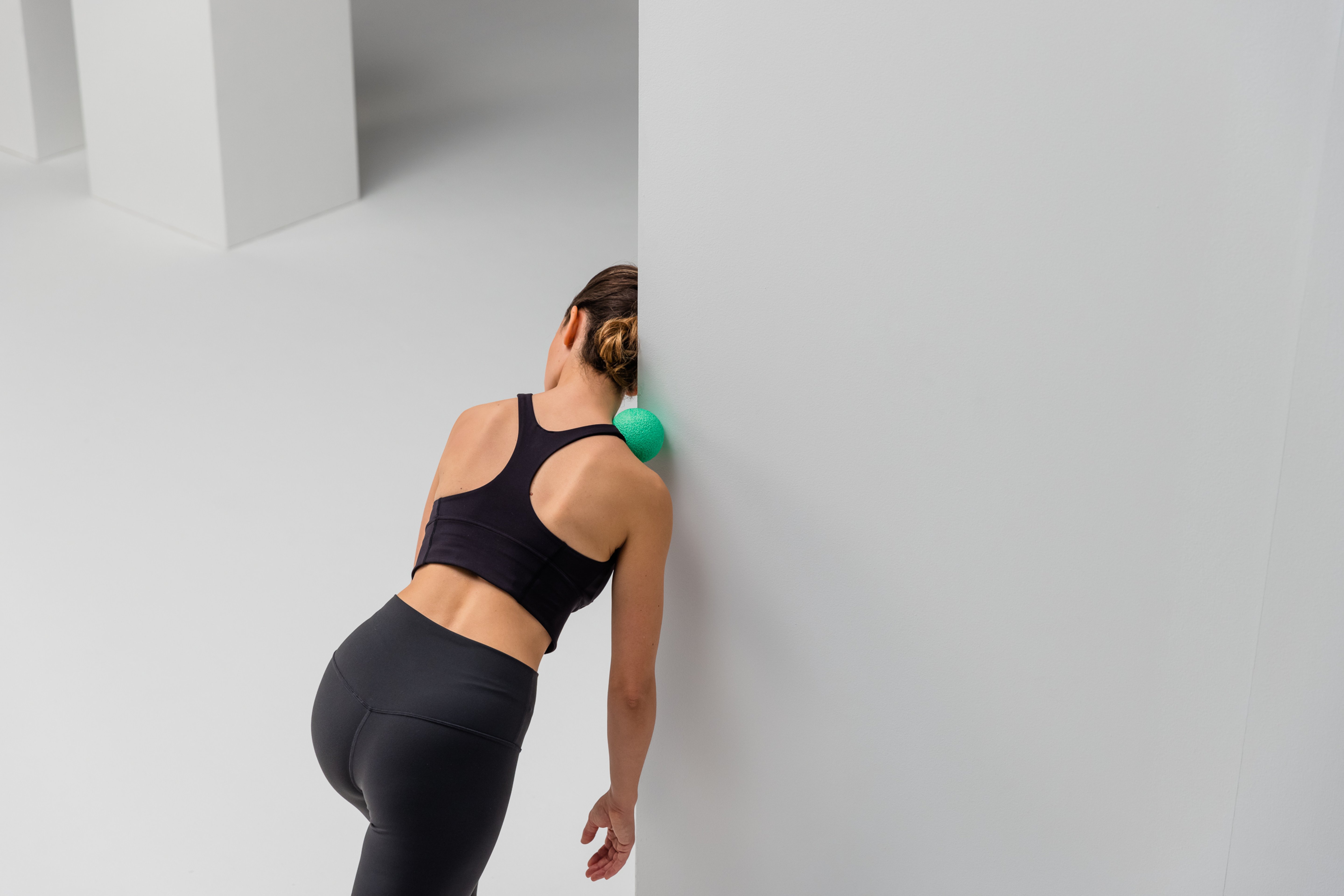
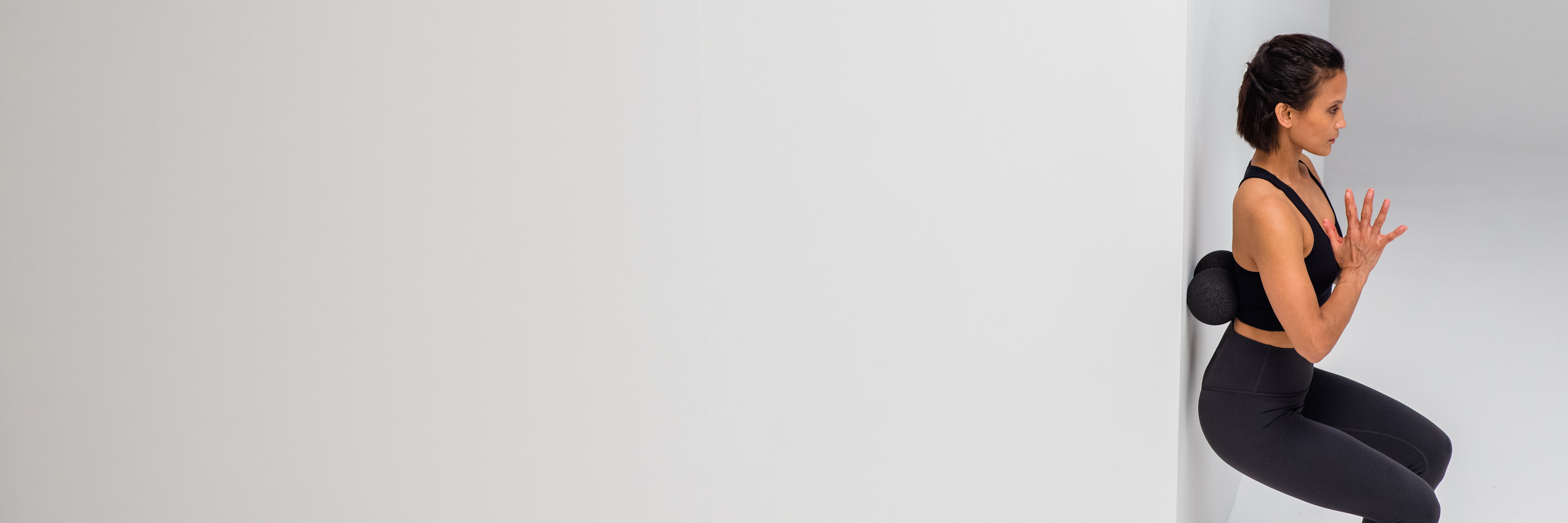
Stand next to a doorframe. Place the BALL 08 to the side of the doorframe. Step into a lunge. Lean your upper body forward so that the BALL is wedged between the junction of your neck and shoulder and the doorframe. Work your trapezius muscle this way.
2. Breath-Focused Mobilization Routines:
- A combination of conscious breathing and chest movement
- Goal: Vagus nerve activation, increased expansion of the chest cavity
Chest Mobilization
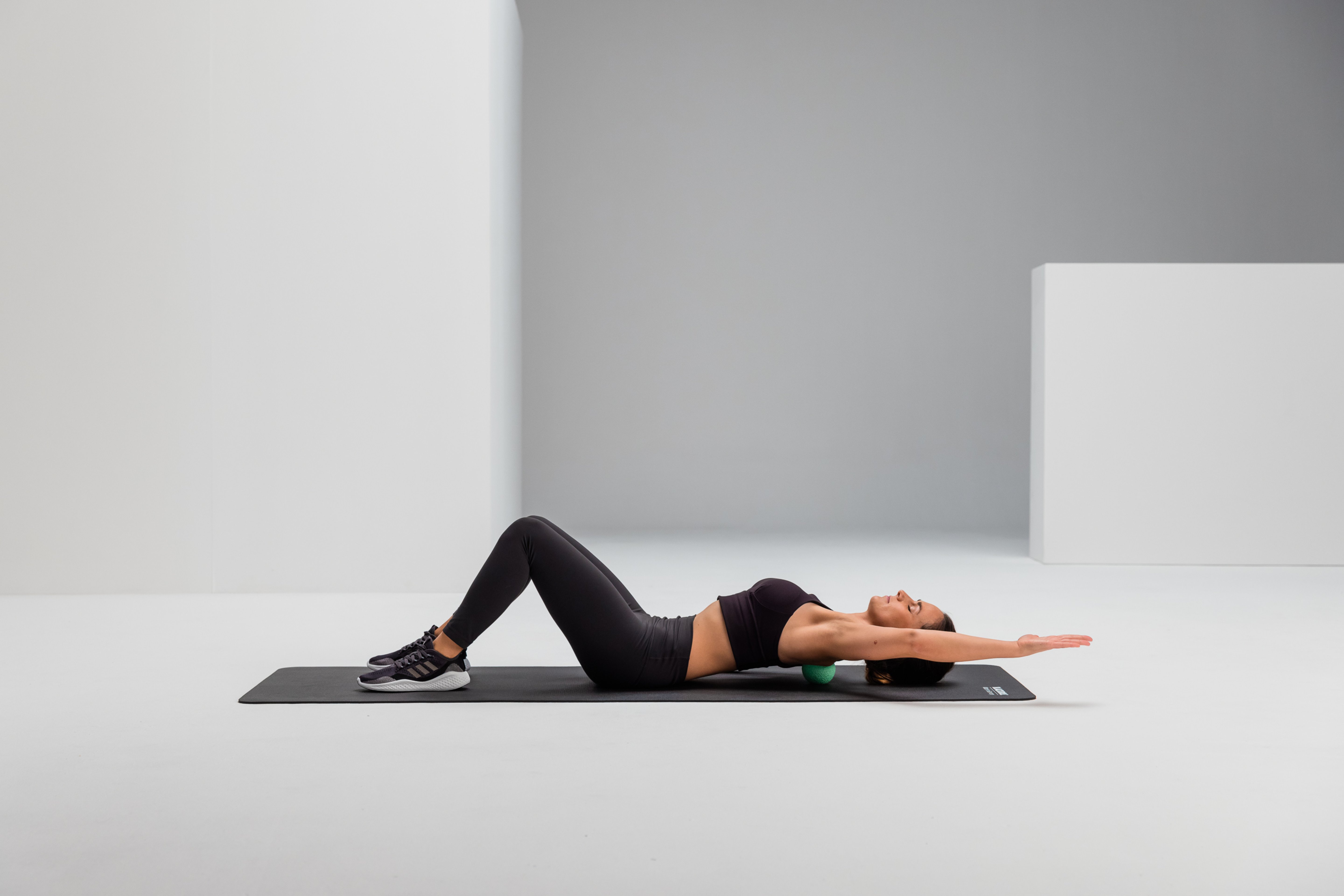
Lie on your back and place the BALL 08 between your shoulder blades.
Take a deep breath as you raise your arms above your head. As you exhale slowly and relaxed, lower your arms back down to your sides. Repeat this movement for 1–2 minutes, focusing on deep, steady, and calm breathing.
Upper Back Rotation
Sit on the floor with your legs extended. Place the BLACKROLL STANDARD behind you and lean your upper back against it. Cross your arms in front of your chest and slowly rotate your upper body to the right and left while breathing evenly.
Repeat the movement for 1–2 minutes to mobilize the thoracic spine and promote breathing.
Breathing Exercises for Vagus Nerve Activation
Conscious, deep breathing is one of the most effective methods for harmonizing the autonomic nervous system. The following are particularly helpful:
- 4-7-8 breathing technique: Inhale deeply through your nose for 4 seconds, hold your breath for 7 seconds, and then exhale slowly through your mouth for 8 seconds. This technique promotes relaxation and lowers your heart rate.
- Abdominal breathing: Breathe deeply into your abdomen so that your abdominal wall rises, and exhale slowly. This type of breathing activates the diaphragm and directly stimulates the vagus nerve.
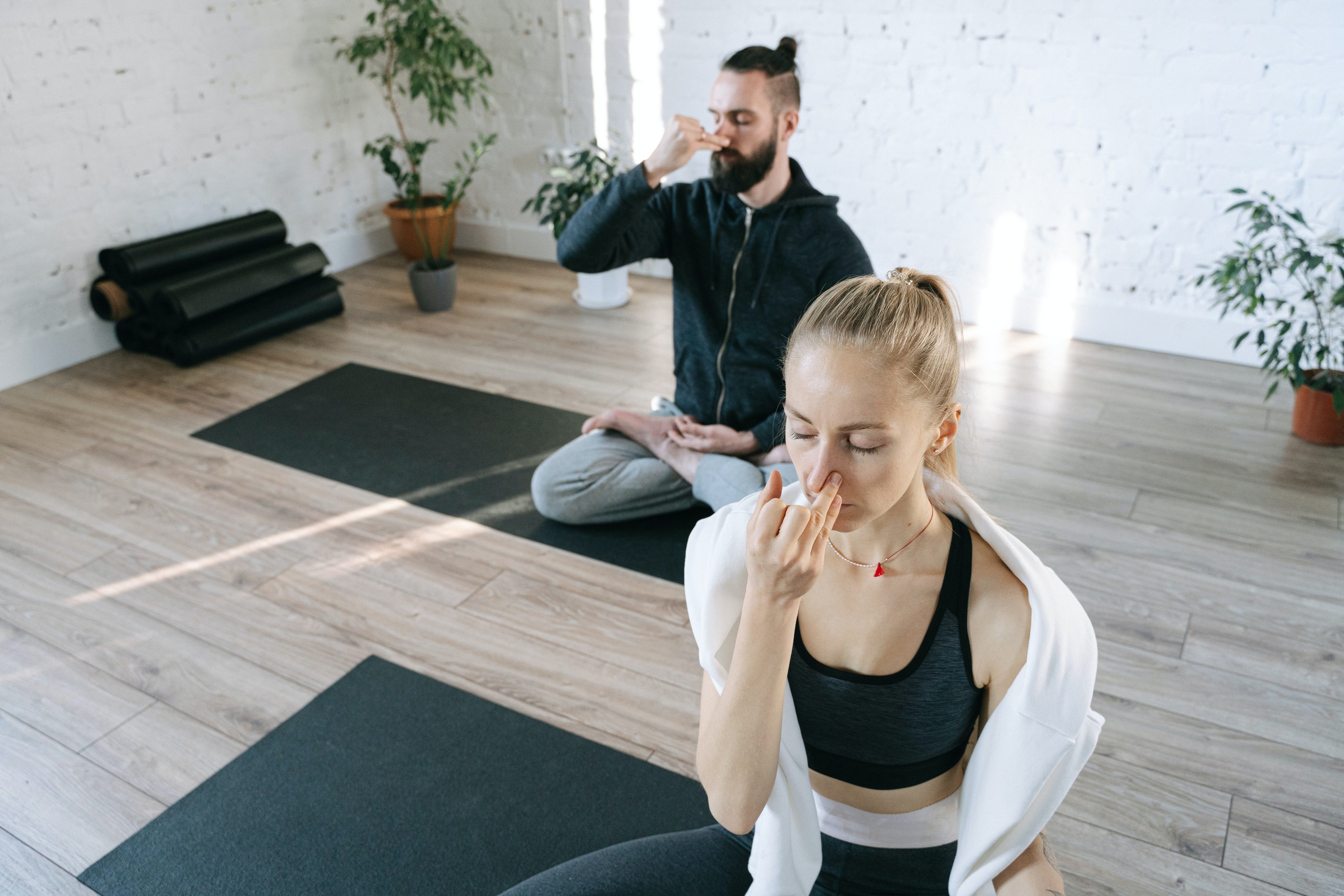
- Alternate Nostril Breathing (Nadi Shodhana) stimulates the vagus nerve, thereby activating the parasympathetic nervous system, which reduces stress, lowers the heart rate, and promotes a state of deep relaxation.
On our website, you’ll find more exercises for stimulating the vagus nerve.
3. Mini-Program for Everyday Life (10 minutes):
- Ideal in the morning or before bedtime
- Integration into self-care routines
- Release tension, promote body awareness, find calm
1. Loosen up your neck and shoulders (2 minutes)
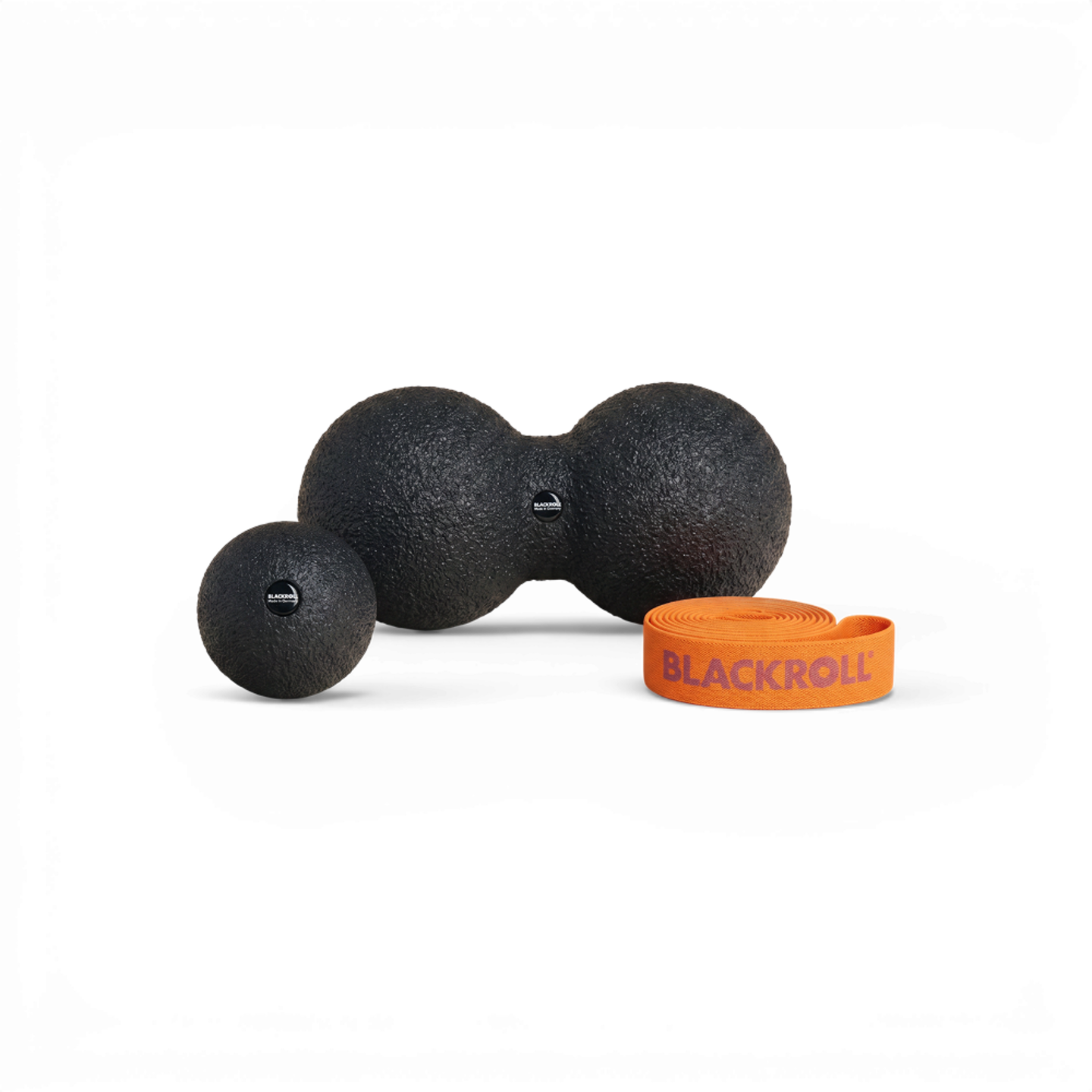
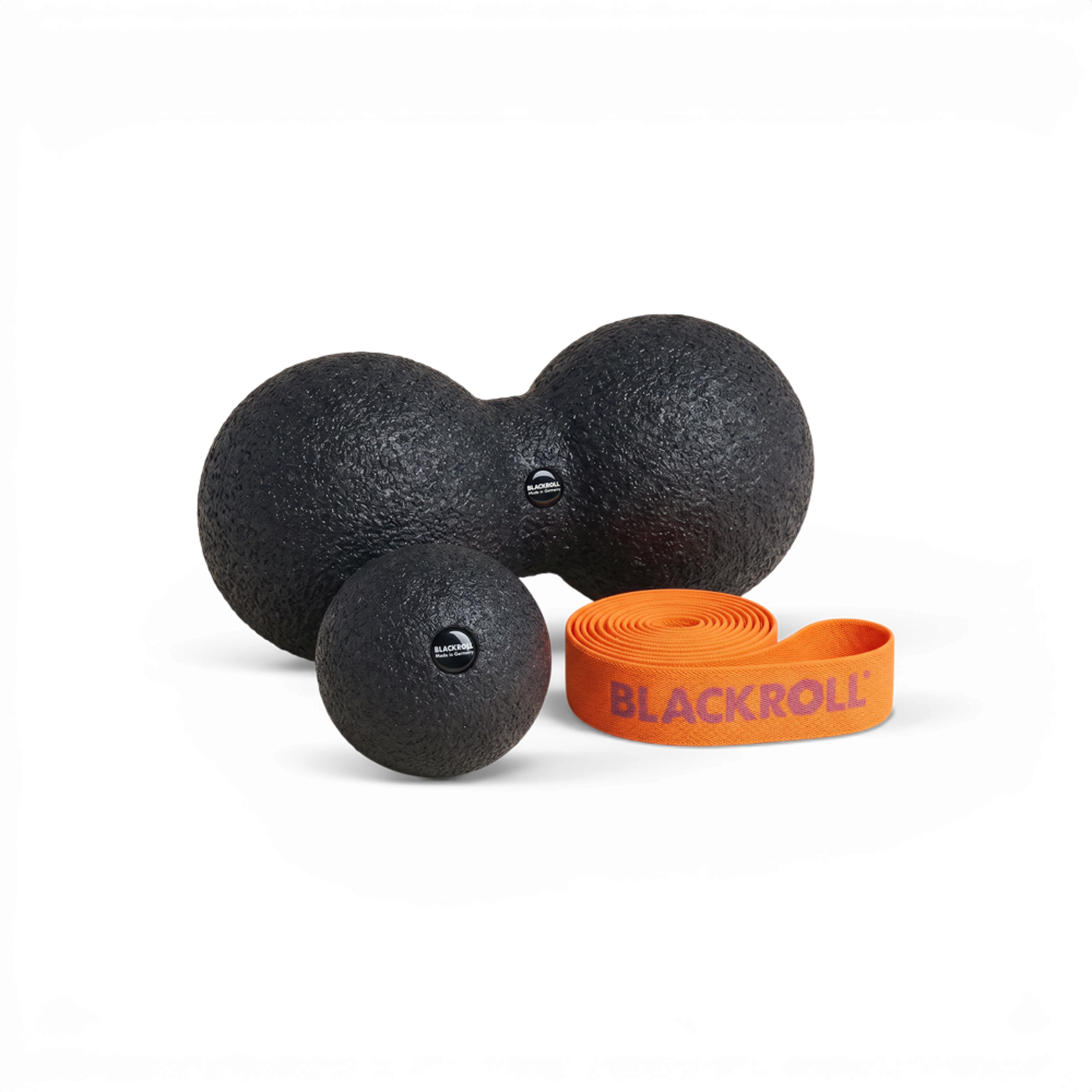
Sit comfortably upright, e.g., on a yoga mat, a stool, or with your back against a wall. Lean back slightly so you can use your body weight to apply pressure to the tool. Position the DUOBALL 08 in the center along your upper spine, between your shoulder blades. The indentation on the DUOBALL is positioned directly over the spine—this ensures the spine itself remains unobstructed and isn’t subjected to direct pressure. Roll slowly up and down, from the middle of your back to the upper trapezius (just below the neck). Keep your abdominal muscles slightly engaged to stabilize your spine.
Breathe calmly and deeply:
Inhale: As you roll upward.
Exhale: As you roll down—try to consciously relax your muscles as you do so.
2. Mobilize the Chest & Breathe (3 minutes)
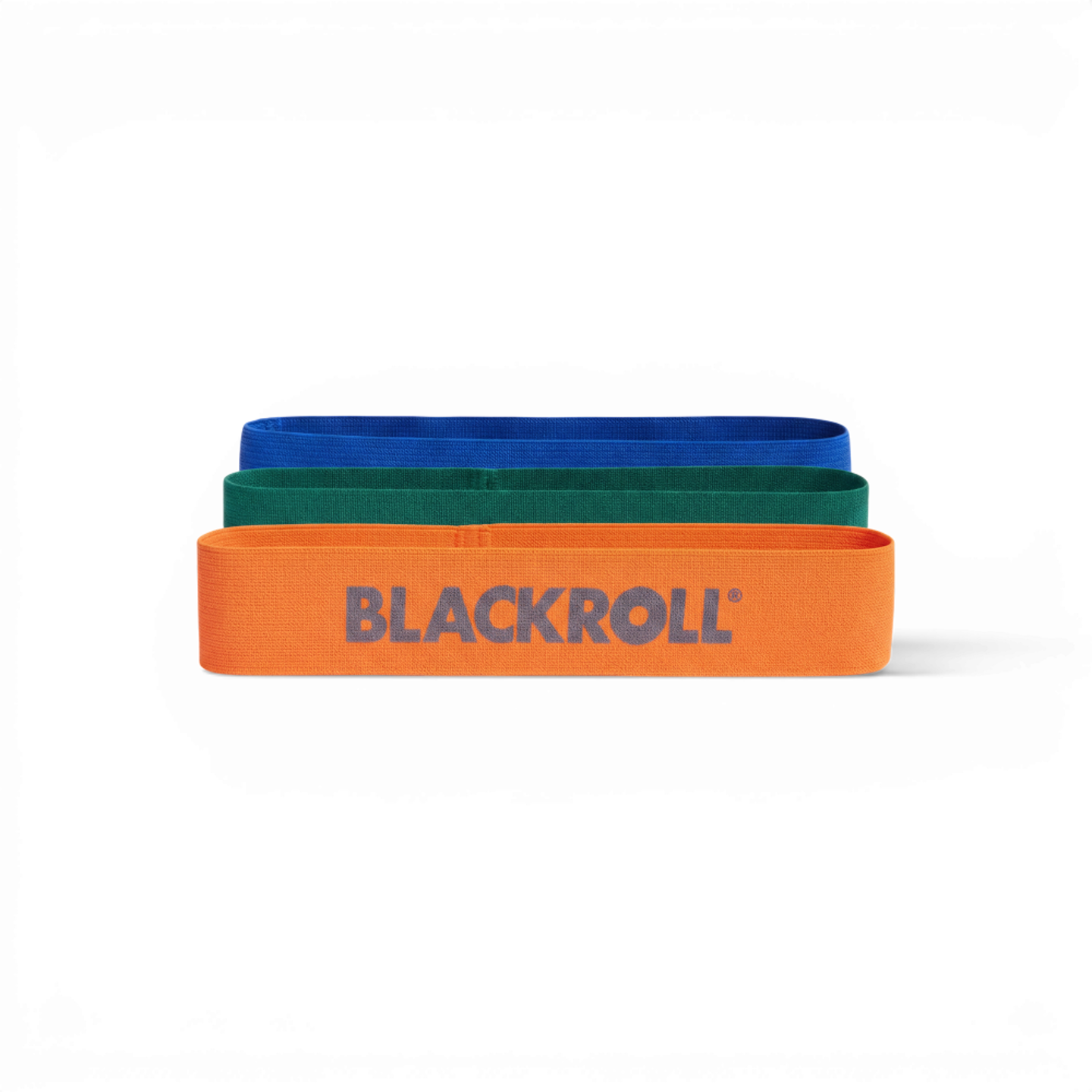
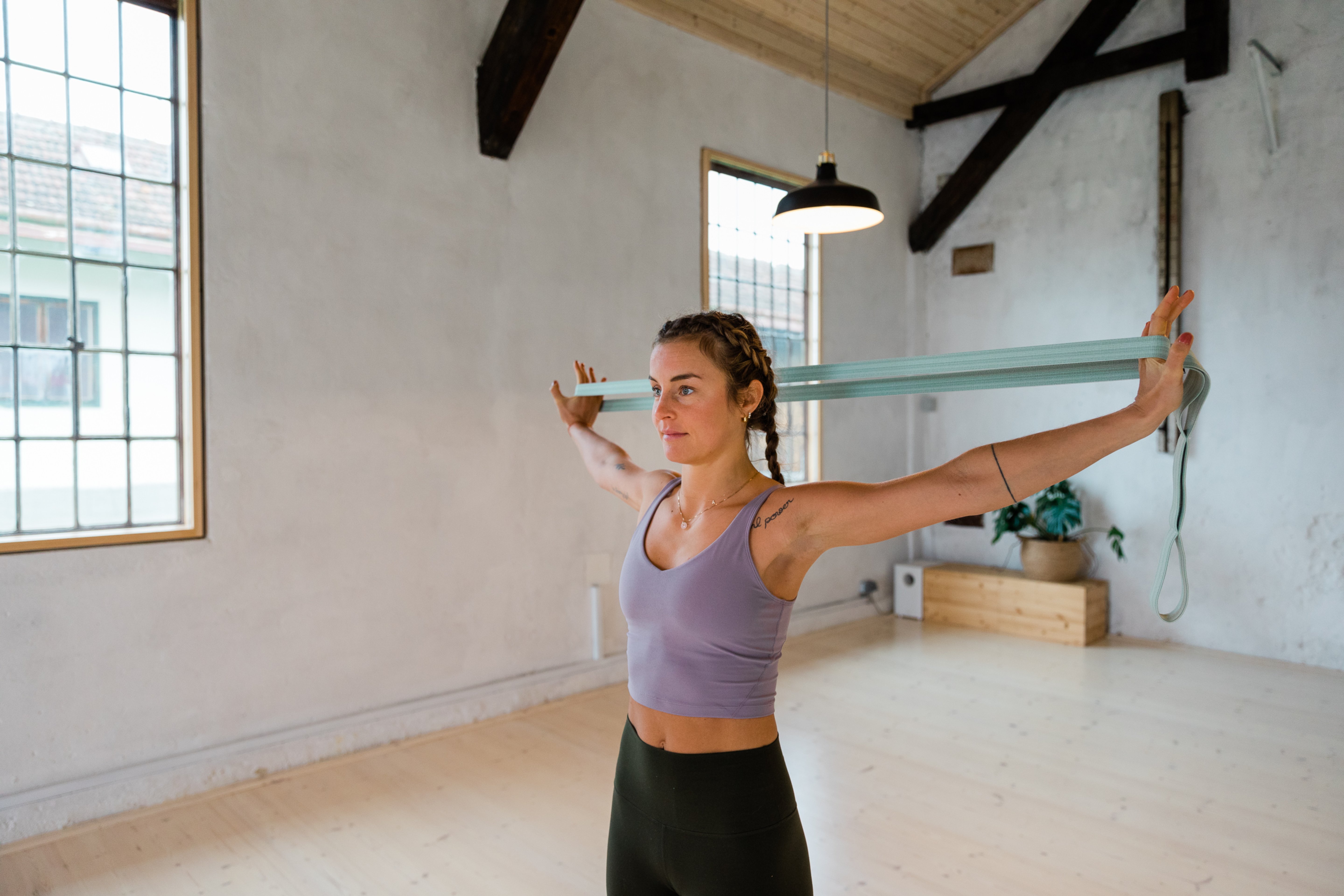
Stand upright with your feet hip-width apart. Hold the STRETCH BAND in front of you with both hands, about shoulder-width apart—keep your arms slightly bent. Maintain a neutral spine: sternum slightly lifted, shoulders relaxed, gaze straight ahead.
Inhale—raise your arms: Take a deep breath through your nose into your abdomen.
As you inhale, bring both arms straight up in a wide arc over your head. Feel your chest expand and your ribs move outward and upward. The STRETCH BAND provides light resistance, but you should be able to complete the movement without much effort.
Exhale – slowly lower your arms: Exhale slowly through your mouth (feel free to make a sound). As you do so, lower your arms back in front of your body in a controlled manner.
Consciously release tension from your shoulders and neck.
Make sure your shoulders don’t rise—they should remain relaxed and drift downward as you exhale.
3. Relieve tension in the lower back and back of the legs (3 minutes)
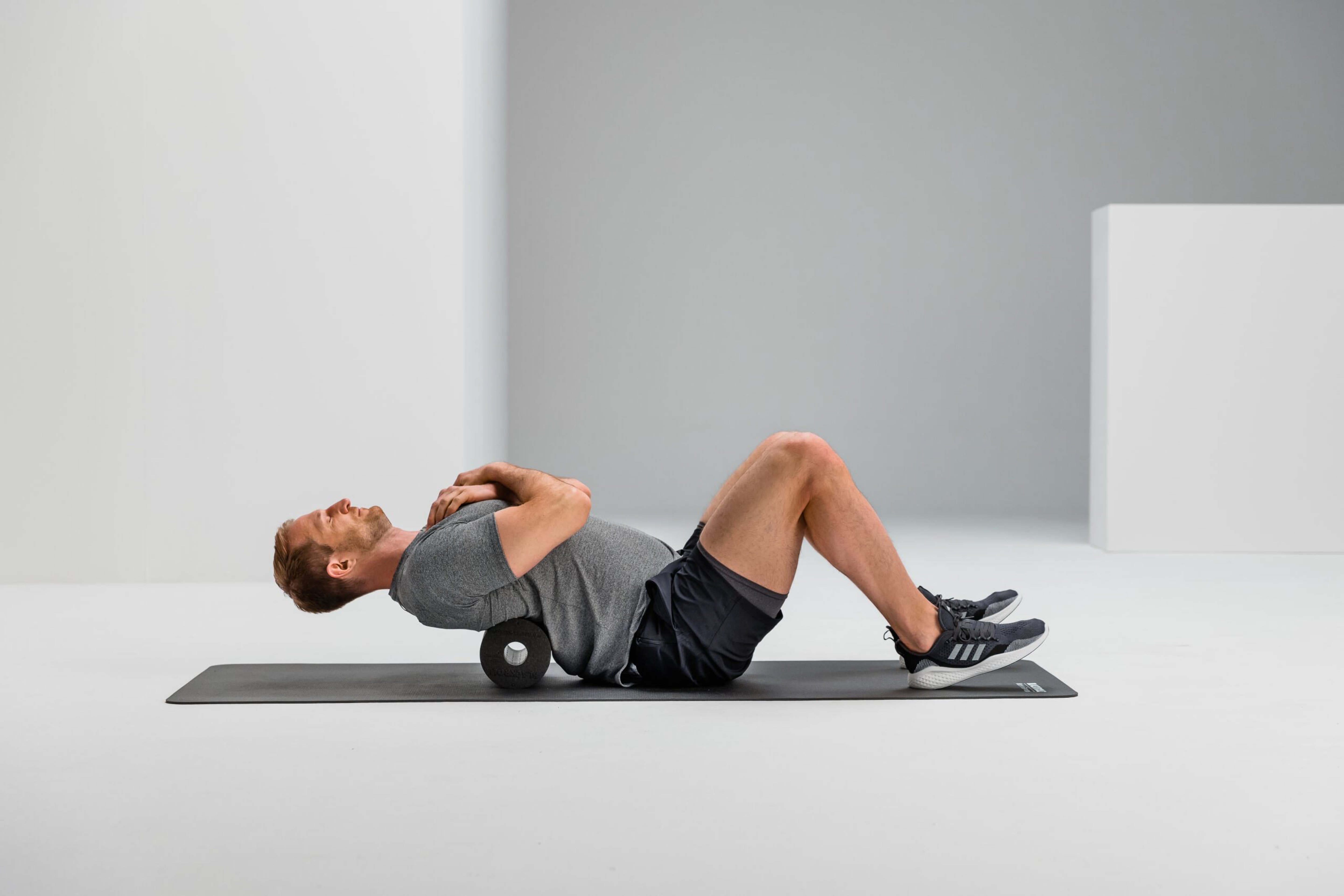
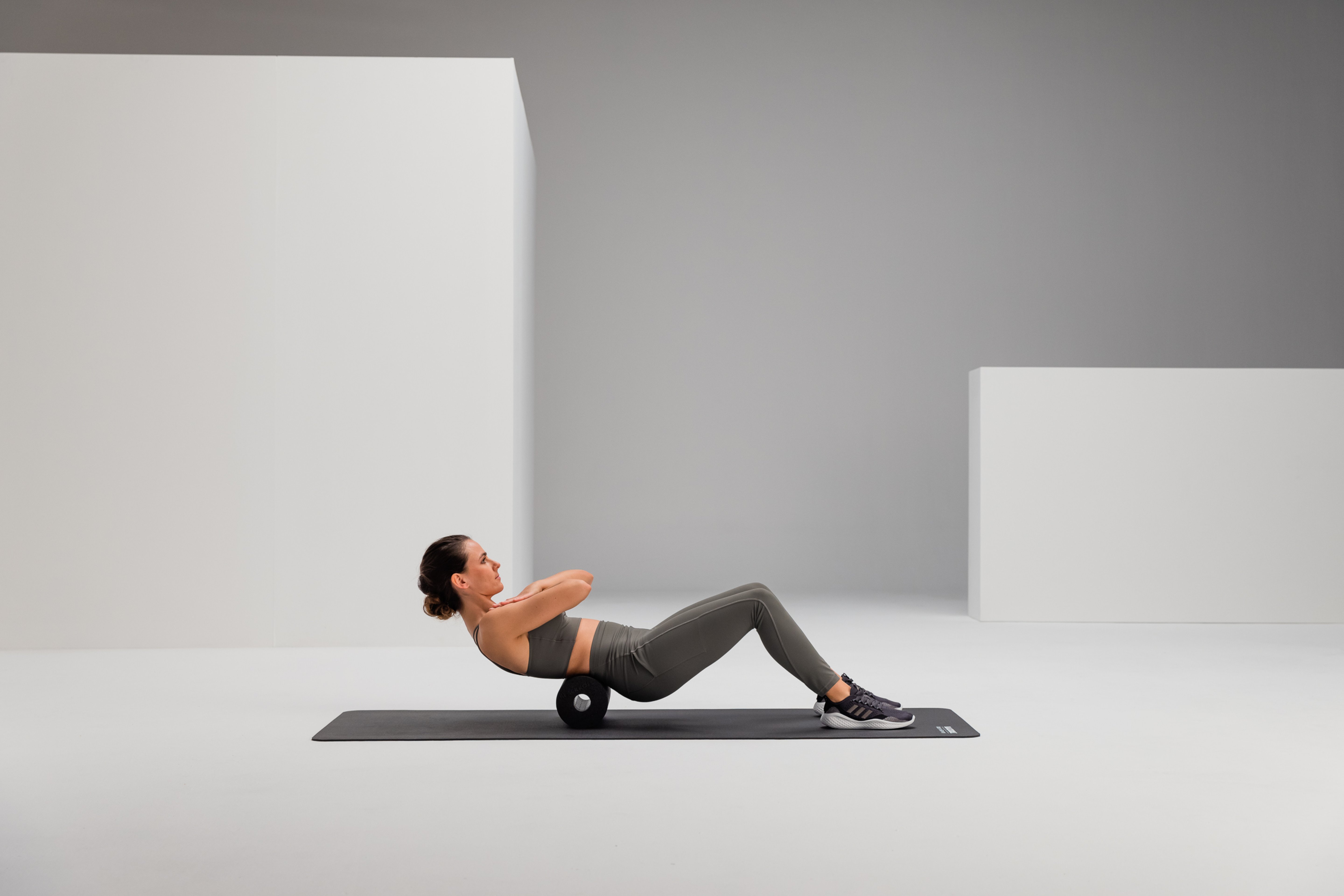
Lie on your back on a mat. Bend your knees and place your feet flat on the floor. Position the STANDARD across your lower back—roughly at the level of your sacrum or slightly above your pelvis. Lift your pelvis slightly, supporting yourself with your hands at your sides.
Roll slowly and in a controlled manner across your lower back—from the lumbar spine to the middle of your back. The movement should be small and mindful—no wide range of motion is necessary.
4. Conclusion – Mindful Sitting or Lying Down (2 minutes)
Sit or lie down comfortably. Place your hands on your stomach or chest, and close your eyes. Be aware of your breath and your body. Stay in this state of calm and let the day begin or come to a close.


When Fascia Training Is Beneficial—and When It Isn’t
Fascia training is not a substitute for psychotherapeutic or psychiatric treatment, but it can be an effective complement—especially during stable phases or as part of prevention when there is a risk of relapse.
Important to note:
- In cases of acute or severe depressive episodes, a medical or therapeutic evaluation is absolutely necessary before starting training. Self-motivation and physical resilience are often severely limited during such phases.
- People with a lack of motivation due to depression benefit most when the training is gentle, accessible, and provided with supportive guidance —such as through group instruction or digital programs with audio guidance.
- Chronic stress or psychosomatic symptoms such as tension headaches, back pain, or inner restlessness often respond well to regular fascia training.
- Even in cases of chronic pain or somatoform disorders, the training can be gradually integrated into a multimodal therapy (e.g., pain therapy, physical therapy, behavioral therapy).
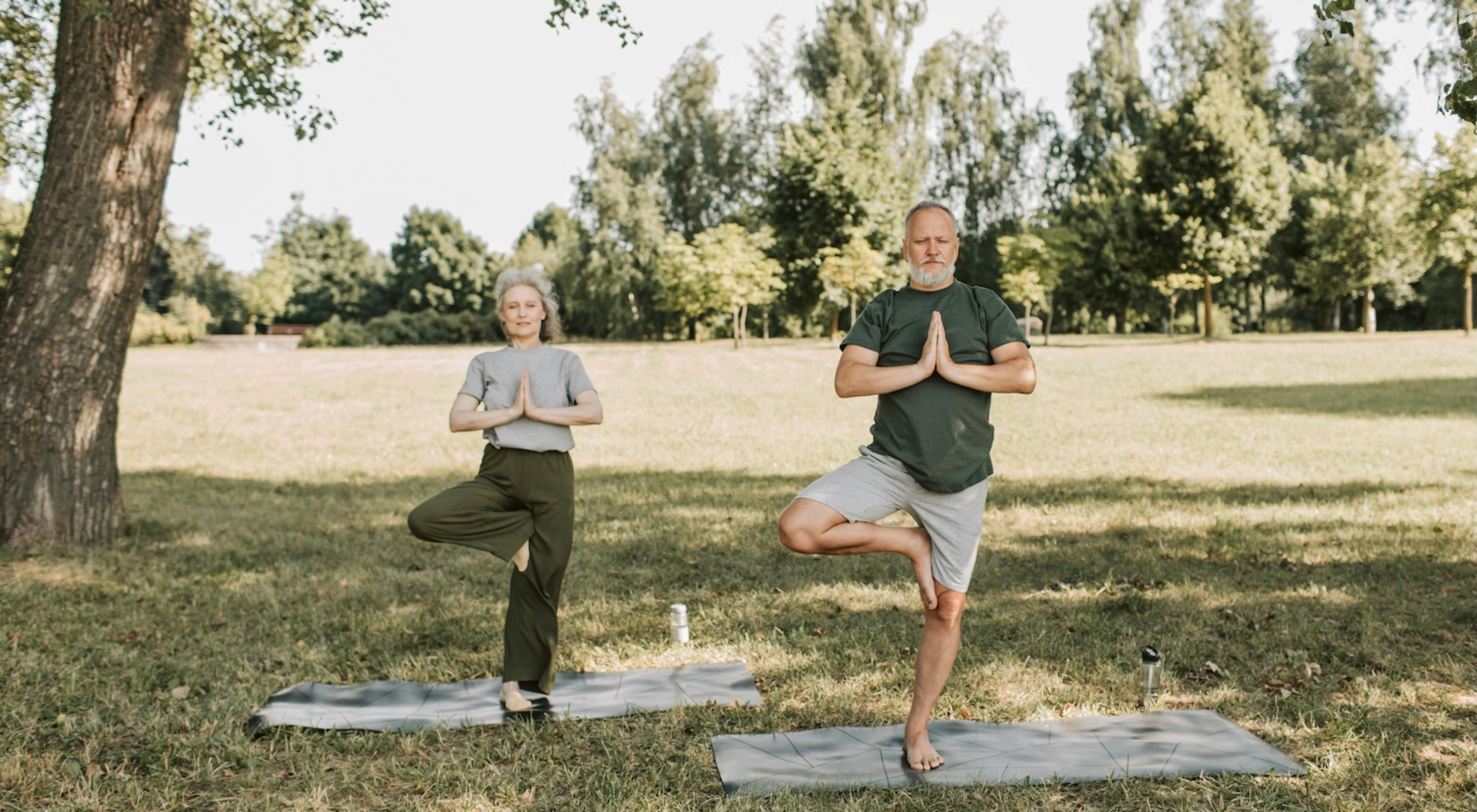
The goal is never performance, but rather mindful body awareness, self-regulation, and emotional relief. Those who learn to become more aware of their own bodies often find it easier to cope with emotional stress.
Conclusion
Research shows that fascia training is far more than just muscle care. It has the potential to promote emotional balance and specifically support mental health. Studies have demonstrated positive effects on mood, self-perception, and body awareness, particularly in cases of mild to moderate depression.
But fascia training doesn’t just provide short-term stabilization— it also contributes to long-term health: It supports key aspects of longevity, that is, the ability to lead a long and as healthy a life as possible with a high quality of life.
After all, longevity is not a matter of chance. It depends only partly on genetic factors—but much more on our lifestyle. A balanced diet, regular exercise, restful sleep, and effective stress management are key factors in positively influencing the natural aging process.
A special focus is placed on exercise, which not only strengthens muscles and joints but also activates the fascial connective tissue—with a noticeable impact on posture, the nervous system, and well-being. Those who exercise regularly can counteract age-related decline and significantly improve their quality of life.
BLACKROLL supports you on your journey toward greater self-care—with high-quality tools and holistic training concepts. In a world full of stimuli, hustle and bustle, and constant stress, fascia training can become a powerful anchor for you—promoting mental stability, physical vitality, and lasting well-being well into old age.


FAQ: Myofascial Training and Mental Health
Useful information
Fascia training is a form of bodywork that specifically activates the connective tissue (fascia), for example, through rolling and stretching. It promotes flexibility, body awareness, and can relieve tension.
Yes, studies show that targeted fascia training can alleviate depressive symptoms such as lack of motivation and inner restlessness. It has a regulating effect on the mind via the nervous system.
Fascia training influences the autonomic nervous system and activates the health-promoting function of the vagus nerve, which is responsible for relaxation, emotional balance, and stress regulation.
Gentle rolling in the neck and shoulder area, breathing exercises with chest mobilization, and mindful movements such as rocking or stretching are particularly effective. Important: Perform them regularly and mindfully.
Even just ten minutes a day or several times a week can have positive effects on both the body and the mind. Consistency is key, not intensity.
No, fascia training is not a substitute for professional treatment, but it can be an effective complement—especially during stable periods or for relapse prevention.
Studies show that people with depression often exhibit increased fascial tension. Fascial training can release this tension and positively influence emotional well-being. A study by Witten/Herdecke University involving patients with depression showed that self-treatment with a fascia roller led to a significantly more positive change in cognitive evaluation style—an effect that was not observed with a comparable, non-rolling stimulation treatment.
In principle, yes—it is a gentle and safe method that is practiced with mindful attention to one’s own body. However, in cases of severe mental or physical illness, a doctor should be consulted beforehand to determine whether the training is appropriate.
