I’m tired but can’t sleep: What’s behind it?

Almost everyone knows this frustrating feeling: During the day, you’re tired and listless, but in the evening, you’re wide awake again and can’t fall asleep. As soon as you lie down in bed, the tiredness seems to vanish, and the dream of a restful night is shattered. How can this be? How can the body crave sleep so much during the day—when it’s supposed to be performing—and then deny you sleep when it finally has the chance?
Answering this question isn’t easy, but it’s highly relevant. People who consistently sleep poorly are at increased risk for health problems. However, what we perceive as tiredness isn’t always the same as the ability to actually fall asleep. In this article, you’ll learn the difference between tiredness and sleepiness, and when tiredness is a sign of a sleep disorder or sleep problem. Of course, you’ll also get helpful information on what you can actually do to fall asleep more easily again.
Sleep Biology: How Does the Body Decide When It’s Time to Sleep?
The situation is paradoxical: During the day ,you struggle with overwhelming exhaustion, trouble concentrating, and, as a result, reduced productivity at work. But as soon as you settle down in the evening, your body suddenly seems to switch gears, leaving you unable to fall asleep or stay asleep. In short: You’re tired but just can’t sleep.
Many people who experience this phenomenon—being unable to sleep despite feeling tired—see it as their body playing tricks on them and worry about the effects of disrupted sleep on their lives, their performance, and their health. This is completely understandable, because good sleep is important—not only for your well-being but also for reducing the risk of developing certain diseases as a result of chronically disrupted sleep.
But your body isn’t trying to trick you—it’s simply following the biological principles that you set for it through your behavior during the day. So, a key to solving the problem lies first in understanding how your body actually decides when it’s time to sleep.

Sleep better, live healthier—with our sleep course. Get up to a 100% refund
Discover the online sleep course now
The Difference Between Fatigue and Actual Sleepiness
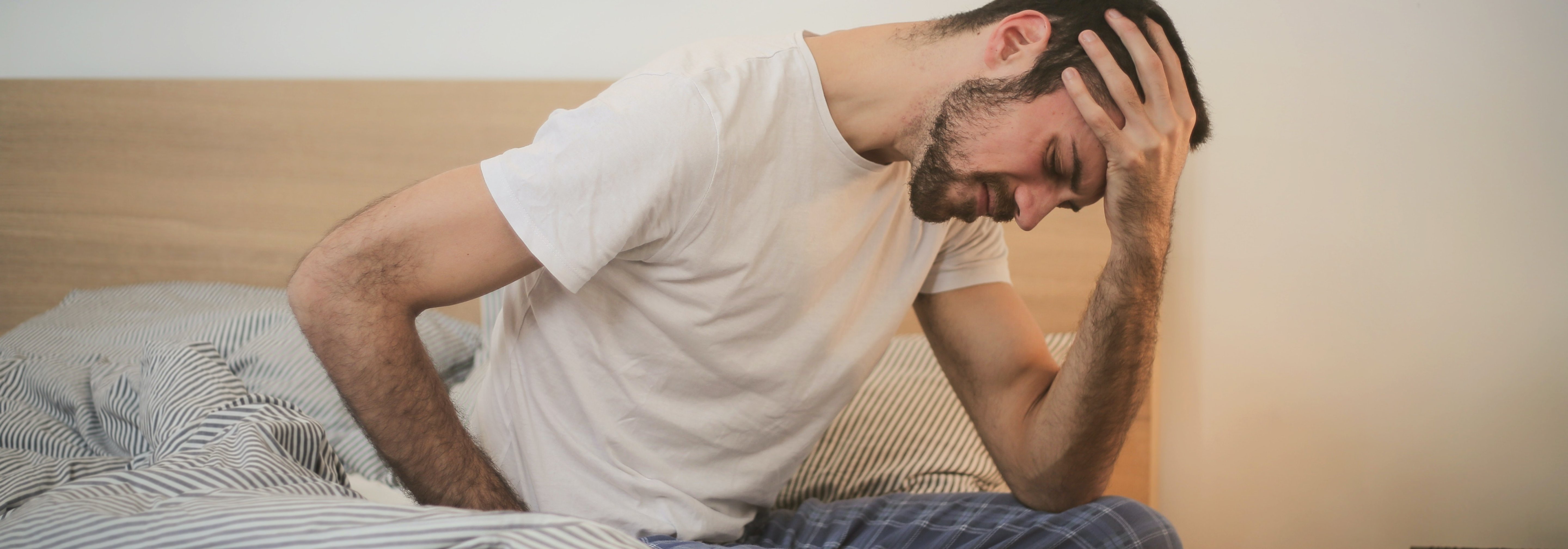
Everyone knows the signs of tiredness: you feel exhausted, listless, and mentally drained. Since we typically associate sleepabove all with rest and recharging our energy, it stands to reason that our body is trying to tell us it wants to sleep. Not being able to sleep is both frustrating and paradoxical. But what many people don’t know is that the feeling of tiredness isn’t automatically an indication of our body’s actual readiness to fall asleep. It’s actually what’s known as drowsiness that describes the body’s physiological readiness to fall asleep.
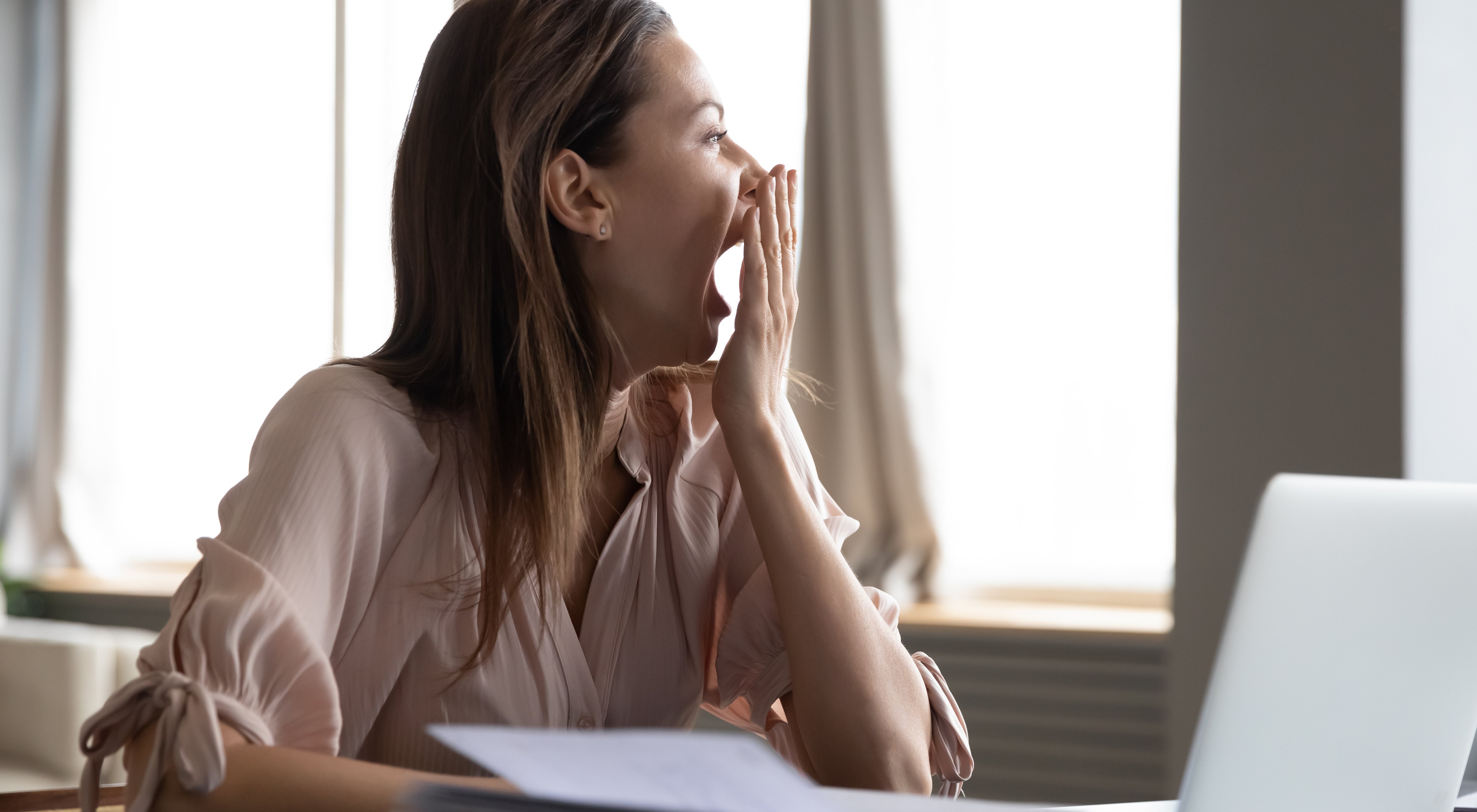

Why can’t I sleep even though I’m tired?
You’re tired during the day, but can’t sleep when the time comes. Why? Tiredness and our readiness to sleep are, however, different concepts. Our feeling of sleepiness is also referred to as sleep pressure. Sleep pressure results from two processes: sleep homeostasis and our sleep-wake cycle.
Sleep pressure
Sleep homeostasis is a biological process that begins the moment we wake up in the morning. The longer you’re awake, the greater your physiological urge to sleep becomes. This mechanism ensures that we’re sleepy enough in the evening to fall asleep. However, sleep pressure can be disrupted by various external and internal factors. In such cases, it can be more difficult to fall asleep or get restful sleep.
What does this mean? If you feel exhausted during the day but still lie awake in bed at night and can’t fall asleep even though you’re tired, you’re likely not suffering from a lack of fatigue, but rather from a lack of sleep pressure. Similarly, this can also contribute to trouble staying asleep. The good news: You can change that!
“If we’re tired but still can’t fall asleep or stay asleep, it’s usually a lack of or blocked sleep drive that’s the real problem.”
Leona Rudolph—Health Psychologist and Sleep Health Expert

The Circadian Rhythm: Why Am I Tired During the Day but Suddenly Wide Awake in the Evening?
In addition to the urge to sleep, our circadian system—also known as our internal clock—regulates our sleep. It sets the pace for numerous biological processes in our body: hormone production, our metabolism, immune function, and, above all, our sleep-wake cycle. Our sleep is divided into different sleep cycles and stages—from light sleep to REM sleep (often the dream phase) to particularly restorative deep sleep. These cycles repeat several times a night.
Two hormones in particular play a central role as messengers of important informationin regulating your sleep behavior via the circadian rhythm:
- Cortisol, which energizes us in the morning, rises in the early morning hours, and helps us start the day
- Melatonin, which induces and promotes sleepiness in the evening. Melatonin is released in the dark and signals to the body: It’s time to sleep.
It’s interesting to note that the exact timing of these processes isn’t the same for everyone, and there are different variations of personal sleep rhythms. Some people are active early in the day (so-called “larks”), while others remain productive longer into the evening and fall asleep later: the “owls.” These genetically determined chronotypes also determine when our bodies are best prepared for activity or rest. Aside from that, individual sleep rhythms can also change over the course of a lifetime due to hormonal shifts, such as during menopause in women.
So if you don’t follow your own rhythm—or disrupt it, for example, through irregular bedtimes, shift work, or frequently sleeping in on weekends—you may feel tired, but not at the “right time.”
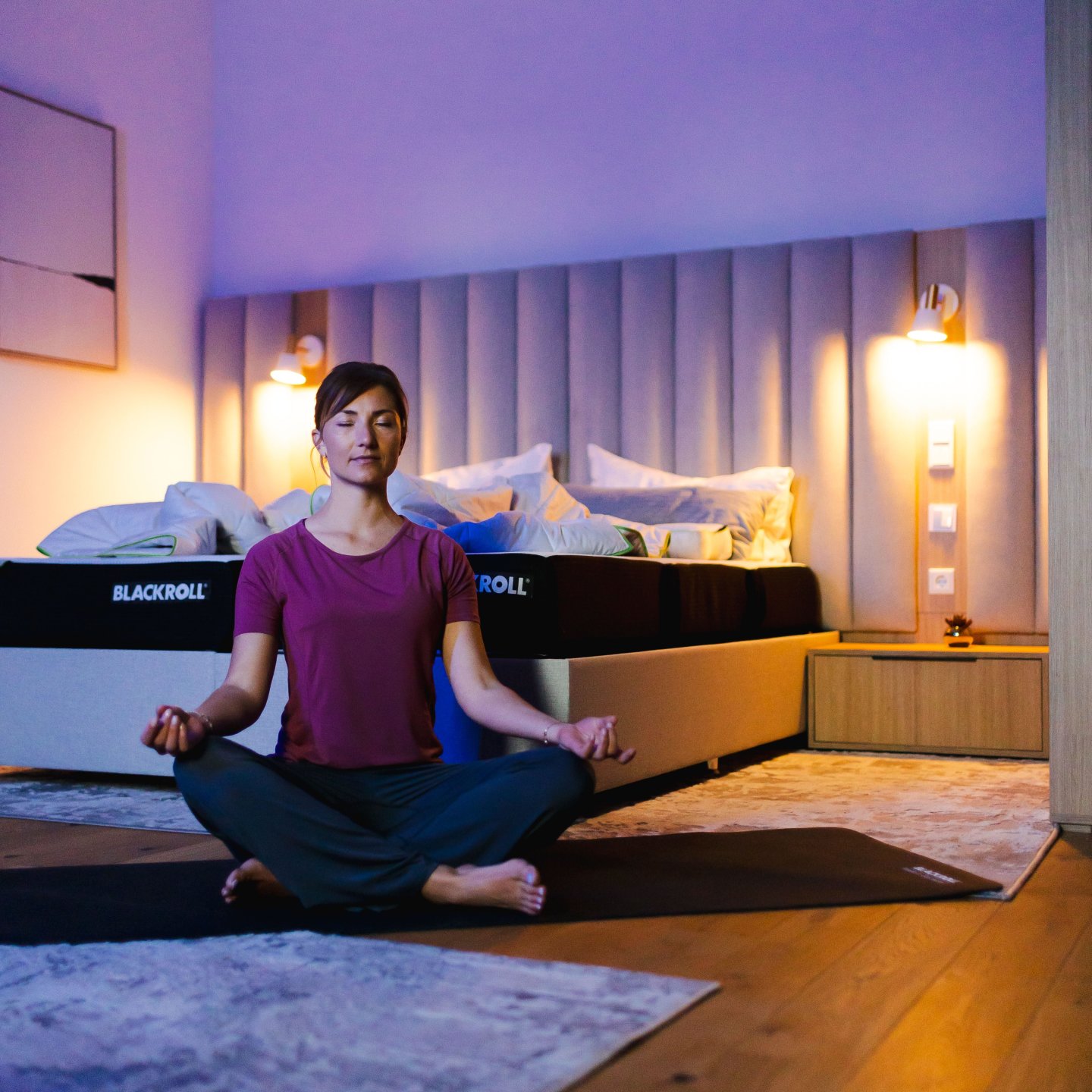
Get Tired with These Exercises


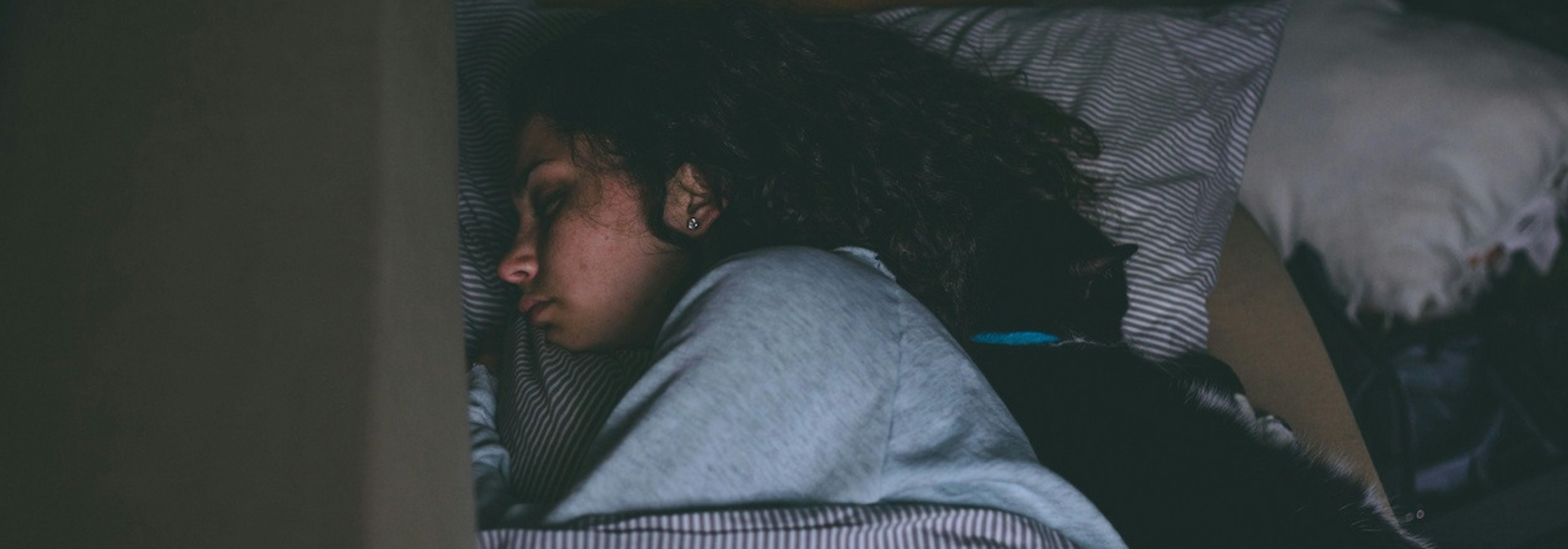
The Role of External Factors in Sleepiness and Fatigue
People with unhealthy routines may have trouble falling asleep, even when they’re actually exhausted. And often, it’s unconscious habits or everyday behaviors that interfere with the natural build-up of sleepiness:
Late-night consumption of caffeine in the form of coffee, cola, or energy drinks. Caffeine specifically blocks the effects of adenosine—the neurotransmitter responsible for the growing feeling of sleepiness throughout the day.
- Eating too late: Digestion is very energy-intensive for the body. Eating late or having a heavy meal can therefore prevent your body from becoming sleepy enough.
- Blue light & screen time: Smartphones, tablets, and televisions emit light in the blue spectrum. This light inhibits the production of melatonin, one of the key sleep hormones. So when you spend a long time using digital media in the evening, you’re unintentionally signaling to your brain: “It’s still daytime.”
- Cognitive overstimulation: for example, from social media, emotional conversations, or suspenseful TV shows, which keep your nervous system in a state of heightened activity and leave your body restless.
Jet lag, shift work, or irregular bedtimes: If you don’t have consistent wake-up and bedtime schedules, you’ll throw your internal clock off balance.
However,the extent to which these external factors influencesleep hygiene and sleep quality varies greatly from person to person and also depends on genetic and biological predispositions. Some people are particularly sensitive to noise or light, while others can fall asleep without any trouble despite having coffee in the evening.
On hot nights, it’s not just the room temperature that matters for adults, but also the sleeping temperature for children, which should ideally be kept slightly cooler to allow for freedom of movement and restful sleep.
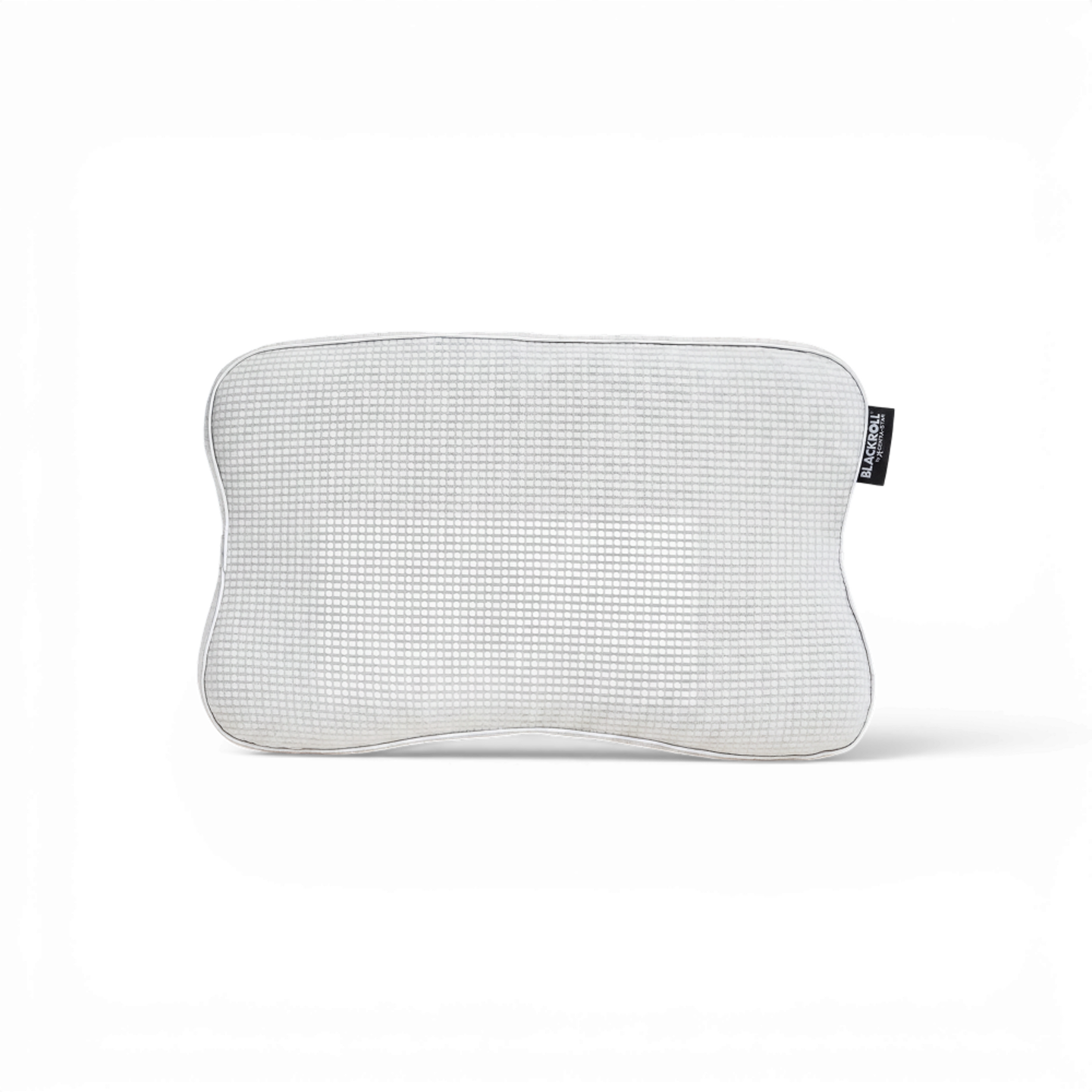
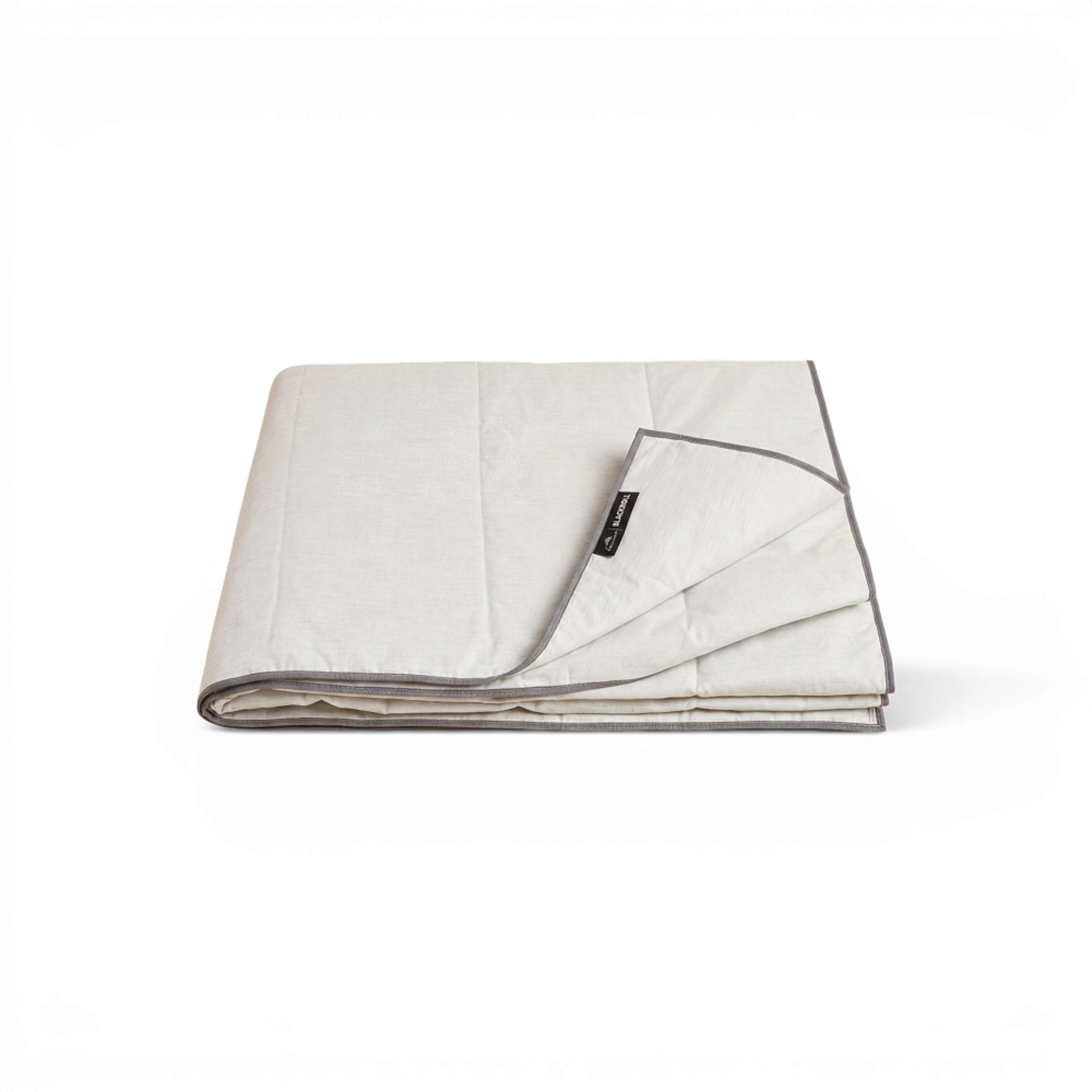
Recovery Blanket Summer
Available in multiple variants


Psychological causes: ruminating, stress, and inner restlessness
Most sleep disorders are caused by psychological factors, and not, as many assume, by physical dysfunction. While physical triggers such as menopause in women do play a major role, it is nevertheless usually psychological triggers that are responsible for sleep problems. The so-called hyperarousal theory explains this phenomenon. Despite feeling tired, those affected find themselves in a state of heightened inner arousal. The nervous system remains overstimulated, making it impossible to fall asleep. Psychological factors such as stress, inner restlessness when trying to fall asleep, emotional strain, or ruminating before bedtime cause restlessness and are common triggers that should be examined closely.
If you’re having trouble falling asleep more than just occasionally—even despite feeling very tired during the day—you should gather information to find out which psychological factors might be causing your poor sleep. You may be suffering from insomnia without even realizing it. After all , sleep problems are often downplayed. Understanding the causes is the first step toward improving your sleep. In the following article, you’ll find everything you need to know about psychologically induced sleep problems.
How do I deal with ruminative thoughts and inner restlessness before falling asleep?
People who frequently suffer from ruminative thoughts often can’t sleep even though they’re actually exhausted—because racing thoughts and inner restlessness can make it difficult to fall asleep. It can be helpful to schedule a set “ruminating time” before your bedtime to calm these thoughts early on, during which you consciously write down and organize your thoughts and worries. This allows you to clear your mind before going to bed and prevent ruminating before falling asleep. In addition , relaxation techniques such as progressive muscle relaxation, meditation, or gentle breathing exercises can help reduce inner restlessness as you fall asleep.
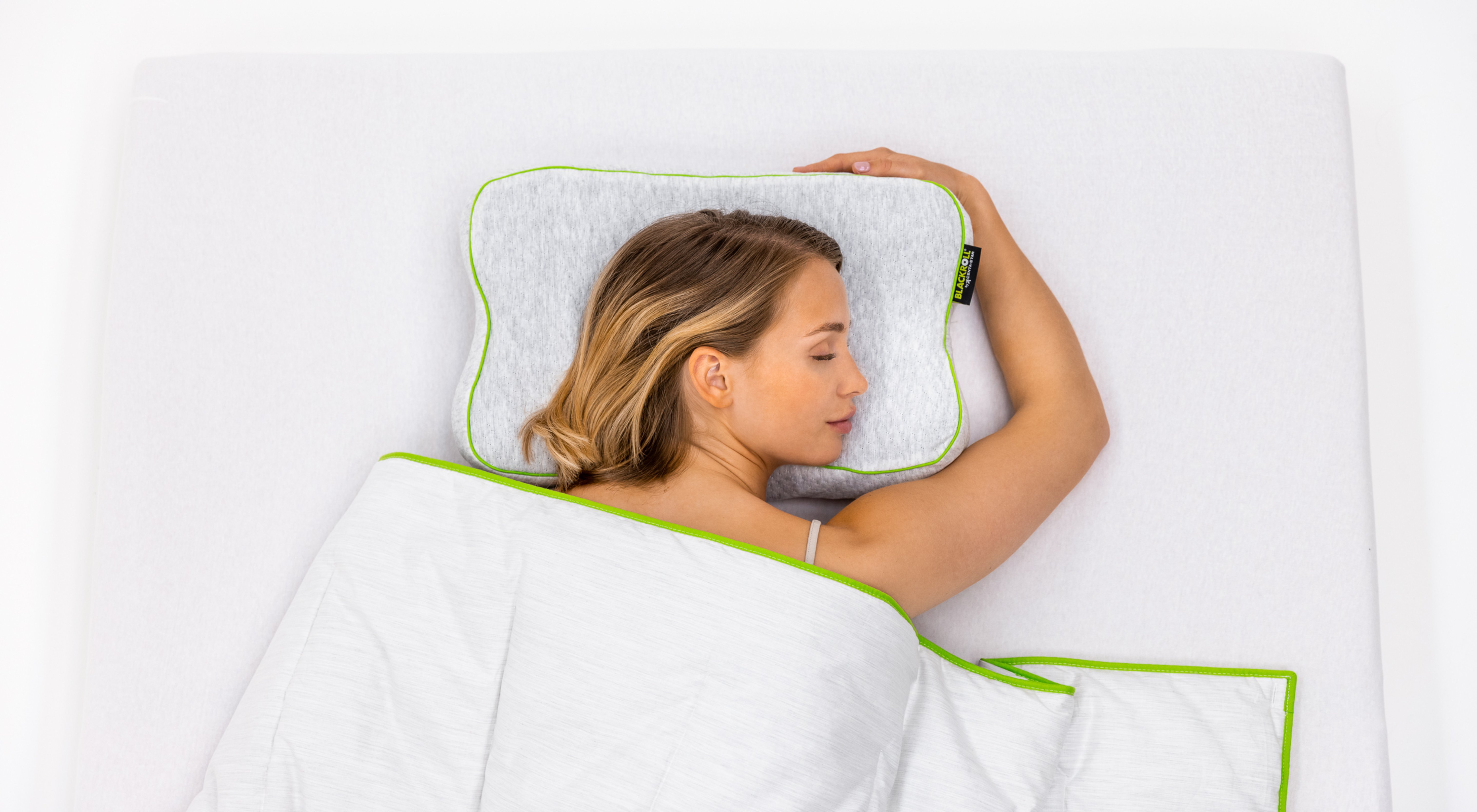
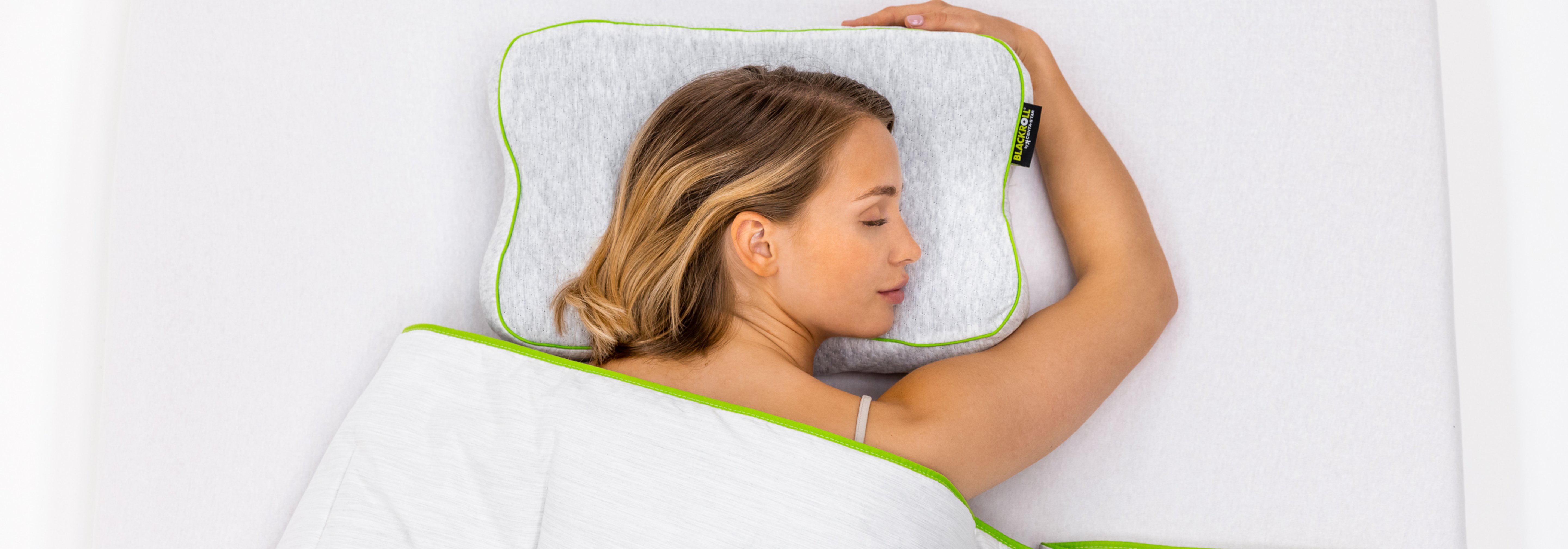
What to Do When You Can’t Sleep? (Tips & Solutions)
The good news is: You can actively influence your sleep drive. With targeted measures—ranging from better sleep hygiene and relaxing evening routines to consciously managing your thoughts—you can create better conditions for falling asleep easily. This gives you the power to reduce the long-term effects of poor sleep on your body and mind. Above all, good sleep hygiene and a personalized evening routine are especially important.

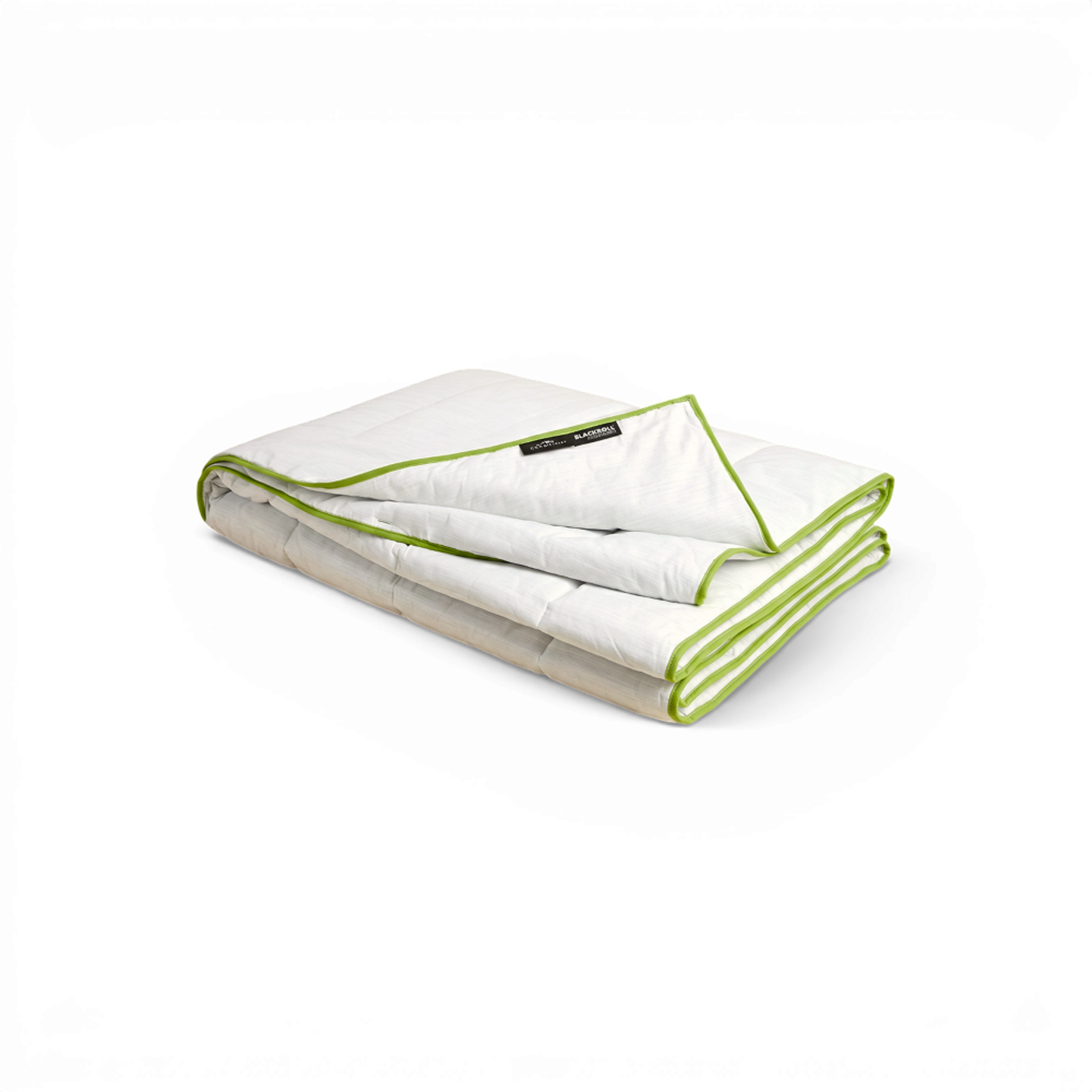
Recovery Blanket All Year
Available in multiple variants
Sleep Hygiene & Stimulus Control: Self-Help Checklist
The first step toward solving your sleep problem is practicing good sleep hygiene. In the checklist below, you’ll find some tips that you should follow not only to make it easier to fall asleep regularly, but also to improve your sleep quality in the long term.
Only go to bed when you’re really sleepy.
- Use your bed only for sleeping (exception: sexual activity).
- Avoid caffeine starting in the late afternoon.
- Make sure not to eatheavy mealslate in the evening.
- Get up at the same timeevery morning, even on weekends.
- If possible, expose yourself to daylight within the first hour after waking up.
Avoid taking naps during the day, as they reduce the physiological sleep pressure that builds up continuously while you’re awake.
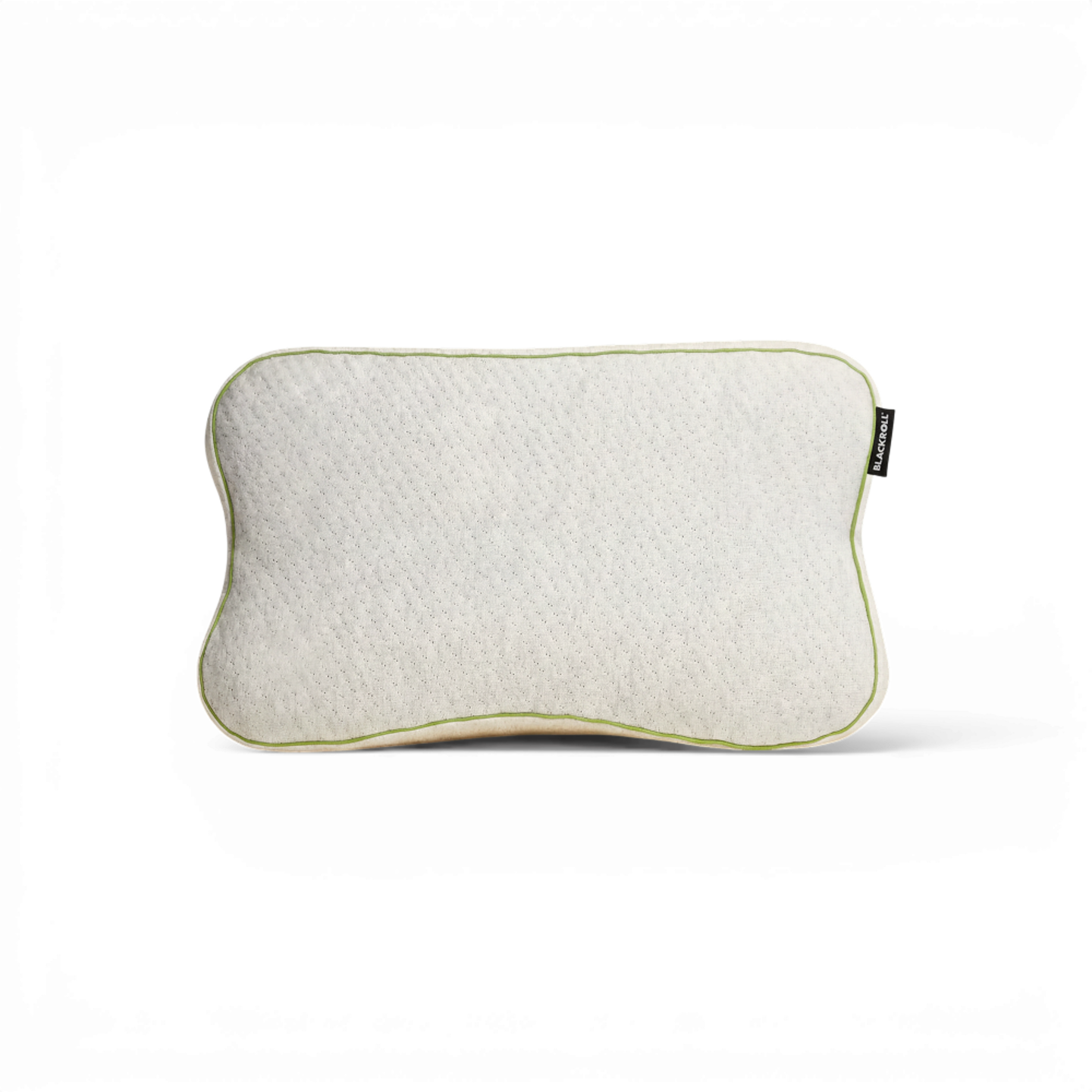
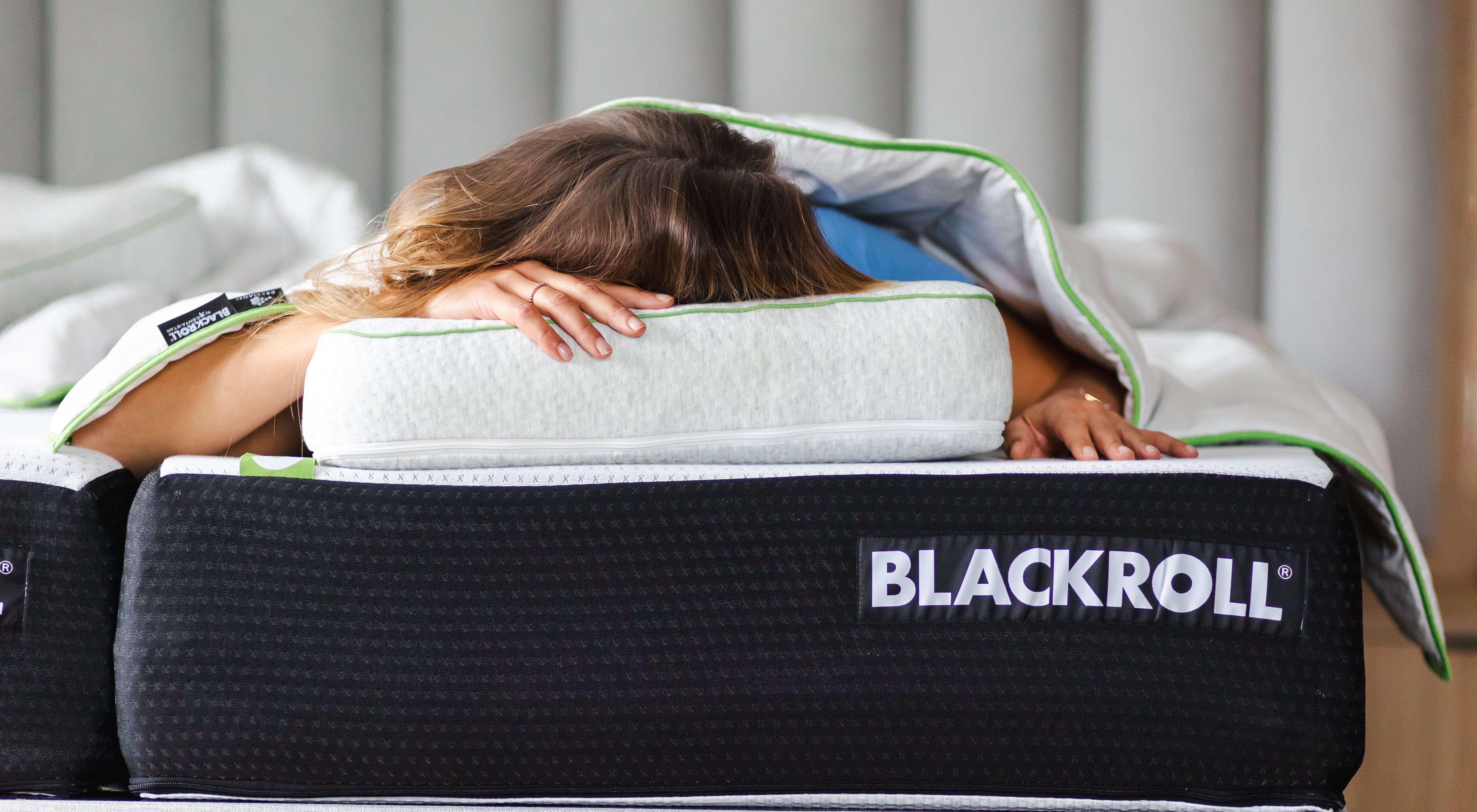
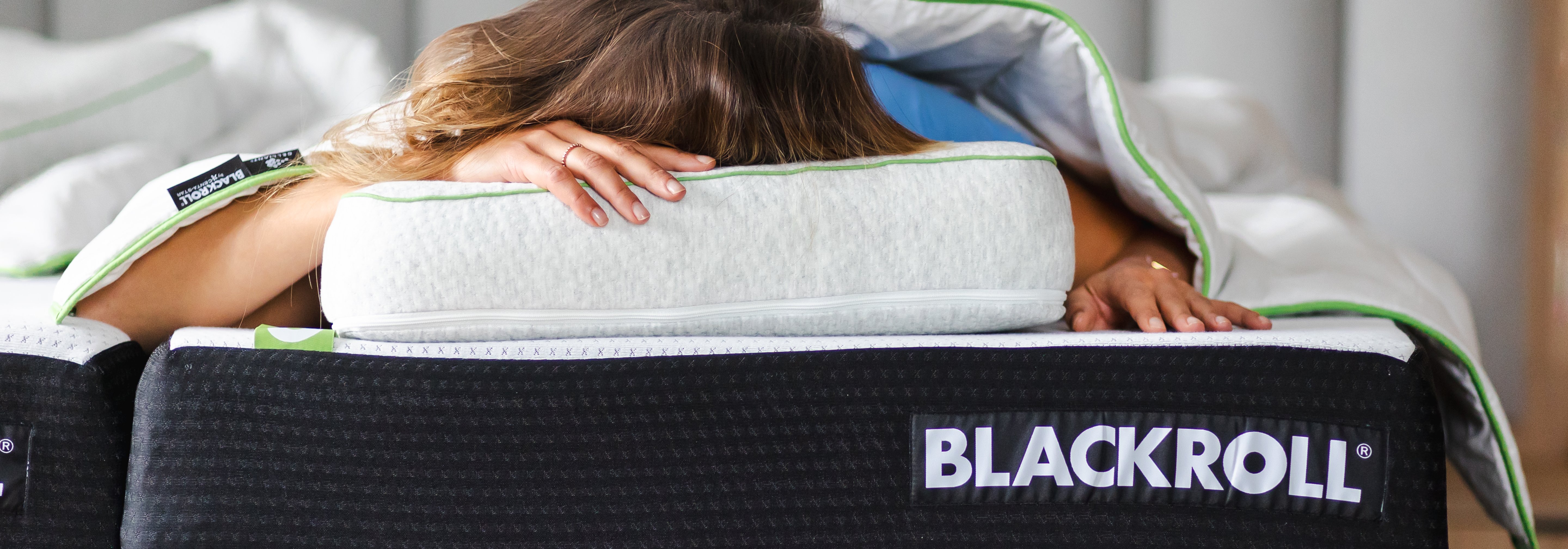
Also make sure your sleeping environment is comfortable for you: a comfortable pillow, a good mattress, and a soft blanket with comfortable bedding. You should feel comfortable in your bed, as this is the only way to create a positive association between your bed and restful sleep.
“Not all tips work the same way for everyone, because we’re all different due to our individual biology and genetics. Some people benefit particularly from consistent bedtimes and wake-up times, while others are more sensitive to the effects of light or caffeine. So try out different strategies and see how you react to them. That’s how you’ll find out what works best for you.”
Leona Rudolph – Health Psychologist and Sleep Health Expert
Your Personal Sleep Routine: Step-by-Step Guide
A consistent bedtime ritual promotes relaxation in the evening and signals to your brain: “It’s time to wind down.” This principle is based on the psychological concept of classical conditioning: Repeated actions at the same time and in the same sequence help your brain establish a strong connection between these activities and the upcoming bedtime. Over time, this creates a stable, automatic association: “Now it’s time to wind down.” Your body learns to switch into relaxation mode—without any conscious thought.
Which elements you incorporate into your evening routine is entirely up to you, since we all have different preferences. If you often feel physically wound up in the evening, it might be helpful to take a shower or do a few stretching exercises. If you tend to struggle to find inner peace mentally in the evening and are battling with your thoughts, you should focus on that instead. Different ways to achieve mental relaxation include meditation, visualization, a scheduled time for ruminating, or a thought journal. An evening ritual could look something like this:
Step: Dim the lightsafter dinner.
Step: Do a few stretching exercises.
Step: Doa relaxing meditation to let go of the day.
Fear of Sleep and the Vicious Cycle of Insomnia
If you still can’t fall asleep despite all these tips, it’s not due to a lack of discipline—there may be other reasons. A specific form of psychologically induced sleep problems is sleep anxiety. Sleep anxiety refers to the pressure to fall asleep at all costs, as well as the fear of not getting enough sleep. This often creates a vicious cycle that gets worse night after night and eventually leads to insomnia. Feeling tired during the day but suddenly restless in the evening and unable to sleep at night is one of the key symptoms of sleep anxiety. In other words, you desperately want to sleep but can’t. The following signs may indicate that you’re dealing with sleep anxiety:
You spend a lot of time during the day worrying about how you’ll manage to sleep well at night.
- You feel like you can no longer be sure that your body is actually getting the sleep it needs on its own.
- When you lie awake in bed at night, you experience physical hyperactivity: you feel your heartbeat strongly or you get hot.
You’re worried about the effects of your insomnia on your health.
If these signs apply to you, you should definitely look into this issue further and seek help if necessary.
Quote from Leona Rudolph:
“Good sleep is important—more and more people are realizing this. At the same time, however, this also increases the pressure to get enough restful sleep. As a result, many people get lost in their desire to optimize their sleep. The result is a fear of sleep.”
Why is it so hard to break the vicious cycle of sleep anxiety and insomnia?
Since the anxiety and tension you feel activate the nervous system, falling asleep becomes even more difficult. The more you focus on the problem, the greater the pressure becomes. A vicious cycle develops. Unlike those with other sleep problems, people who suffer from sleep anxiety can therefore benefit from shifting their focus away from sleep. This helps reduce the pressure.
Dealing with Chronic Sleep Disorders: When Professional Help Is Needed
If you’re already following all the tips on sleep hygiene and stimulus control but your sleep still isn’t improving, it’s important to dig deeper. This is especially true if the problems you experience when falling asleep aren’t one-time occurrences but are becoming the norm. If your nights remain restless for weeks on end, you may also start having trouble staying asleep, and your daily life is increasingly suffering as a result, it’s time to seek help.
If you regularly suffer from sleep problems, you may have a diagnosable disorder. For example, daytime sleepiness can also be caused by a physical condition such as sleep apnea or restless legs syndrome. Both conditions lead to sleep disruptions and reduced sleep quality. The same applies to chronic pain, which can also lead to restless nights: you’re tired but can’t sleep. Hypersomnia—an unusually high need for sleep—can also be the cause of your daytime fatigue. Start by talking to your doctor to rule out any possible physical conditions that might be the cause. If necessary, you can then be referred to a sleep lab.
If no physical cause is found, you should also considerpsychologically based sleep disorders. While physical sleep disorders often require treatment with sleep medications, many psychologically based sleep problems can be addressed on your own through online programs. Programs that include guidance from an expert can be particularly helpful, as medication isn’t always necessary. Cognitive behavioral therapy is considered the gold standard in Germany for the non-pharmacological treatment of sleep disorders. Studies have shown that a significant proportion of patients with insomnia benefit from this type of therapy. Our article on psychologically based sleep problems, their causes, and treatment options can help you learn more in detail.
Sleeping pills, sedatives, or other medications are an option, but should only be considered if all non-pharmacological approaches have failed to bring about improvement. Sleeping pills should only be taken after consulting a doctor.

FAQ: Common Questions About Trouble Falling Asleep
This is often due to a lack of sleep pressure or a shift in the circadian rhythm.
It’s considered normal to take up to 30 minutes to fall asleep. If it regularly takes significantly longer, you may have a sleep disorder.
Pay attention to your evening routine and don’t go to bed if you’re not tired yet.
There’s no clear-cut answer here. For many people, staying in bed and perhaps reading is enough. However, for many people who can’t fall asleep after 20–30 minutes, it can also help to get up briefly to distract themselves or find another way to wind down. For example, you could read on the sofa or do a relaxation exercise.
Conclusion
Whether you’re struggling to fall asleep, stay asleep, or have poor sleep quality—it’s important to identify the causes of your individual sleep problems and work specifically on improving your sleep habits.
The fact that you feel tired during the day but can’t fall asleep at night is the result of biological and psychological processes. This is because fatigue and sleepiness aren’t the same thing: while one describes our subjective feeling of exhaustion, the other determines whether our body is actually ready to fall asleep.
Fortunately, there are various ways you can positively influence your sleep on your own—and all without medication. Above all, good sleep hygiene and stimulus control, as well as your own evening routine, can help signal to your body: “It’s time to sleep.”
Sources & Studies
Borbély, A. A., Daan, S., Wirz-Justice, A., & Deboer, T. (2016). The two-process model of sleep regulation: A reappraisal. Journal of Sleep Research, 25(2), 131–143. https://doi.org/10.1111/jsr.12371
Matti, N., Mauczok, C., & Specht, M.B. Tiredness, Fatigue, and Exhaustion: Are They All the Same, or Are They Points on a Continuum? – A Discussion Starter. Somnologie 26, 187–198 (2022). https://doi.org/10.1007/s11818-022-00372-6
Riemann, D., Baum, E., Cohrs, S., Crönlein, T., Hajak, G., Hertenstein, E., Klose, P., Langhorst, J., Mayer, G., Nissen, C., Pollmächer, T., Rabstein, S., Schlarb, A., Sitter, H.,
Suh, S., Lok, R., Weed, L., Cho, A., Mignot, E., Leary, E. B., the STAGES cohort investigator group, & Zeitzer, J. M. (2024). Fatigued but not sleepy? An empirical investigation of the differentiation between fatigue and sleepiness in patients with sleep disorders in a cross-sectional study. Journal of Psychosomatic Research, 178, 111606. https://doi.org/10.1016/j.jpsychores.2024.111606
Weeß, H.-G., Wetter, T., & Spiegelhalder, K. (2017). S3 Guideline on Non-Restorative Sleep/Sleep Disorders. Somnologie, 21(1), 2–44. https://doi.org/10.1007/s11818-016-0097-x
Weeß, H.-G., Sauter, C., Geisler, P., Böhning, W., Wilhelm, B., Rotte, M., Gresele, C., Schneider, C., Schulz, H., Lund, R., Steinberg, R., & the Vigilance Working Group of the German Society for Sleep Research and Sleep Medicine (DGSM). (2000). Vigilance, tendency to fall asleep, sustained attention, fatigue, sleepiness—diagnostic instruments for measuring fatigue- and sleepiness-related processes and their quality criteria. Somnologie, 4, 20–38.