


Recovery4 min read
Thermotherapy: Definition, Effects, and Guidance on Choosing Between Heat and Cold

Dr. Lutz Graumann
The Most Important Facts About Thermotherapy at a Glance
- Thermotherapy is the umbrella term for treatments using heat and cold.
- Cold is typically used for acute irritation, swelling, or fresh injuries.
- Heat is generally used for muscle tension, stiffness, and chronic, non-inflammatory conditions.
- The most important factor is when and how you apply heat or cold.
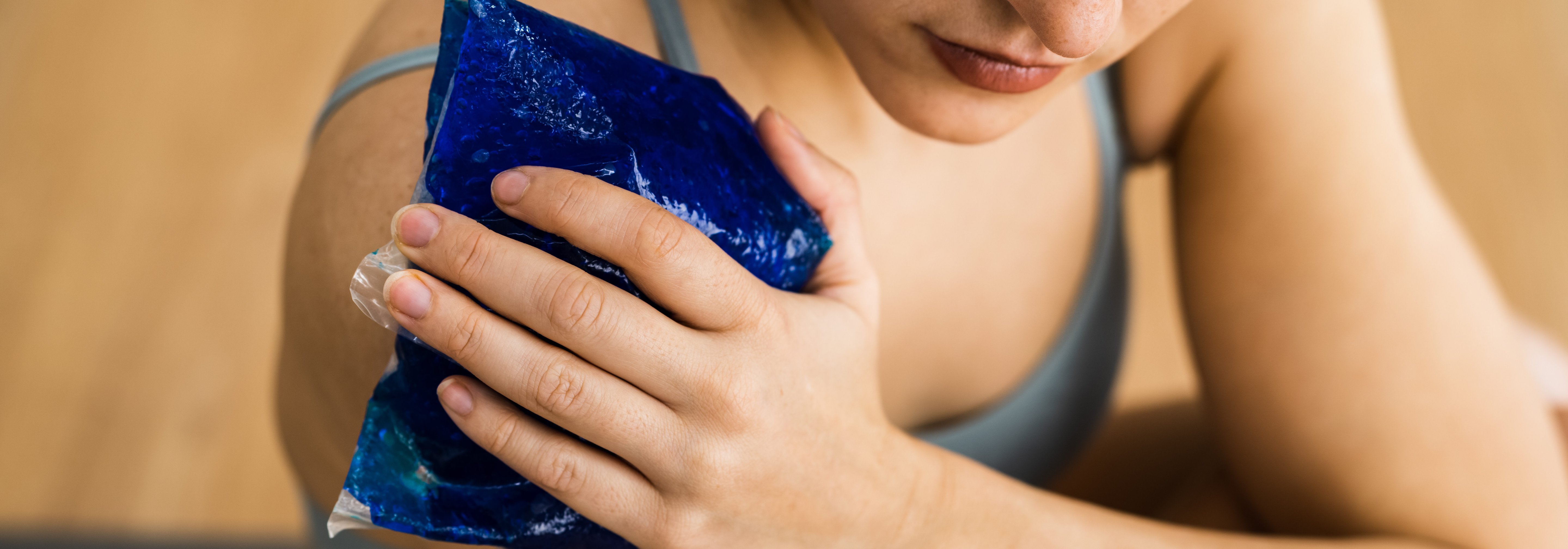
Thermotherapy is the targeted application of heat or cold to relieve symptoms and support the body during various healing or recovery phases. Which approach is appropriate depends primarily on whether your symptoms are acute and inflammatory or rather tension- and strain-related.
Medical Context: This article provides guidance on the definition, mechanisms of action, application, and limitations of self-treatment. If you experience warning signs, unclear symptoms, or severe pain, you should consult a doctor or physical therapist to determine the cause.
To help you decide: Heat or cold? || Go directly to the safety check
Heat or Cold? The Quick Decision Guide
Situation | Purpose of Use | More suitable |
|---|---|---|
Acute swelling, fresh injury, overheating | Soothe irritation, reduce swelling | Cold |
Discomfort immediately following intense exertion | To dampen an acute reaction | Cold is generally preferred |
Tension, muscle stiffness, tight muscles | Loosen, relax, improve mobility | Heat |
Chronic, non-inflammatory pain | Promote blood circulation, regulate tension | More heat |
Unclear, severe pain or warning signs | Avoid misuse | Seek medical advice first |
Rules of thumb for guidance:
- Acute, swollen, hot, or inflamed: use cold
- Tense, hard, chronic, or stiff: use heat
- Unclear, severe, or persistent symptoms: don’t experiment on your own— seek medical advice
Important: For fresh injuries or acute swelling, cold is often used in the first 24–48 hours, while heat is particularly useful for long-standing, non-inflammatory symptoms (Gloucestershire Hospitals NHS Foundation Trust, n.d.).
This overview is not a substitute for a diagnosis. If you’re unsure or notice warning signs, refer to the safety section.
Take advantage of the regenerative effects of heat
Heat Pad

€149.90
Personal Care
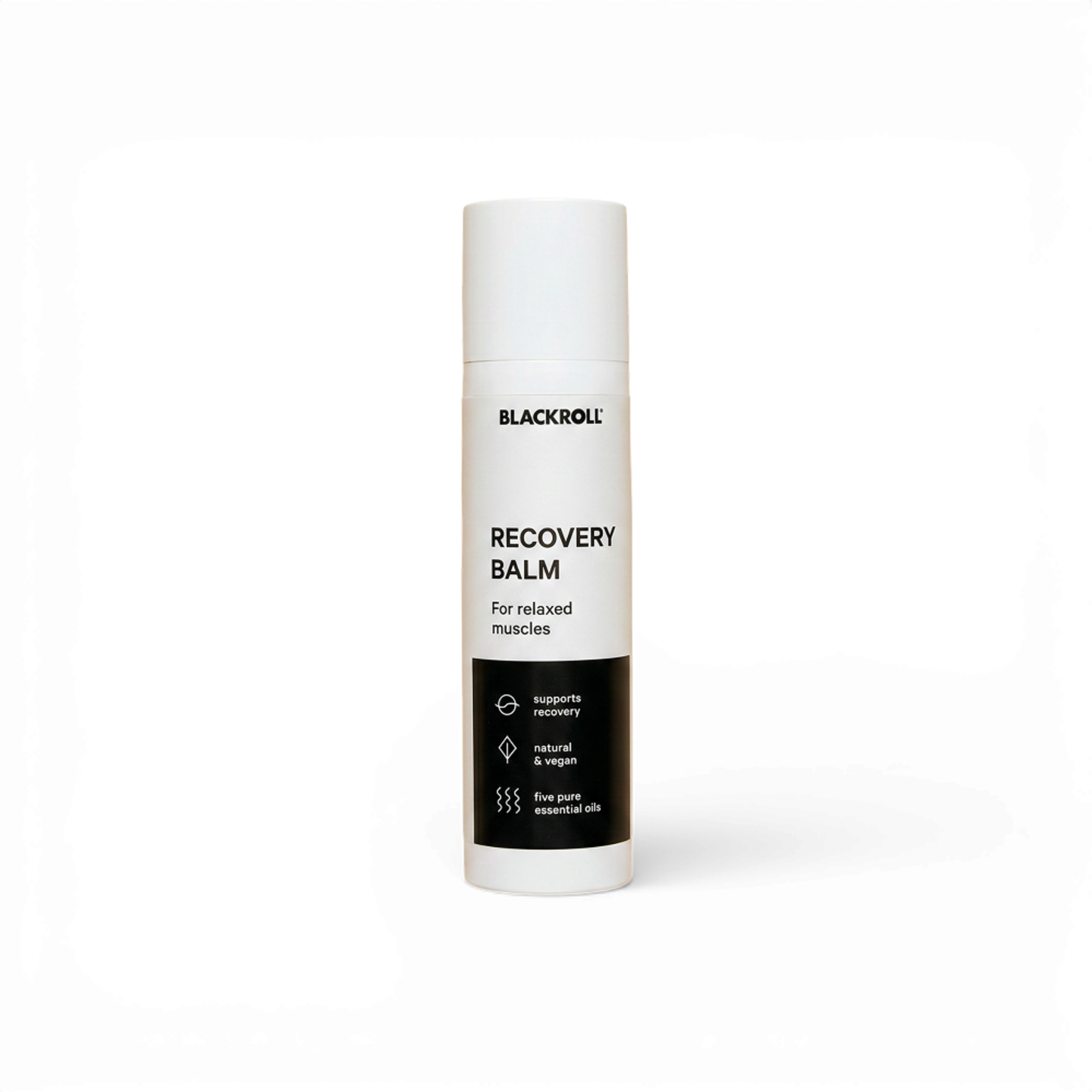
€19.90
Massage Gun
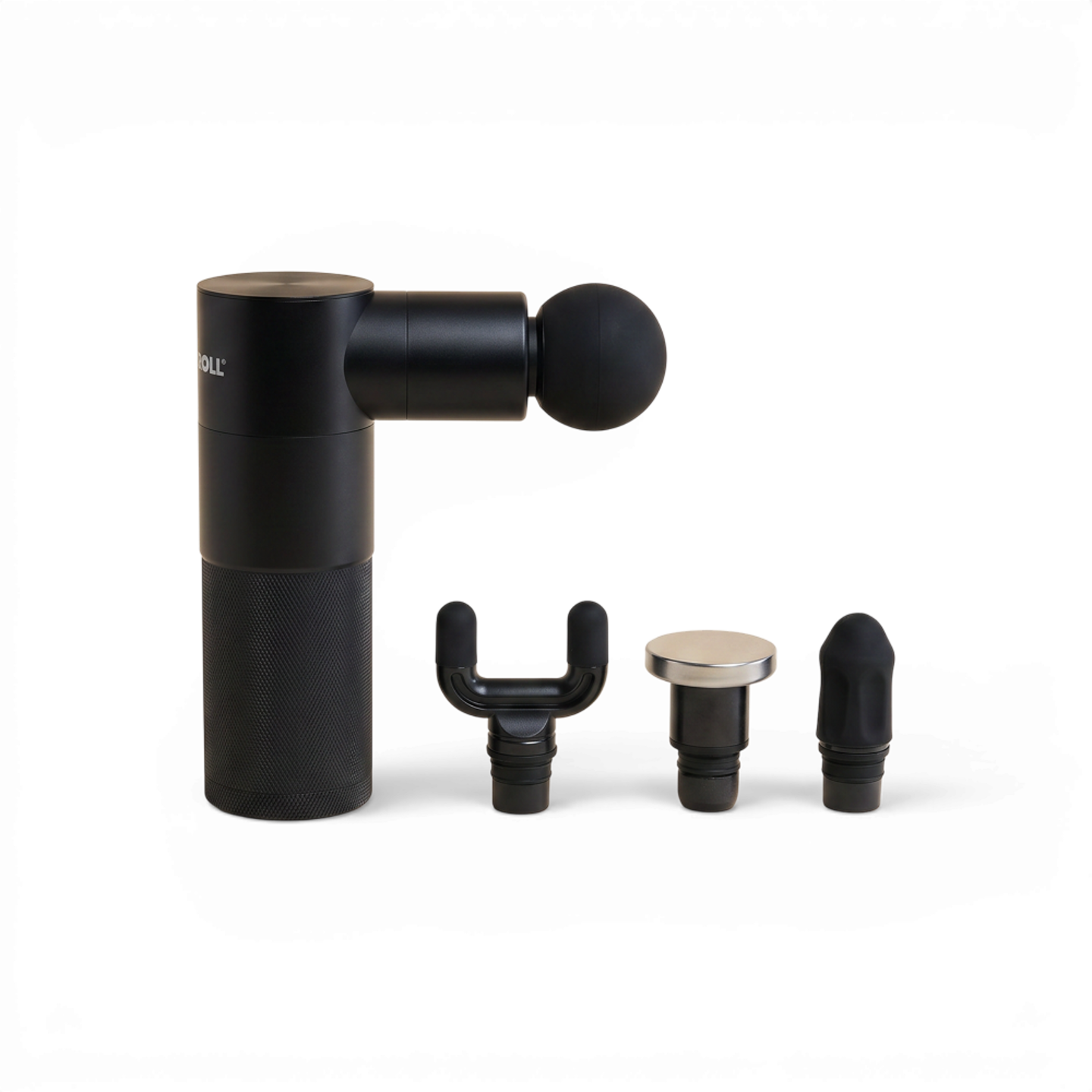
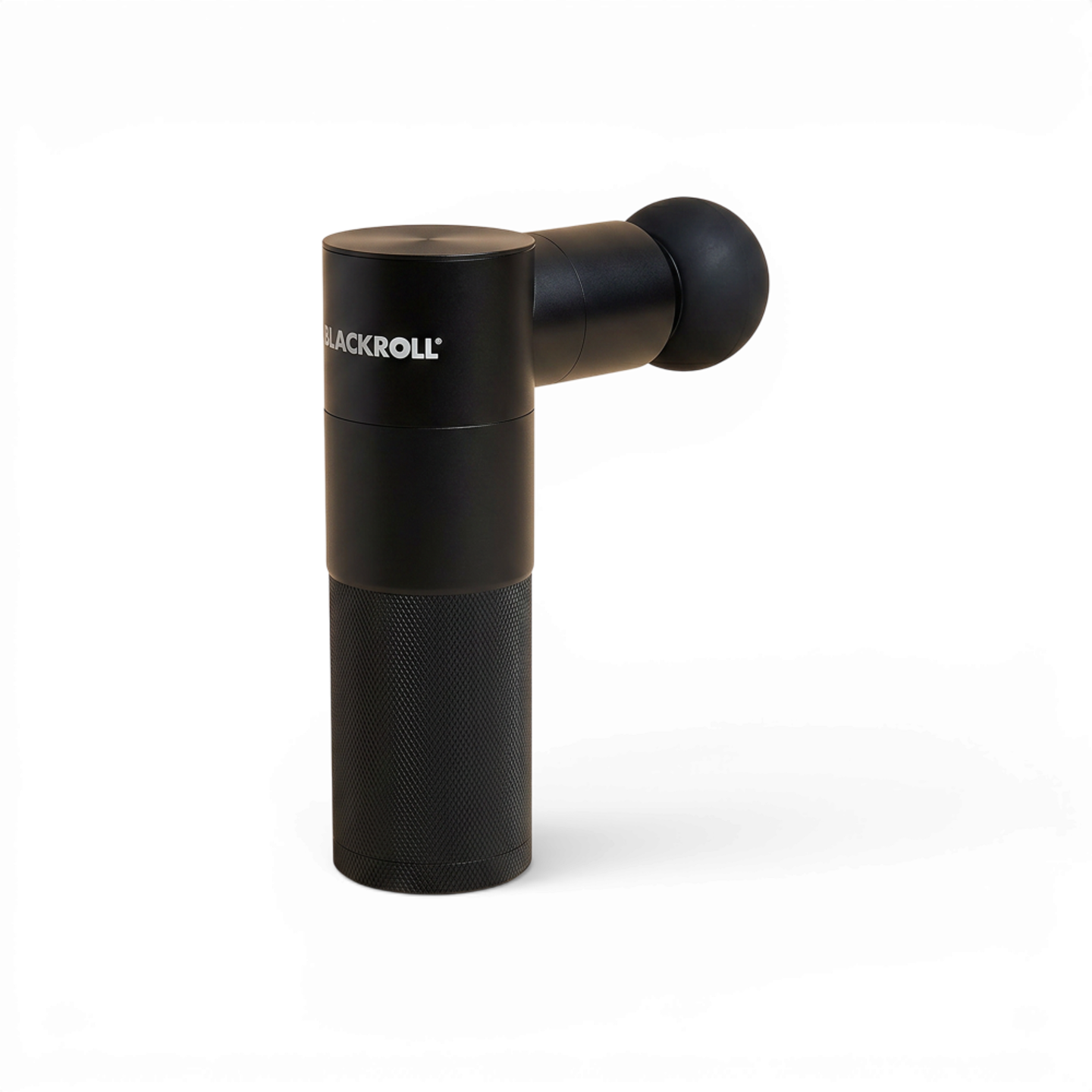
€149.90
Dermaroller
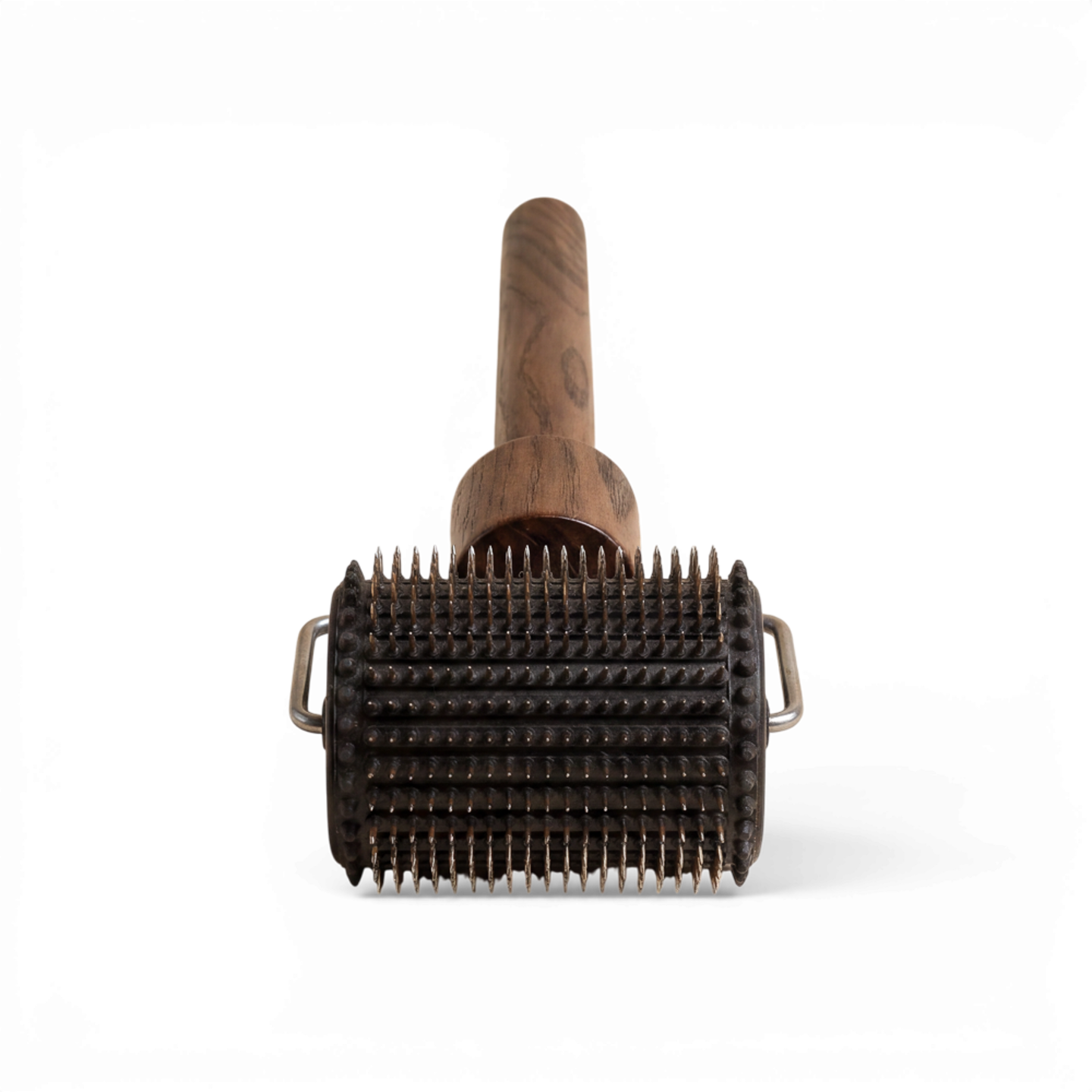
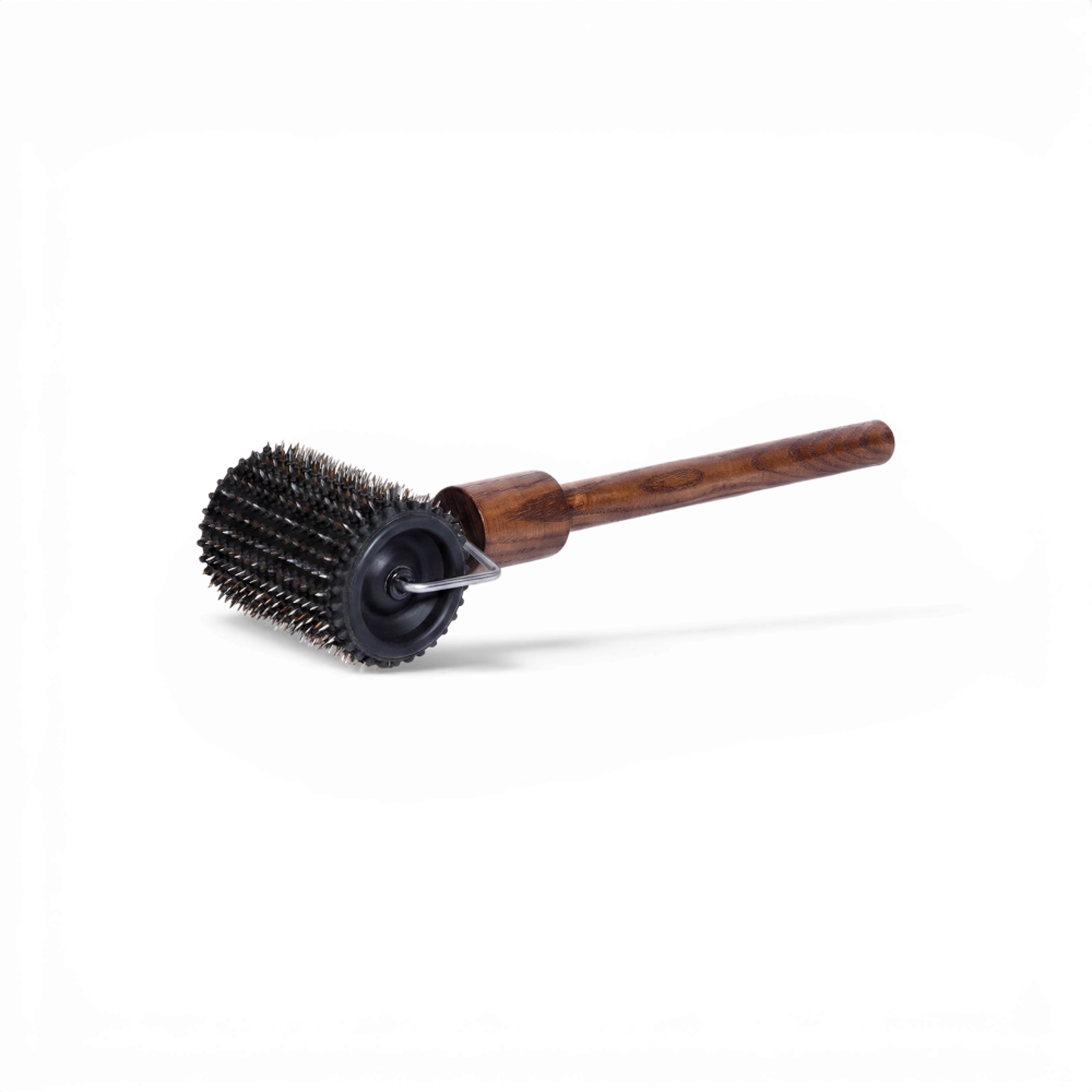
€49.90

01
What is thermotherapy? Definition and scope
Thermotherapy is a form of physical therapy that specifically uses temperature stimuli. This includes both heat and cold applications. The goal is to alleviate pain, regulate muscle tension, alter blood circulation, and support the body during a healing or recovery phase, depending on the situation.
Important for classification:
- Thermotherapy is the umbrella term.
- Heat therapy is one part of it.
- Cold therapy, also known as cryotherapy, is the other component.
The distinction is crucial because heat and cold do not have the same effects. Depending on the condition, incorrect application can exacerbate symptoms. Thermotherapy should therefore not be viewed merely as a wellness measure, but as a targeted treatment with a clear classification.
02
How does thermotherapy work in the body?
How Heat Works
Heat promotes blood circulation, can reduce muscle tone, and improve mobility. At the same time, the tissue often feels more supple, which can be particularly relieving in cases of muscle tension.
- promotes local blood circulation
- can reduce muscle tension
- Supports mobility
- is often perceived as pleasant when dealing with muscle tension
These effects are also described in scientific studies, particularly in connection with musculoskeletal complaints and chronic pain conditions (Tsagkaris et al., 2022).
How Cold Works
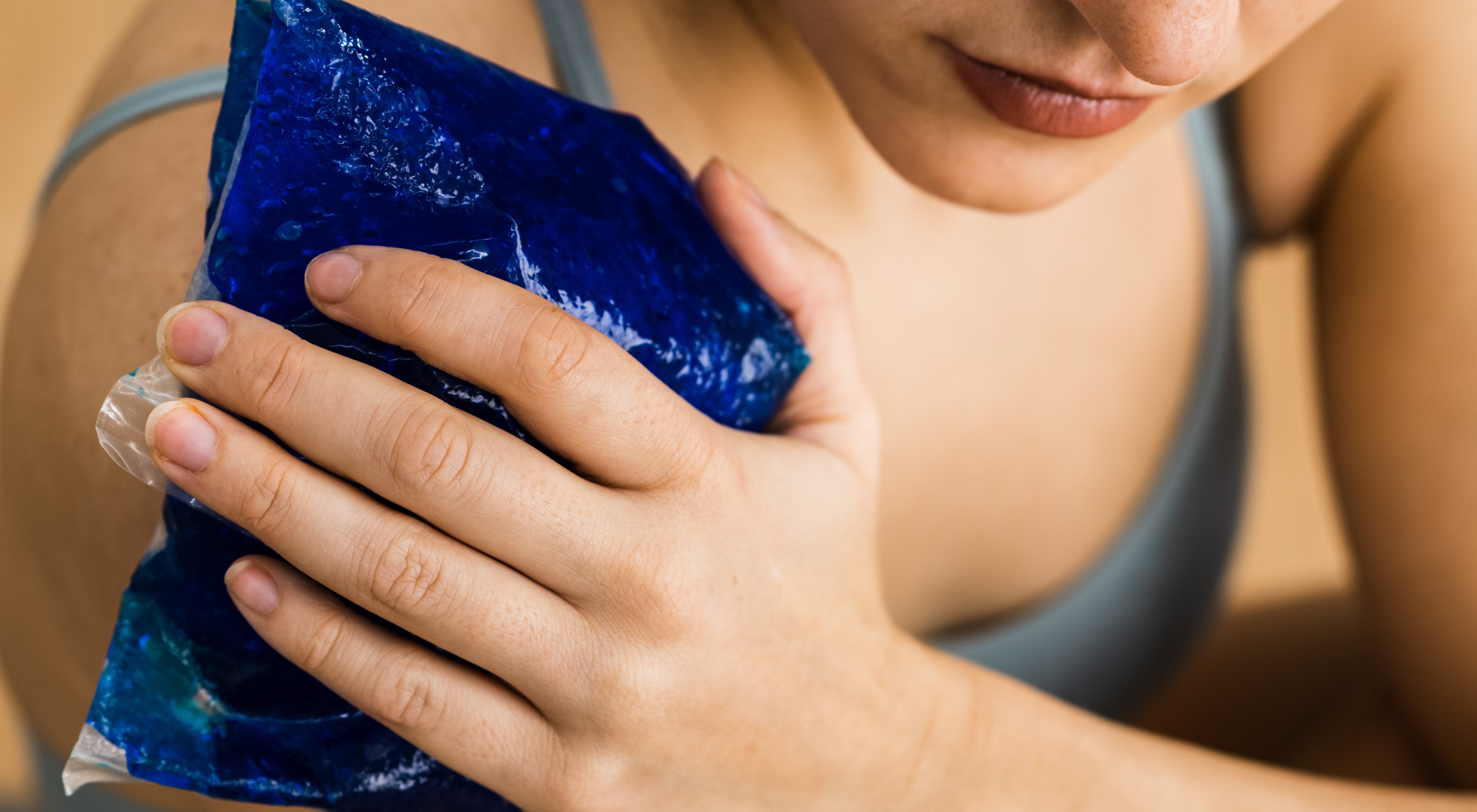
Cold is primarily used to soothe acute irritation, reduce swelling, and temporarily lessen the intensity of pain.
- can soothe acute irritation
- can reduce swelling and overheating
- can temporarily alleviate pain
At the same time, the role of cold in rehabilitation is increasingly being viewed in a more nuanced way, particularly with regard to long-term healing processes (Wang & Ni, 2021).
Why the wrong choice can worsen symptoms
Incorrect application can not only fail to alleviate symptoms but, in the worst-case scenario, may even exacerbate them. Applying heat to inflammatory conditions or cold to sensitive, poorly perfused skin are typical examples. The key is always to correctly assess the situation.

Cold Foot Bath

Cold chamber


03
Types of Applications: Which procedures are considered thermotherapy?
Thermotherapy encompasses a variety of methods. Some are suitable for self-application at home, while others are used in a therapeutic setting. What matters most is not the method itself, but whether it is appropriate for the situation and can be applied in a controlled manner.
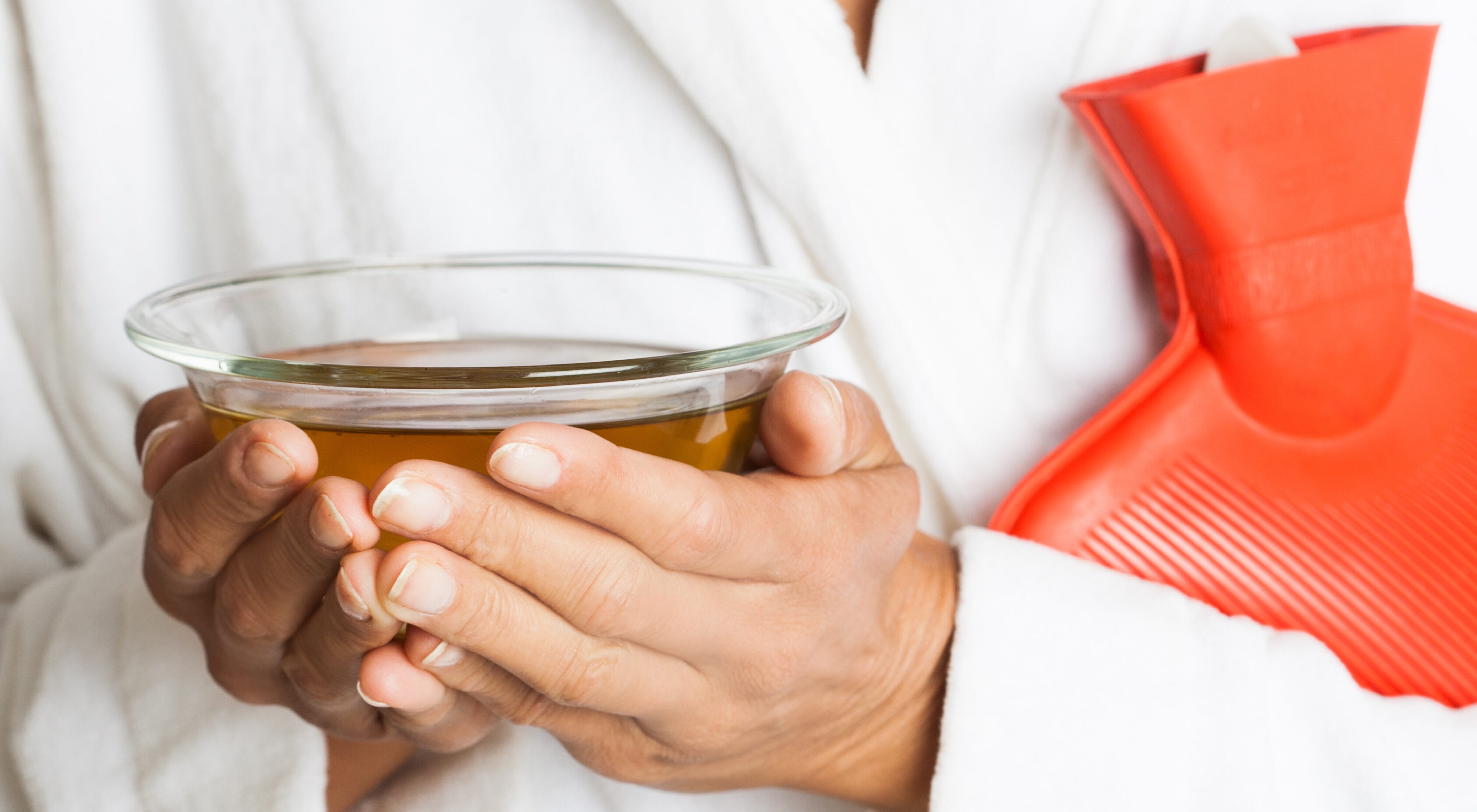
Typical Heat Therapies
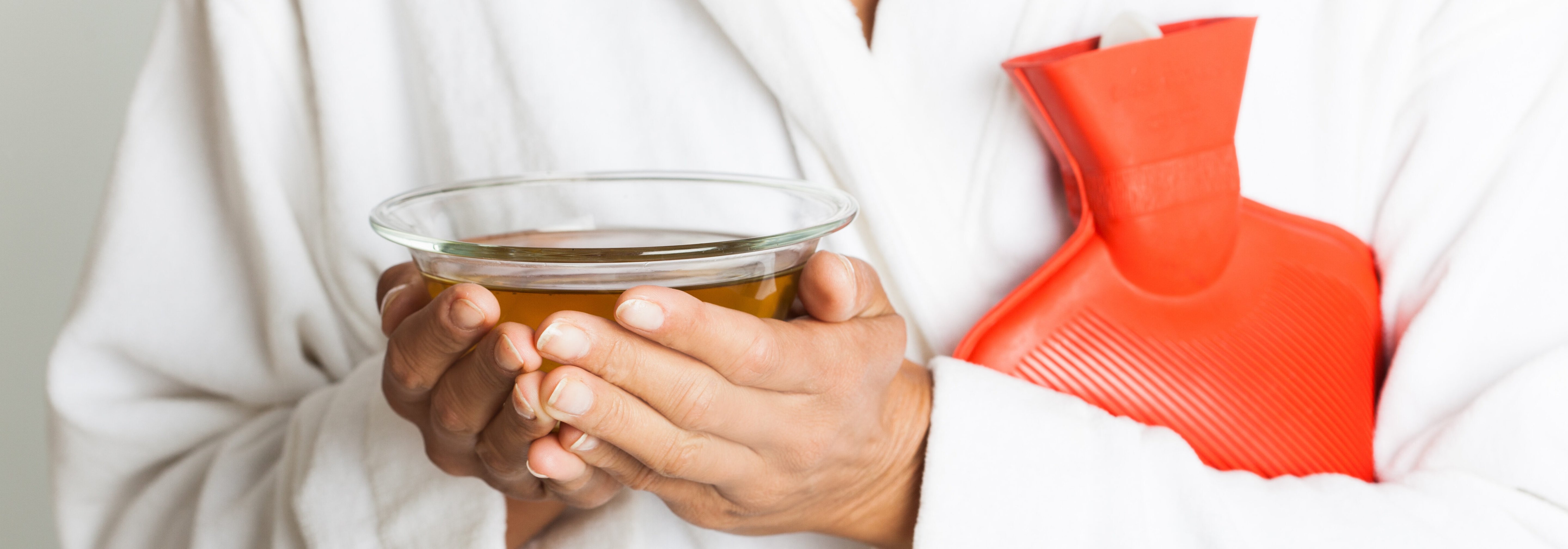
- Hot water bottle
- Heating pad
- Heat packs
- Fango or mud packs
- Warm wraps or baths
- Infrared treatments
- Portable heat treatments such as heat patches or reusable heat pads
Typical cold therapies
- Cooling packs
- Cold compress
- Ice massage
- Cold wraps
- Cold partial baths
- Cold therapies in a therapeutic context
In everyday life, the most effective treatments are often those that are easy to perform, well-controlled, and can be used regularly. Especially for recurring symptoms, practical factors such as ease of use, portability, and tolerability play an important role.
04
Practical Application: Duration, Frequency, and Interval Since the Last Physical Strain
For thermotherapy to remain effective, the method of application is just as important as the choice between heat and cold. The key factor is how controlled and tailored the application is.
Before Application
- Check the skin: no open wounds or severe irritation
- Do not apply heat or cold directly to the skin if the treatment is intense
- Choose a method that allows for easy adjustment of intensity
During application
- Use only as long as it feels manageable and comfortable
- Avoid excessive intensity—more isn’t automatically better
- Pay attention to your body’s signals
After use
- Observe your skin’s reaction
- Has the pain changed for the better or for the worse?
- If the condition worsens, do not repeat the treatment without making adjustments
Stop criteria: When you should stop immediately
- Increasing pain
- Numbness or tingling
- Severe redness, burning, or skin reactions
- General discomfort or unusual reactions
Heat or cold in relation to exercise and physical activity
- Before exercise: Heat may be helpful if muscles feel stiff or inflexible
- After acute irritation: Cold can help alleviate the reaction
- After normal physical activity: Heat can help promote relaxation
Clinical guidelines emphasize that the duration, intensity, and skin reaction to heat and cold applications should be regularly monitored to avoid risks such as skin damage or misuse (South Eastern Sydney Local Health District, 2024).
For certain conditions, such as menstrual cramps, systematic reviews show that local heat application can effectively reduce pain (Jo et al., 2018).
Optimize your sleep with CELLIANT® products
Pillowcase
€34.90
Blanket
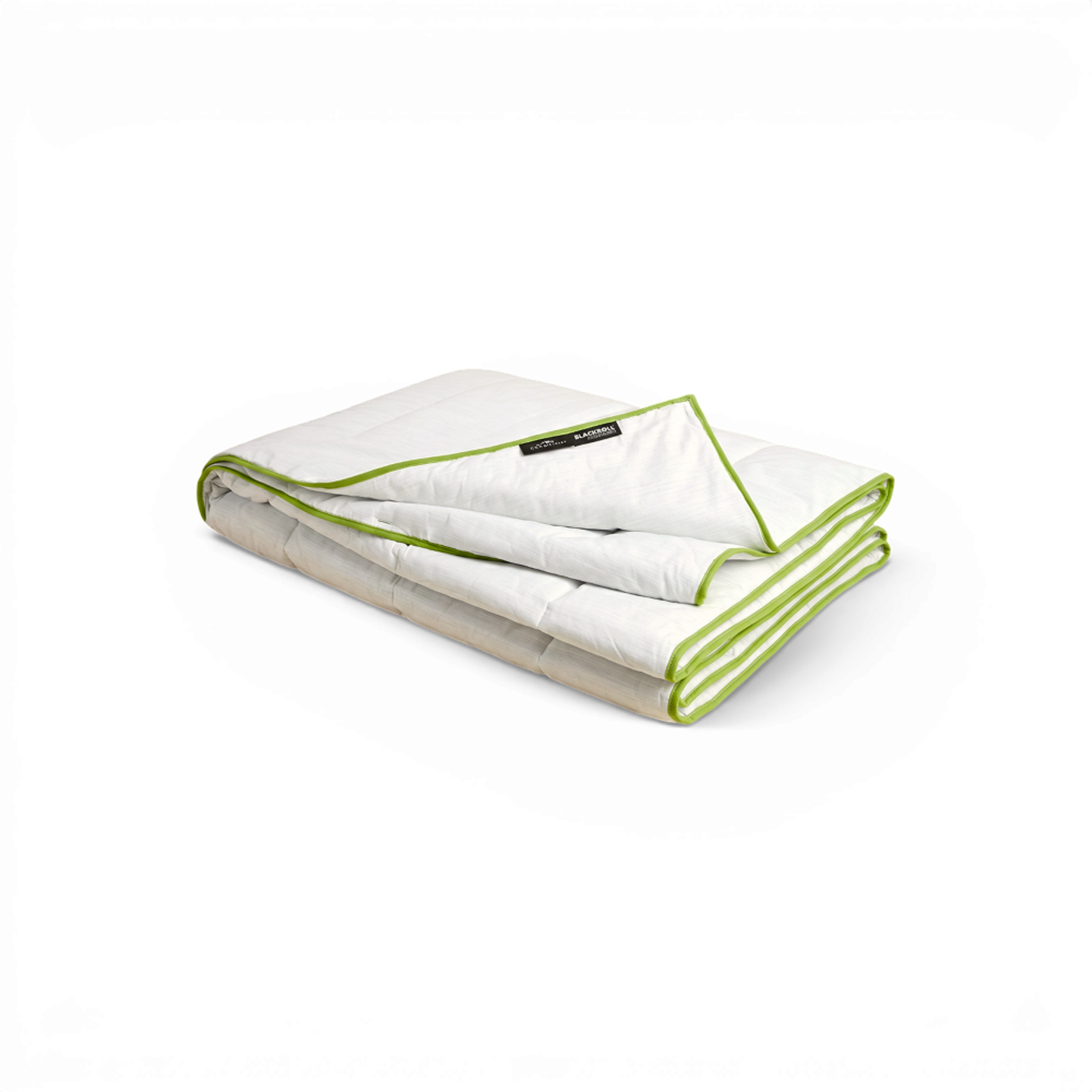
Recovery Blanket All Year
Available in multiple variants
from€179.90
Learn more about CELLIANT® technology
Celliant®This is a blend of safe, naturally occurring thermoreactive minerals from sustainable sources that improve oxygen delivery to cells. This converts body heat into infrared energy.
The patented formula is manufactured in the U.S. The minerals are incorporated into textile fibers, fabrics, and yarns, which are then used in products such as sportswear and sleepwear. For example, we use it in the filling of our RECOVERY BLANKETS, in the covers of the RECOVERY BASE and the COMFORT TOPPER, and in the fabrics of the PREMIUM COMFORT LINE.
Bed Cover
Bed Sheet Premium Comfort
Available in multiple variants
from€59.90
Pillowcase
€34.90
Blanket and Pillow
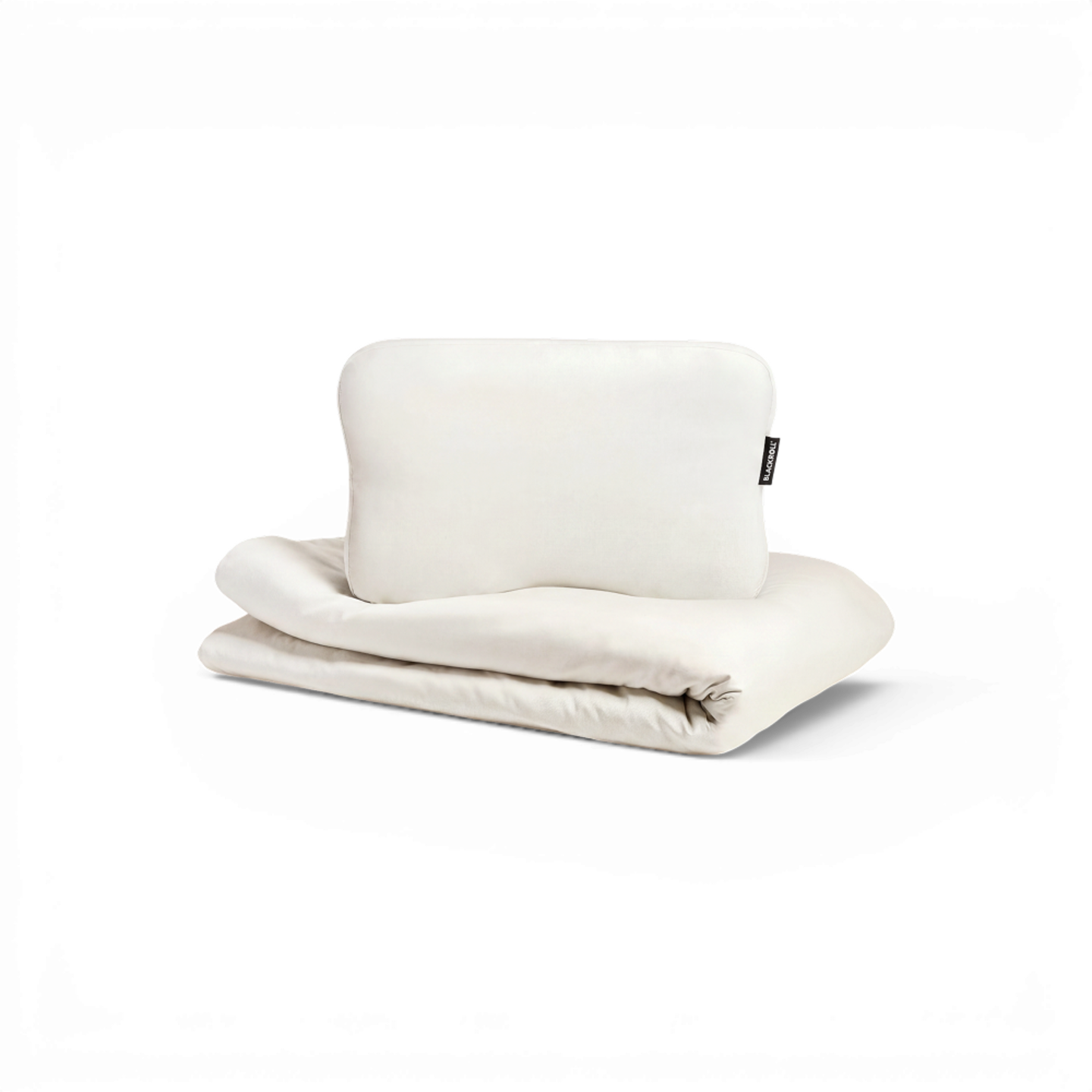
Bedding Set Premium Comfort
Available in multiple variants
from€99.90

Risks, Contraindications, and Warning Signs
Thermotherapy is not appropriate in every situation. Especially in cases of unclear symptoms or recent injuries, safety should always come before treatment.
Avoid using heat in cases of
- acute inflammation
- recent injuries
- significant swelling
- severe overheating of the affected area
- certain circulatory or sensory disorders
- fever
Cold therapy should generally not be used in cases of
- Hypersensitivity to cold
- certain circulatory problems
- Sensory disturbances
- Lack of reliable perception of temperature stimuli
- open wounds, if application is unsuitable in such cases
Seek immediate medical attention in case of
- severe or increasing swelling
- Fever
- Noticeable redness and warmth
- neurological symptoms such as numbness, weakness, or loss of control
- severe pain of unknown origin
- Symptoms following an accident or trauma without a clear diagnosis
Limitations of self-treatment: If symptoms are unclear, severe, or persistent, thermotherapy is not a substitute for medical evaluation.
Classification and Reimbursement: When is thermotherapy covered by health insurance?
Thermotherapy is a component of physical therapy and is used specifically in a medical context to manage or alleviate symptoms.
Typical procedures include:
- medical assessment and, if necessary, a prescription
- Application as part of physical therapy treatments
- Self-administration at home for mild, known symptoms
Whether thermotherapy is covered by health insurance depends on the indication, prescription, setting, and specific health insurance provider. It is therefore not possible to make a general statement.
Quick summary: Which option is most likely the right choice in your case?
- Cold is generally better if symptoms are acute, swollen, hot, or recently irritated.
- Opt for heat if the muscles are tense, stiff, or chronically strained.
- Do not decide on your own if the pain is severe, unclear, or accompanied by warning signs.
- Safety comes before intensity: Treatments that are too long or too strong offer no additional benefit.
- Return to the decision guide or have your symptoms evaluated if you’re unsure.
FAQ: The Most Important Questions About Thermotherapy
Thermotherapy is the umbrella term for treatments involving heat and cold. Heat therapy and cold therapy are therefore both part of it.
As a general rule: use cold for acute pain, and heat for muscle tension or chronic pain. If you notice warning signs or have unclear symptoms, you should not treat yourself based on a hunch.
Typical mistakes include: applying heat or cold for too long, applying it directly to the skin, misdiagnosing the symptoms, or ignoring warning signs.
If you have certain contraindications, warning signs, or an unclear cause, you should not use heat or cold without consulting a healthcare professional.
This may be possible as part of a medically evaluated and, if necessary, prescribed treatment. Coverage depends on the individual case.
Heat can subjectively relieve pain and promote blood circulation; however,its direct effect on the healing of muscle soreness is less clearly proven scientifically than in the case of chronic muscle tension.
References & Sources (APA Style)
- Gloucestershire Hospitals NHS Foundation Trust. (n.d.). Ice and heat treatment. gloshospitals.nhs.uk
- Jo, J., Lee, S.-H., & Kim, M.-R. (2018). Heat therapy for primary dysmenorrhea: A systematic review and meta-analysis of its effects on pain relief and quality of life. Scientific Reports, 8, 16252. nature.com
- South Eastern Sydney Local Health District. (2024). Application of heat or cold therapy (SESLHDGL/073). seslhd.health.nsw.gov.au
- Tsagkaris, C. et al. (2022). Infrared radiation in the management of musculoskeletal conditions and chronic pain: A systematic review. Life, 12(3), 408. pmc.ncbi.nlm.nih.gov
- Wang, Z.-R., & Ni, G.-X. (2021). Is it time to put traditional cold therapy in the rehabilitation of soft-tissue injuries out to pasture? World Journal of Clinical Cases, 9(16). pmc.ncbi.nlm.nih.gov
Source Note
The content of this article is based on current medical findings from guidelines, patient information, and scientific reviews. A healthcare professional should always be consulted for an individual assessment.
Reviewed by: Dr. Lutz Graumann - Sports Medicine Specialist