
Key Takeaways
- Your autonomic nervous system controls stress and relaxation responses via the sympathetic and parasympathetic nervous systems.
- An overloaded nervous system can manifest as inner restlessness, sleep problems, tension, or exhaustion.
- You can not only calm your nervous system but also regulate and strengthen it over the long term.
- Breathing techniques are the fastest way to activate the parasympathetic nervous system.
- Regular exercise, intentional breaks, and good sleep help stabilize your stress response system over the long term.
- Structured routines and targeted stimuli can further support this regulation.
Calming your nervous system means reducing acute stress and guiding the body out of “fight-or-flight” mode (the sympathetic nervous system) and back into a state of safety and stability. Even more crucial, however, is the ability to regulate your nervous system over the long term—that is, to consciously manage the balance between the activating sympathetic nervous system and the relaxation-promoting parasympathetic nervous system.
In a world full of stimuli, constant availability, and high demands, many people’s autonomic nervous systems are in a permanent state of alert. The consequences range from inner restlessness and persistent stress to sleep problems, muscle tension, and exhaustion. The good news: Through targeted breathing techniques, exercise, recovery rituals, and mindful everyday strategies, you can calm, regulate, and sustainably strengthen your nervous system.
Relaxation Exercises




Structure of the Nervous System
The nervous system is the complex network that connects your body to the brain and controls every response to internal and external stimuli. It is divided into two main parts: the central nervous system (brain and spinal cord) and the peripheral nervous system. While the central nervous system processes information and makes decisions, the peripheral nervous system transmits signals between the brain, extremities, organs, and muscles.
Within the peripheral nervous system, a distinction is made between the somatic and the autonomic nervous systems. The somatic nervous system controls conscious movements and sensory perceptions such as touch, temperature, or pain. It enables you to act purposefully—for example, when walking, grasping, or speaking.
However, the autonomic nervous system is particularly crucial for stress, recovery, and inner balance. It operates unconsciously and regulates vital functions such as heart rate, breathing, digestion, and hormone balance. This system is divided into two opposing branches: the sympathetic nervous system, which activates your body, and the parasympathetic nervous system, which promotes regeneration, recovery, and stability. A healthy nervous system does not mean being constantly relaxed—but rather being able to switch flexibly between activation and relaxation.
Polyvagal Theory: How a Sense of Safety Develops in the Body
Stephen Porges’ Polyvagal Theory expands on this understanding. It describes how the autonomic nervous system constantly assesses whether we feel safe or threatened—and reacts accordingly. It distinguishes between three states:
- Ventral Vagus (social connection & regulation) → You feel safe, present, and connected. Your heart rate and breathing are calm, and your body is in balance.
- Sympathetic nervous system (fight-or-flight mode) → The body is activated; heart rate and breathing increase; stress hormones are released.
- Dorsal vagus (freezing & withdrawal) → When overwhelmed, this can lead to shutdown, exhaustion, or emotional withdrawal.
The key point is: These states are not fixed personality traits, but rather physiological response patterns. Through targeted breathing techniques, mindful movement, social interaction, and regular rest and recovery, you can influence your autonomic nervous system, activate the parasympathetic nervous system, and not only calm your nervous system but also regulate and strengthen it over the long term.

Your stress management course for greater serenity. Up to 100% refund.
Click here for your online stress management course

Overstimulated Nervous System – Symptoms
An overstimulated or overloaded nervous system often occurs when the sympathetic nervous system remains constantly active and the body is unable to sufficiently return to a state of recovery. The autonomic nervous system is then in a sort of state of alert—even when there is objectively no acute danger. Typical symptoms can manifest both physically and mentally.
Overloaded Nervous System – Symptoms at a Glance:
- Increased irritability: Noises, light, or everyday situations are more quickly perceived as disturbing or overwhelming.
- Inner restlessness: Persistent restlessness and difficulty truly unwinding or relaxing.
- Sleep problems: Difficulty falling asleep or staying asleep, as well as the feeling of not being well-rested in the morning.
- Concentration problems: Mental exhaustion, “brain fog,” or a reduced ability to focus.
- Muscular tension: Chronic tension, especially in the neck, shoulder, or jaw area.
- Digestive problems: Bloating, diarrhea, constipation, or irritable bowel syndrome symptoms, as digestive processes are inhibited when the body is in “stress mode.”
- Heart palpitations or excessive sweating: Physical stress responses such as an increased heart rate or heavy sweating without any apparent cause.
These symptoms often do not occur in isolation but in combination. A persistently overloaded nervous system does not indicate weakness—rather, it shows that your body is trying to cope with chronic stress. It is therefore crucial not only to calm the nervous system in the short term but also to restore autonomic balance and regulate it over the long term.
Falling Asleep More Relaxed







Understanding Stress: Causes & Effects
Stress is, at first, a useful biological response. As soon as your brain perceives a challenge or potential threat, the autonomic nervous system activates the sympathetic nervous system. Stress hormones such as adrenaline and norepinephrine are released, heart rate and blood pressure rise, and breathing quickens. The body becomes primed for action—ready to fight or flee.
Stress becomes problematic not because of isolated spikes in activation, but because of a lack of regulation. If the sympathetic nervous system remains permanently active and the parasympathetic nervous system is not sufficiently engaged, a chronic state of alarm develops. Digestion, recovery, and sleep are inhibited—the nervous system loses its flexibility.
This is precisely the difference between experiencing stress and regulating stress: A healthy nervous system can switch between activation and relaxation. An overloaded nervous system, on the other hand, remains in activation mode.
Causes of Stress
The triggers for prolonged sympathetic nervous system activation are varied and often cumulative:
- Work-related stress: time pressure, high levels of responsibility, lack of control, or conflicts in the workplace.
- Personal stressors: Relationship problems, family challenges, or financial worries.
- Everyday stress: Constant availability, digital sensory overload, lack of sleep, or high internal performance expectations.
Effects of Chronic Stress
If stress is not adequately managed, it has a lasting impact on both physical and mental processes.
Physical effects
- Increased muscle tension leading to stiffness and pain.
- Persistently elevated heart rate or blood pressure.
- Digestive problems, as the body inhibits regeneration while in “fight-or-flight” mode.
- A weakened immune system due to the sustained release of stress hormones.
Psychological Effects
- Inner restlessness and persistent tension.
- Irritability, mood swings, or emotional exhaustion.
- Difficulty concentrating and mental overload.
A permanently activated stress response also affects heart rate variability (HRV) —an important marker of your nervous system’s adaptability. If HRV decreases over an extended period, this may indicate a lack of regulation. That’s why it’s not just about avoiding stress, but also about specifically strengthening your nervous system and improving its ability to regulate itself.

Calming the autonomic nervous system
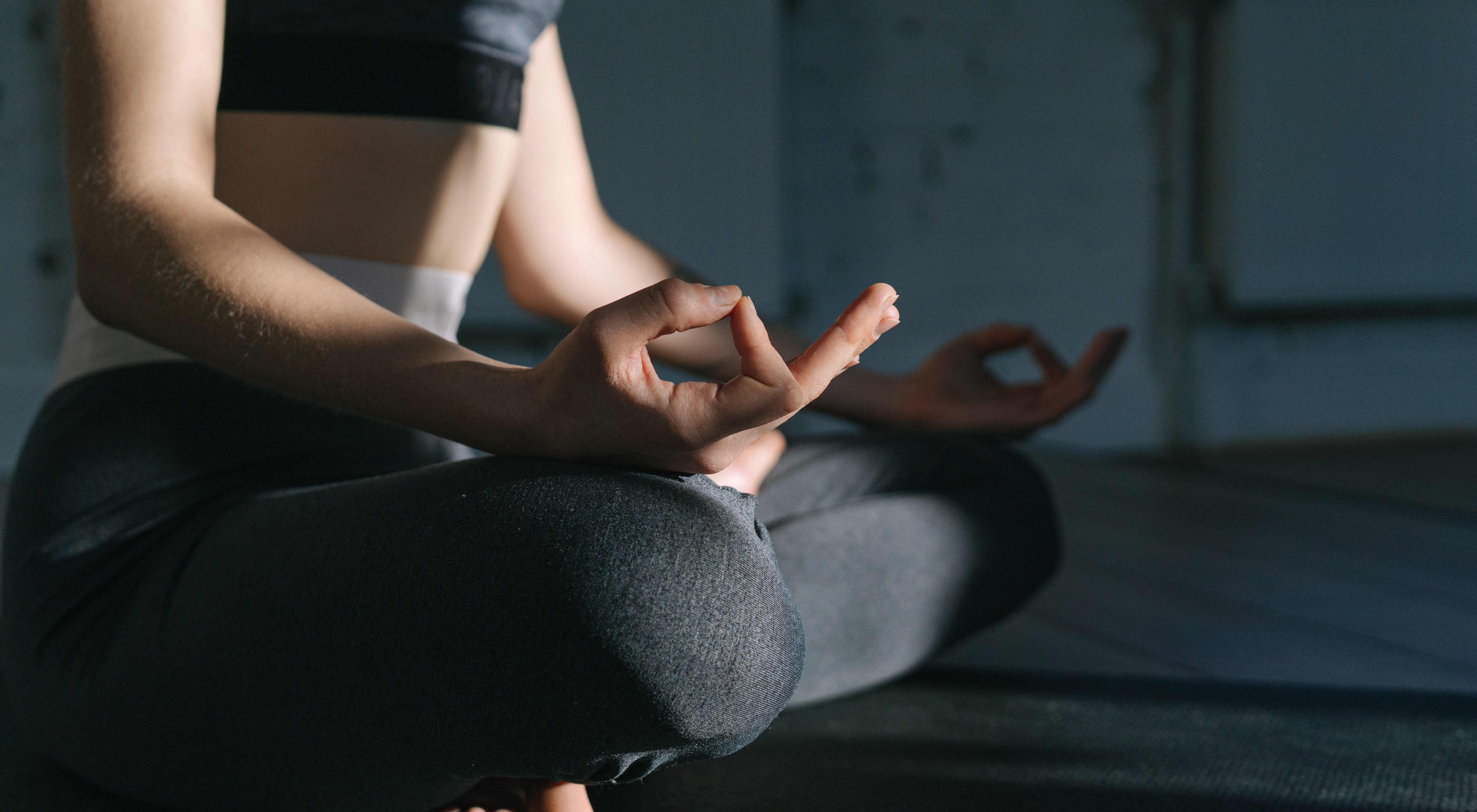
The autonomic nervous system unconsciously controls vital processes such as heart rate, breathing, digestion, and hormone regulation. It consists of two opposing systems: the activating sympathetic nervous system and the regenerative parasympathetic nervous system. Health does not mean being constantly relaxed—but rather being able to flexibly switch between activation and recovery.
If you want to calm your nervous system, the physiological goal is to activate the parasympathetic nervous system and reduce sympathetic dominance. The vagus nerve, in particular, plays a central role here, as it influences heart rate, breathing, and recovery.
Activating the Parasympathetic Nervous System: Effective Methods
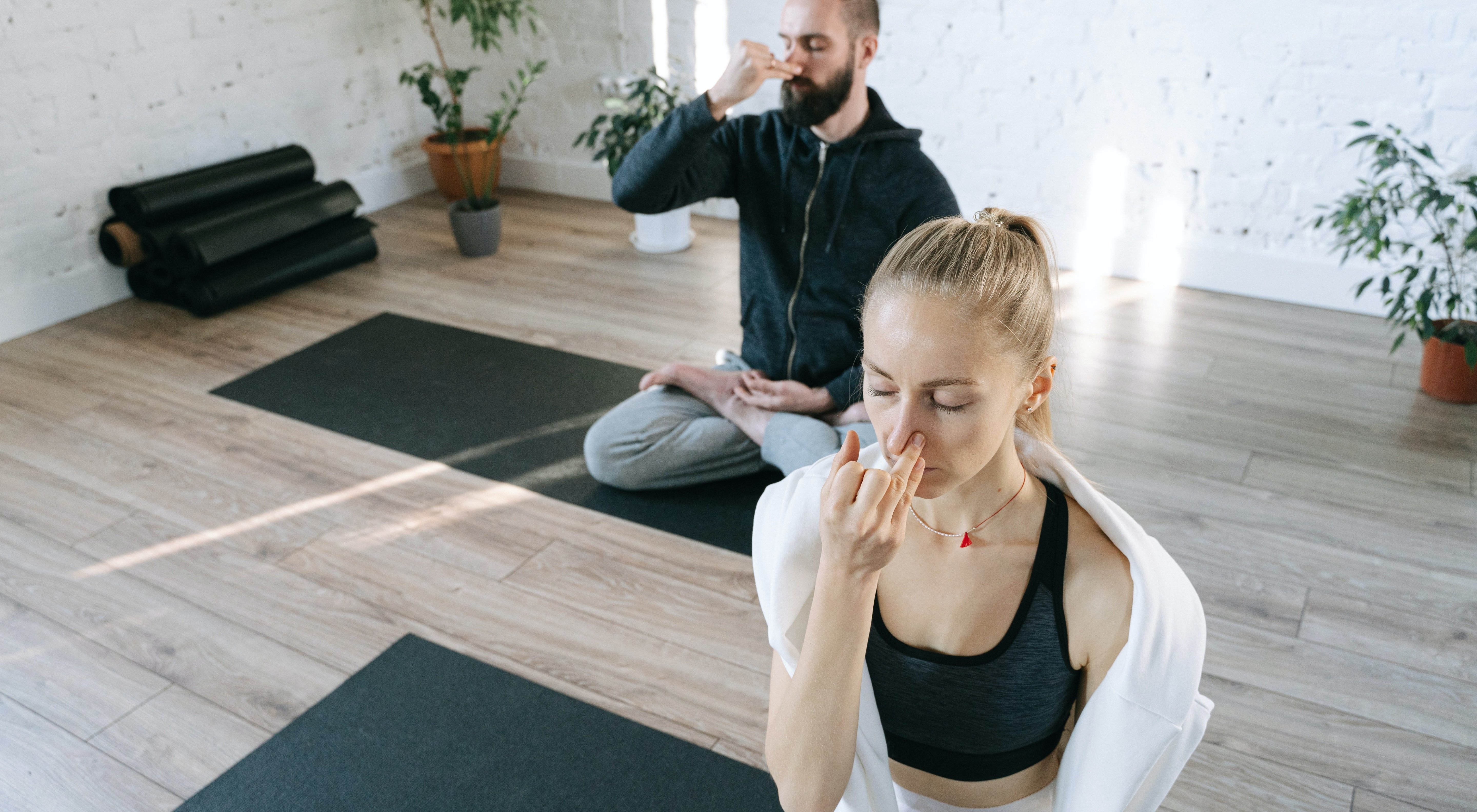
- Breathing exercises: Slow, conscious breathing—especially with a prolonged exhalation—stimulates the vagus nerve and can lower your heart rate. Techniques such as 4-7-8 breathing or calm abdominal breathing help to quickly activate the parasympathetic nervous system. You can try the following 4-7-8 breathing exercise right away.
- Progressive Muscle Relaxation: Consciously tensing and relaxing individual muscle groups reduces muscle tone and signals a sense of safety to the nervous system.
- Meditation and Mindfulness: Regular mindfulness practice lowers stress hormones and improves autonomic regulation over the long term.
- Gentle exercise: Yoga, slow walking, or leisurely cycling promote balance between the sympathetic and parasympathetic nervous systems—especially when combined with conscious breathing.
- Heat or cold stimuli: Moderate thermal stimuli can stimulate the autonomic nervous system and trigger adaptive regulatory processes, e.g., ice baths
- Calming routines: Recurring rituals such as a set evening routine, calm music, or digital breaks signal safety to the body and promote parasympathetic activity.
It’s important to note: Individual techniques have a short-term calming effect. However, regularity is crucial for a long-term strengthened and regulated nervous system. Repeated parasympathetic activation improves the adaptability of your autonomic nervous system—a key factor in stress resilience.

Regulating the Nervous System: Techniques for Everyday Life
A balanced nervous system isn’t defined by never experiencing stress—but by how quickly you regain balance after a stress response. This is exactly where everyday regulation strategies come into play. Small, repeated interventions help stabilize your nervous system and prevent stress from becoming chronic.
Quick Nervous System Reset in Everyday Life
- Box Breathing (4-4-4-4 Method): Inhale for four seconds, hold for four seconds, exhale for four seconds, hold for four seconds. This technique regulates your breathing, lowers your heart rate, and can activate the parasympathetic nervous system. Ideal for acute moments of stress.
Movement as a Regulatory Signal
- Short movement breaks: Mini-walks or conscious stretching at your desk reduce muscle tension and help reduce stress hormones.
- Posture changes: Every 30–60 minutes, consciously sit up straight, open your shoulders, and take a deep breath—small actions with a big impact.
Mindfulness & Sensory Grounding
- 5-4-3-2-1 Technique: Consciously engage your senses to break free from rumination loops and stabilize your nervous system.
- Mindful eating or drinking: Consciously focus on taste, temperature, and smell—a simple way to promote parasympathetic activity.
Regulation on the Go
- Breathing breaks at traffic lights: Consciously lengthen your exhalation—even just a few breathing cycles can lower your heart rate.
- Soothing sounds: Calm music or steady rhythms can help stabilize your stress response.
Reducing Digital Stimulation
- Mini digital detox: 10 minutes without a smartphone or screen reduces sensory overload and relieves strain on your nervous system.
- Eye relaxation: Looking into the distance or taking short breaks to rest your eyes reduces sustained neural activation.
Consistency Over Perfection
Individual exercises have a calming effect in the short term. However, repetition is key to maintaining a consistently balanced nervous system. Several short “reset moments” throughout the day are often more effective than a single long relaxation session in the evening. This is how you strengthen your autonomic flexibility step by step.


Can exercise calm the sympathetic nervous system?
Exercise is one of the most effective ways to regulate your nervous system over the long term. While intense physical exertion activates the sympathetic nervous system in the short term, moderate, rhythmic exercise promotes parasympathetic recovery afterward. The key isn’t “the more, the better,” but rather finding the right balance.
Which sports help regulate the nervous system?
- Yoga (e.g., Yin or slow flows): The combination of conscious breathing, stretching, and slow movement reduces muscle tone and supports parasympathetic activation.
- Pilates: Controlled movements combined with breath control improve body awareness and autonomic regulation.
- Walking: Steady, moderate exercise—especially in nature—can lower stress hormones and positively influence heart rate variability (HRV).
- Swimming: Rhythmic movements combined with breath control have a stabilizing effect on the autonomic nervous system.
- Cycling at a moderate pace: Relaxed cycling without pressure to perform supports the balance between activation and recovery.
Intensity: The Decisive Factor
- Moderate intensity level: You should still be able to hold a conversation while exercising (talk test). Prolonged overexertion can increase sympathetic nervous system activation.
- Consistency over intensity: 3–4 moderate sessions per week stabilize the nervous system more effectively than infrequent, very intense workouts.
- Plan for recovery: Recovery is not a luxury, but part of your training—it enables parasympathetic counter-regulation.
Exercise + Breathing = Stronger Regulation
Conscious breathing enhances the regulating effect of exercise. Try to breathe calmly through your nose during exercise and slightly lengthen your exhalation. This can help stimulate the vagus nerve and normalize the stress response more quickly.
Long-Term Effects on Stress Resilience
Regular exercise improves the adaptability of your autonomic nervous system. Stable heart rate variability (HRV) is considered a sign of good regulatory capacity. Those who exercise in a targeted and measured way not only strengthen their muscles and endurance—they also train their physiological stress resilience.
The Importance of Sleep & Rest
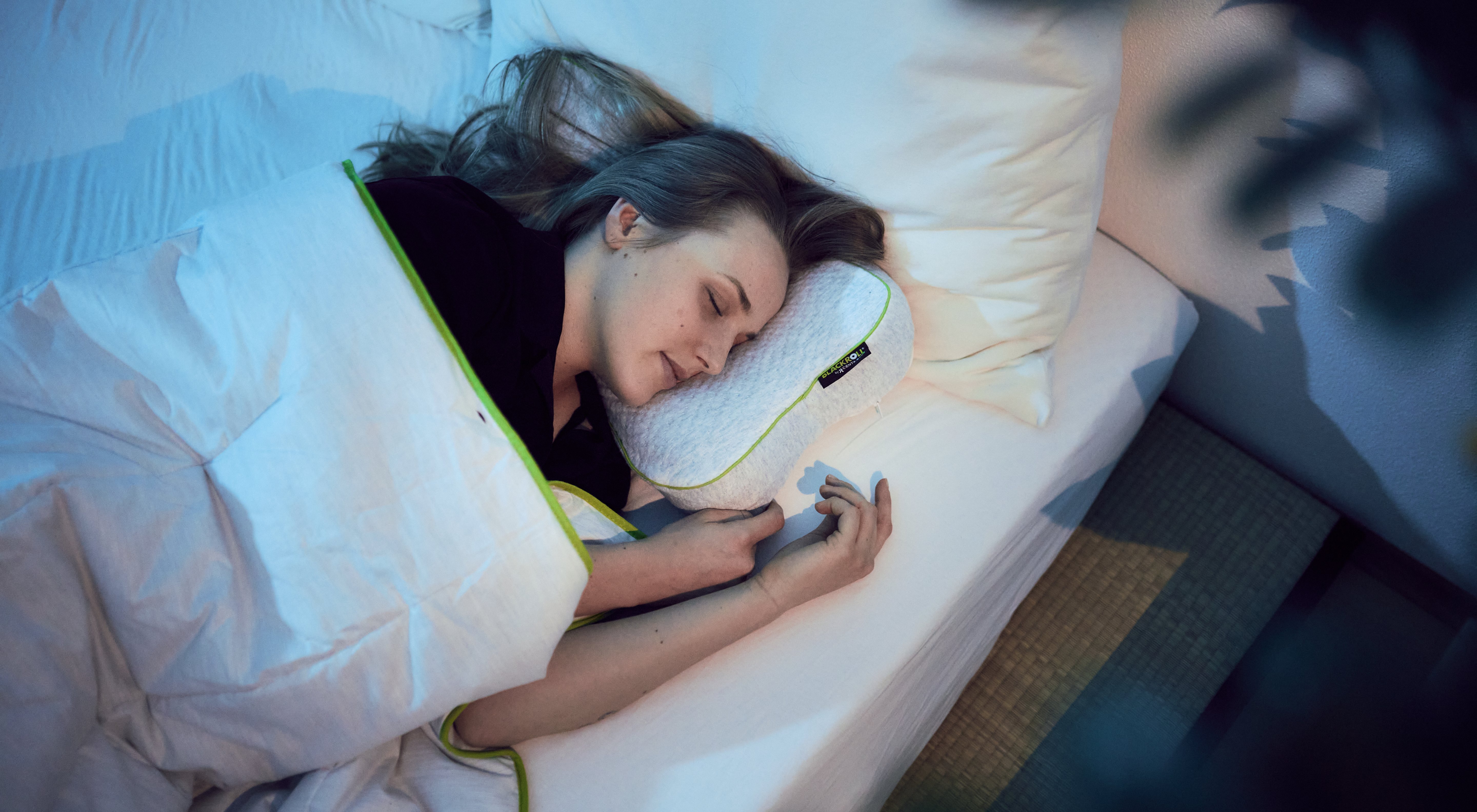
Sleep is the most important natural recovery phase for your autonomic nervous system. Ideally, the parasympathetic nervous system dominates during the night: heart rate and blood pressure drop, breathing becomes calmer, and repair and regeneration processes run at full speed. During this phase, heart rate variability (HRV)—a key indicator of your nervous system’s regulatory capacity—also stabilizes.
Chronic stress, late-night screen light, or irregular sleep schedules can disrupt this parasympathetic dominance. If the sympathetic nervous system remains active even at night, the nervous system does not regenerate sufficiently. The consequences often become apparent the next day: reduced concentration, emotional irritability, or persistent exhaustion.
Adequate, high-quality sleep not only improves performance and mood but also strengthens stress resilience in the long term. Those who regularly sleep 7–8 hours and maintain a consistent sleep routine support autonomic balance in a sustainable way.
In addition to nighttime sleep, conscious periods of rest during the day also play a role. Short breaks, meditation, a power nap, or quiet breathing exercises help activate the parasympathetic nervous system even during the day. Such micro-regeneration phases prevent stress from accumulating over hours.
The interplay between activity and regeneration is crucial. A regulated nervous system needs both: targeted activation—and equally consistent recovery. Sleep is not a luxury, but rather the physiological foundation for inner stability and long-term health.
Sleep Products
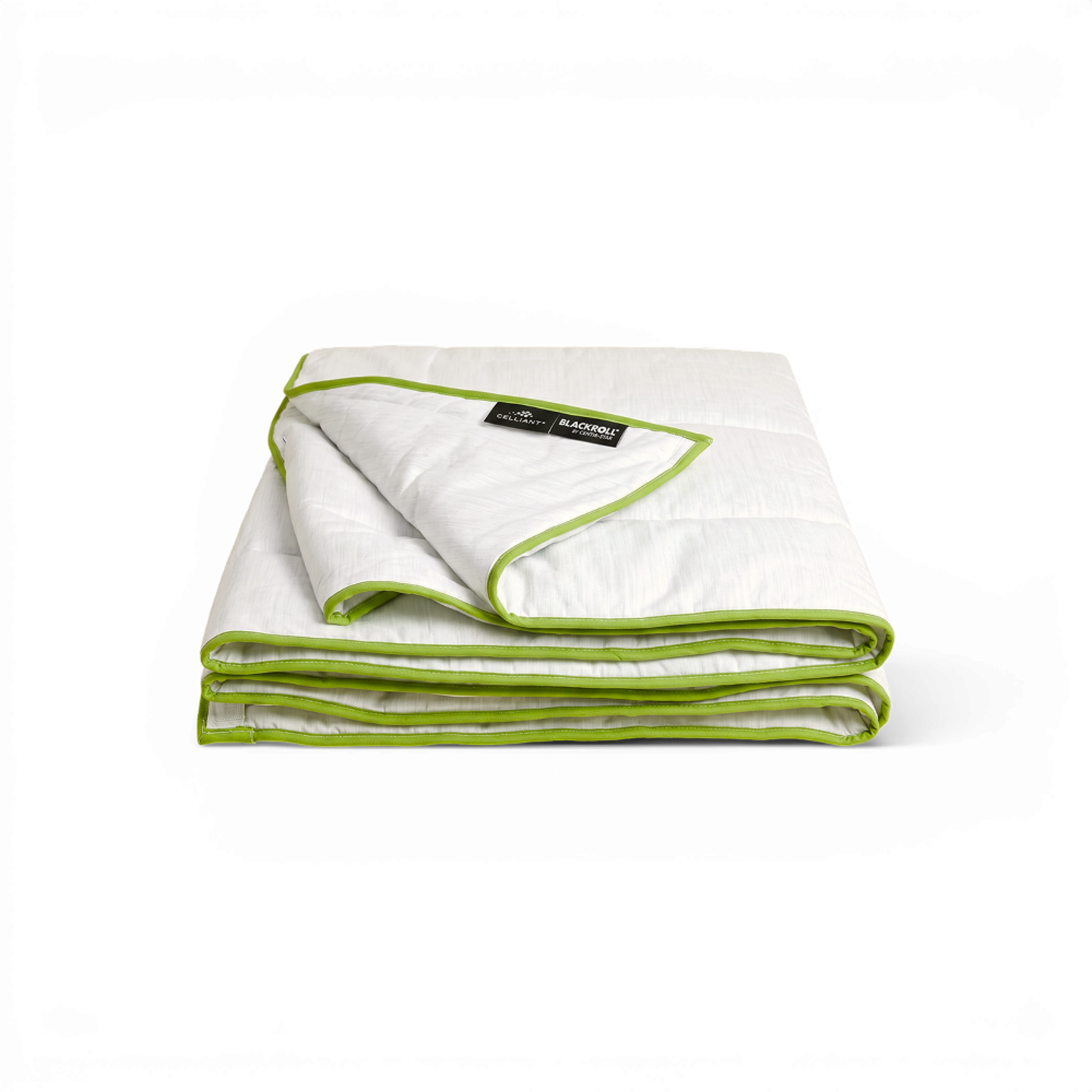
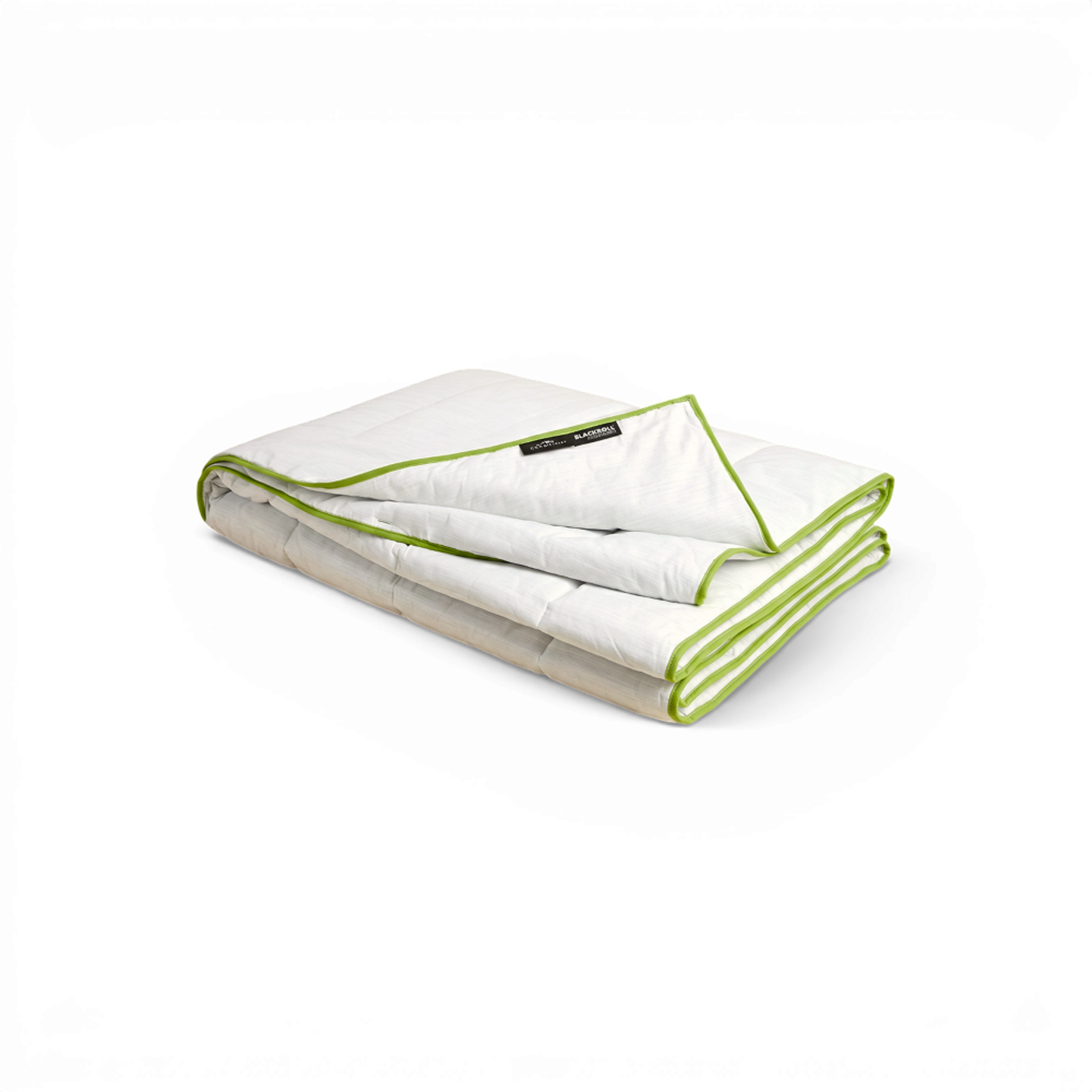
Recovery Blanket All Year
Available in multiple variants


A Mental Roadmap to Inner Peace
Inner peace isn’t a matter of chance—it’s the result of repeated regulation. Your nervous system learns through repetition: The more often you consciously switch between activation and relaxation, the more stable your autonomic balance becomes. Instead of relying on isolated moments of relaxation, a structured daily routine is more helpful.
The following roadmap shows you how to not only calm your nervous system, but also regulate and strengthen it over the long term.
1. Morning Routine: Establish a Parasympathetic Foundation
- Start with minimal stimulation: Avoid digital stimuli immediately after waking up. A calm start prevents immediate activation of the sympathetic nervous system.
- 3–5 minutes of breath regulation: Conscious abdominal breathing or a simple technique like 4-7-8 stabilizes your heart rate and stress levels.
- Gentle movement: Light stretching, yoga, or a short walk promote blood circulation and autonomic balance.
- Mental Focus: Practicing gratitude or setting clear daily intentions reduces mental overload and strengthens emotional stability.
2. During the Day: Micro-Resets for Your Nervous System
- Scheduled mini-breaks (2–3 minutes): Consciously pause every 60–120 minutes. Even short breaks reduce sympathetic nervous system dominance and prevent stress from building up.
- Extended Exhalation: Inhale for 4 seconds and exhale for 6–8 seconds. This simple breathing technique can activate the parasympathetic nervous system and stabilize your heart rate.
- Movement breaks: Regularly getting up, walking around, or doing mobility exercises act as a reset for muscle tension and stress hormones.
- Sensory grounding: Brief moments of mindfulness—such as consciously noticing your surroundings—bring you out of mental stress loops and back into your body.
- Power Nap (10–20 minutes): A short nap can improve autonomic regulation and noticeably stabilize your nervous system.
What matters isn’t the duration of individual practices, but their regularity. Several short reset moments throughout the day train the flexibility of your autonomic nervous system more effectively in the long run than a single long relaxation session.
Helpful Exercises


3. Afternoon: Reduce arousal, promote regulation
- Walks (10–20 minutes): Moderate exercise—ideally in daylight or outdoors—can help lower elevated cortisol levels and promote parasympathetic counter-regulation. Read more about this here: The Positive Effects of Daily Walks.
- Mindful sound or silence sessions: Steady, calm music or intentional silence reduce sensory overload and help stabilize your stress response system.
- 5-Minute Meditation: Short, structured meditation sessions help break the cycle of repetitive thoughts and restore autonomic balance.
Stress often accumulates unnoticed, especially in the afternoon. A targeted regulatory intervention at this time can prevent your nervous system from remaining in activation mode well into the evening.
4. Evening Routine: Consciously Promote Parasympathetic Dominance
- Reduce digital stimuli: Avoid screens for at least 60 minutes before bed. Blue light can inhibit melatonin production and prolong sympathetic nervous system activity—keeping your nervous system in activation mode unnecessarily.
- Thermal relaxation: A warm bath or shower promotes muscle relaxation and signals to the body that it’s time to transition into recovery.
- Stretching and self-massage: Gentle mobility exercises or using a foam roller reduce muscle tension and can promote parasympathetic activity.
- Mental Unwinding: Journaling or mindful reflection helps reduce mental overactivity and wind down the stress response.
- Breath regulation before sleep: Slow nasal breathing with prolonged exhalation (e.g., 4 seconds in, 6–8 seconds out) stabilizes heart rate and helps induce sleep.
The evening plays a decisive role in determining whether your nervous system can regenerate sufficiently. A consistent routine signals safety and predictability—two key factors for autonomic stability and restful sleep.
Exercises for Your Evening Routine


5. Long-Term Habits: Training Your Nervous System
- Regular exercise: 2–4 moderate sessions per week improve autonomic flexibility and strengthen your stress resilience in the long term.
- Consistent sleep routine: 7–8 hours of sleep in a dark, cool, and low-stimulus environment promote nighttime parasympathetic regeneration.
- Optimize Your Sleep Environment: A quiet, well-ventilated, and ergonomic sleep environment supports the nervous system’s nighttime recovery.
- Scheduled screen breaks: Set times without a smartphone or screen reduce sustained neural activation. Learn more here: Digital Detox – Tips for Less Screen Time.
- Stable blood sugar and caffeine balance: A balanced diet with moderate caffeine consumption prevents unnecessary spikes in sympathetic activity.
A regulated nervous system isn’t achieved through isolated moments of relaxation, but through repetition. The more often you signal safety, rhythm, and rest to your body, the more stable your autonomic balance becomes. Inner peace is therefore not a state, but a process that can be cultivated.
When you learn to consciously moderate your activity levels and consistently schedule time for recovery, you strengthen your physiological stress resilience—and lay the foundation for long-term health, performance, and emotional stability.
Frequently Asked Questions About Nervous System Regulation
To quickly calm your nervous system, conscious breath control is particularly helpful. Inhale for about 4 seconds and exhale for 6–8 seconds. The prolonged exhalation activates the parasympathetic nervous system and can lower your heart rate within a few minutes. You can find specific techniques here: Breathing Exercises for Stress.
Regulating the nervous system means deliberately managing the balance between the sympathetic nervous system (activation) and the parasympathetic nervous system (recovery). Unlike short-term calming, regulation is about improving the adaptability of your autonomic nervous system over the long term. You can read more about the interaction of the autonomic nervous system here: The Sympathetic Nervous System Explained Simply.
An overloaded nervous system often manifests as inner restlessness, sleep problems, increased irritability, tension, difficulty concentrating, or digestive issues. This is frequently accompanied by sustained sympathetic nervous system activation, during which the body is unable to return sufficiently to a state of recovery. You can find strategies for stress regulation here: Effectively Reducing Stress.
You can activate the parasympathetic nervous system through slow nasal breathing with prolonged exhalation, moderate exercise, meditation, warmth, or social interaction. Repeated breathing exercises are particularly effective, as they directly affect heart rate and the vagus nerve.
Yes, the nervous system can be trained. Regular regulation—such as through breathing exercises, exercise, sleep routines, and intentional breaks—improves autonomic flexibility. Stable heart rate variability (HRV) is considered a sign of good adaptability to stress. You can find more about HRV here: What is heart rate variability?
Immediate calming can occur within a few minutes, for example through specific breathing techniques. However, sustained regulation and strengthening of the nervous system require regular practice over the course of weeks. Consistency is key, not the intensity of individual measures.
Ideally, the parasympathetic nervous system dominates during sleep. Heart rate and stress hormones decrease, and regenerative processes run at full speed. Chronic sleep deprivation, on the other hand, can prolong sympathetic nervous system activity and impair the nervous system’s ability to regulate itself. Learn more here: Improving Sleep Quality.
A nervous system reset refers to brief, targeted actions taken to interrupt stress responses. These include prolonged exhalation, a 5–10-minute walk, sensory grounding, or a short meditation. Such micro-resets help normalize the stress response before it becomes chronic.
Sources
- Shaffer, F., & Ginsberg, J. P. (2017). An Overview of Heart Rate Variability Metrics and Norms. Frontiers in Public Health.
- Laborde, S., Mosley, E., & Thayer, J. F. (2017). Heart rate variability and cardiac vagal tone in psychophysiological research. Frontiers in Psychology.
- Zaccaro, A. et al. (2018). How breath control can change your life: A systematic review. Frontiers in Human Neuroscience.
- Noble, D. J., & Hochman, S. (2019). Pulmonary afferent activity and physiological relaxation. Frontiers in Physiology.
- McEwen, B. S. (2017). Neurobiological and systemic effects of chronic stress. Chronic Stress.
- Tobaldini, E. et al. (2013). Cardiac autonomic control during sleep. Journal of Sleep Research.
- Russo, M. A. et al. (2020). The physiological effects of slow breathing in healthy humans. Frontiers in Physiology.
- Lehrer, P., & Gevirtz, R. (2020). Heart rate variability biofeedback: how and why does it work? Frontiers in Psychology.
- Kim, H. G. et al. (2021). Heart rate variability and stress: A meta-analysis. Psychiatry Investigation.
- Cellini, N. et al. (2021). Sleep and the autonomic nervous system. Sleep Medicine Reviews.
- Guidi, J. et al. (2021). Allostatic load and its impact on health. Psychotherapy and Psychosomatics.
- Laborde, S. et al. (2022). Heart Rate Variability and Autonomic Regulation. Frontiers in Psychology.