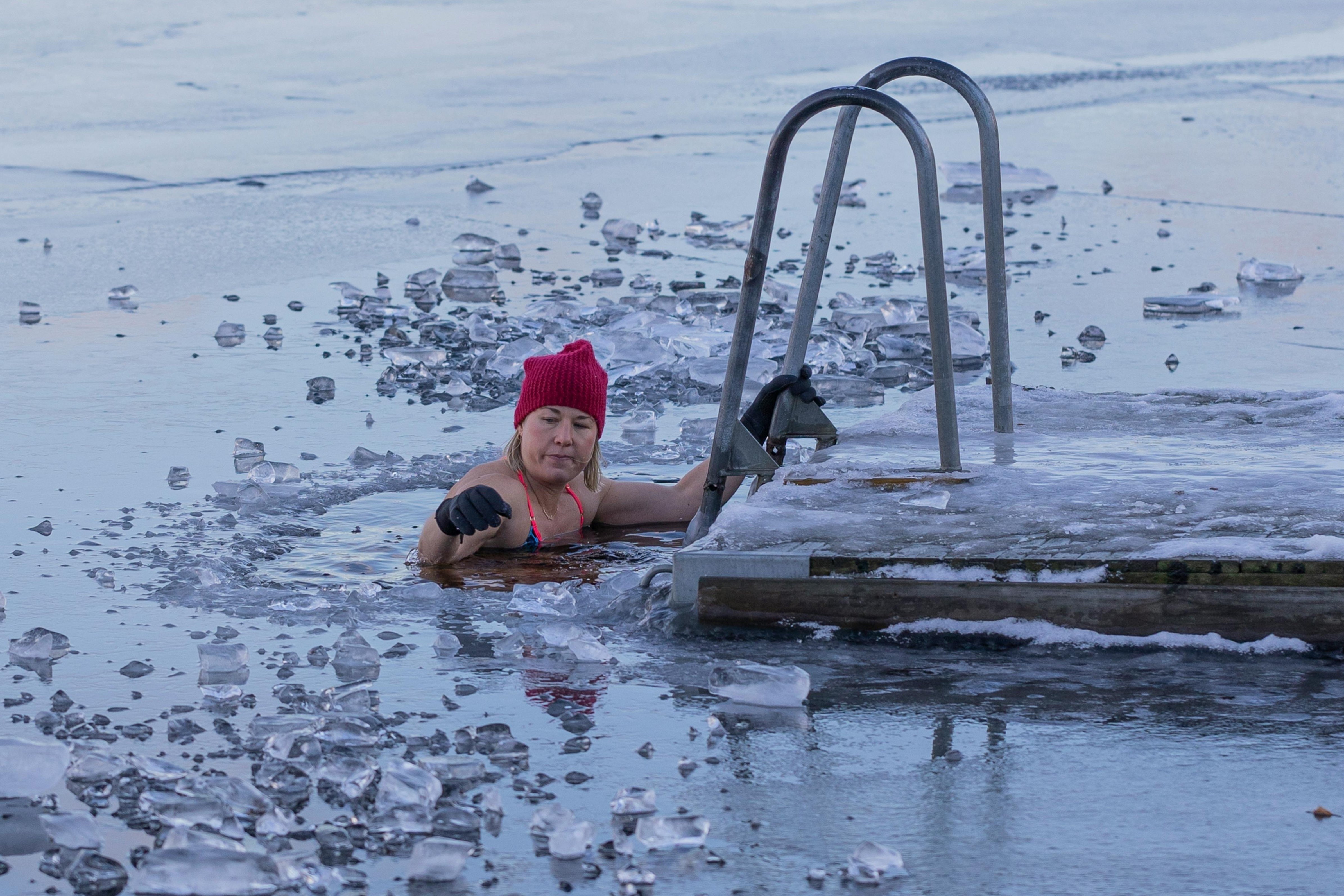
Here Are the Benefits of Ice Bathing

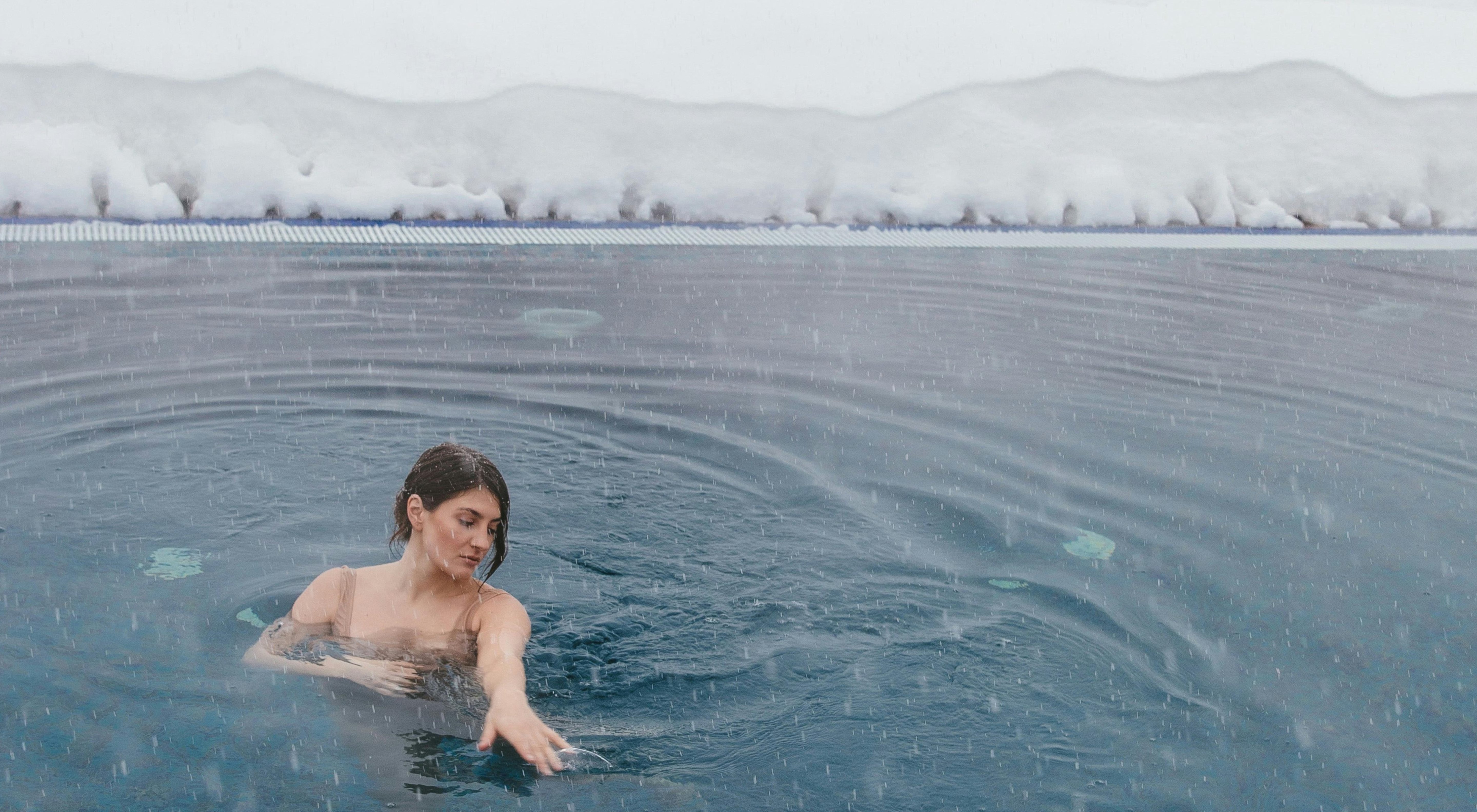
Ice bathing, ice swimming, winter swimming, or cold therapy is more than just a freezing-cold adventure—it’s a fascinating and increasingly popular practice that challenges both body and mind while offering numerous health benefits. A trend on social media, an important tool for recovery in professional sports, and a secret weapon for biohackers—everyone is jumping into the cold water. Many ice bathers also swear by the stimulating effect, which is said to reduce stress and boost energy.
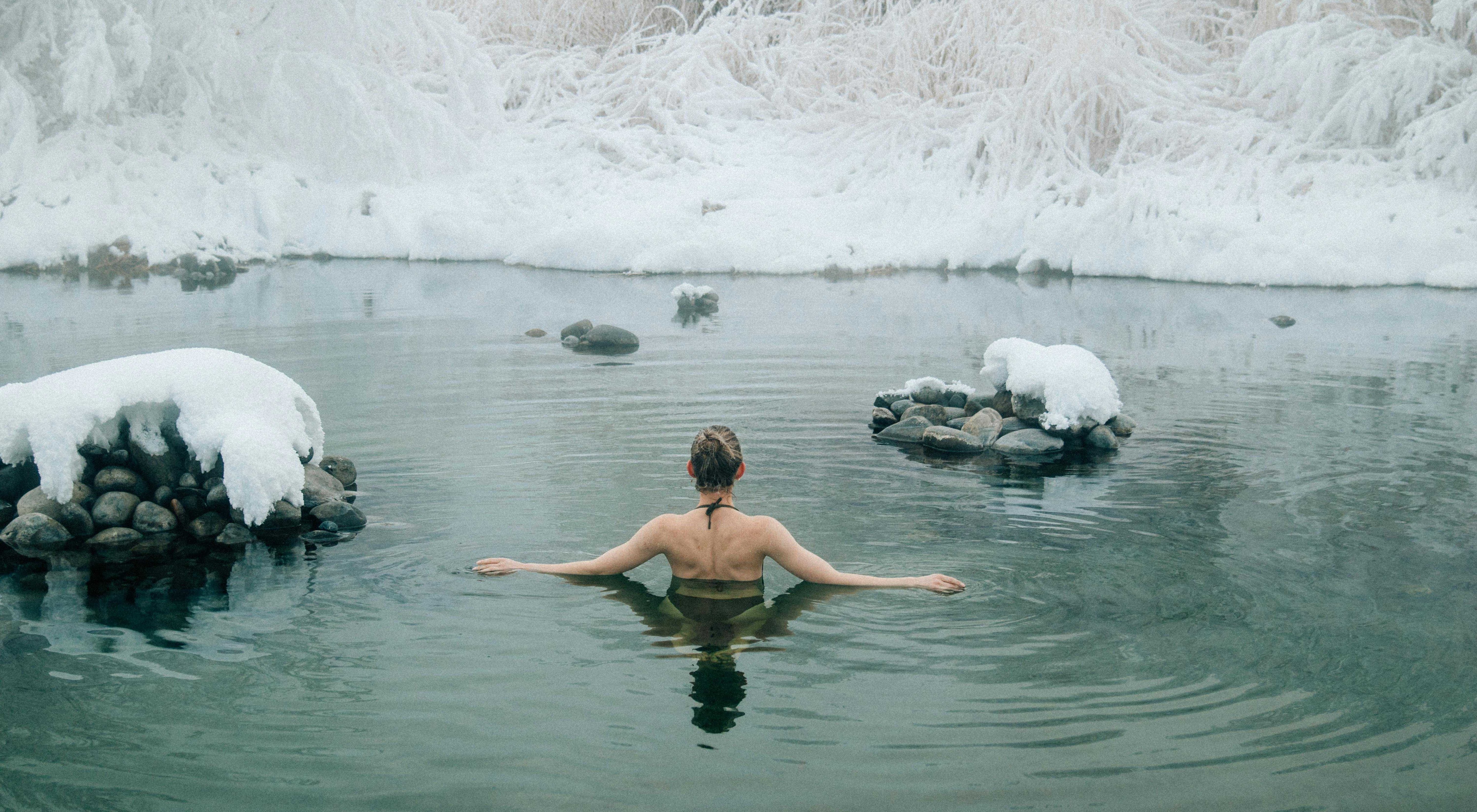

What Are the Benefits of Ice Bathing
It’s not just a test of courage or an adrenaline rush, nor is it a modern fad: ice bathing has a long tradition in many cultures. As far back as ancient times, cool baths and lakes were valued for their refreshing and invigorating effects. Today, ice bathing is making a comeback as a way to promote health and well-being.
But why should you even subject yourself to ice-cold water? The answer lies in the many health benefits for both men and women associated with ice bathing. The cold water boosts blood circulation, strengthens the immune system, and stimulates the metabolism. In addition, regular ice bathing is said to reduce stress, improve skin texture, and even enhance sleep quality. During ice bathing, the body is exposed to extreme temperatures, which acts as a kind of stress test for the nervous system . The body responds by releasing endorphins—the so-called “happiness hormones”—which not only create a euphoric mood but can also relieve pain. This natural effect makes ice bathing not only a physical challenge but also a mental one, with positive effects.
An important aspect of ice bathing is proper preparation and execution to achieve the greatest possible benefits while ensuring safety. There are various techniques for preparing the body for ice bathing, such as gradually acclimating to the cold or doing breathing exercises.
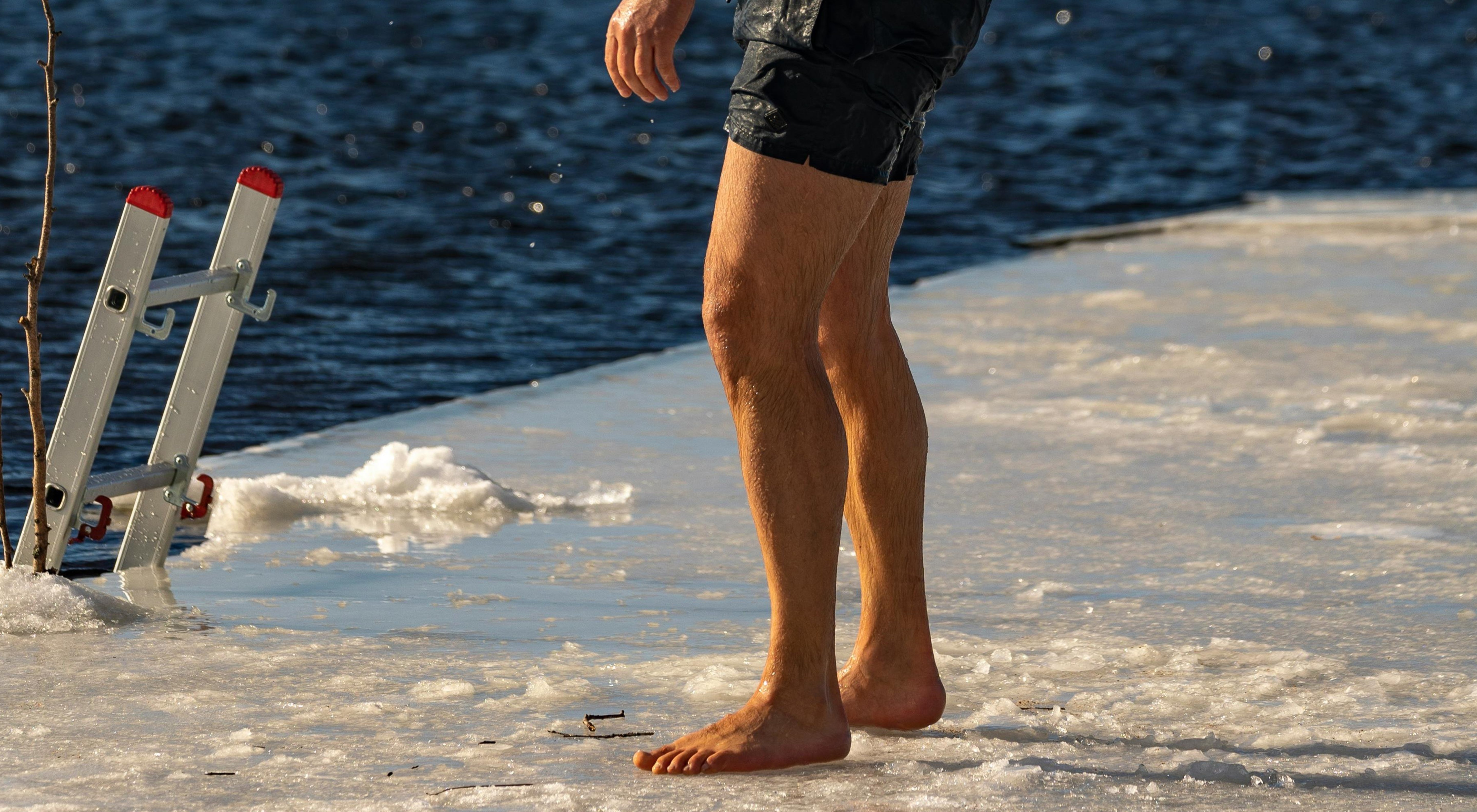
The Ice Bath and Its Effects
Ice bathing is often associated with strengthening the immune system. The alternation between warm and cold temperatures stimulates the production of immune cells that help the body fight off pathogens. There are now numerous studies and articles confirming the positive health effects of ice bathing. According to these, regular ice bathing is said to strengthen the immune system and reduce susceptibility to colds and other infections.
The ice-cold water causes blood vessels to constrict, and they dilate again after warming up. This alternation between constriction and dilation of the blood vessels promotes blood circulation and can help regulate blood pressure. Improved blood circulation is also good for the heart, as it optimizes the body’s oxygen supply.
The parasympathetic nervous system is a part of the autonomic nervous system that plays a key role in regulating various bodily functions, particularly during periods of rest, relaxation, and recovery. During ice bathing, the parasympathetic nervous system is especially important due to its relaxing and restorative functions.
Immersing oneself in ice-cold water during an ice bath exposes the body to a stressful situation. This leads to the activation of the sympathetic nervous system, causing the release of stress hormones such as adrenaline. This part of the autonomic nervous system prepares the body for the “fight-or-flight response,” a natural reaction to stress and danger. After ice bathing, the parasympathetic nervous system kicks in to calm the body and return it to a state of rest and recovery. The parasympathetic nervous system is often referred to as the “rest and digest” branch of the autonomic nervous system. It slows the heart rate, aids digestion, and relaxes the muscles. This calming effect of the parasympathetic nervous system helps restore the body’s balance after a stressful exposure to cold.
Ice bathing is often considered a form of cold therapy in which the alternation between cold and warm-up phases stimulates the body to adapt to varying conditions. This adaptability is also referred to as a hormonal effect. The parasympathetic nervous system plays a crucial role in regulating these adaptive processes by bringing the body into a state of relaxation after the stress of the ice bath.
It is important to note that the activation of the parasympathetic nervous system occurs not only during the ice bath but also in the minutes and hours that follow. This long-lasting effect supports the positive health benefits of ice bathing, including promoting relaxation, reducing stress, and improving sleep quality.

CELLIANT® converts body heat into infrared energy
Celliant®Ice baths can help relieve muscle and joint pain. The cold has an anti-inflammatory effect and can influence pain receptors. Athletes often use ice baths to shorten recovery time after intense training and reduce muscle soreness.
After a strenuous workout or unusual physical exertion, we often struggle with annoying muscle soreness. This is where ice baths come to the rescue. The cool temperatures during an ice bath promote blood circulation and thus the removal of lactic acid and other metabolic byproducts, which are partly responsible for muscle soreness. Athletes swear by regular ice baths because they can shorten recovery time and effectively relieve muscle soreness. The anti-inflammatory effect of the cold water also plays a role, reducing swelling and pain. So if you find yourself dealing with muscle soreness after an intense workout, a refreshing ice bath could be the solution.
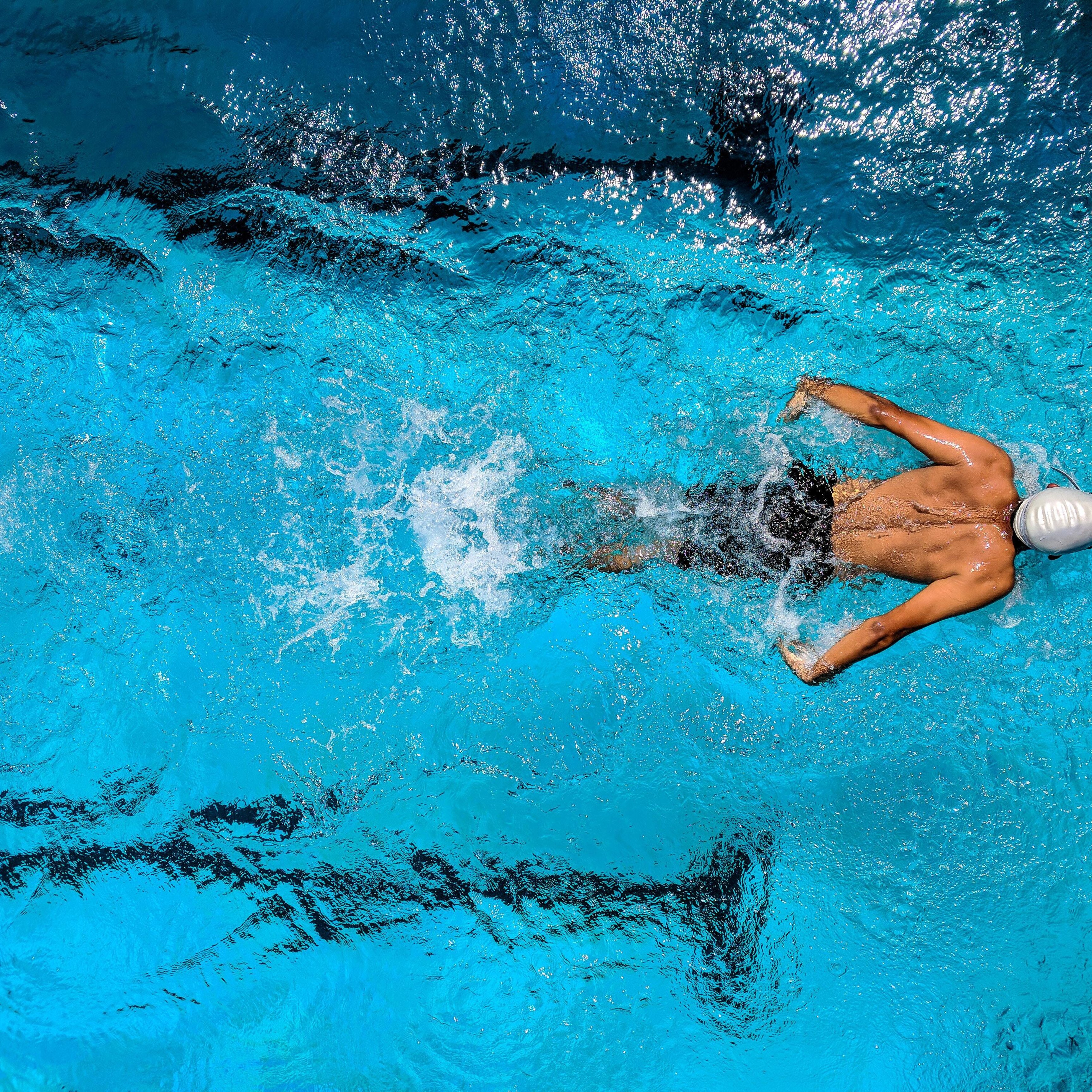
The idea that ice-cold water helps burn fat may sound surprising, but there’s actually a scientific explanation for it. During an ice bath, the body has to work harder to maintain its normal temperature. This requires energy, and the body burns calories. In addition, the cold activates certain fat tissue to generate heat, which can lead to additional fat burning. However, the effect on fat burning isn’t as significant as that of regular exercise and a balanced diet. Ice bathing can, however, be viewed as a supportive measure for a healthy lifestyle that stimulates metabolic activity and can thus also promote fat burning.

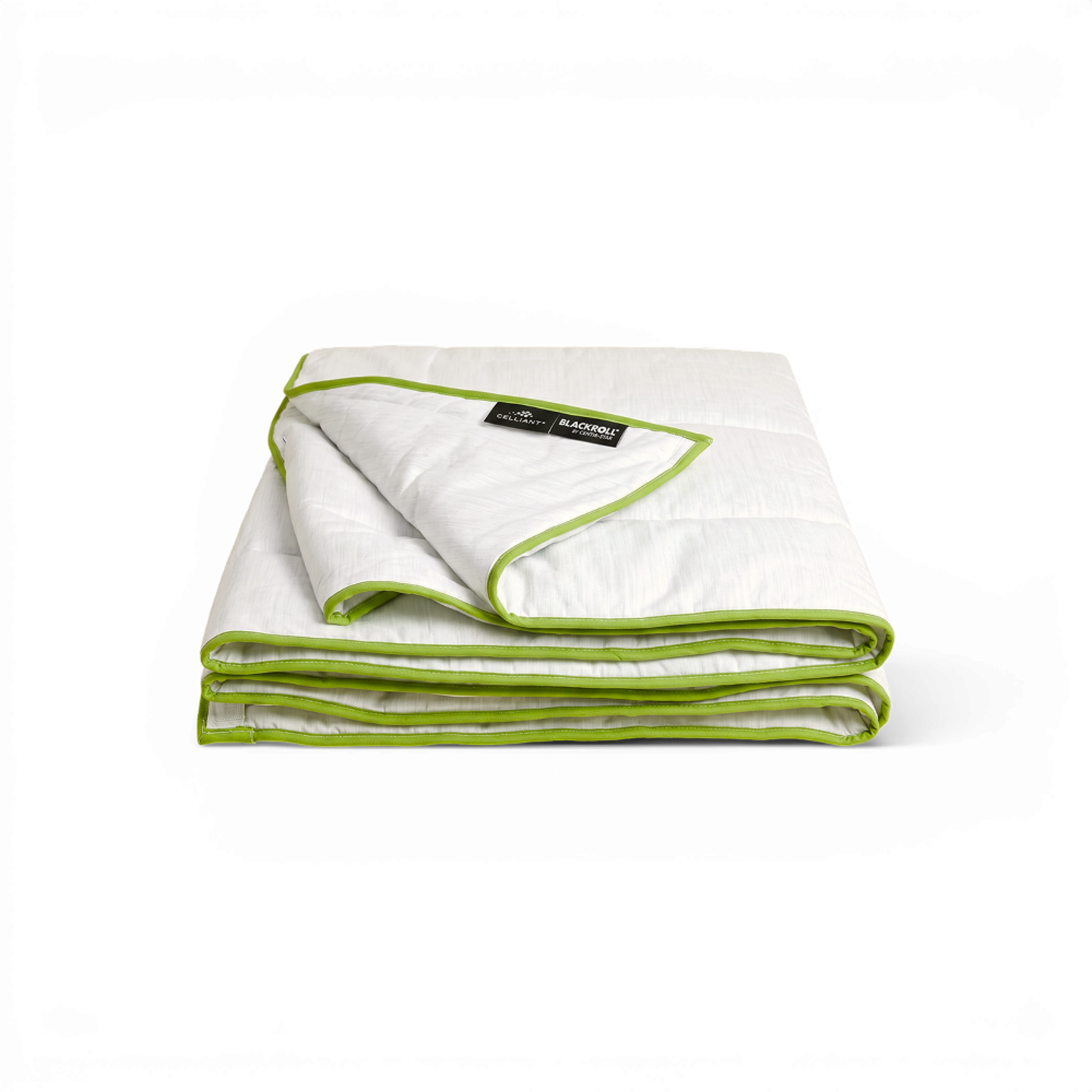
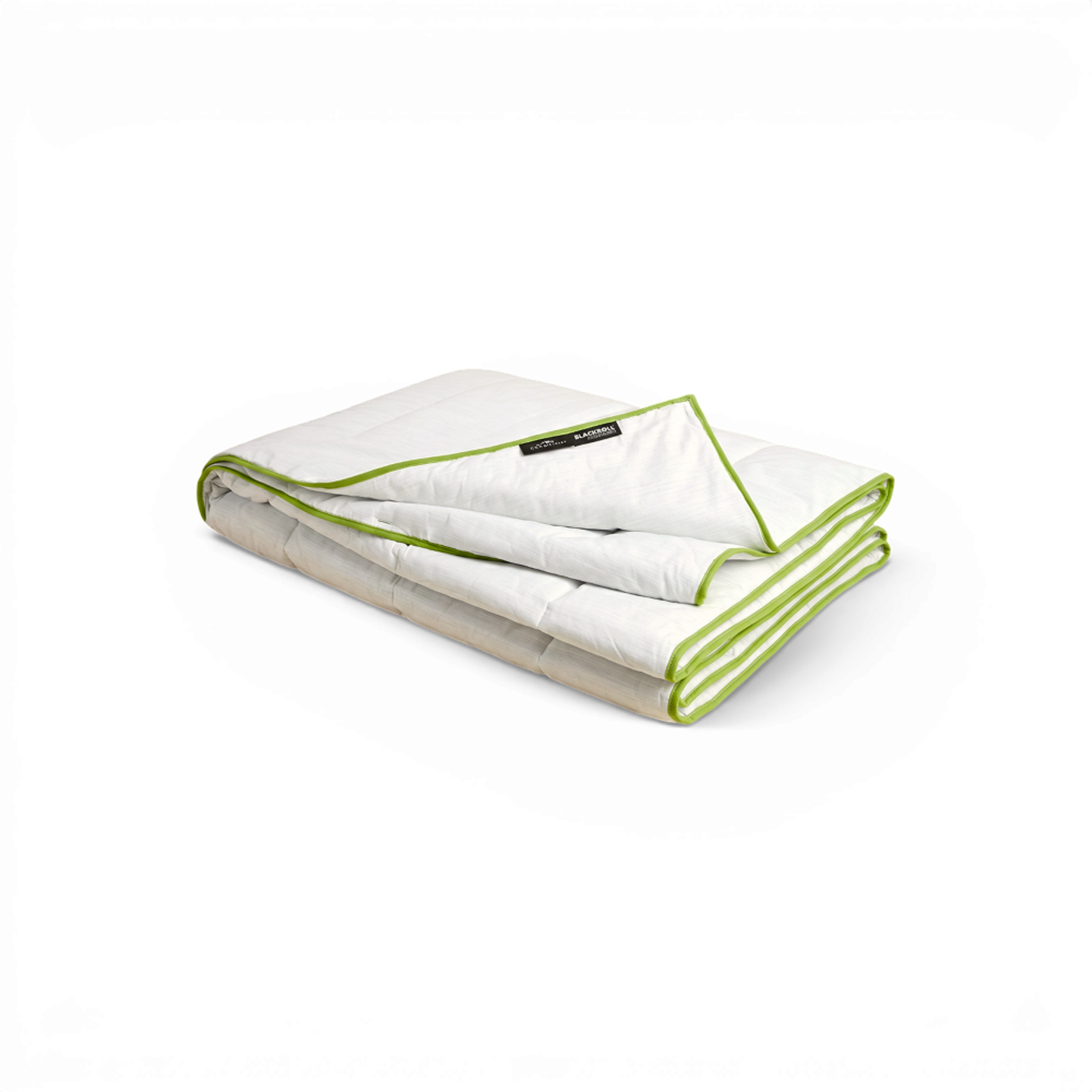
Recovery Blanket All Year
Available in multiple variants
Immersing yourself in ice-cold water may seem stressful at first glance, but it triggers a reaction in the body that helps reduce stress. Endorphins are released, creating a feeling of euphoria and relaxation. This natural stress management can enhance overall mental well-being in the long term.
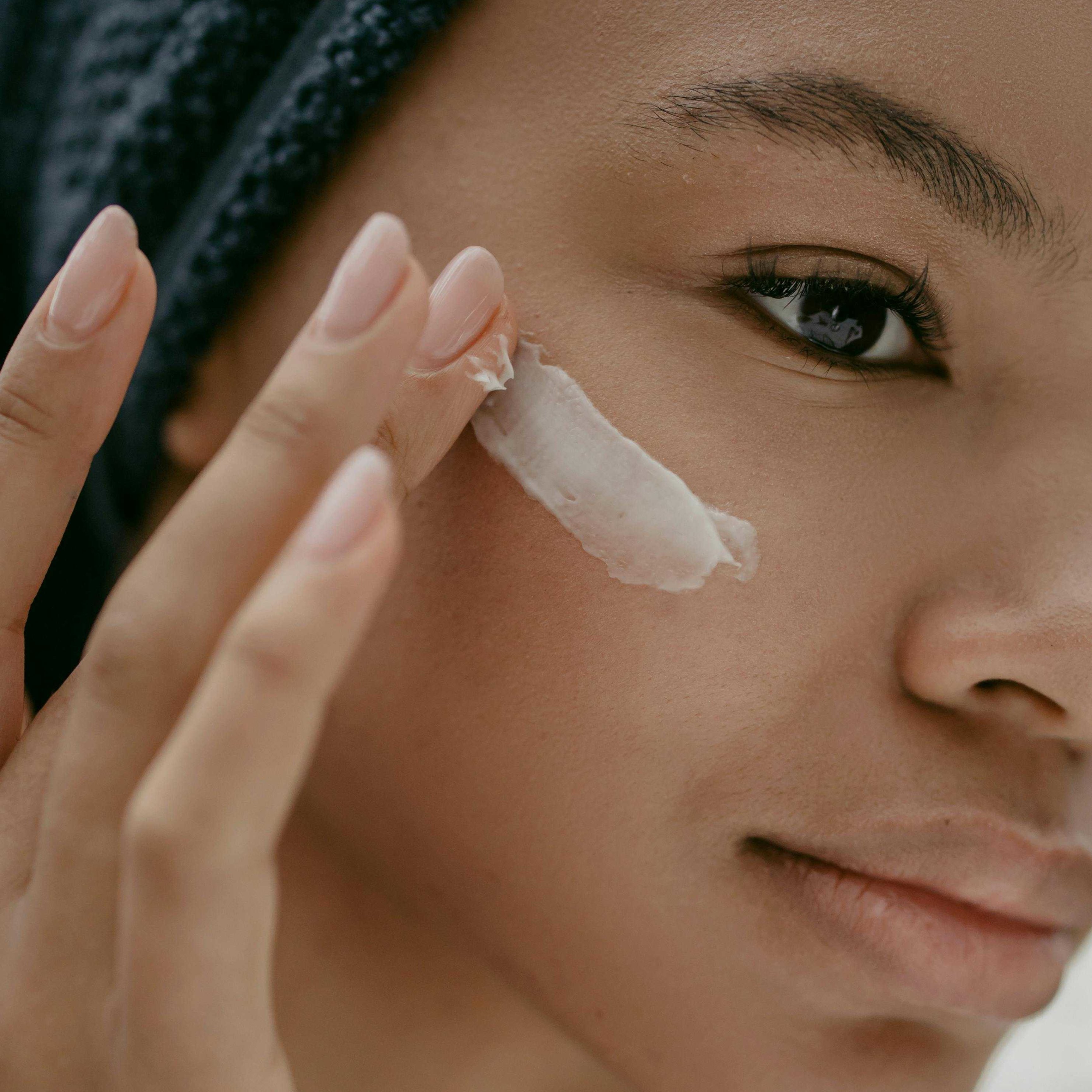
Cold stimulates blood circulation in the skin and can lead to skin firming. In addition, improved blood circulation promotes the elimination of toxins, which can contribute to a healthier complexion. Ice bathing is therefore also considered a form of natural skin care.
The perfect time for an ice bath. Before or after exercise?
Some enthusiasts love to take an ice bath before their workout. This has the advantage of preparing the body for the upcoming physical exertion. The cold temperature—around 0°C to 5°C—stimulates blood circulation, increases oxygen supply to the muscles, and improves flexibility. This can lead to improved performance during the workout and minimize the risk of injury. For many athletes, however, an ice bath after a workout is an effective way to aid recovery. The cool temperatures help reduce post-workout muscle inflammation and shorten recovery time. An ice bath promotes muscle recovery, relieves muscle soreness, and can help speed up overall recovery.
Ultimately, the decision depends on your goals for taking an ice bath. If you want to warm up and prepare for your workout, a short ice bath before training can be beneficial. On the other hand, a relaxing ice bath after your workout might be exactly what your muscles need to recover .
Whichever option you choose, always listen to your body. Individual differences play a major role, and it’s important to find the perfect time for your personal well-being. Treat yourself to this ice-cold pleasure and discover how ice bathing can become an invigorating part of your fitness routine.
Are there any risks associated with ice bathing?
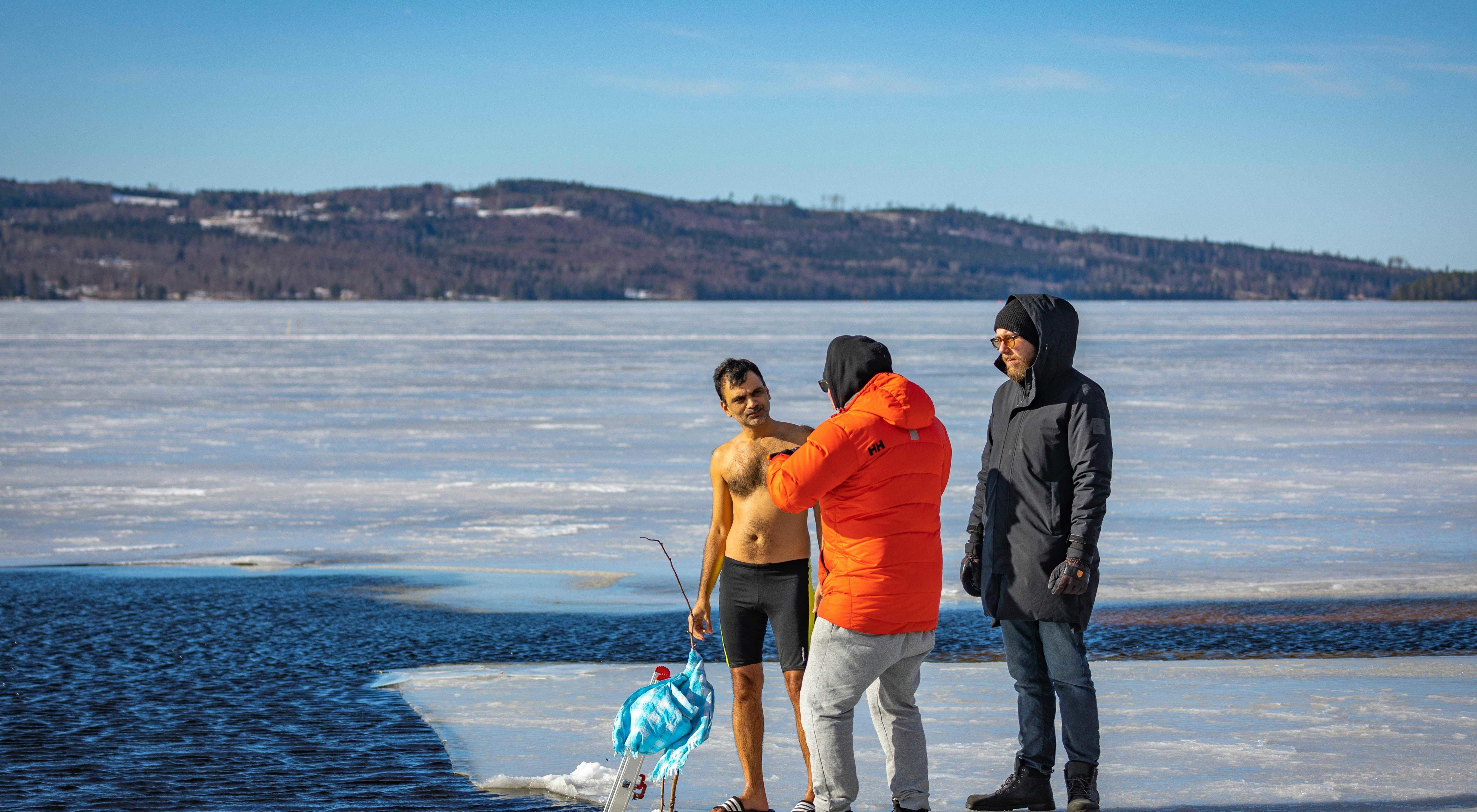
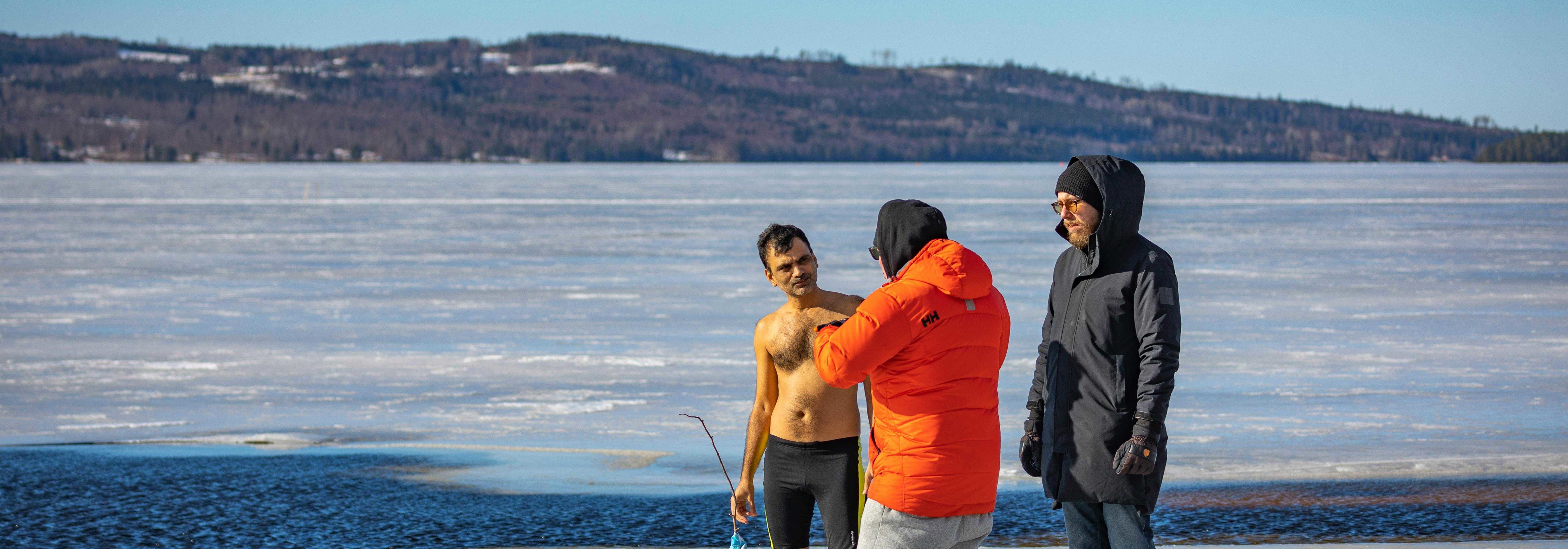
Ice bathing primarily offers health benefits. However, there are also potential risks associated with ice bathing that should be taken into account.
The risk of hypothermia is obvious. The extreme temperatures of the ice-cold water can lead to frostbite and, in some cases, life-threatening situations. It is important to monitor how long you stay in the cold water. At the first signs of feeling cold, you should warm up immediately.
People with existing cardiovascular conditions should exercise extreme caution, as ice bathing can place additional strain on the heart. If you have heart problems, sudden exposure to cold water can cause a spike in blood pressure, which can be risky. Before you start ice bathing, you should seek medical advice, especially if you have pre-existing conditions.
An ice-cold dip can lead to breathing difficulties, especially in people who are sensitive to cold air. If the body goes into shock, this can result in shortness of breath, hyperventilation, or even panic attacks. Thorough breathing preparation and gradually acclimating to the cold can minimize such risks.
In some cases, the body may react to the cold with uncontrolled responses. For example, this can result in rapid breathing or an increased heart rate. Such reactions can lead to accidents in the water, especially if you lose control of your body. An experienced companion or bathing in groups can serve as an additional safety measure in this regard.
It’s important to approach ice bathing mindfully and with consideration for your individual health conditions. Minimize risks through careful planning and mindfulness so that you can enjoy this icy adventure safely and to the fullest.
Techniques for Ice Bathing
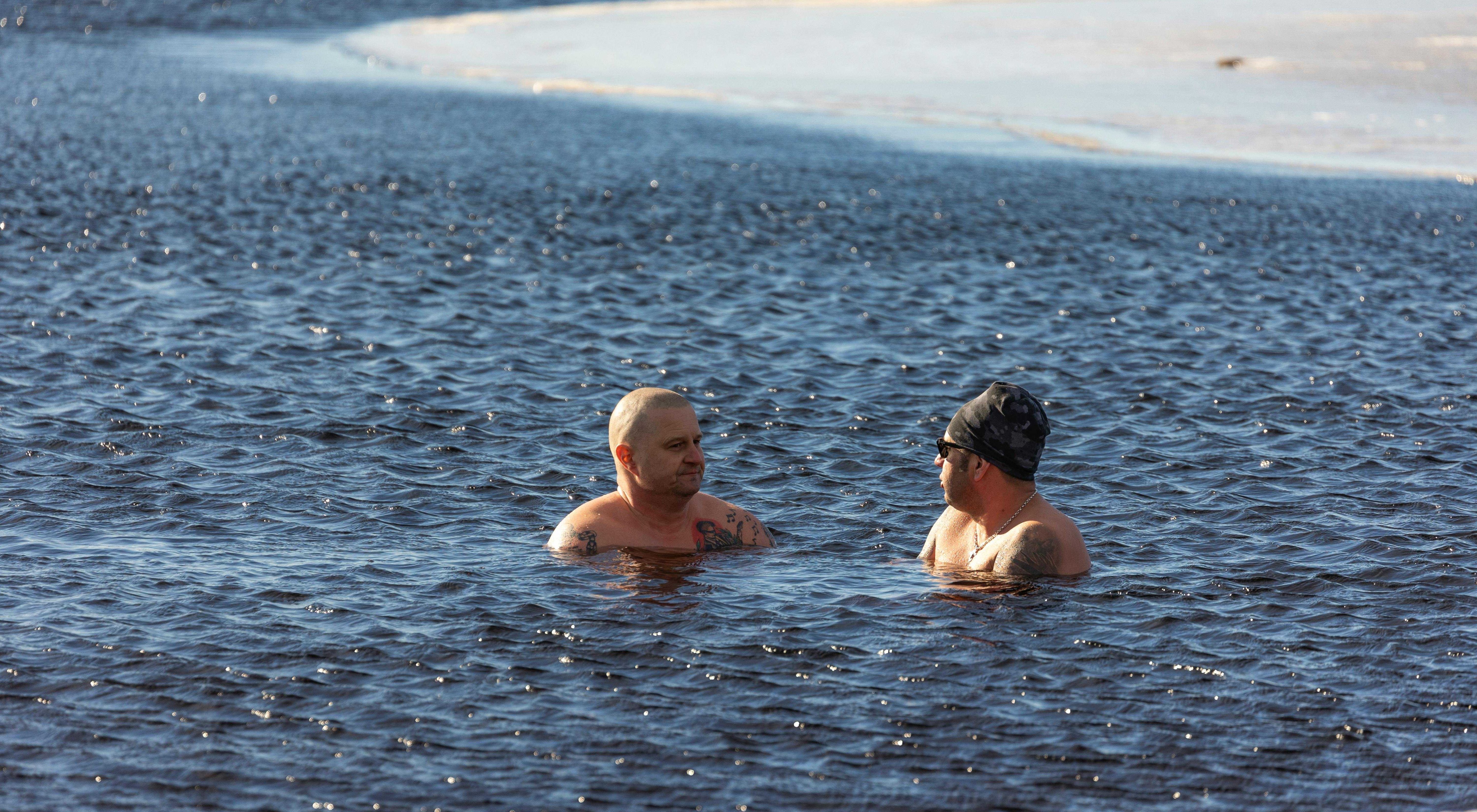
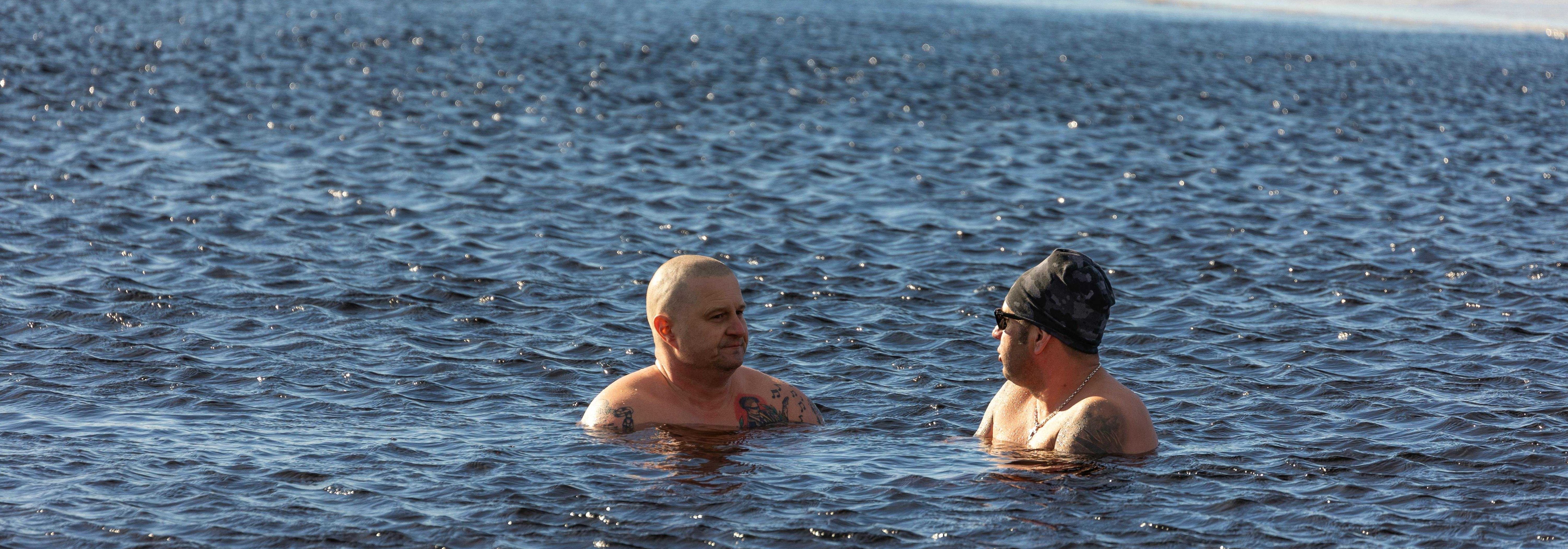
When ice bathing, it’s crucial to use the right tips and techniques to maximize the health benefits and minimize potential risks. A fundamental technique for ice bathing is gradually acclimating to the icy temperatures. Start with short periods in the cold water and gradually increase the duration as your body adapts to the cold. This allows your circulatory system to adjust to the changes and develop a more gentle response to the cold.
Breath control plays a crucial role in preparing for ice bathing. By taking deep breaths or practicing simple yoga poses before immersing yourself, you can better prepare your body for the challenge. Slow, controlled breathing helps prevent panic reactions and prepares the body for the temperature shock.
Before ice bathing, it’s advisable to prepare your body with a warm-up. Light physical activity stimulates blood circulation and improves the circulatory system’s ability to adapt to the cold. Stretching exercises can also increase flexibility and prevent muscle tension.
Before the actual ice bath, training in cool water can be an effective way to prepare. The body gradually acclimates to the lower temperatures. Cold-water training improves resistance to the cold and makes ice bathing a less shocking experience.
While ice bathing, it’s a good idea to keep your head above water. Ice bathing in a group not only provides a social experience but also adds an extra layer of safety. In a group, participants can support one another and watch for possible signs of discomfort or cold-related injuries. This increases safety and creates a supportive atmosphere. Additionally, you should always stay close to the shore or the entry point so you can quickly get out of the water in an emergency.
After ice bathing, it’s crucial to warm up your body quickly and effectively. To get your circulation going again and normalize your core body temperature, warm clothing, a hot shower, or warming up in a heated room can help.
With these proven techniques, you can make ice bathing not only safer but also a pleasant and invigorating experience. Be sure to listen to your body’s signals and needs and respect your individual tolerance for the cold, so that ice bathing can become a healthy and sustainable practice.

How long should you ice bathe?
The duration of the ice bath affects its effects. While there is no hard-and-fast rule—since the optimal time varies from person to person—it’s recommended to start with shorter sessions and gradually increase the duration. A typical ice bath often lasts between two and ten minutes.
During the first few sessions, the time spent in the cold water should be shorter. The body needs time to get used to the extreme water temperatures. As you gain experience, you can gradually increase the duration. It’s important to pay attention to your body’s reactions and end the ice bath in a timely manner if you start to feel unwell or overly cold, so that your body doesn’t go into cold shock. Gradual acclimatization plays a key role here as well. Start with short 30-second sessions and gradually increase the time. It’s advisable to listen to your own limits and extend the ice bath slowly, as individual tolerance to the cold varies.


Should you take a warm shower after an ice bath?
The question of whether it’s a good idea to take a warm shower after an ice bath is a point of debate among ice bath enthusiasts. It’s essentially a matter of personal preference, but there are a few considerations to keep in mind. The body cools down significantly after an ice bath, and it’s crucial to warm it up quickly to stabilize circulation and minimize potential risks. A warm shower offers an effective way to warm up the body and promote blood circulation. A gradual transition from cold to warm helps avoid abrupt temperature changes that could stress the body. A warm shower can also help relax muscles and relieve cold-induced aches. Furthermore, it facilitates the body’s return to a normal operating temperature. The shower temperature should be moderate to avoid a rapid rise in body temperature. A gentle transition from cold to warm helps the body recover efficiently and maximizes the positive effects of the ice bath. The decision to take a warm shower after an ice bath depends on individual preferences and personal well-being.
Conclusion
All in all, ice bathing is a proven method for promoting physical and mental health. The cool temperatures have a stimulating effect and offer a variety of health benefits. They strengthen the immune system, improve blood circulation, and relieve pain.
There are various techniques to ensure that ice bathing is safe and beneficial to your health. These include gradually acclimating to the cold, controlling your breathing, keeping your head above water, bathing in a group, and timing your session correctly before or after a workout.
However, ice bathing isn’t suitable for everyone, especially people with pre-existing medical conditions. If this applies to you, please consult a doctor and discuss the pros and cons with them to avoid taking unnecessary risks.
Ice bathing is definitely more than just an Instagram or TikTok trend. It’s a journey of self-discovery, an adventure that challenges the limits of your comfort zone while fostering a community of like-minded people. With the right preparation, technique, and mindfulness, ice bathing can become an enriching and sustainable practice. It’s a refreshing ritual that brings body and mind into harmony and supports the pursuit of health and well-being. Dive into the world of ice bathing and discover the invigorating power of cold water!