Grandma's 5 Best Home Remedies for Sleep Disorders

If you’re having trouble sleeping, you don’t have to reach for pills right away. We’ll introduce you to 5 home remedies from Grandma’s day that might help you get a good night’s sleep.
Do you suffer from sleep problems but want to try to manage them naturally first? Then it’s worth taking a look at Grandma’s home remedies. They’re often just as effective as sleeping pills, but they don’t have side effects and aren’t addictive. In this article, we’ll share the best natural remedies for sleep problems and explain their causes. After all, you could always count on Grandma, right?!
Causes of Sleep Disorders
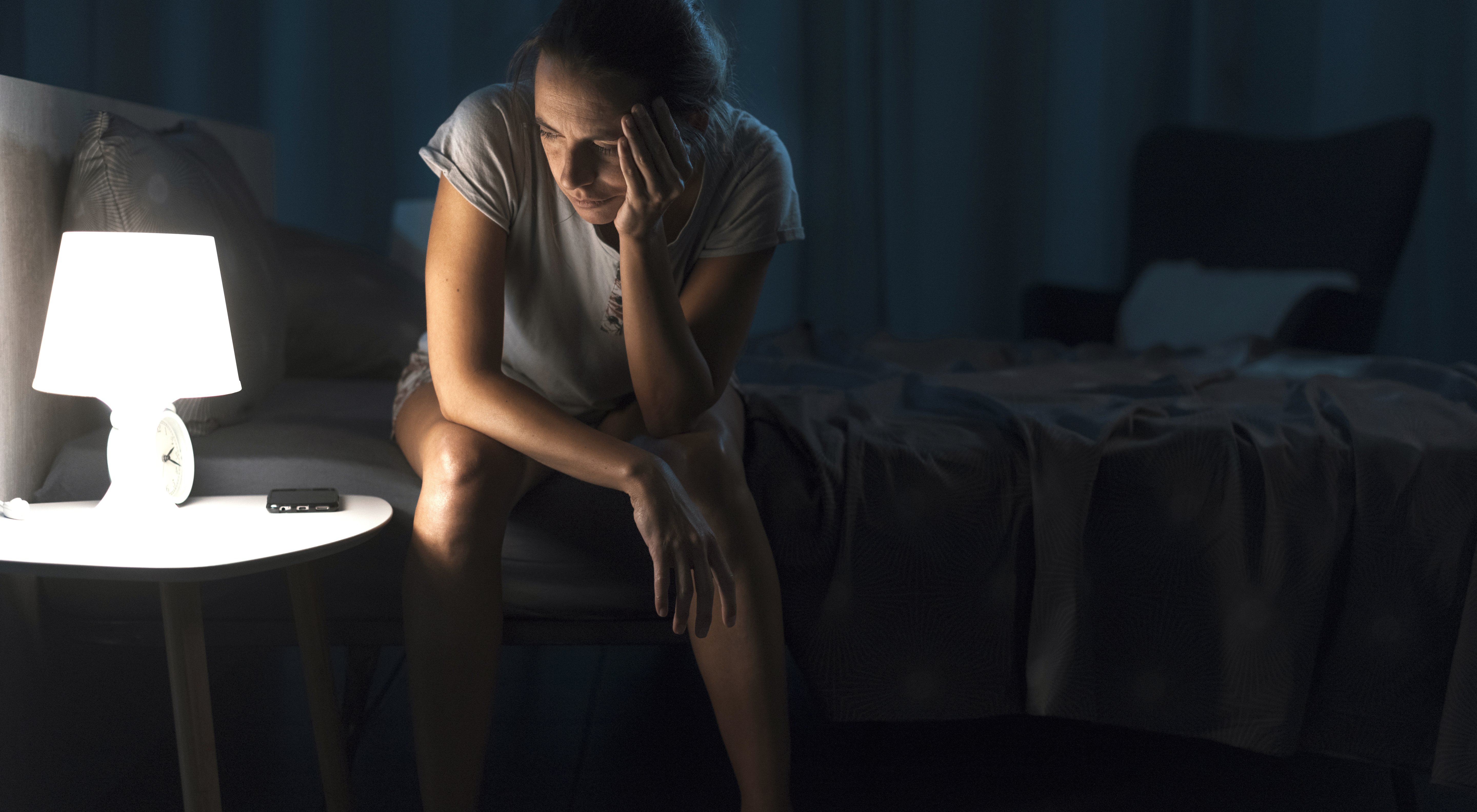
We all suffer from sleep disturbances from time to time. And that’s completely normal—as long as it’s just the occasional night of poor sleep and it doesn’t become a chronic condition. After all, unless there’s an underlying organic cause or psychiatric disorder, sleep problems usually subside quickly once the circumstances that led to them have passed.
Some common causes of insomnia are external (exogenous) factors. For example, disturbances such as light or noise, odors, jet lag, and shift work.
Poor sleep hygiene can also lead to you tossing and turning in bed at night instead of sleeping peacefully. For instance, an unsuitable mattress or the wrong pillow can result in a poor sleeping position, keeping you awake or repeatedly waking you up. But the blue light from electronic devices like tablets and smartphones—which we often take to bed with us—is also one of the factors that interfere with falling asleep—and this keeps pushing bedtime further and further back.
Acute psychological stress can also disrupt your sleep. For example, work-related and personal fears and worries that constantly occupy your thoughts and cause you stress.
You’ll notice the consequences of insomnia very clearly the next day: reduced resilience, difficulty concentrating, irritability, or headaches are just a few of the symptoms that result from not getting enough sleep. But before you immediately see a doctor or turn to chemically produced sleep aids, you can first try to manage your sleep problem with simple home remedies.
If, on the other hand, you have a diagnosed psychiatric condition, its underlying cause should be treated medically first. While our tips for sleep disorders (insomnia) can provide some support, they likely won’t be enough on their own to combat the problems. In this case, talk to your doctor or therapist about how to manage your sleep disorders and supplement that treatment with home remedies from grandma’s time. We’ll now introduce you to 5 home remedies for insomnia that have helped even our grandmothers enjoy sweet dreams.
Restful Sleep
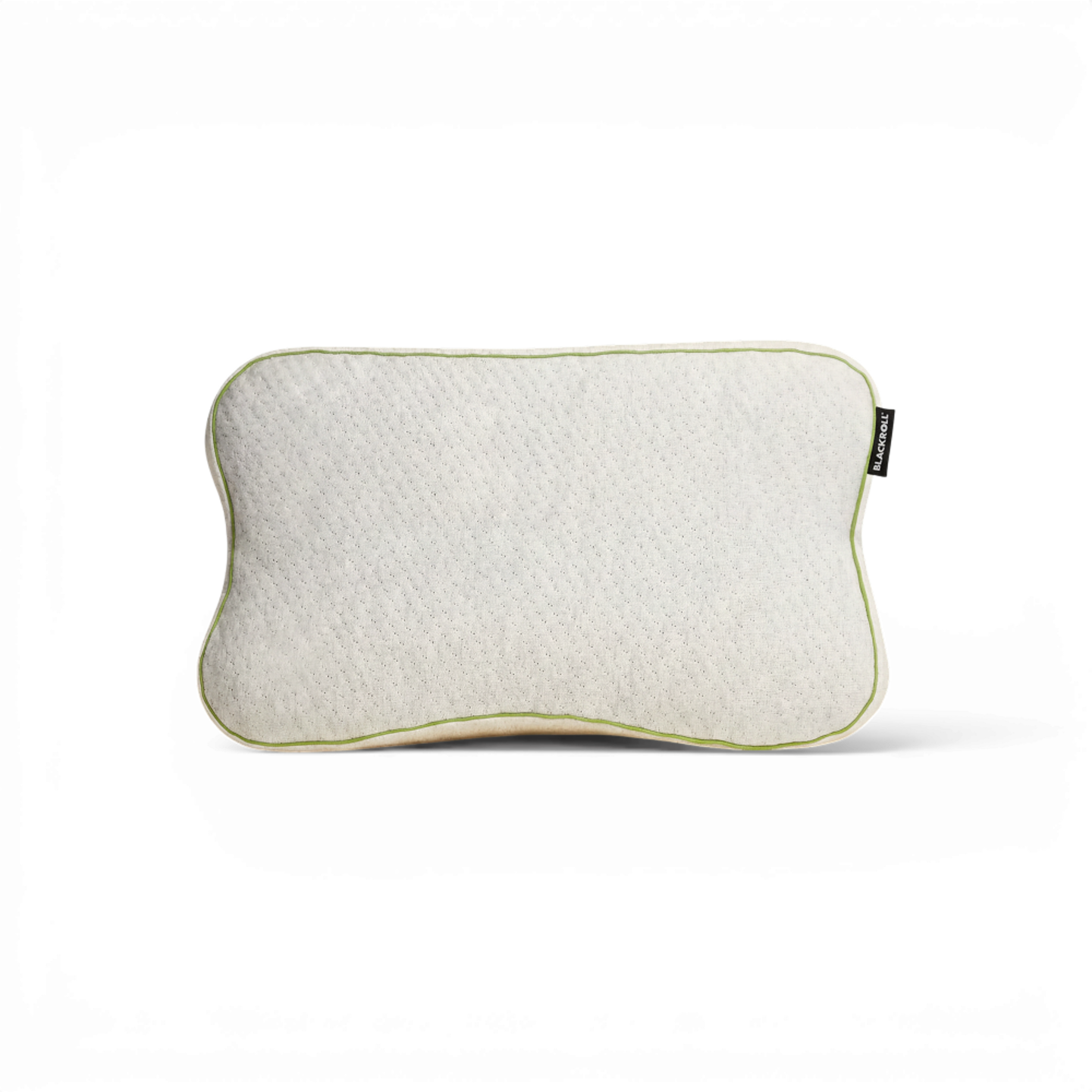

Recovery Blanket Summer
Available in multiple variants
Sleep Better: The 5 Best Home Remedies for Insomnia
There really is a herb for most sleep problems. And it wasn’t just our grandmothers who knew this—many generations before them did, too. After all, people are said to have used herbal medicine as far back as the Stone Age, and it has made its way through antiquity, the Middle Ages, and right through to our grandmothers’ time, all the way to the present day.
So if you often lie awake unable to sleep, you can take advantage of the relaxing effects of certain medicinal plants. They’re considered the perfect natural remedy for sleep disorders. Among the plants that even our grandmothers swore by are:
- Passionflower: Extracts of passionflower are said to stimulate receptors on nerve cells, including the benzodiazepine receptor, which triggers a calming and sleep-promoting effect.
- Valerian: Valerian also has properties similar to those of passionflower. Valerian has a direct effect on the central nervous system and acts as an anxiolytic, sleep-promoting, and calming agent. Valerian’s effectiveness stems from the fact that certain compounds in the valerian root inhibit the breakdown of gamma-aminobutyric acid (GABA) in the brain. Low GABA levels are associated with stress, anxiety, nervousness, and poor sleep.
- Hops: This member of the hemp family has a calming effect and is used as a home remedy for insomnia, as its compounds can regulate the sleep-wake cycle. Hops may have an effect similar to that of the body’s own sleep hormone, melatonin; however, no independent studies have yet been conducted that focus exclusively on the effect of hops on sleep. However, it has been scientifically proven that hops and valerian complement each other in their sleep-promoting effects when taken together. Taking combination supplements containing both plants may therefore be beneficial for sleep disorders.
- Lavender: It is considered THE medicinal plant par excellence when it comes to sleep disorders and has been used since the Middle Ages to help people fall asleep and stay asleep. The essential oils found in lavender block the release of the stress hormones norepinephrine and epinephrine and also prevent the breakdown of the “happiness hormone” serotonin. The result is a sense of calm and balance, making it easier to fall asleep. By the way, lavender oil is ideal for applying to the inside of your wrists before bedtime or for adding a few drops to a spray bottle filled with water to mist your pillow.
- Lemon balm: This plant is also used in herbal medicine to promote sleep due to its calming and anxiety-relieving effects, which are primarily attributed to its soothing essential oils.
- St. John’s Wort: This plant is not only used to treat anxiety disorders, depressive moods, and panic attacks, but its stress-reducing effects can also help with sleep problems by bringing the need for sleep back to the forefront.
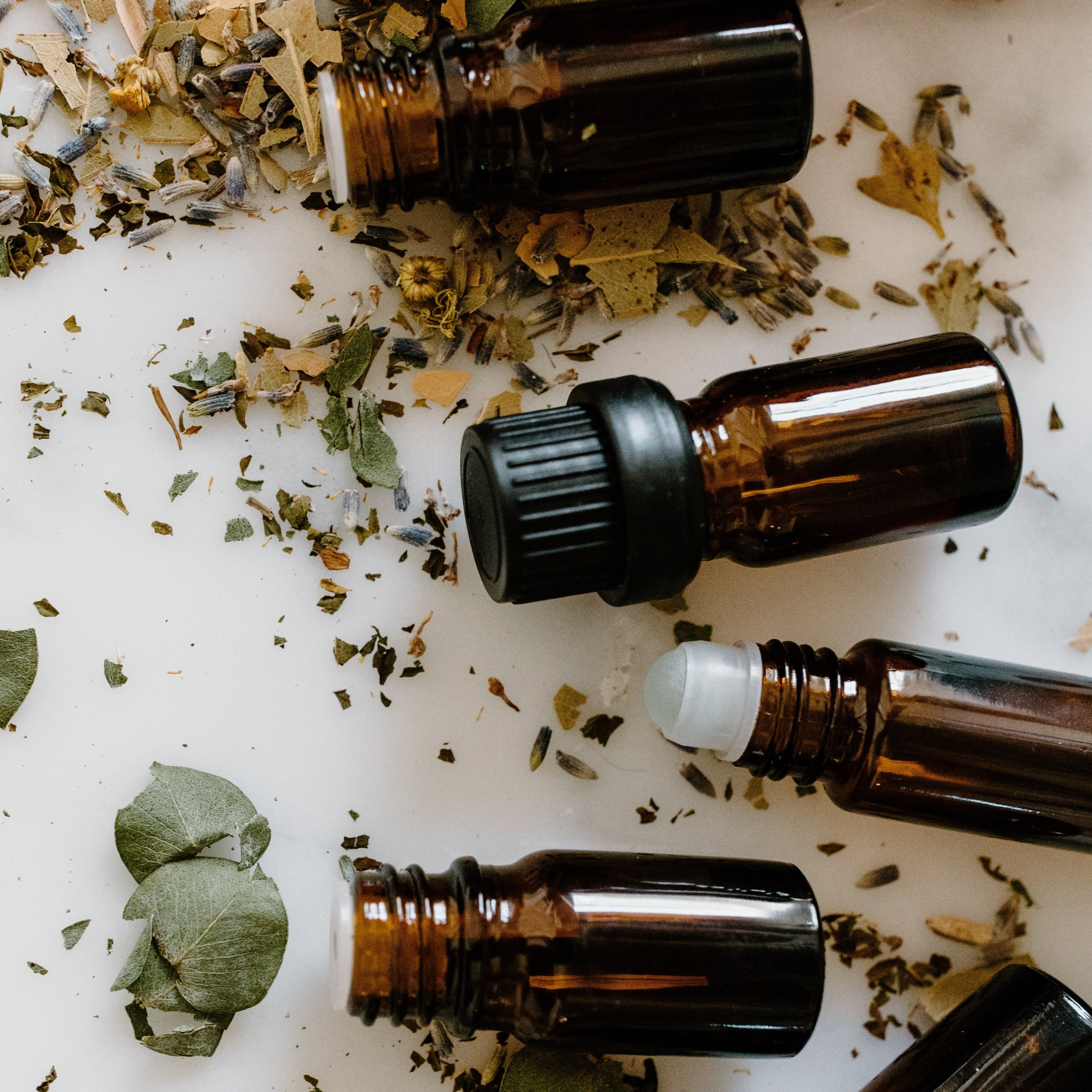
You can consume all of the medicinal plants listed here as tea, which contains the dried plant parts. It’s best to drink your cup of tea right before bedtime and remove any sources of distraction from the bedroom. Ideally, you should wind down before bed by reading a book or meditating and prepare your body for the night with a regular evening routine.
However, all medicinal plants are also available as supplements from pharmacies or drugstores, such as capsules or coated tablets. Keep in mind, though, that the effects of taking supplements containing medicinal plants are delayed, so you’ll usually only start to benefit from the positive effects after about two weeks. A little patience can therefore pay off.
Most of the medicinal plants mentioned are also processed into essential oils. If you add a few drops to an aromatherapy diffuser, the soothing scent will spread throughout the room. Alternatively, you can place the dried plants in a scented sachet and put it next to your pillow, use them as a room spray, or apply a few drops to your skin in the form of body oils and rub them in. When inhaled, these scents have a calming effect on the nervous system, thereby promoting relaxation.
"Knowledge of nature’s healing powers is deeply rooted in our culture. Chamomile tea, for example, is not only a beverage that brings calm and relaxation to our daily lives, but can also help us fall asleep. The calming effect of chamomile is scientifically proven and a wonderful example of how we can benefit from nature’s gifts."
Dr. Lutz Graumann, expert in regeneration

The combination of (warm) milk and honey is probably one of the best-known sleep aids from grandma’s day and has helped generations of children fall asleep—maybe even you.
Warm milk contains the amino acid tryptophan—a precursor to the sleep hormone melatonin—which, in turn, is particularly well absorbed by the body thanks to the honey. The only catch: A glass of milk is nowhere near enough for the body to produce sufficient tryptophan to have a sleep-promoting effect. Much larger amounts would be necessary for that. Furthermore, the sleep-promoting effect has not yet been scientifically proven.
However, anyone who was sent to bed as a child with a cup of warm milk and honey can still benefit from the soothing (placebo) effect. That’s because the sweet drink gives us a sense of comfort by evoking childhood memories—which can help us feel relaxed and balanced.

Treating yourself to a cozy, warm full bath before bedtime is an excellent way to prepare your body for the night ahead. Not only did our grandmothers know this, but it has also been confirmed by recent studies.
The warmth of the water (ideally 36 to 38 degrees) stimulates blood circulation, dilates blood vessels, and ensures efficient nutrient transport in the blood. This also relieves tension throughout the body, which has a relaxing and balancing effect on both body and mind and reduces stress.
If you also add bath products containing lemon balm, lavender, or hops to your bath, the scent of the essential oils can help you relax even more.
It’s best to have everything ready so you can slip into bed right after your bath, and try not to let your smartphone, TV, or tablet distract you again. If you don’t want to fall asleep right away, read a few more pages of a book to really get yourself drowsy.

The temperature of your feet can also have a significant impact on how tired you feel and how well you sleep afterward. When your feet are wrapped up warmly or warmed by a foot bath, blood circulation is stimulated, causing the blood vessels in your feet and legs to dilate. As your feet then release heat, your body temperature drops, and this drop in temperature eventually makes you feel sleepy.
Incidentally, the idea that warm feet trigger the process of falling asleep isn’t just something our grandmothers passed down—it comes from none other than Pastor Sebastian Kneipp. You may be familiar with his name. Not only was he the inventor of water treading (known as Kneipp therapy), but as early as the 19th century, he recognized that warm foot baths can work wonders for people with sleep problems due to their soothing effects. Just like with a warm full bath, foot baths with essential oils can enhance the effect even further. One of the best-known bath additives is Allgäu mountain pine.
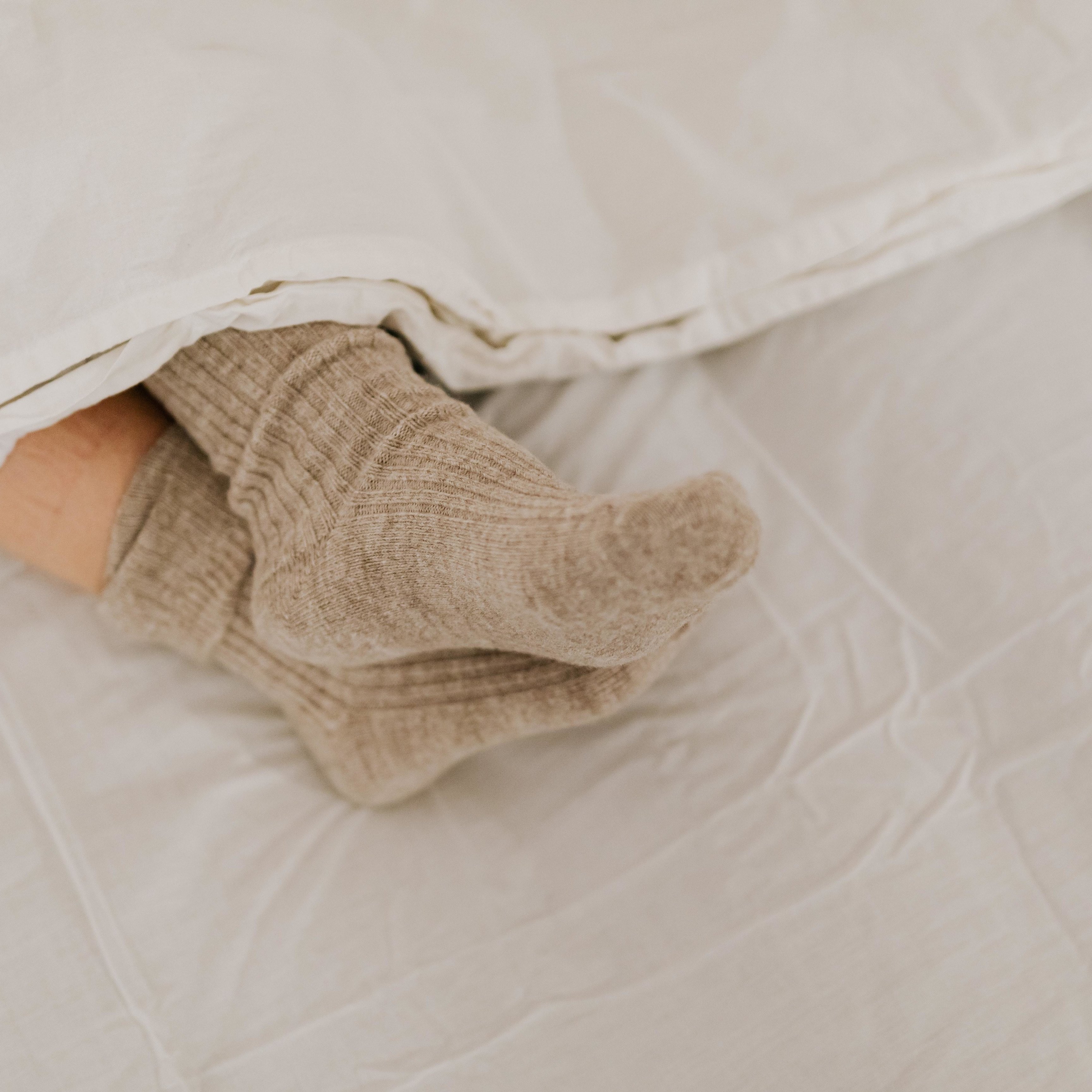
Right after your warming foot bath, wrap your feet in thick wool socks and snuggle into bed to reap the benefits.
By the way: Even though wearing socks in bed may have a bad reputation in some situations, science confirms that they promote sleep for anyone who wears them at night. In the summer, however, heavy sweating at night can cause sleep disturbances.
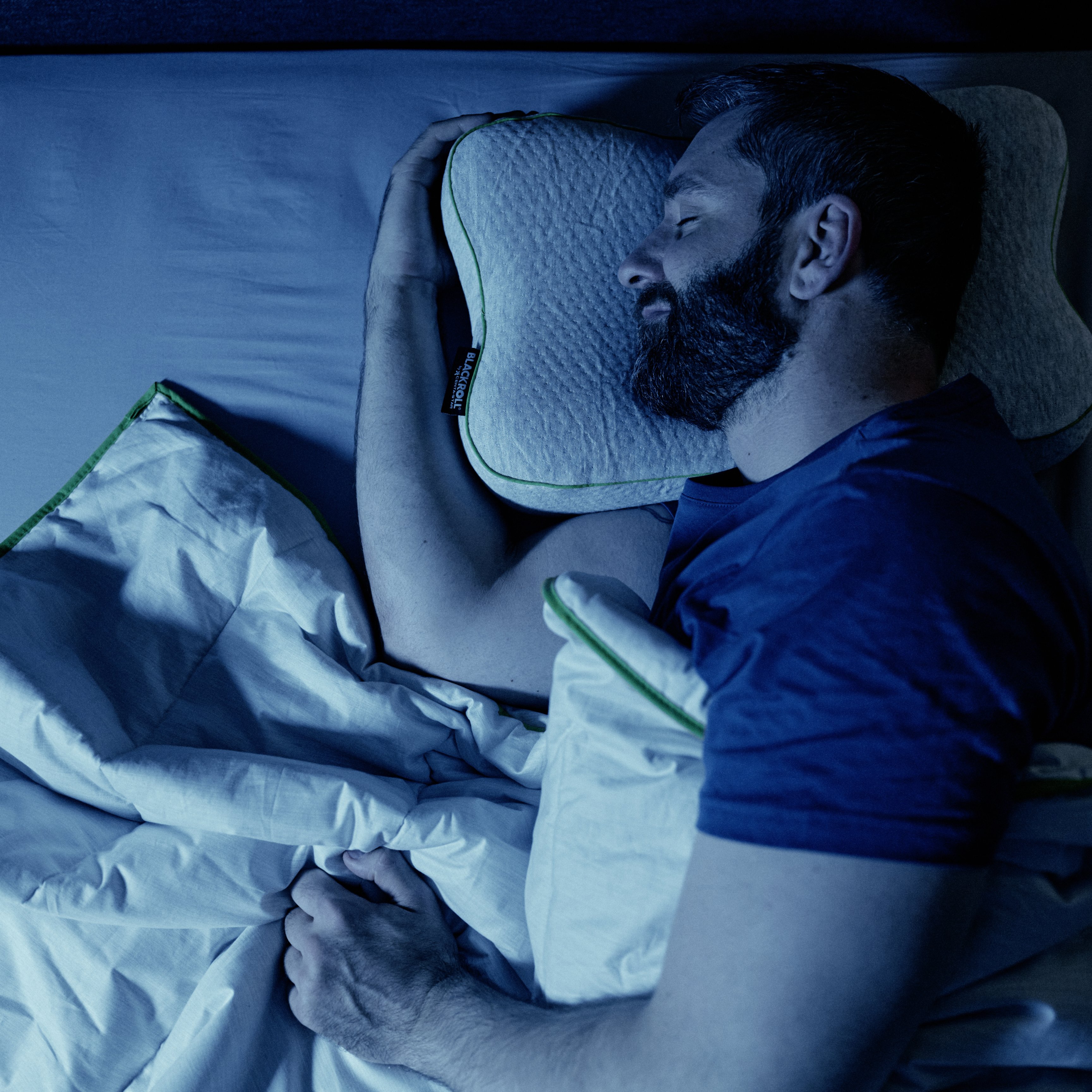
Our grandmothers have long preached that we should pay attention to our sleep environment and eliminate sources of disturbance. The following lifestyle changes can help with insomnia:
- Maintain a regular sleep schedule (ideally even on weekends).
- Keep the bedroom cool (about 18 degrees).
- Remove sources of light and noise from the bedroom.
- Avoid alcohol, nicotine, and caffeine a few hours before bedtime.
- It’s better to schedule intense exercise, such as HIIT training or strenuous cardio workouts, for the morning.
- Keep electronic devices such as TVs, smartphones, or tablets out of the bedroom.
- Don’t take long naps during the day (a 20- to 30-minute power nap is enough).
- Don’t force yourself to fall back asleep. Instead, get up and distract yourself with monotonous activities, such as ironing or washing dishes.


Homeopathic sleep aid
Homeopathic remedies are also available to help you sleep through the night. Although there is no scientific evidence for how homeopathic remedies work (as is also the case with some of the home remedies described above), researchers believe they work through the placebo effect, which, in turn, has been well documented. Whether you turn to homeopathy to sleep better is therefore a matter of personal belief.
Homeopathic remedies are often available in the form of globules. These are small pellets made of cane sugar that are coated with a homeopathically potentized active ingredient. From the perspective of alternative medicine, the following are said to help you fall asleep and stay asleep:
- Ambra
For a constantly spinning carousel of thoughts, irritability, nervousness, and rumination - Carcinosium
For psychologically induced insomnia. - Ignatia
For light sleep that causes you to wake up repeatedly throughout the night. - Valeriana officinalis
For inner nervousness, restlessness, and worry. - Chamomilla
For emotional overstimulation or irritability. - Passiflora incarnata
For nervousness, anxiety, or overexcitability. - Coffea
For overstimulation of the mind and body.
You can find out which homeopathic remedies are appropriate for your situation by consulting a homeopath or naturopath, as well as doctors who practice homeopathy. They will also explain the dosage and how this alternative medical treatment works. Keep in mind, however, that homeopathic remedies are not miracle cures and do not work the same way for everyone.
Conclusion
Unless you’ve been diagnosed with a sleep disorder or psychiatric condition, you can effectively manage your sleep problems with grandma’s home remedies—even without sleeping pills. In most cases, difficulty falling asleep or staying asleep can be alleviated by making changes to your sleep environment and establishing bedtime rituals. However, if your symptoms persist for more than a month and occur at least three times a week, and if you feel severely limited in your daily life due to the effects of poor sleep, you may have a “real” sleep disorder. In this case, you should seek help from a sleep specialist, psychologist, or psychiatrist. Once the cause of your problems is identified, you’ll quickly start to feel better and regain more energy in your daily life.
For a Restful Night’s Sleep