
Cortisol: Why the Stress Hormone Makes You Age Faster—and What You Can Do About It

Stress is everywhere—and we often just accept it. But what many people underestimate is that cortisol, our primary stress hormone, is far more than just a short-term survival mechanism. If it remains elevated over the long term, it can quietly and insidiously accelerate our neural aging, weaken the immune system, and throw our metabolism out of balance.
The good news? You’re not helpless against this. With targeted bodywork, mindful breathing, and simple daily routines, you can regulate your cortisol levels over the long term—and thereby actively influence your longevity.


What is cortisol?
Cortisol is a hormone produced naturally by the body in the adrenal glands. It belongs to a class of hormones known as glucocorticoids and plays a central role in the body’s stress response. During short-term stress, this so-called “stress hormone” helps provide energy, regulate blood pressure, and control inflammation —a vital survival response often referred to as “fight-or-flight” mode.
However, problems arise when this state persists over the long term. Chronically elevated cortisol levels are considered a risk factor for numerous health problems—ranging from sleep disorders and weight gain to premature cellular aging.


What does cortisol do in the body?
Cortisol is a steroid hormone that does much more than just respond to stress. It regulates energy balance, influences blood sugar, has anti-inflammatory effects, and helps prepare the body for acute stress situations. At the same time, it controls important rhythms throughout the day: In the morning, cortisol levels rise to make us alert and active—in the evening, they drop so the body can rest.
However, if this natural rhythm is disrupted by chronic stress, cortisol levels remain persistently elevated. The result: an internal imbalance that accelerates aging. Among the known effects are:
- Chronic inflammation: High cortisol levels can promote low-grade inflammation in the body—a risk factor for many age-related diseases.
- Oxidative stress (ROS): Cortisol promotes cell-damaging molecules that can accelerate aging processes.
- Telomere shortening: Cortisol can cause telomeres—the protective caps at the ends of our DNA—to shrink more rapidly. This accelerates the biological aging process.
This interplay creates a toxic biological environment that impairs both cellular health and the function of the brain, immune system, and metabolism.
In short: Cortisol regulates our circadian rhythm and helps us cope with acute challenges. But under chronic stress, it has the opposite effect—the stress hormone promotes inflammation, cell damage, and premature aging.
More articles on stress








Cortisol and Its Effects on the Mind
Cortisol affects not only the body—but also our thoughts, feelings, and behavior. In the short term, elevated cortisol levels can sharpen our attention, increase our reaction speed, and help us cope with stress. But when cortisol levels remain high over the long term, this effect reverses: our mental health suffers.
Chronically elevated cortisol can:
- reduce stress tolerance and intensify feelings of being overwhelmed.
- causesleep disturbances, particularly difficulty falling asleep and staying asleep.
- inhibit the formation of new nerve cells in the hippocampus, which can impair memory.
- be linked to a higher risk of depression, anxiety disorders, and burnout.
- disrupt emotional regulation, often leading to irritability, inner restlessness, or mood swings.
The close connection between cortisol and psychological well-being explains why stress management is so crucial for mental health —and vice versa: Those who can cope well with stress also protect their brains from premature aging.
In a nutshell: Cortisol influences our emotional balance. Chronically elevated levels of this stress hormone not only weaken mental well-being but can also impair cognitive performance and mental resilience in the long term.




Cortisol Levels Throughout the Day
Cortisol follows a natural circadian rhythm— a finely tuned pattern that regulates our energy, alertness, and recovery throughout the day.
Natural Cortisol Rhythm: High in the Morning, Low in the Evening
Early in the morning, about 30–45 minutes after waking up, cortisol levels peak—the so-called cortisol awakening response. This promotes alertness, metabolic activity, and mental clarity. Afterward, levels decline steadily throughout the day and are lowest in the evening—ideal for rest and sleep.
However, this rhythm can be disrupted by chronic stress, shift work, lack of sleep, or jet lag —affecting energy levels, mood, and health.
Measuring Cortisol: When It Makes Sense—and When It Doesn’t
Cortisol can be measured in saliva, blood, or urine. Saliva tests are particularly popular because they are non-invasive and can be performed multiple times throughout the day. However:
- Single measurements are hardly meaningful, as cortisol levels fluctuate widely.
- Results depend on the time of day and the situation (e.g., sleep, stress, exercise).
- Long-term patterns can only be identified through multiple, standardized measurements.
Therefore, don’t rely too heavily on “biohacking numbers”; instead, pay attention to your subjective experience. If you often feel overwhelmed, constantly tired, or irritable, this could be a sign of cortisol dysregulation—regardless of your lab results.
In summary: Cortisol follows a natural rhythm that regulates energy, alertness, and recovery throughout the day. Measurements are possible, but their significance is limited. More important are noticeable changes in your daily life.
Articles on relaxation techniques


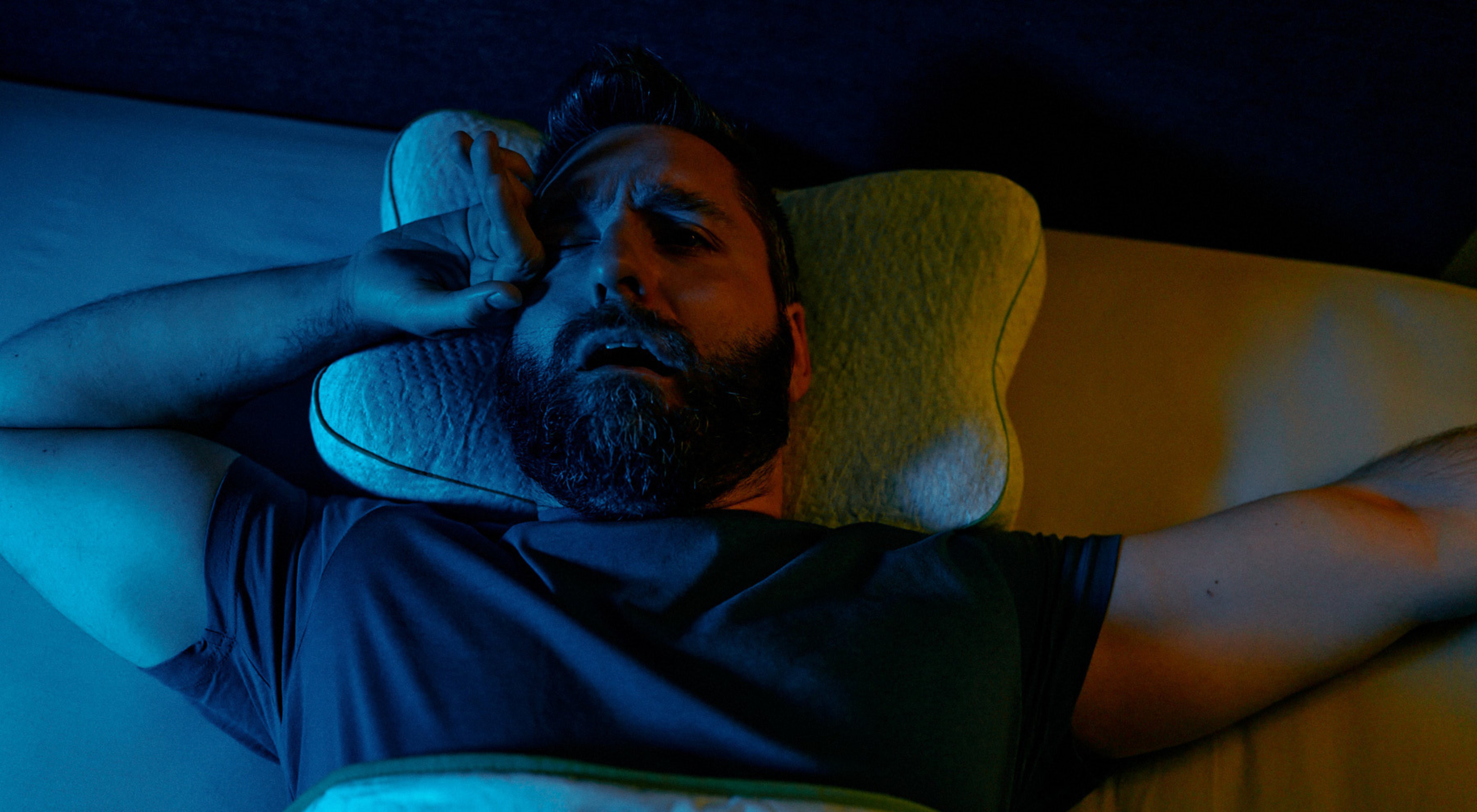

High cortisol levels – typical symptoms
Persistently elevated cortisol levels can throw the entire body out of balance. The consequences are multifaceted—ranging from sleep problems to metabolic disorders and even neural aging. Here is an overview of the most common signs:
Sleep Disorders
Cortisol is closely linked to the sleep-wake cycle. Elevated levels in the evening make it difficult to fall asleep and lead to frequent nighttime awakenings. This fragmented sleep, in turn, prevents an effective nighttime drop in cortisol levels—creating a vicious cycle that leads to chronic fatigue over the long term.
Visceral Abdominal Fat & Metabolic Syndrome
Cortisol promotes the storage of fat in the abdominal cavity —so-called visceral fat. This fatty tissue is particularly hormonally active and is associated with an increased risk of insulin resistance, type 2 diabetes, and cardiovascular disease. Blood pressure and cholesterol levels can also be negatively affected by chronically elevated cortisol.
Together, these factors can lead to what is known as metabolic syndrome —a cluster of risk factors comprising visceral fat, high blood pressure, elevated blood sugar, and unfavorable blood lipid levels. It is considered one of the strongest predictors of heart attack, stroke, and diabetes.
Weakened Immune System
Cortisol initially has an anti-inflammatory effect in the body—which is beneficial during short-term stress. However, if the hormone is released in high amounts over the long term, this effect reverses: the immune system is weakened, while the body’s overall susceptibility to inflammation increases. This imbalance, often referred to as “inflammaging,” is a major driver of many age-related diseases and is considered a key characteristic of accelerated biological aging.
Neural Aging
Chronically elevated cortisol levels are among the silent accelerators of biological aging. While the hormone is vital in acute stress situations—it mobilizes energy and helps us maintain our performance—it becomes increasingly harmful when released over the long term. Studies show that persistently high cortisol levels can cause the hippocampus to shrink, weaken memory, and increase the risk of dementia.
The effects go even further: Chronic stress disrupts mitochondrial energy processes, impairs cellular regeneration, and influences epigenetic regulatory mechanisms—that is, the way our genes age. A Finnish long-term study (Korkeila et al., 2025) demonstrates: People with a flat daily cortisol curve and chronic stress had a life expectancy that was, on average , 2.8 years shorter —regardless of exercise, diet, or genetic predisposition. In other words, when stress becomes a constant burden, cortisol transforms from a vital activator into a natural enemy of the brain and cells.
Beware of pseudo-diagnoses and miracle cures: Terms like “adrenal fatigue” or so-called cortisol supplements are making the rounds online—but they lack scientific backing. Instead of relying on questionable diagnoses or pills, it’s worth taking a closer look at your daily routine: Sleep, exercise, and a mindful approach to stress have been proven to have a greater impact on cortisol levels than any supplement.

Your stress management course for greater serenity. Up to 100% refund.
Click here for your online stress management course

Reduce cortisol through bodywork & breathing
Cortisol levels aren’t just influenced by rest and sleep —studies also show that targeted bodywork and mindful breathing techniques have a demonstrable effect on stress management. Methods that activate the parasympathetic nervous system —the part responsible for rest, recovery, and healing—are particularly effective.
Read more here about lowering cortisol—with tips on exercise, nutrition, sleep, and recovery.
Scientifically Proven: Lower Cortisol Through Breathing & Touch
Meta-analyses show that mindful breathing exercises, meditation, and body-based practices such as massage can lead to a moderate to significant reduction in cortisol levels. This doesn’t involve complex protocols, but rather simple, everyday strategies that are practiced regularly.
Fascia work calms the nervous system
Targeted treatment of connective tissue—for example, using fascia tools or gentle mobilization exercises—has been shown to stimulate the parasympathetic nervous system and thus has a calming effect on the so-called HPA axis (hypothalamic-pituitary-adrenal axis). This is the central control system for cortisol release in the body.
Breathing Techniques: Small Stimuli with a Big Impact
Slow abdominal breathing is particularly effective, for example, using the 4-6-8 rhythm: inhale for 4 seconds, hold for 6 seconds, exhale for 8 seconds. This technique not only reduces the breathing rate but also the heart rate and the release of stress hormones—a method that can be used anywhere, from your desk to your bed.
The 4-7-8 method is also well-known—that is, inhale for 4 seconds, hold for 7 seconds, and exhale for 8 seconds. For beginners or people with a lower lung capacity, however, the 4-6-8 rhythm is often more suitable: It’s easier to do, less likely to cause hyperventilation, and still has a calming effect on your heart rate, breathing rate, and stress hormones. It’s ideal for getting started—whether in the morning, at night, or whenever you need a break.
Synergy Through Combination
Stress regulation becomes even more effective when you combine breathing, gentle movement, and fascia work. A short mobilization routine in the morning, consciously rolling out tense areas, and two minutes of calm abdominal breathing can together have a greater effect than any single practice—and are easy to integrate into your daily routine.
In summary: Targeted bodywork and breathing have a direct effect on the stress response system. They naturally lower cortisol, promote recovery, and strengthen your inner resilience over the long term—all without any side effects.

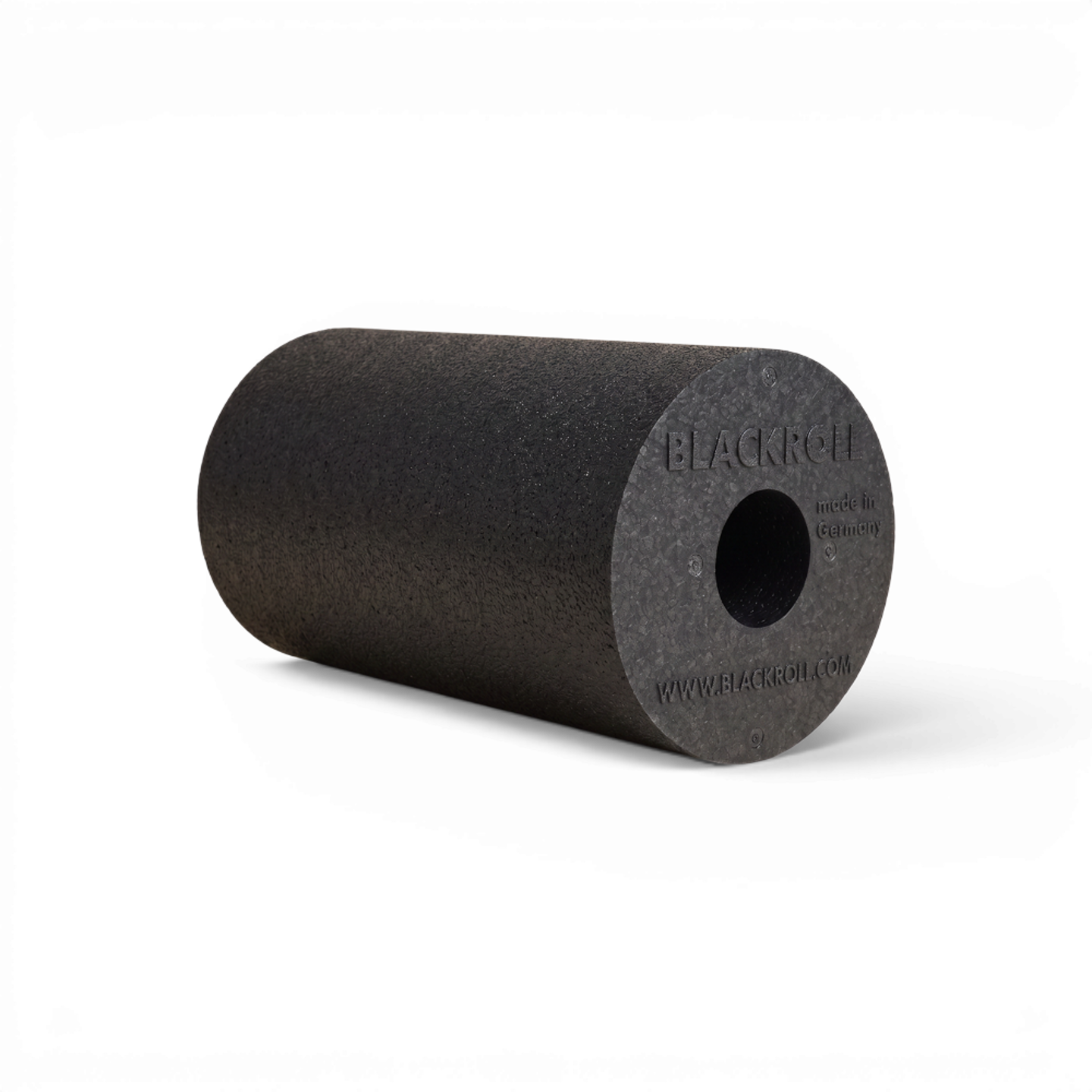


Practical Tip: Lower Stress Hormones with This Routine
This simple, effective mini-routine supports cortisol regulation —ideal as a way to start your day, after a workout, or for evening relaxation. It combines movement, fascia stimulation, and mindful breathing to reset your body and nervous system.
- Mobilization (approx. 5 minutes): Start with gentle, dynamic movements, such as shoulder circles, pelvic tilts, or spinal mobilization on all fours. Focus on slow execution and mindful awareness—this helps you ground yourself in your body and release initial tension.
- Rolling (approx. 5–8 minutes): Use a foam roller or a ball to target specific areas such as the back extensors, the front of the thighs, and the neck. Gentle, slow pressure activates the parasympathetic nervous system, reduces muscle tone, and promotes blood circulation—a physical reset for the nervous system.
Breathing Technique (approx. 5 minutes): Lie comfortably on your back with one hand on your abdomen. Breathe in a 4-6-8 rhythm: inhale for 4 seconds, hold for 6 seconds, exhale for 8 seconds. This conscious abdominal breathing lowers your heart rate, calms the vagus nerve, and can help normalize cortisol levels.


Conclusion: Cortisol Management for a Long, Healthy Life
Cortisol influences key processes related to our health—from cellular metabolism to the immune system and cognitive performance. If levels of this stress hormone remain chronically elevated, it can accelerate biological aging and increase the risk of chronic diseases.
The good news: You can actively counteract this. Good sleep, fascia training, mobility exercises, breathing techniques, and mindful recovery—such as through massage—are simple, everyday ways to regulate the stress response. Studies show that these methods measurably lower cortisol levels—without any medication or questionable quick fixes.
OurBLACKROLL tools specifically support this process: They promote body awareness, release tension, and activate the parasympathetic nervous system. Combined with slow abdominal breathing, this creates an effective reset for the body and nervous system.
In short: Those who regularly invest in their own stress resilience protect their cells—and lay the foundation for a healthy, long life.


FAQs – Frequently Asked Questions About Cortisol
Useful information
Cortisol, also known as the stress hormone, is the key hormone in the body’s stress response. It is released during physical or mental stress and helps provide energy in the short term, enabling the body to perform at its best. Problems arise when stress becomes chronic—in that case, cortisol levels remain persistently elevated and can be harmful to health.
Cortisol influences numerous processes in the body: It regulates blood sugar and affects blood pressure, the immune system, and metabolism. In the short term, it helps prepare the body for stress. However, if levels remain chronically elevated, this can lead to sleep disturbances, weight gain (especially around the abdomen), inflammation, and a weakened immune system.
Typical signs of chronically elevated cortisol levels include: sleep problems, restlessness, weight gain (especially abdominal fat), exhaustion despite getting enough sleep, susceptibility to infections, digestive problems, or mood swings. Difficulty concentrating and muscle loss can also be indicators.
Scientific evidence supports the effectiveness of exercise (especially moderate endurance and strength training), breathing techniques, meditation, social interaction, and conscious relaxation. Sleep hygiene and an anti-inflammatory diet also support cortisol regulation. Myofascial release and mindful physical routines are also effective against chronic stress.
Persistently low cortisol levels—especially in the morning—can be associated with symptoms such as chronic fatigue, weakness, low blood pressure, dizziness, or a depressed mood. In very rare cases , this may be caused by primary or secondary adrenal insufficiency —a serious medical condition that requires medical evaluation and treatment.
Important: Individual lab results or saliva tests cannot be interpreted in isolation—accurate diagnosis is crucial, as cortisol levels fluctuate widely and are influenced by factors such as stress, sleep, or medication.
First and foremost, a medical evaluation is important to rule out organic causes. If no underlying medical condition is present, structured routines, adequate sleep, gentle physical activity (e.g., morning walks), a nutrient-rich diet, and targeted stress reduction can help restore adrenal function. Supplements should only be used after consulting a doctor.
Sources & Studies
1. Cortisol, Stress, and Neural Aging
McEwen, B. S. (2007). Central effects of stress hormones in health and disease. European Journal of Pharmacology, 583(2–3), 174–185. https://doi.org/10.1016/j.ejphar.2007.11.071 (accessed July 3, 2025)
Korkeila, J. et al. (2025). Cortisol dynamics and biological age acceleration in middle-aged adults: A 10-year cohort analysis. The Journals of Gerontology: Series A, Biological Sciences and Medical Sciences. https://doi.org/10.1093/gerona/glaa023 (accessed July 3, 2025)
Lupien, S. J., et al. (1998). Cortisol levels during human aging predict hippocampal atrophy and memory deficits. Nature Neuroscience, 1(1), 69–73. https://doi.org/10.1038/271 (accessed July 3, 2025)
2. Cortisol and Immune Function
Chrousos, G. P. (2009). Stress and disorders of the stress system. Nature Reviews Endocrinology, 5(7), 374–381. https://doi.org/10.1038/nrendo.2009.106 (accessed July 3, 2025)
3. Cortisol and Sleep
Backhaus, J., et al. (2004). Sleep disturbances are correlated with decreased morning awakening salivary cortisol. Psychoneuroendocrinology, 29(9), 1184–1191. https://doi.org/10.1016/j.psyneuen.2004.01.010 (accessed July 3, 2025)
4. Massage / Bodywork and Cortisol
Moyer, C. A., et al. (2004). A Meta-Analysis of Massage Therapy Research. Psychological Bulletin, 130(1), 3–18. https://doi.org/10.1037/0033-2909.130.1.3 (accessed July 3, 2025)
Beardsley, Chris et al. (2015). Effects of self-myofascial release: A systematic review. Journal of Bodywork and Movement Therapies, 19(4), 747–758.https://doi.org/10.1016/j.jbmt.2015.08.007 (accessed July 3, 2025)
5. Breathing Techniques & Cortisol
Fincham, Guy William et al. (2023). Effect of breathwork on stress and mental health: A meta-analysis of randomized controlled trials. Scientific Reports, 432 (2023). https://www.nature.com/articles/s41598-022-27247-y (accessed July 3, 2025)
Black, David S. et al. (2016). Mindfulness meditation and the immune system: a systematic review of randomized controlled trials. Annals of the New York Academy of Sciences, 1373 (1), 13–24. https://doi.org/10.1111/nyas.12998 (accessed July 3, 2025)
6. Yoga & Cortisol
Boehm, Katja et al. (2012). Effects of yoga interventions on fatigue: A meta-analysis. Yoga as a Therapeutic Intervention.https://doi.org/10.1155/2012/124703 (accessed July 3, 2025)
7. Popular Medical Myths
Endocrine Society (2022). Adrenal Fatigue. https://www.endocrine.org/patient-engagement/endocrine-library/adrenal-fatigue (accessed July 3, 2025)
Federal Trade Commission (2004). FTC Targets Products Claiming to Affect the Stress Hormone Cortisol. https://www.ftc.gov/news-events/news/press-releases/2004/10/ftc-targets-products-claiming-affect-stress-hormone-cortisol (accessed July 3, 2025)