
Vagus Nerve Self-Regulation: For Greater Relaxation and Well-Being

The vagus nerve plays a central role in our bodies when it comes to relaxation, recovery, and overall well-being. As a key component of the parasympathetic nervous system, it plays a crucial role in reducing stress and promoting inner calm. In this article, you’ll learn how to activate your vagus nerve through targeted exercises and simple techniques to find more balance in your daily life and sustainably improve your well-being.
The vagus nerve is a central component of the parasympathetic nervous system and plays a crucial role in regulating numerous vital bodily functions such as heart rate, digestion, and immune defense. The ability to specifically stimulate and regulate this nerve can significantly enhance your overall well-being. The good news: You can influence this yourself through simple techniques such as breathing exercises, cold water, or meditation.

Your stress management course for greater serenity. Up to 100% refund.
Click here for your online stress management course

Where is the vagus nerve?
The vagus nerve (Latin: nervus vagus) is one of the longest and most versatile nerves in the body and a central component of the parasympathetic nervous system. Its name means “wandering,” which reflects its extensive connections. The vagus nerve originates in the brainstem, more specifically in the medulla oblongata, and runs down the neck, through the chest, and into the abdominal cavity to the internal organs.
Along its path, it branches out to numerous vital organs, including:
- the heart (regulation of heart rate),
- Lungs (control of breathing),
- stomach and intestines (promoting digestion).
It also controls muscles in the throat and larynx, making it important for speech and swallowing. The vagus nerve acts as a communication pathway between the brain and the organs—it sends signals in both directions. This bidirectional function not only enables the control of bodily functions but also the perception of one’s physical state, such as during stress or relaxation.
Its anatomical location makes it easily accessible for targeted stimulation through techniques such as massage, cold water, humming, gargling, or breathing exercises, allowing you to consciously support its function.


Why is the vagus nerve important?
The vagus nerve plays a crucial role in health and well-being, as it serves as the central connection between the brain and the body’s most important organs. As the main nerve of the parasympathetic nervous system, it is primarily responsible for regulating rest and recovery processes that promote our physical and emotional balance.
Functions of the vagus nerve:
Cardiovascular regulation: The vagus nerve lowers the heart rate and regulates blood pressure, thereby protecting the cardiovascular system.
Digestion: It controls movements in the gastrointestinal tract and supports the production of digestive juices, which promotes healthy digestion.
Stress management: By activating the “rest and digest” mode (parasympathetic nervous system), it helps the body transition out of “fight-or-flight” mode (sympathetic nervous system) and reduce stress.
Immune system: The vagus nerve has an anti-inflammatory effect by regulating pro-inflammatory messengers in the body.
Emotional Stability: It directly influences the regions of the brain responsible for emotional control and composure, thereby contributing to mental health.
- Swallowing: During the swallowing reflex, the vagus nerve coordinates important muscles in the throat and pharynx to ensure smooth food intake.
The Connection Between Body and Mind
A properly functioning vagus nerve strengthens communication between the brain and the organs, helping to keep the body and mind in balance. It helps relieve physical tension while promoting emotional stability. Impaired function of the vagus nerve, on the other hand, can manifest in symptoms such as digestive problems, heart palpitations, sleep disturbances, or increased susceptibility to stress.
Through targeted stimulation—such as breathing exercises, cold water, or meditation —you can boost the activity of the vagus nerve and benefit from its calming effect on the body and mind. This ability is what makes it so important for a healthy, stress-free, and balanced life.


Symptoms of a Dysfunctioning Vagus Nerve
A dysfunctional vagus nerve can cause a wide range of physical and emotional symptoms, as it is involved in regulating many vital functions. When the vagus nerve is weakened or dysfunctional, the balance between arousal (sympathetic nervous system) and relaxation (parasympathetic nervous system) is disrupted. This can manifest in the following ways:
Physical symptoms:
- Digestive problems: The vagus nerve controls gastrointestinal activity. Disruptions can lead to symptoms such as nausea, bloating, gas, constipation, or irritable bowel syndrome.
- Cardiovascular symptoms: These include palpitations, irregular heartbeat, or unstable blood pressure, as the nerve is closely linked to heart rate regulation.
- Weakened immune system: Impaired vagal activity can lead to increased susceptibility to infections and inflammation.
- Sleep disturbances: Problems such as difficulty falling asleep or staying asleep may be due to weak vagal function.
- Chronic pain: Reduced vagal activity can lead to increased sensitivity to pain or to diffuse, unexplained pain.
Emotional and psychological symptoms:
- Anxiety and depression: The vagus nerve is closely linked to the regulation of stress and emotions. Dysfunction can exacerbate feelings of anxiety or depressive moods.
- Irritability and mood swings: An imbalance in the nervous system can contribute to emotional instability and hypersensitivity.
- Chronic fatigue: A weakened vagus nerve can keep the body in a constant “fight-or-flight” mode, leading to persistent fatigue.
Why these symptoms occur:
A dysfunctional vagus nerve means the body can no longer effectively switch between stress and recovery phases. This impairs natural recovery processes and can trigger a cascade of symptoms.
With targeted exercises such as deep breathing, cold water, social interactions, or mindfulness training, you can improve the function of the vagus nerve and alleviate many of these symptoms. A healthy vagus nerve is the key to greater well-being and inner balance.


Techniques and Exercises for Activation
Targeted activation of the vagus nerve is a simple and effective way to reduce stress, find inner peace, and enhance your overall well-being. With these effective techniques, you can activate the parasympathetic nervous system—the part of the nervous system responsible for relaxation and regeneration—and bring your body into a state of calm:
1. Breathing Exercises
Conscious, deep breathing is one of the most effective methods for stimulating the vagus nerve. The following are particularly helpful:
- 4-7-8 breathing technique: Inhale deeply through your nose for 4 seconds, hold your breath for 7 seconds, and then exhale slowly through your mouth for 8 seconds. This technique promotes relaxation and lowers your heart rate.
- Abdominal breathing: Breathe deeply into your abdomen so that your abdominal wall rises, and exhale slowly. This type of breathing activates the diaphragm and directly stimulates the vagus nerve.
- Alternate Nostril Breathing ( Nadi Shodhana) is an effective breathing technique that stimulates the vagus nerve, thereby activating the parasympathetic nervous system, which reduces stress, lowers the heart rate, and promotes a state of deep relaxation.
2. Cold Water
Cold has a calming effect on the nervous system. A splash of cold water on the face or a quick cold shower can trigger the so-called diving reflex, which stimulates the vagus nerve, slows the heart rate, and reduces stress.
3. Humming and Singing
Humming or singing sounds like “Om” creates vibrations in the throat area that directly activate the vagus nerve. Even humming a melody can help calm the nervous system.
4. Mindfulness Exercises and Meditation
Regular meditation or mindfulness exercises promote relaxation and strengthen vagal activity. By consciously focusing on your breath or the present moment, you can harmonize your body and mind.
5. Progressive Muscle Relaxation
The PMR technique is based on the deliberate tensing and relaxing of individual muscle groups. Alternating between tension and release sends calming signals to the vagus nerve and helps reduce stress.
6. Yoga and Tai Chi
Movement practices such as yoga and tai chi combine slow, controlled movements with mindful breathing and promote vagal activity. Exercises that open up the posture and deepen breathing are particularly effective.
Want to start practicing yoga? Then check out this video and get started today.
7. Massages
Gentle massages, especially in the neck and shoulder area, stimulate the vagus nerve and relieve tension that can impair the nerve’s function. Self-massage using our fascia roller can also help you stimulate the vagus nerve.
8. Social Interaction
Positive social interactions, laughter, and loving connections with others promote vagal activity. The ability to feel connected and secure is closely linked to a healthy vagus nerve.
How often should you use these techniques?
These techniques can be easily integrated into your daily routine. Even just a few minutes a day can have noticeable effects. Consistency is key: With regular practice, you’ll strengthen your vagus nerve over the long term and lay a lasting foundation for greater well-being and resilience.


The Role of Nutrition in Vagus Nerve Regulation
A healthy diet is crucial for the optimal functioning of the vagus nerve and the entire nervous system. The vagus nerve is closely connected to the gut, which is why choosing the right foods not only supports vagal activity but also enhances physical and emotional well-being. A mindful approach to nutrition can help reduce inflammation, improve gut-brain communication, and promote the body’s self-regulation.
1. Probiotic Foods
Probiotics promote a healthy gut microbiome, which is closely linked to the function of the vagus nerve. A healthy gut sends positive signals to the brain via the vagus nerve and improves emotional stability.
- Recommended foods: yogurt, kefir, sauerkraut, kimchi, and other fermented products.
2. Omega-3 Fatty Acids
These essential fatty acids have anti-inflammatory properties and support neural health, which is crucial for the function of the vagus nerve.
- Recommended sources: Salmon, mackerel, dietary supplements in capsule or liquid form (also available for vegetarians made from algae)
3. Dietary Fiber
Dietary fiber promotes healthy digestion and has a positive effect on gut flora, which in turn improves vagal communication.
- Recommended foods: Whole grains, legumes, fruits, and vegetables such as broccoli or apples.
4. Foods Rich in Antioxidants
Antioxidants protect nerve cells from oxidative stress, which can impair the function of the vagus nerve.
- Recommended sources: Berries, green leafy vegetables, dark chocolate (with a high cocoa content), and green tea.
5. L-theanine and magnesium
- L-theanine, found in green tea, has a calming effect and can promote vagal activity.
- Magnesium-rich foods such as almonds, pumpkin seeds, and spinach support muscle relaxation and the nervous system.
6. Reducing Inflammatory Foods
Sugar, refined carbohydrates, and processed foods can promote inflammation and impair the function of the vagus nerve. Reducing these foods can have positive effects on the entire nervous system.
The gut-brain axis, which is mediated by the vagus nerve, plays a key role in regulating the body. A healthy gut sends calming signals to the brain, which reduces stress and promotes overall well-being. By paying close attention to your diet, you not only support your digestion but also the self-regulation and health of your vagus nerve.
With a balanced and nutrient-rich diet, you lay the foundation for a healthy vagus nerve and promote your physical and emotional balance in the long term.


Stimulating the vagus nerve: Exercise and physical activity
Regular exercise and physical activity are essential for supporting the function of the vagus nerve and bringing the autonomic nervous system into balance. Exercise has a direct effect on the parasympathetic nervous system, which is responsible for relaxation and regeneration, and can increase vagal activity. It doesn’t always have to be an intense workout—even gentle activities can effectively stimulate the vagus nerve.
1. Yoga
Yoga combines breath control, gentle movements, and mindfulness, which together stimulate the vagus nerve.
2. Tai Chi and Qigong
These traditional movement practices combine slow, flowing movements with deep breathing and mindfulness. They help calm the nervous system and strengthen resilience to stress.
3. Endurance Sports
Moderate endurance sports such as jogging, cycling, or swimming promote heart rate variability (HRV), an indicator of vagus nerve health. Regular exercise lowers the resting heart rate and improves the body’s ability to switch quickly between periods of stress and relaxation.
4. Walks in Nature
Even a simple walk, especially in a green environment, can activate the vagus nerve. The physical activity, combined with the calming effect of nature, reduces stress hormones and promotes overall well-being.
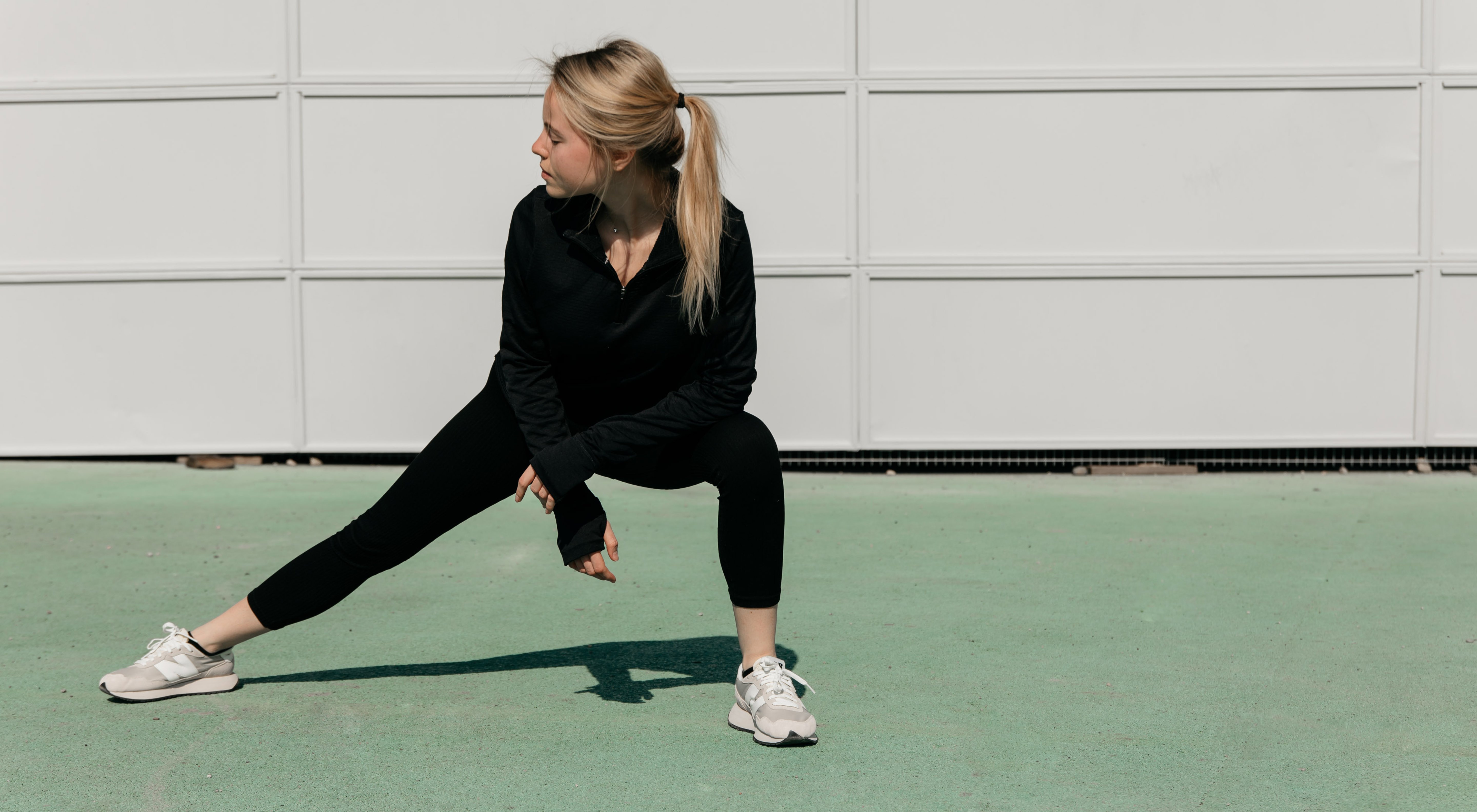
5. Stretching and gentle stretching exercises
Targeted stretching, especially in the neck and chest areas, can release tension that impairs the vagus nerve. Stretching exercises improve body awareness and help relax the nervous system.
How Exercise Affects the Vagus Nerve
Light exercise activates the parasympathetic nervous system by improving blood circulation, reducing stress hormones, and strengthening vagal function. At the same time, it fosters the connection between body and mind, which positively influences emotional well-being. It also stimulates the production of endorphins—the so-called “happiness hormones”—which has an additional relaxing effect.
How often should you be active?
Even 20–30 minutes of moderate exercise a day can have significant effects on the health of the vagus nerve. Consistency is more important than intensity. Find an activity you enjoy and incorporate it into your daily routine to strengthen your vagus nerve over the long term and promote your well-being.


The Vagus Nerve and Mental Health: The Influence of Sleep and Relaxation
Restful sleep and targeted relaxation are essential for the health of the vagus nerve and the body’s ability to self-regulate. While you sleep, your nervous system undergoes regenerative processes during which stress hormones are broken down and your vagus nerve becomes active to restore the balance between body and mind.
1. Why Sleep Is Important
The vagus nerve plays a key role in regulating the autonomic nervous system, which controls the balance between stress (sympathetic nervous system) and relaxation (parasympathetic nervous system). Healthy sleep is crucial for:
- Regeneration: During deep sleep, the vagus nerve promotes relaxation of the heart and circulatory system and supports cell renewal.
Stress management: Lack of sleep weakens the function of the vagus nerve and increases susceptibility to stress. Healthy sleep, on the other hand, strengthens vagal activity and reduces the release of stress hormones such as cortisol.
2. Relaxation Techniques to Promote Sleep
Targeted relaxation exercises can not only increase vagal activity but also improve sleep quality. The following are particularly effective:
- Progressive muscle relaxation: By alternately tensing and relaxing individual muscle groups, you send signals of calm to the vagus nerve.
- Meditation and mindfulness: Regular mindfulness exercises calm your mind and promote deeper sleep.
Deep breathing: Breathing techniques such as the 4-7-8 method slow your heart rate, calm your nervous system, and make it easier to fall asleep.
3. The Role of the Vagus Nerve in Sleep
The vagus nerve ensures that the body enters a state of deep regeneration during the sleep phases. It slows the heart rate, promotes blood flow to the brain, and reduces physical tension. A well-functioning vagus nerve improves not only the quality but also the restorative nature of sleep.
4. Negative Effects of Sleep Deprivation
Poor sleep or insufficient sleep can significantly impair the function of the vagus nerve. This manifests as:
- Increased stress and irritability
- Reduced resilience to everyday stressors
- Chronic fatigue and exhaustion
- Increased physical symptoms such as heart palpitations or digestive problems
How to Improve Sleep and Relaxation
- Establish a sleep routine: Regular bedtimes support your body’s internal clock and stabilize your sleep-wake cycle.
- Avoid electronic devices before bed: The blue light from screens can inhibit the production of the sleep hormone melatonin.
- Create a relaxing environment: Darkness, quiet, and a comfortable room temperature promote vagal activity and help you fall asleep faster.
- Practice relaxation techniques: Incorporate breathing exercises, progressive muscle relaxation, or meditation into your evening routine to prepare your body and mind for a good night’s sleep.


Polyvagal Theory and the Vagus Nerve
The Polyvagal Theory, developed by Dr. Stephen Porges, offers a deeper understanding of the complex role of the vagus nerve in regulating our nervous system. It describes how the vagus nerve is not only involved in controlling rest and recovery processes, but also influences our emotional security and social interactions.
In this theory, the vagus nerve is divided into two main branches:
The ventral vagus branch:
This part is linked to a sense of security and social connectedness. When the ventral vagus is activated, we feel relaxed, emotionally stable, and able to build positive social relationships.
The dorsal vagus branch:
This evolutionarily older part of the vagus nerve is activated during extreme stress or trauma and leads to a state of withdrawal, freezing, or “shutdown.” This mechanism serves as a protective response but can have negative effects on well-being if chronically activated.
The Polyvagal Theory emphasizes how important it is to consciously stimulate the vagus nerve in order to achieve a state of balance. Exercises such as breathing techniques, alternate nostril breathing, meditation, or gentle forms of movement like yoga can help activate the ventral vagus, reduce stress, and strengthen resilience.
This theory demonstrates how the vagus nerve not only regulates physical processes but also significantly influences our emotional experiences and interpersonal relationships.
Conclusion: The Vagus Nerve and Self-Regulation
The vagus nerve is at the heart of your rest and recovery system and connects body and mind in a unique way. Its optimal function is crucial for your recovery, emotional stability, and a strong immune system. An active and well-trained vagus nerve helps you cope better with stress, sleep more deeply, and strengthen your physical and mental balance.
The best part: You can actively support your vagus nerve with simple routines. Breathing exercises, cold water, meditation, or targeted movement—small, practical steps are enough to bring about noticeable positive changes. A mindful diet and sufficient sleep also play a key role in sustainably strengthening vagal activity.
By regularly practicing these techniques, you not only help your body regenerate more effectively but also lay the foundation for greater inner peace and resilience. These methods can be seamlessly integrated into your daily life without much effort or special equipment. Your vagus nerve is the key to greater well-being—start strengthening it today and feel the difference.