Stress is an ever-present part of your life. But with the right stress management methods, you can take control and learn to live a more relaxed life. There are many tools and techniques that can help you reduce your stress levels and improve your stress management skills. This can have a positive impact on your health, productivity, and overall well-being.
Do you already have an understanding of who or what causes , exacerbates, or alleviates your stress ? Personal stress triggers can arise in many areas, such as at work, within your family, or due to high levels of traffic noise. Once you’ve identified them, you can take targeted steps to reduce them and strengthen your mental health.
Regular exercises are a particularly effective way to manage stress. Whether it’s yoga, meditation, or simple breathing exercises—all are proven tools for stress management. They help you better cope with the daily ups and downs. The goal isn’t for your stress to disappear completely, but rather to help you manage it better and prevent it from becoming a constant companion.

Your stress management course for greater peace of mind. Up to 100% refund.
Click here for your online stress management courseBecoming Aware of the Causes and Effects of Stress
Managing stress in your daily life and at work will likely be a lifelong task for you. Doing so will help you stay healthy, happy, and productive in the long run. Personal stress triggers are individual reactions to stressful situations that can lead, for example, to fatigue, exhaustion, or mild to severe anxiety.
Do you sometimes feel that you have no control over certain situations and that you lack solutions to address them? Potential obstacles include perfectionism, the inability to say “no,” and unrealistic expectations of yourself or others. Stressors vary in intensity from person to person, as do coping strategies.
Keep a close eye on how you’re using your energy resources early on, because the consequences of chronic stress are complex. They range from sleep disturbances and headaches to serious health problems such as heart disease or depression. Burnout is a state of exhaustion and can also be triggered by chronic stress. However, it is not classified as a disease, and it can cause a wide range of psychosomatic reactions.
Chronic stress in the workplace can increase employee turnover rates
Workplace wellness programs are now an important standard for maintaining employees’ mental health. Companies have a responsibility to protect their employees—their most valuable resource—from excessive stress and strain.
Psychological risk assessment is an integral part of health management, enabling regular adjustments to work processes and making their impact on the body and mind healthier. Company seminars, newsletters, presentations, and workshops for body and mind provide employees with important techniques and expertise on stress management. Managers and employees benefit from healthy values and healthy leadership.
If you’ve already experienced workplace bullying, a coach or psychologist can provide support and help reduce the resulting stress.
Tip: Do you want to keep a cool head in stressful work situations and develop better stress management skills? Ask your employer if they’ll help you with this. A monthly gym membership or contributing to the cost of a relaxation course could be a good start.
The more consciously you manage your stress at work, the more relaxed you’ll be as you carry out your tasks and the better you’ll be able to stay healthy.
How to Recognize Signs of Stress
Practical examples are designed to help you better recognize and identify signs of stress.
- Have you been unable to sleep through the night lately and wake up tired and exhausted in the morning? Are you having trouble falling asleep and staying asleep, and do you feel drained during the day?
- In the evening, you want to read a book or watch a movie, but you can’t concentrate and your mind wanders?
- Do you occasionally have stomachaches, especially when you’re under a lot of stress? Has a checkup ruled out any medical causes?
- Every now and then, you put off tasks that you could finish quickly but keep procrastinating on.
- Are you making more mistakes than usual—mistakes you wouldn’t normally make?
- Are you withdrawing from colleagues and reducing your social interactions both at work and in your personal life?
- As your fatigue increases, you react irritably and feel detached from yourself. Your coworkers ask if you’re stressed and need help. The people around you respond with increasing concern and questions. This is an important sign that something isn’t right with you.
Tip: If you’re aware of your stressful situation but can’t put your finger on it, ask someone you trust for support. Take steps to make yourself feel better. A doctor or psychotherapist can help you.
Develop your own personalized stress management plan
Examine and reduce stressful thoughts
Stress management is a skill you can learn. To do so, you need the right approach, various techniques, a personal goal, and motivation.
The foundation for an effective set of anti-stress methods is an analysis of your stress triggers and stress intensifiers. Stressful thoughts can themselves be stressors that trigger negative or destructive behavior patterns, such as a “thought spiral.”
Are you thinking about the debts you’ll soon have to pay? Does the criticism you’ve received from your boss keep you up at night? Are you afraid of being bullied again? Are you afraid of climate change and related issues?

Modify false beliefs
With false beliefs like “I can’t do this!”, your negative outcome is already pre-programmed. Are you hoping for a failure that might happen later? The fear of failing, for example, can be very stressful.
Alternatively, you can set realistic goals and try to do what’s achievable. Change your belief to: “I can do what’s achievable!” or “It’s okay to ask for help when I’m overwhelmed!” Cultivate a way of treating yourself that allows you to focus more positively on your own needs and potential. What’s good about you, and where do your strengths lie?

Exercise and Stay Active Regularly
One of the most important strategies for managing stress is exercise and regular physical activity. If your workplace doesn’t offer a fitness program, you can, for example, bike to work, take the stairs more often instead of the elevator, go on short hikes, or visit the pool in the summer. Yoga classes are available in almost every city, and you can do daily workouts at home with a small selection of fitness equipment. If you’re struggling to stay motivated on your own, you can hire a personal trainer (also available as an online course) to help you get started and work out a plan with you.


Discover online courses from BLACKROLL
Work out from the comfort of your homeTime management is a great place to start
Set priorities when you have a heavy workload and many daily tasks. There are various daily, weekly, and monthly planners you can use to structure your time. Templates are available online for printing or as printed calendars.
You may already be familiar with the following four methods?
- The Eisenhower Principle helps you organize your tasks by importance and urgency.
- With the ABC analysis, you can categorize all tasks by priority: A (highest priority), B (medium priority), or C (lowest priority).
- Applying the Pareto Principle makes it clear that often 20% of the work can lead to 80% of the results, and it helps with setting priorities.

Time-Boxing Method
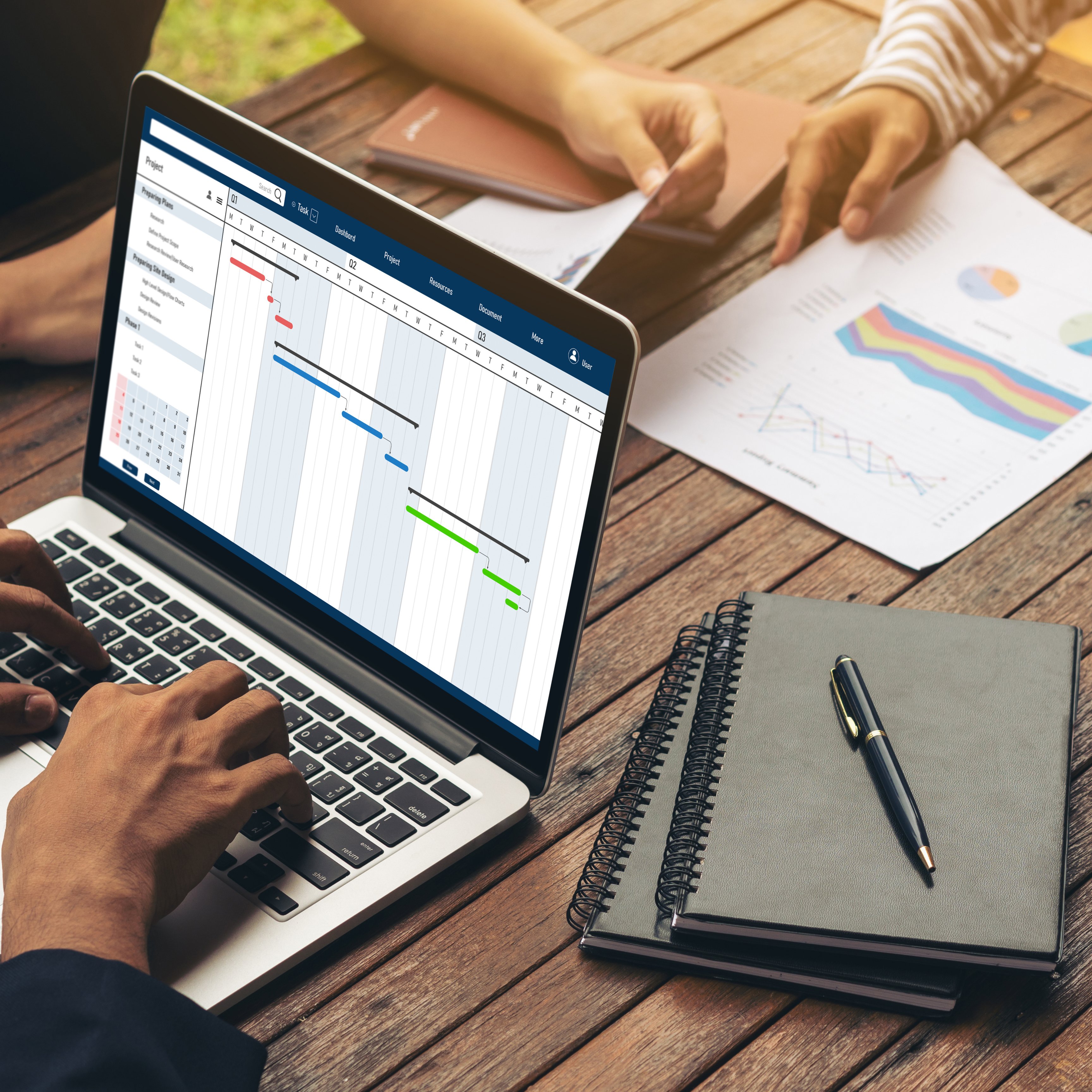
Take a sheet of paper and write your to-do list on the left side. Mark your priorities. On the right side, divide the page into 3 or 4 boxes and write down approximately how much time you’ll need for each task and what you might be able to accomplish in a day. If your to-do list is too long, shorten it to a realistic length. Cross out anything that other people can do for you or that isn’t very important. Once you’ve written it down, it’s off your mind, and your mental stress is definitely reduced.
Taking breaks helps you get more done
Does your day feel like it has 24 hours that you want to fill in order to be considered productive?
Is it true that only those who work are valued and receive recognition? Those who take a break, nap, or meditate at lunchtime are seen as having nothing better to do—or even as lazy. These prejudices exist to a greater or lesser extent in our society. Your internal clock ticks differently—and entirely to your advantage. You get tired at midday and in the evening because your natural chronobiological rhythm makes way for regenerative processes.
Power napping, meditation, taking a break from talking, exercising, going for a walk, or soaking up some sun for a short while can help you recharge your body and mind with new energy. Observe people who don’t take breaks and ask them if they feel tired and worn out in the evening.
You’ll get through the day better if you take regular breaks. These are required by law in companies and should be observed. Don’t let colleagues who won’t accept your relaxed break get to you!

Tip: Don’t just manage your work hours when it comes to breaks and rest—also incorporate exercise, sports, nutrition, relaxation, and your evening sleep routine into your daily schedule. A good work-life balance helps you maintain your mental health in the long term and avoid burnout and mental health issues. With this approach, chronic stress won’t stand a chance against your stress management skills.
Inspiration for your break


Using Healthy Eating Habits to Reduce Stress
Imagine you’re in the middle of a very stressful day. Things are going wrong, and your body is running on high gear. Your mind is filled with thoughts about how to solve or cope with the situation. Many people forget to eat or stick to a regular meal schedule in such situations.
With a little mindfulness, you can, for example, set a reminder on your smartphone to eat so you remember to do so regularly. During periods of intense stress, the body may signal either no hunger, emotional hunger, or a specific craving for sweet foods. In the long term, these cravings lead to unhealthy eating habits, which in turn trigger further stress responses.
Maintaining balanced blood sugar levels during stressful situations reduces the experience of stress and helps prevent diabetes and obesity.
The following four strategies provide a practical foundation for dietary recommendations during times of stress:
- Try to schedule regular breaks for meals.
- Reduce your sugar intake as much as possible. Sugar is toxic to your cells and leads to sustained, high insulin releases, which can result in diabetes.
- Avoid fast food and cook your own meals whenever possible.
- Drink enough water to keep your metabolism going.
Tip: If you find that the food options at your company or workplace tend to be unhealthy, consider trying to prepare your own meals the night before. Make a plan of what you’d like to eat and cook your favorite dishes in advance for a day or a week. You’ll know exactly what’s in your food and can enjoy a relaxing lunch break. You’ll live a healthier, less stressful life.
With the help of healthy and mindful eating habits, you can not only take better control of your body but also manage your mind more calmly.
Focus on your body’s needs and the nutrients it requires.
Whether you’re a stressed-out manager, an athlete, or juggling a busy household—remember: Good food is good for your soul!

Further Develop Your Relaxation Skills
Relaxation is an art that anyone can learn. You can already relax simply by sitting on a park bench and letting your mind wander. Turn off your smartphone and enjoy nature with all your senses. Alternatively, you can sit in a chair or armchair at home and celebrate doing nothing.
Relaxation techniques such as progressive muscle relaxation, the body scan, and autogenic training are a good starting point. You can later supplement these with mindfulness exercises, meditation, yoga, and breathing techniques.
Are you a pro who’s already found your own personal relaxation techniques? Give yourself a pat on the back and acknowledge your achievements in managing stress.
At work, you can try out various ways to relax:
- Bring a small neck pillow for your office chair. Rest your legs on a chair and try to take a nap or a power nap for 15 minutes.
- Suggest setting up a relaxation room for your company. Recliners, lounge furniture, or massage chairs for chilling out can be set up relatively quickly.
- Turn off your smartphone during your lunch break and close your eyes for 5 minutes.
- Use your saved playlist and listen to higher, soothing frequencies or relaxation music.
- Mindfulness exercise “White Room with Two Doors”: Sit quietly in your chair and notice how you’re feeling and what you’re taking in from your surroundings. Breathe in and out, and close your eyes. Imagine a white room with two doors. All your thoughts come through the first door and fill the room. Just as the thoughts flow into the room, they flow back out through the second door across from it. Continue the exercise until the speed of your thoughts has slowed down. Let the thoughts flow without judging them. Repeat this exercise regularly.
Tip: If colleagues question your quiet time, you can ask them about their own way of taking a break or relaxing. (Example: “How do you recharge during your break?”)
Conclusion: Stress management isn’t a solo effort.
If you want to improve your stress management skills, you’ll need a willingness to learn, motivation, and perhaps some outside help. Learn relaxation techniques and breathing exercises, or take short breaks and time-outs to lower your stress levels. The pressures and demands of your daily life and job can vary.
Experiment to find out which strategies work best for you. Establish a consistent routine so you’re prepared when stress levels rise. Interesting apps or workplace wellness programs offer a variety of ways to expand your stress management skills.
If needed, ask your friends, family members, or an expert for help if you feel overwhelmed by your stressful situation. Adopt a “small steps” approach and scale back your perfectionism and expectations.
The better you can manage stress, the more carefree your life will feel.
The Blackroll Team wishes you lots of fun as you unwind and relax.
Products that promote relaxation