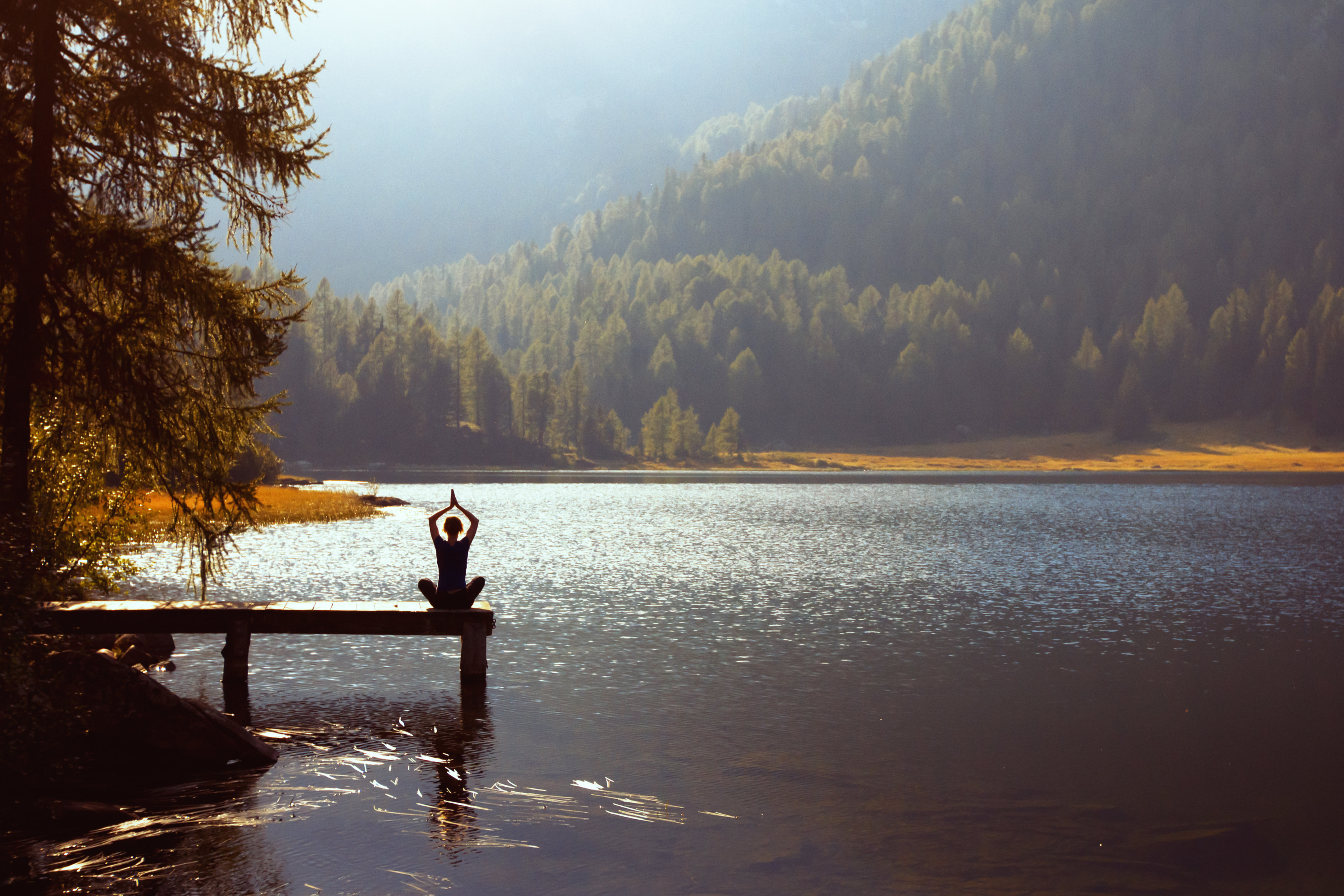
Pure Relaxation: The Best Tips for a Relaxed Body and Mind

In our hectic and digital world, the art of relaxation often takes a back seat. Amid the demands of daily life—whether it’s work, family, exercise, or household chores—there’s little room left for mental and physical recovery. Instead of taking intentional breaks, we often spend our moments of calm in front of screens, on social media, or caught up in a whirlwind of thoughts.
But the importance of complete rest and regeneration can easily slip our minds. In this article, discover how you can rediscover relaxation for yourself. From the importance of mental relaxation to practical strategies for everyday life and vacation inspiration—we’ll guide you through the many facets of relaxation and show you how to bring your physical and mental health into harmony.

Your stress management course for greater serenity. Up to 100% refund.
Click here for your online stress management courseBoth our bodies and our minds need regular periods of rest. We know that after a workout, we need to give our bodies a break to replenish energy reserves, regenerate our muscles, and keep our immune systems strong. Without this essential recovery time, sufficient sleep, and a healthy diet, we cannot improve our performance.
But what about mental recovery? If we continually neglect mental recovery, it leads to overload, stress, and burnout. We still find it difficult to prioritize this. Yet mental recovery is essential for stress reduction, emotional stability, and our social well-being.


The Variety of Recovery: Health Benefits and Personal Recovery Goals
Recreation can mean anything—a good, healthy meal, a long walk in the sunshine, a weekend at a wellness hotel, or a vacation at a retreat center, far away from the hustle and bustle of everyday life. Recreation happens when you feel like you can clear your mind and relax your body.
Recreation means pursuing your hobbies or discovering new ones, spending time in nature, getting enough sleep, or spending time with your loved ones. Recreation looks different for everyone and is possible anywhere—at home within your own four walls, on a mountain, at the beach, in the woods, at a museum, or on the other side of the world.
Active and passive relaxation offer different ways to rejuvenate your body and mind. Active relaxation can mean a deliberate physical break that includes activities like sports, yoga, or hiking and helps relieve tension. Passive relaxation involves calmer activities, such as meditation, reading a book, taking a relaxing bath, or getting a massage.
“Recreation is an investment in your health and quality of life.”
Any activities that don’t require intense physical exertion and help you reduce fatigue and calm your mind count as passive relaxation. Ideally, you’ll find the perfect balance between active and passive relaxation activities and incorporate both into your daily routine.
Recovery can sustainably reduce stress, alleviate anxiety, improve your sleep and mood, strengthen your immune system, and keep your mental health in check. If you regularly set aside time for restorative activities, your immune system and defenses will grow stronger, your blood pressure will drop, your heart health will improve, and the quality of your sleep will be optimized.
It’s incredibly important that you figure out for yourself what relaxation looks like for you personally. Only then can you find restorative activities and create environments that truly help you relax and recharge.
Short- and Long-Term Recovery: Strategies for Relaxation in Everyday Life
When we think of short-term relaxation, we turn to relaxing activities and restorative techniques that don’t take much time and help us improve our work-life balance. These include elements such as breathing exercises to calm the mind and reduce stress, muscle relaxation exercises to release physical tension, and meditation and mindfulness exercises to reflect and enjoy the moment.
Even short breaks—such as stepping outside for some fresh air to recharge or simply closing your eyes and taking a deep breath—can help maximize opportunities for recovery.
Long-term recovery should bring us back to life feeling energized, inspired, and motivated, and it should follow three key elements: relaxing the body, relaxing the mind, and letting go of our expectations. Setting high expectations for ourselves or others puts us under pressure and prevents us from effectively reducing stress.
It’s important to recognize when you need help managing stress and how you can seek support from friends, family, or professionals to promote your recovery. When we ease our expectations and remain open to alternative possibilities, we can allow more harmony and acceptance into our lives.
There are many ways we can nurture this triangle of harmony for body, mind, and soul and make time for recovery a sustainable part of our lives:
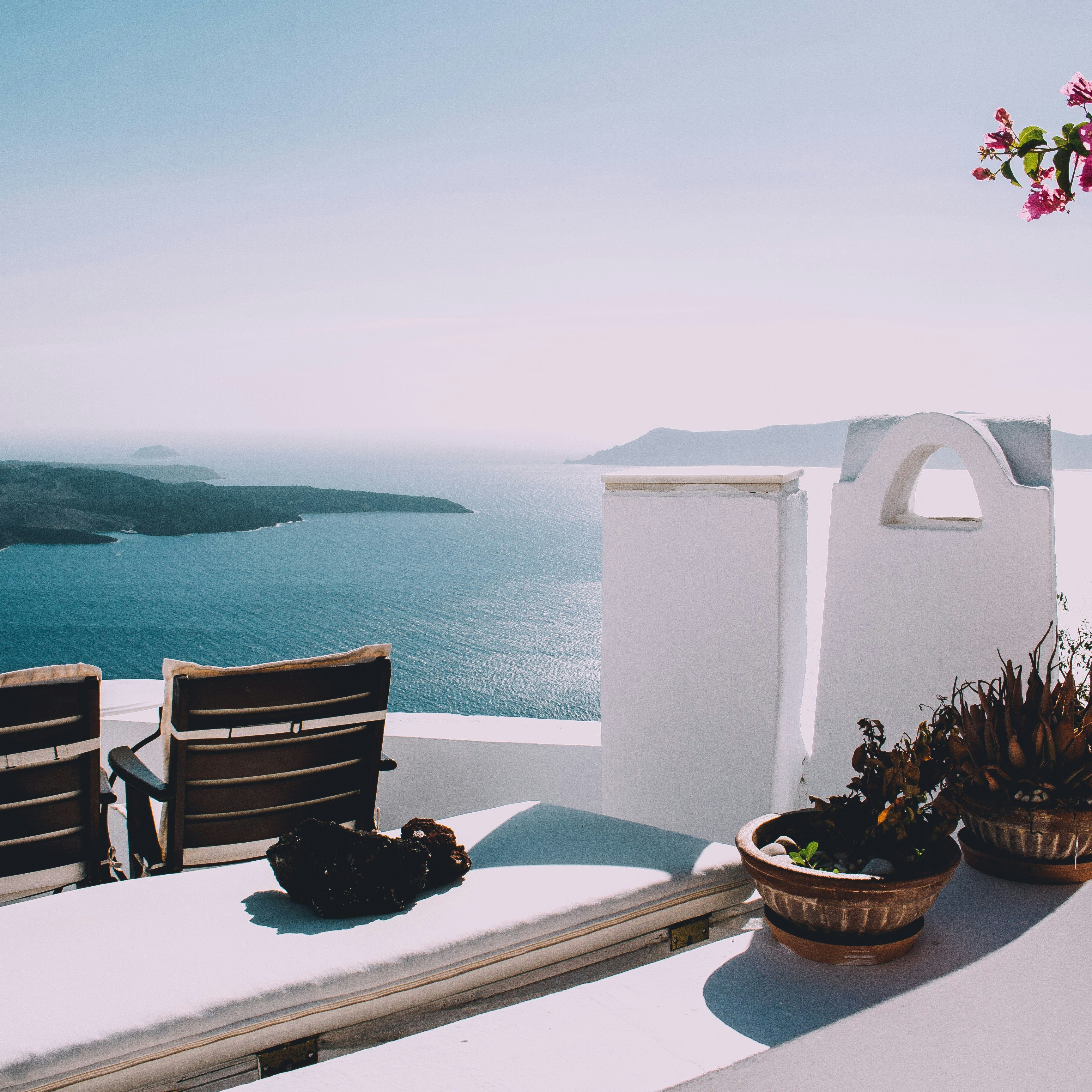
Taking a break from everyday life can work wonders for recharging your batteries and promoting relaxation. Find recreational areas that appeal to you—whether you’re taking a staycation hiking in the mountains or heading to an all-inclusive resort to unwind with a massage on the beach. Relaxation means something different to each of us.
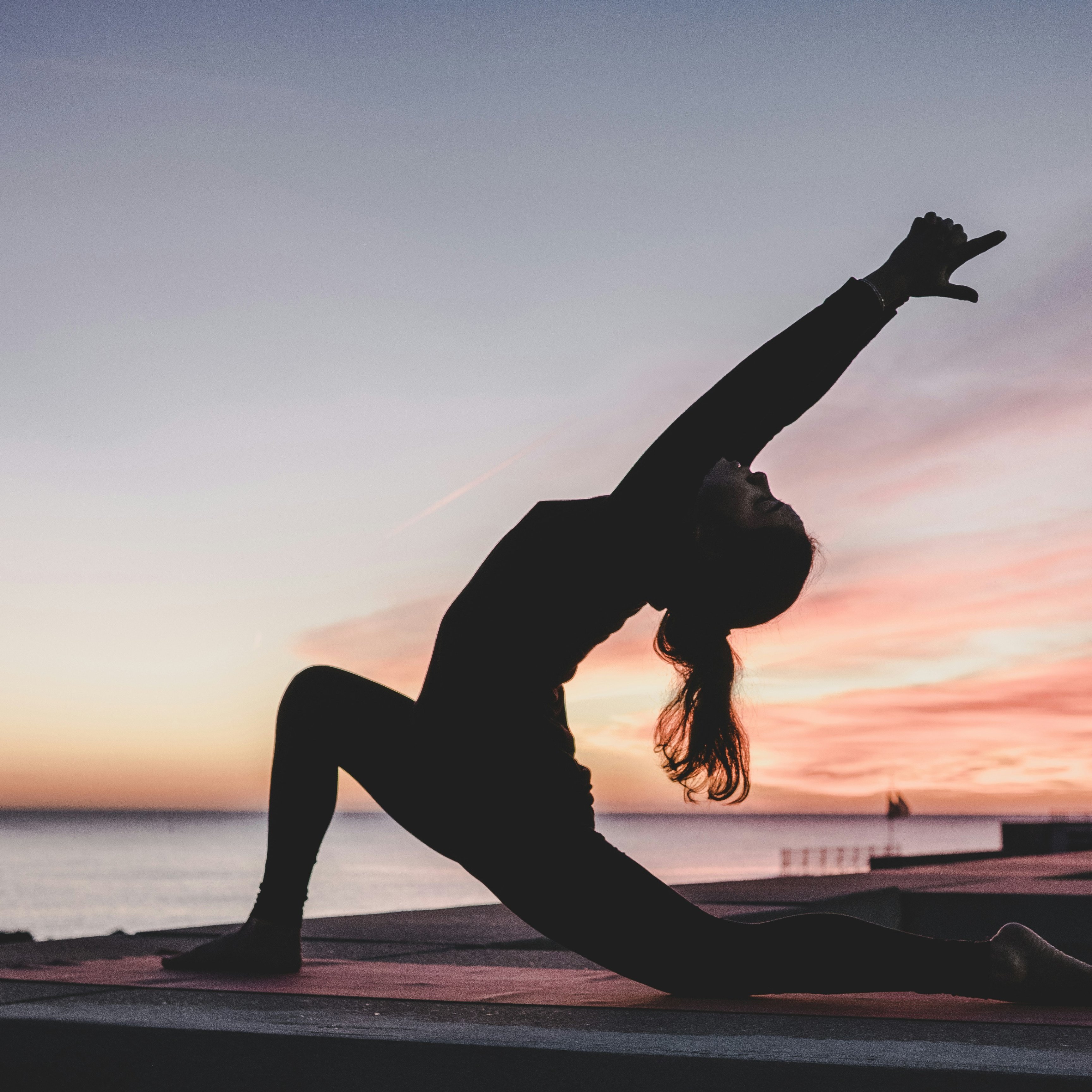
These practices not only promote physical relaxation and allow for physical activity, but also help you find inner peace. All these forms of movement have a calming effect on the body and mind and can help restore harmony within the body.
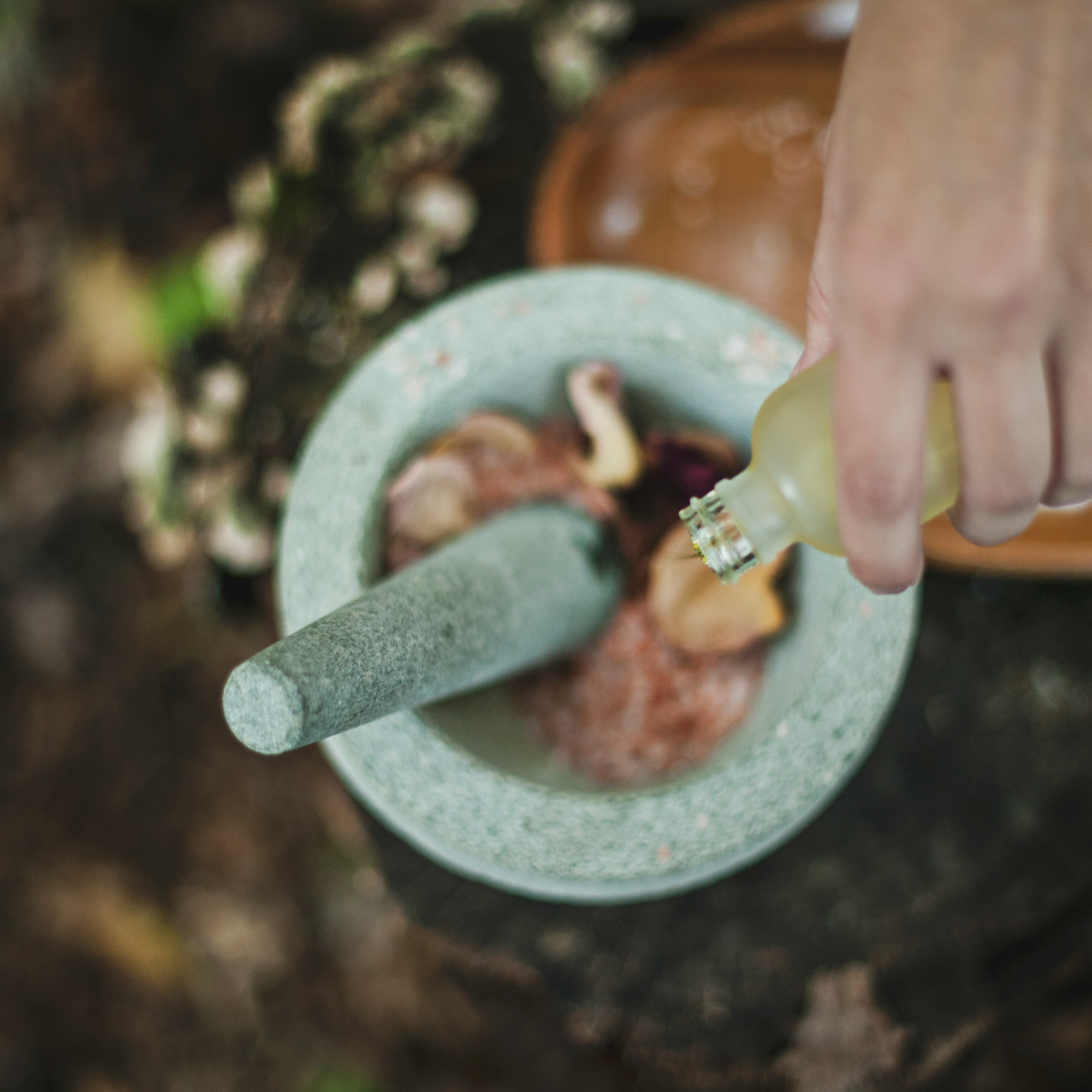
Pure relaxation for many of us. Fragrant aromas, soothing sounds, relaxed muscles. Massages, aromatherapy, or sauna sessions can not only relieve tension and promote blood circulation but, above all, calm the mind. Massages have a proven calming effect, as they reduce the release of stress hormones such as cortisol. They encourage mindfulness and help you consciously experience the moment. They also heighten your awareness of your own body.
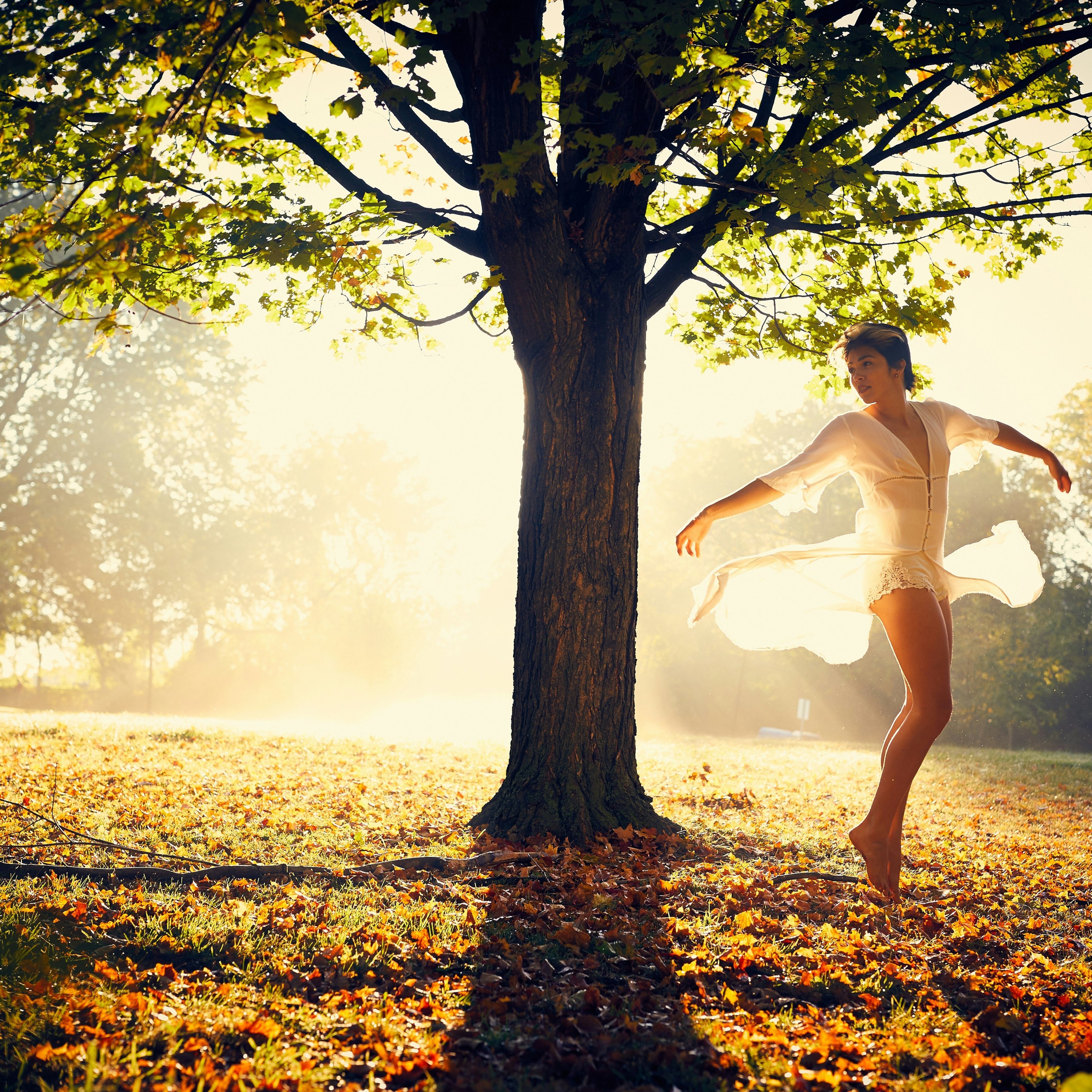
Creativity fosters inspiration, and inspiration allows us to engage with our desires and ideas. Creative activities such as crafts, knitting, painting, or writing offer a wonderful opportunity for people seeking a distraction from everyday life. Stressful thoughts and worries fade into the background; we escape the stress and demands of our daily lives and give our emotions and ideas free rein.
This not only helps us relax and recharge, but also gives us the opportunity to process our feelings and thoughts in an artistic way and connect more deeply with our inner selves. Give it a try—grab a coloring book, buy a ukulele and play a few notes—broaden your horizons and discover new perspectives.
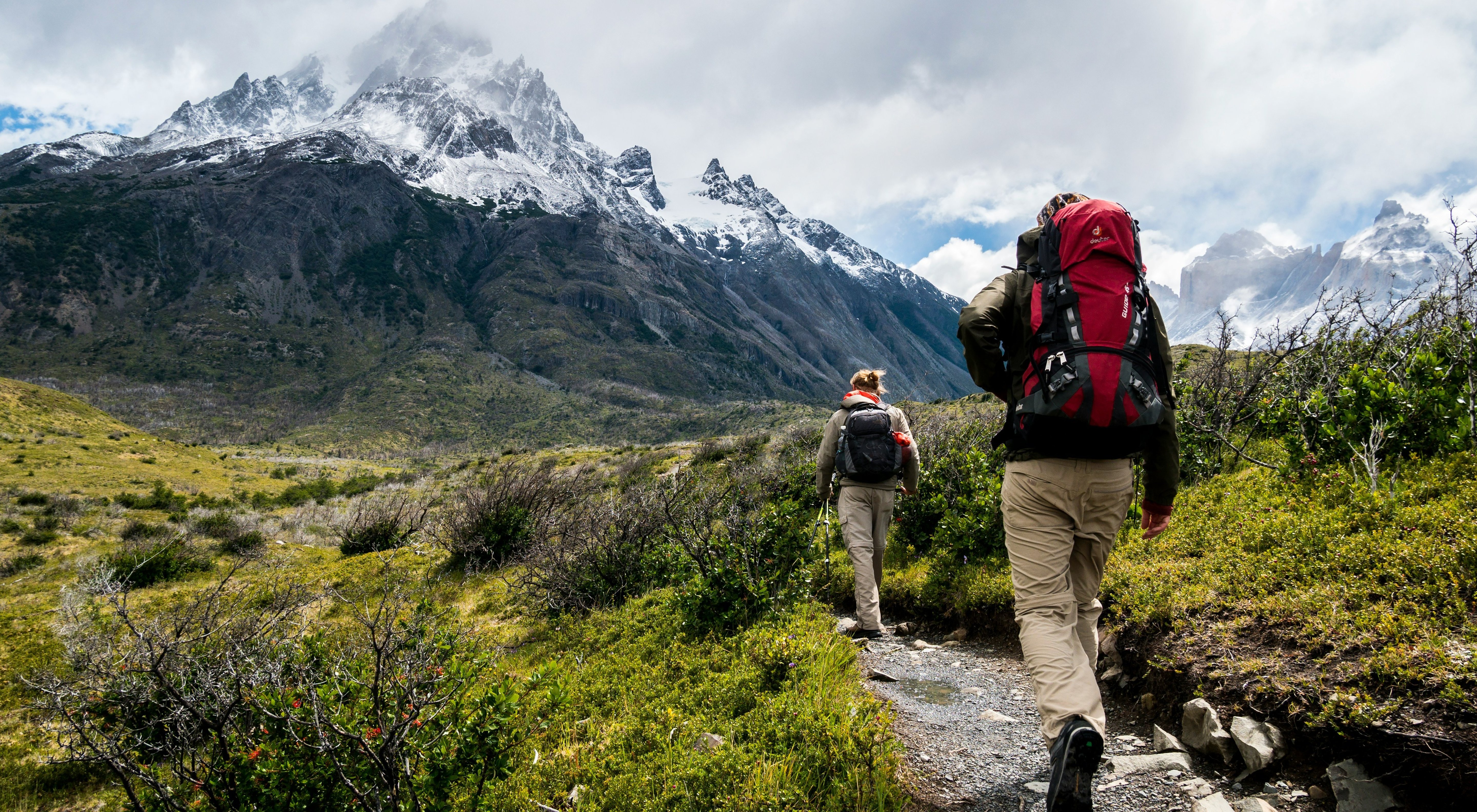
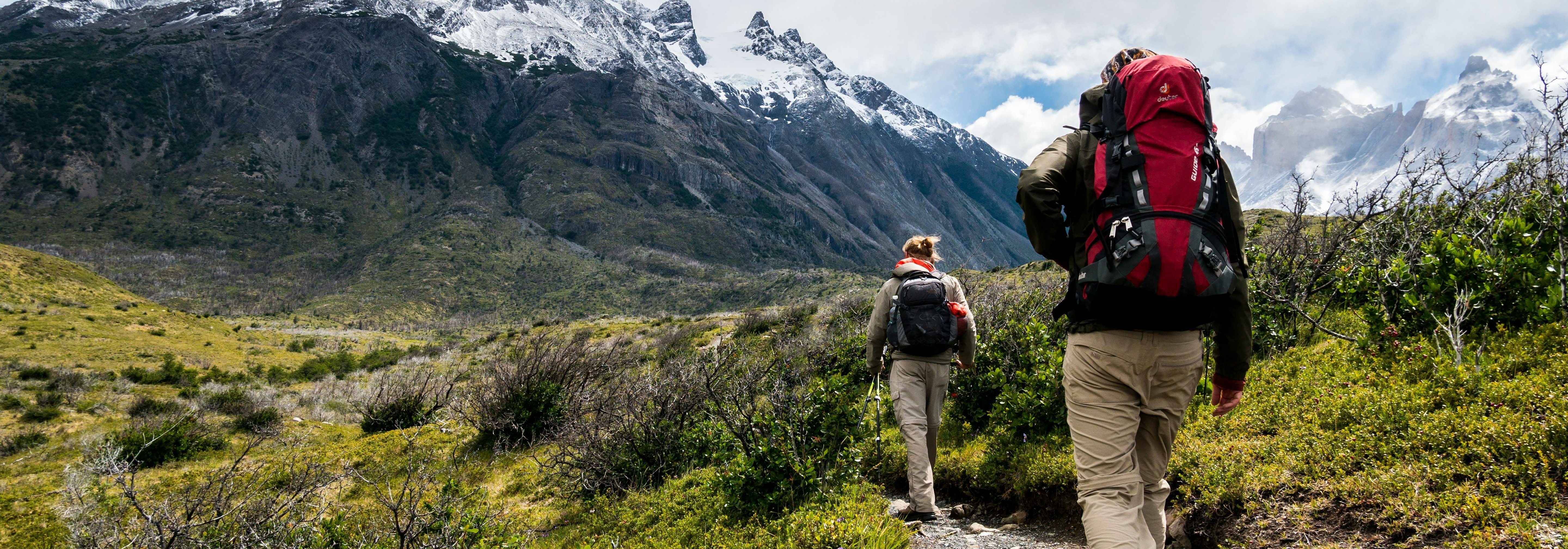
Outdoor activities like hiking, biking, or gardening
If you’re a Blackroll fan, chances are we don’t even need to convince you of the importance of regular exercise in the fresh air. You might be exactly the type of person who needs regular exercise just to be able to relax in the first place.
But why is exercise—especially outdoors in the fresh air—so important for us? Exercising outdoors promotes vitamin D synthesis in the skin, which in turn is important for the absorption of calcium and phosphorus, as well as for bone and muscle health. The skin can only produce vitamin D when exposed to sunlight. Sunlight can also increase the production of serotonin in the brain, a neurotransmitter responsible for regulating our mood. This affects us especially during the winter months, when a lack of sunlight can lead to seasonal affective disorder.
In addition, exercise in daylight helps regulate our sleep-wake cycle. Daylight helps us regulate our circadian rhythm, as natural light during the day and darkness at night signal to the body when it should be awake and when it should rest. This is extremely important, as it ultimately leads to restful sleep and good sleep quality.
This means that whether you prefer to go for a walk in the fresh air, want to be the next Picasso, or relax at your vacation spot with a spa massage and good food—what’s important is that you discover forms of relaxation that work for you.
Often, it’s the combination of these different practices that truly maximizes your recovery, allowing you to replenish your energy and motivation.
Relaxation Far from Home: Vacation Ideas for Maximum Relaxation
For some of us, relaxation only truly begins far from our own four walls—far away from everyday life, our familiar surroundings, and our daily obligations. For complete relaxation, it sometimes takes more than just a weekend to break away from the daily routine and recharge.
Vacations offer a wealth of opportunities for relaxation and rejuvenation, whether at the beach, in the mountains, or on a city break. Ideally, especially for distant destinations, you should treat yourself to at least two weeks of vacation to recharge your batteries. This allows you to clear your mind, relax your body, and disconnect from typical sources of stress.
On vacation, there are a variety of options that can help you relax and recharge, whether at the beach, in the mountains, or on a city break. Studies show that spending time in a new and unfamiliar environment—especially in nature—has been proven to reduce stress, improve mood, and enhance overall well-being. Whether you find relaxation in nature, want to enjoy the seaside, or wish to combine relaxation with sports depends entirely on your individual preferences and the theme of your vacation. Before deciding on a trip, gather information about different destinations and what they have to offer to ensure you experience maximum relaxation during your vacation.
If you’re looking for a few tips on vacation ideas that can help you unwind, you’ve come to the right place.
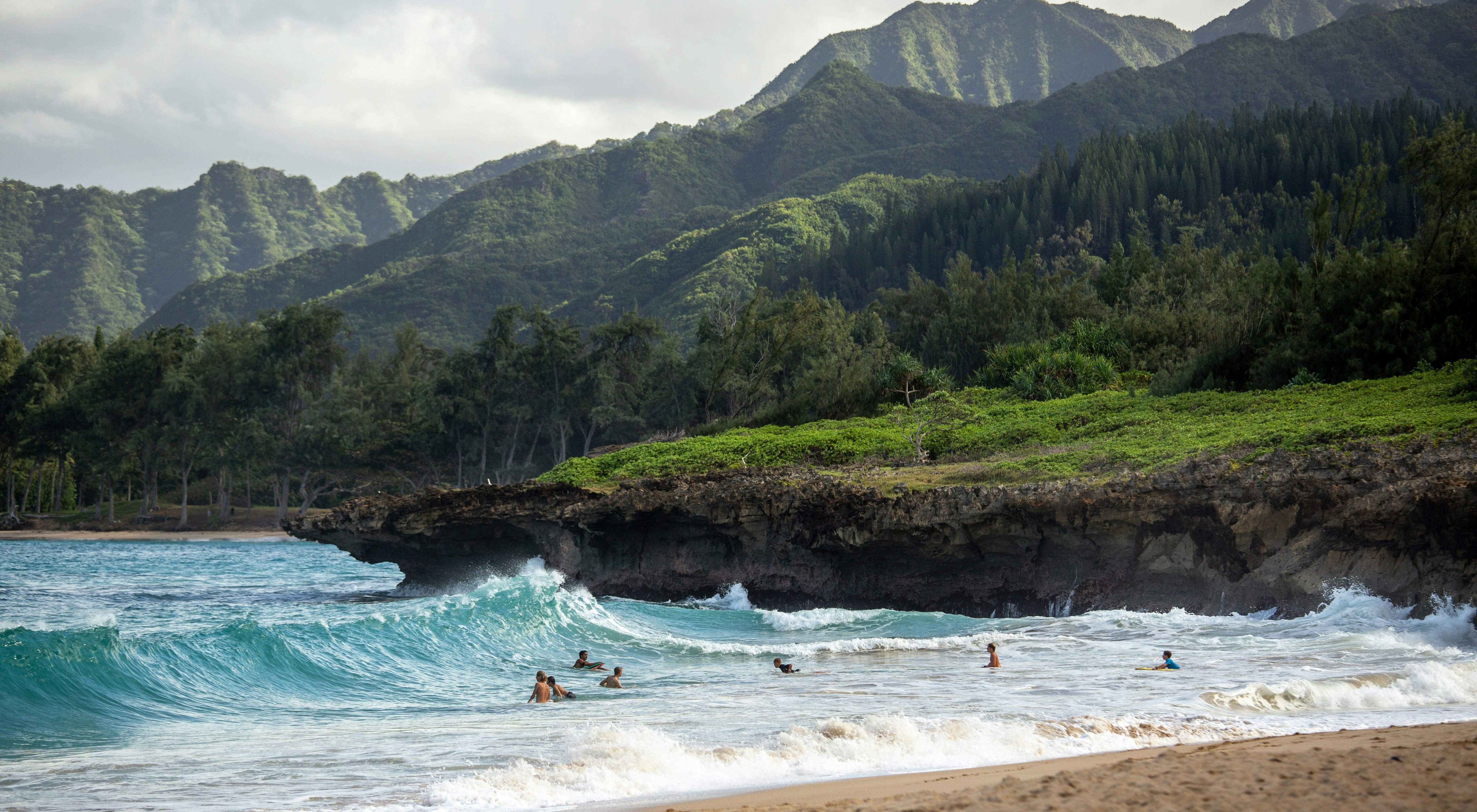
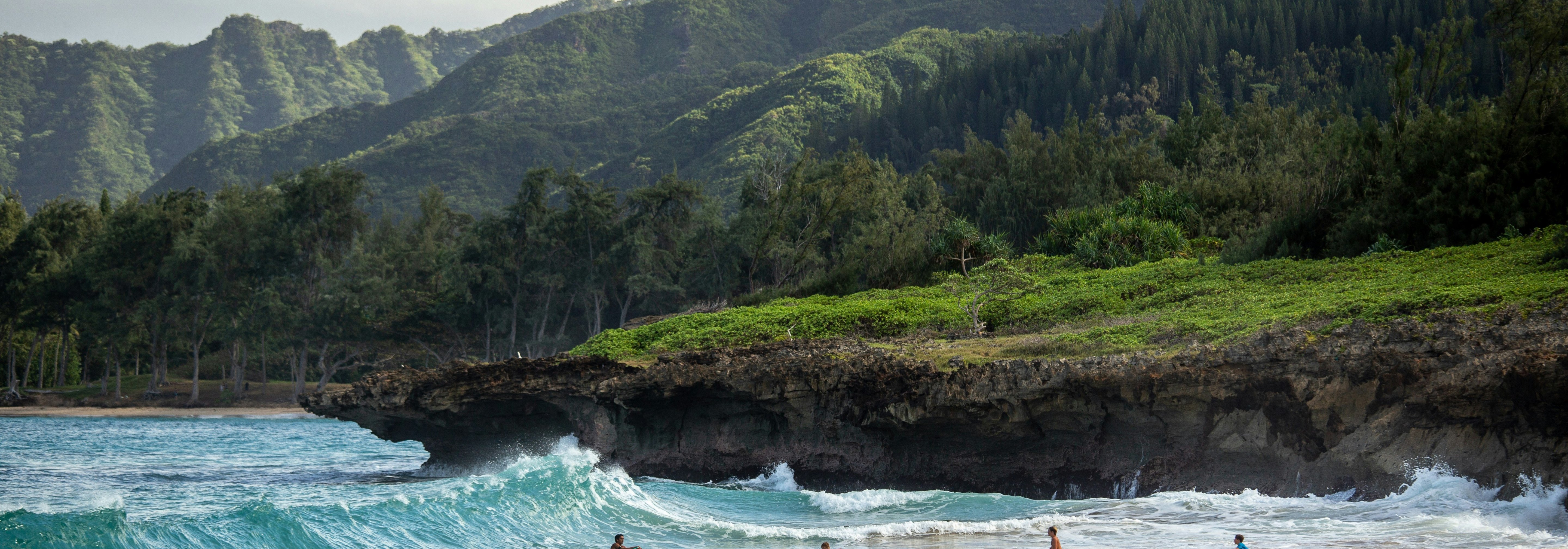
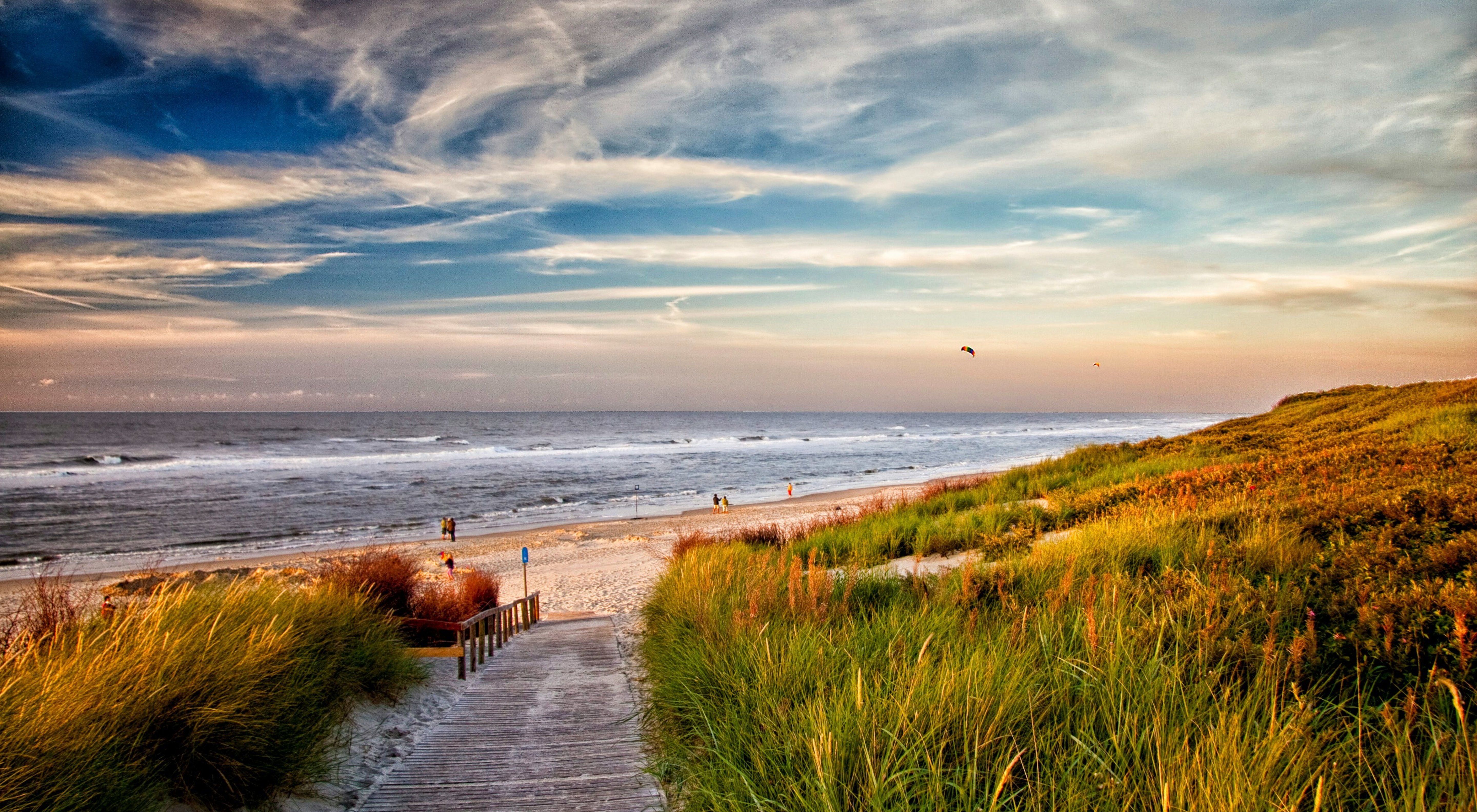
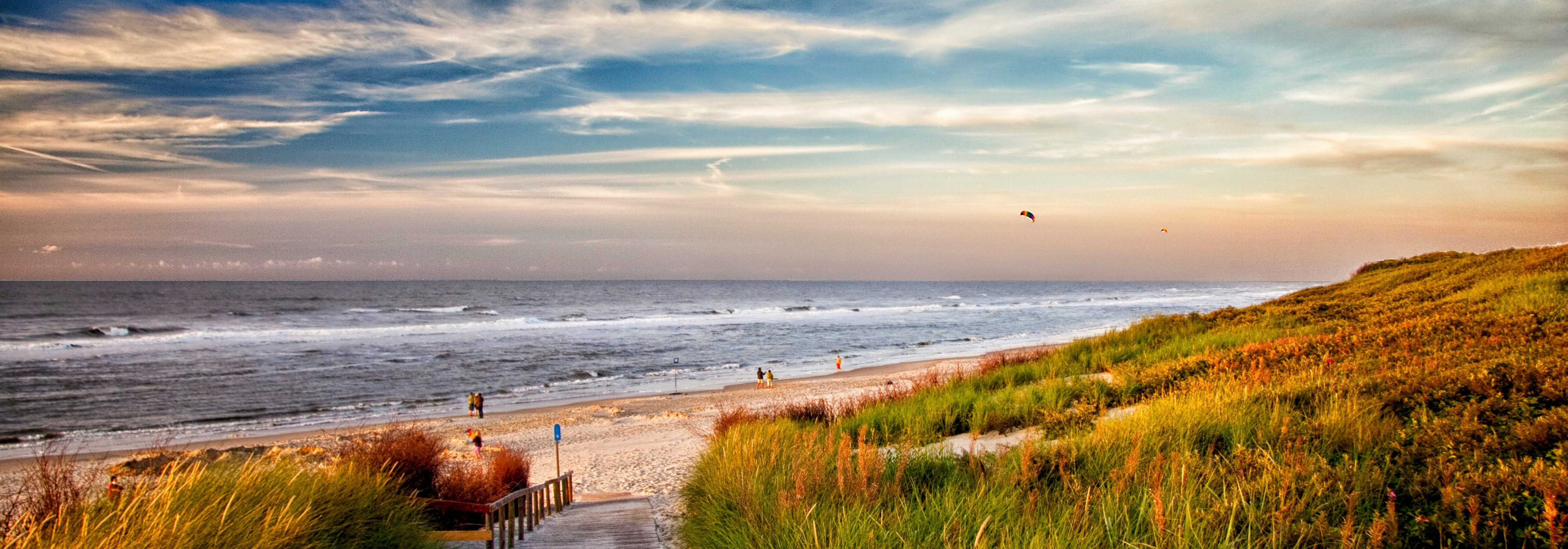
Just the thought of the roaring sea, the hot, salty air, and the distant laughter of children building sandcastles is enough to put many people in a state of relaxation.
You’ve probably experienced this—you’re lying on the beach, the sun makes your body feel warm and heavy, and you close your eyes just for a moment—only to wake up a short time later feeling completely disoriented, yet thoroughly content and relaxed. The water, the sea air with its cleansing effects on the respiratory tract, the sand between your toes. A vacation by the sea not only allows for relaxation but also offers the opportunity to connect with nature and enjoy life to the fullest.
Family vacations can also be wonderfully combined here. Building sandcastles, swimming in the ocean, trying out new water sports, snorkeling, surfing, kayaking, and getting tossed around on a banana boat. For us, relaxation by the sea is at the top of the list for the ultimate vacation experience—whether at a hotel, while camping, or on organized retreats
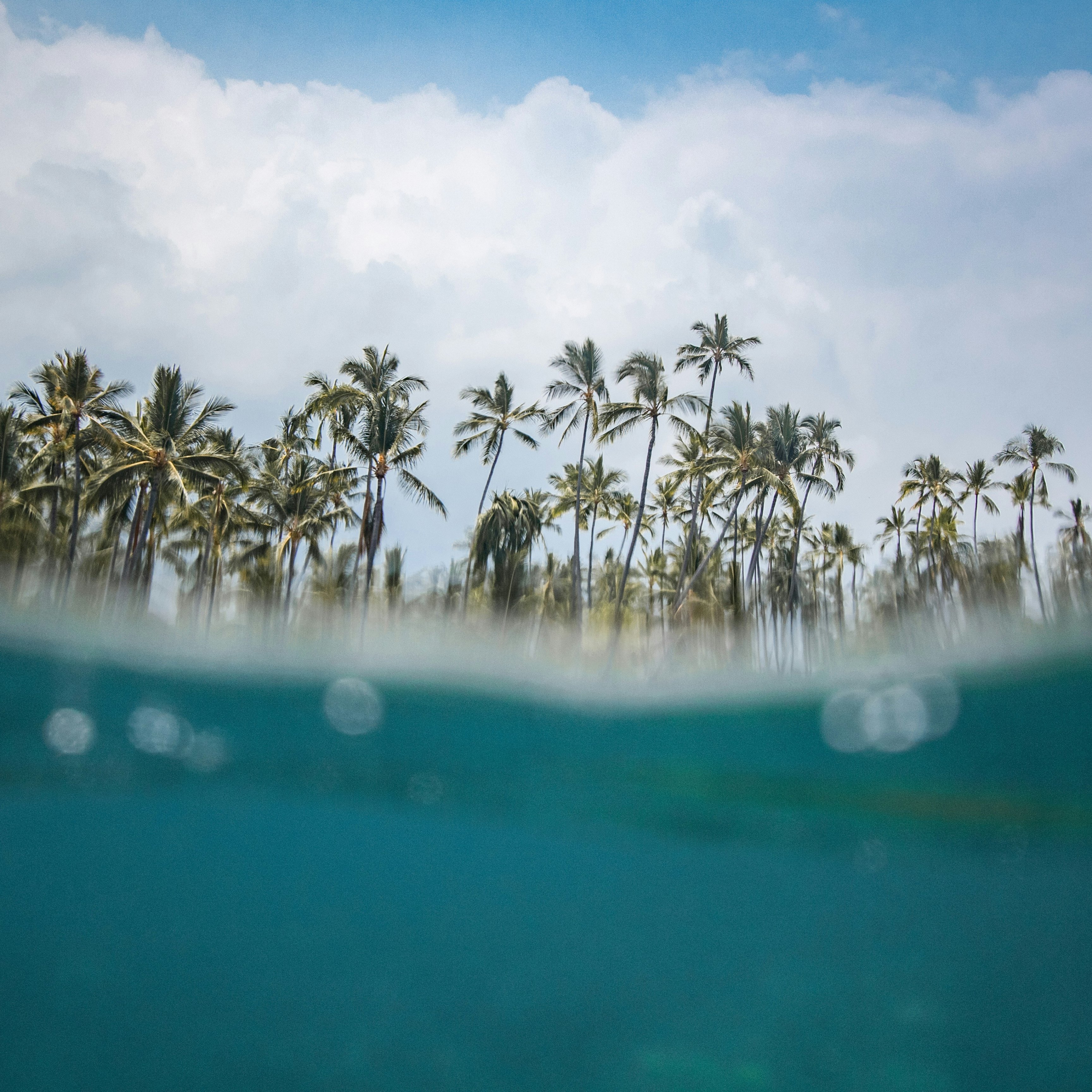
For the physically active among us, a vacation in the mountains is also a top choice. This doesn’t have to mean just hiking, trail running, mountain biking, or rock climbing—it can also mean finding solitude and enjoying the peace of a mountain cabin.
The connection with nature, majestic peaks, clear mountain lakes, and dense forests create a peaceful and tranquil environment, far away from the hustle and bustle of city life. Guided hiking tours also offer the opportunity to fully recharge without having to plan the routes yourself.
Recreation and vacations in the mountains allow you to stay physically active while enjoying the peace and serenity of nature.
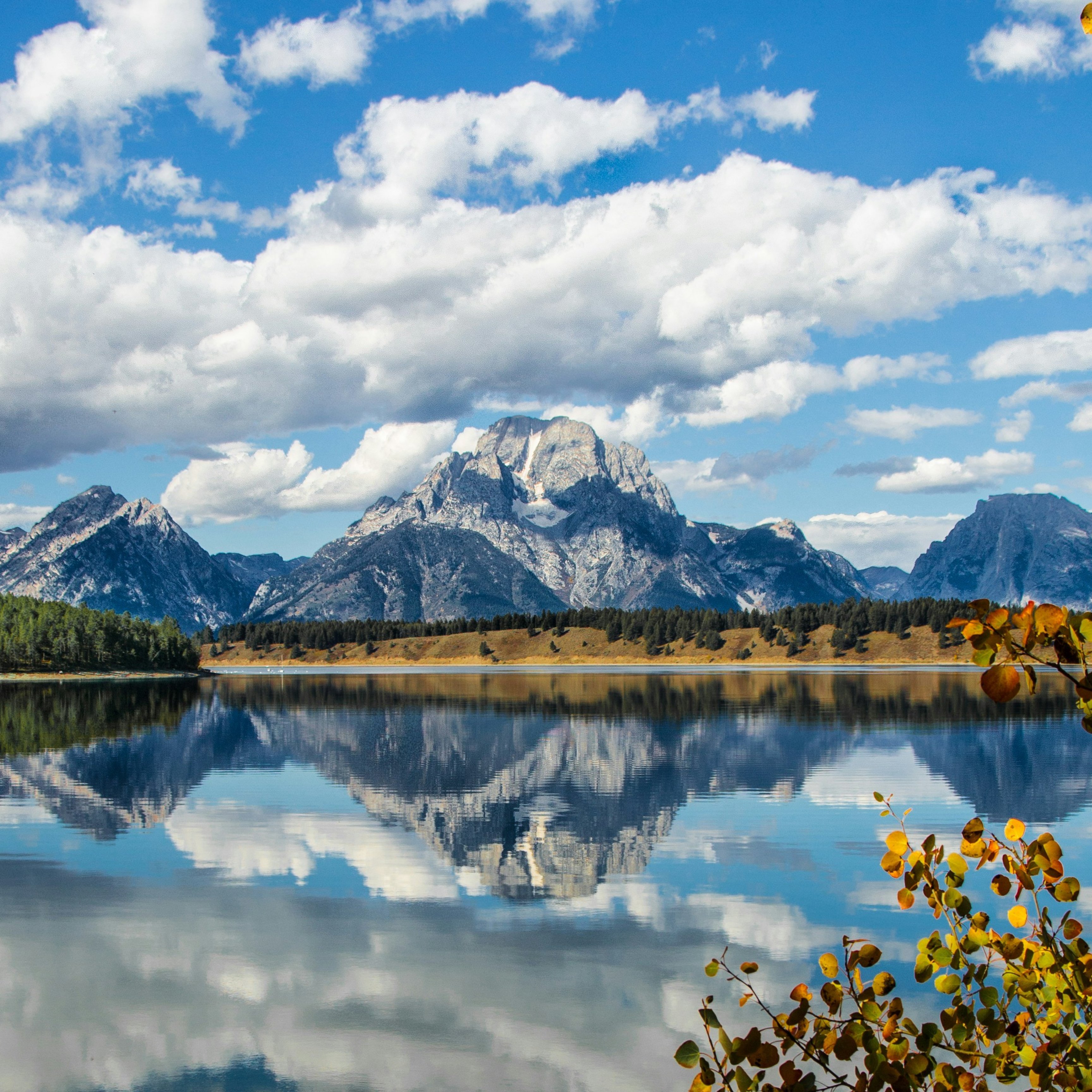
Discovering new cities can also be a form of relaxation. City trips offer the chance to have new cultural experiences, learn about new languages and traditions, and immerse yourself in the lively atmosphere of the city. A visit to an art museum, exciting and bustling markets, or historic sites—some of us find relaxation by drawing inspiration from new experiences.
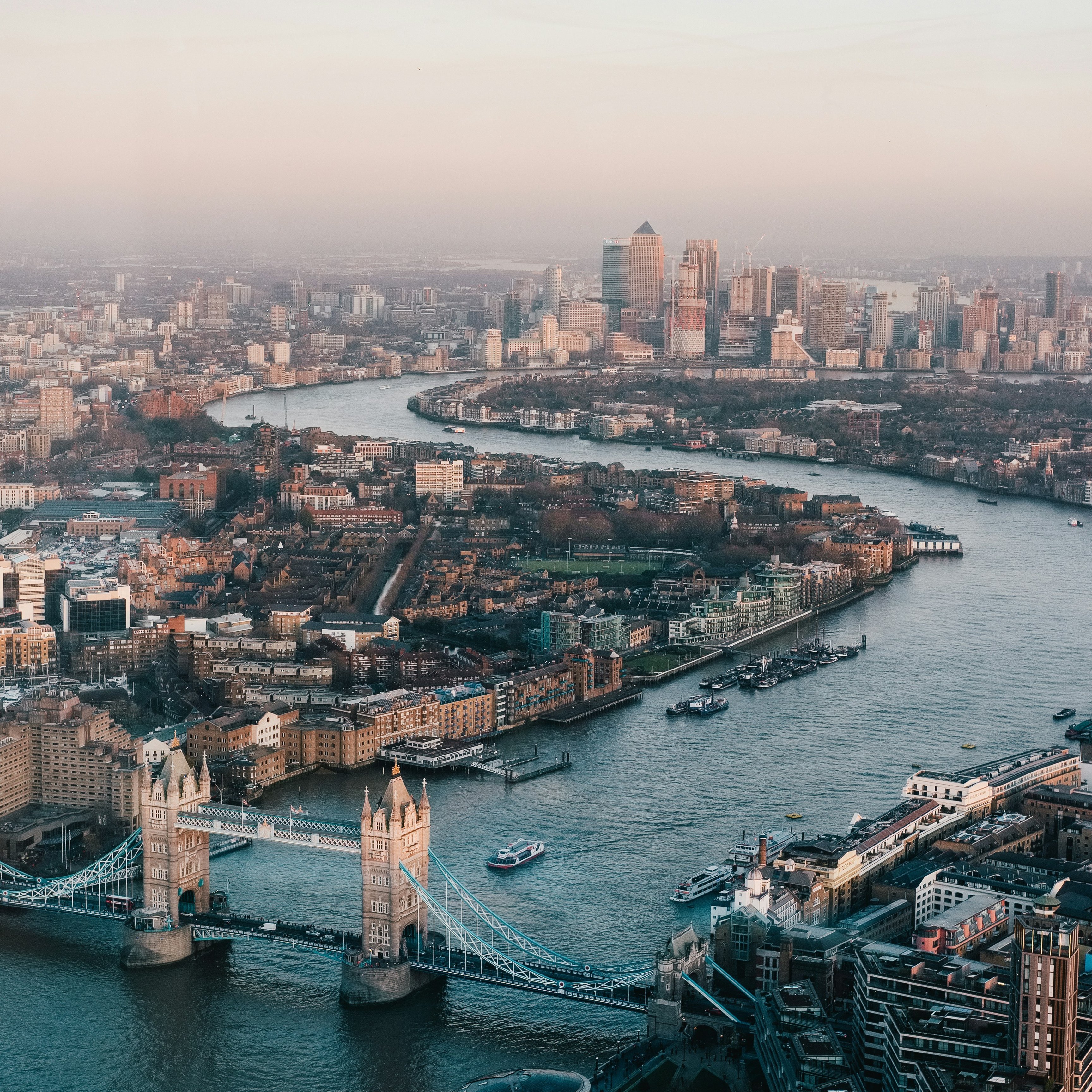
A tradition for many, a completely new experience for others—vacation options like cruises, adventure vacations, or pilgrimages may offer some of us an alternative to traditional vacation options.
Cruises allow you to explore new destinations in comfort aboard a ship. Here, you can enjoy luxury, discover new exotic beaches and cities, while relaxing on the ship itself with activities such as shows, spa treatments, gourmet dining, and sunbathing.
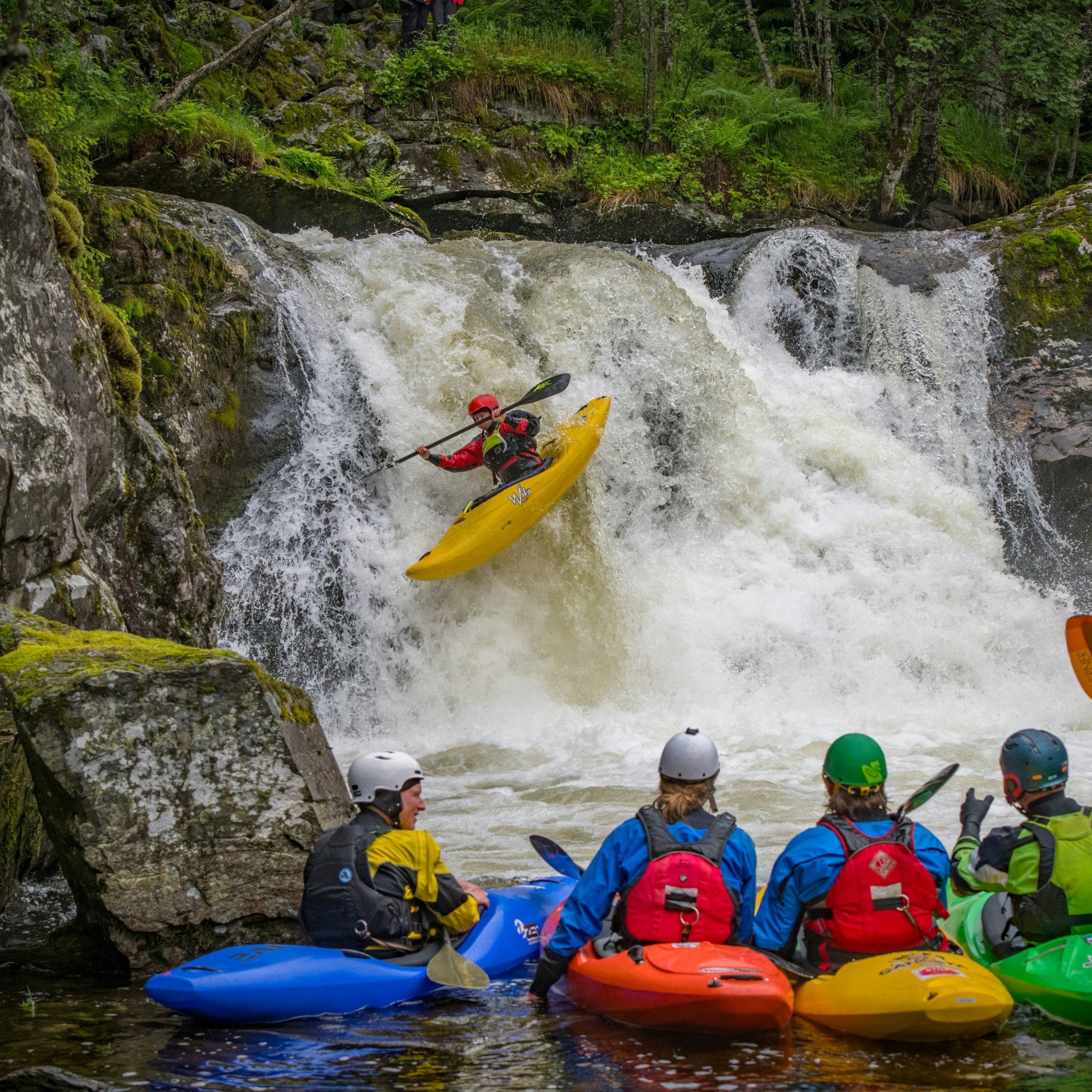
Adventure vacations, on the other hand, offer you the chance to experience adrenaline-fueled and thrilling new adventures. From trekking in the Himalayas, rafting in Costa Rica, or going on a safari in Africa—adventure means something different to everyone and offers a wide range of new and exciting experiences.
If you’d like to enjoy the complete opposite, you can also try a pilgrimage, whether guided or on your own. Pilgrimages offer the opportunity for spiritual journeys to holy places or sites of religious significance. The goal is to have new spiritual experiences, gain new insights, and find inner peace. Often, long distances are covered on foot during these journeys.
A well-known pilgrimage is the Camino de Santiago, which stretches across various routes throughout Europe and offers you the chance to rediscover relaxation on both a spiritual and cultural level.
The Importance of Mindful Rest: Small Breaks for a Big Impact
Rest is incredibly important for boosting our well-being and rejuvenating our body, mind, and soul. It doesn’t matter whether you find rest at home while painting, trekking in the tropics, or getting a massage on the beach.
Rest and regular breaks from everyday stress are essential for recharging your batteries and reducing stress. Stay flexible, be open to new experiences, and set aside intentional time for rest and relaxation. Through regular rest, you’ll find it easier to balance your physical and mental health, boost your productivity and creativity, and reduce stress hormones.
Rest is an investment in your health and quality of life —so treat yourself to regular time off to go through life with renewed energy, clarity, and joy.