
Does this sound familiar? Sometimes it all just hits you at once: Your job is stressing you out, there’s trouble at home, and moments to catch your breath are few and far between—and then your back starts acting up, too. It’s no coincidence! Stress and back pain are closely linked.
When you’re under pressure, your body reacts with tension, especially in your muscles. If this tension persists, you’ll eventually feel it as uncomfortable pain in your back—especially if you don’t actively counteract it, whether through exercise or conscious relaxation.
But it works the other way around, too: Chronic back pain can take a toll on your mental well-being and intensify feelings of stress and being overwhelmed. Find out here how stress affects your back and what you can do about it—both in the short term and as a preventive measure.

You’ll build a strong back. Your health insurance covers it.
Go to the online prevention course





Back Pain Caused by Stress? The Connection
Stress is a part of life—but not all stress is the same. While so-called eustress ( positive stress) motivates you and boosts your performance, distress ( negative stress) can take a toll on your body over the long term. Your back, in particular, suffers from chronic stress because it’s directly connected to your nervous system and muscles. But why is that? And what happens in your body when you’re under stress?
Stress and Your Nervous System: Sympathetic vs. Parasympathetic
Your autonomic nervous system unconsciously controls numerous bodily functions—including your muscle tension. It consists of two opposing systems:
- The sympathetic nervous system becomes active in stressful situations. It releases hormones such as adrenaline and cortisol, increases your heart rate, and puts your muscles into a tense “fight-or-flight” state. In the short term, this is useful for responding to challenges.
- The parasympathetic nervous system, on the other hand, is responsible for relaxation and recovery . It lowers muscle tension, regulates your heart rate, and promotes rest.
If you’re under constant distress, your sympathetic nervous system remains overactive, while the parasympathetic nervous system is neglected. The result? Your muscles—especially in your neck, shoulders, and back—remain tense. This chronic muscle tension leads to pain, restricted movement, and increased sensitivity to pain.
Calming the Nervous System


From Tension to Pain: How Stress Affects the Fascia
- Increased muscle tension and reduced glide: Under stress, muscle tone increases, and the fascia lose elasticity. This impairs the glide between tissue layers and can lead to tension, restricted mobility, and pain throughout the body.
- Impaired fascial hydration: Fascia consists largely of water, which enables smooth movement over muscles and other structures. Stress reduces the fascia’s ability to store water in the extracellular matrix. As a result, the fascia becomes less elastic and loses its suppleness, causing a feeling of stiffness and discomfort.
- Changes in Posture and Movement Patterns: Stress affects fascial tension and neuromuscular control, which in turn impacts posture and movement patterns. Increased tension in the fascia of the neck and shoulders can lead to headaches and upper back pain. If these patterns persist, they can result in muscular imbalances and chronic pain over time.
- Increased sensitivity to pain: Fascia contain a variety of sensory receptors (nociceptors, mechanoreceptors, proprioceptors). When the fascia harden or become restricted due to stress, sensitivity to pain increases. This can trigger a cycle of tension, pain, and further stress responses.
More interesting articles








Back Pain Caused by Tension: How to Counteract It
When you’re under stress, your body automatically tenses up—especially in your neck, shoulders, and lower back. This unconscious protective response is helpful in the short term, but if the tension isn’t released, muscle stiffness and pain can develop. Chronic tension limits your mobility and increases your sensitivity to pain, causing stress and back pain to reinforce each other. But you’re not at the mercy of this cycle! There are specific steps you can take to help release existing tension and relieve acute discomfort.
Exercise: The Natural Antidote to Tension
One of the most effective ways to reduce stress-related back pain is exercise. Through targeted activity, you improve blood flow to your muscles, release tension, and reduce the release of stress hormones. The following are particularly helpful:
- Gentle mobility exercises: Circular shoulder movements, slow forward and backward bends, or spinal rotations help loosen stiff muscles.
- Stretching exercises: Sitting for long periods or maintaining a tense posture can shorten the back muscles. Regular stretching—working all fascia chains holistically to maintain balance—promotes flexibility and prevents muscle cramps.
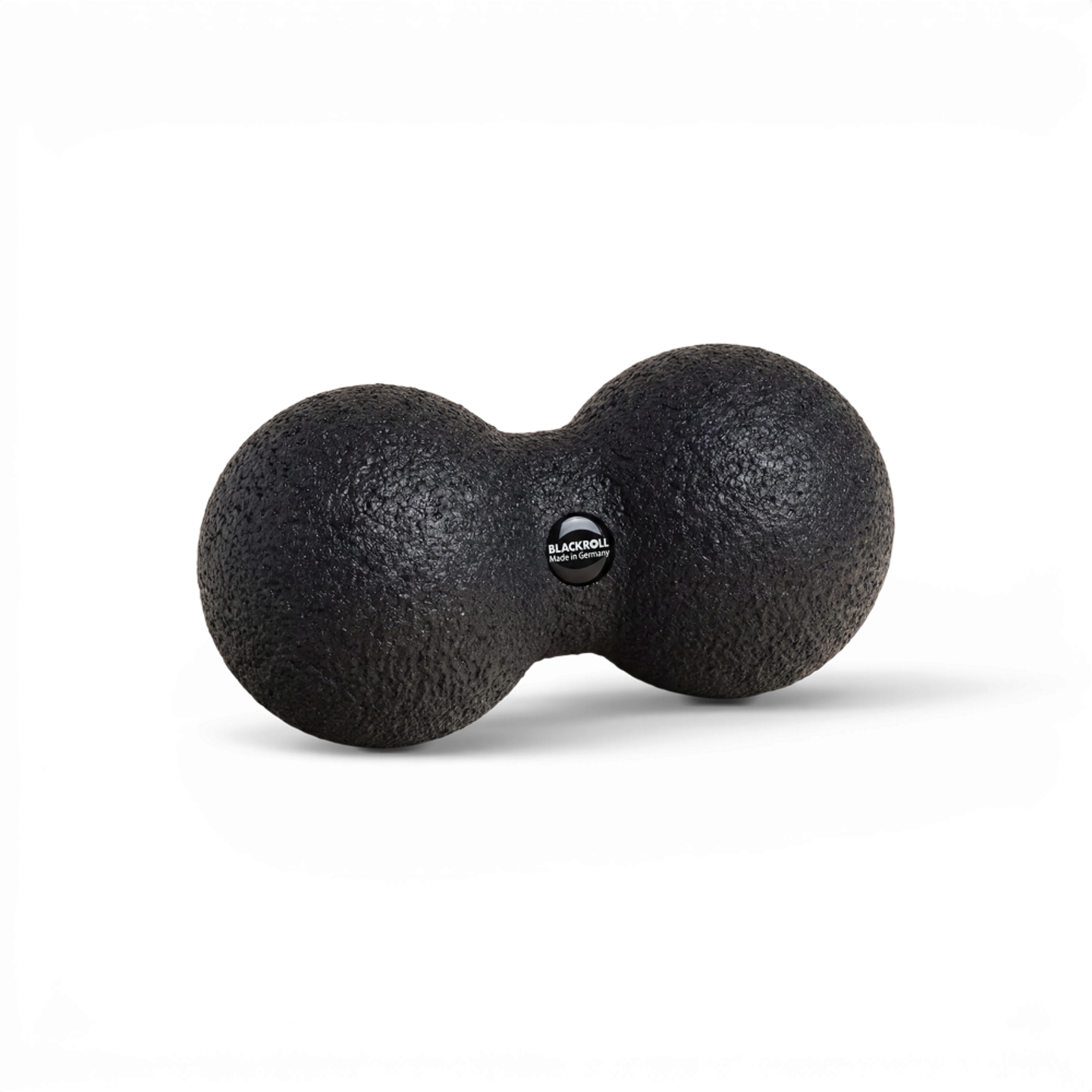
- Fascia Training: Using a fascia roller or massage ball, you can specifically release tense areas and improve blood circulation, helping your muscles relax more quickly.
- Light exercise: Walks, yoga, or gentle strength training not only help your back but also activate the parasympathetic nervous system, which promotes relaxation.
Conscious Relaxation: Bringing Your Nervous System into Balance
In addition to exercise, conscious relaxation plays a crucial role in reducing stress-related back pain. If you’re constantly tense, your nervous system remains in a state of alert. To break this cycle, you can use specific methods that activate your parasympathetic nervous system:
- Deep Breathing: Breathing techniques such as the 4-7-8 method (inhale for 4 seconds, hold for 7 seconds, exhale for 8 seconds) help release muscle tension and calm your nervous system.
- Progressive muscle relaxation (PMR): By consciously tensing and relaxing individual muscle groups, you can reduce muscle tension and specifically relieve tension in your back.
- Meditation & Mindfulness: Short mindfulness exercises or guided meditations help you focus on your body and become aware of tension before it sets in.
- Heat & Massage: A hot water bottle or a warm shower relaxes the muscles, while gentle manual massages or the use of a massage gun can specifically relieve tension.
Immediate Relief: What to Do When the Pain Is Acute?
If your back pain is particularly severe due to stress, there are a few quick steps you can take to find relief:
- Contrast showers or heat therapy —A hot water bottle or a warm bath relaxes the muscles and promotes blood circulation—ideal for stress-related tension,
- Movement instead of staying still – A short walk or targeted mobility exercises like shoulder circles or pelvic tilts help loosen the muscles and improve blood circulation.
- Breathing exercises for acute tension —Slow, conscious breathing calms your nervous system and reduces tension.
- Stretching exercises at work —If you sit for long periods, take a minute every hour to do some simple mobility exercises.
Office Workout: 5 Exercises for the Workplace
- Mental relaxation – Visualization exercises or calming music can help quickly lower your stress levels.
By applying these methods strategically, you can significantly reduce acute back pain caused by stress.


5 Tips to Prevent Back Pain
Back pain caused by stress and tension isn’t just something you can treat—you can also actively prevent it. The key is a holistic approach that strengthens both your body and your mental health. With the following 5 steps, you can prevent stress from negatively affecting your back in the long term.
1. Stress Management: Find Strategies That Work for You
Constant stress keeps your body in a state of tension. That’s why it’s important to consciously seek balance. Methods such as meditation, mindfulness training, or guided breathing exercises help bring your nervous system into balance and prevent tension. Creative hobbies or spending time in nature can also help you reduce stress. Find out what relaxes you and make it a regular part of your daily routine.
Calming the Nervous System—Techniques and Tips
2. Incorporate Exercise into Your Daily Routine
Regular exercise is one of the most effective ways to prevent stress-related back pain. It doesn’t always have to be intense training—even small changes in your daily routine can make a difference. Take every opportunity to move more: Get up regularly, stretch throughout the day, or take a short walk after work. Gentle exercises like yoga, fascia training, or mobility exercises are particularly effective, as they not only relax your muscles but also calm your mind.
3. Optimize Ergonomics at Your Workstation
Much stress-related back pain is caused by sitting for long periods in an unhealthy posture. Make sure to maintain an ergonomic sitting position: Your back should be straight, your feet flat on the floor, and your screen at eye level. Dynamic sitting—that is, regularly changing your position—as well as a height-adjustable desk can help prevent tension. In addition, doing small stretching exercises during work is ideal for keeping your muscles relaxed.
Ergonomics in the Workplace: What You Should Keep in Mind
4. Improve sleep quality
Stress can not only cause muscle tension but also disrupt your sleep—which in turn can exacerbate back pain. Good sleep hygiene is therefore essential: Make sure you have a comfortable mattress and an ergonomic pillow, reduce screen time before bed, and establish a relaxing evening routine. Have you checked out our sleep products yet?
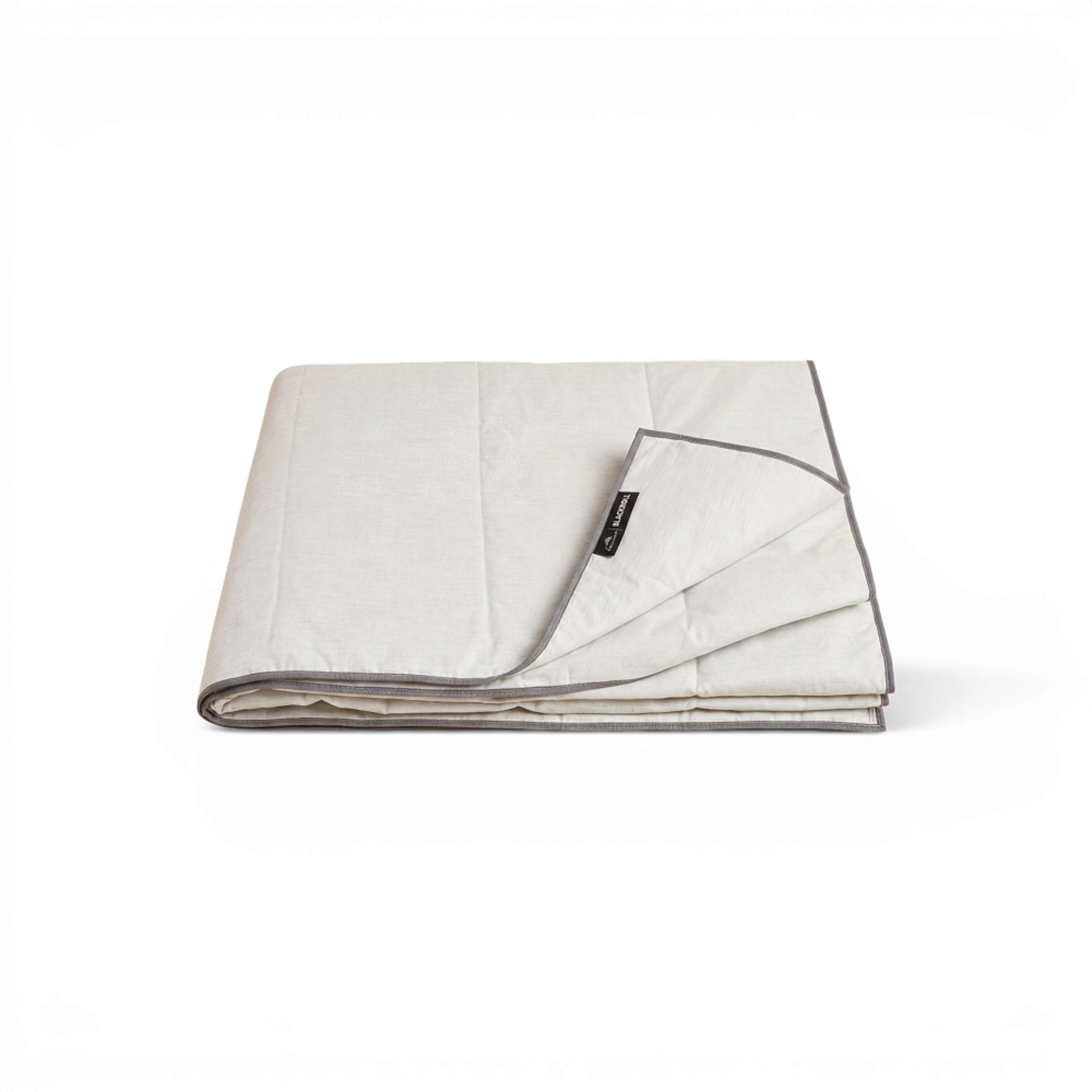
Recovery Blanket Summer
Available in multiple variants

Bedding Set Premium Comfort
Available in multiple variants
5. Mental Attitude: Being Mindful of Your Body
We often don’t even realize how tense we are in our daily lives. Make it a habit to check in with yourself briefly every now and then: How does your neck feel? Is your back relaxed? Are your shoulders hunched? Mindful awareness helps you recognize tension early on and take steps to counteract it. Relaxation techniques such as progressive muscle relaxation or body scans can help you sharpen your body awareness and release unconscious tension.
Prevention Is Key
By regularly ensuring you get exercise, relaxation, and maintain good posture, you can prevent stress from taking hold in your back. The combination of physical activity, mental relaxation, and an ergonomic environment provides the best foundation for staying pain-free in the long term. If you integrate these measures into your daily routine, you’ll notice how your back becomes more resilient—and how you go through life feeling more relaxed overall.


Conclusion: Stress and Back Pain—It’s in Your Hands
Stress is an integral part of modern life—but when it persists over time, it can affect not only your mental health but also your physical health. Your back, in particular, suffers from chronic tension, as stress activates the nervous system, increases muscle tension, and causes stiffness. If these issues aren’t addressed, they can develop into persistent pain that limits your mobility and impairs your quality of life.
But the good news is: you can actively do something about it. Now that you understand how stress and back pain are linked, you can take targeted steps to counteract them. Exercise is one of the most effective ways to relieve muscle tension and reduce stress hormones. In addition, targeted relaxation techniques such as breathing exercises, meditation, or progressive muscle relaxation help bring your nervous system into balance and take your body out of “alert mode.” Maintaining an ergonomic posture in daily life, getting enough sleep, and taking conscious breaks also help prevent stress from taking hold in your back in the first place.
Ultimately, it’s about finding a balance between activity and relaxation. Prevention is key: If you regularly pay attention to your posture, get enough exercise, and consciously set aside time for relaxation, you can prevent stress from manifesting in your body over the long term and, as a result, suffering from back pain.
More interesting articles