Reducing Stress: Effective Methods for Greater Balance

In our hectic world, stress has become a constant companion. Both at work and in our personal lives, we are repeatedly exposed to challenging situations that can create feelings of strain and overwhelm. Unmanaged stress can lead to serious health problems, including heart disease, stomach problems, and mental health disorders.
That’s why it’s crucial that we find ways to cope with this ever-present pressure. In this article, we’ll explore some effective stress management methods that can help us lead more balanced and healthier lives.
The key to reducing stress lies in knowing the right strategies and integrating them into our daily lives. It’s time for us to learn how to manage our stress in order to improve our quality of life.

Definition: What Is Stress
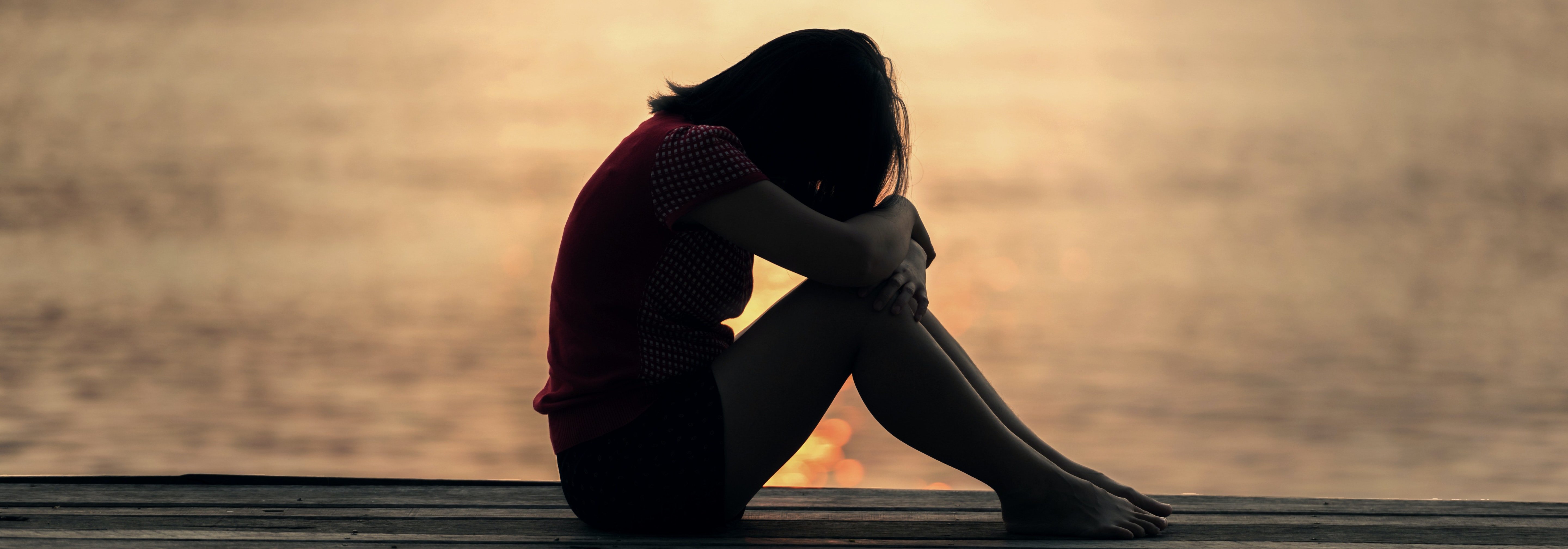
Stress is defined as a physical, emotional, or psychological reaction to a challenge that is perceived as threatening or burdensome. Through stress responses, the body aims to accelerate decision-making in the face of danger.
Stress often arises when we feel we are not up to certain tasks. Everyone experiences stress differently—what causes tension in one person may not bother another at all. How people cope with stress also varies from person to person.
You’ve probably noticed this many times: While some people can relax very quickly in certain situations, others find it very difficult to break free from a spiral of thoughts. Stress is a normal and healthy reaction of the body, but if it lasts too long or becomes chronic, it can lead to various health problems, such as depression, anxiety, cardiovascular disease, or immune system disorders.
That’s why it’s very important to manage stress in order to avoid negative effects on your health. Typical symptoms of stress include poor sleep and loss of appetite.

Stress Factors: What Triggers Stress?
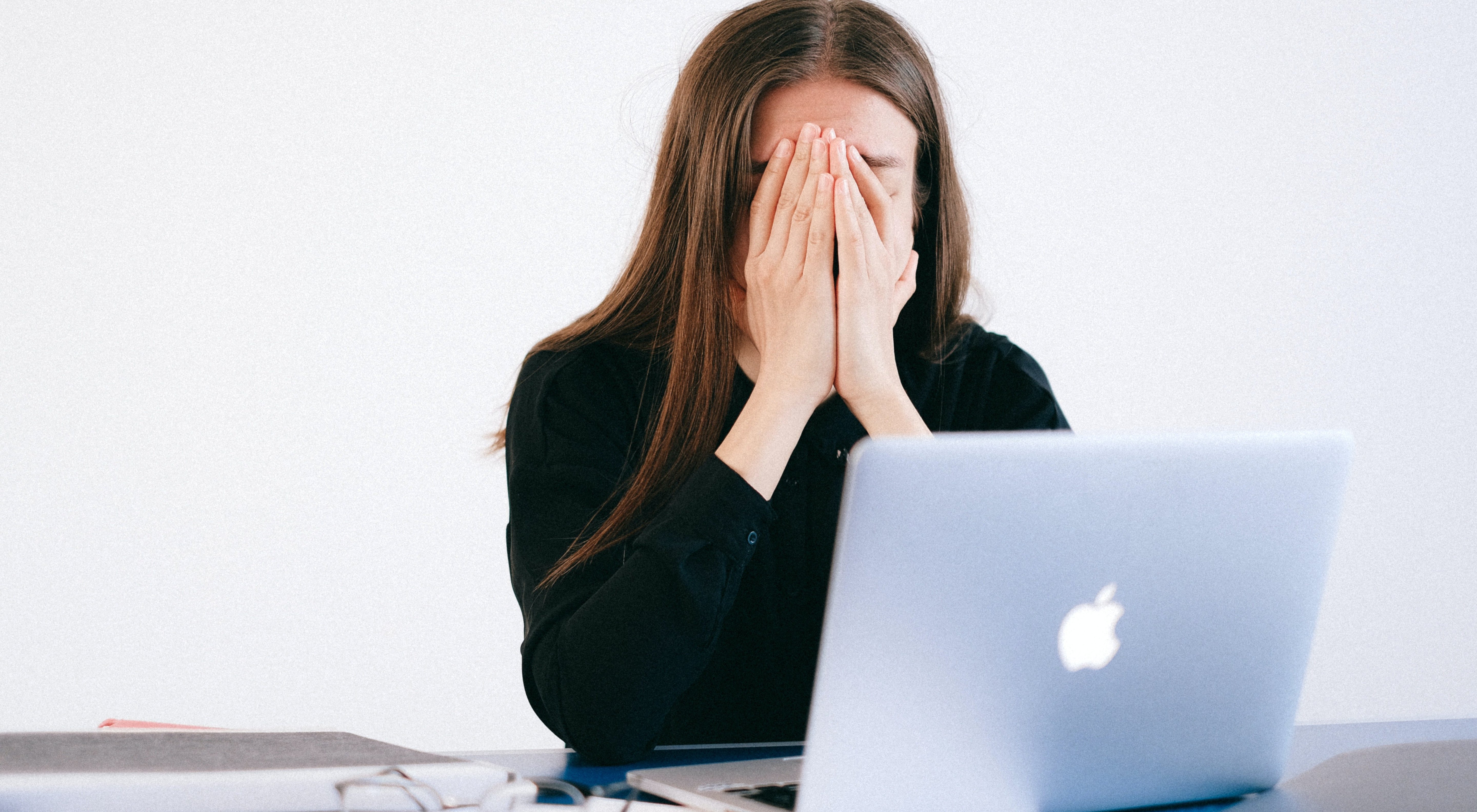
The triggers for stress can vary from person to person. Just as we humans are all different, so too are the stress factors: for a middle school student, a potential stress factor—also known as a stressor—might be a class test; for a college student, it might be the next exam; and for a working professional, it might be the tenth hour of overtime that week. But it’s not just these kinds of events that can trigger stress. Essentially, we distinguish between four types of stressors.
- External stressors are everyday situations that we perceive as unpleasant or even threatening. These include, for example, noise, weather, traffic jams, waiting times, worries, debt, illness, pain, boredom, and criticism.
- Internal stressors often have their roots in one’s upbringing. They contribute to the perception of a situation or even people as stressors, such as excessively high demands or expectations, unfulfilled desires, low resilience, and perfectionism.
- Psychological and mental stress triggers include stressors that are psychologically taxing, such as being overburdened or underchallenged, unclear goals, and pressure to perform, meet deadlines, or compete.
- Then there are social stressors, which are perceived as psychosocial burdens. These include bullying, social isolation, conflicts with others, discrimination, and changes in social relationships.
Stress can affect blood pressure. During times of stress, the hormone adrenaline is released, causing blood vessels to constrict. If the body is continuously exposed to high levels of stress, this can lead to chronically elevated blood pressure, which can be a risk factor for cardiovascular disease. To counteract this, you’ll find some methods and tips for stress management in this article.
Not all stress is the same! Positive and negative stress.
A distinction is also made between positive and negative stress.
Eustress refers to positive stress that can motivate and stimulate a person, such as the stress felt before a job interview, a major competition, or a deadline. Eustress can improve our performance and promote personal growth.
Negative stress is also knownas distress; this type of stress can be harmful to a person’s physical and mental health. It can stem from various factors, such as financial problems, relationship conflicts, or work-related stress. Stress can lead to anxiety, depression, and other negative consequences.
In summary, eustress can be beneficial, while distress can be harmful. It is important to recognize the difference between the two and manage stress to avoid negative outcomes.
"Stress isn’t a bad thing; it’s our body’s natural response to situations that our organism perceives as a threat. The problem in our modern society is the subtle, chronic stress to which we are constantly exposed. Learning how to restore our nervous system to a balanced state is one of the most important skills for our health."
Stefan Schneider, Movement & Mindfulness Coach

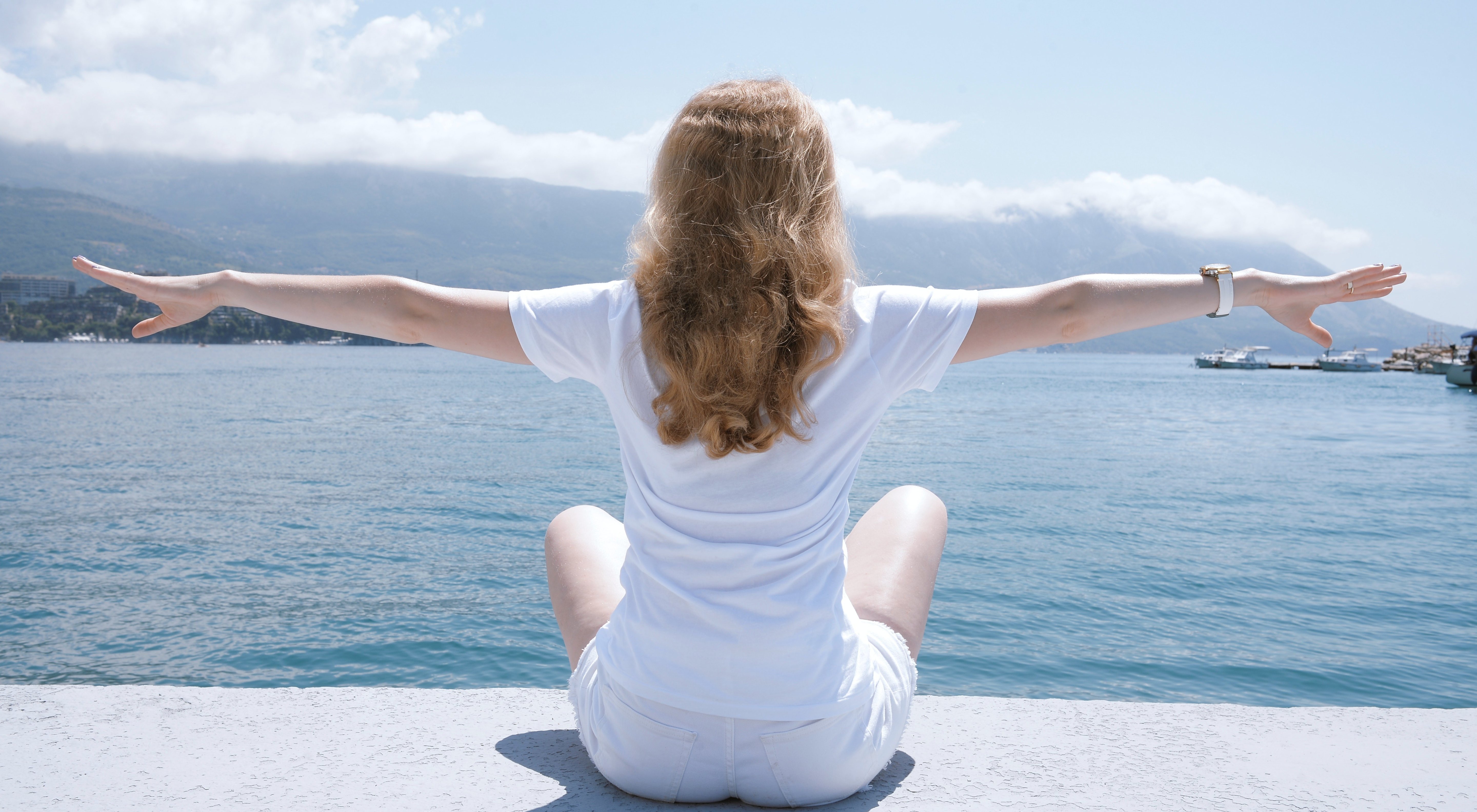

Guide: What Helps Combat Stress? How to Reduce Stress—Methods!
As mentioned above, different things trigger feelings of stress in different people. For some, it happens quite quickly, while others are hardly ever flustered.
But what can you do about it? What helps with stress? Once stress has taken hold, the mental strain can take a toll on both your emotional and physical well-being. Too much stress makes us more susceptible to illness and mental health issues overall.
Learn more about our stress management coaching with the sleep psychologist

Your stress management course for greater peace of mind. Up to 100% refund + a €30 gift card.
Click here for your stress management courseThat’s why it’s very important that you learn how to properly manage stressors.
You can effectively reduce stress using the following methods:
It’s important to figure out which methods suit you best and are most effective for you. Make sure to set aside time regularly to practice them so you can quickly see positive results.
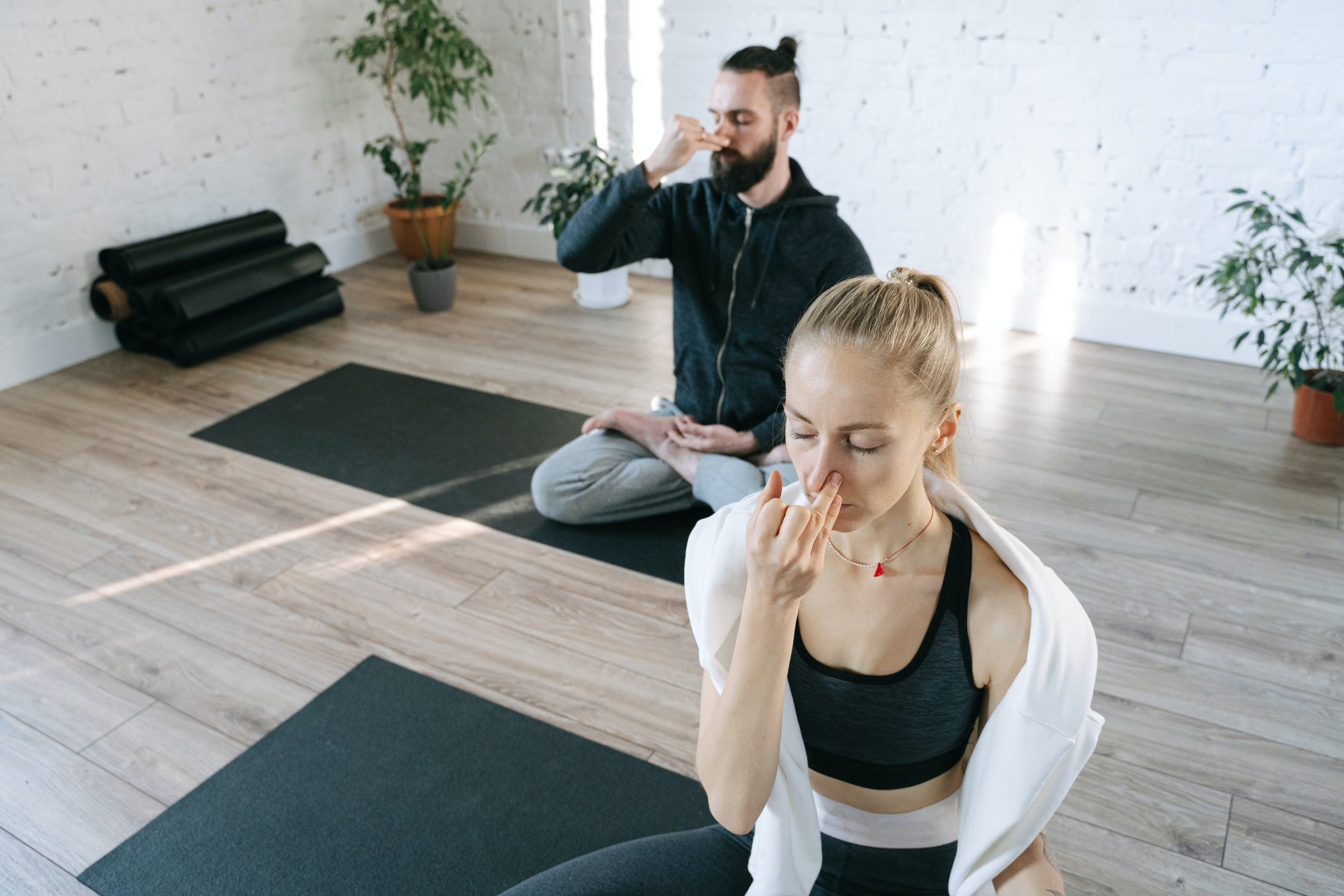
Breathing techniques:
Deep inhalation and exhalation can help you reduce stress and calm your mind. There are various breathing exercises for this:
- Balanced Breathing
- 4-7-8 Breathing with Pursed Lips
- Box Breathing
Why not check out the video by our Stefan? (Insert link to YouTube video on breathing exercises.) He’ll show you how to do the different exercises correctly.
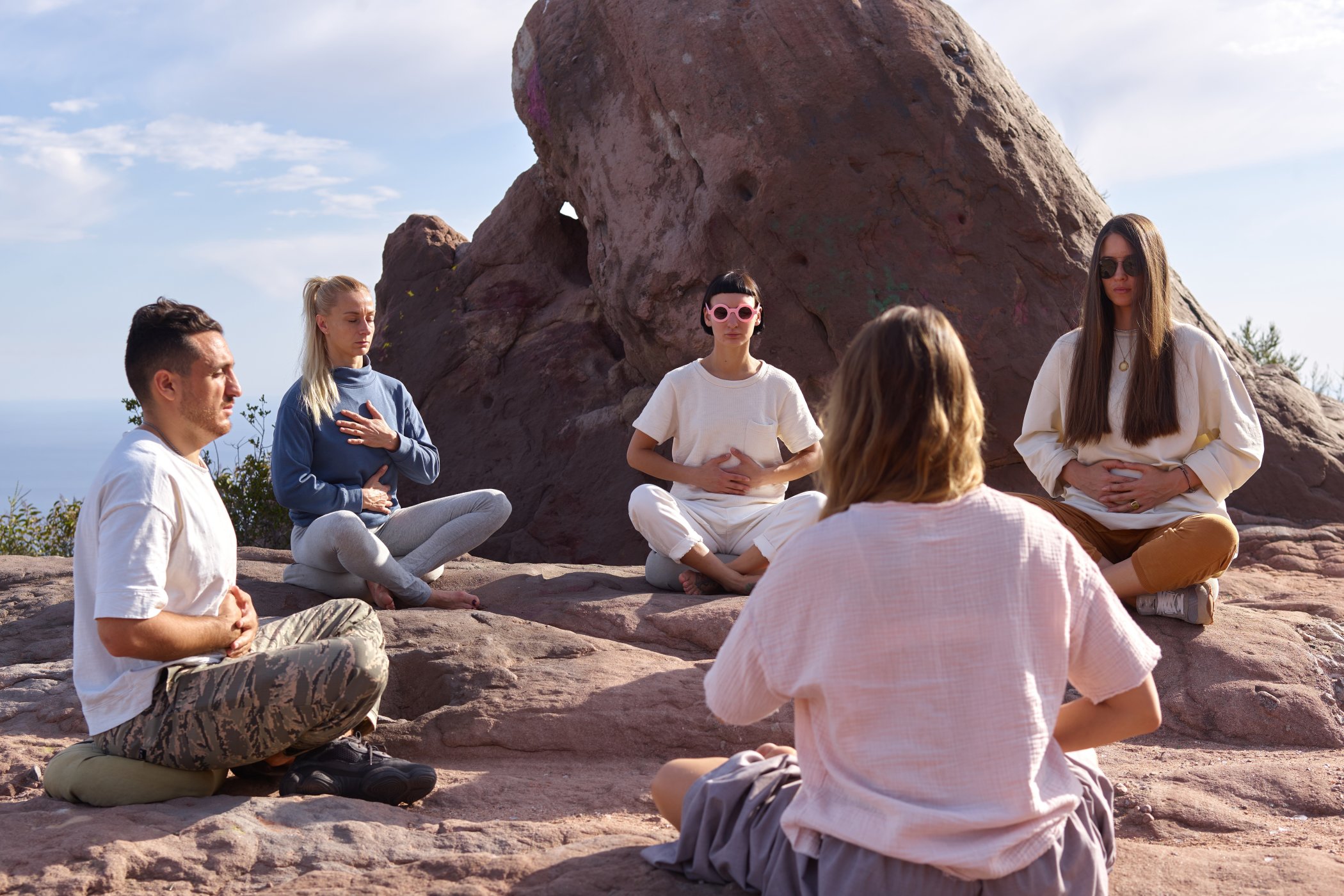
Relaxation Exercises:
Try doing relaxation exercises, such as yoga, on a regular basis—for example, in the morning after getting up or in the evening before going to bed. Progressive muscle relaxation can also help you relax your body and reduce stress. These exercises are easy to incorporate into your daily routine.
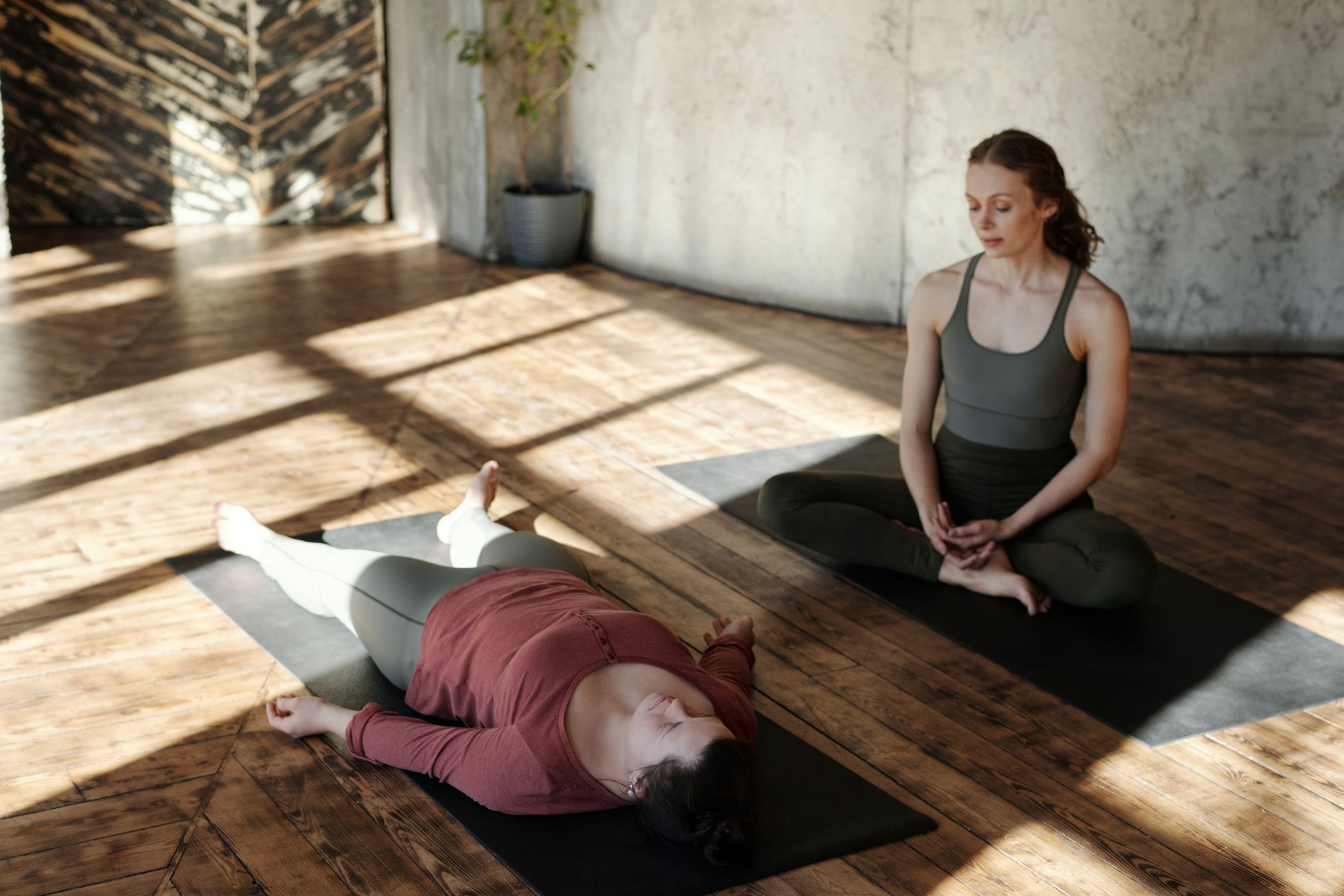
Meditation:
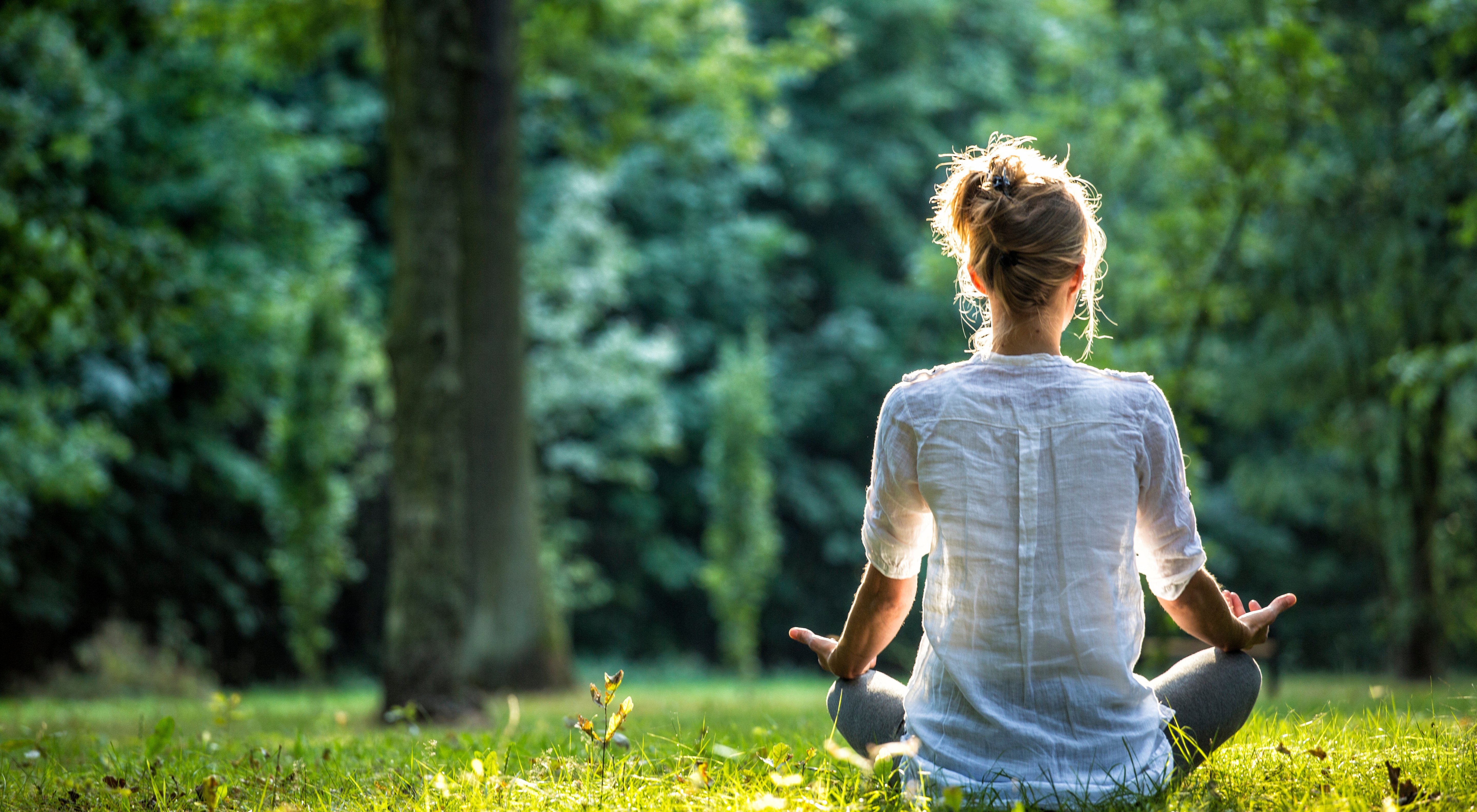
The practice of meditation can help calm the mind and reduce stress. There are many types of meditation, but most involve quietly focusing on your breath or a specific thought or mantra.

Exercise:
Get moving regularly! Physical activity can help you relieve stress. Try getting active by going for a walk, a run, or a bike ride, for example. Or maybe you have another favorite sport?

Social Support:
Talk to your friends or family about what’s weighing on you to take some of the pressure off and get support. Together, you’re sure to find a way. You don’t have to cope with stress alone—if it persists for too long, seek professional help such as psychotherapy or coaching. You can get more information about this from your doctor.

Hobbies:
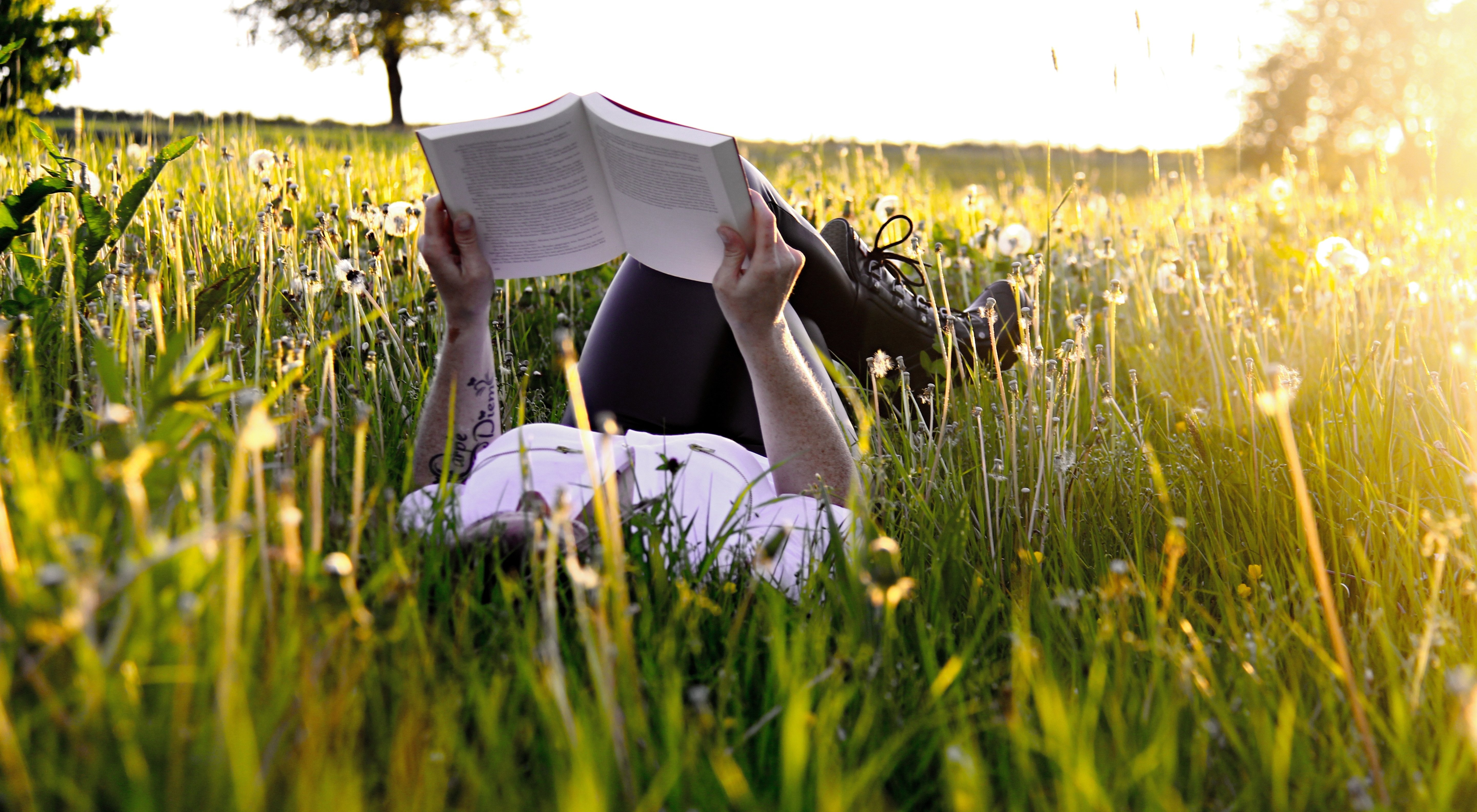
You have to keep going every day; almost every minute is scheduled. Your workday takes up a lot of time—but try to set aside time regularly for activities you enjoy, such as reading, painting, or other hobbies.


How to Reduce Stress—Tips!
There are countless methods that can help you cope with stress. Maybe you’ve already developed a great method of your own to calm yourself down in stressful situations—or to prevent them from happening in the first place.
If you’re still looking for the right method, we’ve got a few tips for you here.
Tips for Reducing Stress:
01 Laughter is good for you!
That’s right—when we have great experiences or achieve success, happiness hormones are released, and we feel happy! But it works the other way around, too: Try smiling consciously for 60 seconds straight. When you do that, your smile muscles press on a nerve that sends a signal to your brain: Good mood!!! Your limbic system reacts delightfully and releases feel-good hormones—this is how you can put yourself into stress-relief mode.

02 You are what you eat!
You’ve probably heard this saying before, too. A balanced diet can help reduce stress and provide your body with essential nutrients. Foods rich in vitamin B, minerals, protein, and long-chain carbohydrates have been shown to boost performance and make us more resilient to stress. Especially during stressful times, you shouldn’t reach for fast food—instead, pay close attention to what you put in your stomach. Here are three foods that are particularly recommended:
- Oatmeal: It’s packed with vitamins B1 and B3 and supports energy metabolism and nervous system function.
- Nuts: There are plenty of differentkinds . All varieties contain important B vitamins, potassium, and iron—which support our memory function. They’re also excellent sources of magnesium—a nutrient that helps reduce stress and calms the nervous system.
- Bananas: They’re also packed with healthy B vitamins, magnesium, and potassium, which is why this healthy, yellow fruit is good for your nerves, too!

03 Think positive!
Don’t convince yourself that you can’t do something or that you won’t be able to succeed. The more often you do this, the more firmly this belief takes root. Our tip for you: Frame things positively. For example: “I’m doing a good job, even if I make mistakes sometimes!” or “I’ll finish this marathon, no matter what my time is!” Don’t set the bar too high for yourself—that will quickly put you under pressure.

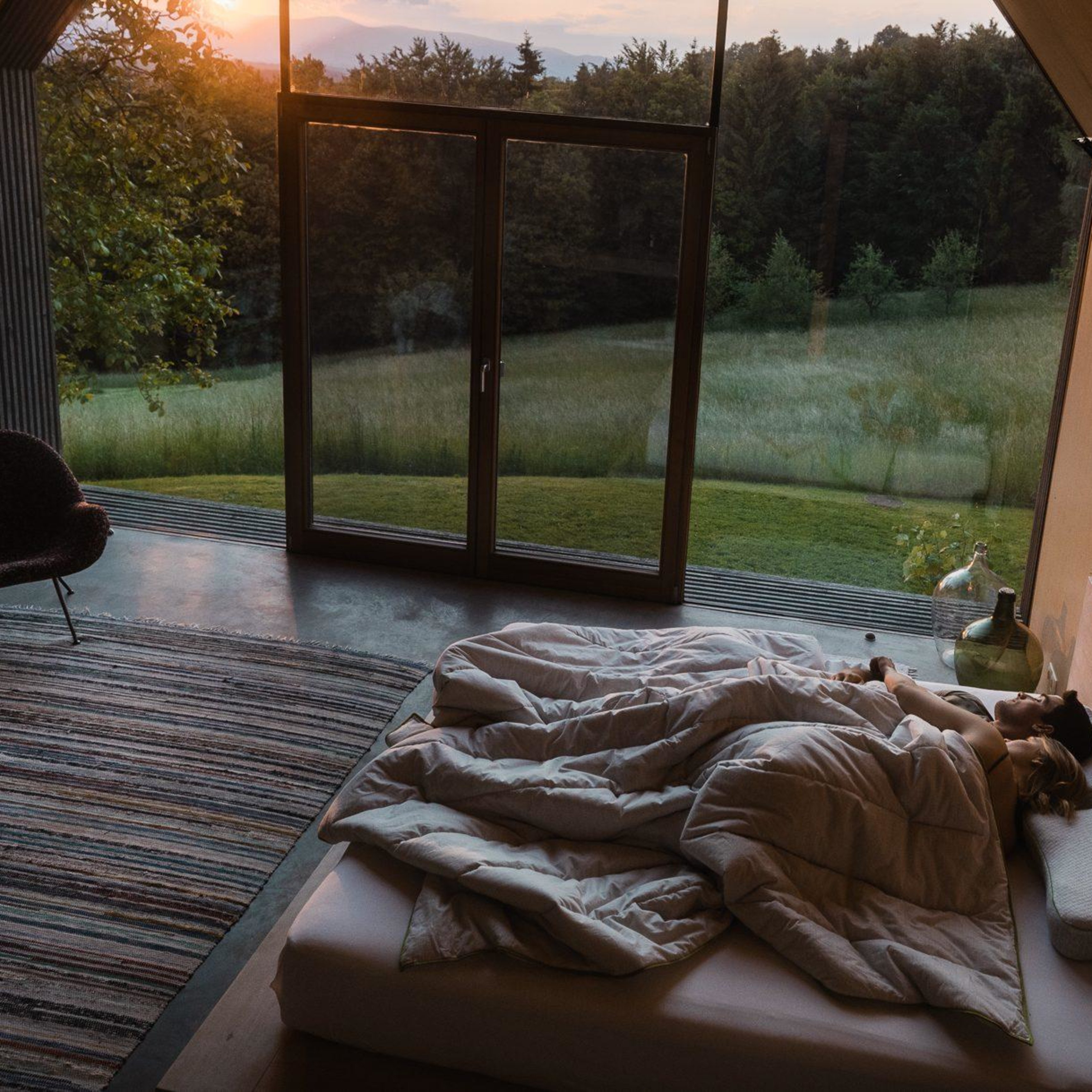
04 Sleep
Make sure you get enough sleep to reduce stress and let your body recover. Prolonged sleep deprivation or not getting enough sleep can really stress you out. So don’t let it get to that point. Stick to a regular sleep schedule and practice good sleep hygiene to improve your sleep quality over the long term. Here’s an SOS tip for the office: Treat yourself to a power nap—it’ll not only reduce your fatigue but also lower your stress levels.
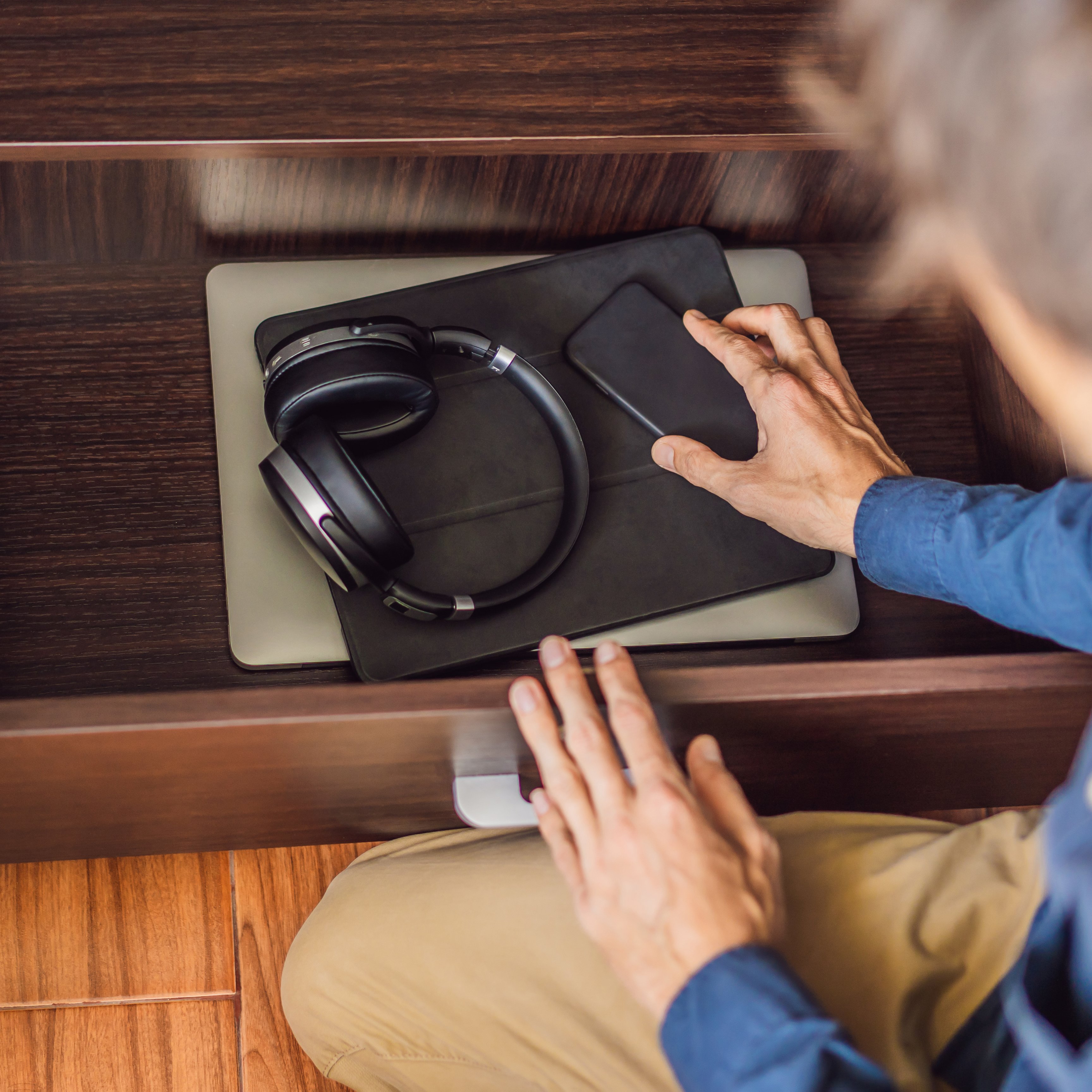
05 Digital Detox
Social media, phone calls, emails… the ultimate relaxation killers. Simply leaving your phone in your pocket—or even turning it off completely—can help you relax and take a deep breath. Because once your smartphone is silenced, you automatically have more time for activities that help you unwind.
06 Warm Water
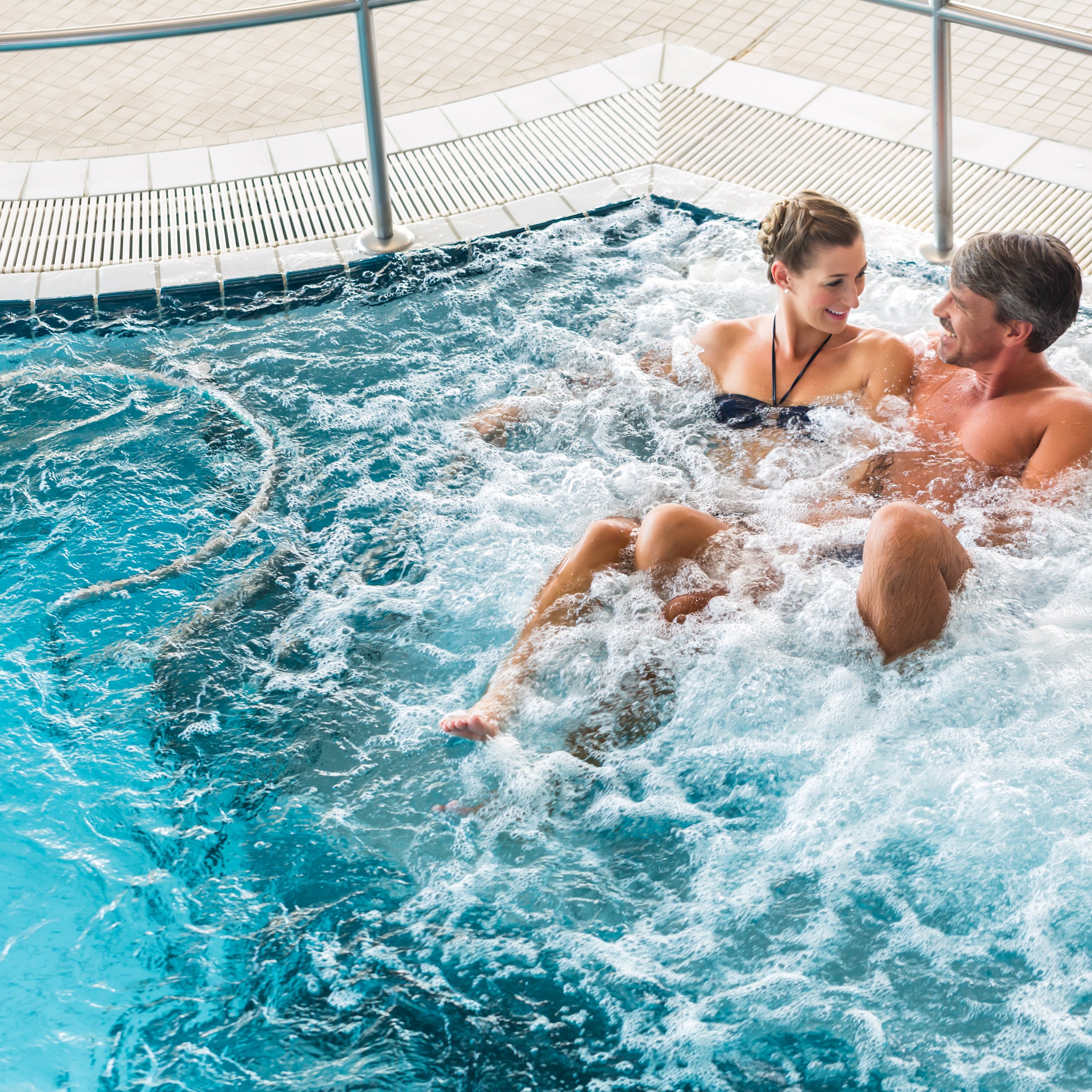
Whether it’s a warm bath or a trip to the spa—these are some of the most relaxing things in the world. However, they can be very difficult to do at work. But just try holding your hands under warm water for a moment. It immediately calms the parasympathetic nervous system: the parasympathetic nervous system is also known as the “rest and digest” system, since it helps us return to a state of relaxation in stressful situations. Of course, washing your hands won’t put you into a state of deep relaxation right away, but it helps you slow down and regain your composure.

Here’s how to relieve mental stress!
Stress can have many causes and take a toll on your mental health, so it’s important to find techniques that work best for you. First, it’s important to identify the stress factors and figure out what the main stressors are. This will allow you to develop strategies and relieve mental stress.
Some of the methods and tips we’ve already mentioned above can also help counteract mental stress. Why not try out a few different methods—in the end, you’ll decide what works best for you to combat mental stress.
- Try out the various breathing techniques and self-massage techniques. They have a relaxing effect.
- Meditate! This helps bring your body and mind into harmony.
- Get help! You can turn to friends or a family member—but don’t be afraid to see a therapist either.
- Be mindful of yourself; mindfulness helps reduce stress. The goal should be to become more mindful of yourself and your surroundings. This way, you can become more aware of your reaction patterns during difficult times and face stress with a newfound sense of calm. You’ll also learn to deal with stressful thoughts and feelings in a more relaxed way.
- Set boundaries: Learn to say “no.” This will often help you avoid feeling overwhelmed. Don’t worry too much about what others think.
- Time and Self-Care: Plan your time better. Try not to schedule too many appointments in a single day to avoid stress and feeling overwhelmed. Set aside a little time for yourself every day to do things that bring you fun and joy. It’s very important to give yourself enough attention, too.
Reducing Stress: These Exercises Can Help


Cortisol: How to Reduce the Stress Hormone.
Cortisol is normally broken down and excreted by the body. Some ways to lower cortisol levels and reduce the stress hormone include:
- Reduce stress: Since cortisol is released in response to stress, reducing stress can help lower cortisol levels.
- Getenough sleep: Getting enough sleep is important for lowering cortisol levels and allowing the body to recover.
- Regular exercise: Regular physical activity can help reduce stress hormones and improve overall well-being.
- Relaxation techniques: Relaxation techniques such as yoga, meditation, or autogenic training can help lower cortisol levels and reduce stress.
- A healthy diet: A balanced diet rich in fruits, vegetables, whole grains, and healthy fats can help lower cortisol levels and provide the body with optimal nutrition.
However, it is important to note that the body needs cortisol to function normally. Cortisol levels that are too low can lead to problems, just as levels that are too high can. It is therefore important to find a healthy balance and to consult a doctor if you have serious health concerns.
Conclusion: How to Manage Stress Effectively and How to Avoid and Reduce It!
Now we know that stress is a normal part of our lives and can even be helpful in some situations to boost productivity or overcome a challenge. But when stress becomes chronic and builds up, it can have negative effects on your health and well-being.
Now you know a few methods for reducing stress. Whether yoga or a walk in the fresh air lowers your stress levels is something you’ll have to figure out for yourself. What’s important, however, is that you first identify the source of your stress and, in general, develop a healthy lifestyle.
After all, a healthy diet, enough sleep, and regular exercise can help strengthen your body and mind and reduce stress.
Your Tools for Stress Relief
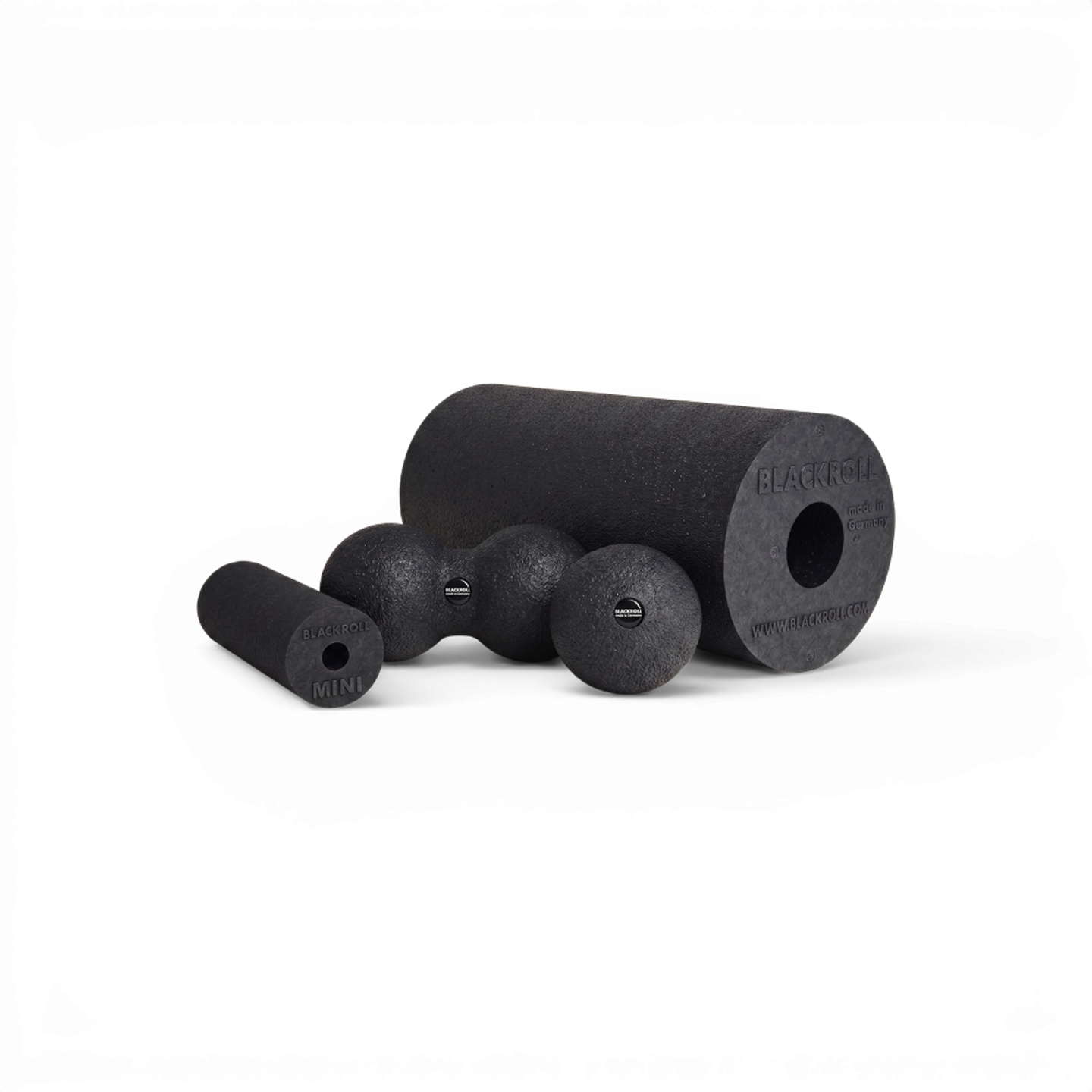
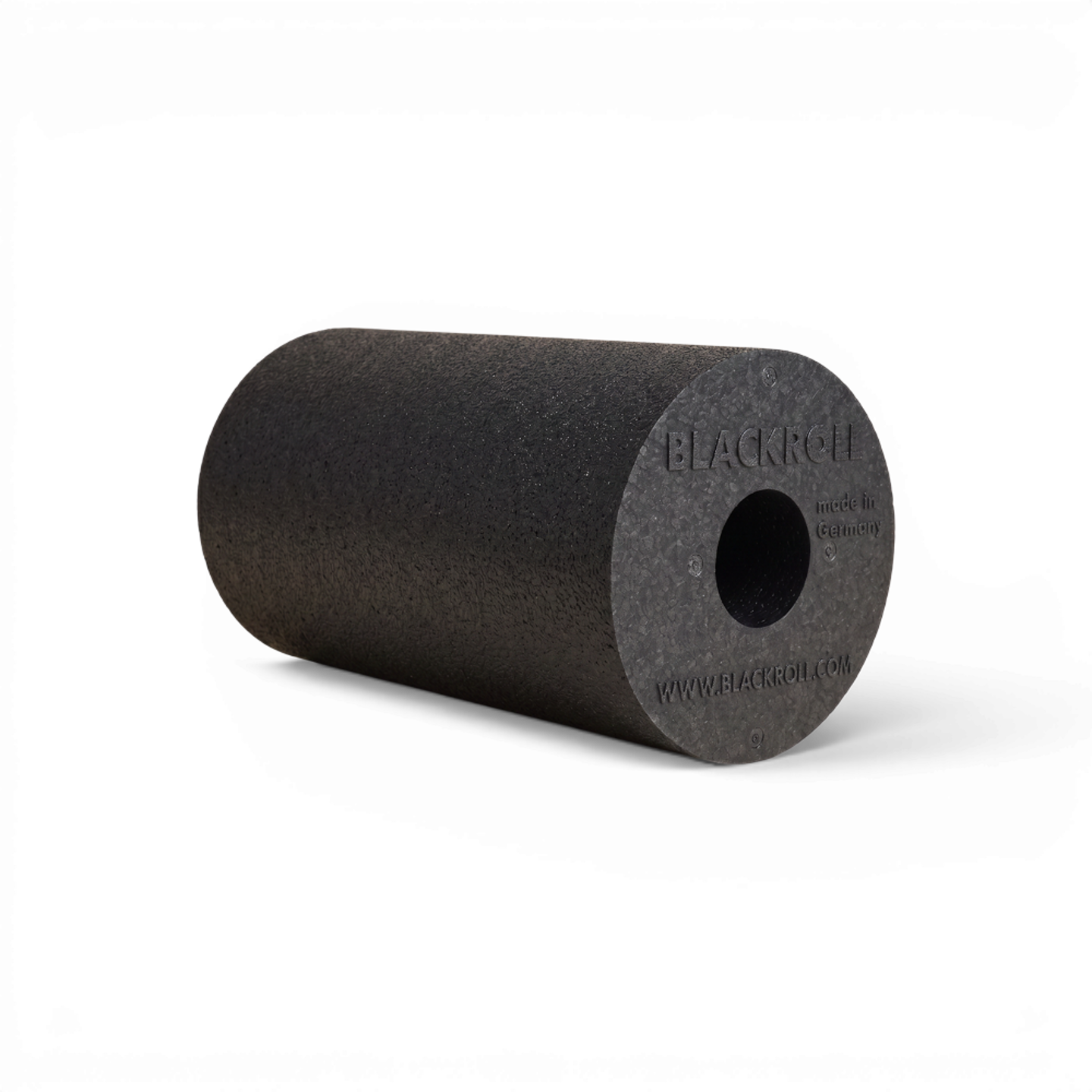
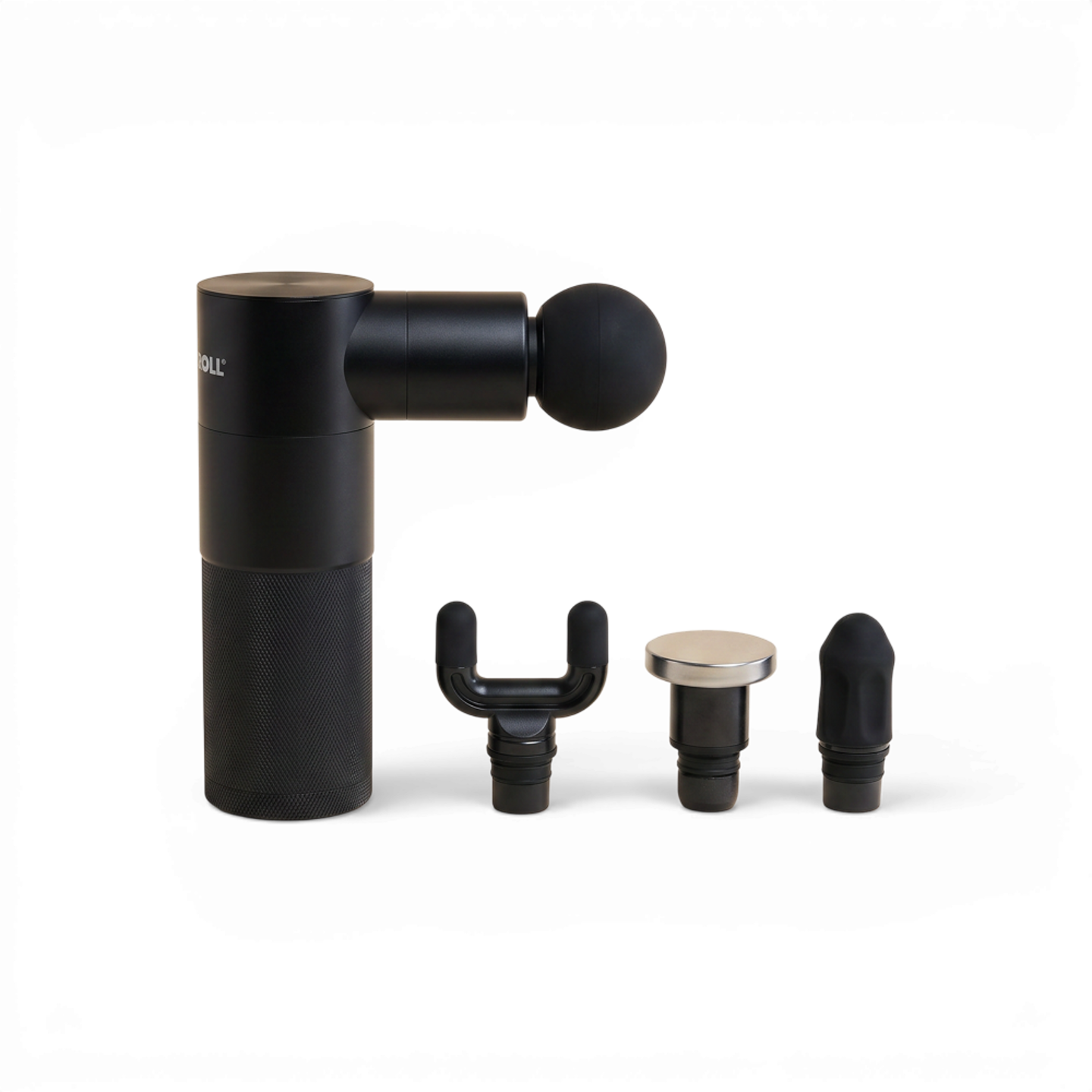
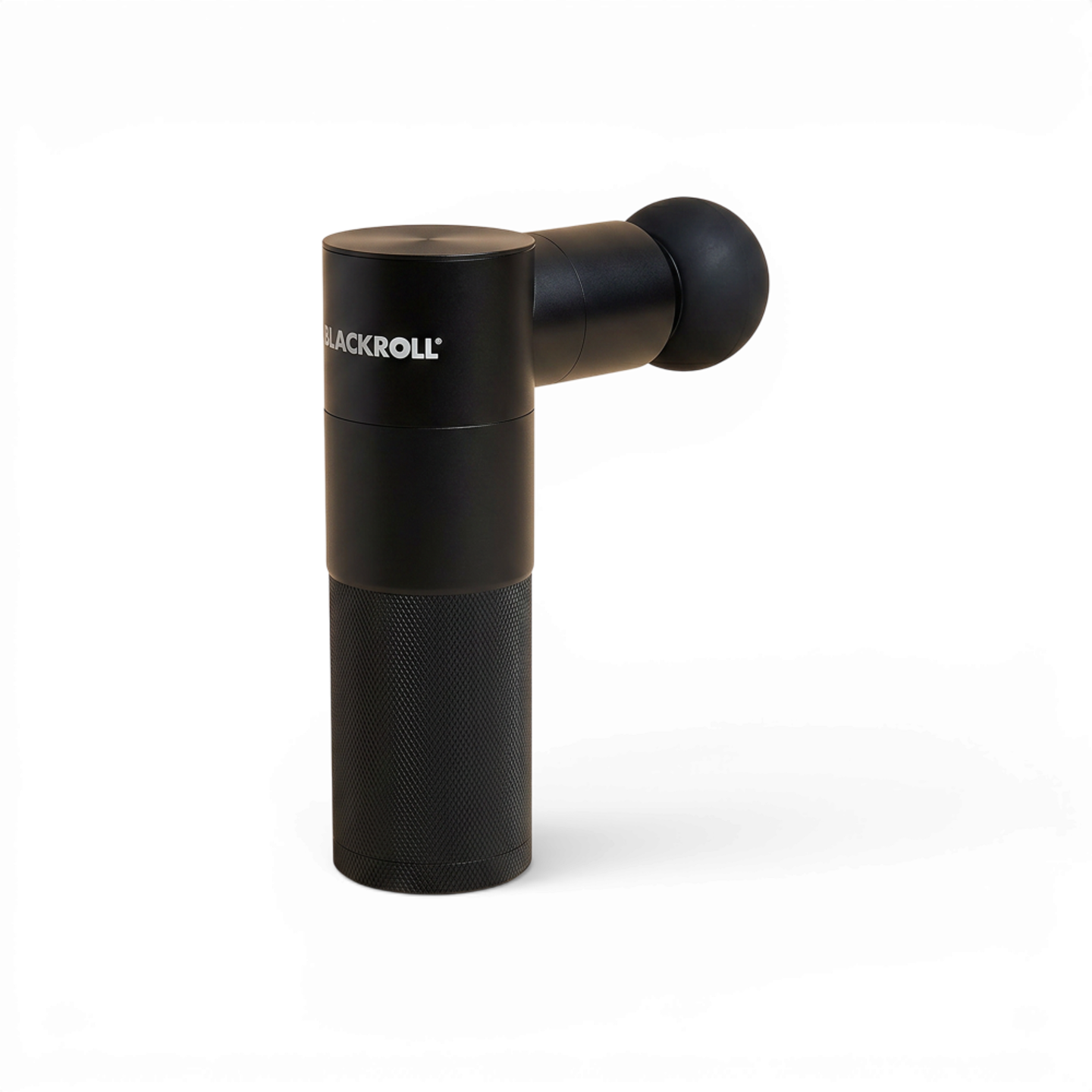
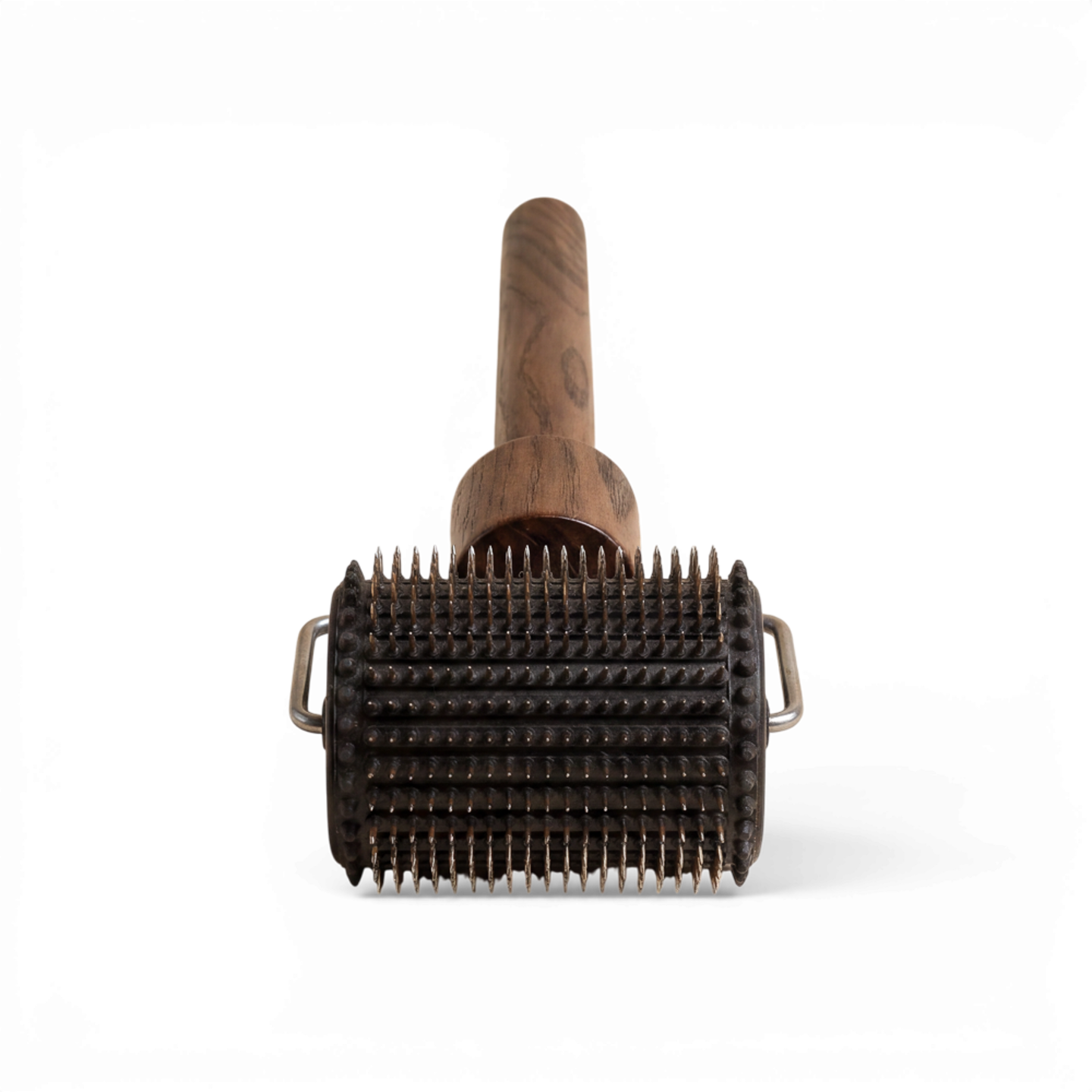
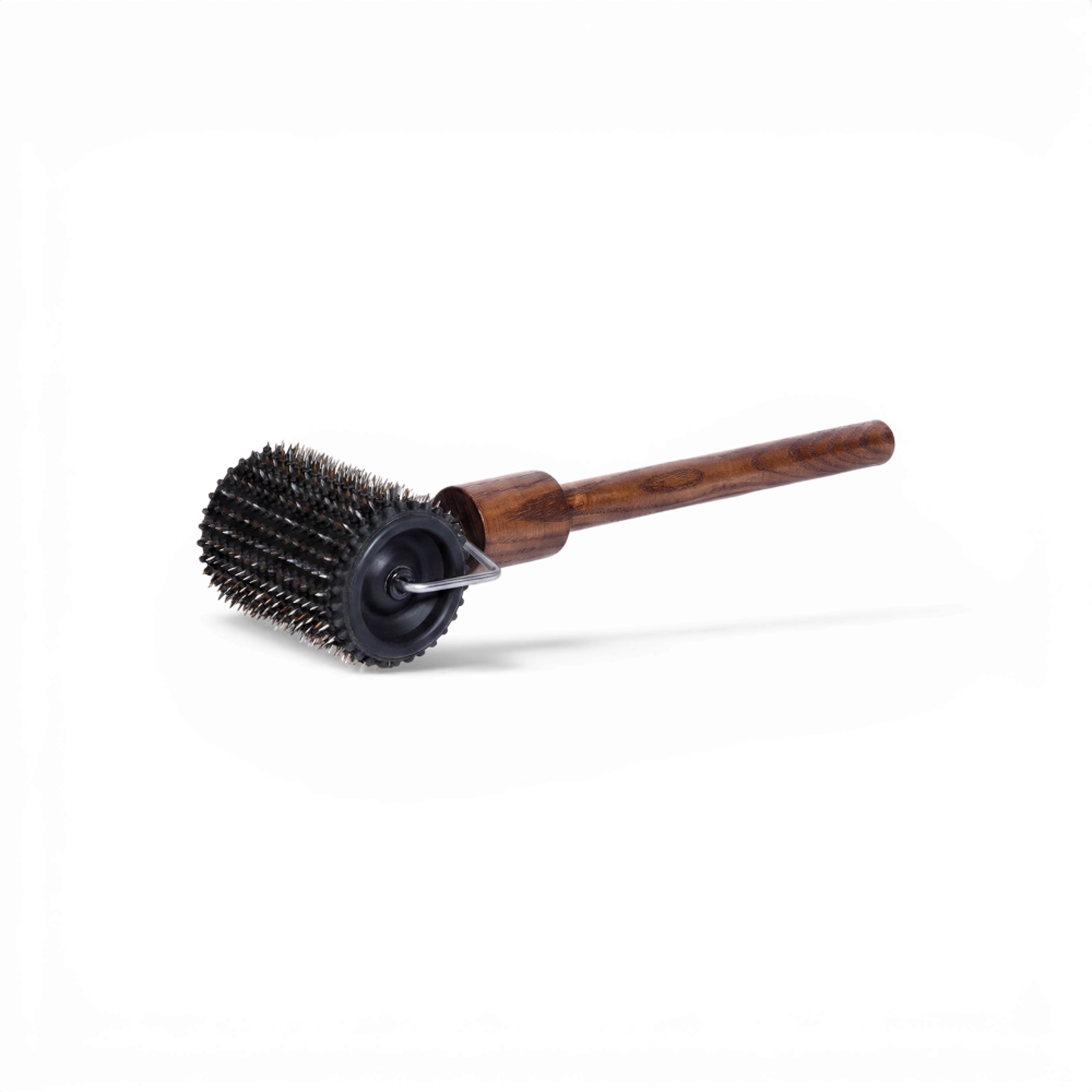
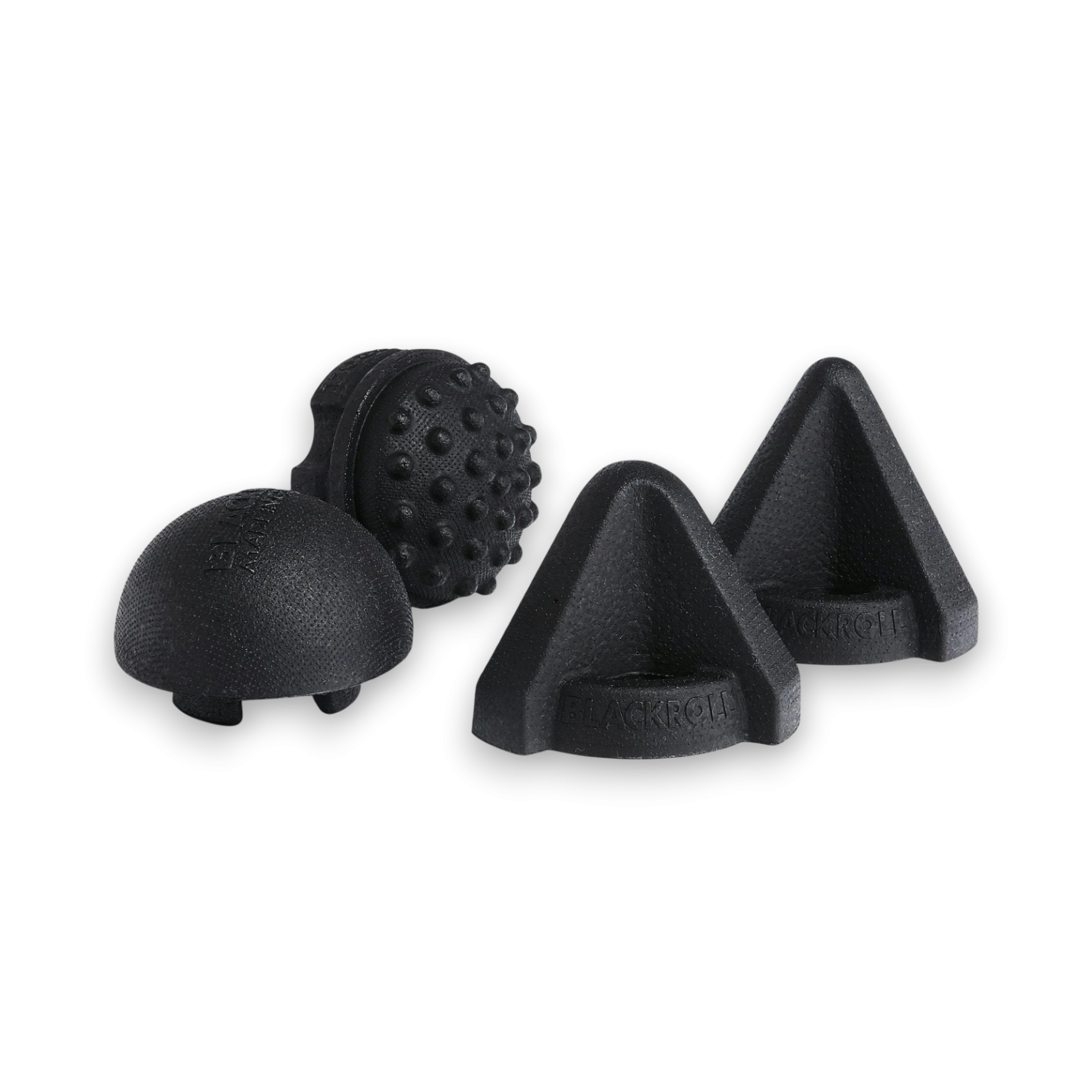
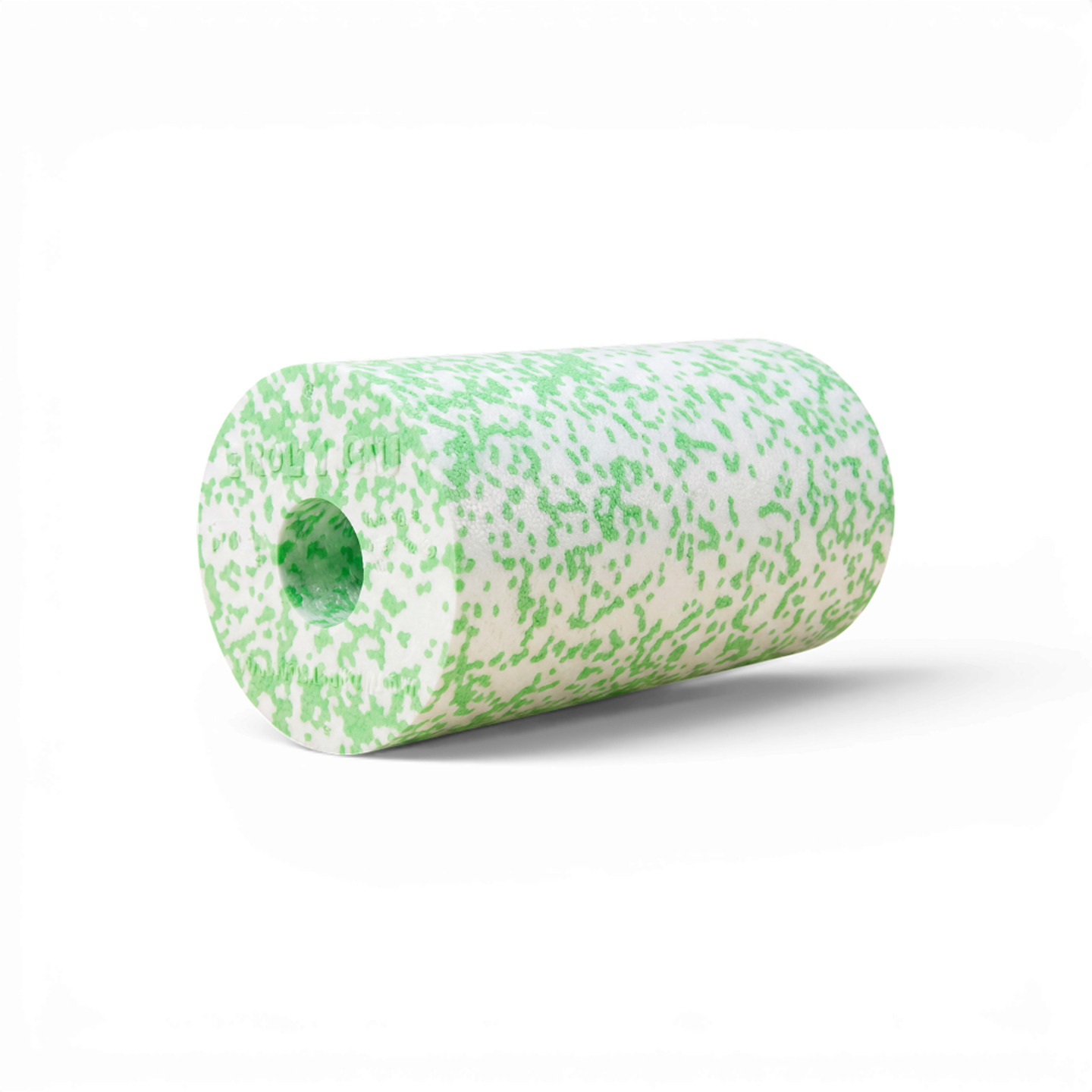
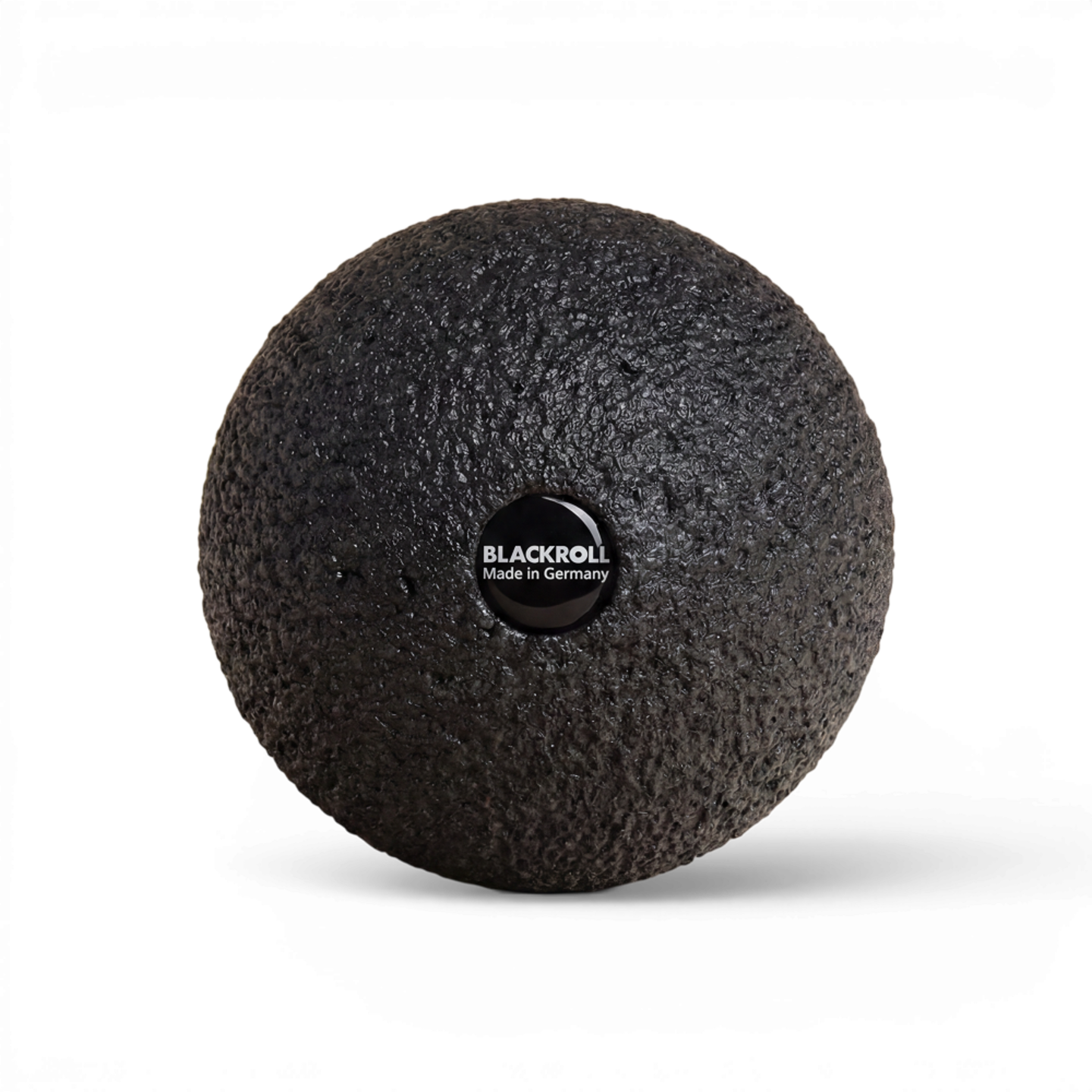
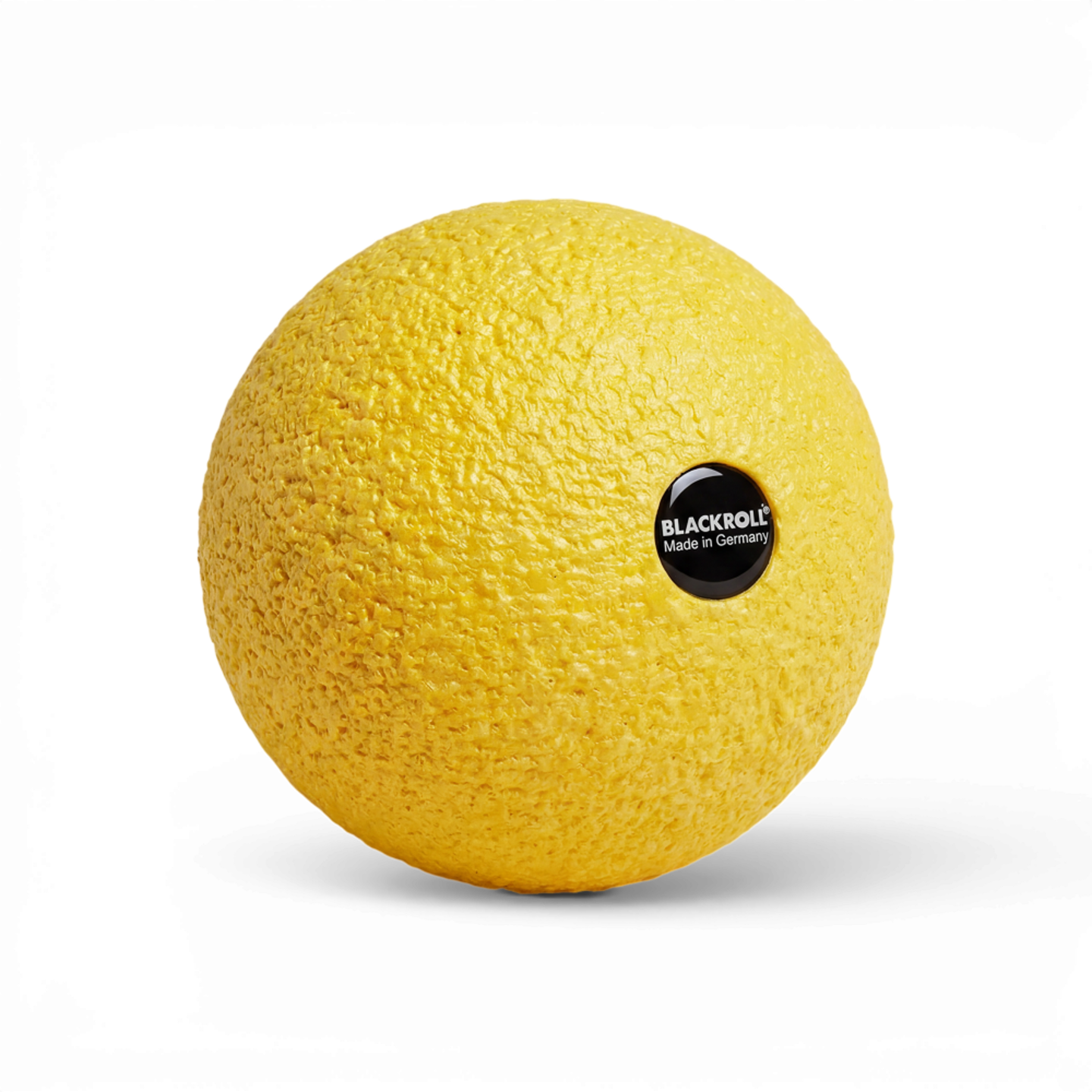
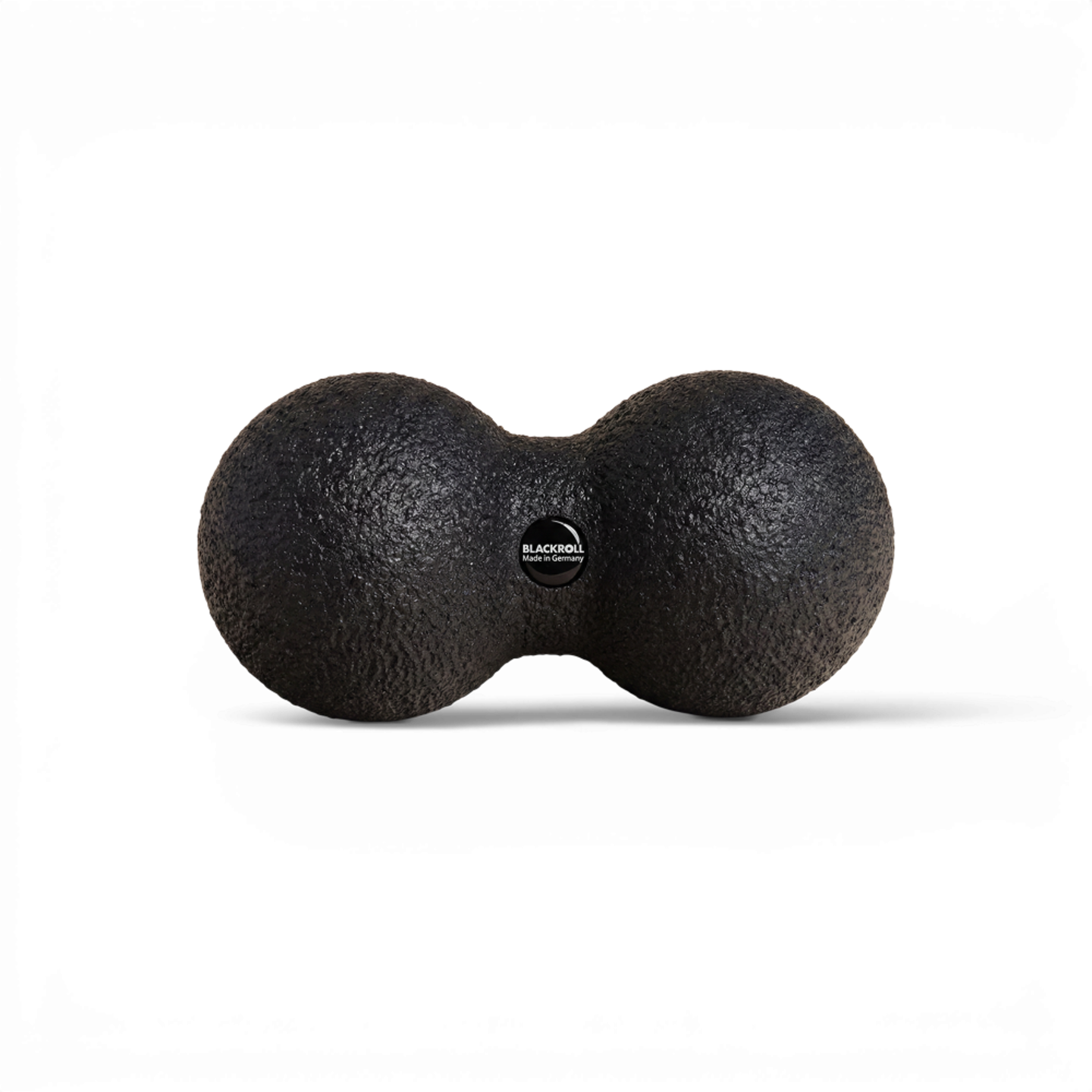
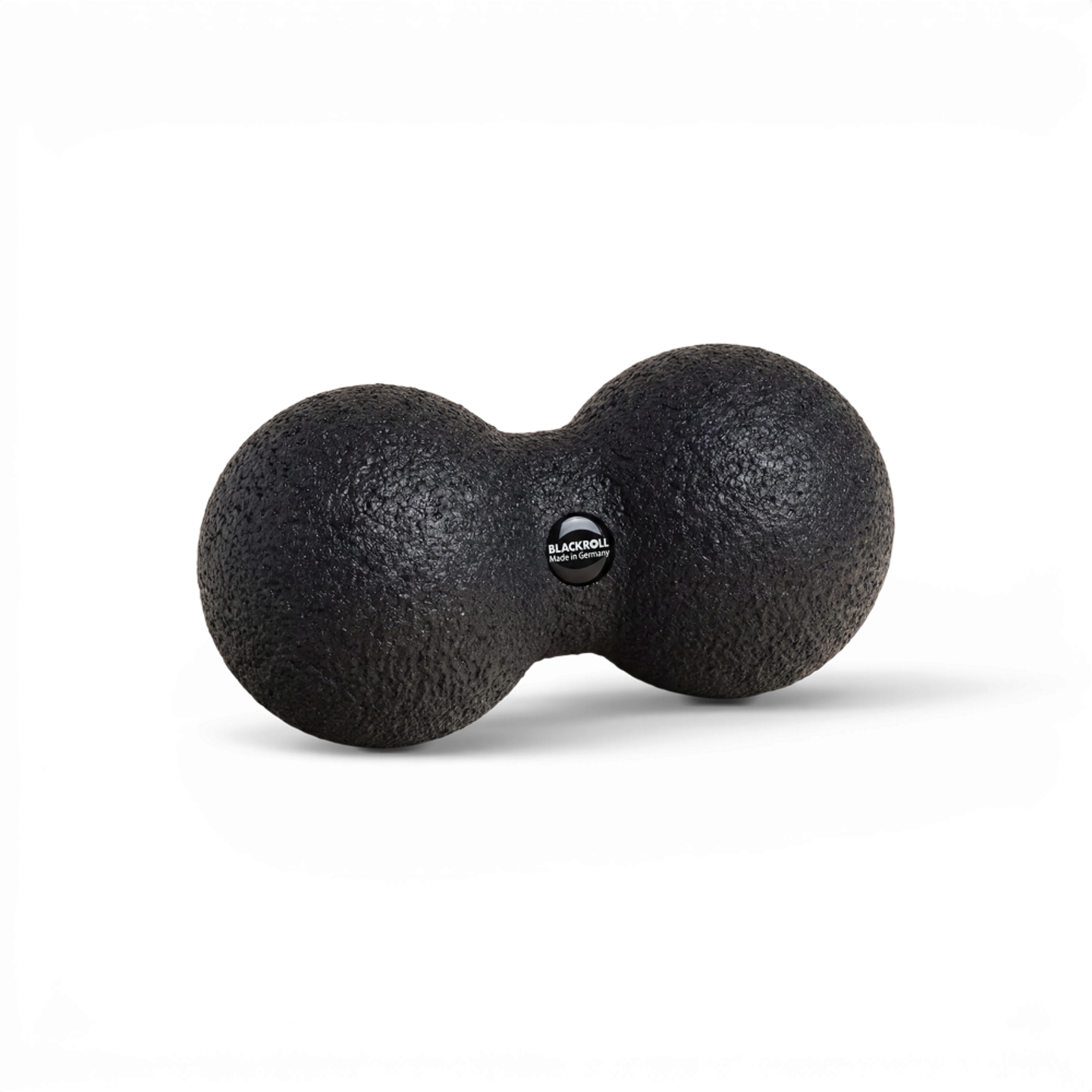
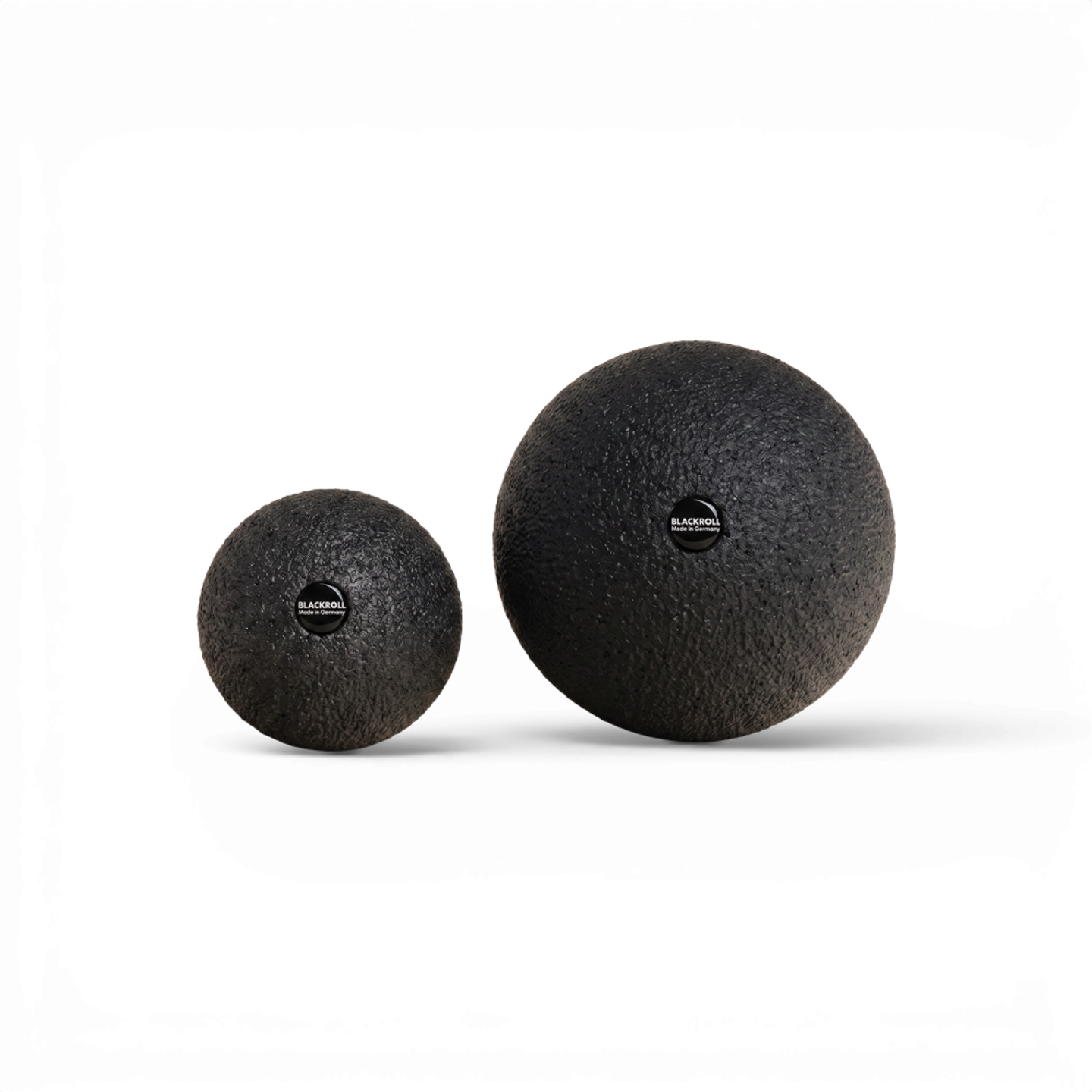
Ball 08
Available in multiple variants