Sleep Disorders: Causes, Symptoms, and What Helps

Insomnia: What Are Sleep Disorders, Sleep Problems, and Poor Sleep?
Everyone has trouble sleeping from time to time. This doesn’t always have to be a sign of an underlying medical condition. However, if you’ve been struggling with poor sleep for a long time, you may be suffering from a serious sleep disorder—one that might even require treatment. These disorders can be extremely stressful, as they’re often beyond your control and can put a great deal of pressure on you, both mentally and physically.
It’s therefore important to understand“what sleep is” and to know that sleep problems are treatable and that you can restore healthy sleep patterns. But first, you need to determine whether you might actually have a pathological sleep disorder. This is also called “insomnia” and differs from the “normal” poor sleep that everyone experiences from time to time. Insomnia, on the other hand, is not normal but pathological, and is clearly distinguished from general sleep problems. You have insomnia only if all three of the following points apply:
- Poor sleep: Your sleep quality is poor. It doesn’t matter whether you have trouble falling asleep or staying asleep, or whether you wake up very early in the morning and therefore don’t feel refreshed and rested.
- Persistent symptoms: The poor sleep is not an exception but occurs at least three times a week and has been going on for several weeks.
- Psychological distress: You don’t simply brush off the sleepless nights; instead, you notice how they affect you the next day—for example, because you’re so tired that you can barely concentrate at work.
1.1. Difference Between Acute and Chronic Sleep Disorders/Persistent Insomnia
By definition, a sleep disorder is considered pathological only if it is long-lasting—that is, if it occurs several times a week and persists over weeks or even months. That is why it may come as a surprise that doctors still distinguish between acute and chronic sleep disorders.
In sleep medicine, acute sleep disturbance is also known as short-term insomnia. This refers to a pathological disruption of nighttime rest that lasts less than three months. A typical example of a situation that can lead to short-term insomnia would be moving to a new home. This causes significant stress for a certain period of time, and during this phase, nights become a torment. However, once the stressor is no longer present—because the move is complete—the sleep problems subside as well.
This is different from a chronic sleep disorder, also known as long-term insomnia. This is present when sleep quality has been impaired for more than three months or when the same sleep problem recurs over and over again for years. The causes of long-term insomnia can vary. External circumstances may be to blame—for example, when people sleep in an environment that is too noisy or are under constant stress. Medical conditions can also trigger persistent insomnia. It is not uncommon for long-term insomnia to occur: In Western industrialized nations, about 10 percent of all people suffer from chronic insomnia.
1.2. Distinction Between Difficulty Falling Asleep, Staying Asleep, and Waking Up Too Early
In addition to distinguishing between acute sleep disorders (short-term insomnia) and chronic sleep disorders (long-term insomnia), one can also categorize the various forms of these disorders: difficulty falling asleep, difficulty staying asleep, and difficulty waking up.
A typical trigger for difficulty falling asleep is restless legs syndrome (RLS). With this condition, those affected have an uncontrollable urge to move their legs, which keeps them awake. In addition to the restlessness in the legs, cramps and pain may also occur, making it even more difficult to fall asleep. Stress and worries are also possible reasons for difficulty falling asleep, which is why people have trouble drifting off.
The reasons for trouble staying asleep can also be varied. Particularly common causes include alcohol consumption or snoring accompanied by pauses in breathing, known as sleep apnea. Both disrupt a restful night’s sleep and cause you to wake up repeatedly during the night. Certain medications, such as blood pressure medications or specific antibiotics, can also trigger difficulties staying asleep or waking up too early. The latter is also typical during the hormonal changes of menopause.
What makes sleep disorders particularly tricky is that the various types rarely occur in isolation. It is much more likely that several forms will occur in combination. This makes it harder to identify the cause, on the one hand, and to provide targeted treatment, on the other. Furthermore, the various disorders reinforce each other: For example, someone who constantly wakes up at night and is therefore exhausted during the day is more likely to feel tense at bedtime—making it all the more difficult to fall asleep.
1.3. Other Forms of Sleep Disorders
In addition to the well-known forms of sleep disorders—difficulty falling asleep, staying asleep, and waking up refreshed—there are also what are known as sleep-wake cycle disorders. These can arise because everything in your body is governed by the so-called circadian rhythm. This is often referred to as the body’s internal clock. If it is disrupted and out of sync, sleep-wake rhythm disorders can occur, such as the following:
- Delayed sleep phase: Those affected go to bed very late—between 1:00 a.m. and 6:00 a.m.—and then sleep until late morning or afternoon. They usually wish they could go to sleep earlier. Depression often occurs alongside this disorder.
- Advanced sleep phase: Those affected fall asleep as early as 6:00–9:00 p.m. and wake up correspondingly early. In most cases, this is difficult to reconcile with social life. Depression often accompanies this disorder as well.
- Irregular sleep-wake rhythm: With this disorder, sleep times are completely unpredictable and scattered throughout the day. However, the total amount of sleep—regardless of when it occurs—is normal.
- Free-running rhythm: Those affected have a rhythm that lasts much longer than 24 hours. Consequently, they go to bed one to two hours later each day than the day before, so that after about two weeks, day turns into night. A free-running rhythm frequently occurs in blind people.
- Jet lag: Many people experience this very short-lived sleep problem after crossing time zones. Jet lag results in daytime sleepiness, difficulty falling and staying asleep, and sometimes gastrointestinal problems. However, these symptoms do not last long. After about two days, the body’s internal clock usually adjusts to the new local time. Only in exceptional cases does it take longer to recover.
- Shift Worker Syndrome: Shift workers often have sleep problems triggered by constantly changing work schedules. Those affected may experience difficulty falling asleep and staying asleep, daytime sleepiness, gastrointestinal complaints, and reduced performance.
- Disruptions caused by drugs, medications, or other substances: Medications for schizophrenia, dementia, and obsessive-compulsive disorder, in particular, can disrupt the sleep-wake cycle. This also applies to drugs, especially those with long-lasting and strongly stimulating effects, such as ecstasy.
Symptoms: Recognizing Poor Sleep
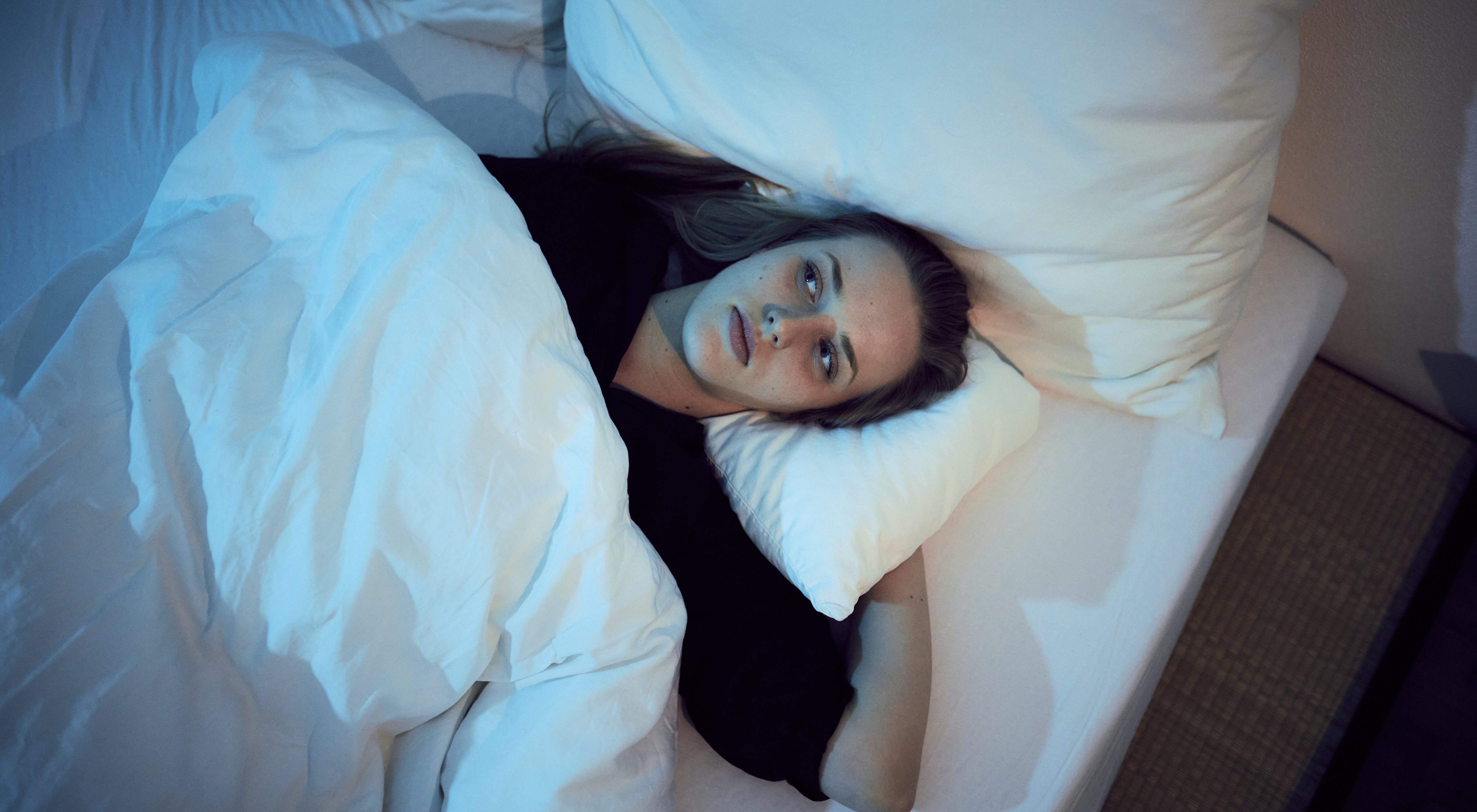
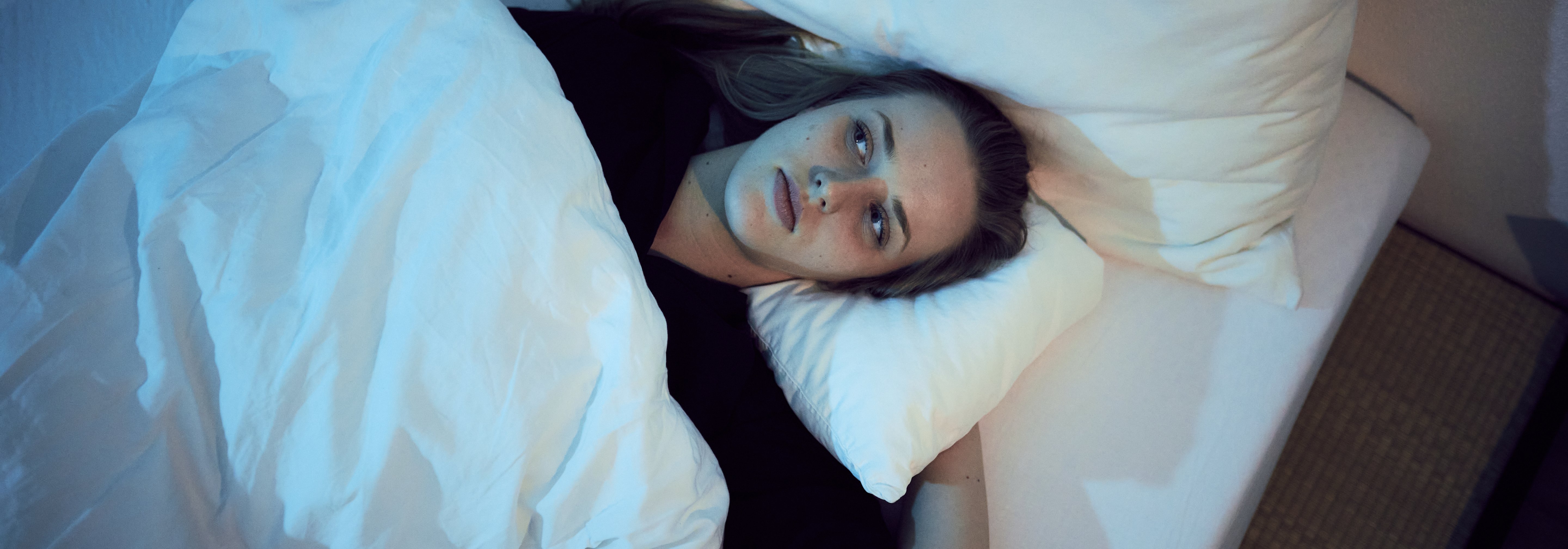
People who suffer from a sleep disorder usually struggle with various problems. Some of the symptoms occur mainly at night, when a person actually wants to rest but, unfortunately, cannot sleep. This leads to difficulty falling asleep and staying asleep. These are usually accompanied by unpleasant feelings, worries, and anxieties. Others notice, above all, a strong sense of inner restlessness at night; some may even flee their bed and bedroom or begin to tremble or sweat. Restful sleep then becomes virtually impossible.
But poor sleep isn’t just evident at night. Symptoms also manifest the next morning. Those affected often have difficulty getting out of bed, experience increased daytime sleepiness, cognitive impairments, and mood swings. This can lead to nervousness and difficulty concentrating. A reduced quality of life and impaired functioning in both personal and professional settings are also typical consequences of a sleep disorder.
Both types of symptoms—problems at night as well as limitations during the day—can occur individually or in combination. Their respective intensity can also vary: Some people suffer primarily in the dark and find their sleepless nights particularly distressing. Others are less bothered by short sleep but find it difficult to cope with the negative consequences the next day.
If you recognize these symptoms in yourself, a sleep psychologist can help you address the underlying causes—using scientifically proven methods such as CBT-I.
Causes: Why Can’t You Sleep
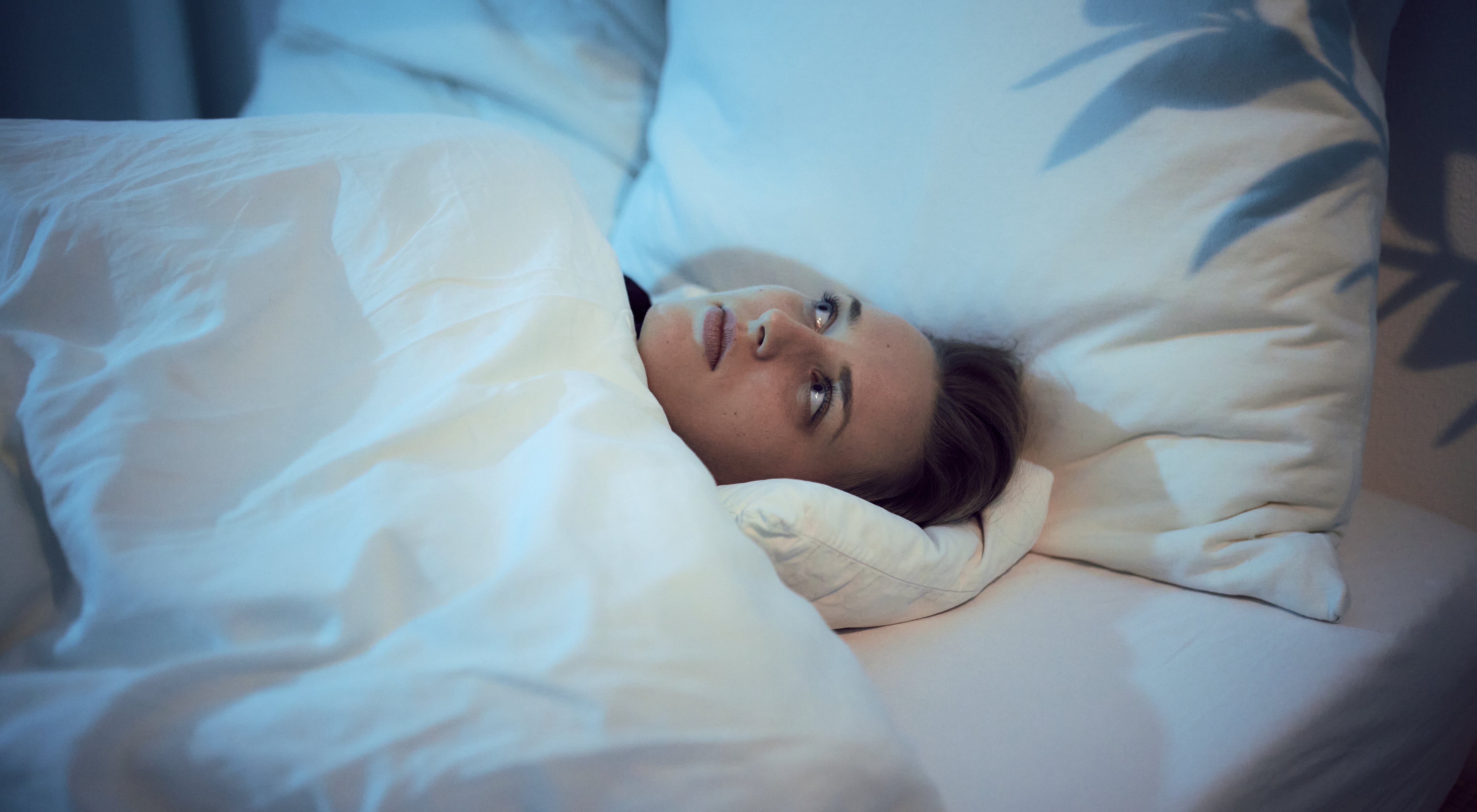
The reasons for trouble falling asleep can vary. Sometimes external factors make it difficult to fall asleep, such as unfavorable lighting conditions in the bedroom—for example, if it’s too bright. However, these issues can usually be resolved with a little DIY know-how.
It becomes a bit more difficult when the environment is too noisy. Unfamiliar surroundings while traveling are particularly challenging. Often, for example, it’s impossible to sleep at the beginning of a vacation because everything is different and there are unfamiliar ambient noises. But even these can usually be managed well with curtains or earplugs, thereby eliminating one reason why you can’t sleep.
In addition to external factors, your own inner state can also be the cause of sleep disturbances. It’s not uncommon for worries and problems to keep you from finding peace. And once you’re caught in a whirlwind of thoughts, it’s hard to break free. This often happens during the “wolf hour,” also known as 3 a.m.—a time frequently associated with sleep disturbances, since melatonin levels in the body drop at this hour and the brain begins to become more active, making it harder to fall back asleep. You can read about how to overcome this in our other article, where you’ll find valuable information on how to get rid of racing thoughts and nighttime worries.
The reasons for trouble sleeping through the night can also be very complex. Sometimes the causes are complex; other times, they’re easily explained and can be quickly addressed. These include, for example, heavy sweating during sleep or the urge to urinate at night. The latter can be reduced primarily by not drinking anything in the last hour and a half before bedtime and by completely emptying your bladder once more just before falling asleep. As with trouble falling asleep, trouble staying asleep is also often linked to worries and problems in everyday life. The best remedy for trouble staying asleep is therefore not to let worries weigh on us in the first place—and certainly not to take them to bed with us.
3.1. Psychological Sleep Disorders
Negative thoughts and psychological problems can lead to sleep disturbances. Everyone has probably experienced at some point how your own mind can keep you awake. For example, the night before an exam or an important appointment is usually restless. The reasons are tension and stress. Both make it difficult to wind down and prevent you from finding peace.
But if the tension persists, so do the restless nights. This can create a vicious cycle, as a “fear” of one’s own bed or of falling asleep can develop. Those affected associate their bed with negative aspects such as anxious rumination and “mulling over problems.” The fear of not being able to make the most of the next day due to a lack of sleep at night leads them to try to force themselves to sleep.
However, healthy sleep and relaxation are interdependent. Without relaxation, falling asleep and staying asleep is difficult or impossible—a vicious cycle.
Sleep disorders can also occur in conjunction with mental disorders and mental illnesses. They can exacerbate or trigger these conditions—in other words, be their cause. Examples include psychosis, depression, or personality disorders. Important: These conditions require medical treatment. To get the right help, you should consult a psychiatrist. They are specialists in mental disorders and illnesses.
3.2. Physical Sleep Disorders
Physical factors can also negatively affect sleep. A typical example is pain: When your body hurts, relaxation is out of the question. It doesn’t matter whether you have a scratchy throat, a twinge in your back, or a throbbing tooth. Conditions that cause severe itching can also keep you awake at night.
Pathological snoring, also known as sleep apnea, is another typical example that can rob you of sleep. The physical cause of snoring is that, in affected individuals, the throat muscles repeatedly block the airways during the night, leading to brief pauses in breathing. This negatively affects sleep quality. It is completely normal for the muscles in the throat to become increasingly slack with age. This can exacerbate apnea. However, children can also snore heavily and experience breathing pauses. In most cases, though, the cause is enlarged tonsils or adenoids. Other causes of sleep apnea can include a congenital jaw misalignment or a deviated nasal septum.
Another physical factor that can have a major impact on your sleep quality is your endocrine system. Even minor hormonal changes can have a significant effect. We now know that female hormones, in particular, have a strong impact on sleep. When these hormones decline during menopause, it’s not uncommon for women to experience restlessness and sleep problems. In cases of severe symptoms, hormone replacement therapy may be considered.
3.3. Sleep Disorders Caused by Cortisone
The term “cortisone” (sometimes spelled “cortison”) is colloquially used to refer to an entire group of active ingredients, namely glucocorticosteroids. These occur naturally in the body as hormones, but they can also be produced synthetically and administered as medication. Well-known cortisone-containing medications include, for example, ointments that treat skin rashes or cortisone sprays that people with asthma use to relieve their respiratory symptoms.
Cortisone has anti-inflammatory and anti-allergic effects. However, these hormones do not act only where they are intended to, but also in other parts of the body—leading to side effects. One unwanted effect of cortisone, for example, is that the skin can become thinner, making delicate blood vessels visible. Another potential side effect is sleep disturbances, as cortisone acts similarly to the body’s own hormone, cortisol. Cortisol is also known as the stress hormone and stimulates the body.
Talk to your doctor if cortisone-containing medications are causing you sleep problems. Your doctor can offer you the right support, tailored to your health and sleep habits. You may need a different cortisone dosage or an alternative medication. It’s also beneficial to take cortisone-containing medications in the morning. If there are no medical contraindications, you can use cortisone’s stimulating effect to your advantage instead of suffering from poor sleep.


Consequences: How Poor Sleep Affects You
Good, sufficient sleep is the foundation of your health and your physical and mental well-being. Only when you’re well-rested can you perform at your best and cope with stress. The opposite is true if you sleep poorly over an extended period, as sleep deprivation and its effects usually take a toll on your performance and quality of life. Internally, you feel weak, listless, and unbalanced—perhaps even overwhelmed and small. In some cases, people with sleep disorders become moody and prone to outbursts and aggressive behavior.
This emotional instability, combined with difficulty concentrating—which is also a consequence of insomnia—increases the risk of accidents. Traffic accidents are a consequence of poor sleep that should not be underestimated. In Germany, 1,507 accidents resulting in injuries or fatalities were caused by overtired drivers in 2021. The ADAC published this figure and emphasized that the actual number of unreported cases could be even higher.
Therefore, the rule is: Never get behind the wheel when you’re tired!
In addition to the emotional consequences and the increased risk of accidents, chronic poor sleep also has physical effects. Your immune system suffers the most. It can no longer regenerate sufficiently at night and thus becomes weaker and weaker. This leads to frequent infectious diseases such as colds and the flu. The risk of cardiovascular disease or metabolic disorders also increases if you don’t get enough rest at night. Mental health conditions, especially depression, can also be triggered or exacerbated by sleep disorders.

Treatment: How to Treat Sleep Disorders
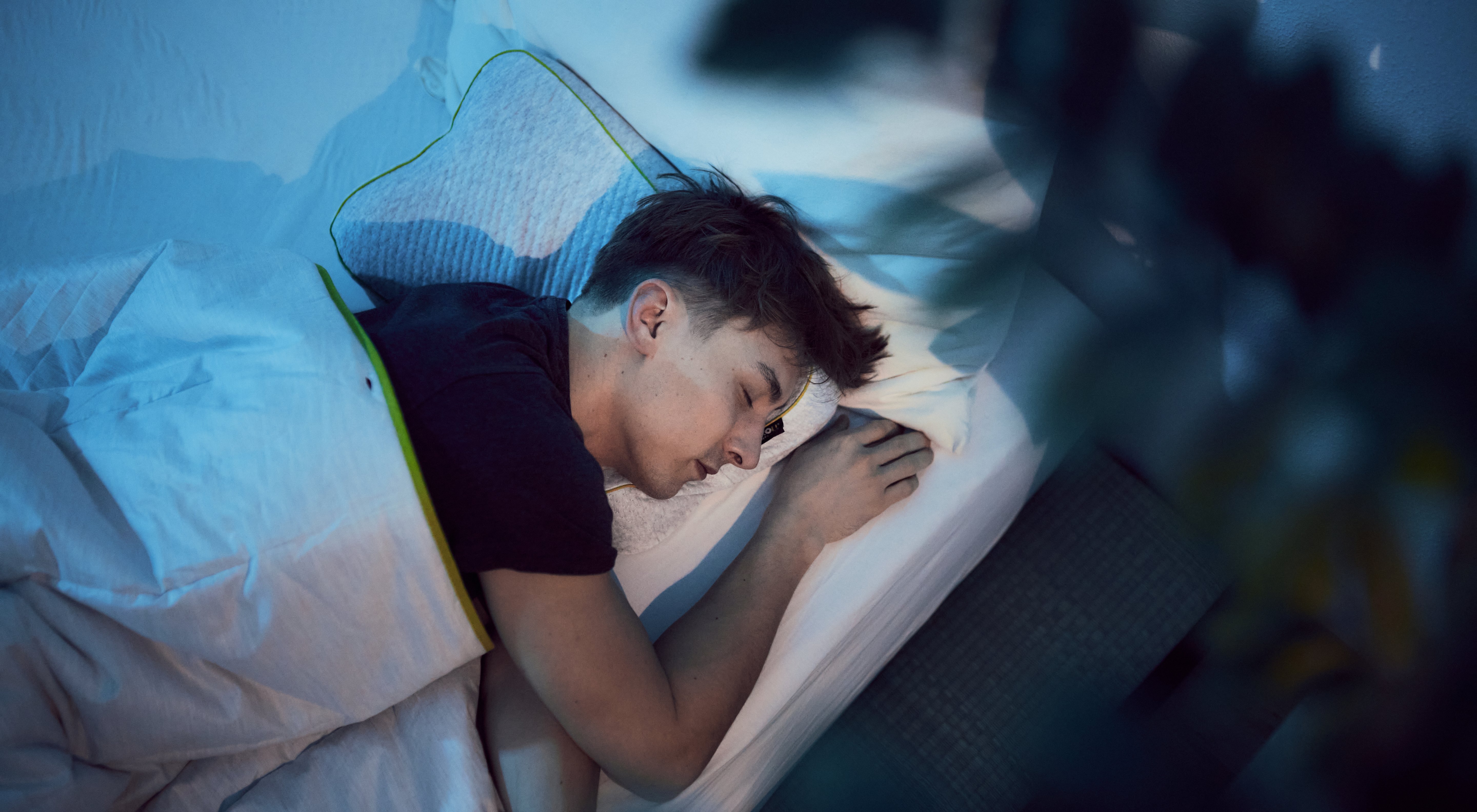
The proper treatment of a sleep disorder always addresses its root cause. After all, a problem can only be sustainably improved—or even resolved—if it is addressed at its source. Therefore, your goal should always be to address the root cause of your sleep disorder or to seek treatment that targets it.
Confusingly, sleeping pills or supplements containing the sleep hormone melatonin are generally not a causal treatment. While it may seem that way, people who take these medications are actually being sedated rather than treated. The underlying cause—that is, what triggers the poor sleep—remains, however, and is not resolved. For this reason, medications that artificially induce sleep should only be taken under a doctor’s recommendation. In most cases, they are not a long-term solution. And finding such a solution is the goal of effective treatment.
What needs to be done on a case-by-case basis to alleviate a disorder in the long term can vary greatly: Sometimes even small changes in habits can make a difference at night, while other times major changes are required. Sometimes you can take action yourself; other times, you’ll need the right doctors and medications. Sometimes quick relief is available; other times, only long-term therapy provides relief. Below, you’ll find an initial overview of possible treatments and tips on who to contact for further help.
5.1. Acute: Quick Relief for Sleep Disorders
Many exhausted people are looking for quick relief from sleep disorders. And it’s not uncommon for them to turn to sleeping pills that artificially induce sleep. However, these medications should only be taken on a doctor’s advice and only for a short time.
Often, even grandma’s home remedies for sleep disorders —such as a warm glass of honey or various medicinal plants—can help. Did you know that there’s actually a herb for most sleep problems? And it wasn’t just our grandmothers who knew this—many generations before them did as well.
Perhaps they aren’t even necessary, because in some cases, quick results can be achieved simply by changing your behavior: Use relaxation techniques to help you wind down more easily in the evening. One particularly well-known method is meditation. When you meditate, you try to calm your thoughts.
To learn how, you can, for example, use apps as a guide or watch videos with guided meditations. They can help you overcome mental ruminations and negative thoughts, because you should generally avoid overthinking in bed. If you do find yourself thinking about unfinished work tasks or personal problems at night or early in the morning, always try to approach them in a “problem-solving” way rather than a “worrying” one.
Here’s a tip: keep a pen and paper next to your bed. That way, you’ll always have the tools at hand to jot down any nighttime thoughts so you can address them during the day. After all, sometimes our brains work in simple ways: out of sight, out of mind. You’ll be amazed at how well this simple yet effective remedy works for sleep disturbances.
5.2. Chronic: What to Do About Sleep Disorders
If you have chronic sleep problems, seeing a doctor is a must. The doctor must first determine the cause of your sleep deprivation and its effects, so that appropriate treatment can then begin.
To be well-prepared for your doctor’s appointment, it can help to keep a so-called sleep diary. In it, you document your sleep habits daily—for example, when you went to bed, whether you took a sleep aid, or what problems and thoughts you had during the night. You should also note your sleep duration, the quality of your sleep, and your need for sleep during the day. This way, you’ll have all the information about your nights at your fingertips when the doctor asks for details.
5.3. Which Doctor Can Help with Sleep Disorders
You should always have chronic sleep problems evaluated by a doctor, but there’s no one-size-fits-all answer to which medical professional is best suited to address your specific issue. After all, someone who sleepwalks or suffers from narcolepsy needs very different medical care than someone who lies in bed at night worrying. A sick person who regularly takes a lot of medication needs to be treated differently than a healthy person in top physical condition who has simply developed bad habits. A child needs different care than an adult.
In short: Always consult the doctor who is right for your specific situation.
Your first point of contact can be your primary care physician. This applies generally to all medical questions, because your primary care physician can directly perform the most important examinations, assess your symptoms and the quality of your sleep, advise you, and, if necessary, refer you to an appropriate specialist.
Children, for example, are cared for by pediatricians or child and adolescent psychiatrists. A gynecologist addresses the concerns of women who, for example, experience sleep problems during menopause. Internists treat diseases and injuries of the internal organs, while an ENT specialist can help if the cause of insomnia lies in the throat, nose, or ears—for example, in cases of snoring.
In some cases, you may be referred to a sleep lab. There, medical professionals can monitor your sleep over several nights.


Preventing Sleep Disorders with Good Sleep Hygiene
There are a few tips and tricks to help prevent sleep disorders:
- Avoid any media use right before bedtime. It’s emotionally draining, and screen light inhibits the production of the sleep hormone melatonin, which signals our body to fall asleep.
- Don’t go to bed until you’re really tired. It sounds obvious, but it’s not always easy—especially for couples or parents with children. Often, we go to bed because the clock, our smartphone, or social conventions tell us it’s bedtime. If we’re not really tired yet, we’re more likely to lie awake and inevitably start overthinking.
- Stay calm and don’t put pressure on yourself. If you’ve been lying awake for 15 minutes, you should get out of bed and leave the bedroom.
- If possible, engage in calming and somewhat monotonous activities (reading, knitting, doing puzzles, or coloring)in the dark or under dim lighting. When you feel sleepy again, go back to bed. If you still can’t fall asleep, get out of bed and leave the bedroom again.
- Never look at the clock or your smartphone at night! The time and new messages aren’t important to you at night! Messages, emails, or even just the light from the screen can keep you awake. As a general rule, cell phones, tablets, and the like have no place in the bedroom!
- Be sure to avoid bright light at night, as it keeps you awake. This rule also applies when going to the bathroom. However, to prevent you from falling, a motion-activated light can help. Its light is usually ideal because it’s dimmed. If that’s not an option, then—even if it might sound a bit strange—a pair of sunglasses can reduce the stimulating effect of the light.
- Don’t go to bed too early, unless your job allows it. It’s better to sleep through the night from midnight to 6 a.m. than to sleep from 9 p.m. to 4 a.m. and then lie awake afterward.
- One of the main reasons for trouble sleeping in is the fear of oversleeping, but this fear is unfounded. Trust your alarm clock or smartphone. They’ll wake you up reliably, as long as the batteries are charged.
- Of course, you can use your smartphone as an alarm clock. But please always set it to airplane mode, because even slight vibrations can disrupt our sleep.
In addition to these methods, cognitive behavioral therapy (CBT-I) is the treatment method with the strongest scientific evidence for sleep disorders. Our sleep psychologist will provide you with professional guidance throughout the process

Sleep better, live healthier—with our sleep course. Up to 100% reimbursement.
Discover the online sleep course nowTreatment: How to Overcome Sleep Disorders
The most effective and scientifically proven method for treating sleep disorders is Cognitive Behavioral Therapy for Insomnia (CBT-I). It helps you break unhealthy sleep patterns and establish new, restorative routines. Our experienced sleep psychologist will provide you with personalized guidance so you can learn techniques that have lasting effects. This way, you can gradually regain healthy sleep and noticeably improve your quality of life.
More Articles for Better Sleep






Products That Promote Relaxation






Exercises for a Good Night’s Sleep
Relaxation exercises before bedtime will help you unwind. Make them part of your daily routine. This can be especially helpful if you suffer from sleep problems.