
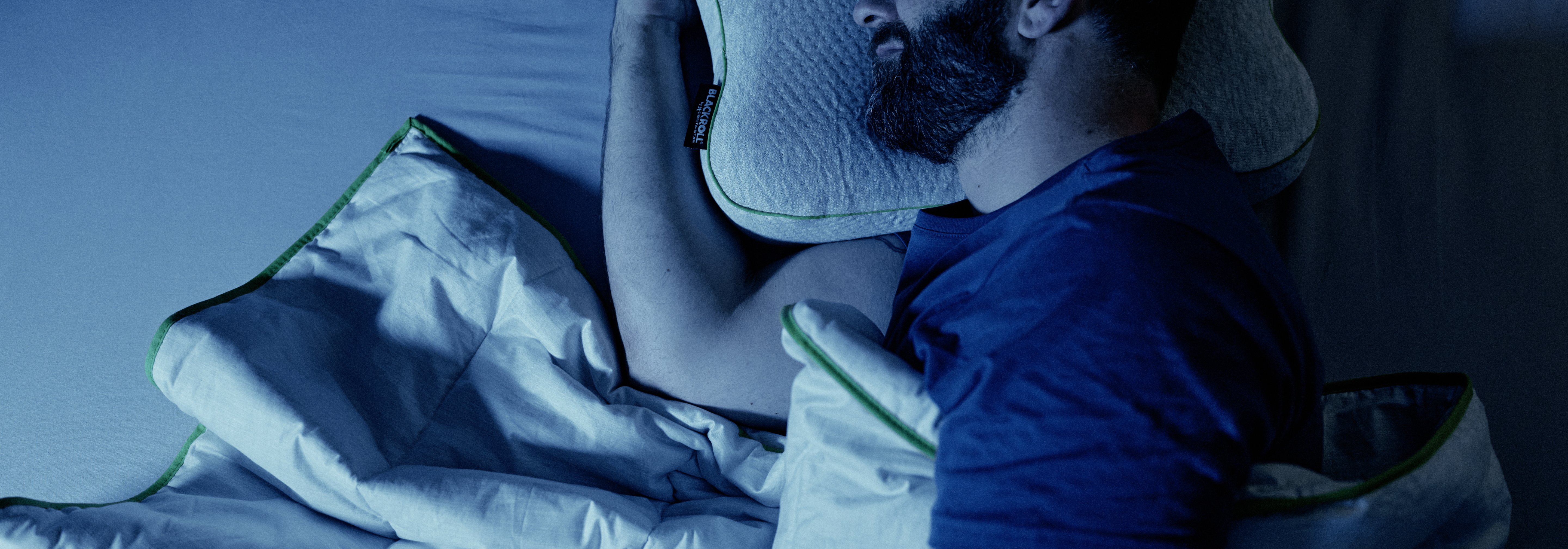




Sleep Better: The Best Tips for Restful Nights

Dr. Lutz Graumann
Sleep Better: How to Ensure Healthy Sleep with Sleep Hygiene Tips
Restful andhealthysleepensuresthat you wake up in the morning feeling relaxed and refreshed. You’ll be productive and have enough energy for the day. But even more importantly, sleep—along with exercise and a balanced diet—has a positive impact on your well-being, health, and performance, not just in the short term but especially in the long term.
And there’s more good news: You have the power to ensure a good night’s sleep! And with that, you control a large part of your time, since you spend a third of your life in bed and, consequently, many hours in the bedroom.
Getting the right kind of sleep is therefore essential for a healthy body and mind. That’s why everything should be just right when you go to bed so that you can truly rest well at night. You can often create the best conditions for restful sleep with simple sleep hygiene tips.
These are rules that help you sleep better. Contrary to what the term might suggest, “sleep hygiene” doesn’t refer to recommendations for tidiness and cleanliness. Rather, good sleep hygiene is about understanding what sleep is and its importance, so that we can optimize our own behavior and the conditions around us.
Examples of good sleep hygiene that can improve your sleep quality include:
- avoiding coffee for about 6 hours before bedtime,
- avoiding alcohol,
- or creating optimal conditions in the bedroom in terms of temperature, background noise, and lighting.
The goal of good sleep hygiene is always the same: to sleep better.
So, don’t fall asleep—it’s going to be exciting!

Sleep better, live healthier—with our sleep course. Up to 100% refund + a free Recovery Pillow.
Discover the online sleep course now
01
FAQ—Frequently Asked Questions About Better Sleep
Useful information
Restful sleep depends on many factors. A dark, quiet, and cool bedroom, as well as consistent bedtime routines, are particularly important. Also, make sure to establish an evening routine that helps you relax—for example, using a foam roller, drinking a cup of herbal tea, or doing gentle yoga. Reducing screen time and avoiding heavy meals or caffeine in the evening also contribute to better sleep quality.
If you want to fall asleep more easily tonight, dim all light sources (especially blue light) early on, ensure silence or use soothing sounds, and avoid screen time in the hour before bedtime. A short relaxation exercise or a warm shower can also help you wind down more quickly.
Home remedies such as lavender tea, warm foot baths, or relaxation routines can be helpful for occasional trouble falling asleep. However, if you’ve been sleeping poorly for several weeks, wake up frequently at night, or feel constantly exhausted during the day, you should seek medical advice. Sleep disorders can also have physical or psychological causes.
The most common sleep disruptors include stress, irregular bedtimes, screen use in the evening, alcohol, heavy meals, noise, and light sources in the bedroom. Even the wrong mattress or an ill-fitting pillow can cause restless nights. Anyone who consistently sleeps poorly should take a critical look at their lifestyle and sleep environment.
02
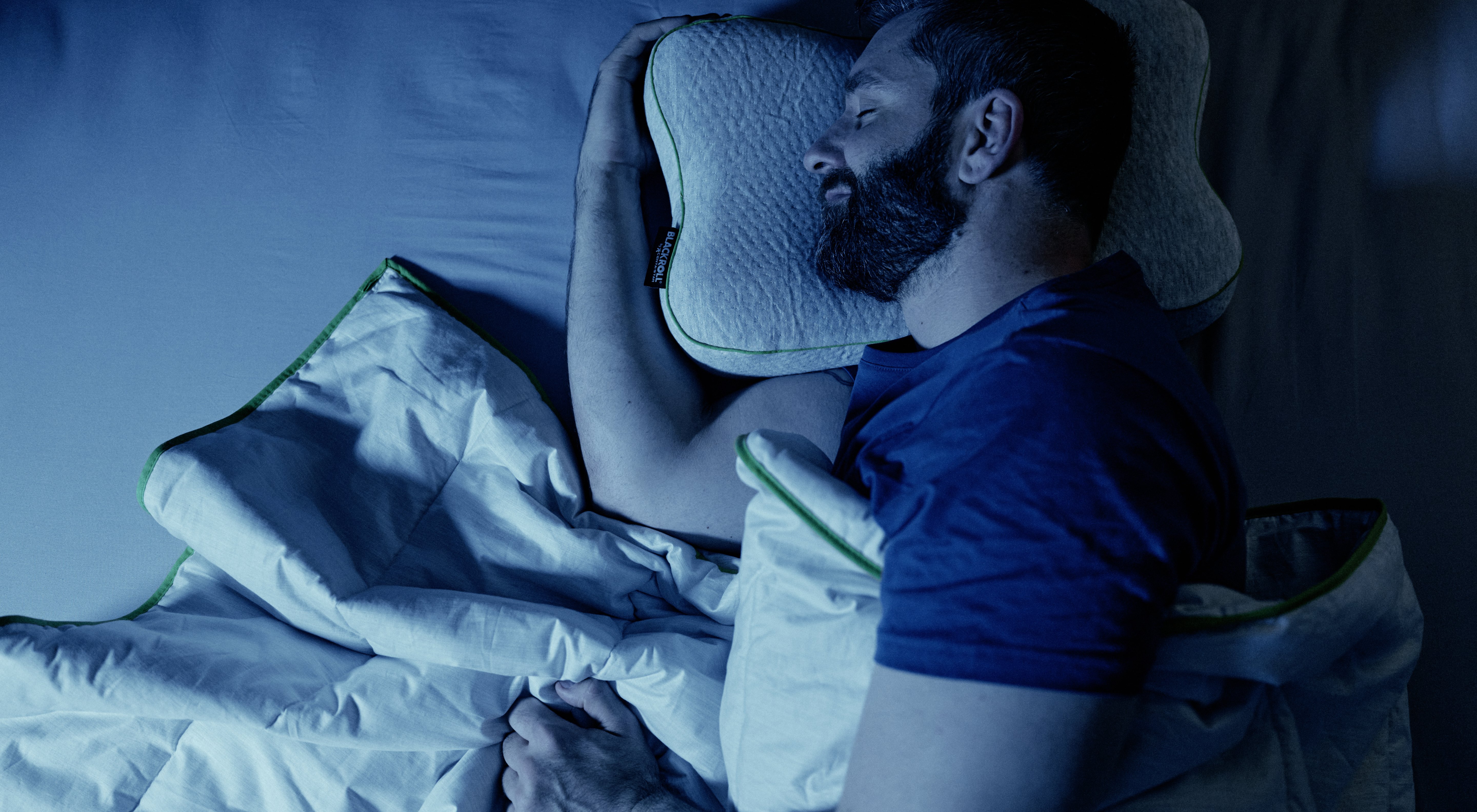
What does “sleeping better” really mean?
When people think of “sleeping better,” many primarily think of falling asleep quickly—but that’s not the whole story. Sleeping better means, above all, sleeping more restfully. So it’s not just about falling asleep quickly, but also about spending enough time throughout the night in the various sleep stages, as undisturbed as possible. Only then can the body fully complete its important regenerative processes.
While we sleep, we’re in a state that feels calm on the outside—but on the inside, our body is highly active: cells are repaired, the immune system is strengthened, hormones are regulated, and the brain processes the day’s experiences. Emotional impressions, what we’ve learned, and new information are sorted and consolidated during sleep.
Restful sleep is therefore a combination of:
- Quantity: that is, sufficient sleep duration (e.g., 7–9 hours for adults),
- Quality: an undisturbed progression of sleep cycles.
These cycles consist of several consecutive phases: the falling-asleep phase, light sleep, deep sleep, and REM sleep (dream sleep). A full night’s sleep typically includes about five such cycles, each lasting around 90 minutes. Deep sleep is particularly important for physical recovery, while REM sleep is responsible, among other things, for emotional processing and memory formation.
So, sleeping better means not just “getting through the night somehow,” but providing your body with the conditions it needs to regenerate as effectively as possible at night—both physically and mentally.
Below is an overview of the sleep stages

03
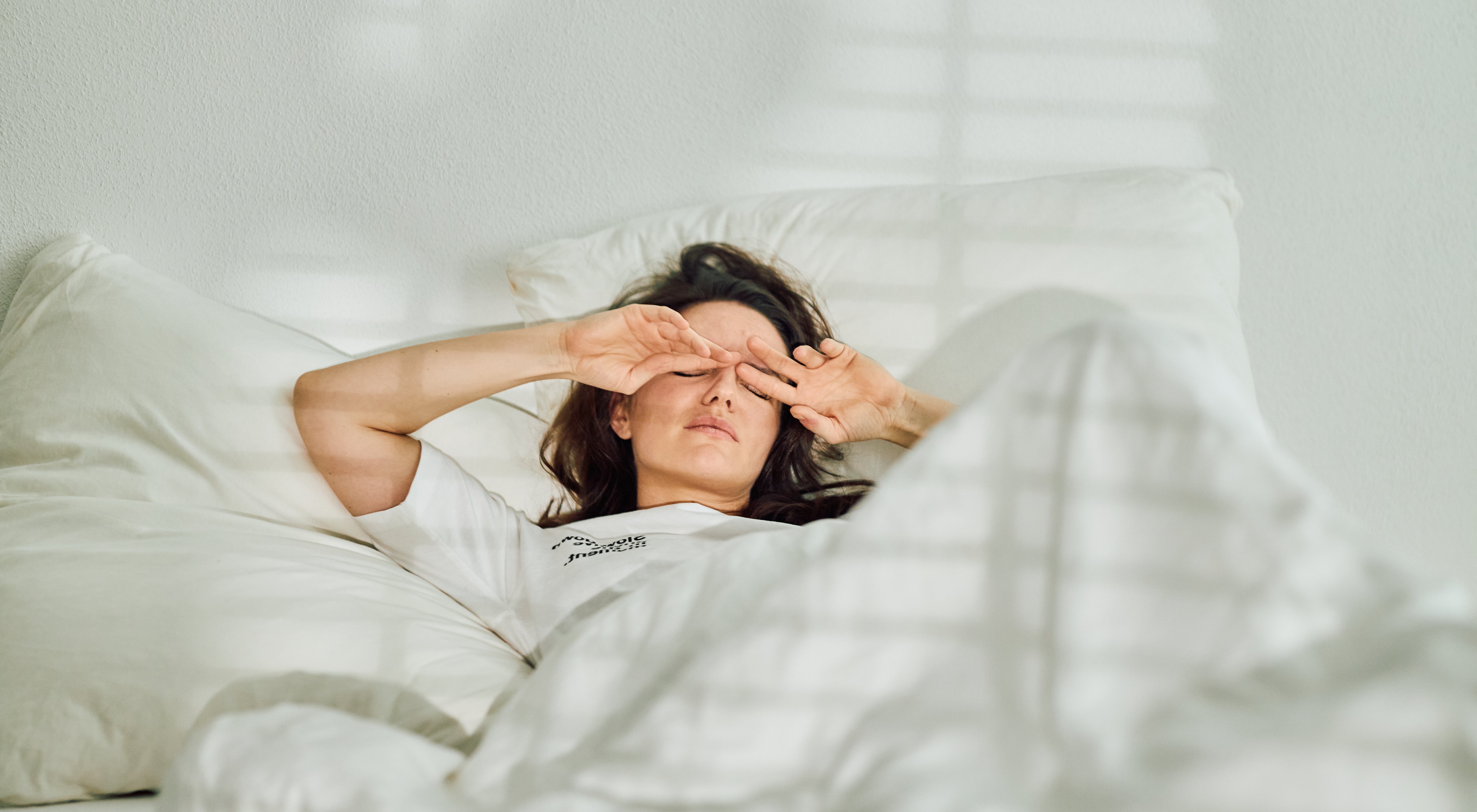
What factors influence sleep quality?
Just as diverse as the topic of sleep itself are the factors that can promote or disrupt it. Our sleep patterns are influenced by both internal and external factors. This means, on the one hand, that our external environment affects our sleep and can be a source of disruption.
On the other hand, internal factors such as our behavior and mental state also play a role. Negative thoughts, for example, can rob us of sleep. This is due to a variety of different reactions that originate in our minds and put our entire body on high alert. Problems, negative emotions such as fear or anger, and—above all— the stress associated with them prevent restful sleep.
There are many different techniques and methods to prevent worries, fears, or other unpleasant feelings from making it difficult for you to fall asleep and stay asleep. Meditation, breathing exercises, and relaxation techniques, for example, can help you wind down more easily in the evening and fall asleep faster. Other measures, such as a comfortable bed or an ergonomic pillow, can improve your sleep quality, allowing you to sleep through the night more soundly.
If you want to sleep better, you should also consider the following factors:
01

External factors:
- Lighting conditions
- Noise
- Uncomfortable bed or pillow
- Duvet that’s too warm or too cold
- Room temperature that is too warm or too cold
02
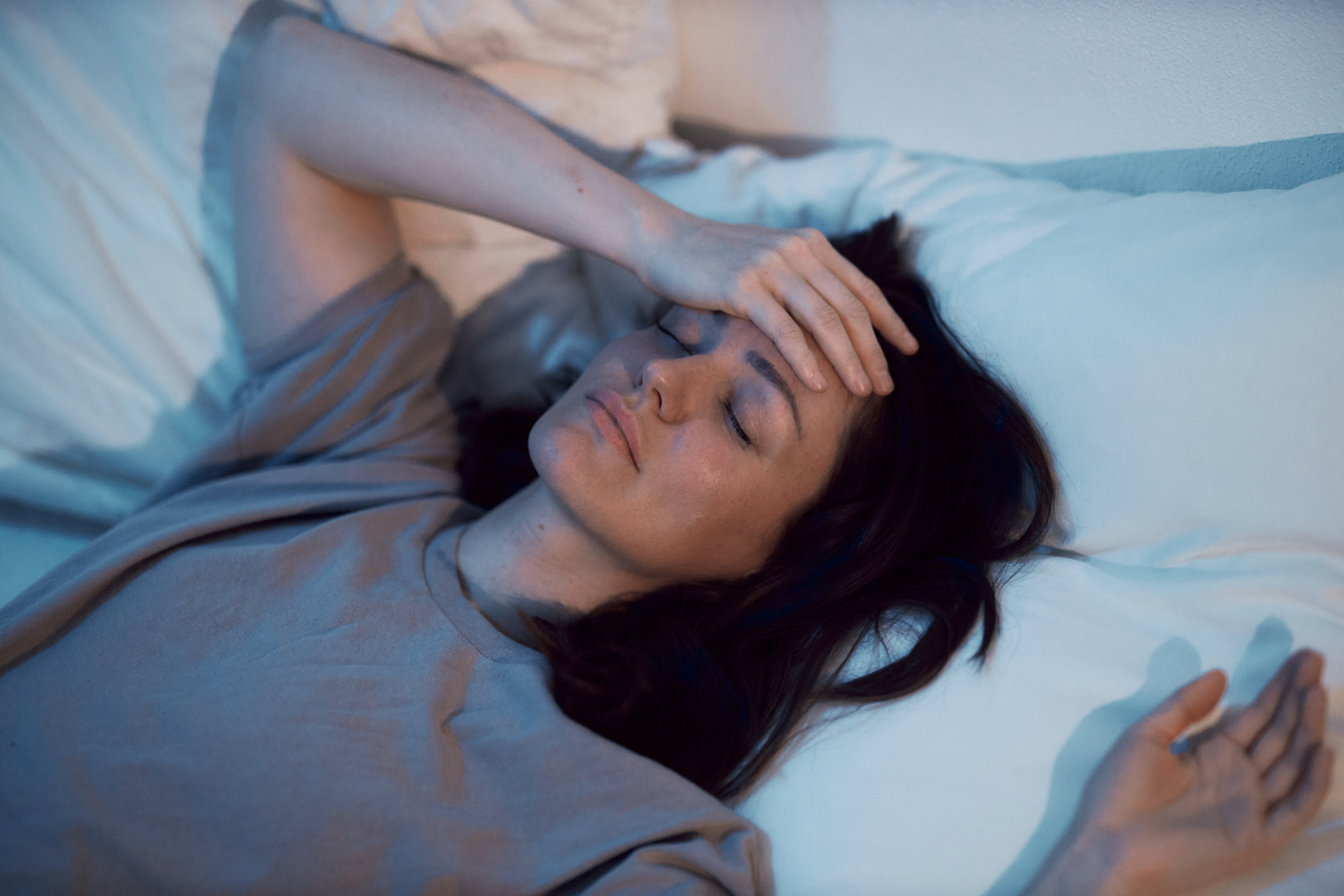
Internal factors:
- Constant worrying
- Stress, anxiety, anger
- Problems That Weigh on Us
- Illnesses
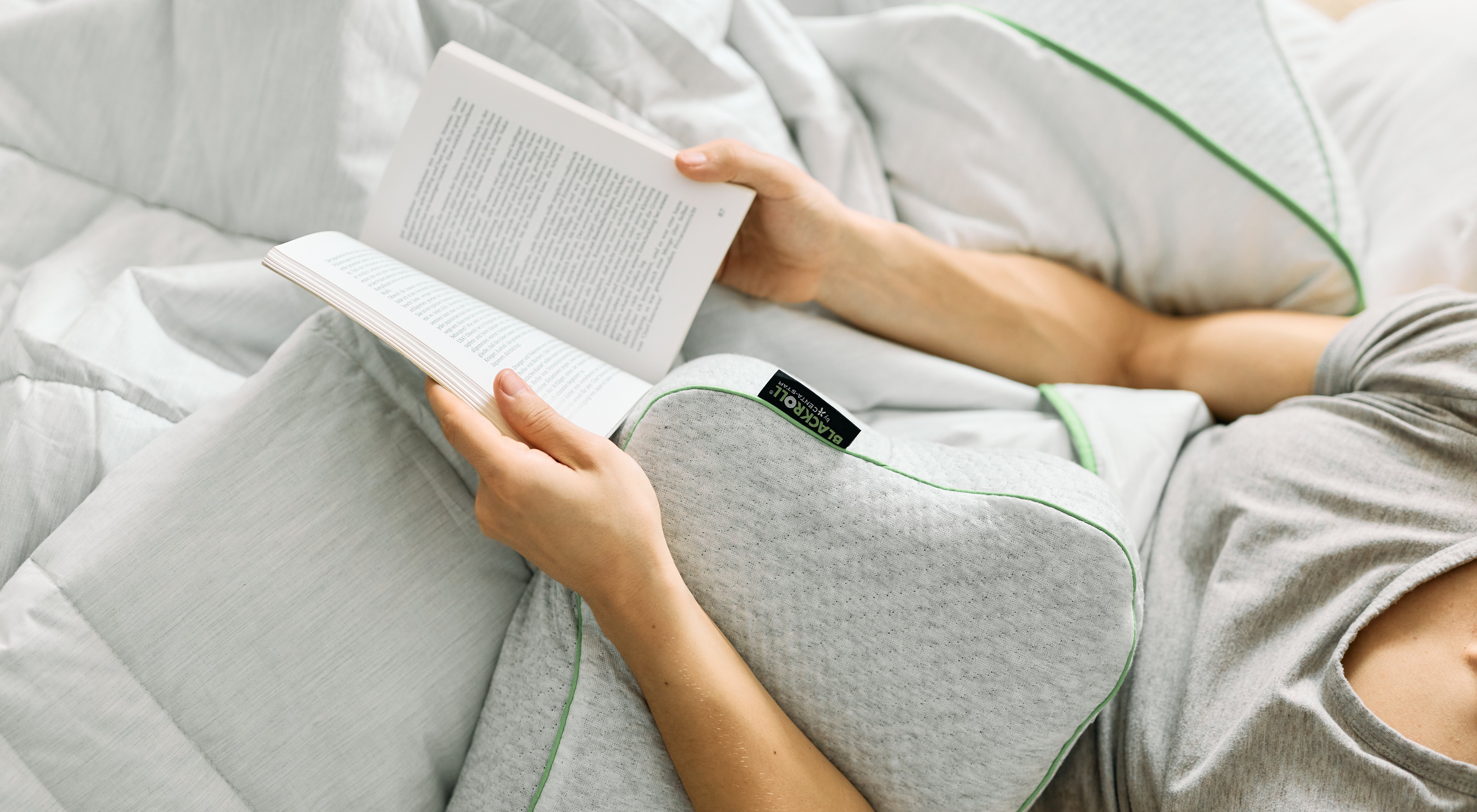
04
Tips for Better Sleep
Healthy sleep is essential for our recovery, mental performance, and immune system. But many people have trouble sleeping—often for reasons that are easy to fix. In this post, we’ll share the best tips for better sleep, divided into five categories. This will help you fall asleep more easily and wake up feeling more refreshed.
1. Optimize Your Sleep Environment
- Keep your bedroom dark
Light inhibits the production of the sleep hormone melatonin. Darken your bedroom as much as possible—for example, with blackout curtains or a sleep mask—and dim the lights in your home in the evening. - Avoid disruptive light sources from electronic devices
Remove electronic devices such as routers or computers from your bedroom. If that’s not possible, turn them off completely or cover any flashing LEDs. Your alarm clock shouldn’t display bright numbers either—an analog alarm clock or a digital one with a dimming function works best. - Use night lights with motion sensors
If you have to get up at night, use dimmed light with a motion sensor or a small flashlight by your bed—this will help you stay drowsy and avoid tripping hazards. - Ensure the right temperature
A room temperature between 16 and 19°C optimally supports your body’s thermoregulation. Being too warm or too cold can disrupt sleep. - Choose the right pillow
An ergonomically designed pillow can help prevent tension and keep your cervical spine relaxed—especially important for side sleepers and people with neck pain.
2. Reduce sources of noise—or use soothing sounds
- Use earplugs in noisy environments
Especially when traveling or in apartments with thin walls, earplugs are a proven way to muffle ambient noise. - Close windows if there’s traffic noise
Opt for soundproof windows and ventilate intermittently rather than leaving them “tilted open” all the time. - Avoid household noise
Make sure the washing machine, dishwasher, and dryer are turned off in the evening. - Set your cell phone to silent or airplane mode
Even vibrations or push notifications can interrupt your sleep. Even better: Leave your smartphone outside the bedroom entirely. - Soundproof the room with textiles
Rugs and curtains can absorb sound—especially helpful if you have noisy neighbors or a lot of street noise. - Position your bed correctly
If the noise is coming from the adjacent wall, it often helps to move the bed slightly away from the wall. Air conducts sound less effectively than solid materials. - Soft sounds instead of silence
White noise, ocean sounds, or relaxing music can help block out distracting noises and help you unwind.
3. Use light wisely—bright during the day, dimmed in the evening
- Turn on the blue light filter
In the evening, use the blue light filter on your smartphone, tablet, or laptop (“Night Shift”) to reduce the stimulating blue light. - Light in the morning—your natural alarm clock
After getting up, open the curtains or step outside for a moment to get some fresh air. Natural light regulates your circadian rhythm and helps you wake up. - Avoid hitting the snooze button
Better: Set your alarm a little later, but get up as soon as it goes off the first time. Snoozing interrupts important sleep phases.
Pillow
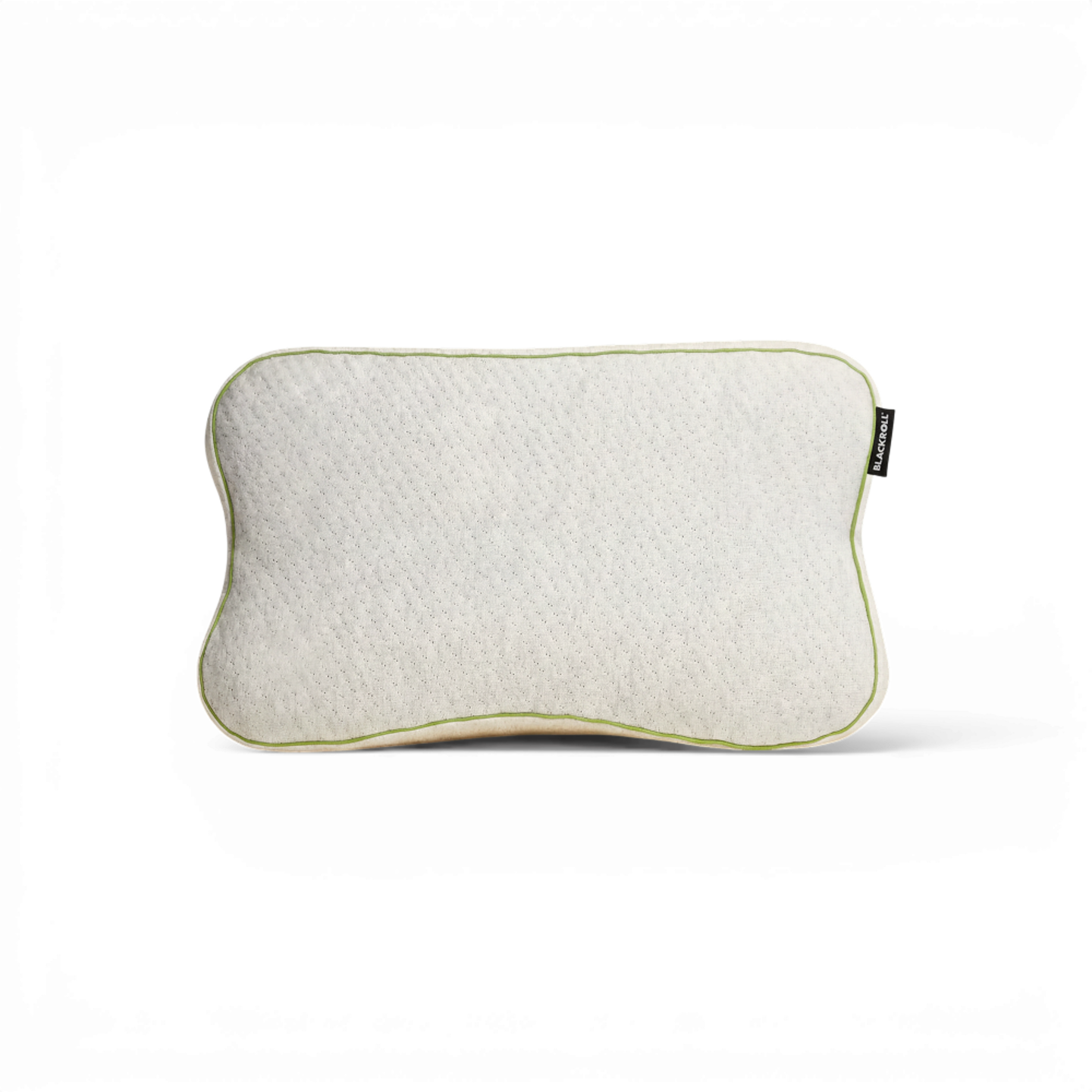
€99.90
Blanket
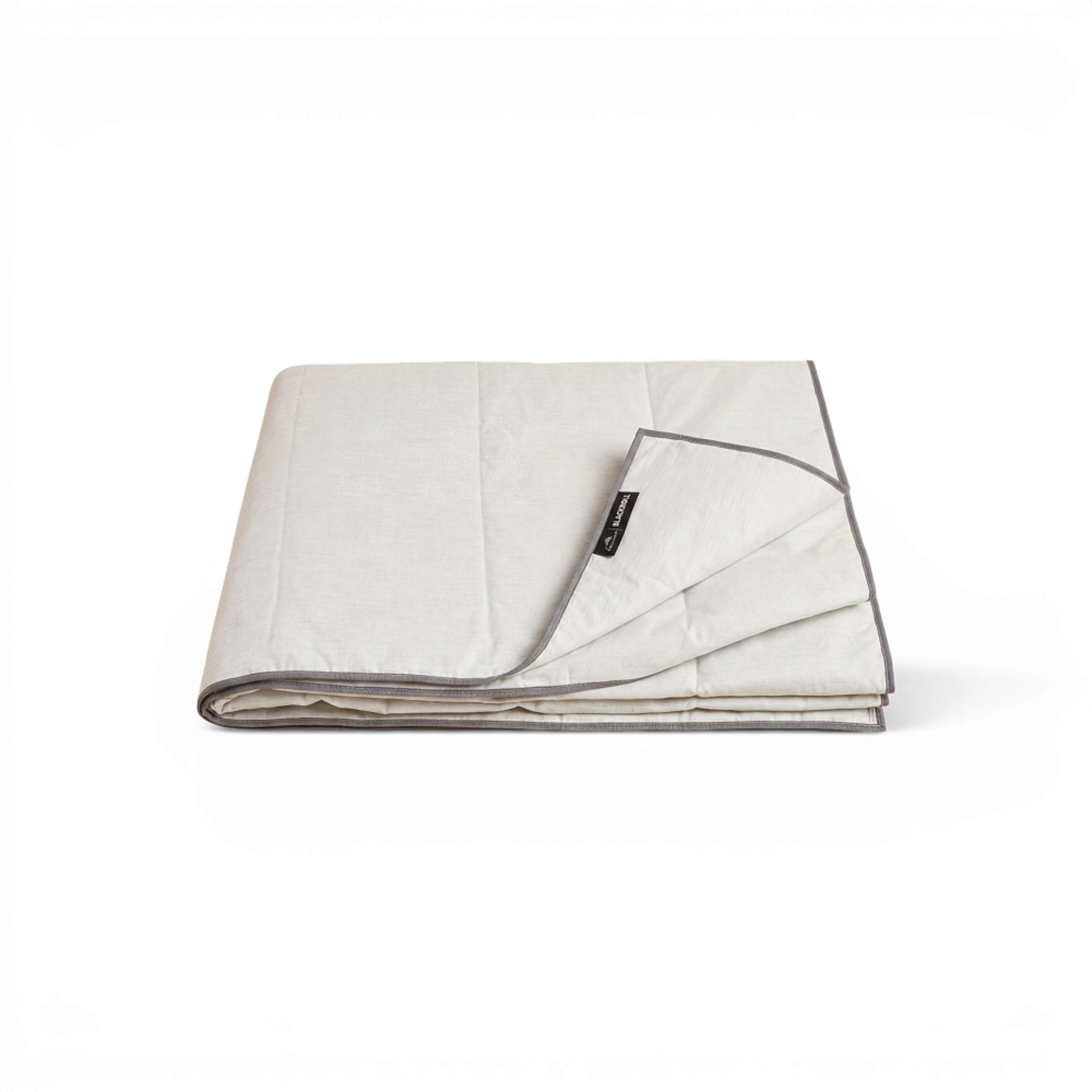
Recovery Blanket Summer
Available in multiple variants
from€149.90
4. Establish a healthy sleep routine
- Stick to a consistent bedtime
Go to bed at the same time every night whenever possible—even on weekends. Your body thrives on consistency. - Avoid screen time in the evening
TV shows, movies, or social media stimulate the brain and make it harder to fall asleep. Instead, read a book or listen to calm music. - Find your evening rituals
Relaxation routines like a warm bath, a foam roller massage, gentle yoga, or herbal tea signal to your body: It’s time for bed. - Pay attention to your chronotype
Are you more of an early riser (lark) or a night owl? If possible, adjust your sleep schedule to match your natural circadian rhythm.
Feel free to take our test on this topic to find out which chronotype you are.
- Don’t lie awake in bed
If you can’t fall asleep after 15 minutes, get out of bed and do something calming (e.g., reading). Don’t go back to bed until you’re tired again.
5. Take power naps the right way
Take a nap—but do it right
A short power nap of 15–20 minutes can give you a boost of energy—especially after a bad night’s sleep. Be careful not to sleep too long, so you don’t enter deep sleep phases[LG1]. You should also avoid napping after 4 p.m.
Good sleep starts with small changes
Most sleep problems can be improved with simple measures—without any medication. It’s important to optimize your sleep environment, identify disruptive factors, and take your individual needs seriously.
For even more tips and insights on “sleeping better,” check out our 21-Day Online Sleep Course. It’s worth it!

Improve your sleep quality with our bedding
Sleep Products
Earplugs help you sleep better when it’s noisy.
Sale
Pillow
€99.90€79.90
Pillowcase
€29.90
Pillowcase

Pillow Case Jersey
Available in multiple variants
€24.90
Pillowcase
€34.90

05
Conclusion: Sleep Better
With these tips for reducing internal and external disturbances and advice on how to sleep better, you’re well-equipped to create optimal sleeping conditions. Often, optimizing your sleep isn’t so much about the things you need to add to your daily routine, but rather about recognizing the little “everyday mistakes” and letting them go as often as possible. That way, you can succeed in sleeping better in the long run.
So there’s only one thing left to say: Sleep well!
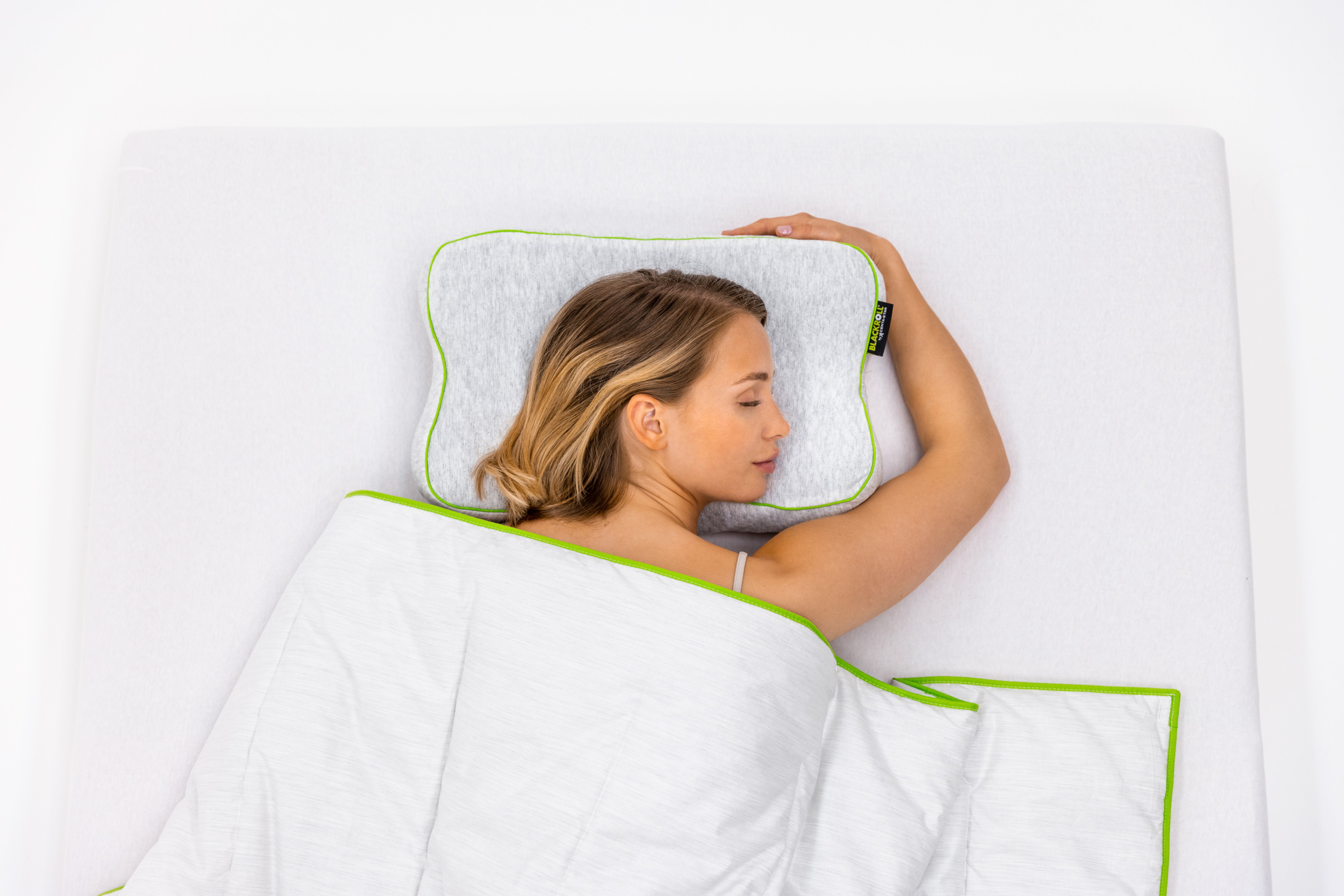
Pillows & Blankets for Restful Sleep
Discover the BLACKROLL® Sleep Collection.