
Schlafqualität verbessern

Do you constantly wake up feeling tired, even though the clock shows you’ve had eight hours of sleep? You’re not alone. Many people confuse sleep duration with sleep quality—and that’s exactly where the key lies: Only those who sleep deeply, without waking up frequently, feel truly refreshed the next day.
Sleep problems often develop gradually, but they can usually be significantly improved with small changes in your daily routine. Instead of reaching for pills, you can promote better sleep naturally with tried-and-true tips. This applies not only to adults but also to children, whose trouble falling asleep often manifests differently and depends more heavily on routines. Especially when, for example, a 2- or 3-year-old refuses to sleep, it’s worth taking a closer look at typical causes and appropriate strategies.
In this article, we’ve put together strategies to help you improve your sleep quality—from smart sleep hygiene and relaxing evening rituals to diet and exercise.
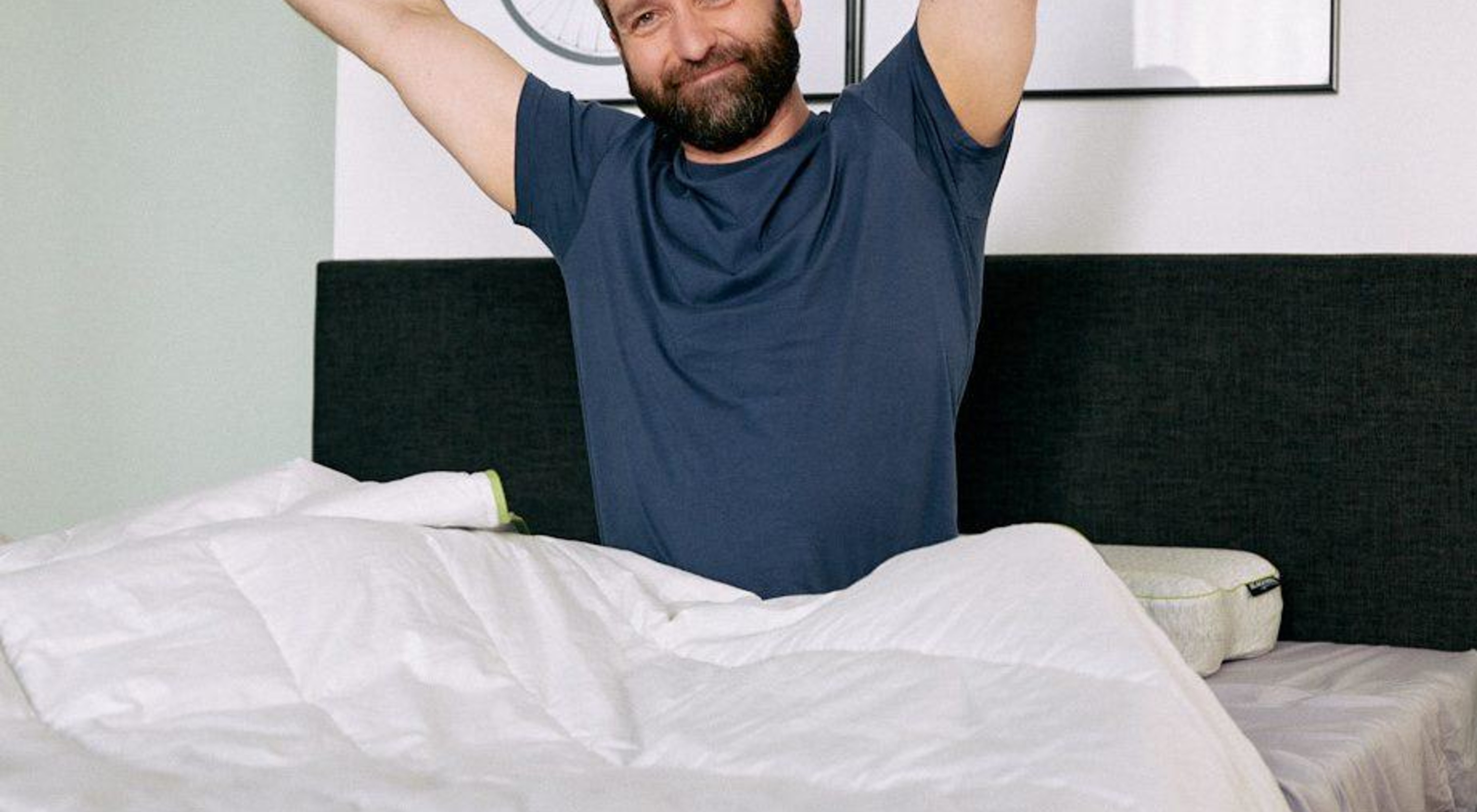
What Is Healthy Sleep
Healthy sleep means more than just sleeping “long enough”—the quality of your sleep is what matters most. It consists of three key factors:
- Sleep continuity – You sleep through the night without waking up frequently and achieve a sleep efficiency of at least 85% (time in bed vs. actual sleep time).
- Sleep architecture – The body goes through four to six cycles of light, deep, and REM sleepeach night . Deep sleep in particular (about 20–25% of the total duration) regenerates muscles, the immune system, and memory; the REM phases consolidate memories and emotions.
- Feeling of Rest – You wake up in the morning without significant fatigue, headaches, or difficulty concentrating, and remain productive throughout the day.
People who frequently wake up before their alarm goes off, stay alert throughout the day, and fall asleep within 15–20 minutes in the evening generally experience better sleep —regardless of whether they slept exactly seven, eight, or nine hours.

Sleep better, live healthier—with our sleep course. Up to 100% refund.
Discover the online sleep course nowImprove your sleep quality: Sleep better with these tips
Sleep problems often develop gradually, but can usually be significantly improved with small changes in your daily routine. Instead of reaching for pills, you can promote better sleep naturally with these proven tips. The following 5 tips can help you wind down more easily in the evening—and wake up feeling more refreshed in the morning:
- Stick to a consistent bedtime and wake-up time—consistency beats duration
Studies show that consistent bedtime and wake-up times (with a variation of less than 30 minutes) increase sleep efficiency, shorten nighttime wakefulness, and are even a better indicator of health than sleep duration alone. So plan to stick to the same schedule on weekdays and weekends to stabilize your internal clock and make it easier to sleep through the night. - Avoid blue light & establish an evening digital routine
Turn down the brightness on your screens or put them away completely at least 60 minutes before bedtime: A meta-review of 35 intervention studies shows that artificial blue light inhibits melatonin release and prolongs the time it takes to fall asleep. Replace scrolling with a calming ritual (reading, journaling) so your brain reliably switches to “sleep mode.” - Create a climate-friendly bedroom
A temperature of 17–19 °C, complete darkness, and noise levels below 30 dB promote deep sleep and minimize micro-awakenings. Add an ergonomic mattress and good air circulation—together, these factors have been shown to improve perceived sleep quality in sleep lab studies. - Timing exercise and daylight wisely
A meta-analysis (2024) found that 30 minutes of moderate exercise (e.g., a brisk walk, yoga) at least three days a week significantly reduces sleep disturbances. It’s even more effective with morning or mid-morning light: A 2023 study showed that 10 minutes of bright daylight early in the day strengthens the circadian rhythm and consolidates deep sleep. - Relaxation Techniques for Sleepless Nights
If you still can’t fall asleep, a short session of progressive muscle relaxationcan also help, according to the study. This sequence of tension and relaxation affects your entire body. The relaxation process lowers blood pressure and heart rate.

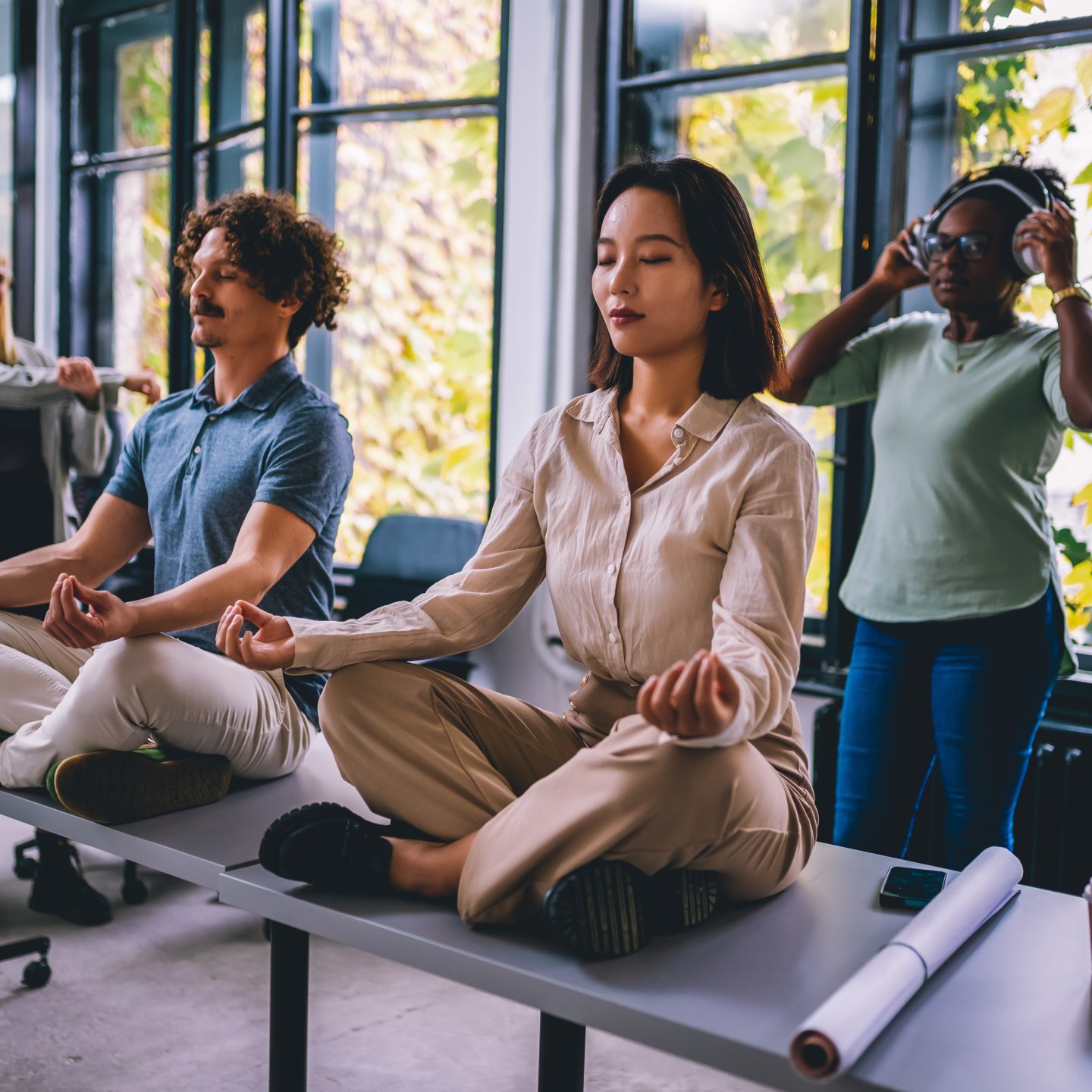
What to Do When You Can't Sleep
- The 15-Minute Rule
Don’t lie awake in bed endlessly. If you’re still tossing and turning after about 15–20 minutes, get up quietly, go to another dimly lit room, and do something relaxing (read a book, listen to an audiobook, or do some gentle stretching). This “stimulus control” technique separates your bed from wakefulness and can help you fall asleep faster. - 4-7-8 Breathing
Breathe in for 4 seconds, hold your breath for 7 seconds, breathe out for 8 seconds—repeat this four to eight times. This method can improve your sleep quality and significantly reduce the time it takes to fall asleep. - Park Your Thoughts
Briefly jot down persistent to-dos or worries on a notepad. Studies on cognitive distraction show that simply “outsourcing” your thoughts reduces rumination and makes it easier to fall back asleep.
If you combine these mini-strategies with the previous sleep hygiene tips, you’ll create a reliable emergency plan in case insomnia catches you off guard.
Diet & Exercise: Improving Sleep Through Lifestyle Changes
Before you turn to sleep aids, it’s worth taking a look at your daily routine: Diet and exercise influence your sleep-wake cycle more than many people realize. What, when, and how you eat—as well as the type and timing of your workouts—can measurably affect melatonin release, the proportion of deep sleep, and the time it takes you to fall asleep. The following points show you how you can make a big difference in your sleep quality with small lifestyle adjustments.
1. Regular exercise—but at the right time
Just 150 minutes of moderate exercise per week (jogging, yoga, brisk walking) can significantly improve sleep quality and reduce difficulty falling asleep. This was found in a large Chinese meta-analysis.
You should finish intense interval or strength training at least 2 hours before bedtime: In a study published in *Nature*, participants who completed their endurance workout in the early evening (6 p.m.) slept more deeply—whereas a late workout after 8 p.m. actually increased the time it took to fall asleep.
2. Daylight & Micro-Movement as Melatonin Boosters
Short bursts of light and brief activity breaks—such as 3-minute mini-workouts every 30 minutes—increase alertness during the day and prolong deep sleep at night, as demonstrated by a BMJ study on evening “activity breaks.”
3. Smart Carb Snack
A study found that people who eat a simple carbohydrate-rich dish—such as rice semolina—about four hours before bedtime fall asleep on average twice as fast (from 18 to 9 minutes). If the same portion is eaten right before bed, however, it actually delays the onset of sleep.
Practical tip: Treat yourself to oatmeal or rice with a banana well in advance—but avoid pizza and the like just before midnight.
4. Sleep-Promoting Foods
Eat two kiwis about an hour before bedtime—in one study, participants slept significantly more peacefully and soundly afterward.
In tests, even a small glass of sour cherry juice before bedtime reduced the number of times people woke up during the night.
Here’s how you can support your sleep with simple foods—without any pills.
5. Caffeine & Alcohol—Two Simple Adjustments
A recent review in the MDPI Journal clearly shows: People who drink coffee or energy drinks after 3 p.m. or have a glass of wine in the evening take longer to fall asleep, experience less REM sleep, and wake up more frequently during the night. If you cut back on both—no late-afternoon caffeine, and at most a small drink with a meal—you’ll sleep through the night much better.
In short: By combining moderate exercise, smart meal timing, and sleep-promoting snacks, you bring your body and internal clock into harmony—the foundation for healthy sleep and sustainable sleep quality.
You might also be interested in






Conclusion: Quality Sleep
A restful night’s sleep isn’t a matter of chance—it’s the result of a few well-chosen adjustments: consistent bedtimes, a sleep-friendly environment, and mindful daily habits. If you avoid caffeine as much as possible in the afternoon, dim the lights early in the evening, plan a light snack in good time, and keep your bedroom cool and dark, you’ll lay the foundation for deeper, undisturbed sleep. Combined with short relaxation routines, this creates a clear signal pathway that reliably sends your body and mind into rest mode—without any medication or high-tech gadgets.
Starter Kit for Tonight
- No heavy meals in the last 3 hours before bedtime.
- Takea 60-minute screen break before bed
- A kiwi snack or herbal tea instead of late-night coffee
- Air out the room and set the temperature to 18 °C
- 10 minutes of gentle stretching or progressive muscle relaxation before bedtime.
If you stick to this consistently, you’ll notice a noticeable improvement in your sleep quality in just two to four weeks. More energy, a more stable mood, a stronger immune system, and improved performance are the beneficial results. So make sleep optimization a regular part of your routine—your body and your health will thank you night after night.
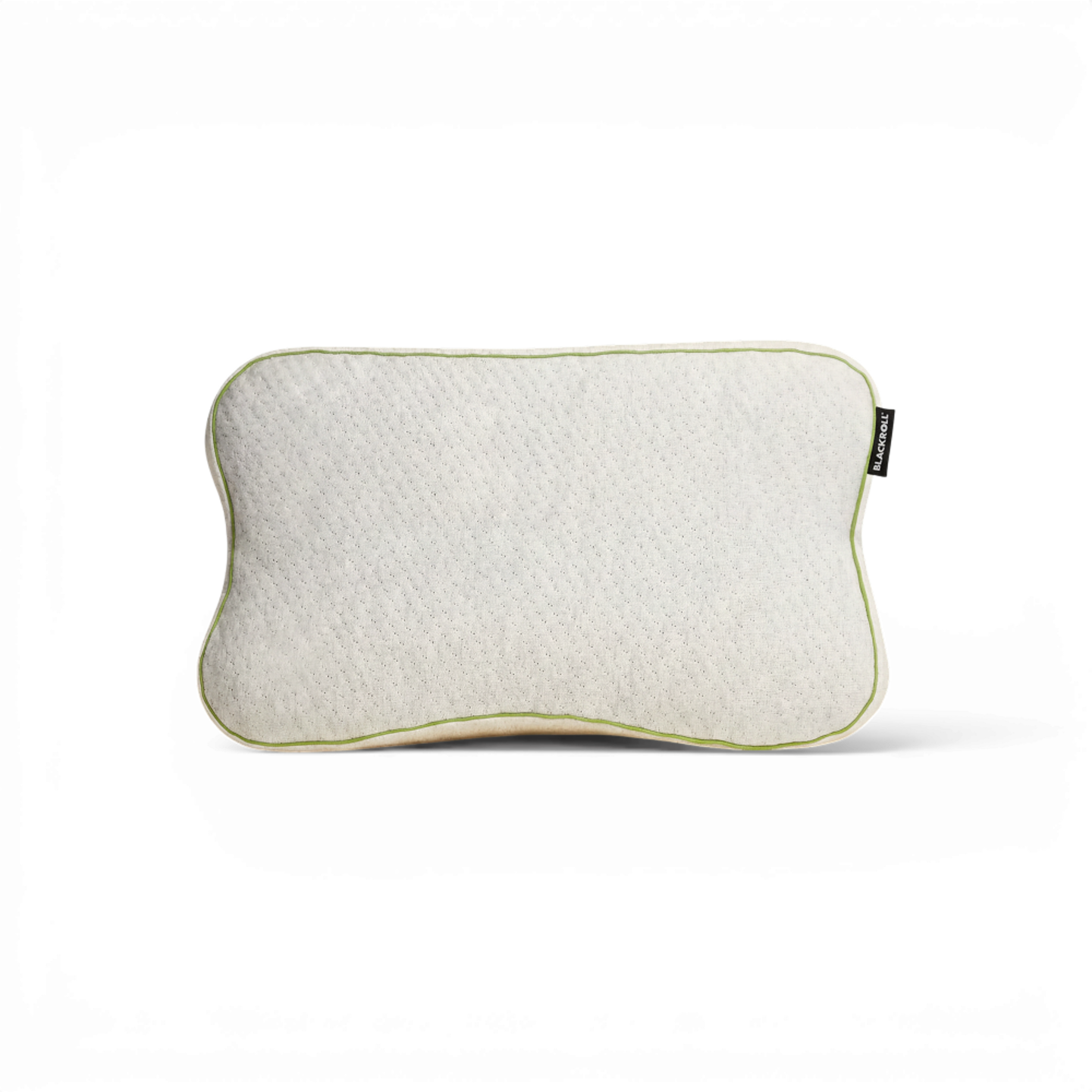

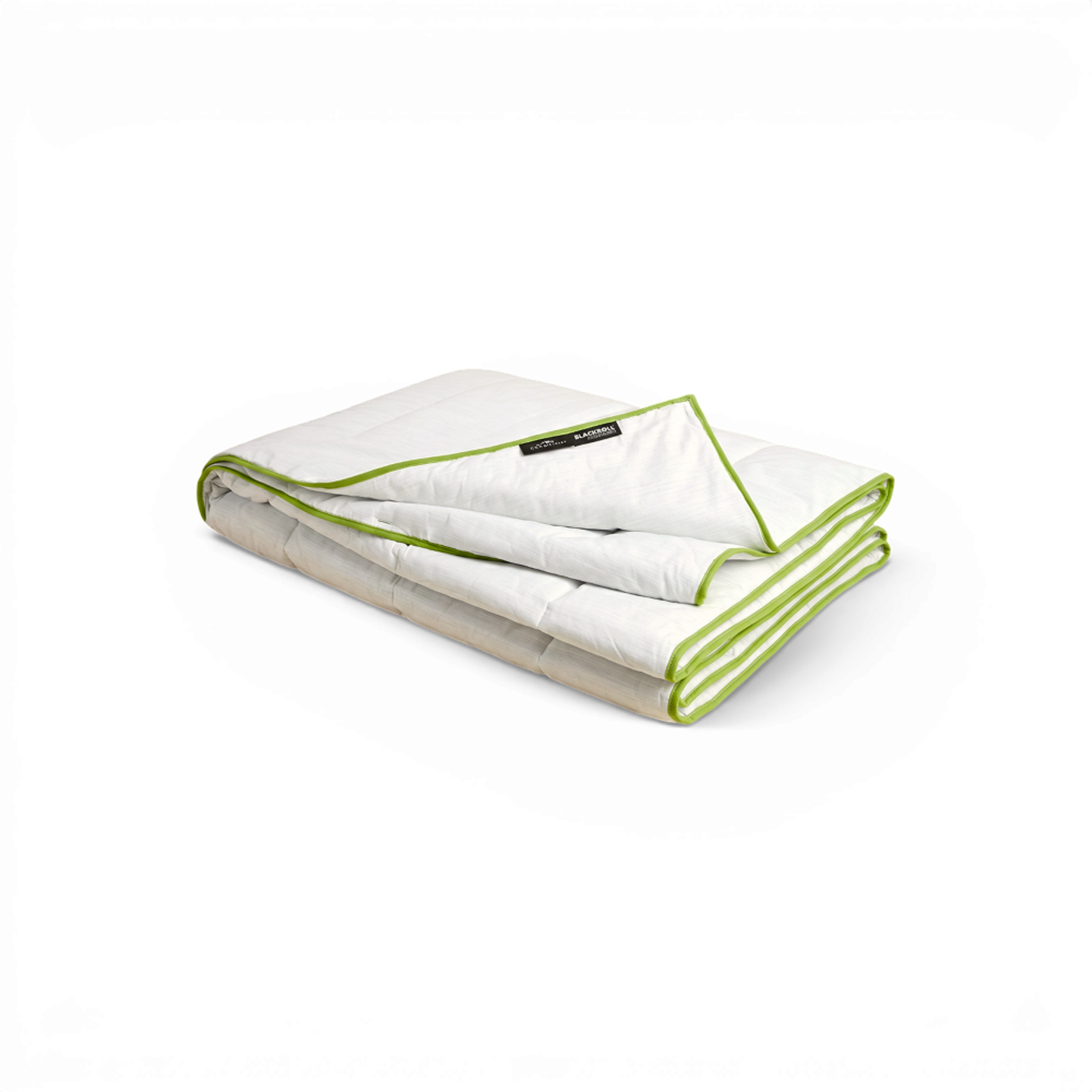
Recovery Blanket All Year
Available in multiple variants
FAQ: Improving Sleep Quality
Useful information
Get out of bed after about 15 minutes, go into a darkened room, and read for a bit or take some deep, calm breaths; don’t go back to bed until you’re really tired—this way, your brain will start associating the bed with sleep again instead of lying awake.
Between 17 and 19 °C: This range helps your core body temperature drop—a natural trigger for deep sleep.
Read more here about the best room temperature for sleeping.
A short power nap of 10–20 minutes before 3 p.m. can boost performance without affecting nighttime sleep; longer or later naps, on the other hand, often make it harder to fall asleep.
No later than six hours before bedtime—which for most people means after 2 p.m.—so that the stimulating effects of caffeine have largely worn off by the time you go to sleep.
Trackers provide a good overview of trends (sleep duration, regularity), but they are no substitute for a medical diagnosis; use them as a motivational tool, but pay closer attention to how refreshed you feel in the morning.
Yes: Regular exercise, a cool, dark bedroom, and completely avoiding screens before bed have been shown to promote longer periods of deep sleep.
If you have trouble falling asleep or staying asleep for more than four weeks, if daytime sleepiness becomes extreme, or if you snore and experience pauses in breathing, it’s recommended to consult a doctor or a sleep specialist. Our tips are not a substitute for medical advice.


