
How Fascia and the Mind Influence Each Other

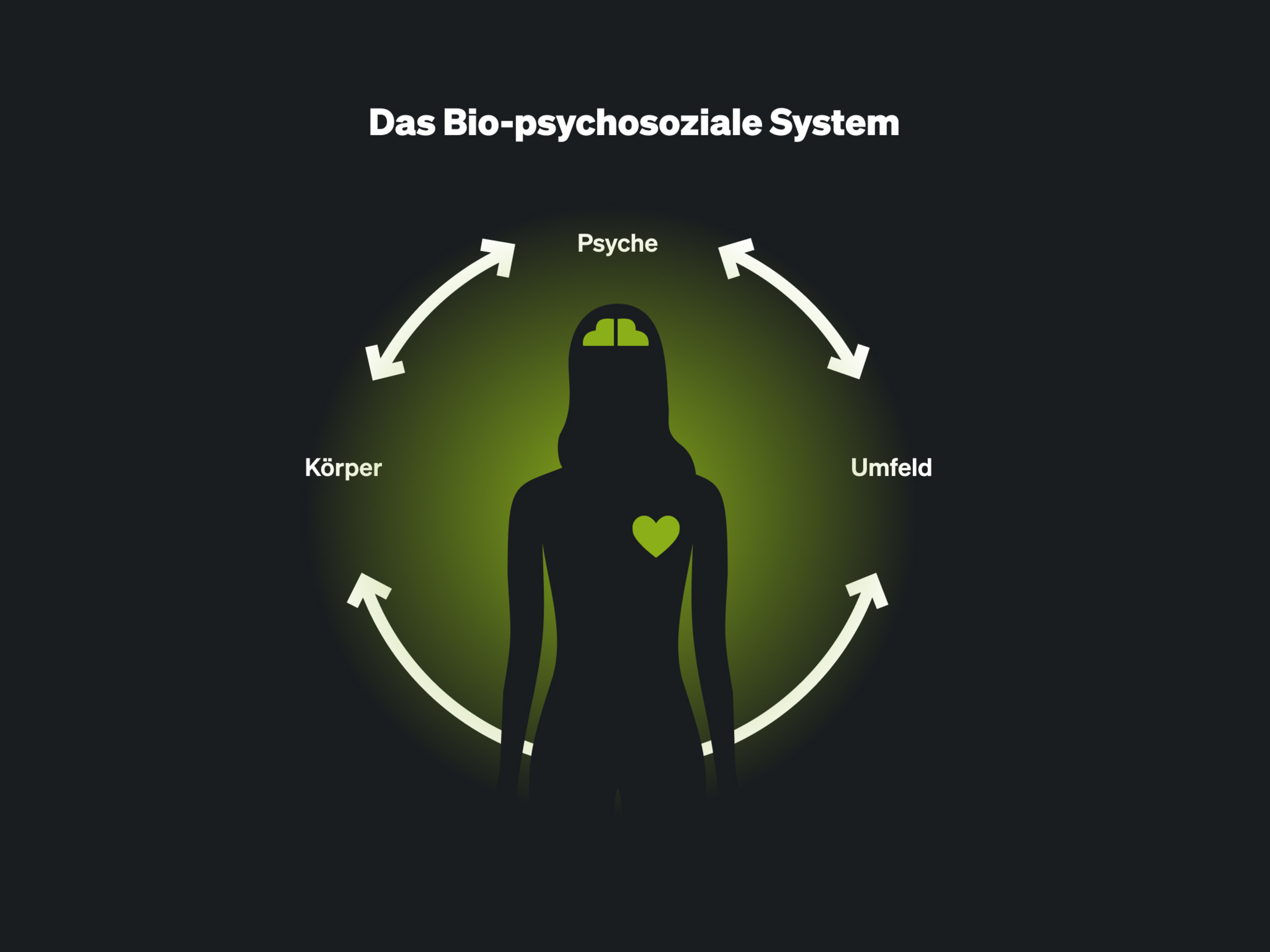
Thoughts, emotions, and the body form an inseparable whole. Positive physical stimulation, thoughts, and emotions consequently have a positive effect on the autonomic nervous system.
Factors from the environment and our social surroundings, as well as signals from our own bodies and minds, determine our health.
Find out here how fascia influences your mind—and vice versa—and why fascia training can also have positive effects on your mental health.


Fascia—the body’s underrated tissue
Fascia is a major “sense organ” and communication system in your body that stores water, provides structure, performs transport and supply functions, generates strength, and serves as a vital building block for your health. Fascia is permeated by numerous nerve endings of the sympathetic nervous system and is in constant communication with the autonomic nervous system (sympathetic/parasympathetic).
For a long time, experts ignored this sensory organ as a component of the body and neglected its function. Today, we know how important fascia is for both mental and physical health.
“When you work with the fascia, you are treating the branches of the brain; and according to general business principles, the branches usually have the same characteristics as the headquarters. So why shouldn’t we treat the fascia with the same respect as the brain itself?”
(Still/Founder of Osteopathy, 1899)
Fascia responds to external and internal influences
Fascia tissue fills the spaces between organs to protect, cushion, and stabilize them. Especially beneath the skin, the fascia is connected to nerve endings and blood vessels, allowing it to respond to sensory input from the outside, such as heat, pressure, movement, touch, and temperature.
Do you ever have anxious thoughts that make you freeze up? Or feel stressed? In this state, your muscles and fascia tense up or harden particularly quickly . Emotional and physical stress can significantly disrupt the structure and balance of the fascia. Relaxing thoughts and emotions, on the other hand, have a positive and soothing effect on the fascia.
The Effect of Foam Rolling on the Mind
When you stimulate your fascia with a foam roller, it affects not only your body but also your emotions. Muscle tone, heart rate, the immune system, digestion, and respiratory rate—as well as your mental state—are all regulated during fascia training.
Foam rolling makes the fascia loose and supple, which in turn has a positive impact on your well-being and, consequently, your mental state. Tension, stress, negative thought spirals, or rumination can thus be alleviated.
So if you succeed in releasing your adhesions, you’ll have direct or indirect access to your autonomic nervous system and be rewarded with a sense of well-being. When you’re relaxed—that is, when you’ve reduced stress and pain—you can think and learn more clearly. Your mental capacity improves. Personalized fascia training is therefore beneficial for your mental health. Fascial flexibility is a major factor influencing your mental health.
Tension and imbalances in the fascial system can trigger symptoms without being immediately detectable through diagnostic tests.


The Interactions Between Fascia and the Mind
Fascia is connected to the body’s autonomic nervous system and transmits information in response to mechanical stimulation (the deep-touch principle) through foam rolling. Metabolism and blood circulation are stimulated, rehydration (replenishment with water) occurs, and pain subsides. Potential inflammatory substances are removed from the fascia through the activation of cytokines (messenger substances). Tense or stiff muscles and fascia become more elastic and supple. As stress is reduced, feelings of relief, well-being, energy, vitality, and serenity set in. A sense of coherence is established. With regular rolling of the fascia and muscles, your daily mood and overall well-being can be significantly improved.
“The greatest mistake in the treatment of diseases is that there are doctorsfor thebody and doctorsfor the soul, when in fact the two cannot be separated.”
(Plato)


Tension caused by stress and anxiety
Your connective tissue—the fascia—plays a very important role in mobility and well-being. Tension in the fascia can be caused by various factors, with stress and anxiety being among the most common.
Stress and anxiety often trigger a series of physical reactions, including increased muscle tension. This persistent muscle tension can lead to hardening and adhesions in the fascia. This, in turn, can result in pain, stiffness, and limited mobility.
When your body is under stress, the hormone cortisol is released, which promotes inflammation and can delay healing. In addition, chronic stress can heighten pain perception, increasing sensitivity to fascial tension.
There are various methods to treat and prevent fascial tension caused by stress and anxiety. For example:
- Regular exercise: People today are increasingly suffering from a lack of physical activity. Even gentle, flowing movements, such as those in yoga or tai chi, can help keep your fascia supple and relieve tension.
- Fascia training: Specific exercises, with or without tools such as fascia rollers, can be used to target and release adhesions in the fascia.
- Stress management: Techniques such as meditation, breathing exercises, and mindfulness training can help reduce stress and anxiety, thereby indirectly promoting the health of your fascia.
- Adequate hydration: Water is very important for the health of your fascia, as it helps keep it elastic and supple.
- Balanced diet: An anti-inflammatory, vitamin-rich diet can help support the health of your fascia and reduce inflammatory processes.
Overall, a holistic approach that includes both physical exercise and mental relaxation techniques is crucial for the prevention and treatment of fascial tension caused by stress and anxiety. However, if your symptoms persist for a longer period or if you experience severe pain, you should seek medical advice.


Effects of Cupping on Mental Health
Cupping is a very ancient form of stimulation therapy and is one of the methods aimed at removing substances from the body. In this technique, several small, bell-shaped cups are placed on the skin of the back, and a vacuum is created inside them. If the skin is lightly incised beforehand—as in blood cupping—blood collects in the cups. This localized blood drainage removes blockages within the blood flow. The external stimulation from the cupping glass increases blood flow to the connective tissue and stimulates the organs.
The primary purpose of cupping is to address physical ailments, but positive effects on mental well-being are often noted as well:
- Relaxation: Cupping can induce deep relaxation. This relaxation can help you reduce stress and anxiety and promote your overall well-being.
- Stress reduction: The physical stimulation from cupping can trigger the release of endorphins, which act as the body’s natural painkillers and lower your stress levels.
- Emotional Relief: Cupping can help release emotional blockages.
- Boosted Self-Confidence: Improving your physical well-being can also have a positive effect on your self-confidence. Feeling better in your body can lead to a more positive self-image.
- Improved sleep: By relieving some tension in your tissues, cupping also has a positive effect on your sleep. Sleep is important for your mental health and can help you let go of feelings like stress and anxiety.
The effects of cupping can vary from person to person. However, this type of stimulation therapy can have a positive impact on your mental well-being.


Improving Mental Health & Well-Being with Fascia Training
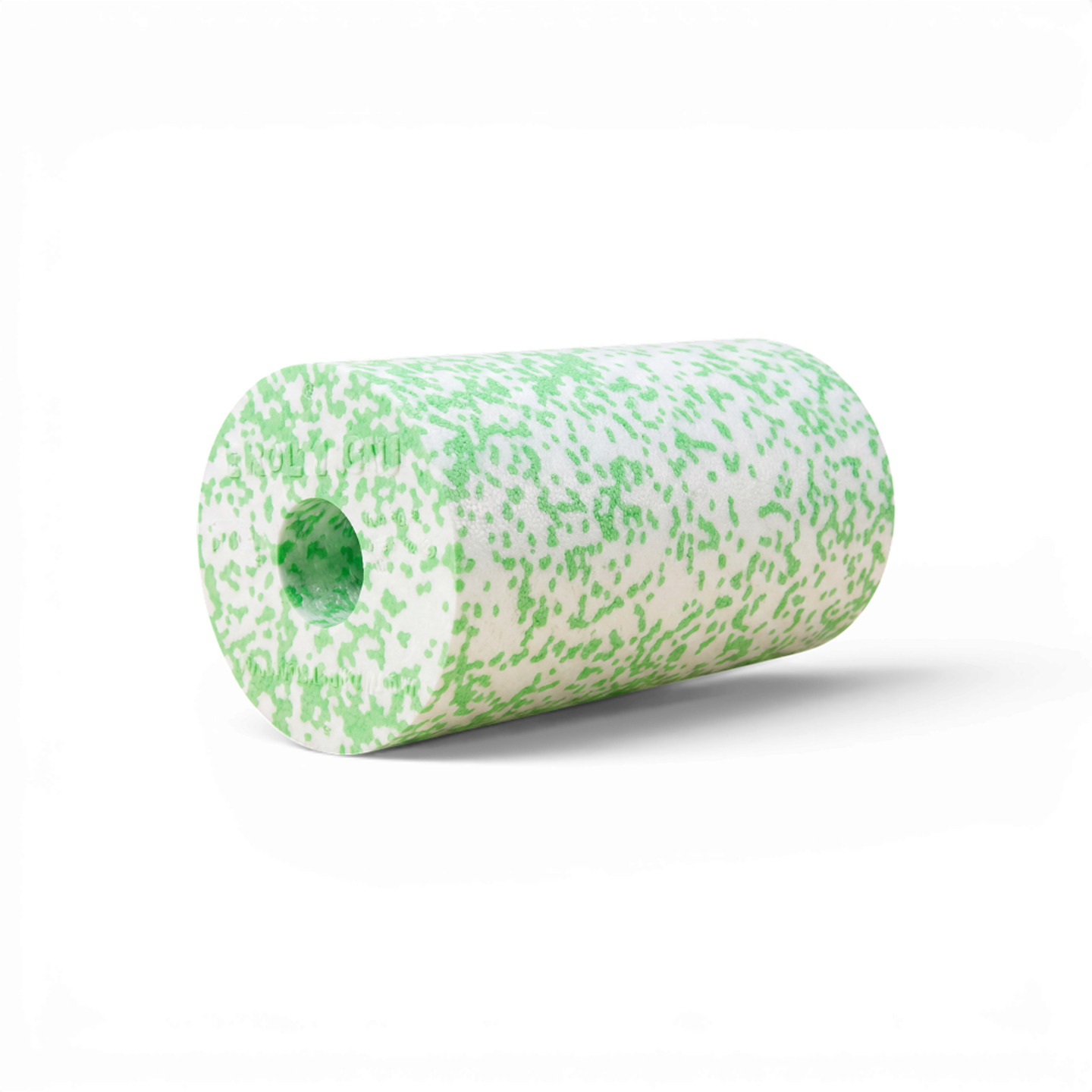
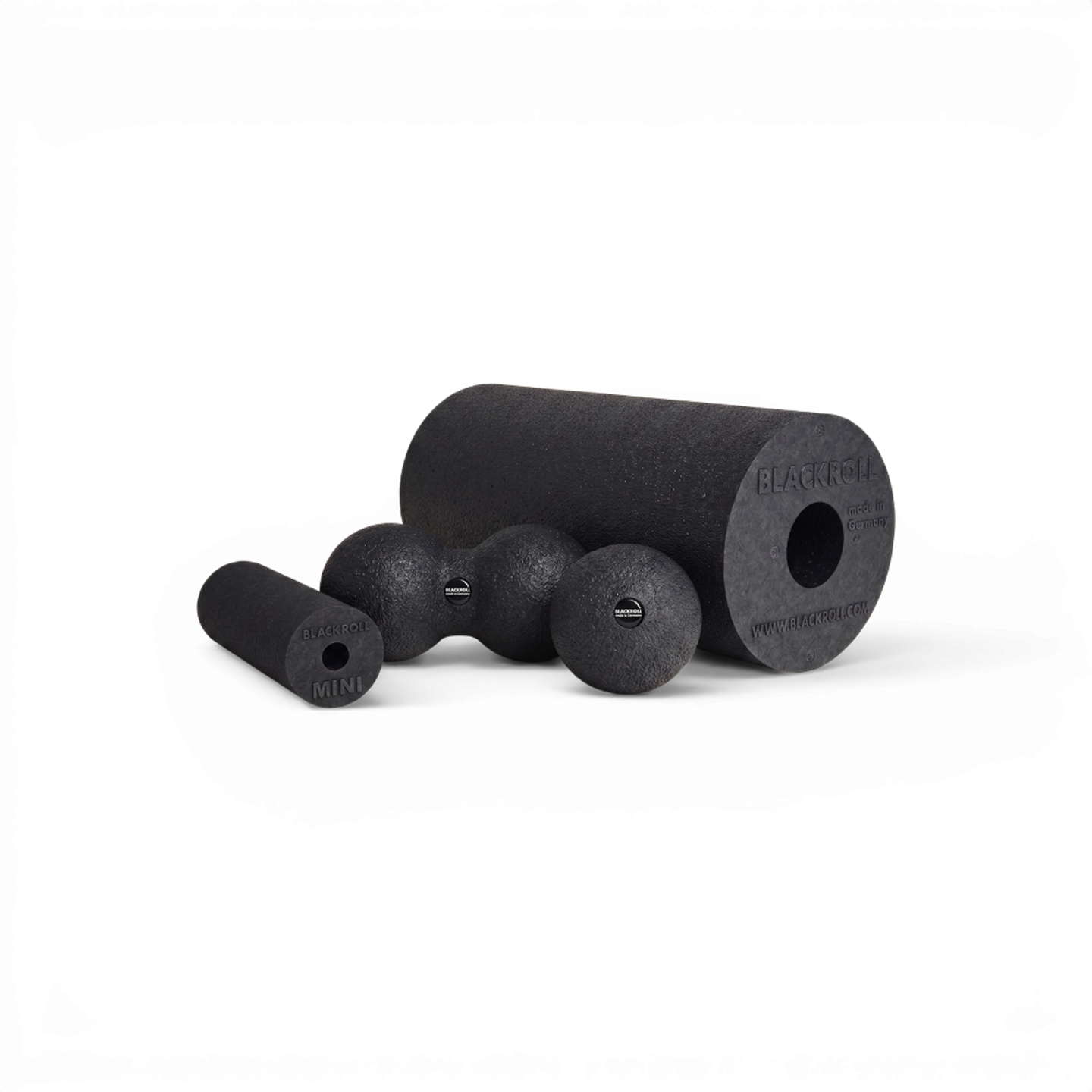
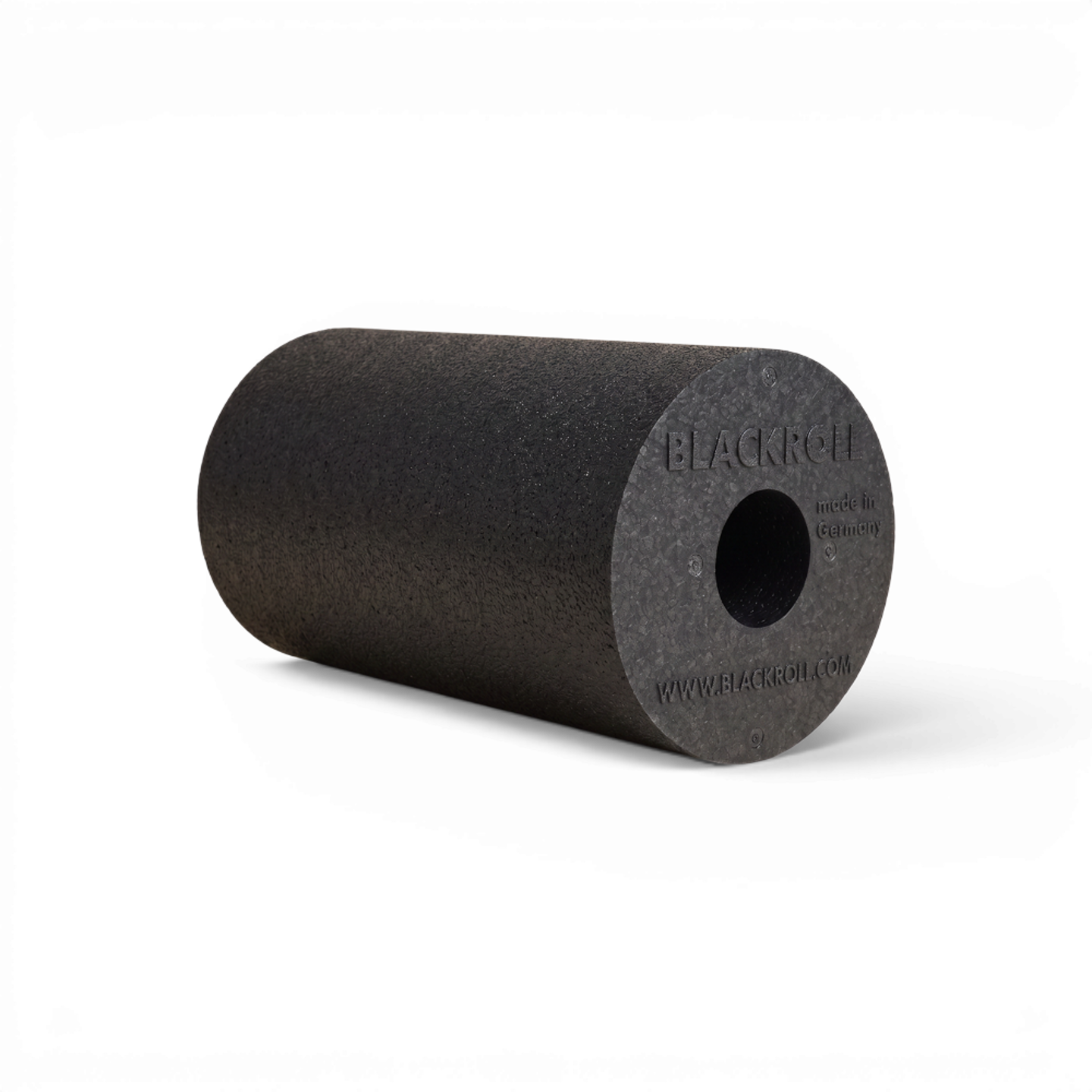
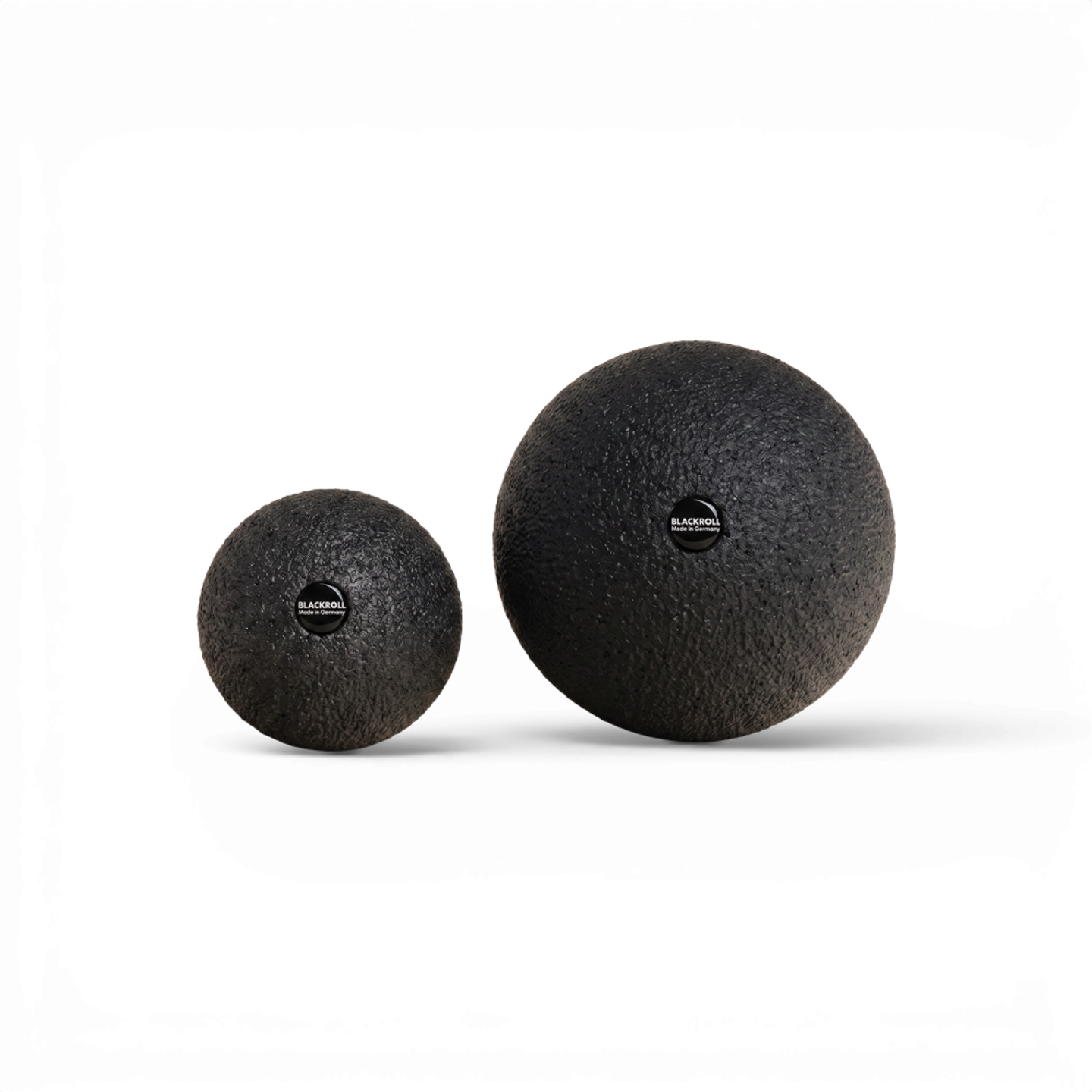
Your current or overall state of well-being can thus noticeably improve as you release your fascia through foam rolling. If you use a BLACKROLL® regularly, you’ll transform a feeling of stiffness into a feeling of looseness, a painful sensation into a sense of relief, and a feeling of anxiety into greater relaxation with easier breathing.

Mental Health Through Fascia Training
Discover nowFascia Products for Your Relaxation
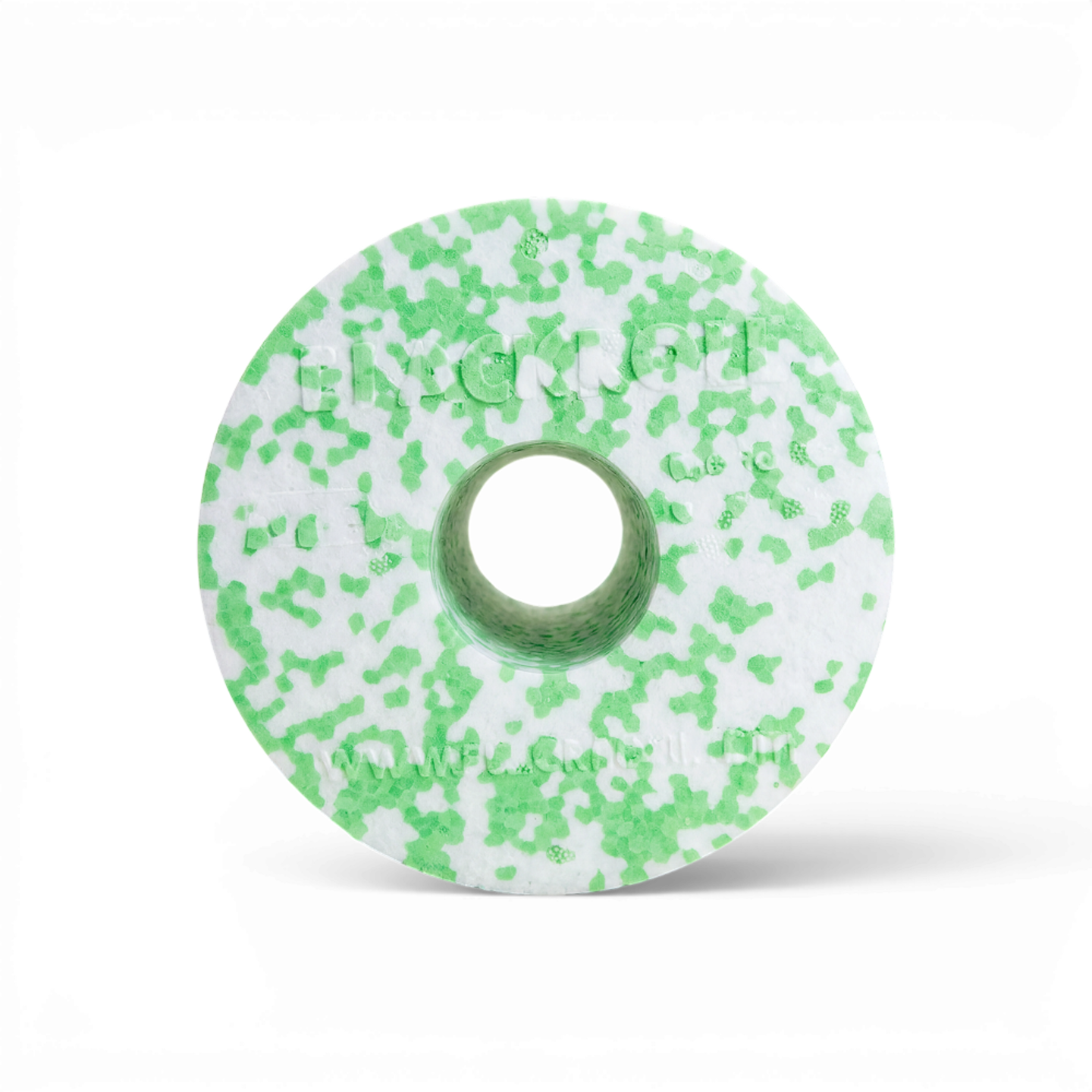
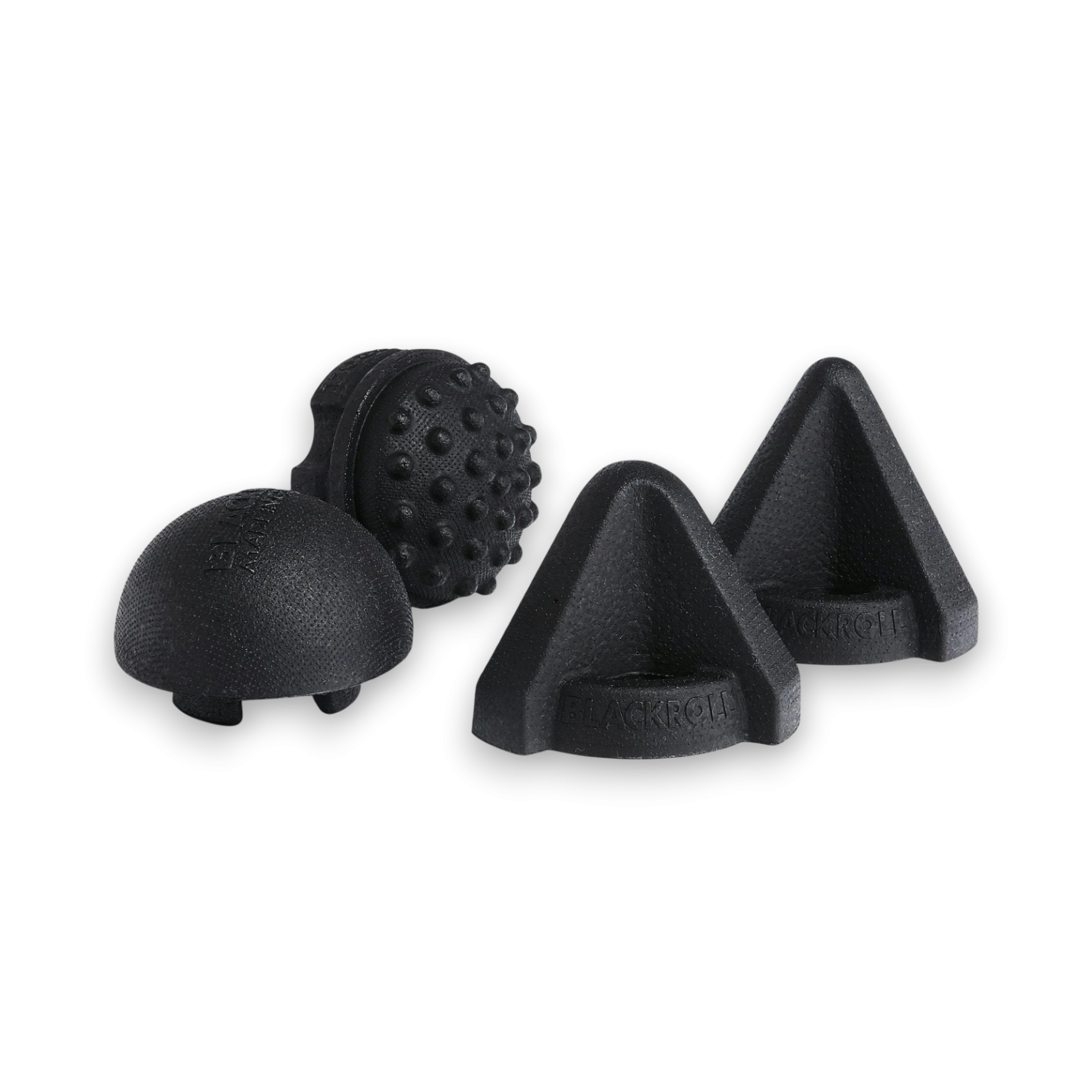
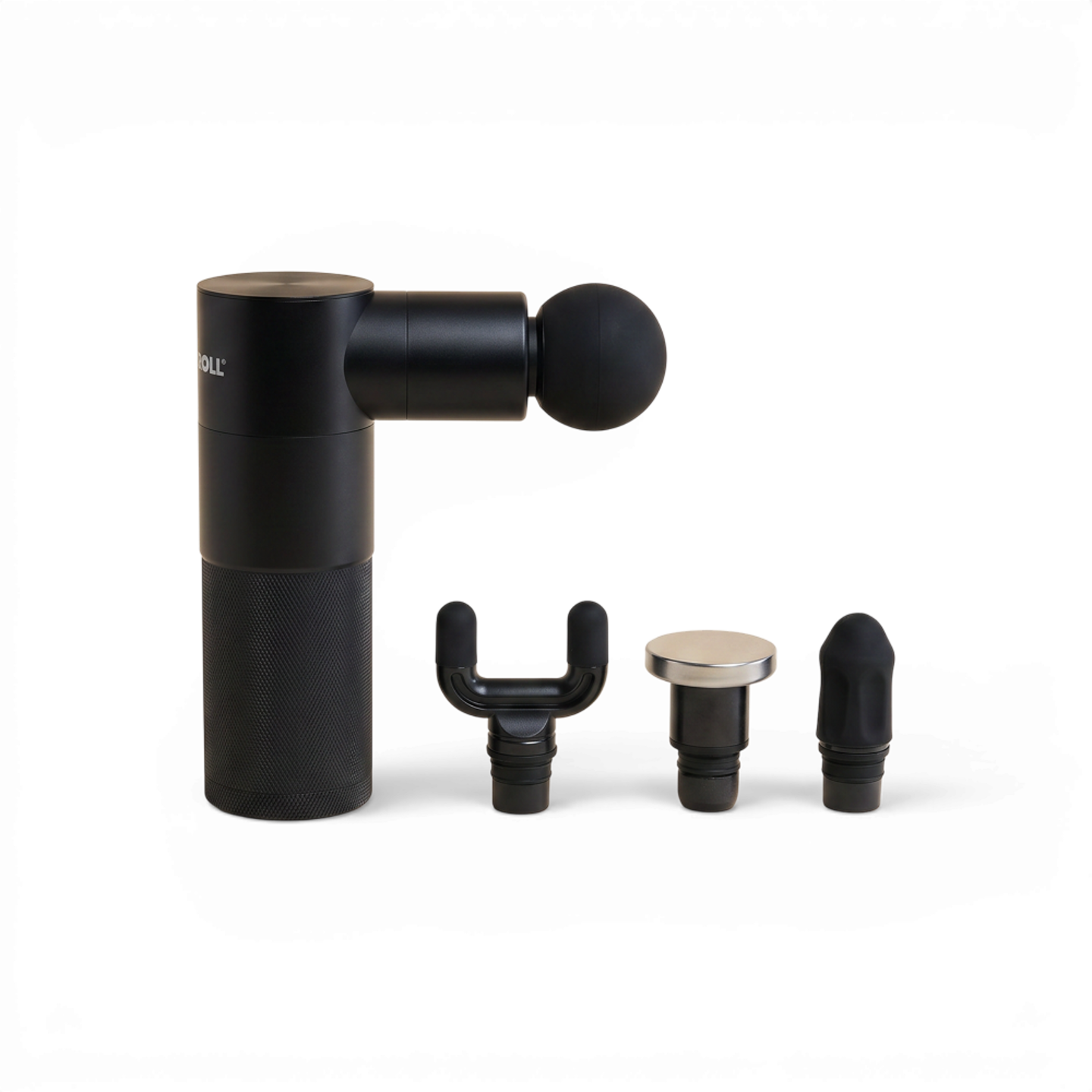

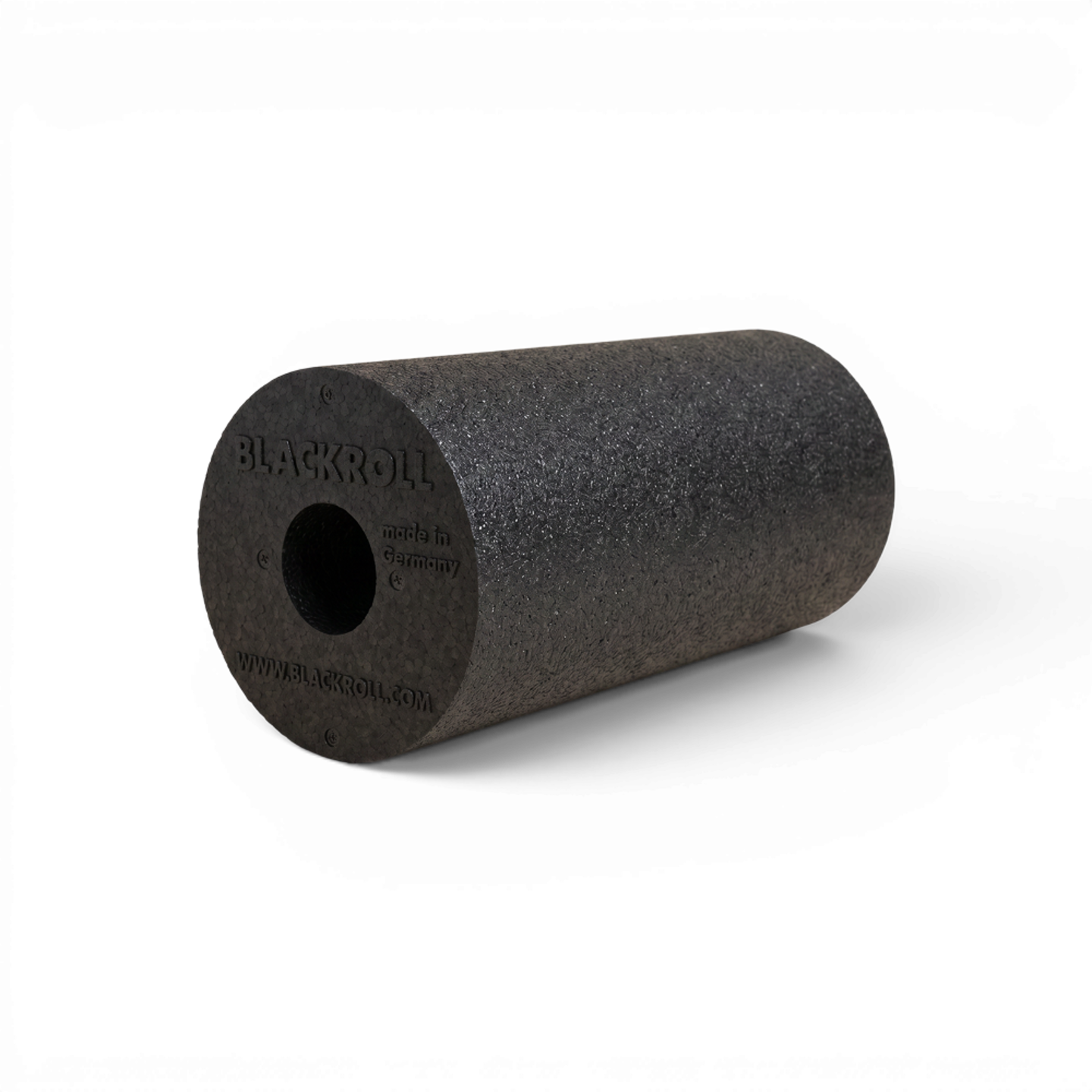
Standard
Available in multiple variants