
SleepSleep Better4 min read
Trouble Falling Asleep: Common Causes and Quick Solutions

Dr. Fabian Krapf
In this article
The Most Important Points at a Glance
- Can’t fall asleep? This is often due to an overactive nervous system. Stress, adrenaline, or cortisol can block the release of melatonin.
- The Hormone Vicious Cycle: People who get frustrated about not being able to fall asleep often produce even more cortisol, which further exacerbates the problem. Acceptance is often the first step toward breaking this cycle.
- Quick Fixes: Indirect lighting, a warm shower, avoiding blue light 30 minutes before bed, and a short breathing exercise can help. After a warm shower, your core body temperature drops slightly, which helps you fall asleep.
- Highway analogy: The nervous system needs a deceleration zone, not an abrupt stop. That’s why a personalized toolkit often works better than a single one-size-fits-all solution.
- When to see a doctor: If trouble falling asleep persists for more than four weeks and interferes with daily functioning.
Difficulty falling asleep occurs when the nervous system cannot enter a state of rest. Common causes: stress, cortisol, adrenaline, light exposure, caffeine, and screens. The quickest solutions: consistent bedtime routines, indirect lighting in the evening, a short breathing exercise, and—surprisingly important—accepting that falling asleep cannot be forced.
Anyone who lies in bed after a late game, an intense workday, or a public viewing event and lies there brooding is fighting against a hormonal program. This article explains why that is—and what actually helps.
01
Causes: Why You Have Trouble Falling Asleep
Trouble falling asleep occurs when the brain doesn’t release melatonin—because light, stress, caffeine, or adrenaline block it. External factors also play a role: noise, temperature, or an uncomfortable bed. The cause determines the solution.
After a strenuous day at work or at the gym, it’s often hard to relax. Your mind is full of thoughts, and your body is still at operating temperature. The result: eyes closed, brain still running.
An overview of the most common causes
- Melatonin Blockage: Blue light from cell phones, tablets, or TVs inhibits the release of the sleep hormone melatonin. Even bright daylight shortly before bedtime can delay falling asleep.
- Caffeine & nicotine: Both raise blood pressure and heart rate. They have a stimulating rather than a relaxing effect. Caffeine should be avoided at least eight hours before bedtime.
- Exercise right before bed: Intense physical activity puts stress on the body, triggering the release of adrenaline and cortisol, among other hormones. Ideally, there should be at least three hours between your workout and bedtime.
- Alcohol: Although alcohol feels relaxing, it primarily sedates the brain while the body remains active. This disrupts sleep architecture.
- External factors: A noisy bedroom, the wrong room temperature, or an uncomfortable bed or pillow can make it even harder to fall asleep. An ideal room temperature is around 16–19 °C.

Sleep better, live healthier—with our sleep course. Up to 100% refund.
Discover the online sleep course now02. Diagnosis: Problems falling asleep, difficulty falling asleep, and sleep onset insomnia
If you can’t fall asleep within 20 minutes, you have a problem falling asleep. This happens to everyone. It only becomes a sleep-onset disorder if it persists for at least 4 weeks and impairs your daily functioning.
Any situation in which a tired person cannot fall asleep within 20 minutes is considered a problem falling asleep. This is completely normal from time to time. It only becomes a real problem when it results in worry, stress, or exhaustion the next day.
"Difficulty falling asleep can have many causes, and the solutions are just as varied. To improve your sleep in the long term, you should ideally address the root cause. However, some tips—such as establishing a consistent evening routine—can also help you fall asleep more easily."
Dr. Fabian Krapf, sleep expert

Difficulty Falling Asleep: When Should You Take It Seriously?
Doctors diagnose a sleep-onset disorder when the problems persist for at least 4 weeks and the person affected suffers from them during the day. Common accompanying symptoms include trouble staying asleep and restless legs syndrome, in which an unpleasant urge to move the legs disrupts sleep.
03. Immediate Help: What You Can Do If You Have Trouble Falling Asleep
Trouble falling asleep can have various causes and vary in severity. The question remains: Trouble falling asleep—what can you do? What immediate remedies work when you can’t fall asleep? And what helps if you’re having trouble falling asleep despite feeling tired?
There’s no one-size-fits-all answer to these questions, because the solution to trouble falling asleep always lies in its cause. That’s where you need to start to improve your sleep in the long term. In addition, you can use helpful tips for when you can’t fall asleep.
For example, the evening routine we’ve put together for you using various resources. The last 30 to 60 minutes of the day, in particular, largely determine how well you’ll sleep that night and should therefore be carefully planned—why not give it a try?
The most effective immediate steps:
Indirect lighting in the evening, a warm shower (which lowers your core body temperature afterward), no blue light 30 minutes before bed, and a short breathing exercise. And: Accept that you can’t force yourself to fall asleep.
Start your bedtime ritual right after brushing your teeth in the evening. Of course, you can adjust it to suit your needs and don’t have to stick to the routine down to the second.
But at least keep an eye on the clock, and you’ll find that your new ritual is like a countdown to sleep:
Minute 0 to Minute 5: Release Tension
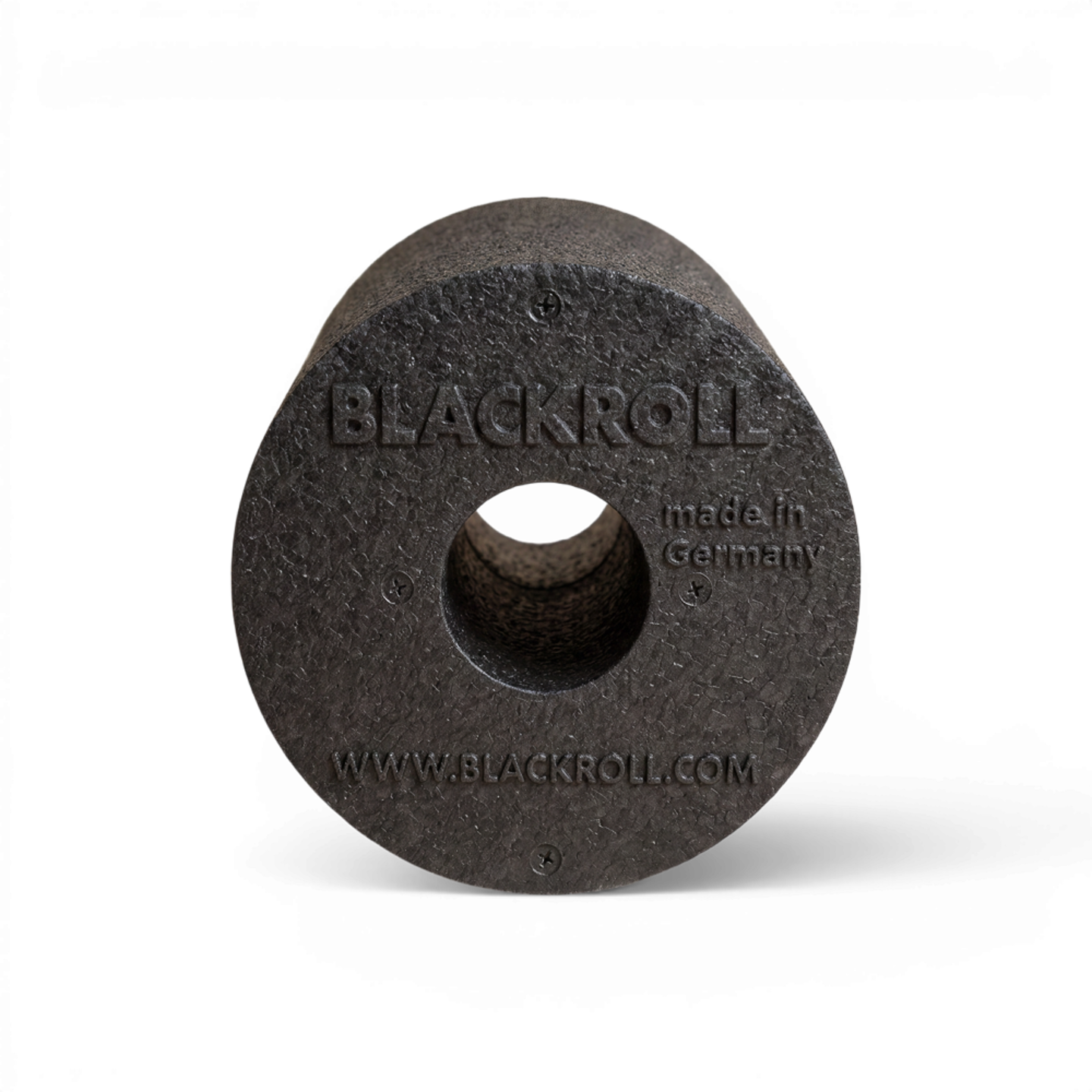
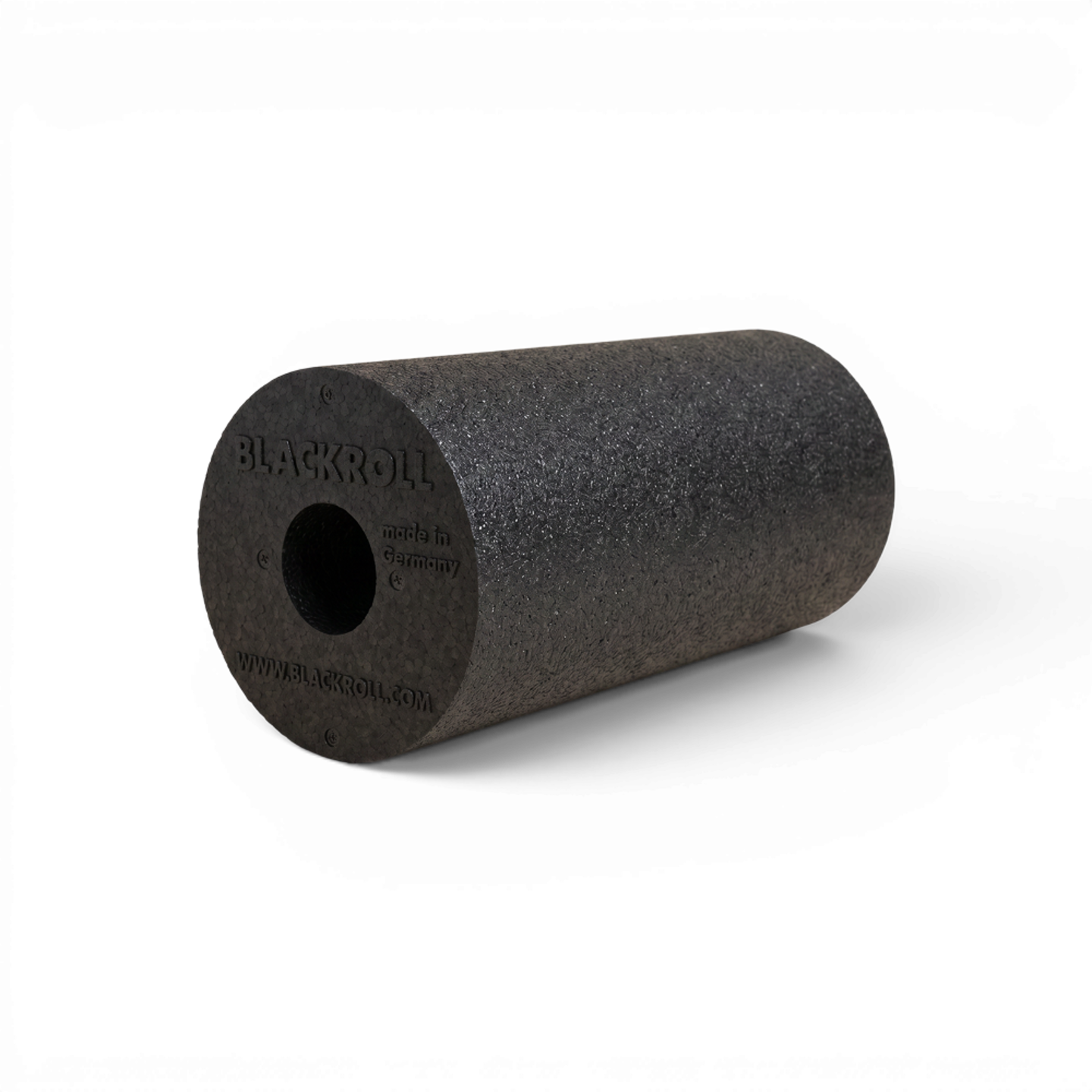
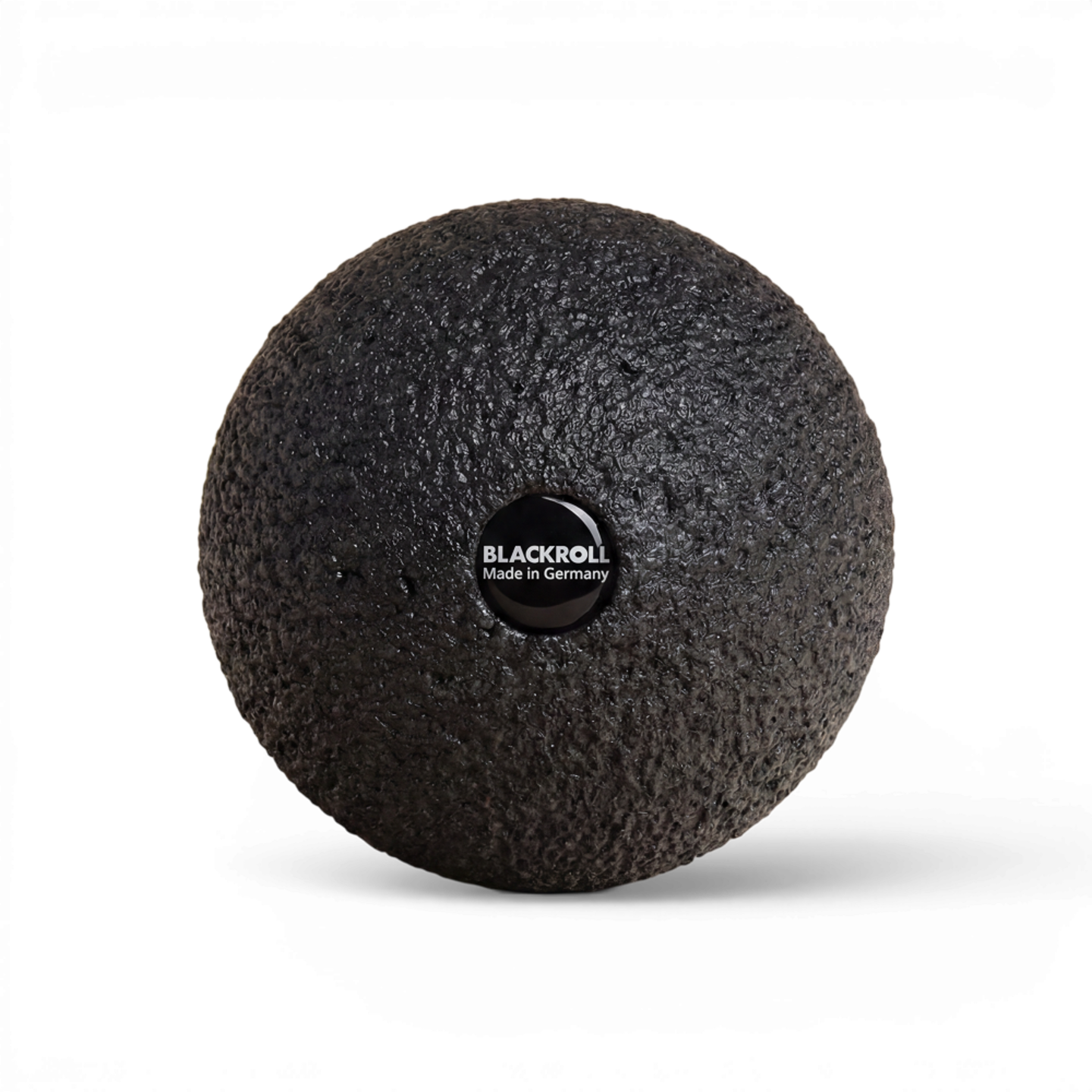
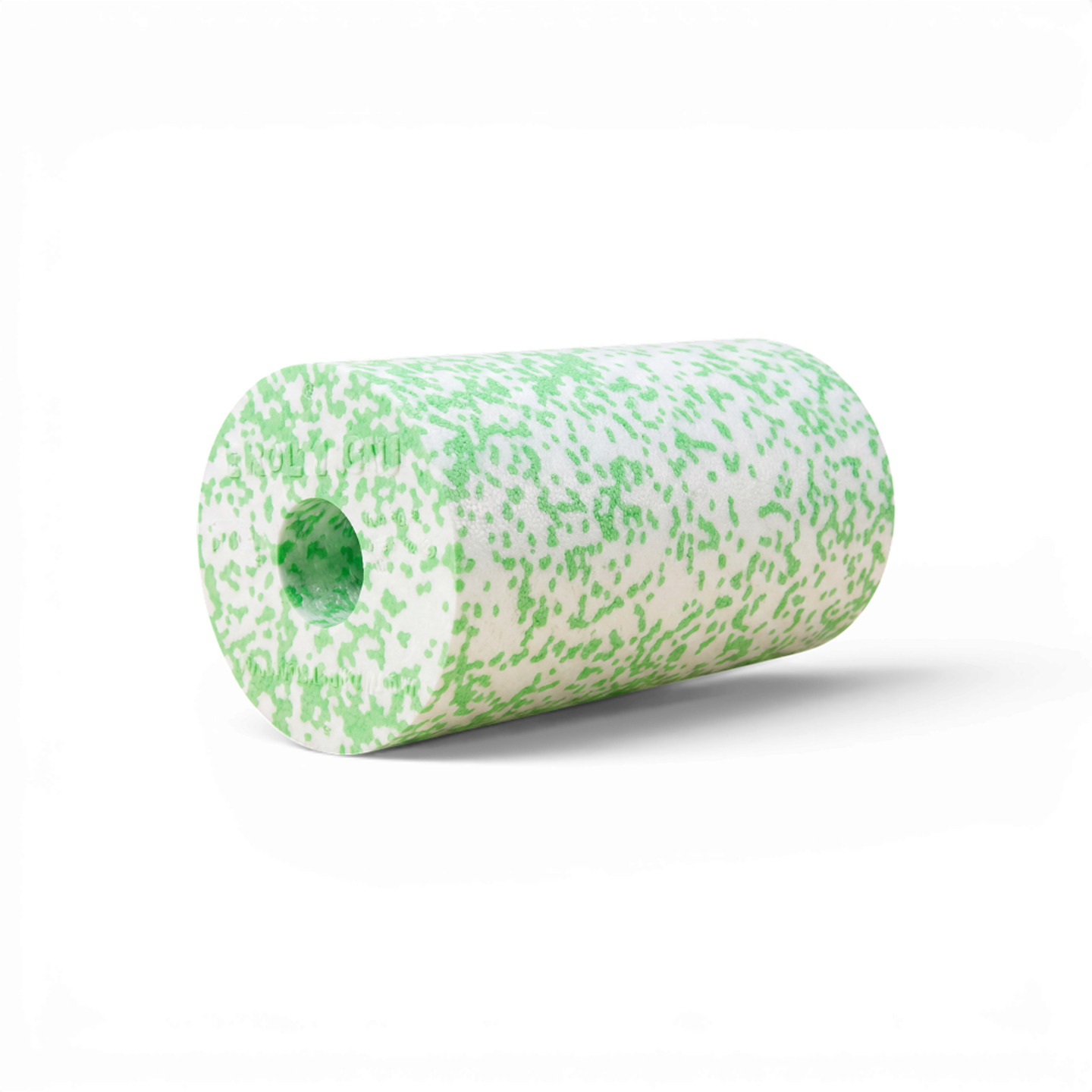
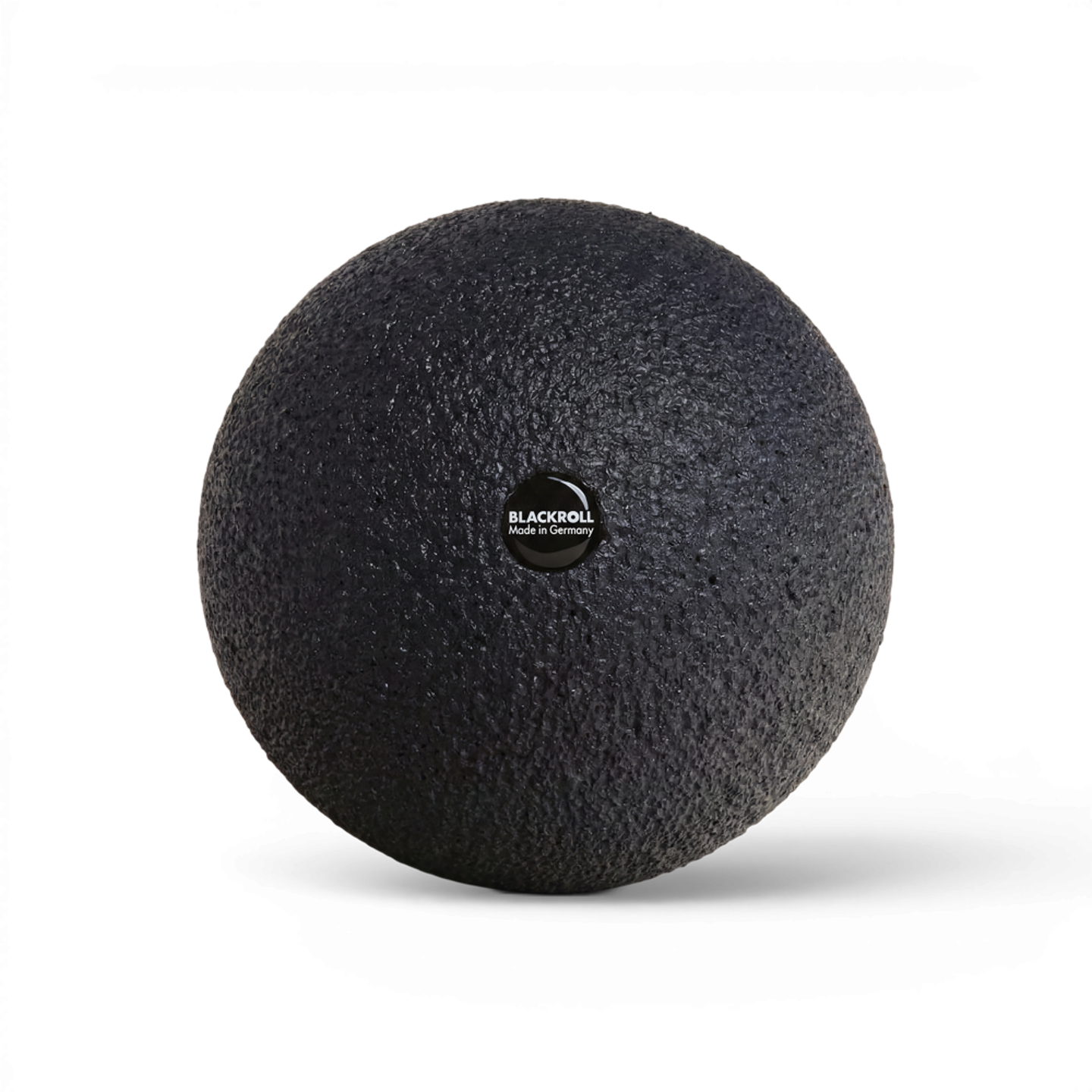
Headaches, neck pain, and back pain are among the most common ailments in Western society. Not only do they make our lives miserable during the day, but they also rob us of valuable sleep. Often, the trigger for these ailments is simply an imbalance in muscle tension. Self-massage with a foam roller is perfect for bringing your muscle tone back down at the end of the day. Massage yourself slowly from your feet up to your head. When doing self-massage, make sure to do it more slowly and with less pressure than you might be used to after exercising, and try to breathe consciously throughout the entire session. Exhale for longer than you inhale.

Back massage as part of a bedtime routine

Neck Massage as a Bedtime Routine
Foot massage: Roll a small foam roller or ball back and forth under the sole of your right foot. Switch sides after one minute.
Back massage: Place a foam roller between your back and the floor. Roll up and down by slowly bending and straightening your knees.
Neck massage: While lying on your back, place the foam roller under the cranial suture, where all the short neck muscles attach to the head. Now slowly rotate your head to the left and right while simultaneously nodding very gently forward. As you return to the starting position, you can perform slight wiggling movements with your head.
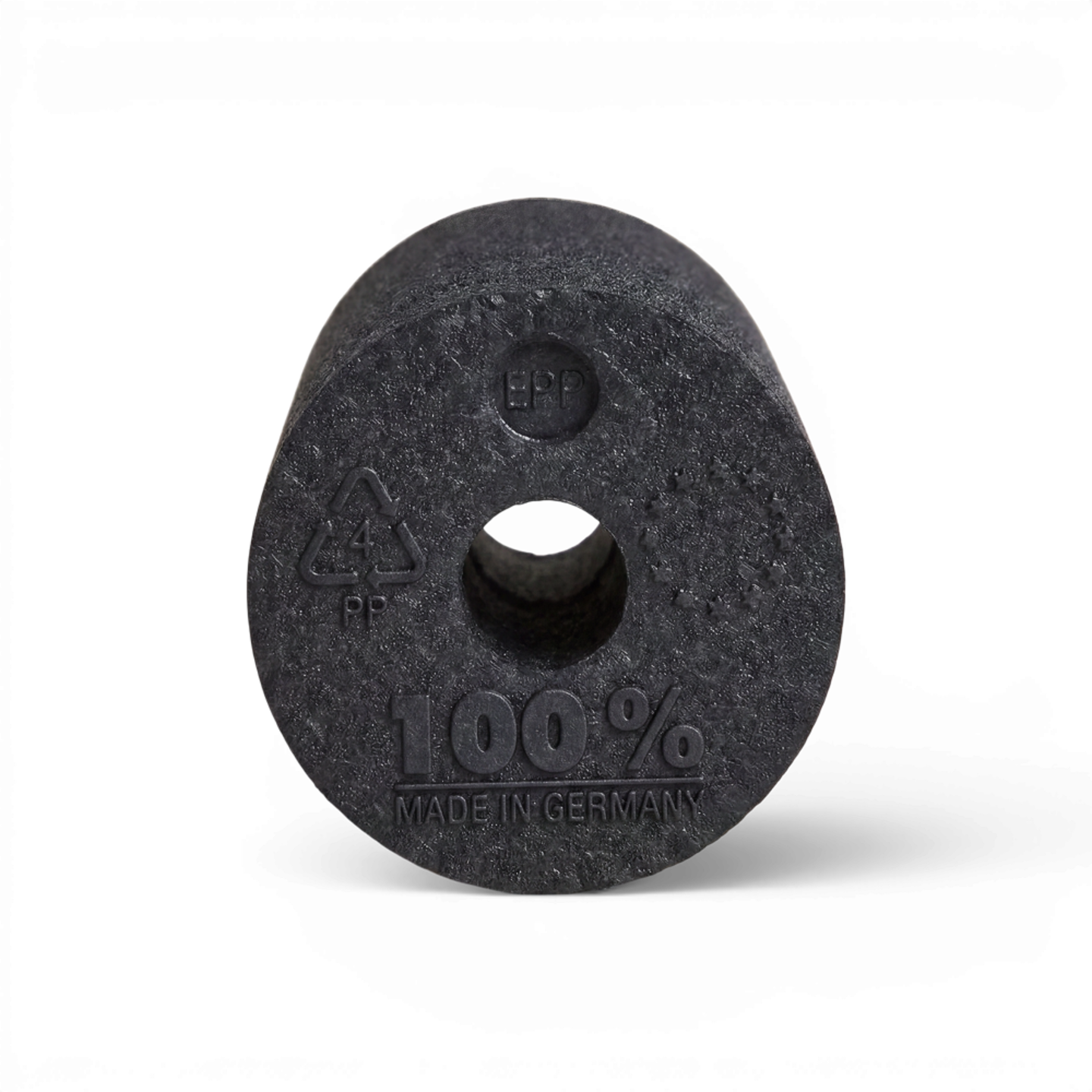
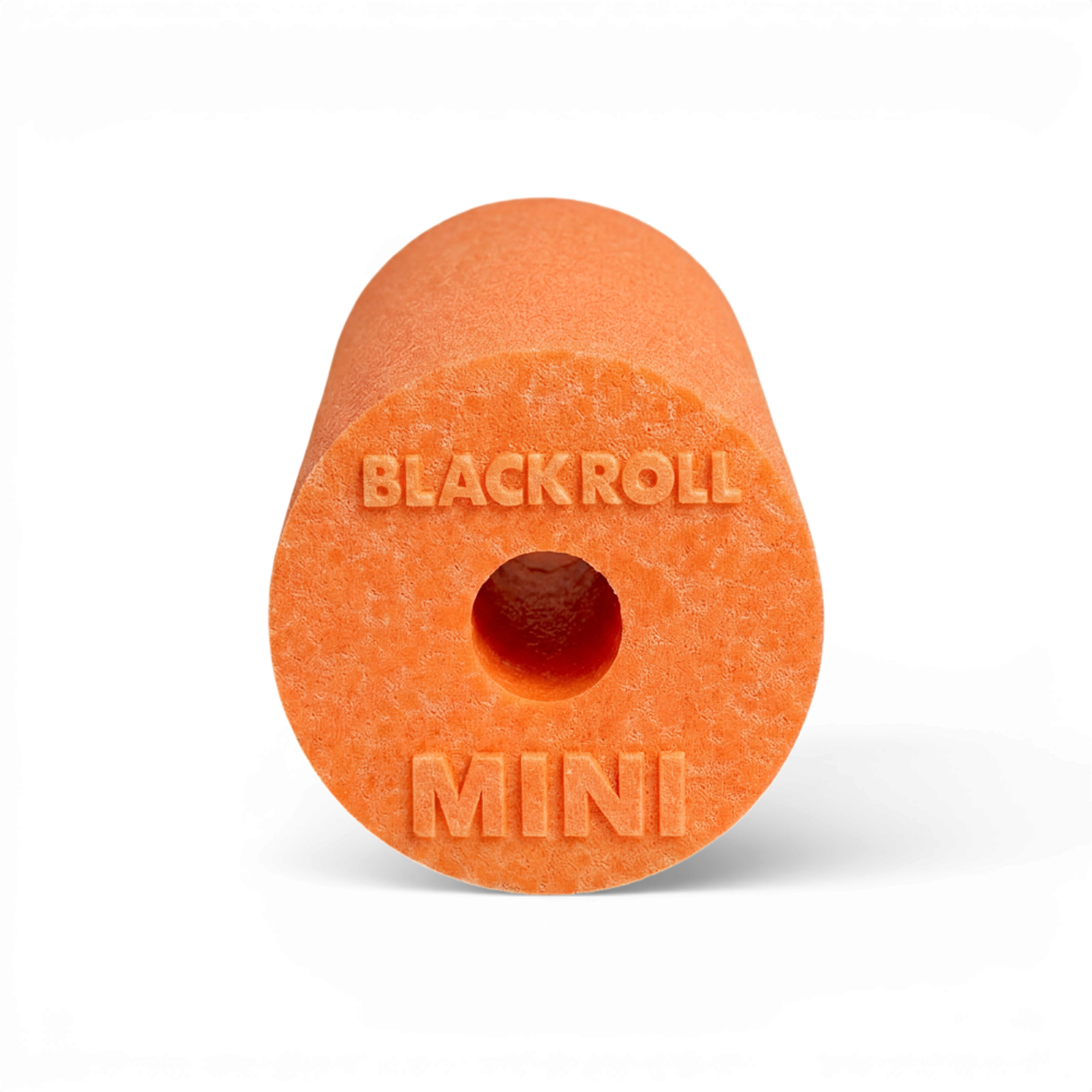
Products for Your Bedtime Routine



Minutes 5 to 10: Winding Down for the Day
Next, take about five minutes to reflect on the events of the day. You’re welcome to do this in writing as well. It’s very simple: Jot down three things or events you were grateful for that day. This helps you fall asleep when your mind is racing and uses positive imagery to help you wind down.
This ritual sets the stage for a peaceful evening free of stress and pressure, making it much easier for you to wind down. Sleep yoga, progressive muscle relaxation, sleep music, or autogenic training might also be worth trying to help you relax in the evening.
Minutes 10 to 20: Preview of the Next Day
Preparing for the new day is just as important as reflecting on the day that’s ended. After all, you’ll go to bed more relaxed if you know what to expect the next day. So take the time to clear your mind before going to bed.
Jot down what you mustn’t forget: Do you have meetings, phone calls, or upcoming deadlines tomorrow? Do you still need to go shopping or run errands? Is there an appointment or birthday you absolutely mustn’t forget? Write all of this down, because otherwise, thinking about these things can quickly set off a mental movie and prevent you from drifting off to sleep peacefully.
Better yet: Get it out of your head and onto the list—because once your thoughts are captured on paper, your brain can let go.

Minutes 20 to 25: Tomorrow’s Outfit
Thinking about what you’ll wear the next day has nothing to do with vanity—it’s all about smart energy management.
Keep in mind that you only have a certain amount of energy each day to make decisions.
And even small decisions, like choosing the right clothes, can exceed that limit. As a result, your productivity might suffer.
To prevent this from happening in the first place, it makes sense to think about tomorrow today. Check the weather forecast and lay out a suitable outfit.
This small step can make a big difference. You can jump right into your day the next morning—without wasting any energy.
Minutes 25 to 30: Prepare your sleep environment
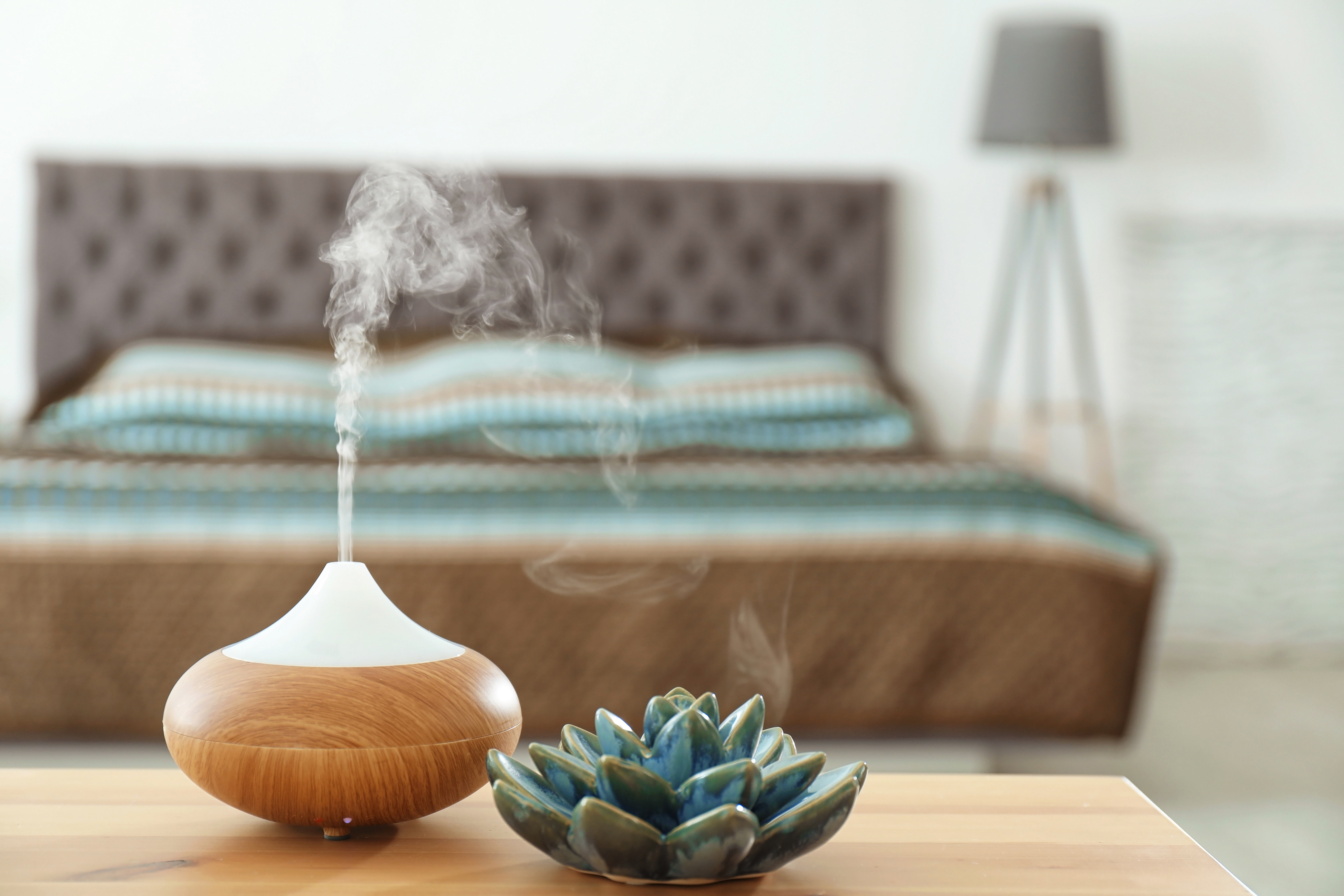
Before you slip under the covers, briefly air out your bedroom one last time and fluff up your pillows and blanket.
You can also try a little aromatherapy:
Simply spray a little lavender oil or another pleasant scent onto your pillow or a handkerchief, which you can place next to your headboard.
You can also apply a few drops of essential oil to your forehead or the inside of your wrists. When choosing a scent, it’s important that it has a relaxing rather than stimulating effect. In addition to lavender oil, scents like lemon balm, chamomile, or vanilla are also calming.
This nightly aromatherapy routine is just one example of a ritual you can perform every day. Small rituals help you relax and calmly disconnect from the hustle and bustle of the day.
If you perform them regularly, your body will associate the rituals with going to bed afterward, making it easier for you to fall asleep.
Of course, your ritual—or your strategy for overcoming trouble falling asleep—can be customized to suit your individual needs. You can find inspiration on how to do this, for example, in the BLACKROLL® newsletter, which you can subscribe to for free at any time to become part of the BLACKROLL community.
Your ritual—or your strategy for overcoming trouble falling asleep—can, of course, be customized to suit your individual needs. You can find inspiration on how to do this, for example, in the BLACKROLL® newsletter, which you can subscribe to for free at any time to become part of the community.
When the System Won’t Shut Down — Anna’s Highway Analogy
After exercise, intense days, or watching sports in public, the nervous system doesn’t just shut down. Adrenaline and cortisol block melatonin production—forcing yourself to fall asleep only makes it worse. Anna West, Sleep Performance Coach, explains this mechanism with an analogy: braking at 200 km/h.
You’ve just watched a late game, come out of an intense meeting, or been to a public viewing event—and now you’re lying in bed staring at the ceiling. This isn’t a failure. It’s physiology.
Your body has just produced adrenaline and cortisol—for focus, reaction time, and energy. These hormones take time to break down. Melatonin, your sleep hormone, can only build up once cortisol levels drop. If you try to force yourself to fall asleep now, you’ll create additional stress—and thus even more cortisol. The downward spiral continues.
“It’s like a car traveling at 200 km/h. You can’t just hit the brakes and expect it to stop. What happens is that the car spins out of control and skids away.”
Anna West, Sleep Performance Coach

The Hormone Spiral—and How to Break It
The mechanism works in three stages: Adrenaline revs up the system, stress from not being able to fall asleep triggers cortisol, and cortisol, in turn, blocks the release of melatonin.
The irony is this: The more you try to fall asleep, the more awake you often stay. The solution, therefore, begins with acceptance—not with more effort.
Anna’s Toolkit: Not a One-Size-Fits-All Solution, but a Selection
Anna West deliberately avoids using a fixed, one-size-fits-all ritual. Instead, she recommends a personalized menu of tools. Just as you don’t always order the same dessert, relaxation works differently for everyone. The key is knowing what helps you.
- Warm shower: Your core body temperature rises slightly at first and then drops again. It’s precisely this drop in temperature that serves as a physiological signal to fall asleep. A warm shower about 60–90 minutes before bedtime is ideal.
- Indirect light—sunglasses if necessary: When entering your hotel room or after coming home from a public viewing event, reduce all bright light sources as much as possible. If the lights aren’t dimmable, Anna West recommends wearing sunglasses or pulling a hood over your head if necessary. This may sound unusual, but it’s based on sound physiology.
- Breathing exercise: Breathing exercises to help you fall asleep activate the parasympathetic nervous system. A simple variation: inhale for four seconds, exhale for six seconds. Three to five rounds are often enough.
- Body Scan: Consciously scanning individual body parts from the feet upward shifts your attention away from racing thoughts and back into your body.
- Reading (a physical book): Reading creates mental distance from the day without additional blue light stimulation.
- TV with a 10-Minute Limit: Watching TV isn’t inherently bad. A movie or TV show can help take your mind off everyday life. However, it’s important to set a clear time limit. If you slip into a binge-watching marathon, you’re often sabotaging your own night’s sleep.
💡 Counterintuitive: Acceptance isn’t giving up. Accepting that it’ll take longer to fall asleep tonight reduces additional stress and, with it, cortisol production. This is often the first physiological step toward sleep. Read also: How pros wind down after the final whistle.
For those who want to dive deeper:“Lowering Cortisol —Practical Tips” and“Sleep as a Performance Enhancer in Professional Sports” show how this approach is also used in high-performance contexts.
04. When You Should See a Doctor for Trouble Falling Asleep
If you have trouble falling asleep regularly for more than 4 weeks and feel impaired during the day, you should see a doctor. Chronic sleep problems are easily treatable.
If rituals, breathing exercises, and environmental adjustments don’t help—and this has been the case for more than a month—you should seek medical advice. This is especially true if you feel exhausted, irritable, or unable to function during the day.
Your primary care physician is the first point of contact. During the consultation, your sleep patterns, lifestyle, medications, and pre-existing conditions will be discussed. Depending on the cause, you may be referred to an ENT specialist, psychiatrist, neurologist, or sleep lab.
These cases are referred to as chronic sleep problems, which can often be effectively treated.
To receive the right treatment, you can start by consulting your primary care physician. During a medical history interview, they’ll ask you many questions: Do you have any medical conditions or allergies? Are you taking any medications? Do you exercise, and what’s your diet like? What’s your sleep schedule—when do you go to bed and wake up? And what’s your bedroom and bed like?
This consultation provides the doctor with initial clues as to the cause of your trouble falling asleep. A subsequent physical examination often reveals further details. For example, if you have trouble falling asleep, the doctor may check your blood pressure and respiratory system or ask about any stomach issues.
Once the cause of your trouble falling asleep has been identified, the doctor can explain your treatment options. In some cases, however, you’ll need to see a specialist instead of your primary care physician. You’ll then receive a referral to a specialist. Depending on the cause of your trouble falling asleep, this might be an ENT specialist, a psychiatrist, a neurologist, or a sleep medicine specialist. The latter often work in a sleep lab.
As part of your treatment, you may very well have to spend a few nights there—and then, hopefully, you’ll be able to sleep really well again soon.
Frequently Asked Questions About Trouble Falling Asleep
Your nervous system is still active—often due to cortisol or adrenaline, which block melatonin. Triggers include stress, exercising shortly before bedtime, bright light, or screens. Being tired and being able to fall asleep are two different things.
Turn on indirect lighting, put your phone away, take a warm shower (your core temperature will drop afterward), and do the 4-6 breathing exercise: breathe in for 4 seconds, breathe out for 6 seconds. And: Don’t try to force yourself to fall asleep—that makes it worse.
If, for more than 4 weeks, you frequently can’t fall asleep within 20 minutes and this affects you during the day, doctors refer to this as a sleep-onset disorder. In that case, you should seek medical help.
Both are possible. If watching a movie for 10–20 minutes helps you switch off, you’ll fall asleep more easily. But if you get sucked into a binge-watching marathon, you’re sabotaging your night’s sleep. Tip from Anna West: Set a 10-minute limit, and then honestly assess whether you’re sleepy.
Intense exercise produces adrenaline and cortisol. Both block the natural release of melatonin. If you can’t fall asleep after exercising, you’re fighting against your body’s hormonal rhythms. Acceptance and calm routines help more than forcing yourself to sleep. Plan for at least a 3-hour gap between your workout and bedtime.
Sleep Performance Coach Anna West describes an overactive nervous system as a car traveling at 200 km/h: You can’t just hit the brakes and expect it to stop. The nervous system needs a deceleration zone—achieved through acceptance, dimmed lights, a warm shower, and calming routines, not through willpower.
Melatonin supplements can help with jet lag or short-term sleep delays, but they aren’t a long-term solution. Pain relievers aren’t suitable as sleep aids. You can read more about the effects of melatonin in our separate article.
Yes, especially for babies and toddlers who haven’t yet developed a stable day-night rhythm. Older children can also have trouble falling asleep, for example, due to stress at school. Consistent bedtime routines help—for children as well as adults.
Sources & Studies
All scientific information is based on peer-reviewed studies and professionally recognized sources.
- Saper, C. B., Scammell, T. E., & Lu, J. (2005). Hypothalamic regulation of sleep and circadian rhythms. Nature, 437(7063), 1257–1263. https://doi.org/10.1038/nature04284
- Roehrs, T., & Roth, T. (2008). Caffeine: Sleep and daytime sleepiness. Sleep Medicine Reviews, 12(2), 153–162. https://doi.org/10.1016/j.smrv.2007.07.004
- Buman, M. P., & King, A. C. (2010). Exercise as a treatment to enhance sleep. American Journal of Lifestyle Medicine, 4(6), 500–514. https://doi.org/10.1177/1559827610376547
- Drake, C., Roehrs, T., Shambroom, J., & Roth, T. (2013). Effects of caffeine on sleep when taken 0, 3, or 6 hours before bedtime. Journal of Clinical Sleep Medicine, 9(11), 1195–1200. https://doi.org/10.5664/jcsm.3170
- Lovato, N., & Lack, L. (2014). Caffeine effects on sleep and wakefulness. Sleep Medicine Reviews, 18(4), 309–317. https://doi.org/10.1016/j.smrv.2014.01.001
- Burke, T. M., Markwald, R. R., McHill, A. W., Chinoy, E. D., Snider, J. A., Bessman, S. C., ... Wright, K. P. Jr. (2015). Effects of caffeine on the human circadian clock in vivo and in vitro. Science Translational Medicine, 7(305), 305ra146. https://doi.org/10.1126/scitranslmed.aac5125
- European Food Safety Authority. (2015). Scientific opinion on the safety of caffeine. EFSA Journal, 13(5), 4102. https://doi.org/10.2903/j.efsa.2015.4102
- Guest, N. S., VanDusseldorp, T. A., Nelson, M. T., Grgic, J., Schoenfeld, B. J., Jenkins, N. D. M., Arent, S. M., Antonio, J., & Stout, J. R. (2021). International Society of Sports Nutrition Position Statement: Caffeine and Exercise Performance. Journal of the International Society of Sports Nutrition, 18(1), 1. https://doi.org/10.1186/s12970-020-00383-4
- Haca-Bender, P., Wozniak, E., Kasielski, M., & Pietras, T. (2024). The effect of caffeine on the physiological and performance parameters of combat sports athletes: A systematic review. Nutrients, 16(24), 4257. https://doi.org/10.3390/nu16244257
- National Institutes of Health. (2014). Caffeine and sleep: A systematic review. PubMed Central. https://www.ncbi.nlm.nih.gov/pmc/articles/PMC4039055/
- German Society for Sleep Research and Sleep Medicine. (n.d.). DGSM. https://www.dgsm.de/
- Schlafapnoe.org. (n.d.). Sleep Apnea Information. https://www.schlafapnoe.org/