
Understanding Depression: Relieving Physical Symptoms with Exercise, Myofascial Release, and Sleep

Depression is a serious mental health condition that often manifests through physical symptoms such as back pain, neck tension, or muscle pain. However, many people affected by depression don’t recognize the connection between body and mind until it’s far too late. That’s why, in this article, we’d like to explain how you can support your body and effectively alleviate depressive symptoms through targeted exercise, myofascial release, and simple routines.


When the soul suffers, the body suffers too
Depression is more than just sadness— it affects thinking, feelings, sleep, appetite, and the entire body. From a holistic perspective, it becomes clear that the mind and body are closely interconnected. It has long been known that chronic stress, lack of motivation, and negative thoughts can also manifest physically— for example, in the form of muscle tension or changes in connective tissue structures. Conversely, targeted exercise, healthy sleep, and physical self-care can help stabilize emotional balance. Physical activity is not a substitute for therapy but a powerful complement to it in the treatment of depression.

Causes of Depression—A Complex Interplay
Depression arises from a complex interplay of biological, psychological, and social factors.
- At the biological level , neurotransmitters such as serotonin and dopamine, among others, play a role. They regulate mood, motivation, and sleep. An imbalance in these systems can contribute to depressive states.
- There is also evidence of a genetic predisposition: People who have relatives with depression are at increased risk.
- Hormonal fluctuations —such as those during pregnancy, after childbirth, or during menopause—can also trigger or exacerbate depressive episodes.
- However, psychosocial stressors such as chronic stress, feeling overwhelmed, social isolation, or unresolved conflicts also play a significant role in the development and persistence of depressive states.
- Another often underestimated contributing factor is sleep deprivation: People who sleep poorly or not enough have less emotional stability, are more prone to ruminative thought loops—and recover less effectively physically. This is often accompanied by chronic physical tension, such as unconscious muscle spasms or a “frozen” posture.
Combined with a lack of physical activity, this creates a vicious cycle: The body constantly sends stress signals, but without active movement or conscious relaxation, it cannot relieve them. This not only negatively affects mental well-being but also increasingly limits physical well-being.
A holistic approach that also takes the body into account is therefore essential for sustainable treatment and stabilization in cases of depression.


Symptoms: Depression often manifests physically as well
Depression is not just a low point in one’s emotional state—it affects the whole person and often manifests physically as well. Emotional symptoms include:
- persistent sadness,
- a feeling of inner emptiness
- a profound lack of motivation, which can make even simple daily tasks feel like a challenge.
But many people affected by depression also experience very concrete physical symptoms, such as:
- tension in the neck, shoulders, or back, which is often accompanied by muscle pain—even when no physical cause is apparent.
Relaxing the Muscles


On a cognitive level, symptoms include:
- brooding,
- difficulty concentrating, and
- increased irritability, which often puts a strain on relationships in both personal and professional settings.
Sleep disturbances are also common: Some people have trouble falling asleep, while others wake up early in the morning and still feel exhausted.
This persistent fatigue intensifies the feeling of being overwhelmed and can become an additional source of stress.
All of this makes it clear: Depression is a complex condition in which the body, mind, and emotions are closely intertwined.
Scientific note: Studies show that many people with depression first notice physical symptoms such as back pain or a “stiff neck”—before they realize that their mental state is also involved.
More articles on sleep






Fascia, the Nervous System, and Self-Awareness – The Connection Between Body and Mind
A growing body of scientific evidence suggests that emotional stress does not only occur “in the mind,” but also leaves traces in the body—particularly in the myofascial system, that is, the network of muscles and connective tissue (fascia).
Fascia is sensitive to stress: it can contract, thicken, or harden when emotional tension becomes chronic. This “physical storage” of stress manifests , for example, as persistent tension or diffuse pain with no apparent cause.
The vagus nerve plays a central role here; it is an important part of the parasympathetic nervous system that connects the body and the brain. Among other things, it regulates heart rate, digestion, and relaxation responses—while simultaneously transmitting emotional states between the brain and the body.
If the myofascial system is impaired by chronic stress, this can therefore have a direct impact on emotional experience. Recent studies support this view: Researchers such as Lea Overmann, Robert Schleip, and Johannes Michalak have demonstrated that people with depression have thickened, stiffer fascia—particularly in the neck and shoulder region.
At the same time, their research shows that targeted bodywork not only relieves physical tension but can also positively influence emotional experiences— for example, by helping those affected feel more joy, interest, or confidence again, and by gradually changing negative thought patterns.
These findings make it clear: The body is not a passive bystanderin mental illness, but an active part of the solution.


Improving Sleep Quality: The Underestimated Factor in Depression
Sleep is one of the most underestimated factors for our mental health and, at the same time, a powerful tool for recovery.
Sleep is often severely impaired, especially in cases of depression: Many people with depression wake up early in the morning, are unable to fall back asleep due to racing thoughts, or have a hard time relaxing at night.
What’s known as “sleep architecture” is disrupted— there’s a lack of deep sleep, and the body can’t recover sufficiently. The worst part is that poor sleep exacerbates depressive symptoms such as exhaustion, rumination, or irritability, creating a real vicious cycle. This makes it all the more important for you, as someone affected, to take targeted action with simple, everyday routines.
The following routines can help you fall asleep and stay asleep:
- Consistent bedtime and wake-up times: Going to bed and waking up at the same time every day (even on weekends) helps stabilize your internal clock (circadian rhythm).
- Reduce screen time: You should stop using digital devices at least one hour before bedtime, as they emit blue light that disrupts the production of the sleep hormone melatonin.
- Limit caffeine and alcohol: Avoid them, especially in the evening, as they negatively affect sleep.
- Muscle relaxation: With BLACKROLL tools like the DUOBALL 08 or the STANDARD foam roller, you can gently loosen tense muscles—especially in the neck and back—to relieve physical tension.
- Breathing and relaxation exercises: With deep breathing techniques, you can simply “breathe away” stress, anxiety, and tension. They calm the nervous system and help you get ready for sleep.
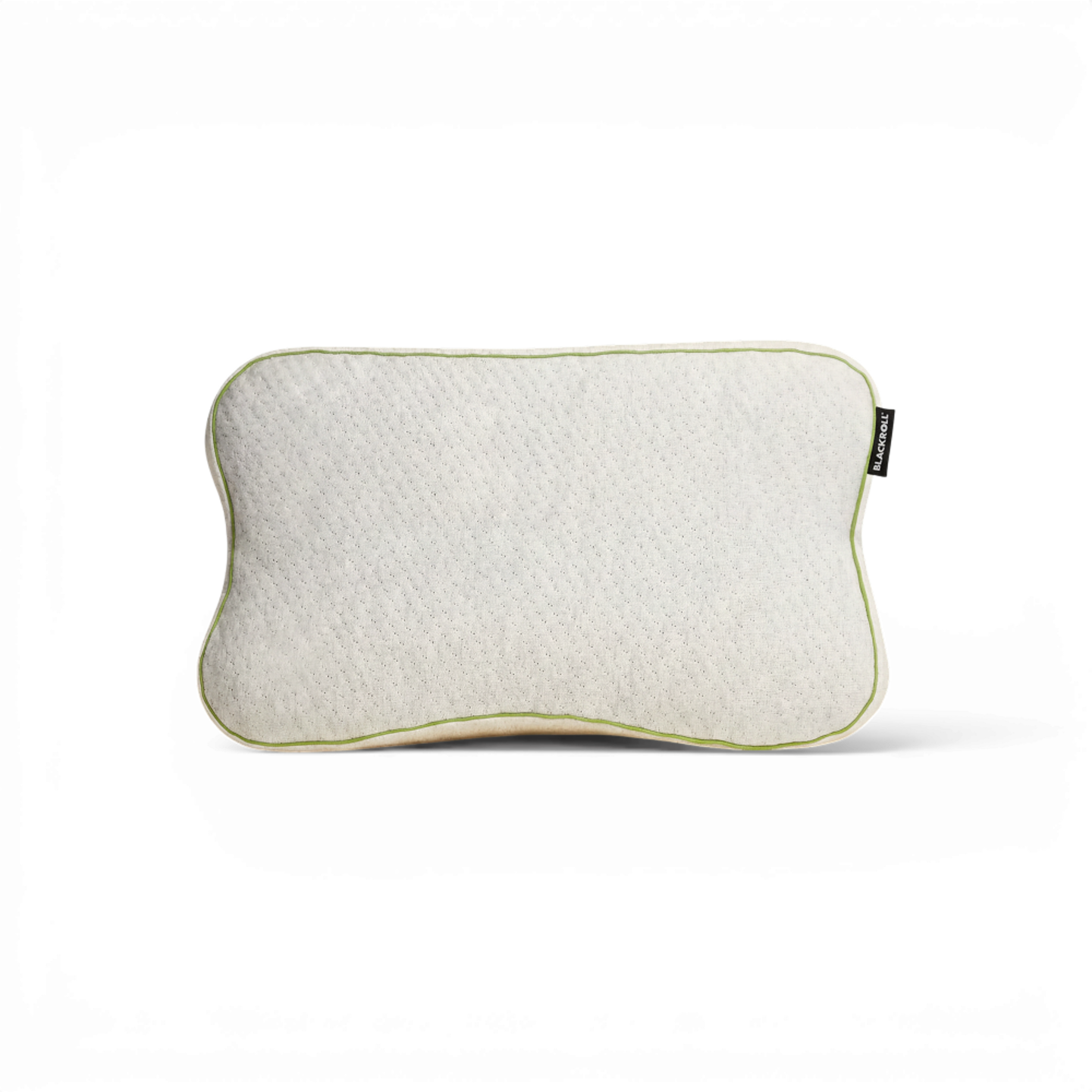
- Heat therapy: Use the BLACKROLL Recovery Blanket, for example, to promote blood circulation and enhance your sense of well-being. The CELLIANT® fiber woven into the blanket absorbs the body’s emitted heat, converts it into infrared energy, and reflects it back to the body. Absorbing this infrared energy temporarily promotes local blood circulation, recovery, and restful sleep .
- Daily exercise: Regular, moderate exercise (walks, light stretching) during theday improves sleep quality while helping your body wind down in the evening. But be careful: Avoid intense and stimulating exercise routines in the last 1.5 to 3 hours before bedtime.
Discover our sleep products

Recovery Blanket Summer
Available in multiple variants


Pain & Tension: The Physical Burden of Depression
Tension, pain, a feeling of internal pressure—these are all physical symptoms that many people with depression experience.
Often, it remains unclear where these symptoms come from, as the pain feels diffuse and the body feels heavy or stiff. This is frequently caused by persistent muscle tension resulting from chronic stress: tension builds up unconsciously, particularly in the neck, shoulders, back, or even the jaw. This physical burden can further strain one’s emotional well-being and intensify depressive symptoms.
BLACKROLL offers targeted support here—with tools and routines that are easy to use and deliver real results. Self-massage using tools like the BALL 08 or DUOBALL 08 allows you to target tense muscle areas specifically—for example, along the spine, in the neck, or on the shoulders. You can adjust the pressure to your individual needs, which helps relax overactive muscle chains and improves blood flow to the tissues.
Combined with functional movement exercises specifically designed to improve mobility and body awareness, this creates an effective counterbalance to the rigid, internally tense state that many people experience during their depressive phase.
With the help of free video tutorials that show you step by step how to use the tools safely and effectively, you can practice self-care comfortably at home, at your own pace, and without pressure. Every small routine becomes an active step toward greater ease, self-efficacy, and inner stability.
And the free BLACKROLL app also shows you exactly how to use the fascia products to start your workout focused on recovery, flexibility, and strength. You can simply download it from the Google Play Store or Apple Store and get started.


Self-Help for Depression: Exercise, Relaxation, and Mindfulness
If you’re experiencing mild depressive episodes, there’s a lot you can do on your own to stabilize your mood—step by step, day by day.
The key is not to change everything at once, but to integrate small, consistent routines into your daily life.
A clear daily structure helps you regain your bearings, provides stability to your day, and strengthens your sense of self-efficacy. It’s just as crucial to consciously limit external stimuli —for example, by setting aside “offline” time, taking breaks, or practicing relaxing evening rituals that ease the strain on your nervous system.
Gentle movement—whether it’s a walk, light stretching, or a few minutes with our tools—can have an enormous impact. Targeted use supports you on multiple levels: tension eases, pain subsides, your body gets moving—and your mind finds peace.
Short routines for the neck, back, or hips —areas where emotional stress often manifests physically—are particularly effective.
Combined with simple breathing exercises and mindfulness techniques, this creates a powerful self-help toolkit: It helps you reconnect with yourself and your body, break free from inner rigidity, and stabilize yourself step by step.
Breathing & Relaxation Exercises





When Professional Help Is Important
As important as self-help is—sometimes it’s not enough on its own. It’s crucial to recognize when a low mood turns into depression that requires treatment, and to seek professional help at that point.
If a lack of motivation, sadness, or hopelessness persists for weeks, if you can barely cope with daily life, or if physical symptoms increase significantly, you should definitely seek help.
Doctors, psychotherapists, or reputable online resources offer targeted support. Don’t hesitate to accept it, because this is not a sign of weakness—quite the opposite—it’s an expression of courage, personal responsibility, and strength.
Important: Body-oriented methods such as fascia work, exercise, and breathing techniques can support those experiencing depressive episodes, but they are no substitute for therapy. They serve as a complementary tool that enhances the physical experience, calms the nervous system, and can help you reconnect with yourself.


Conclusion
Depression affects not only the mind but manifests throughout the entire body. Those who recognize the warning signs and understand how closely the mind and body are connected can take targeted steps to counteract it.
Gentle movement, mindful routines, and healthy sleep are not “trivial matters,” but rather powerful tools for greater stability, relief, and inner balance.
BLACKROLL’s tools provide practical support in this process: They help release tension, calm the nervous system, and reconnect you with yourself.
But it’s just as important to seek professional help when self-care alone is no longer enough. Depression is treatable. And the path to recovery often begins with small but effective steps—through movement, mindfulness, and self-care. You don’t have to walk this path alone, but you can start today.


Frequently Asked Questions (FAQ)
In addition to emotional symptoms such as sadness or a lack of motivation, depression often manifests physically as well: Typical symptoms include tension in the neck, shoulders, or back; diffuse muscle pain; chronic fatigue; and sleep disturbances—even without an apparent medical cause.
Studies show that stress and emotional strain can affect fascial tissue. Thickened, inflexible fascia has been observed in people with depression—particularly in the neck and back areas. Targeted fascial release can help relieve tension and positively influence emotional well-being.
Yes—regular, gentle exercise has been proven to lift mood. It activates the reward system, improves sleep, and relieves muscle tension. Particularly effective: fascia exercises, walks, or mindful stretching with tools like a foam roller.
Fascia massage can help reduce stress in the body, promote blood circulation, and calm the nervous system. It improves body awareness, reduces pain, and can thus have a stabilizing effect on mental well-being.
Poor sleep is not only a symptom ofdepression but also a factor that exacerbates it. Deep sleep, in particular, is often disrupted in people with depression. Lack of sleep increases stress, reduces the body’s ability to recover, and can intensify ruminative thoughts. Evening routines, breathing exercises, and targeted relaxation techniques can help improve sleep.
A structured daily routine, gentle exercise, intentional breaks, and simple mindfulness exercises can be helpful. Tools like the BLACKROLL fascia roller or the DUOBALL can further support you in self-regulation, pain relief, and relaxation.
If symptoms such as lack of motivation, exhaustion, or hopelessness persist for more than two weeks and you feel you can barely function in your daily life, it’s important to seek professional help. Bodywork can be supportive—but it is no substitute for therapy.