
Constant Fatigue Despite Getting Plenty of Sleep – Most Common Causes and Tips

Constant Fatigue Despite Getting Plenty of Sleep: Here Are the Reasons
There can be a wide variety of reasons behind constant fatigue despite getting plenty of sleep. Fortunately, most of them are harmless. And yet: Anyone who feels like they could sleep all day will eventually get fed up with the constant tiredness. So if you’re wondering why you don’t feel refreshed after sleeping and what can help you get through the day feeling more energized, check out —you’ll find all the information you need in our article.

Sleep better, live healthier—with our sleep course. Up to 100% refund.
Discover the online sleep course nowConstantly Tired: Possible Causes and Helpful Tips
You’ve probably noticed this happening to you before: Even though you sleep well at night and wake up feeling refreshed in the morning, bouts of fatigue keep overwhelming you, and you feel like you could sleep all day. This condition is accompanied by constant yawning despite getting enough sleep.
The consequences of constant tiredness can have a huge impact on the daily lives of those affected. Not only is your ability to concentrate reduced, but you’re also more easily irritated, have slower reaction times, and are more susceptible to infections. Headaches and mood swings are also common consequences of too little or poor-quality sleep. If your lack of sleep becomes chronic, the health consequences can be even more serious.
Here are some possible causes that could be making you feel constantly tired and sluggish:

Sleep Deprivation
Sleep medicine recommends that adults get 7 to 8 hours of sleep per night. Are you getting enough sleep at night? If so, you should find out whether your sleep quality might be the reason you’re tired and sluggish all day long. Wearables or sleep trackers can provide initial insights by recording your sleep throughout the night, identifying your sleep stages—and even analyzing them. During sleep, the body goes through various sleep stages, including light sleep, deep sleep, and REM sleep. In particular, if you’re disturbed during the deep sleep or REM stages, this can reduce the quality of your sleep—and cause you to feel tired during the day.

Constant stress
Have you been under a lot of stress lately? Even if you get enough sleep at night, chronic stress can cause your body’s energy reserves to be quickly depleted during the day. This is because high stress levels also increase adrenaline levels in the body—which leads to constant exhaustion and daytime fatigue. If you incorporate set rituals into your evening routine before bedtime—such as relaxation techniques (for example, yoga or meditation, reading, taking a bath, or going for a walk)—your body can wind down and leave stress at work.

Unbalanced diet
An unbalanced, nutrient-poor diet can also cause you to feel constantly tired despite getting enough sleep. Iron, vitamin B12, and vitamin D, in particular, help keep your mind alert. If you have an iron deficiency, your blood doesn’t carry enough oxygen to the brain—and symptoms range from fatigue and sleep disturbances to shortness of breath. Vitamin B12, on the other hand, plays an important role in blood formation and thus in oxygen transport. Vitamin D strengthens the muscles and the immune system. A deficiency in any of these nutrients can lead to a feeling of exhaustion.
You can find iron and vitamin B12 in foods such as fish, beef, seafood, and dairy products like cheese, yogurt, and quark. If you’re a vegetarian or vegan, you can meet your iron needs with foods like chickpeas, lentils, and nuts, or by eating seeds such as pumpkin seeds, flaxseeds, and hemp seeds. Amaranth, quinoa, and millet are also rich in iron.
Vitamin D, on the other hand, is absorbed by the body only through exposure to the sun. Just 20 minutes a day of sun exposure on your arms and face is enough to prevent a deficiency. Keep in mind, however, that vitamin D production from the sun is only possible in our latitudes between March and October.
So taking a look at your diet can give you an important clue as to how to manage your daytime fatigue.

Lack of exercise
Do you remember the last time you fell into bed completely exhausted after a hike or an intense workout? If not, that could be the reason for your constant fatigue despite getting enough sleep. An inactive lifestyle can actually make you tired and drain your energy—even though you might think that little exercise would make you feel more rested. Regular physical activity, on the other hand, can help boost your energy. By the way, you don’t have to do grueling workouts to achieve this. It’s enough to simply incorporate more moderate exercise into your daily routine. For example, leave the car at home more often and bike to work, or run your errands by bike. You can also do this by taking the stairs instead of the elevator or escalator. Or simply get off the bus or train one stop early to walk the rest of the way home or to work.
Poor sleep hygiene
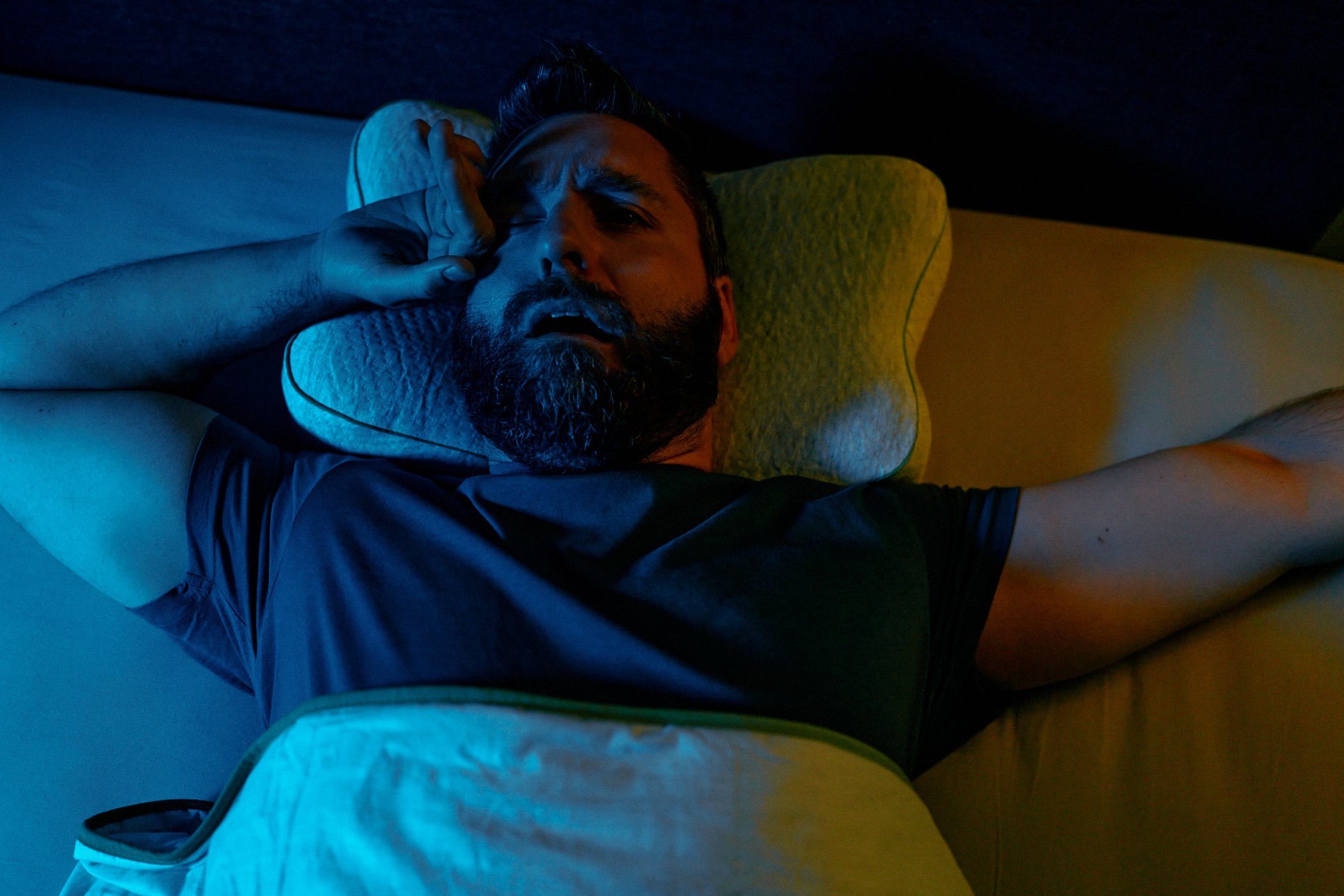
External factors can also contribute to poor sleep—and consequently, constant fatigue the next day. Sleep hygiene encompasses all the influences your sleep environment has on you. This includes room temperature, lighting, and noise levels, as well as your bed frame, mattress, and pillows. So make sure the temperature in your room isn’t too warm or too cold (experts consider 18 degrees to be ideal), that light is kept out by blinds, pleated shades, or curtains, and that you aren’t disturbed by noise. Also, maintain a regular sleep schedule. Ideally, go to bed at the same time every night and get up at the same time every morning.
By the way, another good sleep habit is to avoid taking electronic devices to bed and to turn them off well before bedtime. This is because we often use these devices to artificially keep ourselves awake, even when we’re tired. Smartphones, tablets, and similar devices emit blue light, which inhibits the production of the sleep hormone melatonin. As a result, you not only fall asleep later than you perhaps should, but your nighttime sleep quality can also suffer. This may be why you’re struggling with constant daytime fatigue.
Pillows and mattresses that optimally support your sleeping position can also be a great help in improving your sleep. We recommend our“RECOVERY BASE.” This mattress adapts to your body’s contours and provides optimal pressure relief, making it suitable for every body type and every sleeping style. And the“RECOVERY PILLOW” neck pillowis made of elastic high-tech memory foam, which allows it to adapt to your natural sleeping position and thus help prevent tension in the shoulder and neck areas.

Excessive coffee consumption
At first glance, it sounds like a contradiction: While coffee is considered a stimulant, too much of it can actually make you tired. This is because caffeine simultaneously increases adenosine levels in the body. And adenosine, in turn, makes you sleepy. So if you feel like you could sleep all day, try to figure out if you might be drinking too much coffee. Ultimately, the only way to reduce adenosine levels in the body is cold turkey: Once you go several days without drinking coffee, the problem resolves itself as adenosine levels regulate.
Not sure if you’re drinking too much? Experts recommend consuming no more than 400 ml of caffeine per day. That’s about 4 cups of coffee. After that, for the sake of your energy levels, you should stop. Keep in mind, however, that you need to factor in the caffeine from other beverages, such as cola, black tea, or energy drinks. If you consume these drinks as well, the amount of coffee you should drink decreases accordingly.

Poor Air Quality
When you really get into the zone, a few hours can fly by. You’ll notice this at the latest when fatigue overwhelms you at your desk in the afternoon. You might figure out one possible reason for this if you briefly step out of the room and come back in. If you notice that the air feels stagnant and stale, it’s high time to air out the room. That’s because our brains need oxygen to function properly—and ideally on a regular basis. Stuffy air, on the other hand, has a negative effect on your energy levels and makes you feel tired and sluggish. Giving the room a quick once-over can work wonders. So make sure to let fresh air into your home office regularly.

Winter Fatigue
During the long, cold winter months, you may also find yourself feeling constantly tired during the day, even though you’re getting plenty of sleep. This is known as “winter fatigue,” a form of seasonal depression attributed to the lack of natural sunlight during the dark winter months. Since daylight hours are shorter and the intensity of sunlight is lower during the winter months, this can lead to a disruption in the regulation of the circadian rhythm. This rhythm, in turn, controls the sleep-wake cycle and influences hormone balance. In addition, due to the lack of light during the winter months, the body produces too much of the sleep hormone melatonin—which usually leads to increased fatigue even during the day.

Taking Medication
Do you always read the package insert before taking a new medication? Many people probably don’t. That’s why you might have overlooked the fact that your tablets, pills, and other medications contain substances that make you drowsy. This is common with blood pressure medications, drugs containing benzodiazepines as the active ingredient (used to treat anxiety, agitation, and tension), antihistamines (allergy pills), antiepileptics, or antidepressants. So if you find that you could sleep all day long, take a look at the package insert. If you notice a connection, be sure to consult your doctor first and never stop taking your medication on your own.

Sleep Disorders and Other Medical Causes
While it’s worth taking a look at your sleep hygiene first, there may also be medical reasons why you feel constantly tired despite getting plenty of sleep. These include, for example, thyroid disorders, anemia, restless legs syndrome, diabetes, sleep apnea, cardiovascular disorders, hormonal causes, or chronic fatigue syndrome—a condition characterized by pathological fatigue resulting from infections or other illnesses.
If your fatigue persists for a period of 3 months and you have trouble falling asleep or staying asleep at least three times a week, you should see a doctor to rule out any potential underlying medical issues. You should also ask yourself whether any of the conditions listed above run in your family, as this could put you at a higher risk of developing them.
Understanding Sleep Needs in Adolescents
Especially in children and adolescents, persistent fatigue despite what appears to be sufficient sleep is often a sign that their actual sleep needs are not being properly assessed. During puberty, sleep patterns, hormone levels, and recovery phases change significantly, which can also shift the amount of sleep needed. What seems sufficient at first glance can quickly become insufficient during this developmental phase. To better understand how much sleep a 12- or 13-year-old child needs, it’s worth looking at age-specific recommendations and individual differences.
Extreme tiredness in the afternoon: The body’s internal clock is to blame
Our sleep-wake cycle is controlled by an internal clock that ensures we get tired in the evening and wake up in the morning. It is subject to completely natural fluctuations throughout the day, including the so-called afternoon slump. This typically occurs about 7 to 9 hours after waking up. The internal clock now sends signals similar to those it sends at bedtime. Body temperature drops, and the brain begins to conserve energy and prepare for sleep. As a result, the brain’s alertness wanes, which is why some people experience extreme tiredness in the afternoon. So it’s perfectly normal to feel more tired then than at other times of the day.
However, if you feel that only a strong cup of coffee can help you get through the rest of the day, you should definitely pay attention to how much caffeine you’ve already consumed (see above). For one thing, too much coffee—or caffeine—can actually make you tired. For one thing, caffeine has a half-life of about 5 hours. This means that after this time, your body has only broken down half of the caffeine. So if you drink a cup of coffee around 4 p.m. but go to bed at 10 p.m., your body may still be jolted by the caffeine when you actually want to sleep. Make better use of that time for a short (!) nap, if you have the chance. But be careful: Too much sleep can also make you tired. A 20-minute power nap is therefore perfectly sufficient to recharge and boost your physical performance. This is because it prevents you from feeling exhausted after waking up, since your body has already entered the deep sleep phase.
Summary
Are you wondering why you don’t feel refreshed after sleeping and why you’re still tired after 12 hours of sleep? Or are you surprised that you’re constantly yawning despite getting enough sleep? Then it’s definitely worth taking a closer look at your sleep habits. After all, if you’re going through your day feeling tired and sluggish, the reasons may be varied, but they can usually be managed quite well by changing old habits.
However, if your daytime fatigue significantly limits your daily life, or if even new sleep habits don’t lead to an improvement in your symptoms, be sure to get checked out by your doctor just to be safe. There may be other causes for your constant fatigue despite getting plenty of sleep. In that case, conventional medicine can reliably help.