The Optimal Mindset for Success: Mental Health, Strategies for Dealing with Defeat, and More

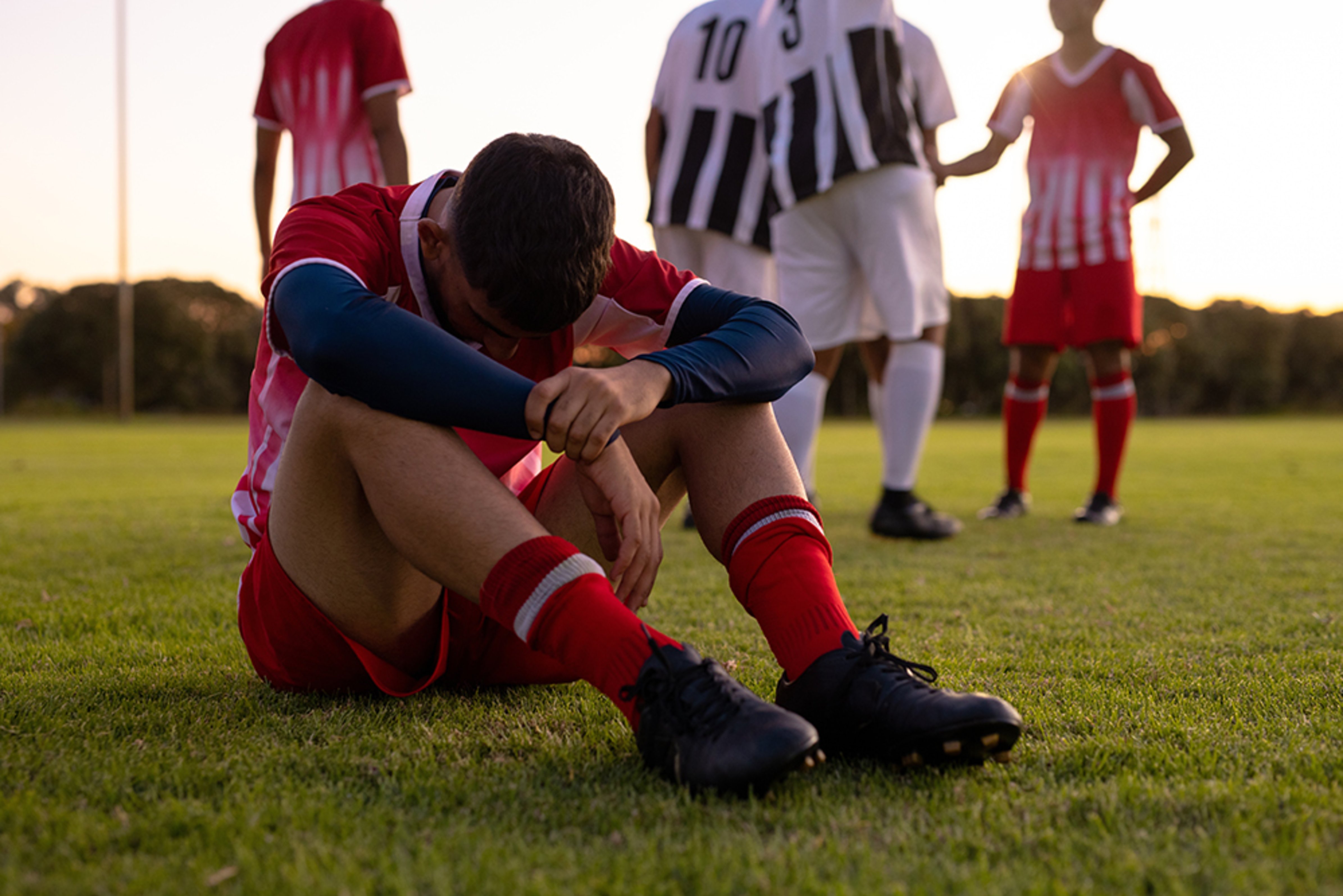
The right mindset in sports and successfully dealing with defeat are crucial for our competition preparation. Especially during major events, which are accompanied by media coverage and intense pressure to perform, the psychological strain is often very high. In team sports such as handball, soccer, or volleyball, being in peak physical and mental condition plays a central role. In addition to technical and tactical finesse, a clear, shared definition of goals, communication, and a shared vision are essential. In this article, you’ll learn how to find the right mindset—whether for yourself personally or as part of a team—and how to develop effective mental strategies.
Definition: The Importance of the Right Mindset for Our Health
Coping strategies for our mental health and mindset are enormously important—not only in a sports context, but also in our professional and personal lives. After all, how we deal with stress and setbacks can significantly determine our health and our long-term (athletic) success.
Stress can manifest itself both mentally and physically and lead to muscle tension, sleep disturbances, anxiety, nervousness, or self-doubt. Our mental health is influenced by various factors, such as genetic predisposition, individual environmental conditions, and a responsive awareness of our needs. Through regular reflection and effective emotion management, we build self-confidence, self-acceptance, and resilience. This, in turn, allows us to better cope with pressure, expectations, and stress, and to develop greater concentration and focus in everyday life and in competition.
Mental Strategies for Every Scenario
To enhance our personal well-being and performance, we can develop various coping strategies for different scenarios. Developing strategies for best-case, normal-case, and worst-case scenariosprovides an “inner blueprint”—that is, a sense of inner peace and freedom. A conscious approach to developing a strategy or an alternative plan for every scenario creates inner security and better access to our physical and mental abilities.
When we envision our best-case scenario —that is, the best possible outcome in a given situation, such as a victory—we nurture our self-confidence and potential for improvement. Strategies may involve analyzing our successes, identifying patterns, and incorporating these into our daily training.
Normal-case scenarios are situations in which we expect neither particularly positive nor particularly negative outcomes. Here, we should first assess the situation objectively and realistically in order to better tap into our potential for improvement. We ask ourselves: “What went well?” and “What went wrong?”
Worst-case scenarios, characterized by setbacks or unexpected reversals, are often the most difficult to handle. Dealing with defeat is particularly important and instructive in these situations. We must try to understand the failure in order to learn from our mistakes and evaluate the situation constructively.
We saw what happens when there is no backup plan during the soccer match between Germany and Brazil. The Brazilian team was so confident of victory that they had no backup plan. This led to a sort of mental blackout, during which they conceded the decisive goals while unprepared and panicking. This underscores the importance of being prepared even in situations where victory seems certain—namely, having thought through every possible scenario in advance to successfully navigate unexpected twists.
It is therefore extremely important to regulate one’s own stress levels using readily accessible strategies and resources in order to perform at one’s best. If we are too overconfident, lack self-confidence, or are even afraid, the so-called polyvagal theory may come into play. This theory focuses primarily on chronic stress and shock situations, which can lead to a kind of “blackout” or shock-induced paralysis if we have not developed appropriate coping mechanisms in advance.
Overcoming athletic challenges and defeats with the right mindset
When we’re faced with defeat, our mindset is crucial: Do I perceive the event as a threat, or as a challenge? If we feel threatened, we develop anxiety. Anxiety manifests physically through symptoms such as an increased heart rate, high muscle tone, increased susceptibility to injury, or a loss of concentration and fine motor skills. A challenge, on the other hand, stimulates our curiosity, can bring joy and fun, and motivates us to achieve a goal.
With the right mindset, we can perceive scenarios that were originally threatening as positive challenges. This means that we sometimes have to step outside our comfort zone and break away from familiar routines. The goal is to transform “worst-case scenario” thinking into “best-case scenario” thinking. To do this, we must become aware of our fears in order to escape potential spirals of negative thoughts. If difficulties or problems arise in the course of the new challenge, we refocus on the best-case scenario.
Psychology: Different Personalities in Crisis Situations
Fight, Flight, or Freeze: Depending on one’s personality, the reaction to crisis situations can vary. The fight-or-flight response describes the theory that we adapt psychologically and physically to dangerous situations in different ways. When we perceive danger, our survival instinct is activated within seconds. This leads to an increased release of stress hormones such as adrenaline and cortisol, and our heart rate, breathing rate, and blood pressure rise. Non-essential bodily functions are shut down, and the body prepares itself either to flee or to fight. In some individuals, however, a state of paralysis sets in (“Freeze”), in which one neither flees nor fights. This state of shock-induced paralysis is also often observed in animals that play dead in dangerous situations to escape threats.
Reactions and coping mechanisms in crisis situations can therefore vary greatly. If you’re the type of person who tends to react to problems with confrontation, then consciously take a step back and reflect on the situation first. If you’re a “flight” type, don’t try to run away immediately—instead, face the situation head-on. If you tend to freeze in fear, focus on self-regulation techniques such as calm breathing and positive visualization. If you’re able to remain calm and in control during challenging situations—especially within a team—help your colleagues access appropriate mental strategies to better face challenges.
Especially in a sports team, it can be crucial to appoint the right person to lead the team during crisis situations. This person is particularly well-suited to responding appropriately in such situations. This can take many different forms: staying calm or rallying the team with a more aggressive approach, for example.
Outcome Goal vs. Action Goal
When setting individual or shared goals in team sports, we distinguish between outcome goals and process goals. An outcome goal refers to an optimal result in a competition or game, such as a victory for the team. These are goals that depend heavily on external factors—such as our opponent or the weather—and that we often cannot influence ourselves. While an outcome goal may be motivating, failing to achieve it can lead to a strong sense of defeat and shame.
A process goal, on the other hand, helps us stay focused and concentrate on the here and now. The main idea is to focus on the action step by step and to set smaller goals for yourself within the context of a competition. Even if you haven’t achieved your outcome goal (“victory”), you can still achieve your action goal (“I gave it my best”). If you set specific action goals, you’ll find it easier to perform under pressure and develop greater adaptability. Enjoy the challenge and evaluate your performance not based on outcome goals, but on action goals.
Mental Strategies: Recovery and Relaxation for Better Performance
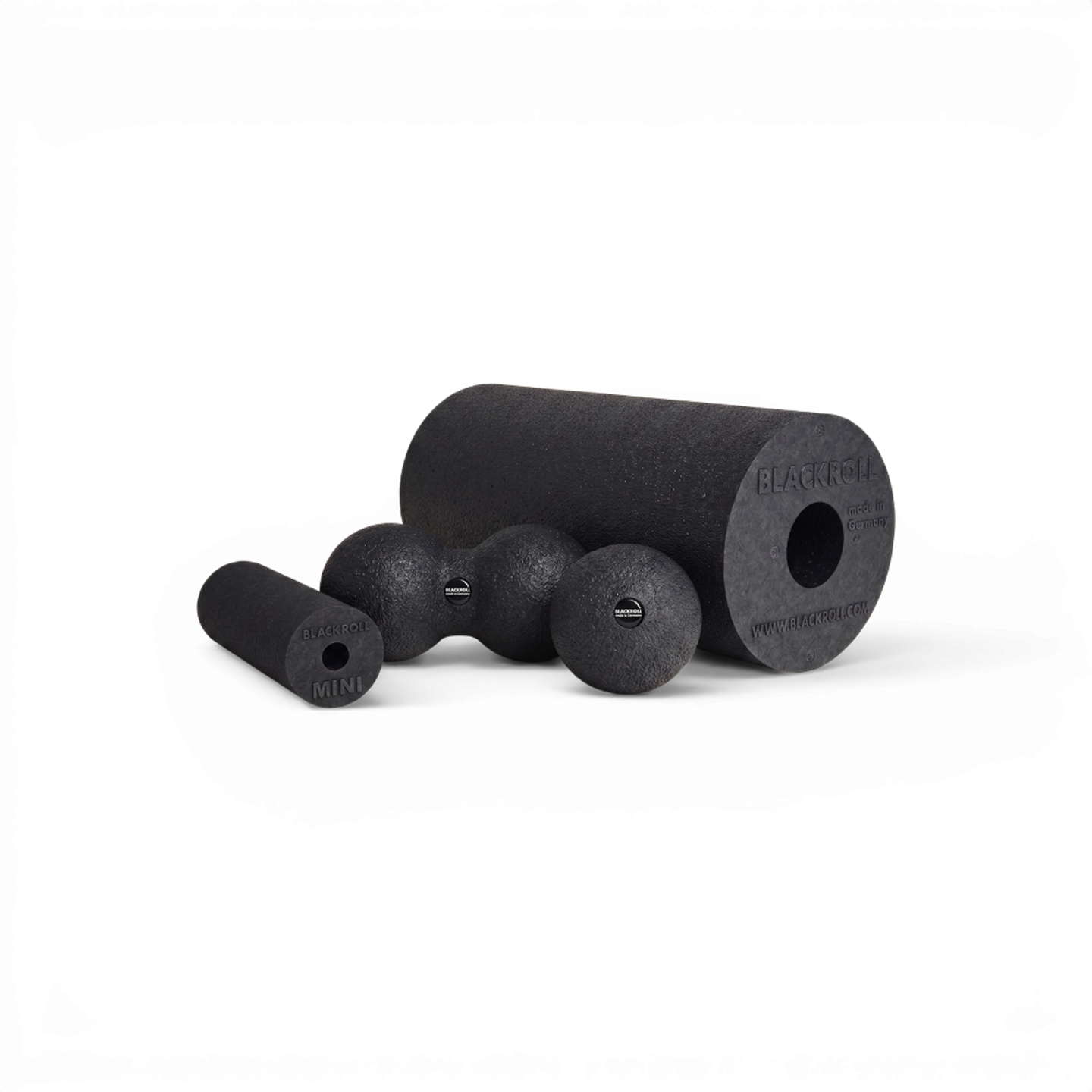
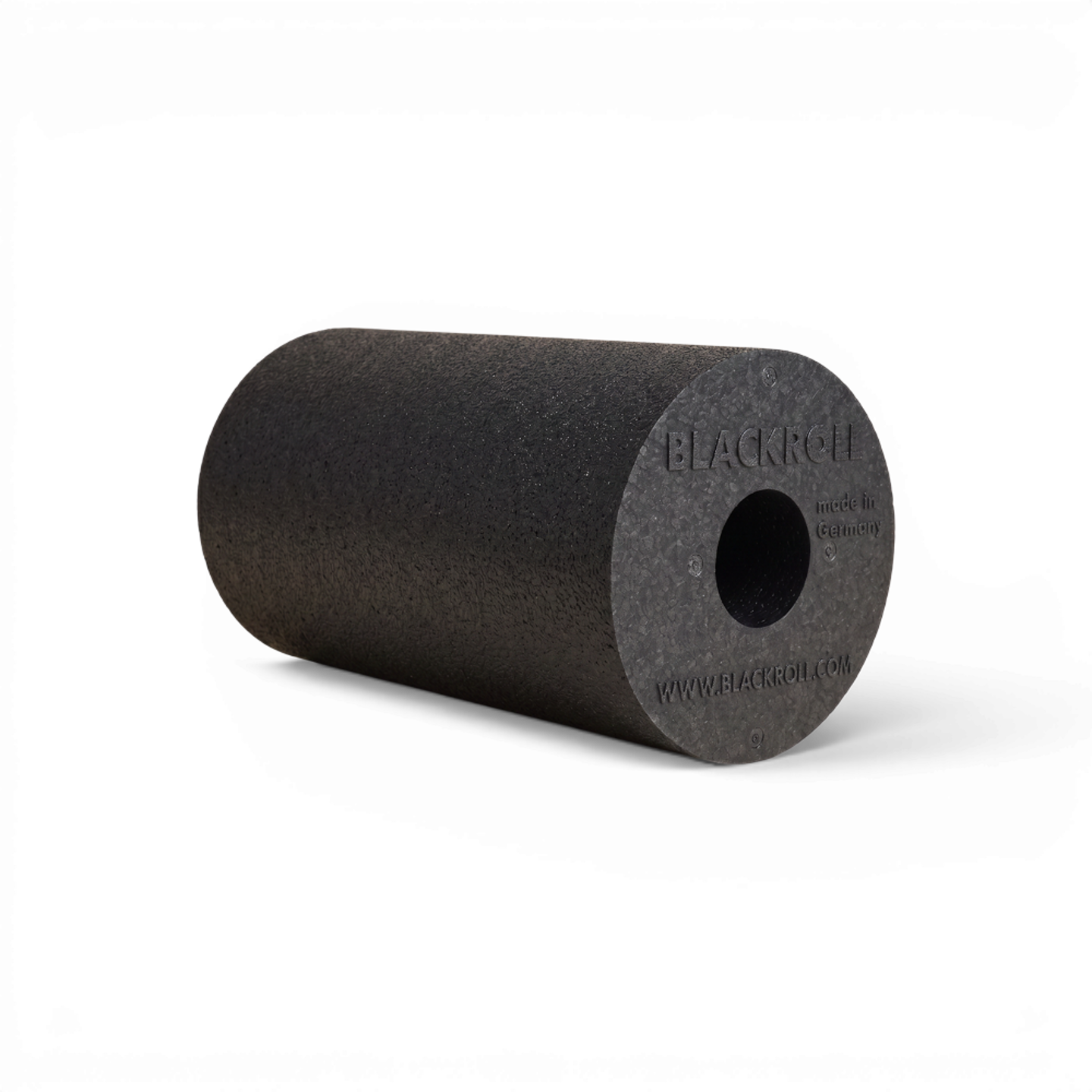
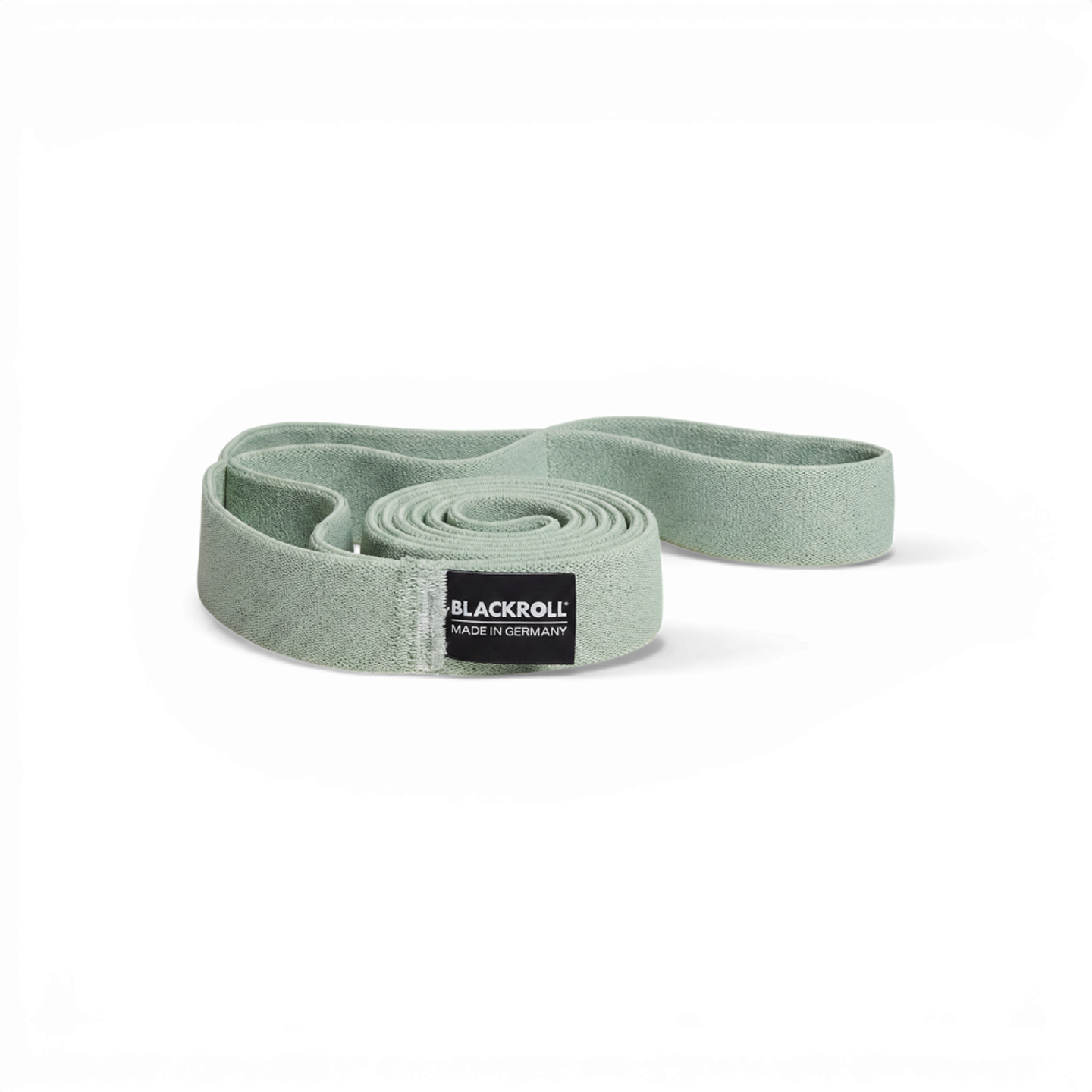
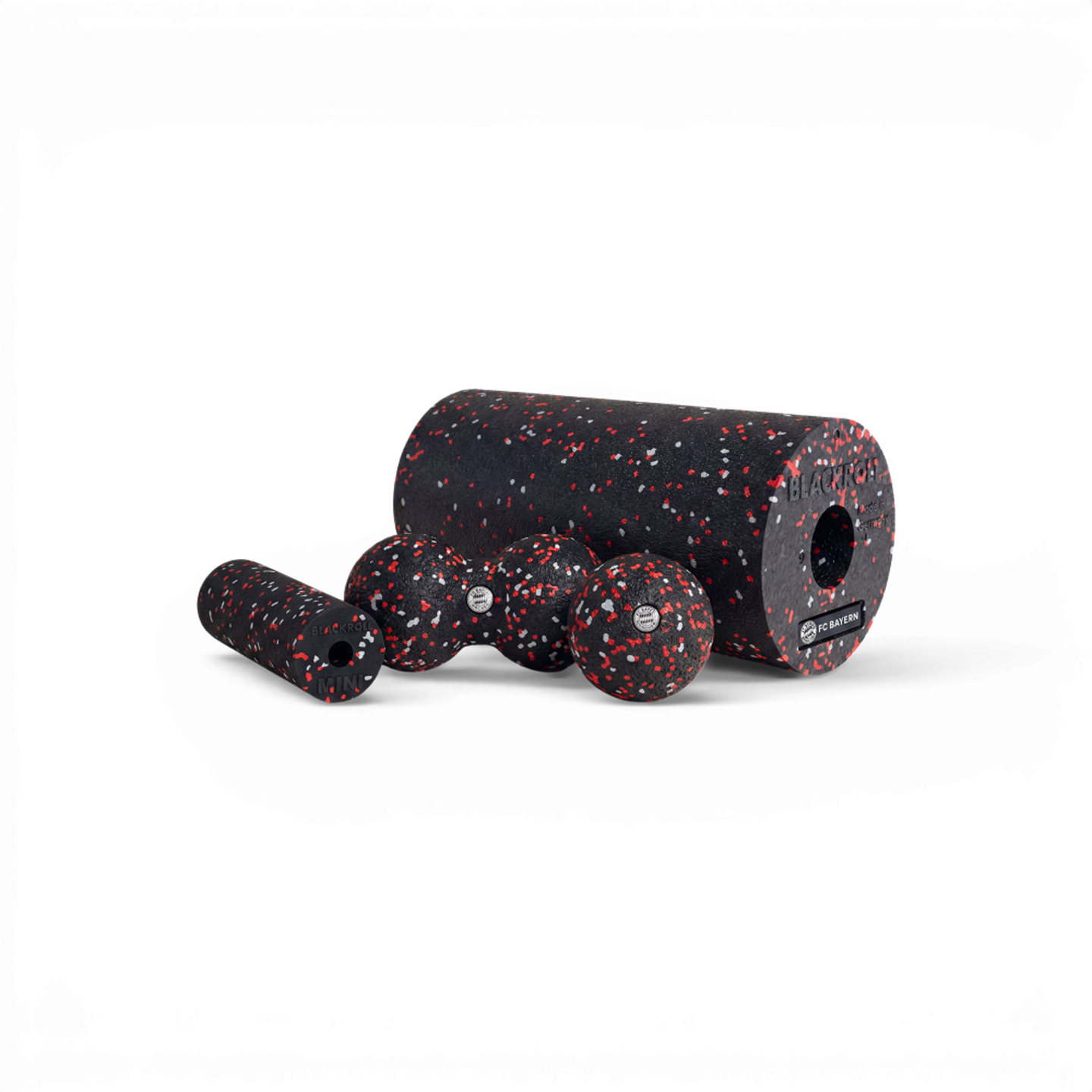
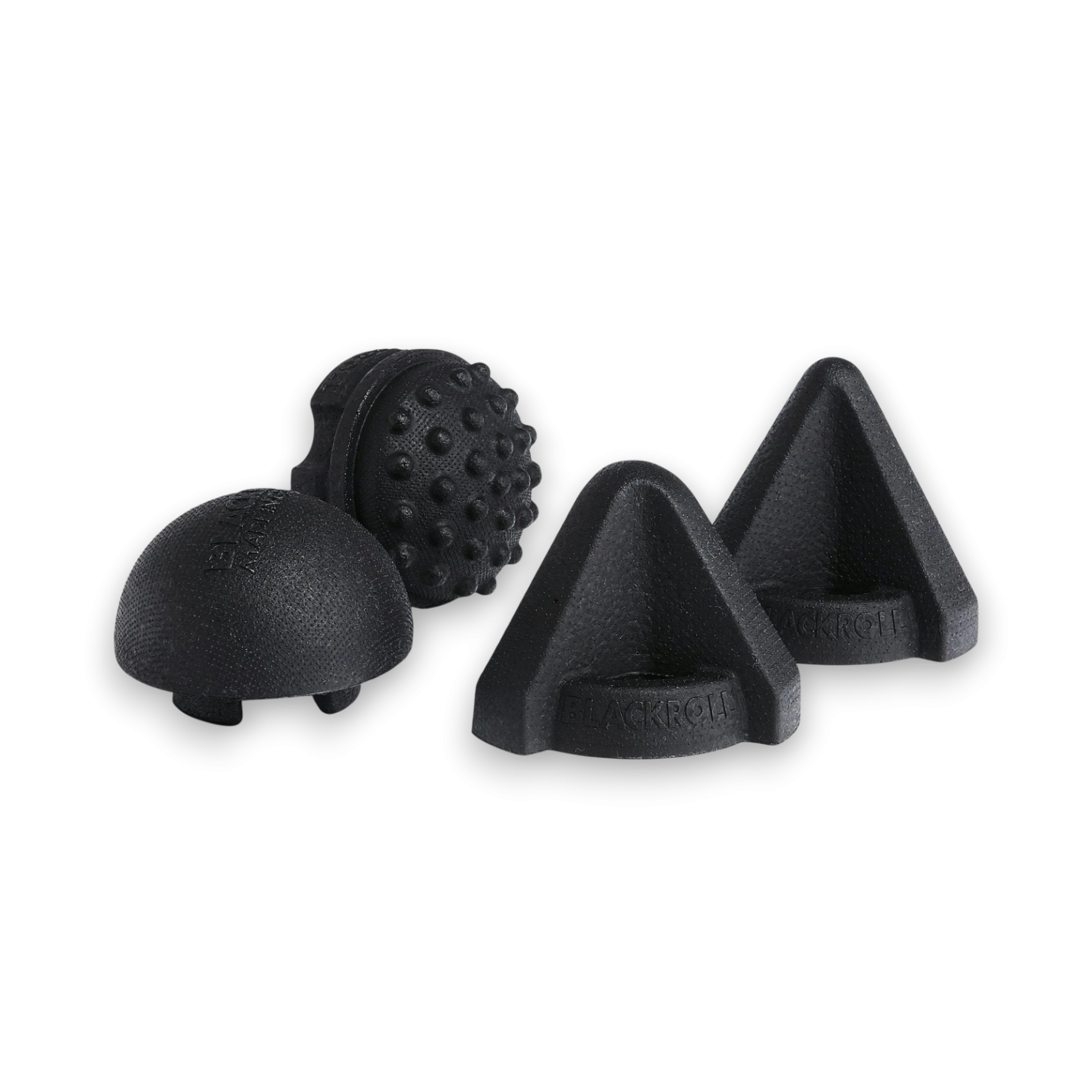
Especially in high-intensity competitive sports and with packed schedules, recovery and relaxation are essential for quickly regaining peak performance. The goal should be to find an optimal balance between tension and relaxation. This is achieved primarily through recovery techniques that target both mental and physical recovery. Fascia training, breathing techniques, and balancing exercises can help you recharge your mental and physical energy. Sleep, nutrition, and light exercise should also not be neglected on days off from training. In addition to individual rest and recovery, team-based recovery sessions can also be important for boosting self-confidence, fostering team cohesion, and working together to cope with pressure and challenges.
Exercise inspiration for your relaxation


Dealing with Defeat Emotionally
Every situation, whether victory or defeat, is linked to emotions. It is important that we accept our emotions as they are and use them as motivation to overcome certain situations and challenges. Letting go is an active and essential process that involves both emotional and cognitive components. We need time to process these emotions. Instead of suppressing fear and anger, we should use effective emotional management to create the time and space needed to process potential defeats. How we deal with defeats or losses is highly individual. Successful emotional management can be influenced by various factors: psychotherapy, regular mental training, sufficient time for rest and relaxation, or the openness to talk to others about our emotions. The focus is on engaging with our feelings rather than suppressing them. On the cognitive side, a rigorous analysis of mistakes—combined with giving ourselves or our team constructive feedback—helps ensure that change is possible next time.
It is important that we become self-aware. We need to know our strengths and weaknesses and understand how we want to react in difficult situations, as well as what we need and what helps us recover from intense emotions and process them effectively. If we miss the opportunity to let go of what has happened, a similar situation in the future can become a trigger and bring back old, unresolved emotions.
“Based on my experience in professional sports and the business world, finding a healthy way to handle critical situations is a highly individual process and a balancing act. Good self-management is crucial.”
Markus Bauer, specialist in psychosomatic medicine and psychotherapy

Conclusion
How we deal with setbacks, how strong our mindset is, and how we react in difficult situations are therefore highly individual. We must first try out various coping mechanisms to find the optimal strategy for ourselves or our team. It’s clear that mental strategies not only improve our athletic performance but also greatly benefit our mental health. Successful emotion management and regular reflection should become an integral part of our daily lives.
In collaboration with Markus Bauer
Products for Your Recovery
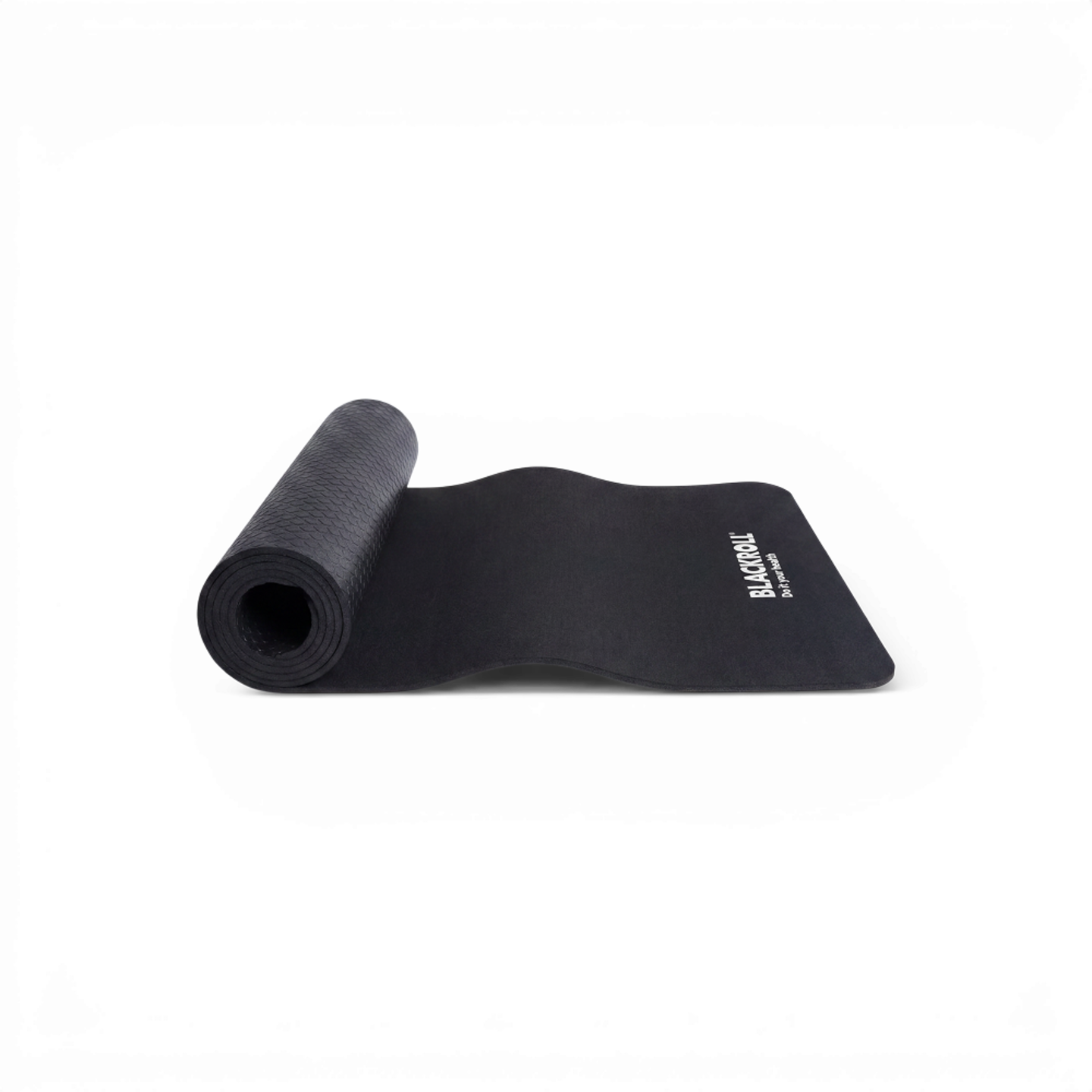
Mat
Available in multiple variants