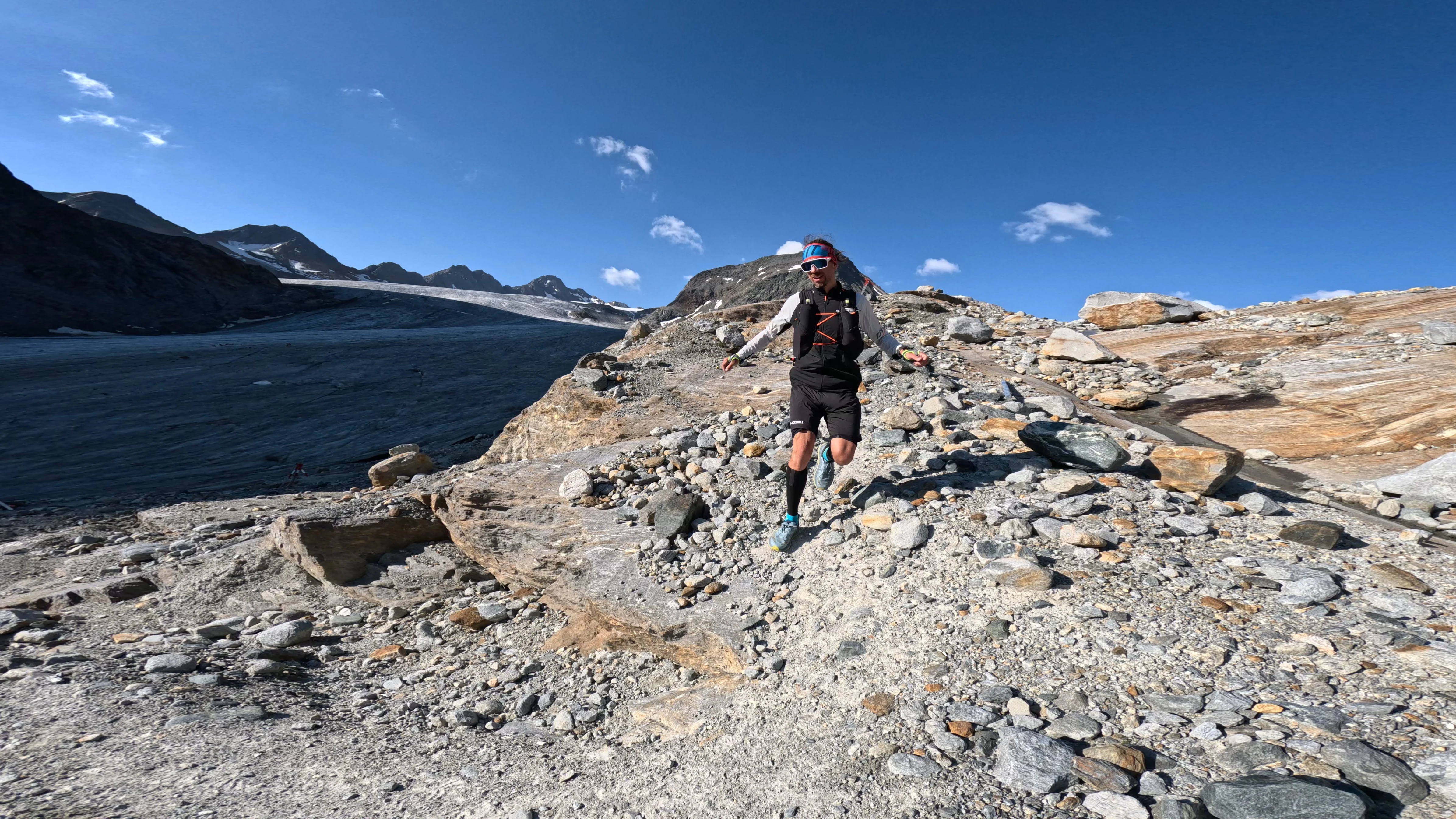
How to Develop Nerves of Steel.

“For me, mental strength is the highest possible utilization and focus of all mental and psychological abilities and strengths on a set goal, as well as the simultaneous blocking out or masteryof weaknesses through awareness of them on the path to that goal.” (Quote from extreme athlete Wolfgang Mader)
Are you seeking self-improvement through extreme sports and want to develop greater risk management skills combined with mental strength? This article is perfect for you if you want to make your extraordinary or extreme sports dreams come true. Adrenaline and risk junkies are usually associated with extreme sports. Do you want to ride the big wave as a surfer, climb a rock face without safety gear, go skydiving, or swim through the deep sea?
In extreme sports, intense fears, extreme stress levels, mental constructs, and potential risk factors must be kept under control. Mental strength is essential. This is a key difference from elite athletes, who can effectively prepare for competition using mental routines and training without taking specific risks—or perhaps even endangering their own lives or those of others.
Extreme athlete Jonas Deichmann is currently demonstrating this with his 120-Day Challenge: He’s completing 120 triathlons in a row and aims to prove that his project is feasible. Before every new project, he asks himself whether he would undertake it if it weren’t his job and he weren’t earning money from it. The answer should always be “yes”—and that’s his personal indicator of maximum motivation. He also said in a podcast:
“While others are sitting in the office all day , I can get some healthy exercise in the fresh air.”
(Quote from Jonas Deichmann)
What does “extreme sports” mean?
Extreme sports aren’t for wimps! The term “extreme sports” is often used interchangeably with terms like adventure sports, lifestyle sports, action sports, or high-risk sports. Extreme sports aren’t a modern invention. In the past, it was sailors, bear fighters, and aviation pioneers who sought to conquer the skies.
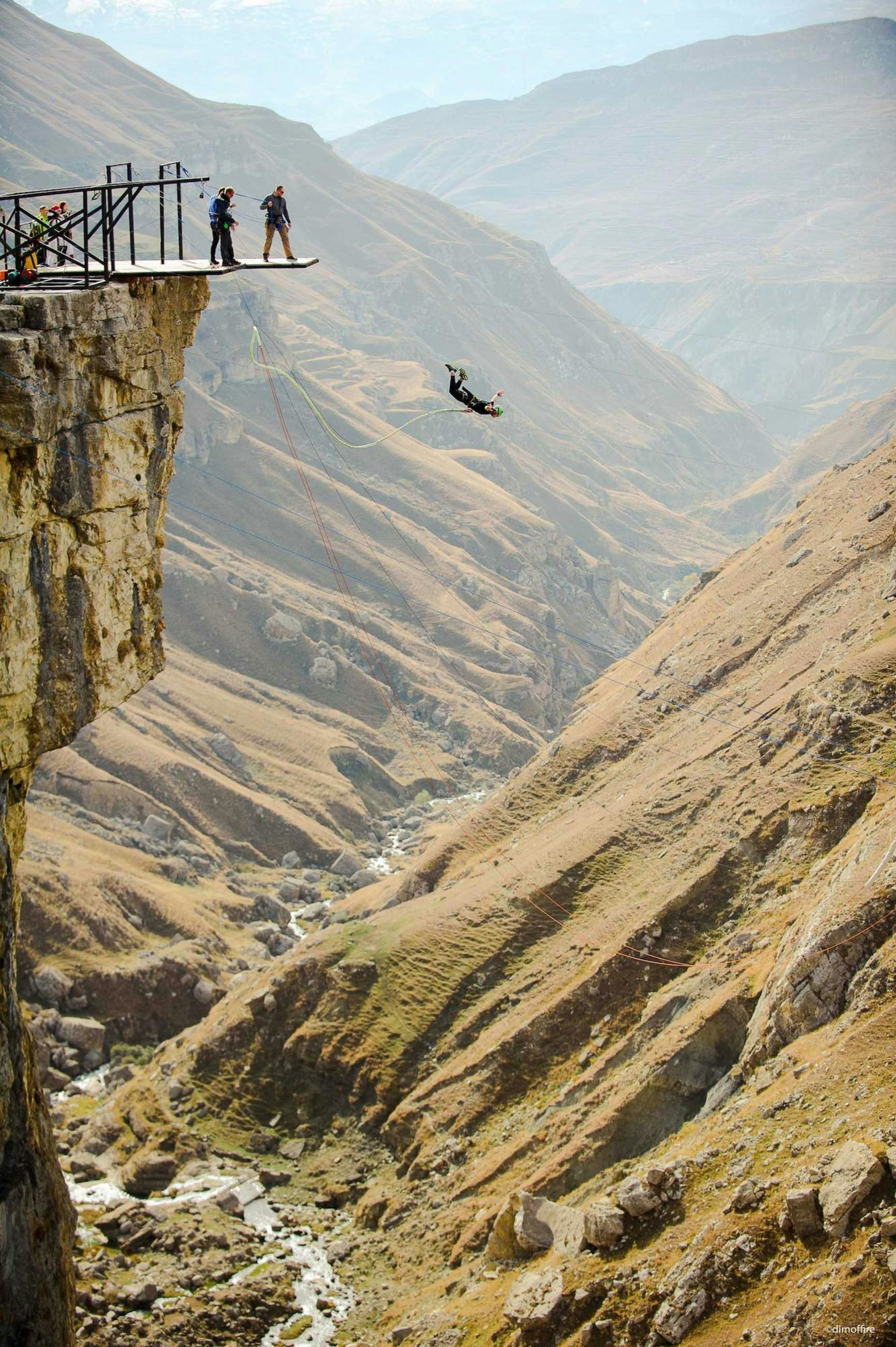
Take base jumping, for example: it’s clear that thrills, adrenaline rushes, and a willingness to take risks go hand in hand. Shortly after jumping, the jumper endures a phase of free fall before opening the parachute just before landing. Freefall becomes a borderline experience between heaven and earth. Body, soul, and spirit merge into one. Even after landing, the sensation of being in the air still pulses through every vein and artery. The flow and immediacy of the experience—engaging all the senses—motivate the athlete to do it again. More thrills and fun are to follow and are eagerly anticipated.
Wolfgang Mader is an extreme athlete known for his “RaceAcross America” projects and his Guinness World Record for the most vertical meters climbed in 48 hours. For him, mental strength means the following:
“For me, mental strength is the highest possible utilization and focus of all mental and psychological abilities and strengths on a set goal, as well as the simultaneous blocking out or mastery (through awareness) of weaknesses along the way to that goal.”
(Quote from Wolfgang Mader)
Despite mental strength, the best preparations, and even the smallest mistakes, dangers can lurk—such as injuries, accidents, falls, or, in the worst case, death. But is that really the case, and are there other explanations for the pursuit of high-risk experiences?
Mentally Strong: Follow Your Inner Voice
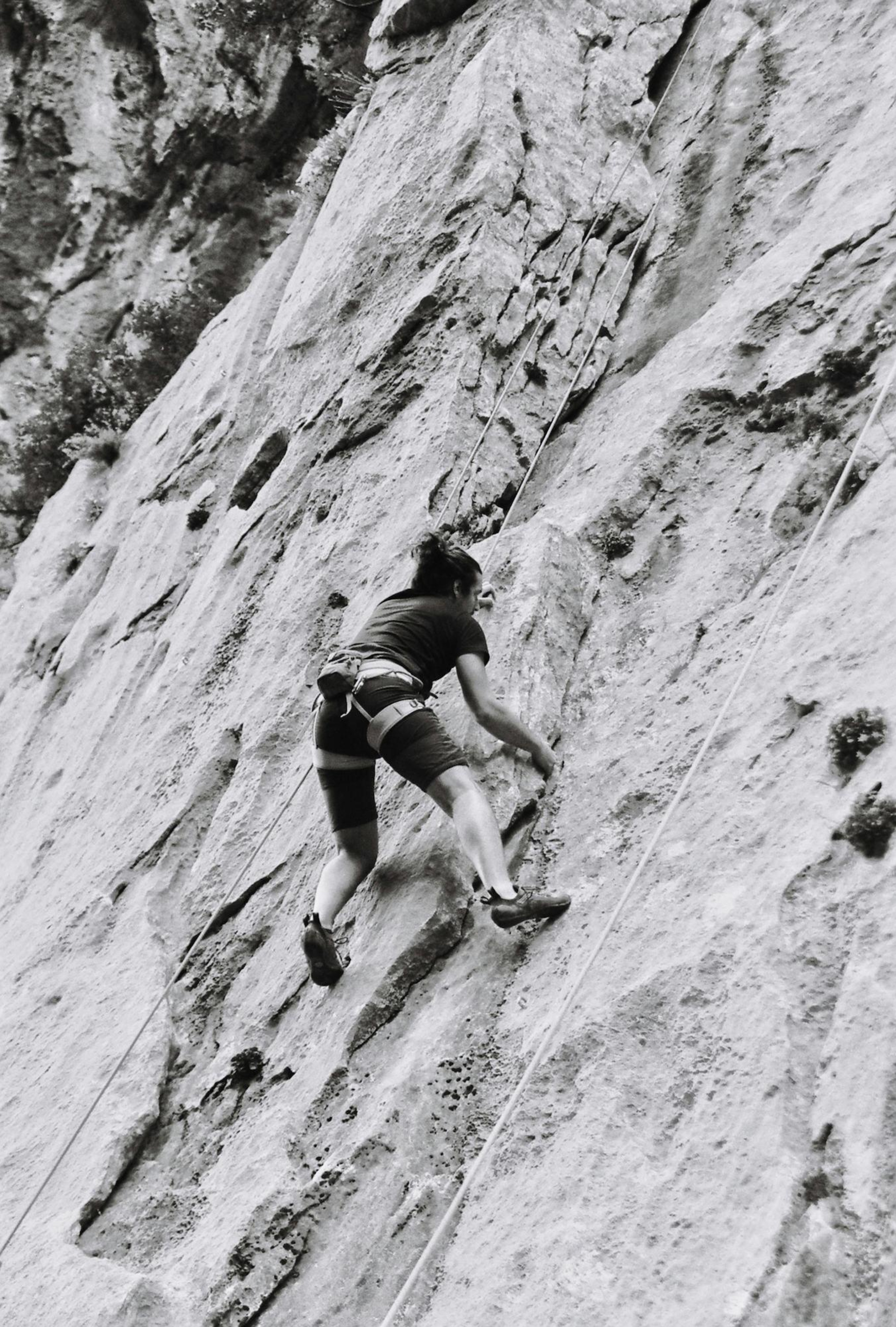
Do you enjoy climbing high mountains, want to cross the Alps alone, take a skydive, or cover ultra-long distances by bike—preferably in the dead of night? Thomas Bubendorfer (extreme climber and alpinist) remains calm and true to himself. For him, limits are not definable, but they are controllable.
“I knew I was going to be a climber. After school, the mountains called to me,” he said in a TV interview. Having the courage to follow his inner voice and push beyond his limits in a controlled and practiced manner defines his brand of mental strength.
For him, the driving force behind his extreme sport is a mix of passion, control, training, experience, and confidence in his athletic abilities and his training regimen.
He always ventures out alone and enjoys what he does. He conquers ice walls and exposes himself to extreme cold. He doesn’t need a thrill! The beauty of the mountains inspires him. He simply feels at home on the wall.
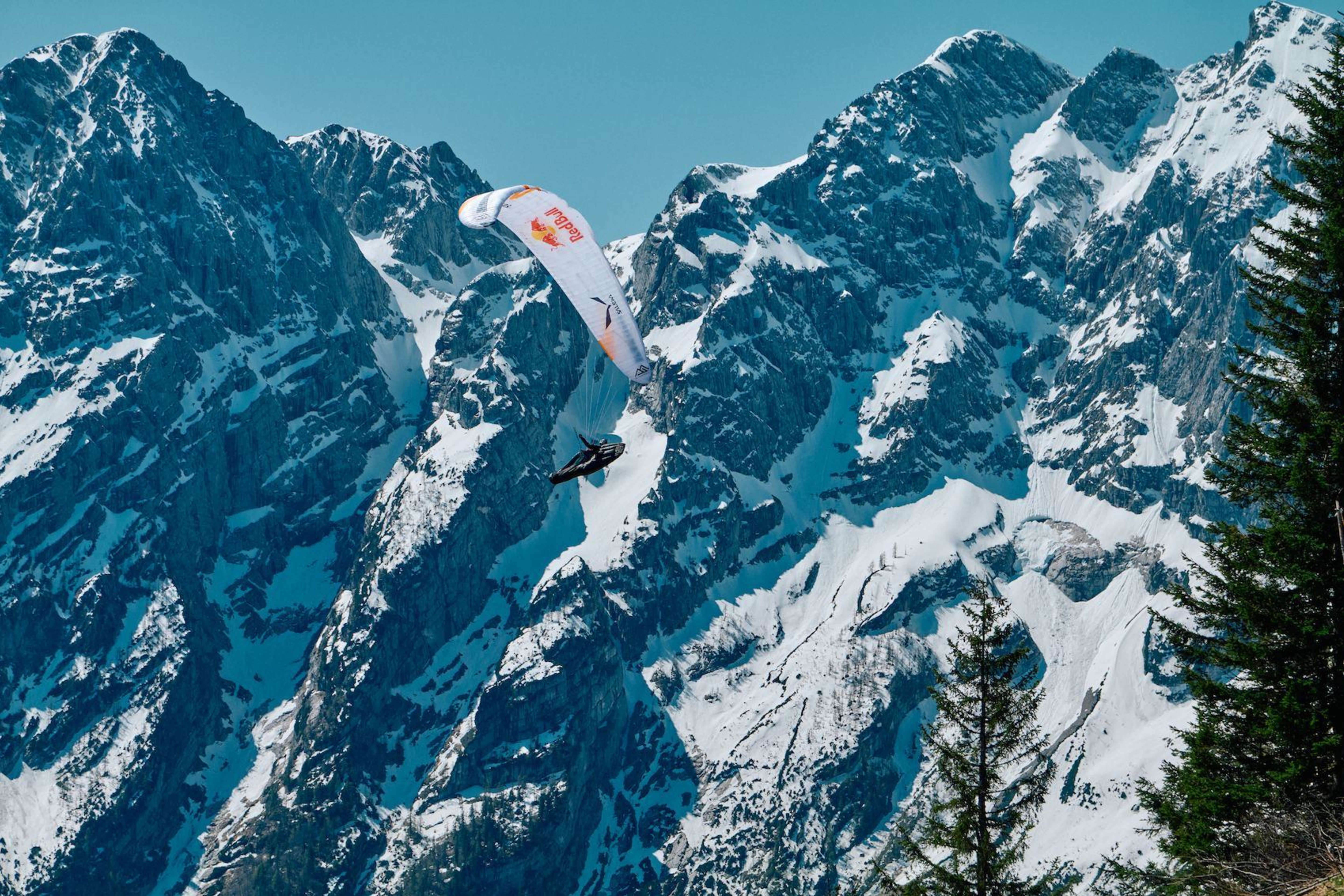
Top Strategies for Mental Strength in Extreme Sports
How toStayMotivatedfor Your Next Event
Mental strength is crucial in extreme sports to help you stay motivated, focused, and resilient under extreme conditions.
Use the following10 top strategies to reflect on your current mental strength.
Rate each ability or skill on a scale of 1 to 10 to determine its strength. (1 is very low, 5 is moderate, and 10 is very high)
- Do you set clear and realistic goals that may need to be adjusted under certain circumstances?
- Your personal expectations, immense pressure, risks, and competition require comprehensive stress management. Practice staying calm when it counts. (Motto: “Strength lies in calmness!”)
- Accept setbacks as part of the process and stay focused on your medium- or long-term goals.
- Learn to bounce back with a positive attitude. Setbacks, injuries, failures, and defeats make you more resilient.
- Focus on your athletic performance. Do you need a narrow or broad focus, or do you get distracted easily?
- Concentration is everything! When faced with unexpected influences and distractions, stay focused and stay in your “zone.”
- Be mindful of the risks you’ve chosen to take . Give your unpleasant moment a new, positive perspective. (Reframing) (Example: “My feet are already very wet and sore during this ultramarathon , but they’re still carrying me forward, and I imagine they’re warm and dry. At the next aid station, I’ll seek help and tend to my wounds.”)
- Fears are particularly powerful motivators in extreme sports. They drive you forward, and you’ll learn to handle the different aspects of fear more and more effectively. If you experience heightened anxiety or panic attacks, it’s best to seek therapeutic help or consult a sports psychologist.
- Team dynamics are one of the most complex issues in extreme sports. Effective communication, conflict resolution skills, and clarity regarding roles and tasks are paramount. Especially in critical situations, everyone must be able to rely on one another. (“One for all, all for one!”)
- Adopt a long-term perspective. Define your vision, your long-term goal, or your dream goal. Give yourself time and patience to achieve it. View setbacks as opportunities.
- And finally: Mental training combined with optimal physical training as a team yields the greatest performance gains. Use the strength and support of the group to improve in your extreme sport. Who can support you? Who will stand by you in difficult and even the most challenging situations?
Motivation for the Thrill – What Drives You?
Motivations for extreme sports can be diverse and blur into interesting combinations of motivations . What about you? Do you perhaps have multiple motivations at play? Are you constantly searching for new experiences, thrills, or simply a way to combat your boredom? Despite intense fears , people may take risks as a form of resistance or to seek recognition (contraphobia) in order to prove their “true” selves to others. When seeking a real thrill, do you want to experience absolute euphoria or give your emotions completely free rein without any inhibitions?
Experimental psychologist Siegbert A. Warbitz* distinguishes between “risk-takers” and “daredevils.” He said: “A risk-taking mentality is of great importance for the individual and for society as a whole in terms of a willingness to embrace reform and renewal.”
How does one decide to take up an extreme sport, or why do athletes take on these challenges?
Psychologists have already developed many theories regarding the backgrounds, motivations, and special skills of extreme athletes. Attempts to explain the phenomenon and scientific constructs exist, for example, in risk research, psychoanalysis, and masculinity theory, which aim to explain the motivation of extreme athletes.
But if you dare to venture into borderline experiences or take risks, it can—as already mentioned—be beneficial for you and others. Perhaps you’re seeking self-improvement, want to expand your risk competence, or break social norms? Extreme sports usually require a great deal of courage. The daring—or the “alpha animals”—are more likely to prevail in the evolutionary process.
Mental Strength and Motivation: A Two-in-One Package
Nothing ventured, nothing gained.
Without mental strength, nothing works in extreme sports. Find the right self-assessment, regulate your stress levels, follow your inner voice, stay focused on the task at hand, and show perseverance when you reach your limits. You can adapt to the next situation in your athletic performance and stay completely centered. Many people have already faced extreme situations in their lives—for example, through a cancer diagnosis, a natural disaster, or an accident. These experiences have made them more resilient and mentally stronger.
Certain values—such as freedom, self-determination, exploration, or the experience of pushing your limits once again—can become the driving forces behind your actions when you choose to pursue an extreme sport.
The nature of your fear becomes an important barometer for your next athletic move.
Practicing How to Deal with Fear
The “salami tactic” works well.
You can plan the different stages of dealing with fear in small steps. Overcoming fears is a process that requires a great deal of patience. Fears come in different forms and intensities. Panic and phobias represent the highest levels of fear. Specific fears of certain conditions, situations, or competition-related anxieties can be overcome relatively easily. Fear of failure, fear of making decisions, fear of making mistakes, and fear of taking risks are examples of possible types of fear.
Use the list below to do your own personal check:
- Do your fears only arise in specific situations? (specific competition anxiety)
- Are you generally an anxious person?
- Am I generally anxious when performing my extreme sport?
- Do I feel the anxiety throughout my whole body?
- Do I only feel the anxiety through my faster heartbeat or tense muscles? (somatic anxiety type )
- Do I worry a lot and overthink what might happen? (cognitive anxiety type )
- I occasionally panic when things happen that are beyond my control. (Therapeutic or sports psychology help is recommended.)
- I experience mild anxiety from time to time that interferes with my athletic performance and decision-making.
The more experience and strategies you gain in dealing with anxiety, the better your decision-making skills, your range of action, and your ability to handle extreme situations will become. Strategies for improving mental strength include:
- Developing positive beliefs
- Learning and practicing relaxation techniques
- Stopping thought spirals early and focusing on the current action
- Learning and using mindfulness exercises
- Learning various breathing techniques
- Viewing failures as necessary steps toward success
- Strengthen a positive self-image
- Celebrate small successes
- Visualize and practice distraction techniques
- Anticipate how to cope with pain
- Take small, low-risk steps and then increase them gradually
- Acquire and practice solid expertise in the relevant discipline
Risk vs. Stress Levels in Extreme Sports
Anxiety and stress are measurable in extreme sports. In a study by Frenkel et al. at the University of Heidelberg, researchers measured stress levels through cortisol (stress hormone) levels in extreme stimulus situations. In one experimental design, participants jumped from a climbing wall onto a rope. The high sensation seekers (people who seek high risk, greater challenges, and varied stimuli) released less cortisol and performed better than the low sensation seekers (people who seek greater safety, routines, and low risk).
Factors such as stress, anxiety, self-control, well-being, happiness, self-efficacy, personal risk assessment, sensation seeking, curiosity, and openness to new experiences were tested in connection with a potential profile for extreme athletes.
Turning Negative Feelings into Positive Ones
Don’t let pain get in the way—keep going with motivation.
Extreme athletes push themselves to their limits. They risk broken bones and climb the highest cliffs without ropes, defying death. Without mental strength, extreme sports are impossible.
For Samantha Gash , an extreme athlete and ultra-distance runner, mental strength means embracing the challenging moments in sports and, beyond that, having the ability to transform negative emotions into positive ones in a matter of seconds.
“I try to focus on the positive feeling I get when I’ve completed a challenge. I can never let the physical pain take over, so I distract myself and think about why I’m doing this right now and what’s so great about it.”
If, every now and then, a challenge doesn’t go as you’d imagined, trust that it’ll go better next time. Reflect, analyze, and—most importantly—give yourself space to process your feelings. It’s okay to be sad, to feel frustrated, and to let your anger out. Talk to people you trust about how you’re feeling. Motivate yourself through positive self-talk and let others motivate you, too.
And finally: “You’re not the dark cloud—you’re the blue sky.”
Are you ready for your next challenge?











Sources & Studies
*Risk and Venture: The Challenges of the Industrial World. Editor: Matthias Schütz, Pfullingen, 1990
Journal: “Extreme Sports Medicine,” 2016, pp. 3–13
Nerves of Steel – On the Performance of Extreme Athletes in Stressful Situations