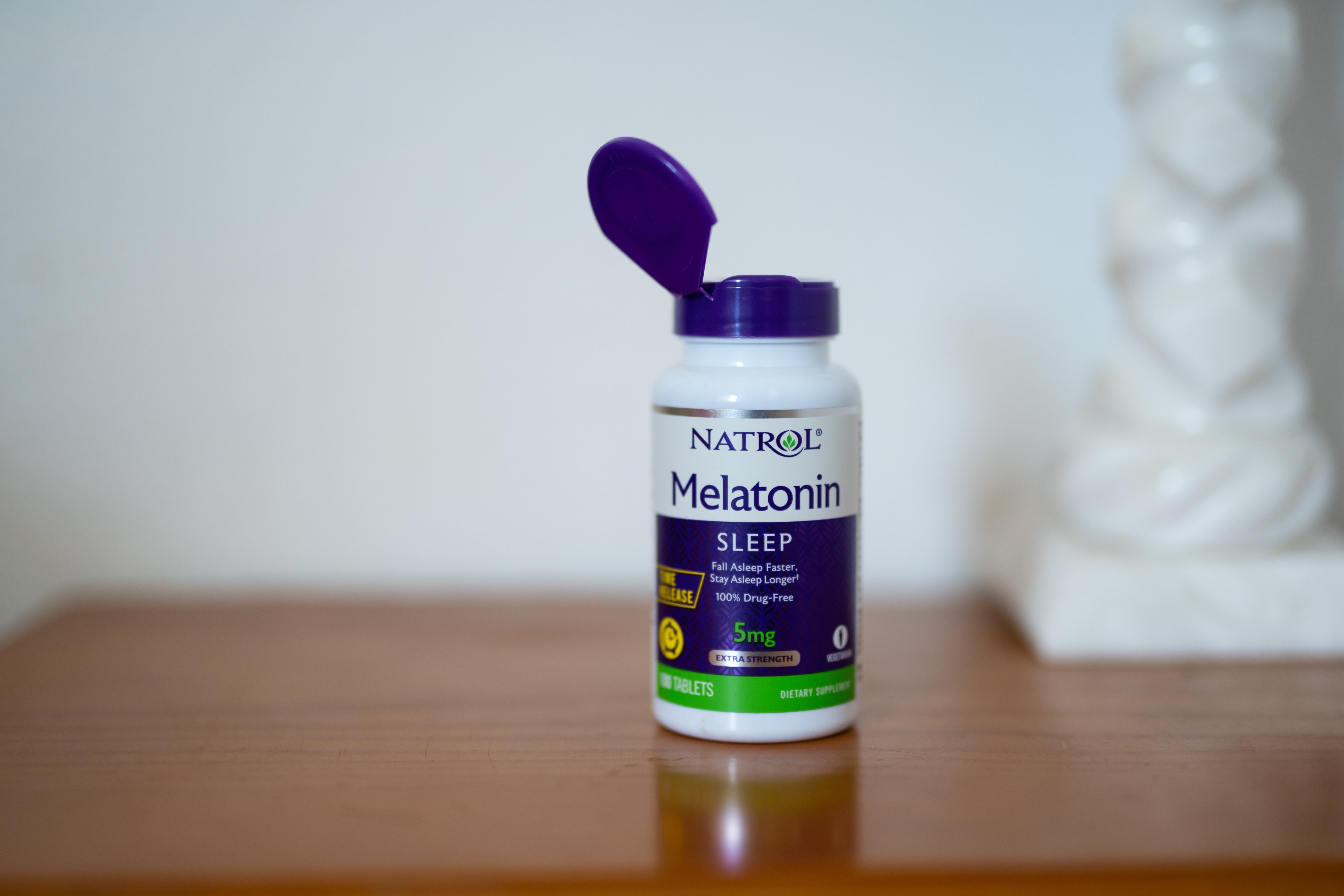
Melatonin: What You Should Know About the Sleep Hormone

Melatonin is touted in the media—as well as in pharmacies and drugstores—as THE miracle cure for insomnia, and the number of melatonin products on the shelves just keeps growing.
But what are their pros and cons, do they live up to their promises, and what role does melatonin actually play in our bodies? We’ll give you all the key information about the sleep hormone


What is melatonin?
Melatonin is a hormone produced naturally by the body that plays a key role in regulating the sleep-wake cycle (known as the circadian rhythm). The pineal gland is primarily responsible for its production.
As soon as it gets dark, melatonin enters our bloodstream in increasing doses and makes us feel sleepy. That’s why melatonin is colloquially referred to as the “sleep hormone.” Melatonin acts as an antagonist to the stress hormone cortisol, which is released in high amounts during the day to help us stay active.
Melatonin production begins around 9:00 to 10:00 p.m. The pineal gland reaches its peak secretion between 2:00 and 4:00 a.m. Afterward, it gradually reduces secretion, causing melatonin levels to drop continuously. Between 8:00 and 9:00 a.m., production is then completely halted. This allows us to wake up feeling refreshed and start the day with energy.
Due to varying light conditions throughout the seasons, the body produces and releases melatonin over a longer period during the winter months than in the summer. This is why many people experience that typical winter fatigue.
However, melatonin not only makes us feel sleepy but also performs many other functions in the body. It regulates the release of numerous hormones and controls vital bodily functions related to the sleep-wake cycle. These include, among other things, kidney function and blood pressure.


Effects of Melatonin
As soon as it gets dark, the central nervous system begins producing melatonin, which binds to specific receptors (such as blood vessels in the brain and immune system cells) and signals the body to wind down its functions. The intestines, as well as the retina in the eyes, are among the structures involved in the production of this hormone.
However, the largest amount of melatonin is produced and released by the pineal gland. Located in a part of the diencephalon, it synthesizes melatonin from serotonin—known as the “happiness hormone”—whose precursor is the amino acid L-tryptophan. And it does so in impressive quantities: While secretion is inhibited in daylight, the amount released increases twelvefold in young people and threefold in older adults when it is dark, so that the body is literally flooded with the hormone.
This process has direct effects on the entire body. It causes the production of thyroid hormones to decrease, which slows metabolism and reduces energy expenditure, and it also lowers body temperature and blood pressure. The seasonal fluctuations in melatonin production may therefore also explain why people with thyroid disorders often require a higher dose of their medication in the winter. In addition, melatonin is also thought to regulate the release of insulin. This, in turn, affects blood sugar levels, leading researchers to hypothesize that there may be a link between a melatonin deficiency and the development of type 2 diabetes. However, further research is needed on this topic.
The most important effect, however, is the aforementioned regulation of the sleep-wake cycle, which influences the ability to fall asleep and stay asleep. Deep sleep, in particular—during which we recover—is influenced by the amount of melatonin released into the bloodstream. The lower this amount, the more superficial the deep sleep and the less effective the recovery for both body and mind.


Melatonin: A Miracle Cure for Problems Falling Asleep and Staying Asleep?
Sleep problems can be a major burden for those affected. Because of its sleep-promoting effect, the hormone is therefore also used to treat sleep difficulties. It is available over the counter in pharmacies and drugstores in the form of capsules, sprays (sprayed onto the oral mucosa), coated tablets, drops, or chewable candies.
These supplements are intended to shorten the time it takes to fall asleep and promote uninterrupted sleep, for example, in cases of general sleep problems or shift work, which often disrupts the natural day-night rhythm. For the majority of the population, this rhythm typically occurs between 10 and 11 p.m. and between 6 and 7 a.m. Night and shift workers, however, work against this pattern, and artificial light at night as well as sunlight during the day—that is, during what would normally be nighttime—completely disrupt the circadian rhythm. Common consequences of this include a disrupted day-night cycle, accidents, and health problems. According to studies, the risk of developing cancer is also higher among shift workers.
Taking melatonin is said to help regulate sleep in shift workers and ensure increased alertness at work.
Melatonin can also help people traveling across two or more time zones combat jet lag. Symptoms of jet lag (insomnia, disrupted sleep, and difficulty concentrating) typically appear about 12 hours after arriving at a new location.
The correct dosage for melatonin depends on the individual, and you should always take it according to the dosage instructions in the package insert. Alternatively, you can also consult a doctor or pharmacist for more information. To be effective, melatonin-containing dietary supplements in the form of capsules, tablets, and coated tablets are usually taken about one to two hours before bedtime. According to one study, even low doses of 0.5–2 mg are sufficient for adults to mimic the body’s natural melatonin production and promote sleep. The maximum daily dose is 10 mg. If you’d like to use a melatonin spray, you generally spray one to two pumps into your mouth right before bedtime. Travelers suffering from jet lag should take a lower dose; about 0.5 mg before falling asleep is sufficient. For sprays, this corresponds to about one pump.
The effectiveness of melatonin supplements for sleep problems is not entirely uncontroversial in the medical community. While data from studies show that synthetic melatonin can help people fall asleep and stay asleep, the effects are generally quite modest. According to studies, the time it takes to fall asleep is reduced by an average of only 5 minutes, and by a maximum of 10 minutes. Even in clinical guidelines that recommend specific treatments to doctors, the use of melatonin for sleep disorders is not generally recommended due to its limited effectiveness.
The use of melatonin has been sufficiently clinically tested in research studies, particularly in older adults aged 55 and older for the treatment of sleep disorders. For younger people, there are often fewer studies available on dosing and efficacy, as it is generally known that melatonin production does not begin to decline until the age of 55


Is melatonin suitable for children?
The use of melatonin as a sleep aid for children is controversial in Germany. Furthermore, there is currently no evidence from clinical studies that melatonin is unconditionally suitable for children.
Nevertheless, a melatonin supplement called “Slenyto” has been approved since 2019 for children and adolescents aged 2 to 18. However, this mini-tablet may only be prescribed to children and adolescents who suffer from treatment-resistant sleep disorders caused by autism, who are affected by the very rare Smith-Magenis syndrome, or who have attention deficit hyperactivity disorder (ADHD). All of these conditions can lead to significant sleep disorders in children and adolescents that require treatment and can be alleviated by this medication. Before the medication is prescribed, sleep hygiene measures must have been implemented over a specific period of time without success. In studies, autistic children with sleep problems were successfully treated with 1–3 mg of melatonin, and researchers have shown that the medication extends sleep duration in these children by an average of 30 to 60 minutes.
Common side effects observed in children and adolescents taking this melatonin supplement include mood swings, aggression, drowsiness, irritability, headaches, sinus infections, sudden sleep attacks, exhaustion, and morning fatigue.
Experts recommend, especially for children, that all other sleep-promoting options be exhausted first before considering the use of melatonin. Studies also show that proper sleep hygiene can, in many cases, make the use of melatonin in children unnecessary. To help children establish sleep routines, good options include, for example, a bath before bedtime, reading a book aloud, or singing lullabies.
The use of tablets and smartphones should be off-limits in children’s bedrooms (just as it is for adults), since electronic devices emit blue light, which delays the release of melatonin and thus reduces the urge to sleep.
Under no circumstances should you administer melatonin products to your child on your own, even if they are over-the-counter dietary supplements. Only a pediatrician can determine, during a thorough consultation, whether taking a melatonin supplement is appropriate for your child, what dose is appropriate, and provide you with the necessary information about the hormone.

Is melatonin a sleep aid?
Since melatonin is closely linked to the sleep-wake cycle and significantly influences the transition between wakefulness and sleep, melatonin-containing supplements can be described as and used as sleep aids. Unlike many other prescription sleep aids, to which the body becomes accustomed, melatonin supplements are not habit-forming. This is because the sleep hormone is rapidly excreted by the body and does not cause a so-called “hangover,” a side effect that frequently occurs the next day after taking certain sleep medications.
However, it is important to distinguish between over-the-counter melatonin-containing dietary supplements available online, at drugstores, and in pharmacies, and prescription medications.
Regulatory authorities and manufacturers have been debating for many years whether melatonin products should be classified as medications or dietary supplements. This is because melatonin, as a hormonally active substance, is technically a prescription-only drug; however, the amounts in many supplements are so small that they could also be found in food (and are therefore classified as dietary supplements).
Ultimately, a court makes a case-by-case decision for each new product. According to current case law, individual manufacturers in Germany are permitted to label and market melatonin supplements with a daily dose of up to 1 mg as dietary supplements.
The various types of dietary supplements sold in Germany typically contain dosages of less than 0.3 milligrams. If a product is approved as a dietary supplement, manufacturers are not required to provide evidence of its efficacy or side effects.
Prescription melatonin supplements, on the other hand, contain 2 mg of the hormone but are reserved exclusively for people aged 55 and older. This is because clinical studies are available for this age group that confirm the drug’s efficacy. This is due to the fact that melatonin production by the pineal gland decreases with age, which is frequently associated with sleep problems—and can be treated with melatonin. However, its use is recommended only for the short-term treatment of sleep disorders. Furthermore, a prescription melatonin medication may only be prescribed if there are no other apparent causes for the sleep disorder.
In Germany, there is currently only one melatonin-based medication that is approved for use. Unlike over-the-counter products, the melatonin in a prescription preparation is released over a longer period of time (known in medicine as a sustained-release effect), allowing for a long-term effect. Sprays, pills, and similar products available without a prescription at drugstores and pharmacies, on the other hand, are broken down by the body within about an hour by enzymes in the liver.
Before using melatonin-containing supplements, it’s generally always recommended to first improve your sleep routines to ensure better sleep. These can be important tools for managing sleep problems.
Here are 7 tips to help you improve your sleep quality even before you fall asleep:
01 Relaxing Activities
Often, anxieties and worries from our personal and professional lives keep us from finding peace. Relaxation techniques can help stop the constant stream of thoughts. So incorporate conscious deep breathing, yoga, progressive muscle relaxation, fascia training, self-massage, or regular meditation into your evening routine. These can help reduce anxiety and prepare you for a restful night’s sleep

Relaxation Before Bedtime


02 Keep Electronic Devices Out of the Bedroom
Your body can only release sufficient amounts of the sleep hormone when it’s dark. So turn off all distracting light sources in the room and use blinds or curtains to ensure that no streetlights shine into your bedroom.
Even using electronic devices is enough to inhibit melatonin production. That’s because tablets, TVs, smartphones, and laptops emit blue light, which suppresses the sleep hormone and keeps us from getting tired. So these devices don’t belong in the bedroom at all.

03 Avoid coffee and alcohol
If you love coffee, you should still limit your consumption to the first half of the day. You should avoid coffee and caffeinated sodas for at least 4–6 hours before bedtime.
The reason: Caffeine raises blood pressure and heart rate and has a stimulating effect. The same applies to alcohol. Even though many people drink it as a nightcap and it may make you drowsy at first, a few hours later it leaves you wide awake in bed. Studies suggest that alcohol shortens REM sleep phases.
And those, in turn, are essential for rest, recovery, and overall good sleep quality.

04 Optimize your sleep environment
A quiet and relaxing sleep environment can work wonders when it comes to falling asleep and staying asleep. Therefore, make sure the room temperature is such that you’re neither shivering nor sweating (16–19 degrees is ideal). You should also ensure that there’s no noise or annoying sounds in your bedroom. Even the ticking of a clock can affect the quality of your sleep.
By the way, an optimal sleep environment also includes a mattress and pillows that provide optimal support for your body in every sleeping position. This is because if you wake up multiple times during the night due to an uncomfortable sleeping position, your sleep cycles start over again and again, and you won’t be able to spend enough time in the restorative deep sleep and REM phases.
Special neck support pillows can relieve pressure on the cervical spine in any sleeping position and prevent tension and stiffness—thereby ensuring optimal sleep.

05 Avoid exercising before bedtime
If you’re active during the day and really push yourself every now and then, you’ll sleep more soundly at night. However, you should definitely avoid high-intensity, stimulating workouts or cardio sessions in the evening.
That’s because a sweaty HIIT session or an intense running workout gets your body so revved up that your systems ramp up instead of winding down. For better sleep, you can instead calm your body and mind with relaxation techniques (see Tip 1).

06 Eat enough in the evening
Eating enough before bed makes perfect sense, because nothing is more annoying than waking up at night with a growling stomach. After all, when you’re hungry, the hormone ghrelin is released, which in turn triggers a sort of alarm response in the brain. Even a small snack before bed can keep this hormone in check and help you fall asleep and stay asleep.
But don’t make the mistake of stuffing yourself. Instead of winding down and preparing for sleep, your body will be busy digesting—and that can take a while.
In the evening, it’s best to eat foods that contain tryptophan. This amino acid is converted by the body into melatonin, which in turn makes us sleepy. Tryptophan is found primarily in fish and seafood, soy, milk, cocoa, bananas, and nuts. Further down in this article, we’ll explain the connection between food and melatonin in more detail.

07 Stick to a regular bedtime
You can support your natural circadian rhythm by keeping your bedtimes and wake-up times as consistent as possible. After all, irregular bedtimes completely throw your internal clock off balance.
To help your body and mind adjust to an optimal sleep-wake cycle, you should go to bed and wake up at the same time each day whenever possible.
And even though it’s tempting to sleep in late on the weekends, it’s actually better for your health to stick to regular wake-up and bedtime schedules even on your days off.


Taking Melatonin: What Side Effects Can Occur?
As a general rule, you should always follow the recommended dosage or the advice of your doctor or pharmacist when taking melatonin. In particular, pregnant women, breastfeeding mothers, and people with allergies should consult their doctor before taking melatonin and seek their advice. The long-term effects of melatonin supplements on pregnant women have not yet been sufficiently studied.
Melatonin is often considered well-tolerated. However, as with any dietary supplement or medication, side effects can occur, and their severity may vary from person to person. Below is an overview of the possible side effects that may occur when taking melatonin:
Common side effects:
- Headaches
- Dizziness
- Nausea
- Daytime drowsiness
- Dizziness
- Indigestion
- Nervousness
These side effects are common, but they usually go away once the body gets used to taking melatonin.
Occasional side effects:
- Migraines
- Abdominal pain
- Dry mouth
- Skin reactions (such as itching or rash)
- Mood swings (irritability, anxiety)
- Sleep disturbances or nightmares
- High blood pressure
These side effects occur less frequently but should be taken seriously, especially if symptoms persist.
Rare side effects:
- Depression
- Vision problems
- Memory and attention problems
- Weight gain
Although rare, these side effects can be serious in some cases and should be discussed with a doctor immediately if they occur.
Interactions with other medications:
Melatonin can interact with other medications, particularly antidepressants, sedatives, and blood pressure medications. These interactions can affect the effectiveness of the medications or increase the risk of unwanted side effects. If you take medications regularly, you should talk to your doctor before taking melatonin. Additionally, caution is advised when taking melatonin with alcohol or other sleep aids, as this can intensify the sedative effect and impair your ability to drive.
Long-term effects:
The long-term effects of melatonin, particularly with regular or high doses, have not yet been sufficiently studied. It is therefore recommended not to take melatonin for extended periods without medical supervision. If you have persistent sleep problems, you should always consult a doctor to determine the possible causes rather than relying on melatonin long-term.
Precautions:
- Melatonin can impair driving ability and reaction time. Therefore, you should refrain from driving or operating heavy machinery after taking it.
- It is important not to exceed the recommended dosage, as an overdose can intensify side effects and disrupt the natural sleep-wake cycle.
If you experience side effects or if your sleep patterns do not improve despite taking melatonin, it is advisable to consult a doctor or therapist.


Which foods contain melatonin?
There are indeed foods that can positively influence your sleep due to their nutritional content. However, these foods do not necessarily contain higher amounts of melatonin, as the hormone is present only in small amounts in most foods. Rather, they contain nutrients that stimulate melatonin production. These include, among others, the amino acid tryptophan—mentioned earlier—which serves as a precursor to the formation of serotonin and melatonin. In addition to tryptophan, the body needs vitamin B6 and magnesium from the diet as building blocks for melatonin production.
Foods that contain tryptophan, vitamin B6, and/or magnesium include, among others:
- Cheese
- Meat
- Fish (especially tuna, mackerel, and salmon)
- Potatoes
- Lentils, soybeans, chickpeas
- Legumes
- Eggs
- Nuts (such as cashews, peanuts, and almonds)
- Milk
- Tofu
- Oatmeal
- Quinoa and amaranth
- Mushrooms
- Bananas
- Sunflower seeds, pumpkin seeds, and other seeds
A few foods already contain melatonin in its “ready-to-use” form. These include sour cherries, which are a natural source of melatonin and are also rich in vitamin C. The Montmorency sour cherry, in particular, stands out from other foods with 13.5 nanograms of melatonin. Eating a handful of these cherries before bedtime is said to make you feel even sleepier and help you fall asleep more easily and stay asleep.


Melatonin: Is an overdose possible?
An overdose from taking melatonin is certainly possible. However, the thresholds at which an overdose can be considered are difficult to define. After all, there is currently no official standard dose that is still considered safe.
So while some people are more sensitive to melatonin and may experience side effects if they take too much, others may not show any reaction at all.
However, with high doses, there is a risk that the body will not have metabolized the melatonin by the next day, which can lead to drowsiness even during the day. According to a study, you generally do not need to worry about severe side effects or long-term damage from taking high doses for a short period of time.
To prevent an overdose, you should start with a low dose and gradually increase the amount you take. In general, a dose between 0.2 and 1 mg is considered a safe starting dose. However, this depends on your body weight, age, and sensitivity to melatonin.


Melatonin: Is Long-Term Use Possible?
While it is generally considered safe to take melatonin supplements every night, this is only recommended for a short period of time. This is because there has not yet been sufficient research into the long-term effects of prolonged melatonin use on the body.
According to expert recommendations, people aged 55 and older who have been prescribed a melatonin-containing medication should take it only for short-term use and for no longer than 13 weeks.
Assessing your sleep environment plays a key role in managing sleep disorders. It should be regularly monitored and optimized. We’ve provided tips on how to improve your sleep earlier in this article.


Summary
The body’s natural production of melatonin plays a key role in good sleep and should not be underestimated. Therefore, try to support your body’s production as best as possible through natural means.
Whether you choose to use melatonin supplements is, of course, up to you. Due to the lack of sufficient research, whether melatonin supplements work or not is partly a matter of personal belief. While some swear by them, others find these little sleep aids of no use at all and notice no change in their sleep. So far, no harmful effects of melatonin supplements have been proven, even though scientific opinions on the matter are highly controversial.
In principle, there’s no reason not to try melatonin-containing supplements for a short time. However, this shouldn’t become a habit. If you’ve been experiencing difficulty falling asleep or staying asleep for more than 4 weeks—to the point where it’s affecting your quality of life—you should see a doctor just to be safe. Before taking any supplements, a simple check-up can help clarify whether you might be suffering from a sleep disorder that requires treatment. You can also gain an initial overview of your sleep patterns by monitoring your sleep with sleep trackers or sleep apps and discuss the results with your doctor.