Cold Therapy for Recovery and Health – What’s the Truth?

Ice baths on social media, cryo chambers at the gym, cold plunges as the latest biohacking trend: cold therapy is booming. From elite athletes to health-conscious individuals looking to get more out of their daily lives, more and more people are voluntarily immersing themselves in cold water. The promises include faster recovery, better sleep, mental clarity, a good mood, and even a longer life—also known as longevity. But which of these claims are scientifically proven? What are the benefits of cold therapy, and what risks should you be aware of when you voluntarily expose yourself to the cold? We’ll take a look behind the scenes for you.
What is cold therapy?
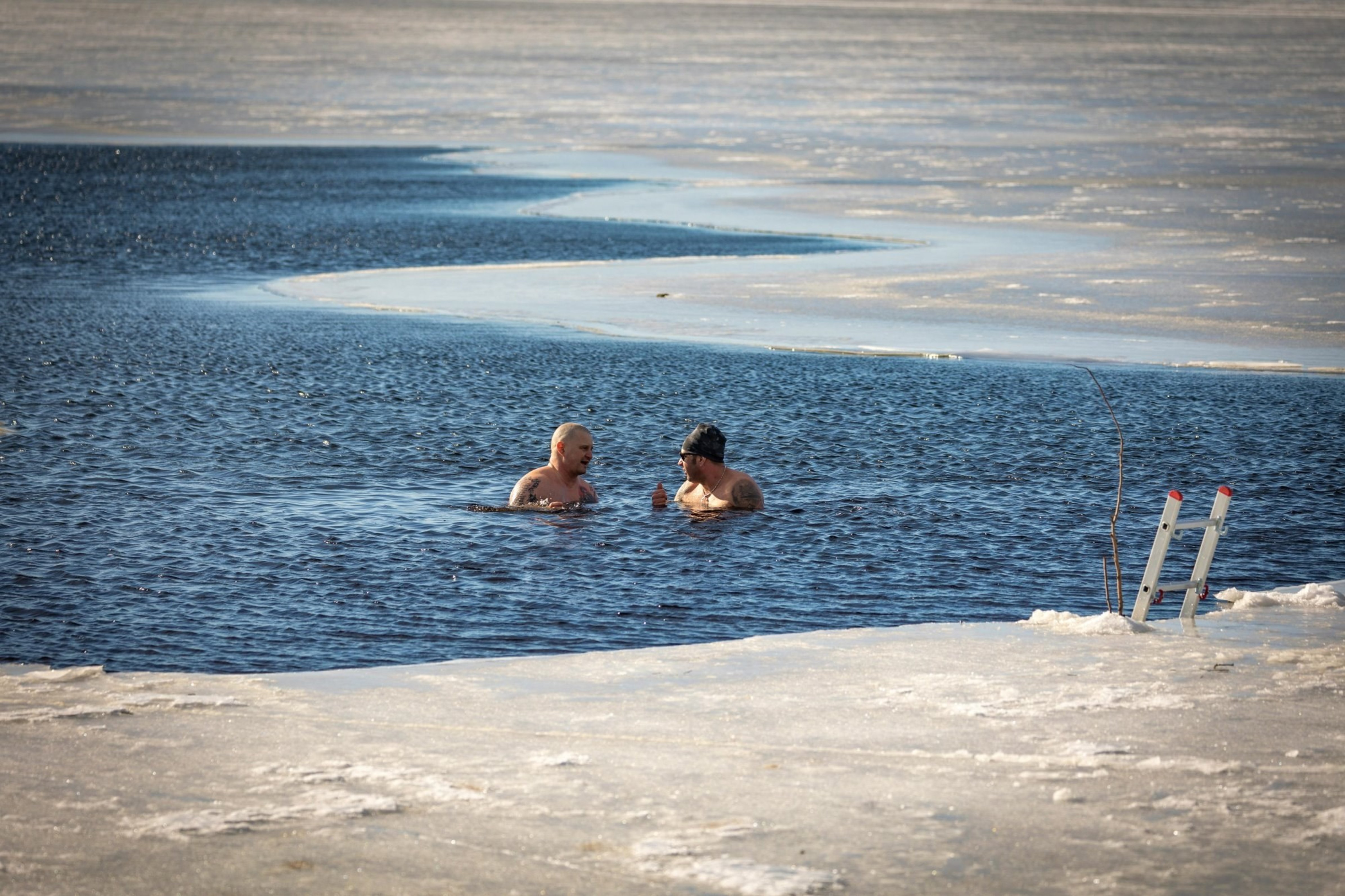
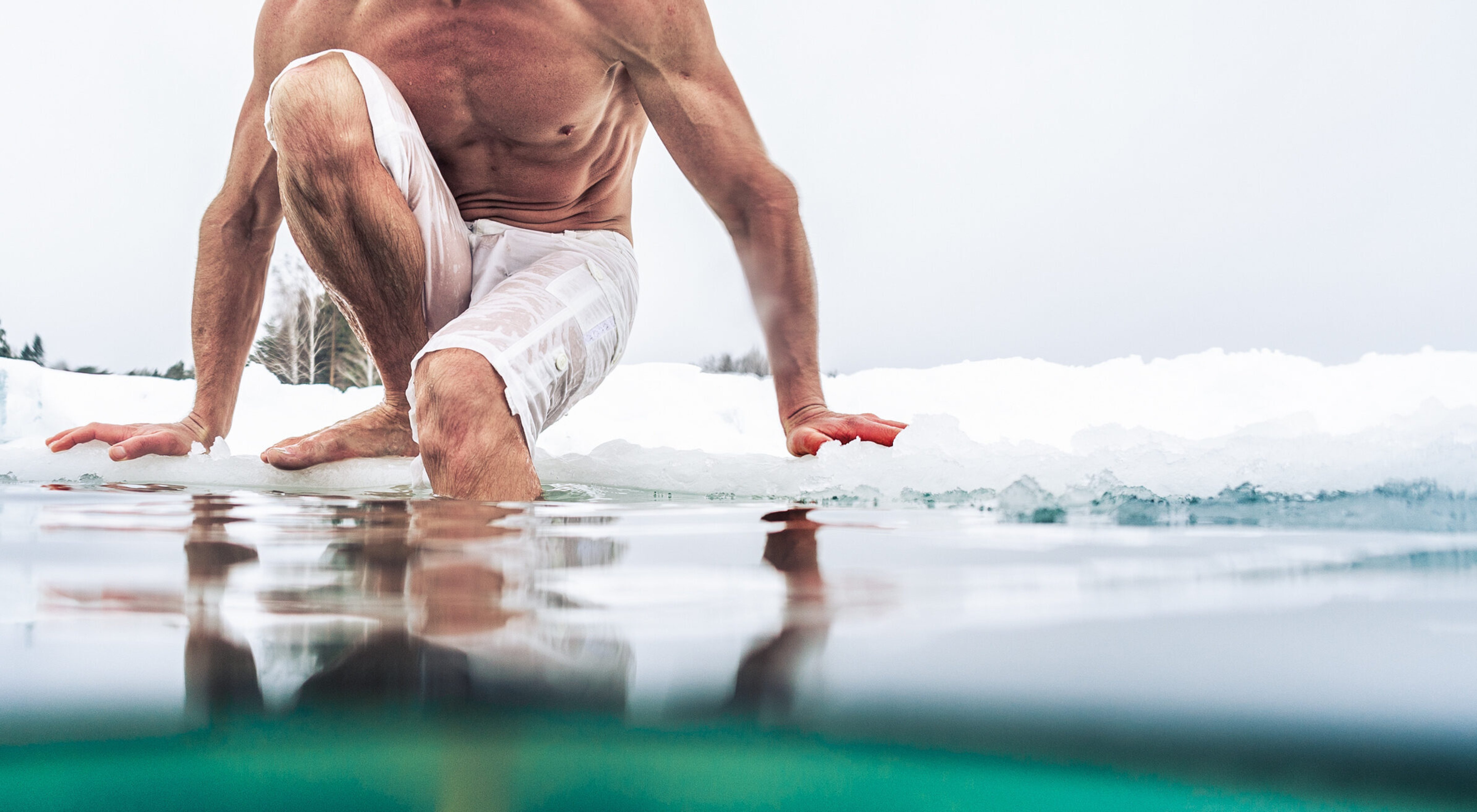
Cold therapy refers to the targeted application of cold to the body to achieve specific physiological effects. Among other things, it is said to promote faster recovery, relieve pain, improve mood, and boost metabolism. Methods range from cold showers and ice baths ( cold plunge, also known as cold water immersion or CWI for short) to professional treatments such as whole-body cryotherapy (WBC).
It is important to distinguish between cold therapy and cryotherapy:
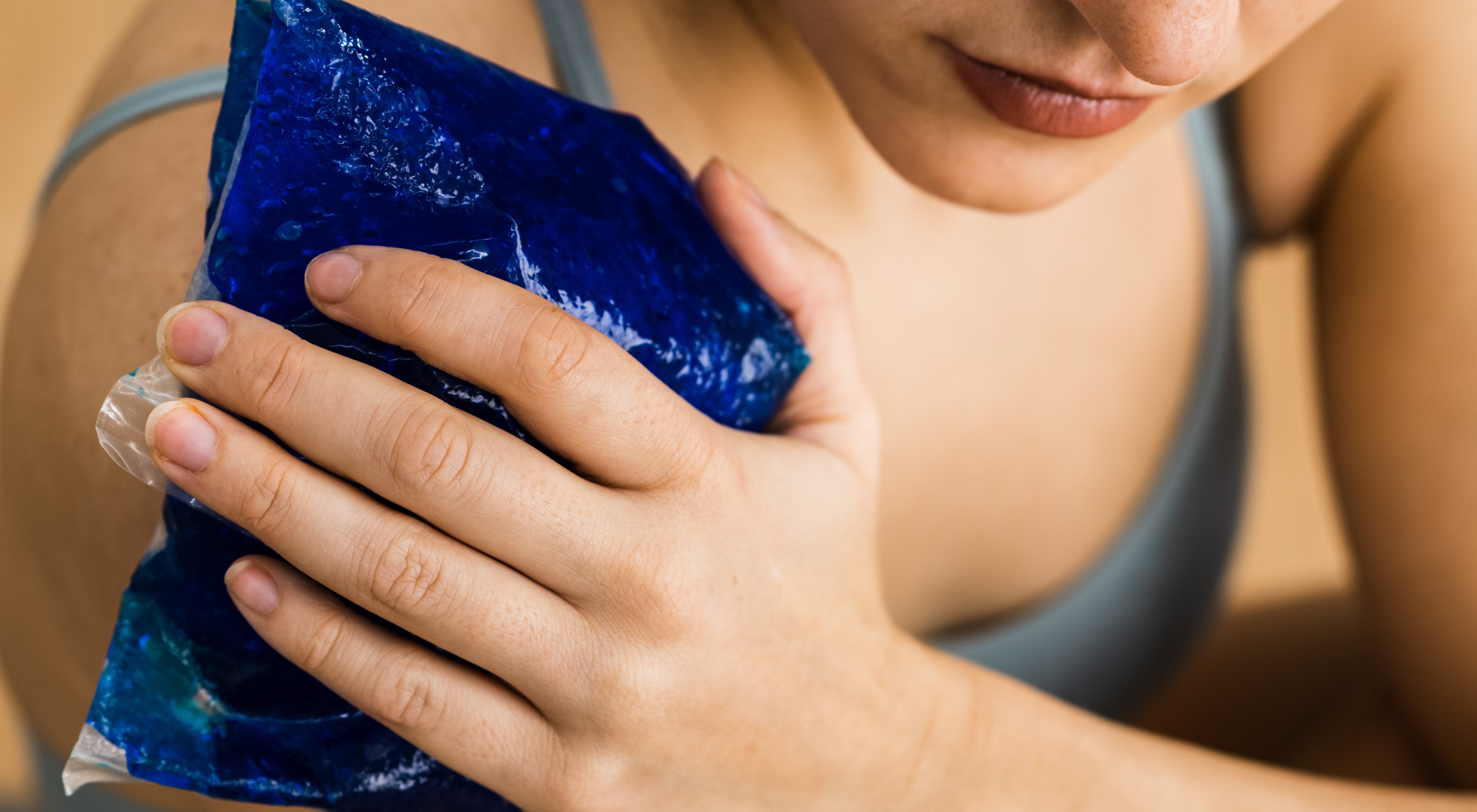
- Cold therapy is the umbrella term for all applications involving cold —whether local (e.g., cold packs), partial-body, or whole-body, in water or air.
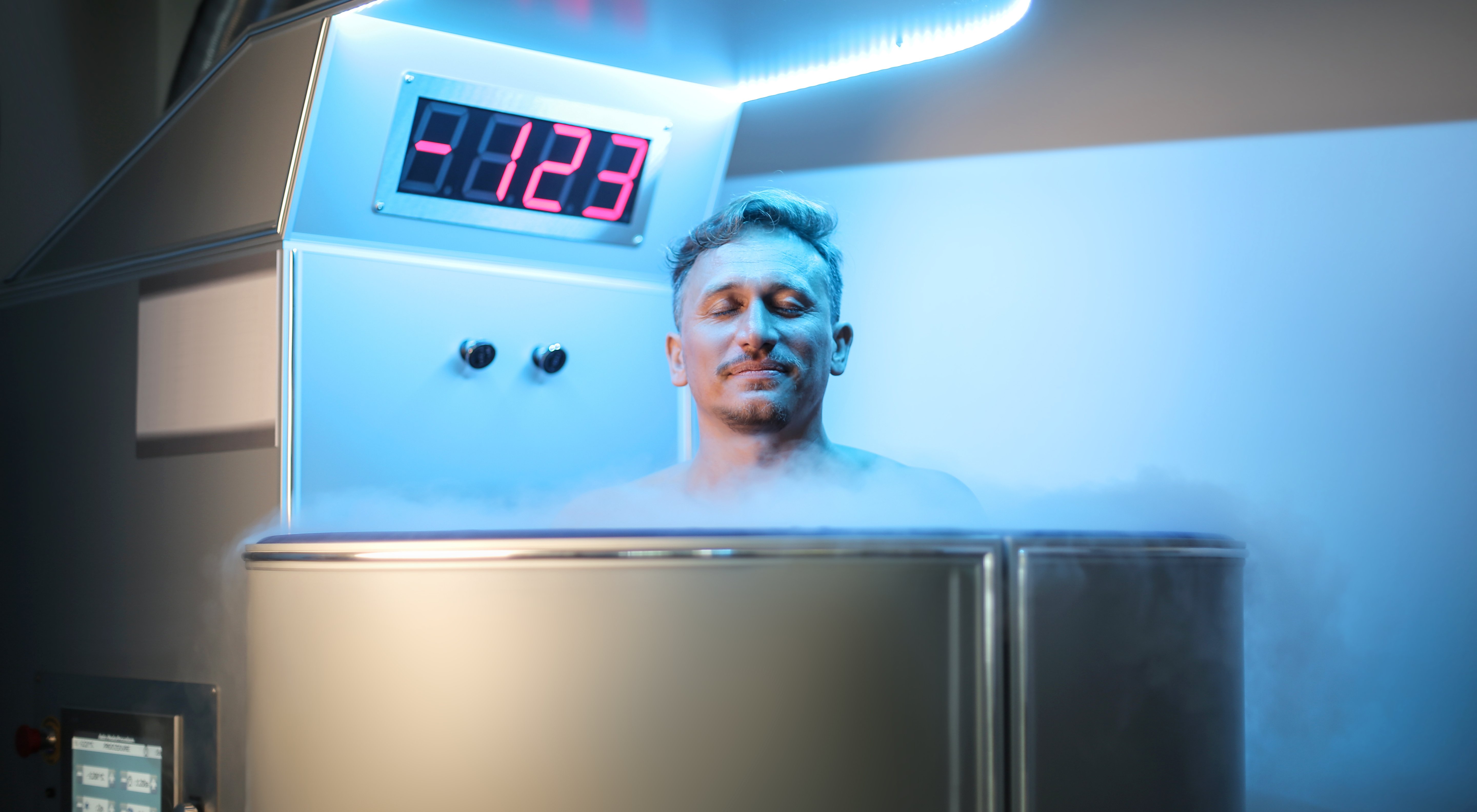
- Cryotherapy specifically refers to the application of extremely cold, dry air (usually between –110°C and –140°C) in a so-called cold chamber. It lasts for a few minutes and is always performed under professional supervision.
While a cold plunge is easily accessible at home or at the gym, cryotherapy is a more technically complex method that is used, for example, in rehabilitation centers or biohacking studios.


How cold affects the body
When the body is suddenly exposed to cold, a lot happens:
- Vasoconstriction: The blood vessels constrict to retain body heat.
- Noradrenaline release: Levels of this stress hormone rise rapidly, which can make us more alert, focused, and even in a better mood.
- Thermogenesis: The body begins to produce heat—through shivering or the activation of brown adipose tissue.
- Hormesis: Sudden cold triggers what’s known as hormesis—a positive adaptive response by the body to mild, controlled stressors. Similar to strength training, where muscles become stronger through exertion, cold can also help make the body more robust and resilient in the long term.
These mechanisms form the physiological basis for the diverse effects attributed to cold therapy.
Benefits of cold therapy: What’s the truth behind the claims?
Cold is often marketed as a miracle cure— for sore muscles, bad moods, excess fat, and even age-related ailments and depression. But which of these effects are actually scientifically proven? And where is there more hype than substance? A look at the research shows that there are areas where cold clearly delivers results—and others where we should take a closer look.
Cold Therapy for Sore Muscles & Pain
Ice baths after exercise can significantly reduce muscle soreness and fatigue—as numerous studies show. Cold water baths, in particular, help restore muscle performance more quickly. An ice bath is most effective when it lasts 10–15 minutes and the water temperature is between 10 and 15°C —ideally within one day of exercise.
A well-known example from professional sports is Per Mertesacker’s legendary “ice tub interview” during the 2014 World Cup. His line, “I’m going to lie in the ice tub for three days now…” went viral and became a social media sensation. The scene symbolizes just how much of a given ice baths are for recovery in professional sports .
The modern cold chamber is also popular among many athletes—though studies show that it doesn’t have significantly stronger effects than a traditional ice bath. So if you’re relying on cold for recovery, you don’t necessarily need to turn to high-tech solutions—a basin of cold water is often perfectly sufficient.
Mood & Mental Health
Many people report feeling a real energy boost after a cold bath—and there’s a good reason for that: After exposure to cold, the body releases more norepinephrine and dopamine, two neurotransmitters that lift our mood and make us more alert. Studies even show that regular exposure to cold can alleviate symptoms of depression. People who regularly take cold showers or ice baths often experience greater clarity, focus—and sometimes even a genuine sense of happiness.
Metabolism & Insulin Sensitivity
Cold gets our metabolism going. This activates what’s known as brown adipose tissue —a special type of fat that produces heat and burns energy in the process. This process can have a positive effect on blood sugar, especially in people with type 2 diabetes, as it can improve insulin sensitivity.
However, it’s important to note that whilethe effect on calorie expenditure from the activation of brown adipose tissue has been scientifically proven, it is relatively minor in practice. Cold therapy is therefore only a supportive strategy for weight loss—and by no means the sole one. Anyone who is serious about losing fat should continue to rely on a combination of diet, exercise, and long-term lifestyle changes—cold therapy can complement these efforts but cannot replace them.
Immune Function
Whether cold can strengthen the immune system has not yet been conclusively proven. Studies do show that certain inflammatory markers in the blood change in the short term and that acute cold stimuli can activate the immune system. However, whether and to what extent these effects have a positive long-term impact on the immune system has not yet been conclusively clarified by science.
Cold and Longevity
There are also interesting research findings regarding longevity: Initial animal studies suggest that regular exposure to cold could have positive effects on lifespan. However, there is currently a lack of convincing long-term clinical data in humans—the applicability of these findings remains unclear.
You might also be interested in: Longevity: The Key to a Long and Healthy Life

Risks & Limitations of Cold Therapy
As refreshing and beneficial as cold therapy may be, it is not a cure-all and is not suitable for everyone. If you use cold therapy incorrectly or without caution, you risk doing more harm than good. It’s important to know when and how to use cold therapy effectively— and when it’s better to avoid it.
General Note: To avoid risks such as hypothermia, you should always limit the duration of your cold treatments, never do them alone, and increase the intensity gradually.
Important points to keep in mind when ice bathing and similar activities:
- Not immediately after strength training: If you get into an ice bath right after weight training, you may slow down the desired muscle growth (hypertrophy). Cold reduces inflammatory processes—which helps with muscle soreness but also inhibits adaptive responses that are important for muscle growth.
- Caution for those with pre-existing conditions: People with cardiovascular problems, high blood pressure, or other chronic conditions should definitely seek medical advice before cold training. The abrupt cold stimulus can put a heavy strain on the circulatory system.
- May be counterproductive in cases of chronic stress: People suffering from chronic stress shouldalso take a closer look: While cold has a short-term stimulating effect and can promote the release of norepinephrine—which is often perceived as a soothing “energy boost”— At the same time, however, cold is also an acute stressor for the body—which may be counterproductive for those with already chronically elevated cortisol levels.
- Risk of hypothermia: Anyone who exposes themselves to cold for too long or too intensely—for example, in water that’s too cold or without acclimatizing first—can become hypothermic or develop circulatory problems. Therefore, the rule is: Always exercise moderation and, ideally, start under supervision.
- Research findings are inconclusive: While there are many positive testimonials and some well-founded studies, there is often a lack of standardized protocols. How long, how cold, how often—many questions have not yet been conclusively answered by science. Additionally, placebo effects can play a role when positive expectations influence the outcome.
Cold therapy is an effective tool—but as with any tool, it should be used with knowledge, care, and a clear goal in mind. Those who follow proven recommendations can benefit greatly—but blind enthusiasm won’t help here.
Start the Day Off Right with Proper Recovery During Sleep
Application: How Cold Therapy Makes Sense
Cold therapy works best when used in a targeted and properly dosed manner. It doesn’t have to be an ice bath in a lake or a high-tech cold chamber right away. There are various ways to integrate cold into your personal health routine—depending on your experience, goals, and daily life. Here’s your BLACKROLL cold therapy protocol:
For Beginners: Cold Showers
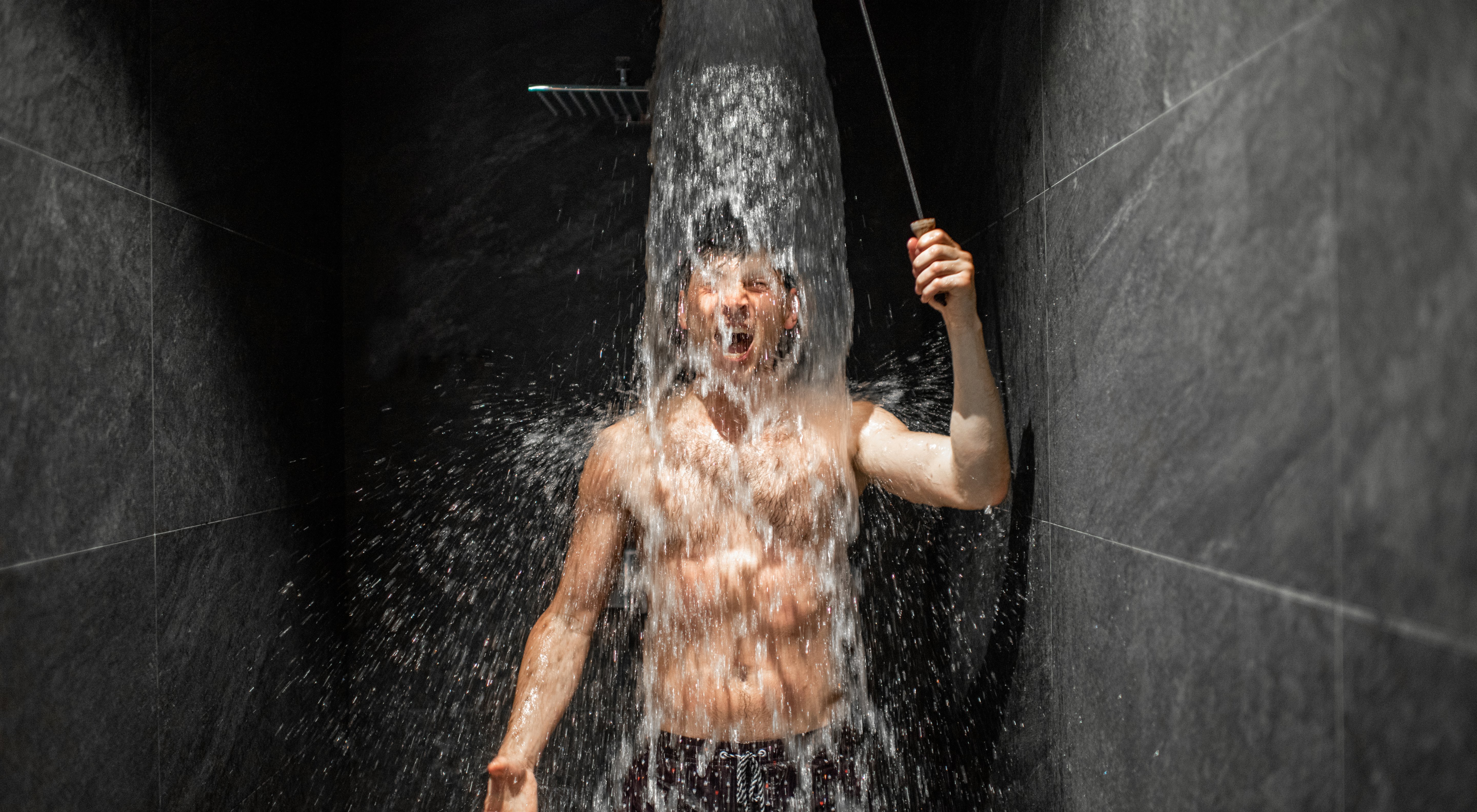
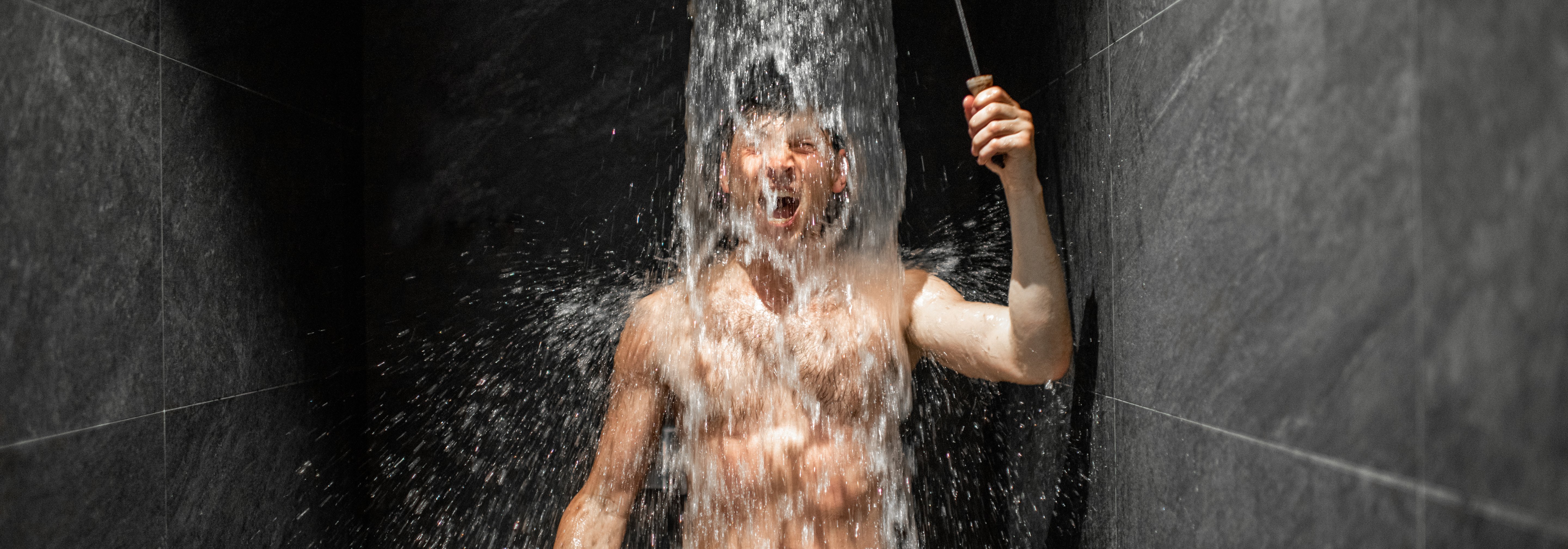
If you’re new to cold therapy, you can start with cold showers. Just 30–60 seconds at the end of your regular shower is enough to feel the initial effects—for example, on stress resilience, the immune system, or mental clarity. This is due, in part, to the increased release of norepinephrine triggered by cold, which boosts circulation and clears your mind.
Cold Showers—Effects at a Glance:
- Strengthening the body’s natural defenses
- Increased energy and focus in the morning
- Gradual acclimatization to cold stimuli
- Improved stress resilience in everyday life
For Targeted Recovery: Cold Water Baths and Cryotherapy
After exercise or on particularly demanding days, you can use cold specifically for recovery —especially in the form of cold water immersion or high-intensity cryotherapy. An overview of both methods:
Cold Water Immersion (CWI):
- Duration: 10–15 minutes
- Temperature: 10–15°C
- Application: Within 1–24 hours after intense exercise
- Possible effects: Relief from muscle soreness, faster recovery, positive impact on insulin sensitivity and mood
Whole-Body Cryotherapy (WBC):
- Duration: 2–3 minutes
- Temperature: -110 to -140°C
- Usage: Only under professional supervision in certified cryochambers
- Possible effects: Highly stimulating, beneficial for mental health and recovery—similar to ice bathing, but shorter and drier
Strategically Integrating Cold Therapy—Timing Is Key
As effective as cold therapy can be, its impact depends heavily on the right timing. Timing is a key factor, especially when combined with physical exercise. This is because not every cold therapy application is suitable for every type of training.
After endurance and interval training
After an intense run, a bike ride, or a HIIT session, a cold plunge or a cold chamber can specifically support recovery. The cold stimulus helps reduce inflammation in the body, promotes blood circulation, and ensures that the body recovers more quickly. Especially with regular training, this can help maintain performance in the long term.
After strength training
The situation is different after strength training. Here, cold can be counterproductive —especially if the goal is muscle building . Studies show that direct exposure to cold after a workout can weaken the body’s own repair and adaptation processes. So if you want to build muscle, it’s better to postpone the ice bath to a later time.
Cold Therapy Combined with Mobility & Fascia Training
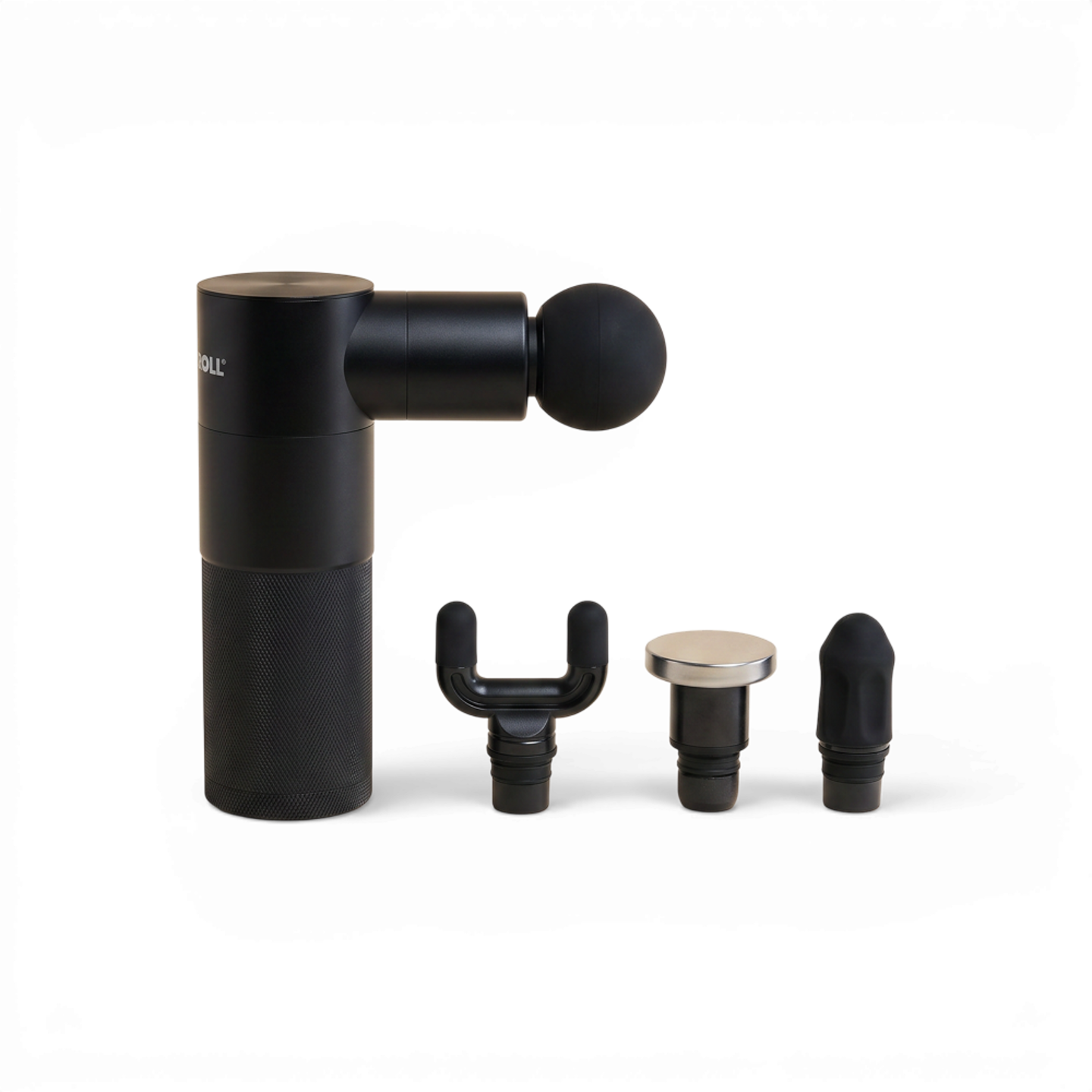
Cold therapy is particularly effective when combined with active recovery —for example, through mobility and fascia work using BLACKROLL tools.
The order is crucial: mobilize first, then cool. The preparatory fascia training activates the tissue and promotes blood circulation. The subsequent cold stimulus then has a more targeted effect, making recovery even more effective. This combination brings together movement, body awareness, and targeted stimuli—a holistic approach for more energy, less muscle soreness, and better mobility.
Heat or cold for recovery—when does each help? Learn more in our guide to thermotherapy.

Conclusion: Cold is a tool, not a miracle cure
Cold therapy offers a whole range of benefits—especially when it comes to post-workout recovery, mood enhancement, and positive effects on metabolism . Those who regularly use cold therapy can improve their ability to recover, boost their well-being, and even strengthen their mental resilience.
At the same time, it’s important to keep expectations realistic. Claims of drastic fat loss, a significant immune boost, or even extended life expectancy are not currently supported by clear scientific evidence—and should be viewed with a critical eye. In these cases, there’s often more hype than solid evidence.
The key to success is a sensible approach to cold exposure: that is, the right dose, the right timing, and an individually tailored application. In this context, less is often more—the body needs stimulation, but also time to adapt.
As part of a holistic recovery strategy, cold therapy can ultimately make a real difference. When combined with targeted exercise—for example, fascia and mobility exercises using BLACKROLL tools—a cohesive approach emerges: activate, increase blood flow, then cool down. This not only strengthens the body but also enhances body awareness—leading to more energy in daily life, fewer aches and pains, and better long-term health.
FAQs
What is cold therapy?
Cold therapy is the targeted application of cold to the body to achieve health-promoting effects—such as improved recovery, pain relief, mental alertness, or increased metabolism. Depending on the method, this can include cold showers, ice baths, or cryotherapy in a cold chamber. The key factors are duration, temperature, and the intended goal—as well as regular, controlled use. Cold therapy works through targeted stimulation, activating various systems in the body.
How often should I use cold therapy?
Just 2–4 sessions per week are enough to feel noticeable effects. Cold showers can even be taken daily. It’s important to listen to your body—if you feel constantly exhausted or stressed, you should plan in breaks.
Is ice bathing healthier than cold showers?
Both can be effective. Ice baths have a more intense effect and are particularly helpful after exercise. Cold showers are suitable for everyday use and ideal for beginners. The choice depends on your goals, activity level, and experience.
What are some common beginner mistakes in cold therapy?
Too long, too cold, too fast: Common mistakes include pushing yourself too hard, poor timing (e.g., immediately after strength training), and not allowing your body to adjust. Build up slowly and never force yourself to freeze—cold should stimulate, not harm.
Can cold therapy help with weight loss?
Cold activates brown fat and temporarily boosts metabolism. In the long term, however, it is no substitute for a healthy diet or exercise. Cold therapy is only effective as a supportive measure for weight loss.
Can cold really strengthen the immune system?
There is evidence that short-term exposure to cold reduces inflammation markers and activates the immune system. Whether this leads to greater protection against infections in the long term has not yet been conclusively proven—it’s possible, but not guaranteed.
Sources:
- Moore et al. (2022). Cold-Water Immersion: Recovery & Muscle Soreness. Sports Med
- Rymaszewska et al. (2020). WBC as Add-On Therapy for Depression. Front Psychiatry
- Hanssen et al. (2015). Cold Acclimation Improves Insulin Sensitivity. Nat Med
- Roberts et al. (2015). CWI Blunts Muscle Growth. J Physiol
- Pawlowska et al. (2021). Cold Therapy & Inflammation. J Clin Med