Sleep Your Way to Health: More Than Just a Saying

“Sleep yourself healthy” is a saying you hear time and time again when you have a cold, are suffering from an injury, or have undergone surgery. However, this isn’t just a well-meaning wish for a speedy recovery—it’s a genuine therapeutic recommendation. What many people underestimate is that while we sleep, our bodies heal and regenerate so that we can get well again.
Sleep Your Way to Health—Why Sleep Is Important for Your Health
The well-meaning advice “Sleep yourself healthy” actually sounds very trite—after all, when we’re sick, we tend to think of medication and hot tea. In fact, however, sleep is a key factor in our health. Whether you’re just coming down with a mild cold, have recently undergone surgery, or are mentally pushed to your limits by too much stress: Sleep is the best medicine, and healthy sleep is the best prevention. So you can actually sleep your way back to health when you’re sick.
In addition to a balanced diet, staying well-hydrated, getting plenty of exercise, and avoiding alcohol and cigarettes, researchers are increasingly focusing on the topic of sleep. Lack of sleep not only has a negative impact on mental health and resilience but also increases the risk of cardiovascular disease and stroke. A Dutch study shows that seven or more hours of sleep per night can reduce the risk of illness by 83 percent. Scientists in Chicago had previously found that getting less than six hours of sleep doubles the risk of heart attack and stroke. A sleep deficit also increases susceptibility to infections, inflammation, high blood pressure, obesity, diabetes, and dementia.
Poor or insufficient sleep can make you sick—and not just from chronic sleep deprivation, but even from short-term sleep loss. The good news: After a few sleepless nights, you can “sleep your way back to health” by making up for your sleep deficit with a few long nights of sleep. However, consistently sleeping more than eight hours a night isn’t good for your body either. That’s because chronic oversleeping also affects heart health.


What the Body Does While We Sleep: The Effects of Sleep on Our Immune System
Healthy sleep prevents illness and keeps you mentally fit. Scientists even refer to sleep as a healing process through which the body restores itself to health. To understand why sleep is so important for our health, it’s worth taking a closer look at what the body actually does while we sleep. Because while we snuggle into our cozy beds and drift off to dreamland, our bodies and brains remain active and switch into regeneration mode:
- Important processes take place during sleep, including cell growth, regeneration, and wound healing.
- Various hormones, such as melatonin and somatropin, are released. As an antioxidant, melatonin helps reduce oxidative stress. Somatropin stimulates bone and body growth and plays an important role in cell repair.
- The brain processes the day’s information.
- The immune system is strengthened.
- The heart can recover during sleep.
- Energy stores are replenished.
In 2019, scientists from Germany discovered how sleep affects our immune system: In a study, they examined the adhesion capacity of the T-cells in our immune system—that is, their ability to bind to other cells. This is extremely important so that T-cells can attach to infected cells and neutralize them. Compared to the control group, which was allowed to sleep during the experiment, this adhesion ability decreased significantly in the experimental group that was sleep-deprived. This proves that the immune system is weakened by too little sleep and that a lack of sleep makes us more susceptible to infections. It also explains why sleep is especially important when we’re sick.
“Get well soon and good night”: How to Get Healthy While You Sleep
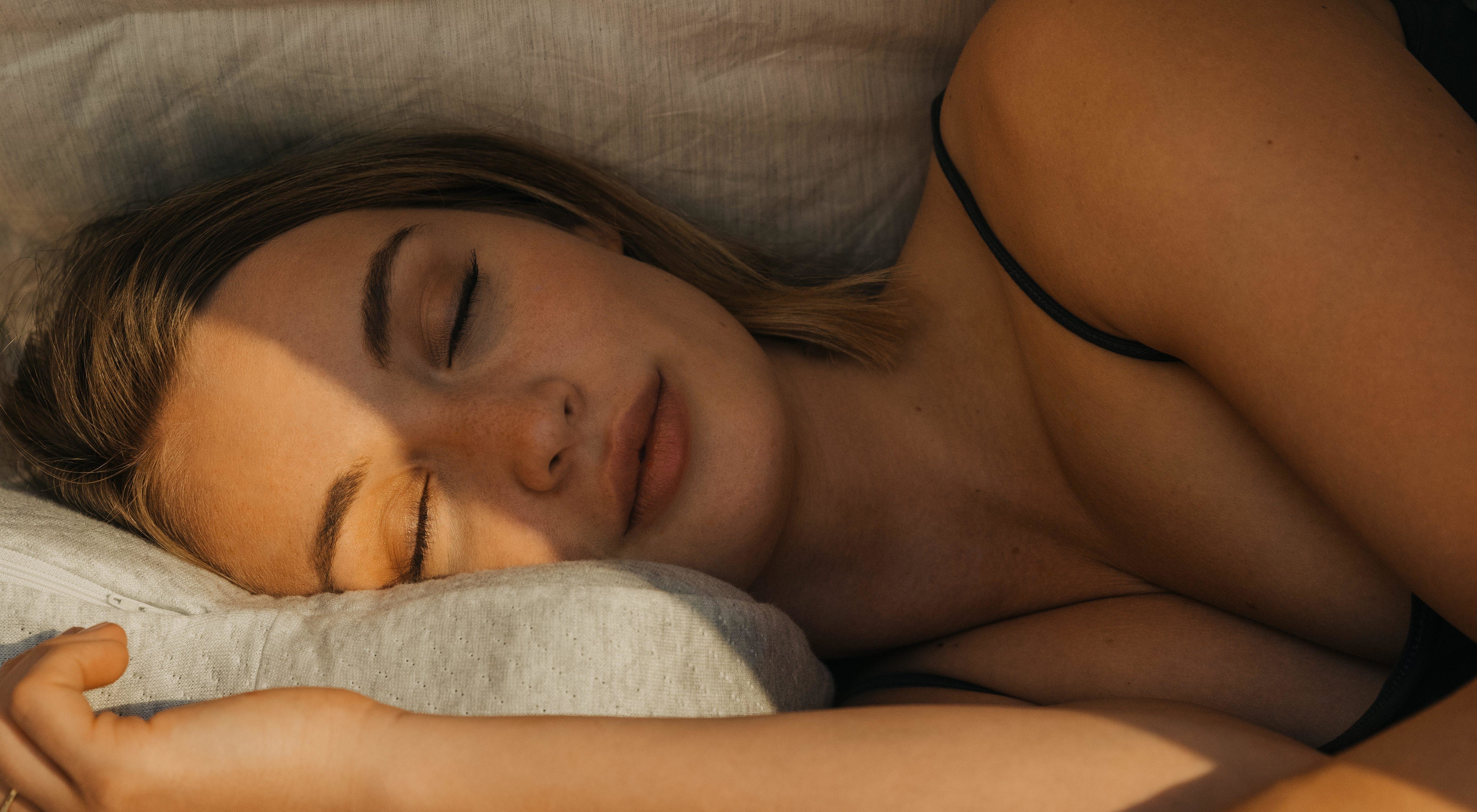
You usually only hear “Get well soon” when you’re sick. Yet every night, a healing process takes place that we don’t truly appreciate unless we’re already experiencing symptoms of illness. We should actually wish ourselves “Get well soon and good night” every evening before falling asleep. Because with good sleep hygiene, your body repairs itself every night, your mind processes the day’s experiences, and you get healthy while you sleep. The most important factors for your sleep hygiene:
- a regular sleep-wake cycle
- the right mattress
- the right comforter
- comfortable bedding
- a darkened room
- enough oxygen in the air
- the right sleeping temperature
- optimal humidity
- Avoiding electronic devices such as smartphones, tablets, and televisions in the bedroom
These tips will help you promote healthy sleep in your daily life and resolve sleep problems and sleep disorders. It’s also recommended to avoid alcohol, caffeine, and heavy meals in the evening so as not to distract your body from its natural healing process. Smoking also has a negative effect on sleep quality. Instead, you should incorporate regular exercise and physical activity into your daily routine, spend plenty of time outdoors, and ensure you get enough relaxation.
Sleeping Well Despite Illness: Tips and Tricks
Our sleep hygiene determines how well we sleep each night and how we recover from the stresses and strains of everyday life. But how can you get a good night’s sleep again when you’re sick? There are tips and tricks even for nights with a stuffy nose, joint pain, or a fresh wound:
- Take special needs into account: In addition to your regular sleep hygiene, when you’re sick or injured, you should prepare for a good night’s rest and pay attention to your body’s specific needs. What does your body need? And how can you support it with aids?
- Adjust your sleeping position: If you have a cold or the flu with a cough, the best sleeping position is with your upper body elevated. This is because the urge to cough often doesn’t kick in until you’re lying flat, which can keep you from sleeping. However, if you lie slightly elevated, mucus from your lower respiratory tract won’t rise up. A knee injury, acute back problems, or a broken arm also require an adjusted sleeping position—for example, by placing a pillow under the knee joint or to support the injured arm.
- Natural sleep aids: To help you sleep better when you have a cold or the flu, you can drink a cup of herbal tea in the evening made from herbs such as hops, lemon balm, or valerian. Lavender, whether as an essential oil, room spray, or scented pillow, can also help you fall asleep more easily.
- Preventing snoring: If your nose is congested due to a cold, you automatically breathe through your mouth while sleeping to get enough air. To prevent this, you should clear your nose before going to bed. A decongestant nasal spray provides quick relief, but it should not be used for longer than a week. Natural home remedies include nasal rinses or nasal sprays with pure sea salt, which reduce swelling in the mucous membranes and clear the upper respiratory tract. Inhalations with menthol, mint, or eucalyptus are also effective.
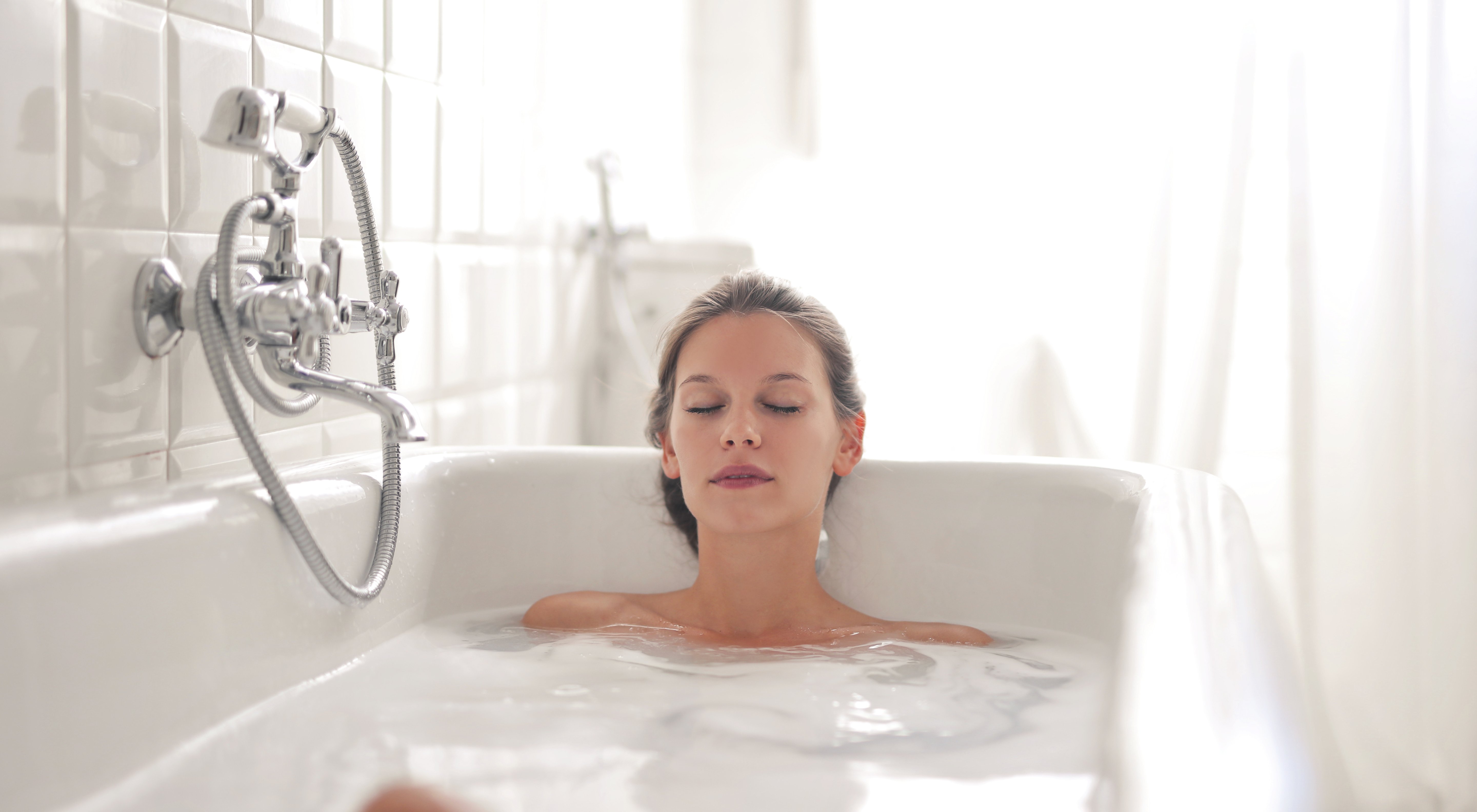
- Hot bath: A hot bath about two hours before bedtime promotes relaxation. The heat relieves tension, and the steam clears the upper respiratory tract. Bath additives containing essential oils such as eucalyptus and menthol enhance this effect.
The Importance of Sleep Stages During Illness
Our sleep goes through various sleep stages:
- Fall-asleep phase: During the fall-asleep phase, the body prepares for sleep. It is a transition between wakefulness and sleep.
- Light sleep: In the second sleep stage, we drift into light sleep. Brain activity gradually decreases.
- Deep sleep: We then drift into deep sleep, from which we are not easily awakened by soft noises.
- REM phase: This is followed by the REM phase, short for Rapid Eye Movement. During this phase, the brain processes the day’s experiences and we dream. Sleep becomes lighter again.
These four phases make up a sleep cycle lasting about 90 to 110 minutes. Four to five such cycles occur each night, with deep sleep becoming shorter in each cycle, while the REM phase becomes longer. Cell repair, healing processes, and immune system regulation take place primarily during the deep sleep phase. Data from sleep research shows that the first five hours of nighttime sleep play the most significant role in recovery, as deep sleep is particularly intense during this time. If you’re sick or injured, you should therefore promote falling asleep to quickly enter this valuable deep sleep—for example, by taking a relaxing bath in the evening, adopting a comfortable sleeping position, and ensuring your airways are clear.
It’s not just the duration of sleep that’s crucial for health, but also the quality of sleep. Someone who spends eight hours in bed but has difficulty entering the deep sleep phase usually feels only slightly rested.

Is an afternoon nap healthy?
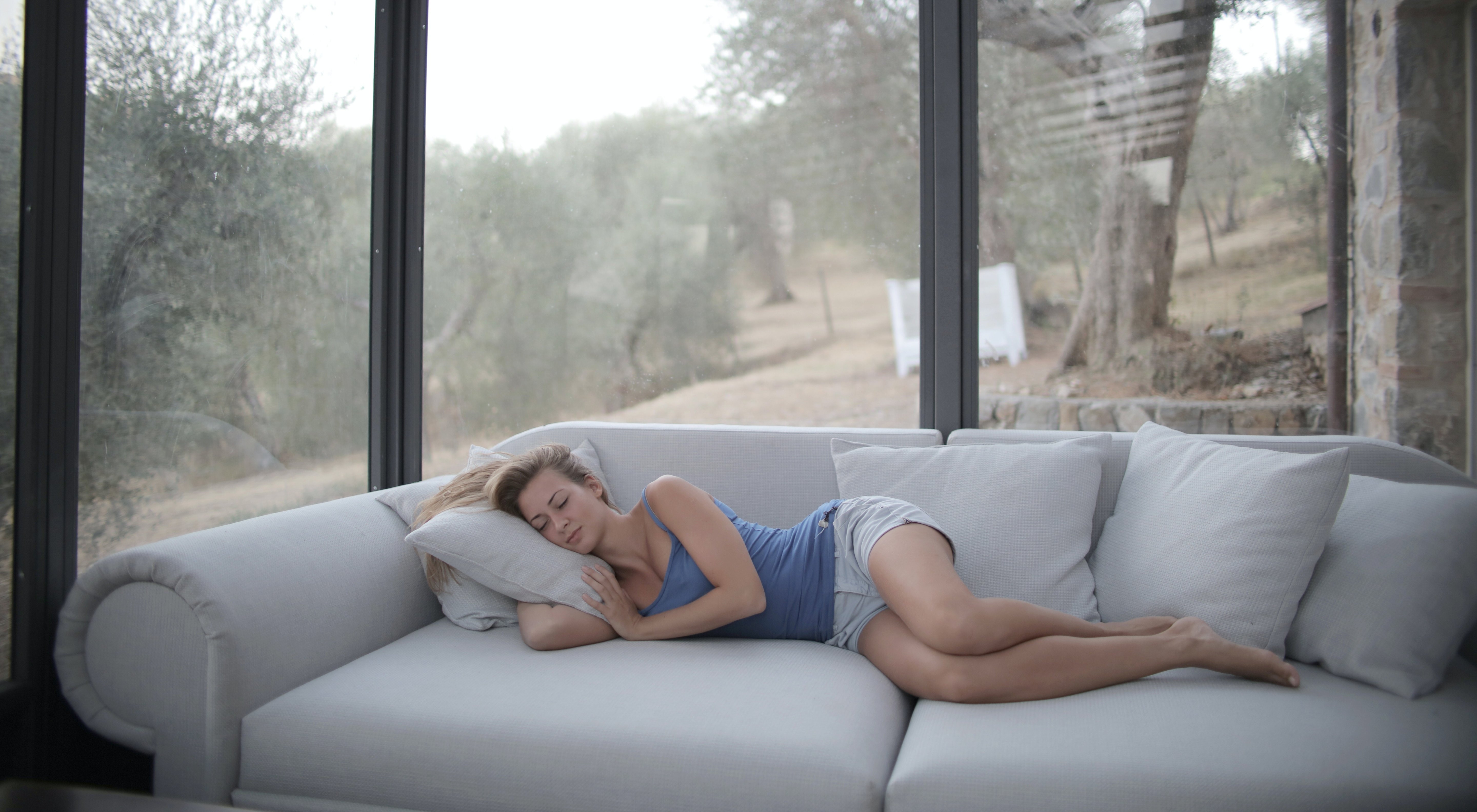
An afternoon nap is healthy if your body craves it. When you’re sick, your body needs more sleep to fight off viruses and bacteria, boost cell regeneration, and flush out toxins. In other words, if you’re sick, you feel tired because your immune system is working overtime. This tiredness is a clear sign that you should lie down and close your eyes. When you’re sick, this happens not only at night during your usual sleeping hours, but also during the day. That’s because, in the fight against infection, your immune system doesn’t take the time of day or your personal comfort into account. It uses all its energy to protect your body and help you get well again.
Even if you’re not sick, an afternoon nap can be healthy. If you happened to sleep poorly one night, you might feel tired around noon. In that case, treat yourself to a half-hour nap so you can feel refreshed and ready to perform afterward. For children and older adults, an afternoon nap is a natural part of daily life. That’s why you, too, should listen to your body’s signals and make the afternoon nap part of your routine.
However, it can be counterproductive if you generally have trouble falling asleep or staying asleep at night. In that case, you should stay awake during the day so you’ll be properly tired in the evening. Even if you feel less productive after a nap than you did before, it means the nap isn’t in sync with your circadian rhythm.
Sleep Disorders During Illness
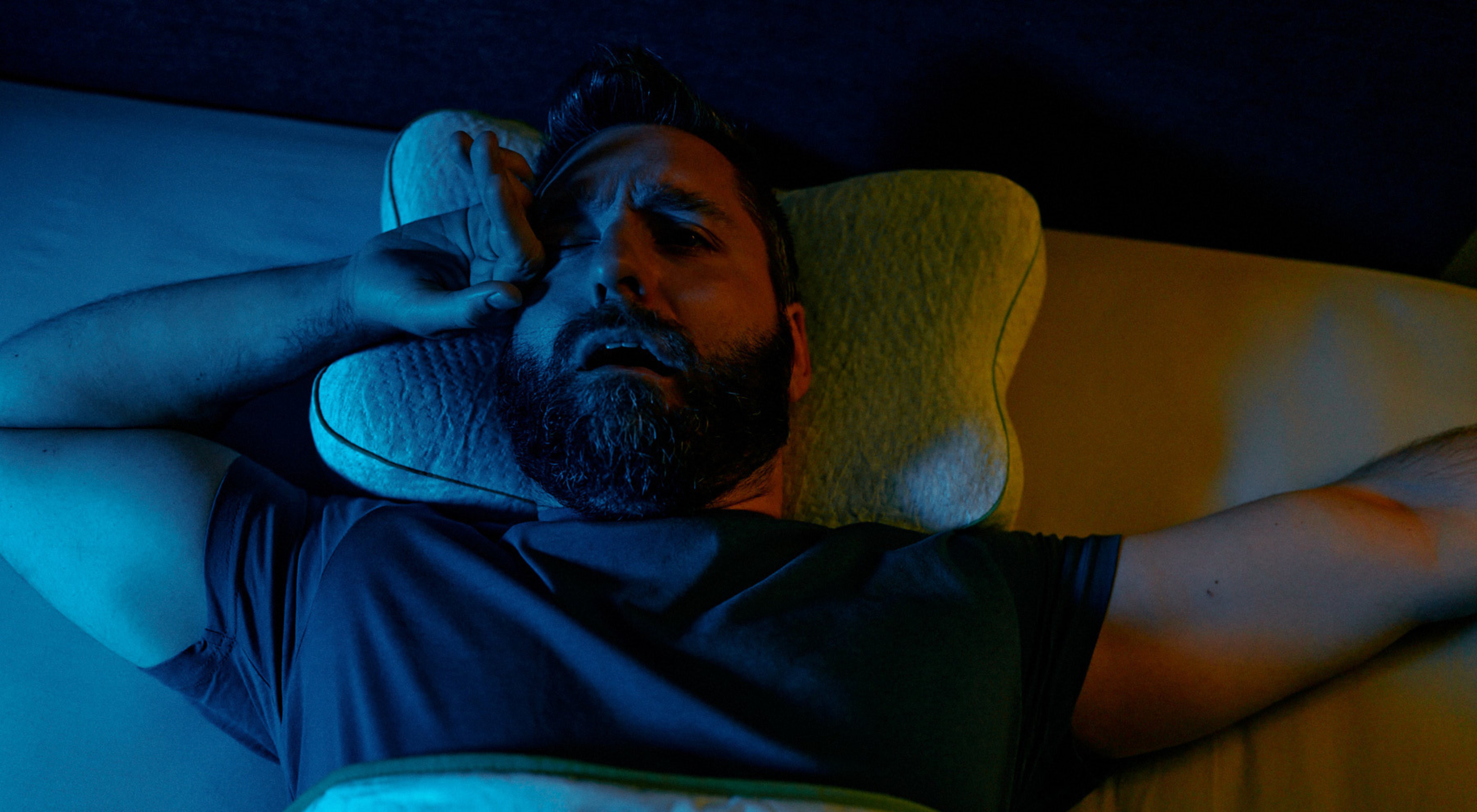
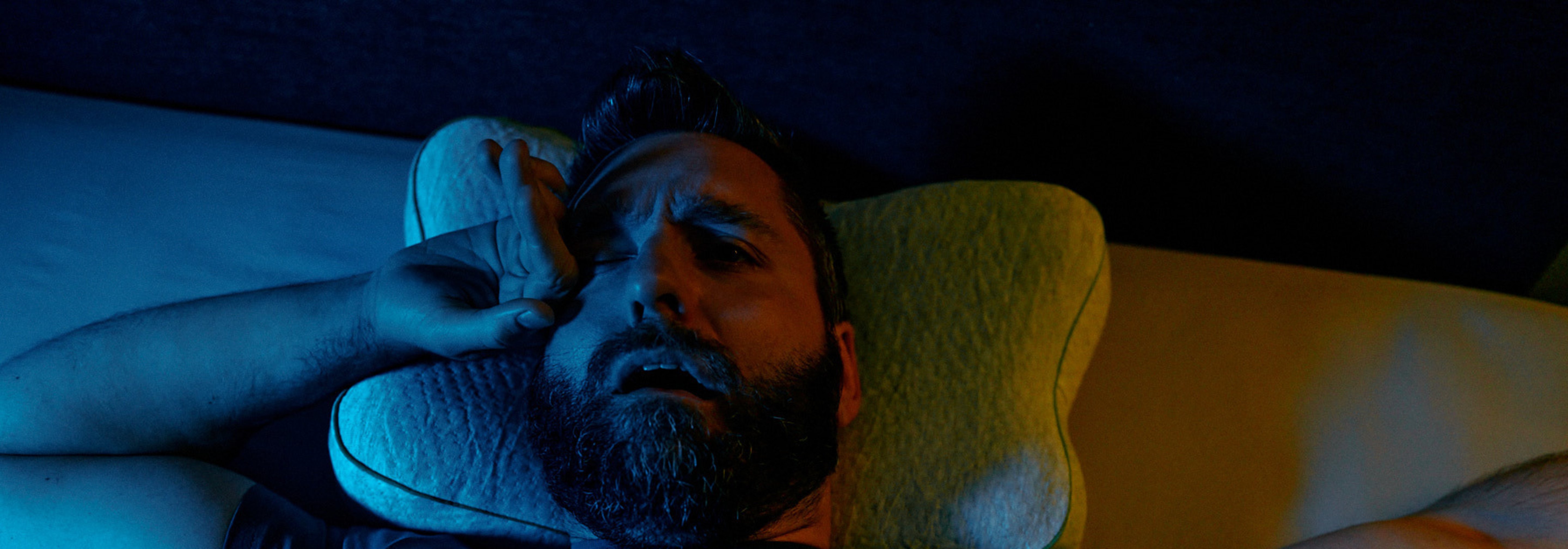
You’d actually like to sleep your way back to health, but for some reason, you just can’t seem to get a good night’s rest. You’re tired during the day, but at night you lie awake in bed. You keep waking up, your nose is stuffy, and you have trouble breathing. Sleep disturbances are not uncommon when you have a cold or the flu, even though you desperately need that rest to recover. The most common sleep disturbances when you’re sick are
- Difficulty falling asleep and staying asleep
- Coughing
- Breathing problems
- Snoring
- Sleep apnea
One cause of nighttime restlessness is the immune system, which is busy fighting off pathogens at night rather than following the normal sleep cycle. Added to this is mucus buildup in the airways, which makes breathing nearly impossible. If your nose is blocked at night, you’ll inevitably breathe through your mouth. If you’re lying on your back with your mouth open, you’ll make snoring sounds that wake you up from deep sleep. If your upper airways are narrowed, this can lead to pauses in breathing—known as sleep apnea—which also interrupts your sleep. However, you can treat the temporary sleep disturbances caused by a cold with decongestant nasal sprays and by sleeping with your upper body elevated.
“Sleep yourself back to health”—the best advice when you’re sick
Important healing processes take place during sleep, including cell repair and strengthening of the immune system. Wounds heal, viruses are fought off—all you have to do is lie down and sleep. With healthy sleep hygiene and home remedies, you can improve your sleep quality and thus support your immune system every night to stay healthy. A high-quality mattress protector with a zipper, combined with a good sleep environment, ensures that you can sleep peacefully, allowing your body to regenerate as needed while you sleep.
More energy thanks to sufficient exercise & recovery with these tools