4 Exercises for Trigger Points in the Back

What can you do if trigger points in your back are limiting your mobility? These 4 exercises will help you relax quickly.
Focus areas
- Unterer Rücken
- Oberer Rücken
- Rücken
Time
- 19 minutes
- 4 exercises
Trigger Point Massage for the Back
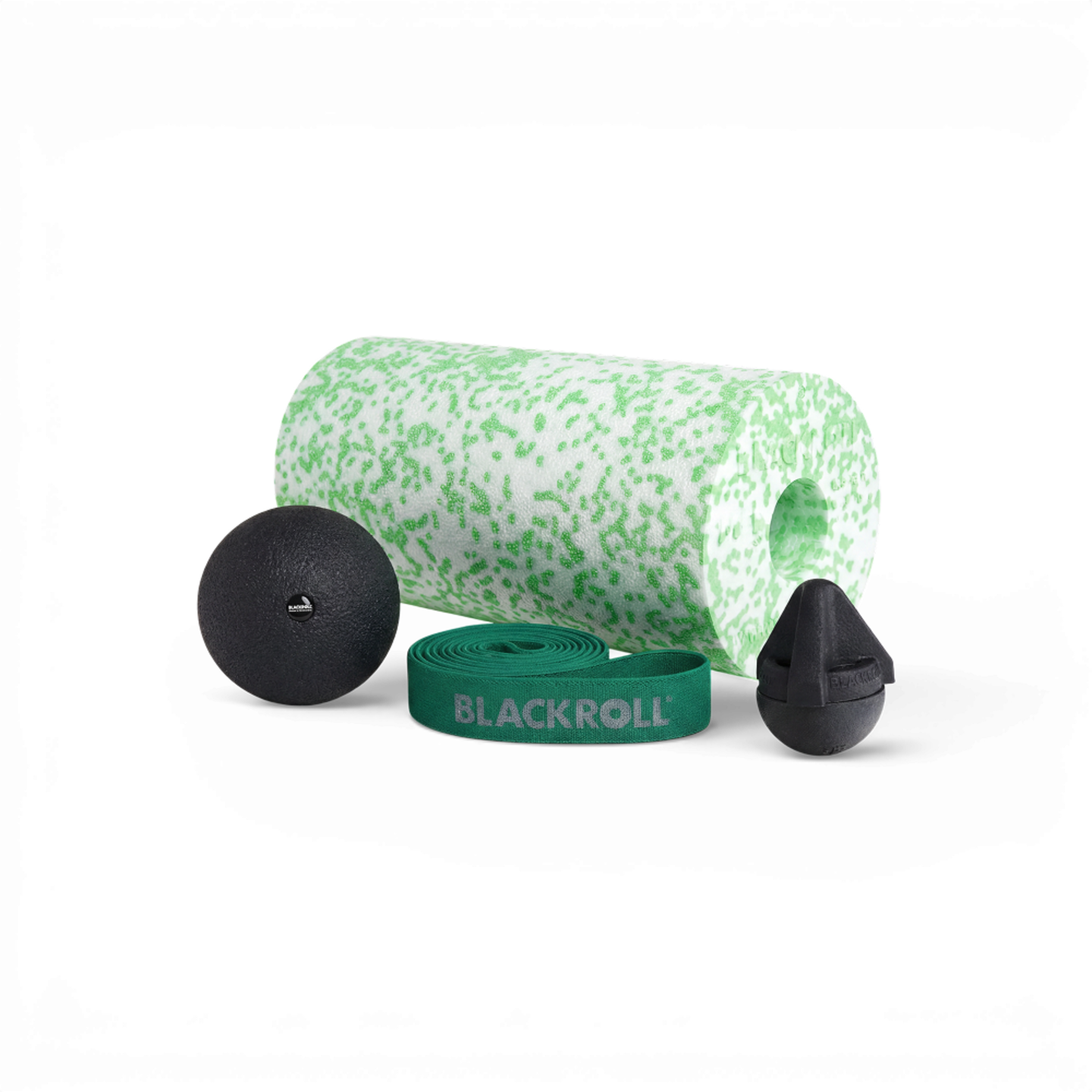
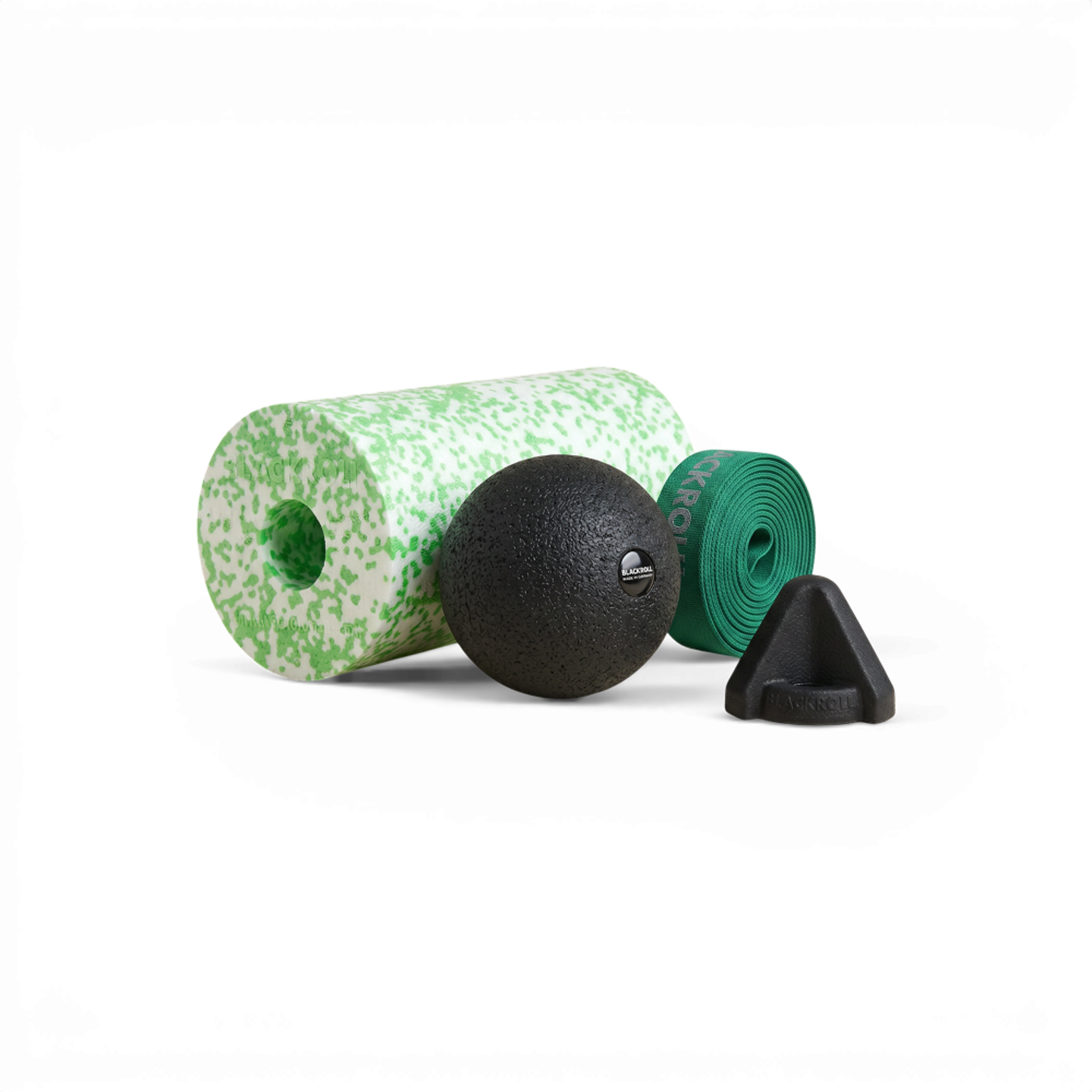
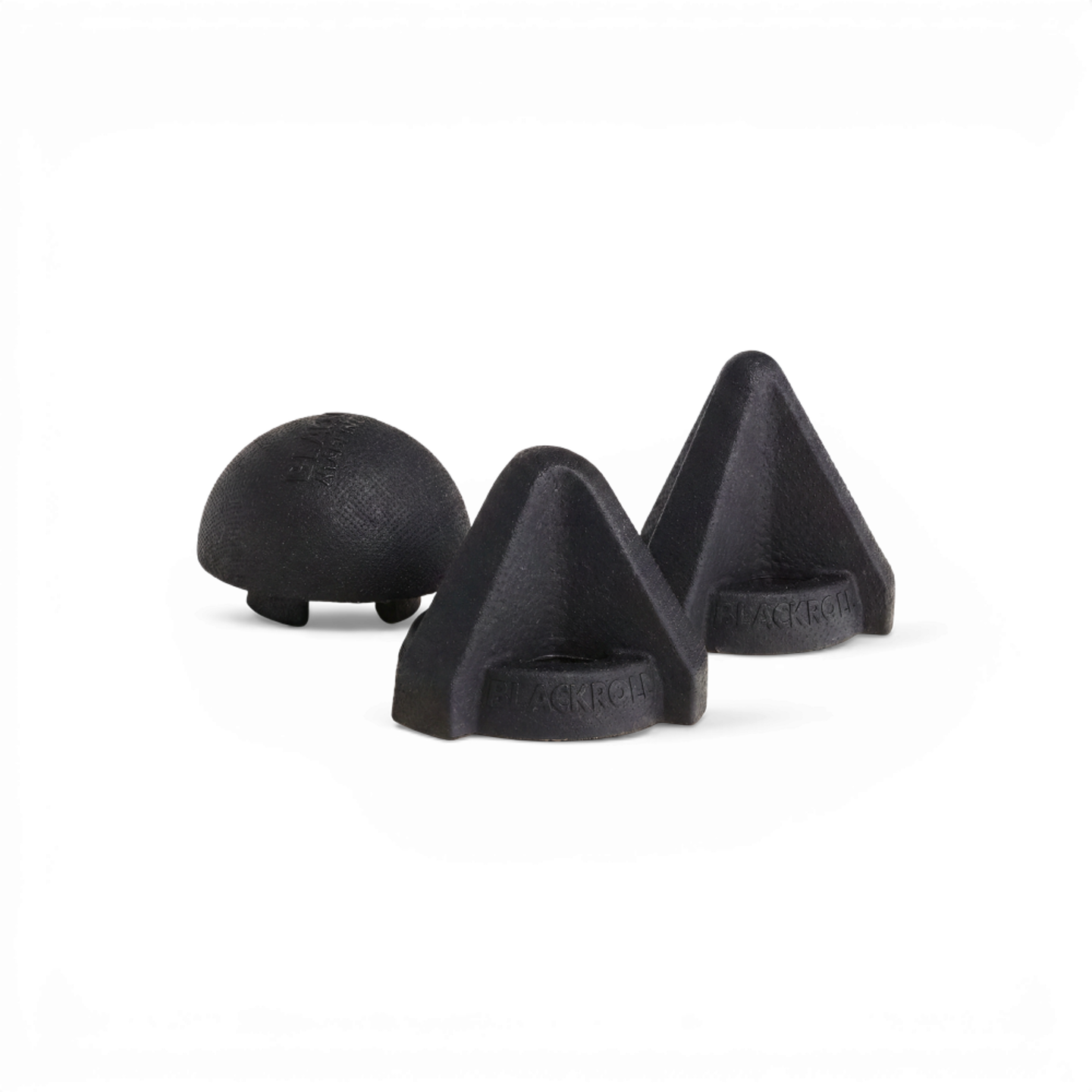
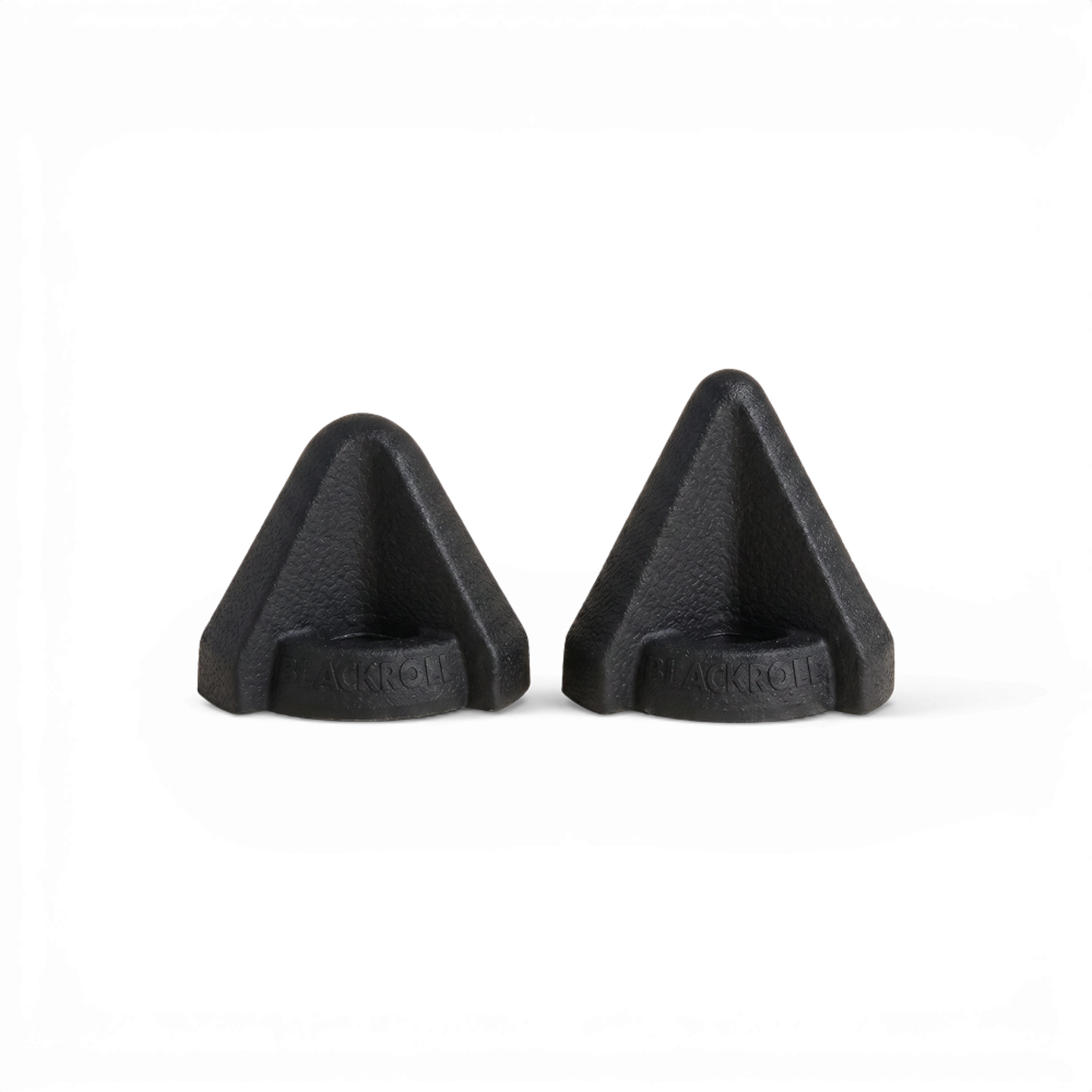
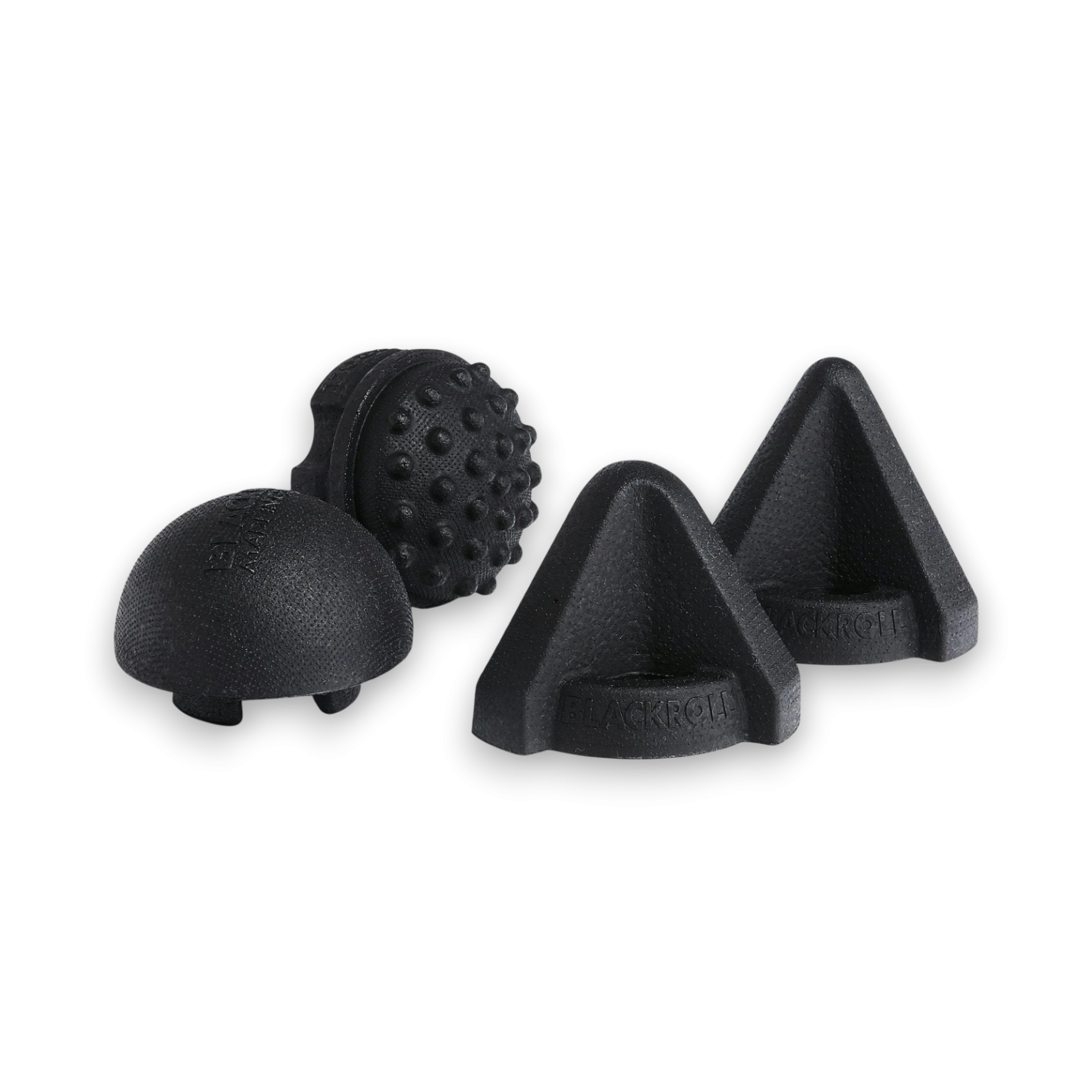
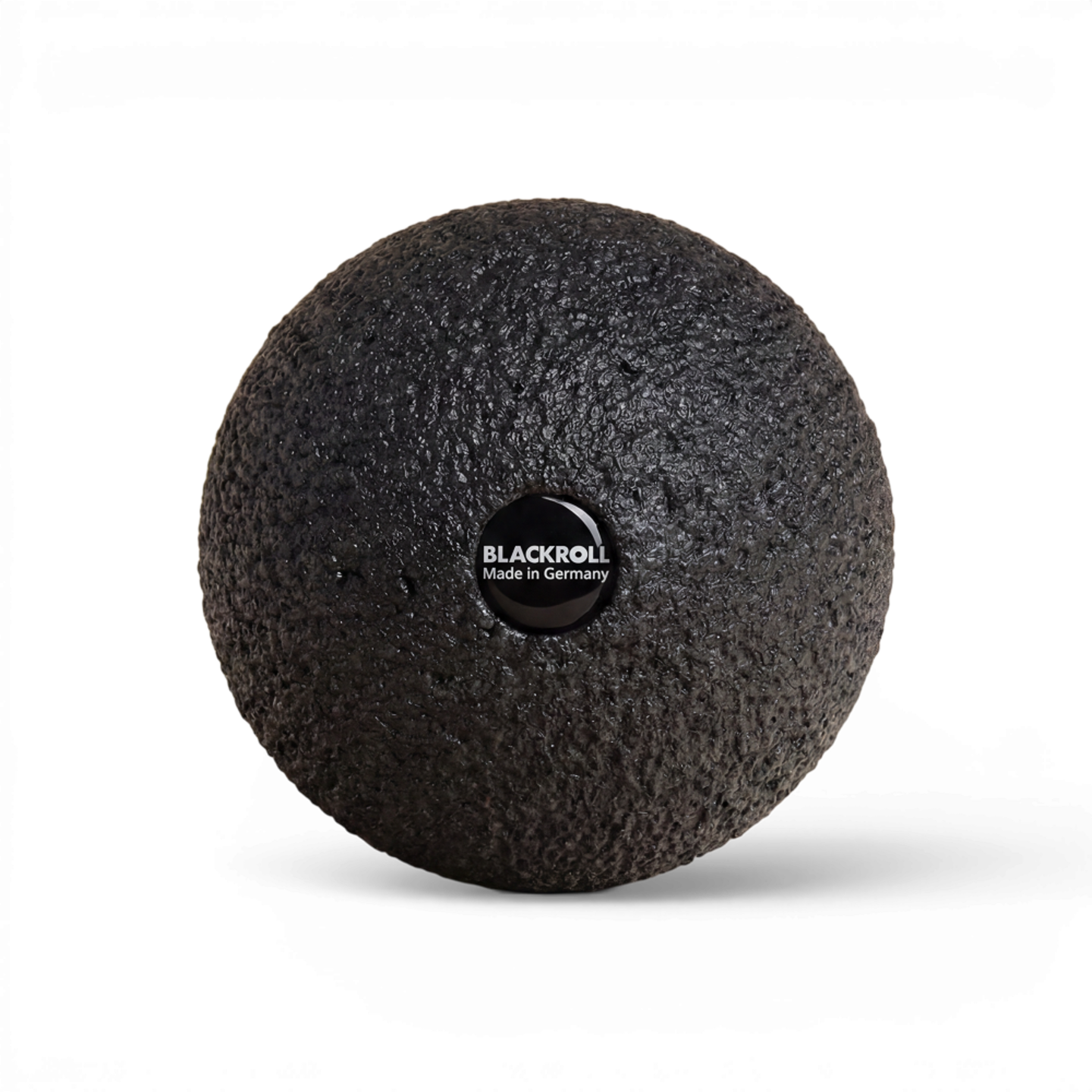
In this video, Master Trainer Stefan shows you targeted exercises and tips to help you release trigger points in your back. Try this trigger point massage for the back and feel the relaxing effects of myofascial self-massage. To follow along with the exercises, you’ll need a TRIGGER or, alternatively, a BALL 08.
Back Trigger Points Overview
A trigger point rarely occurs on its own. Muscle tension can develop in various areas of our back muscles.
Here is an overview of the most common trigger points in the back:
- Trapezius muscle (can be divided into upper, middle, and lower trapezius)
- Rhomboids (between the shoulder blade and the spine)
- Latissimus dorsi ( broad back muscle)
- Iliopsoas ( hip flexor)
- Quadratus lumborum ( in the lower back, on the sides of the lumbar spine)
- Back extensor muscles
- Gluteal muscles
Releasing trigger points in the upper back
Trigger points often develop in the upper back. This frequently leads to persistent pain and tension. Trigger point knots in the upper back are often the result of a combination of factors such as poor posture, excessive strain, stress, and lack of exercise. These painful areas of muscle hardening can lead to a debilitating condition that significantly impacts quality of life.
Exercises - Upper Back Trigger Points
Hold each trigger point for about 90 seconds or until you feel the tension noticeably ease. Make sure to breathe calmly.
Trigger Point Massage for the Thoracic Spine:
While standing, place the muscles in the thoracic spine area on theTRIGGER. Locate a tender spot. Remain on that spot. Relax your body. Focus on your breathing. Move your head as soon as the initial pain has subsided.

Wall Angel
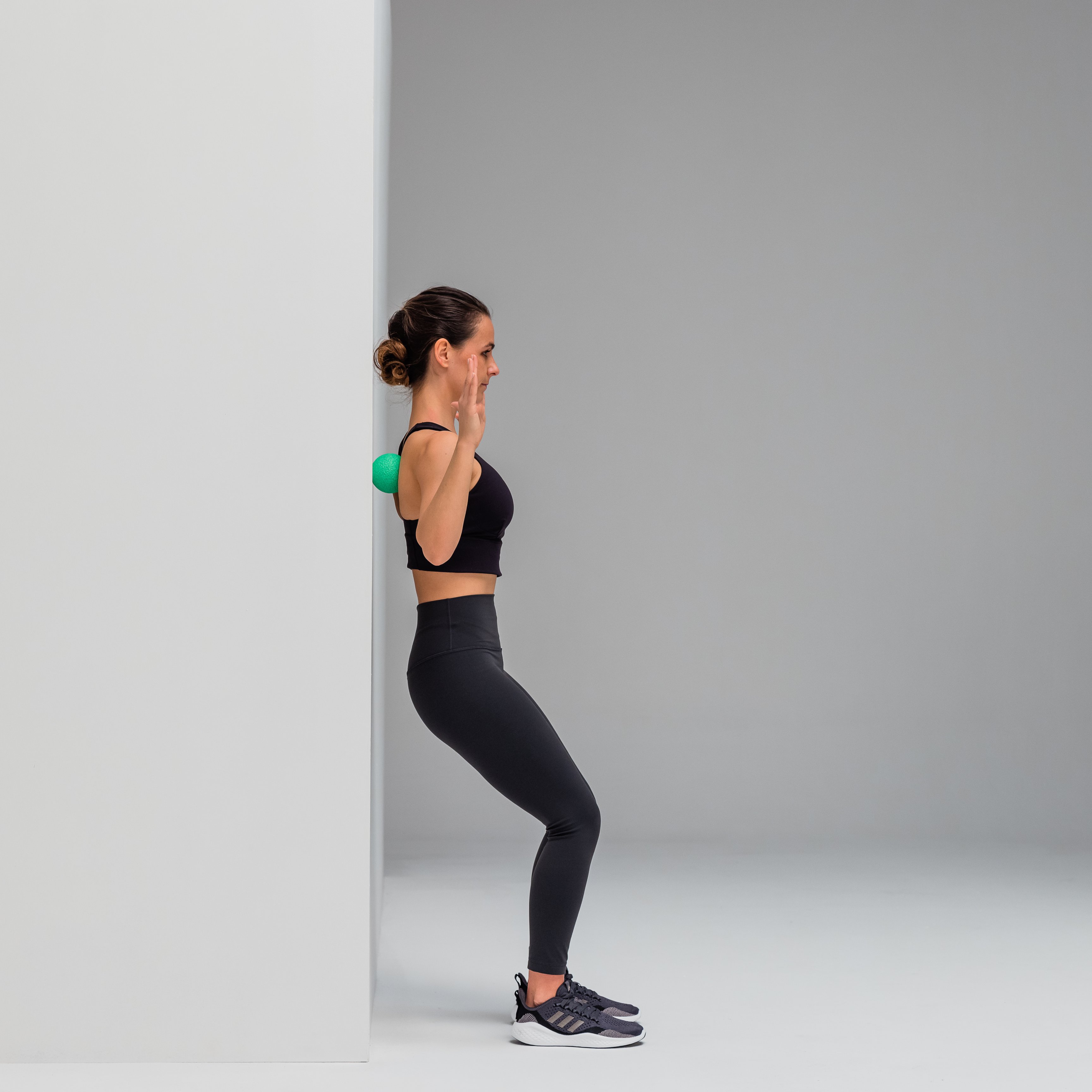
Stand against the wall. Place the BALL between your upper back and the wall. Now move your arms overhead. Return to the starting position.
Targeted Back Massage
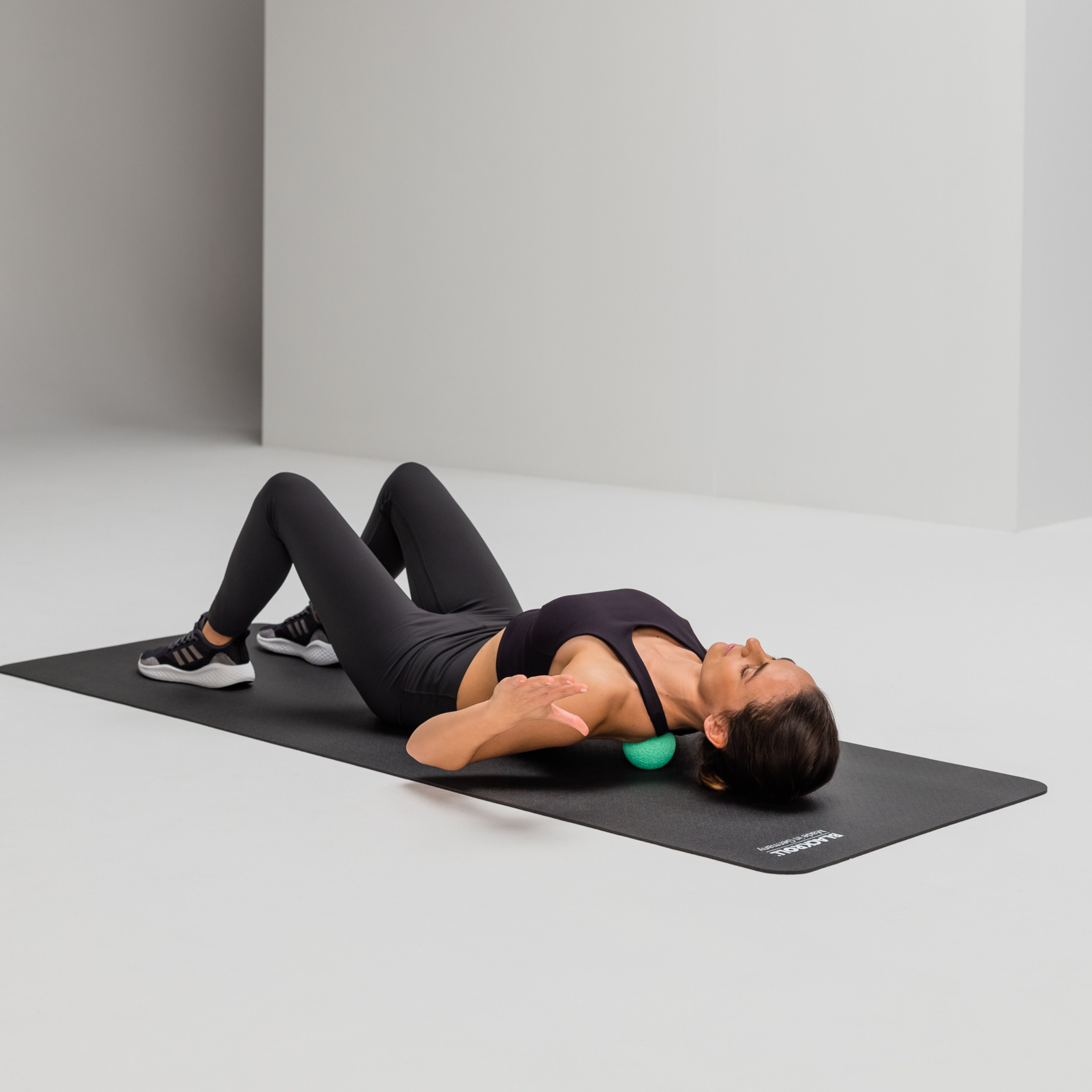
While lying on your back, place BALL 08 under your upper back. Secure it under a pain point. Focus on your breathing while doing this. As soon as the pain subsides, move your outstretched arm from top to bottom. Then look for other pain points and repeat the process.
Releasing Trigger Points in the Shoulder Blade
The shoulder is a complex joint surrounded by various muscles and tendons. When these muscles are overloaded, injured, or irritated by repetitive movements, trigger points can develop.
The main muscles responsible for the development of trigger points in the shoulder are the supraspinatus, infraspinatus, teres minor, and subscapularis—also known as the rotator cuff. These muscles enable movements such as raising the arm, rotating the shoulder, and stabilizing the shoulder joint.
Exercises — Shoulder Blade Trigger Points
Hold each trigger point for about 90 seconds or until you feel the tension noticeably ease. Make sure to breathe calmly.
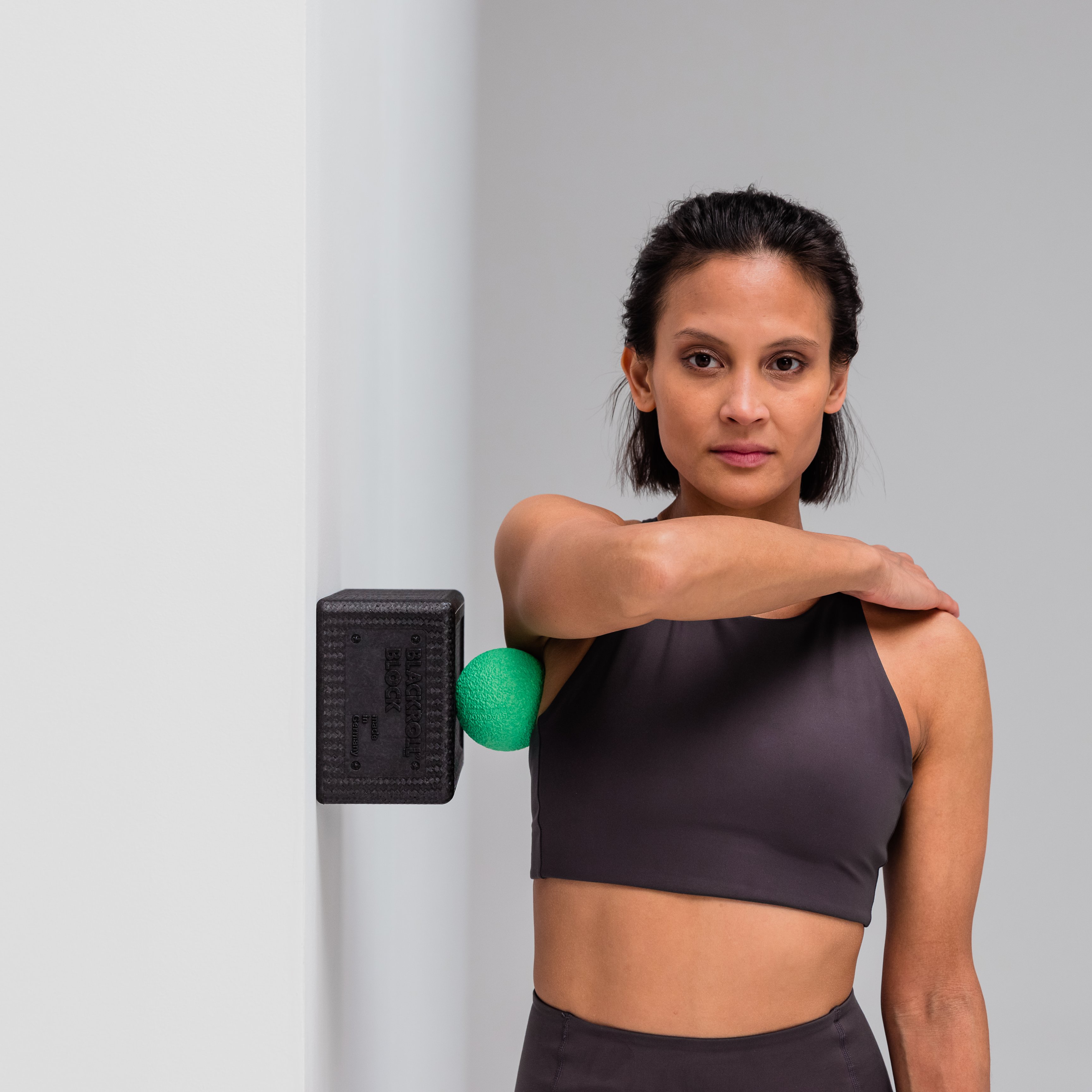
Teres Minor Trigger Point Massage
Position the trigger point below your armpit and lean against a wall. Locate the area where you feel pain. Stay on the spot. Relax your arm. Focus on your breathing.
Trigger Point Massage: Scapula
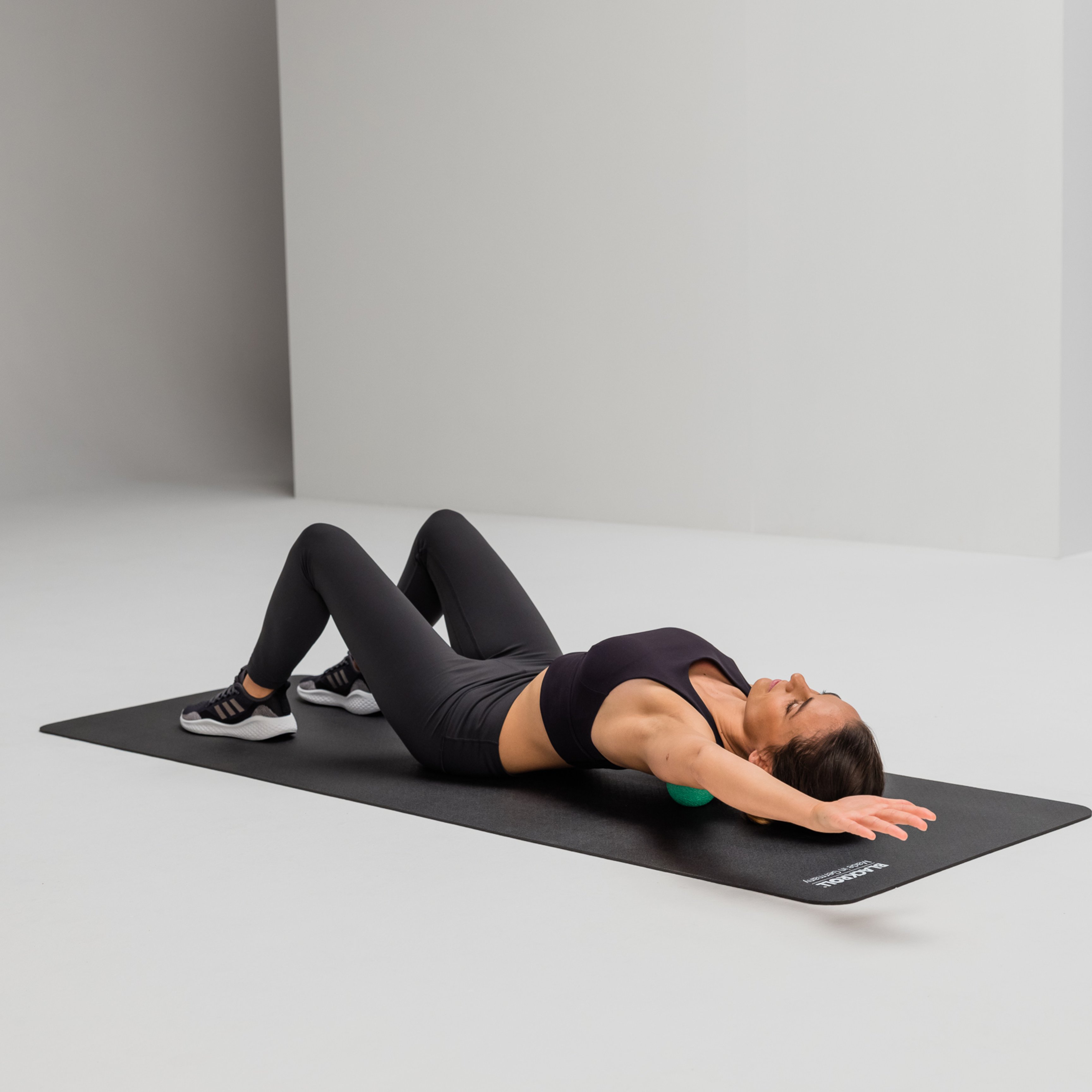
Place a foam ball in the area of your shoulder blade. Lie on your back on the ball and let your weight sink down. As soon as the tension in the trigger point subsides, bend and straighten your arm overhead. If the exercise is too intense, you can also lean your weight against a wall.
Subscapularis Massage
Trigger Points in the Lower Back
The muscles in the lower back that are prone to developing trigger points include the quadratus lumborum, the lumbar muscles, and the iliopsoas (hip flexor). Trigger points in these muscles can lead to dull, pulling, or stabbing pain in the lower back. This pain often radiates into the gluteal muscles or down the legs, a condition known as “sciatica.”
The symptoms of trigger points in the lower back can vary from person to person, but typically, those affected complain of pain that worsens when bending over, lifting, sitting, or standing. The muscles can become stiff and tense, which restricts mobility and leads to reduced flexibility.
Exercises — Lower Back Trigger Points
Hold each trigger point for about 90 seconds or until you feel the tension noticeably ease. Make sure to breathe calmly.
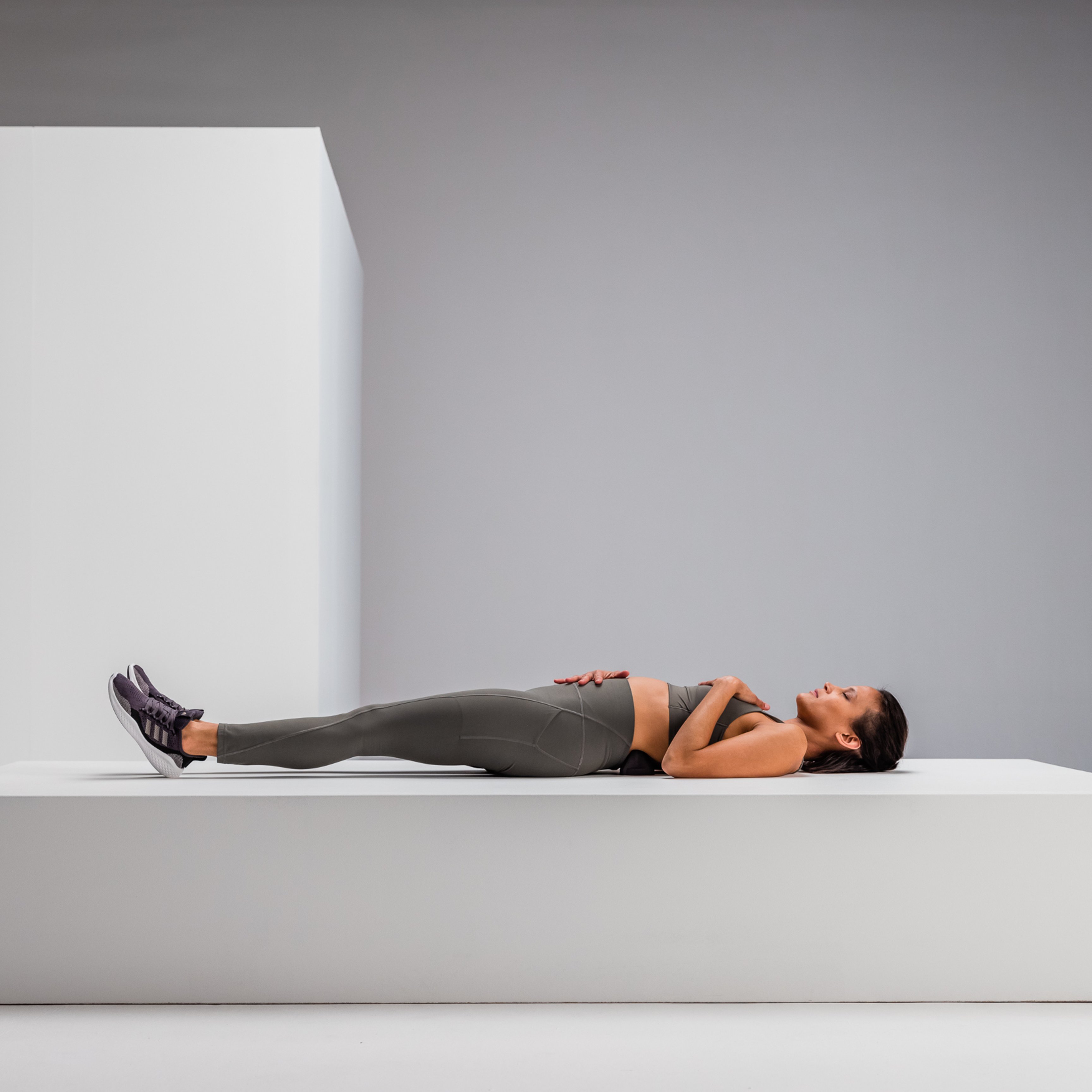
Trigger Point Massage for the Lower Back
Place your lower back muscles on the TRIGGER. Locate a tender spot. Stay on the spot. Focus on your breathing.
Trigger Point Massage for the QL Muscle
Stand sideways to the wall. Position the TRIGGER on the side, just below your ribs. Apply localized pressure. When the pain subsides slightly, tilt your upper body to the left and right to promote mobility.

What are the benefits of trigger point massage for the back?
Trigger point massage for the back is an effective method for preventing and relieving muscle-related back pain and tension. Trigger point massage primarily aims to release muscle knots and improve blood flow in the affected muscle areas.
The successful treatment of deep-seated myofascial trigger points with trigger point massage requires three key components:
- Targeted: Applying targeted pressure to the trigger point suppresses pain transmission, leading to reduced local blood flow and a lack of oxygen (hypoxia). As soon as the pressure is released, increased blood flows into the affected tissue, resulting in a higher oxygen supply. Ending hypoxia at the trigger point is a fundamental goal of trigger point treatment.
- Sustained: Sustained pressure relaxes the trigger point tissue and inhibits the sympathetic nervous system, which is responsible for stress responses.
- Deep: The third component is deep pressure. This is necessary to activate as many tissue cells—known as fibroblasts—as possible. These cells respond to the pressure by producing fascial lubricant, which leads to improved mobility in the deep fascial layers.
Conclusion: Pain Points in the Back
"Pain points" in the back are often referred to as trigger points. Trigger points are localized areas of muscle hardening that can be painful and are triggered by a variety of causes, including overexertion, poor posture, injuries, and stress. These points can lead to chronic or acute pain and impair mobility and flexibility in the back.
There are various muscle groups in the back that are prone to the formation of trigger points. These include the trapezius muscle, the rhomboid muscles, the muscles along the spine (paravertebral muscles), the latissimus dorsi, the rotator cuff muscles, and other deep muscles in the lower back.
The pain caused by trigger points in the back can vary, ranging from a dull, pulling sensation to acute, stabbing pain. The pain may be localized or radiate to other areas. For example, trigger points in the back can also lead to neck pain or headaches.
Trigger point therapy for the back involves various approaches. Trigger point massage, physical therapy, acupuncture, and chiropractic adjustments can help relax the muscles and relieve pain. Stretching and strengthening exercises for the back can also be helpful as self-care measures to support the muscles and reduce the risk of trigger points recurring.
Preventive measures also play an important role in avoiding trigger points in the back. Good posture, regular exercise, ergonomic adjustments at the workplace, and avoiding overexertion can help promote back health and reduce the risk of trigger points developing.

Trigger Points in Fascial Tissue
Everything you need to know about myofascial trigger points.

Ball 08
Available in multiple variants