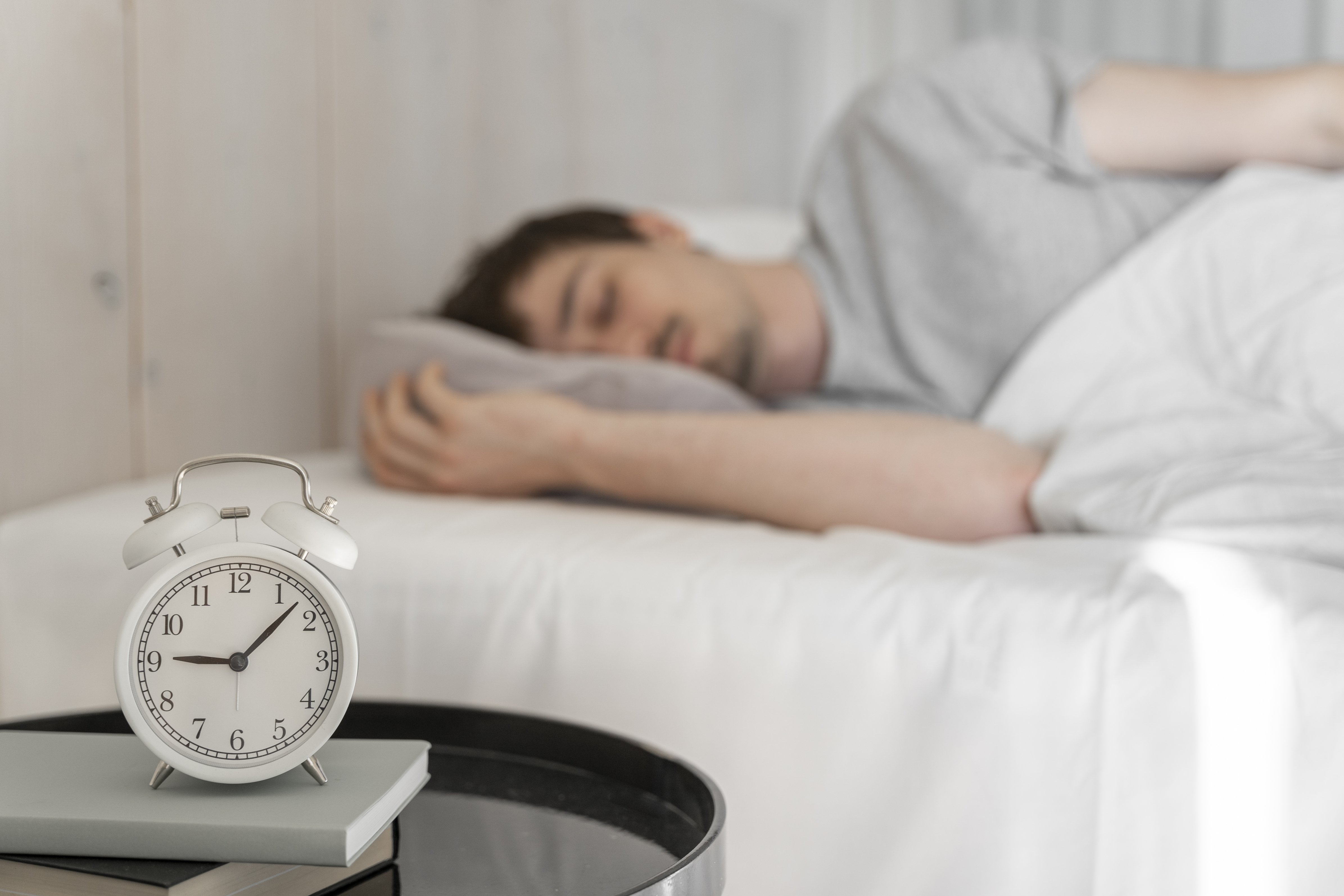
Sleep Duration: How Many Hours of Sleep Do We Need?

Learn everything there is to know about healthy sleep duration.
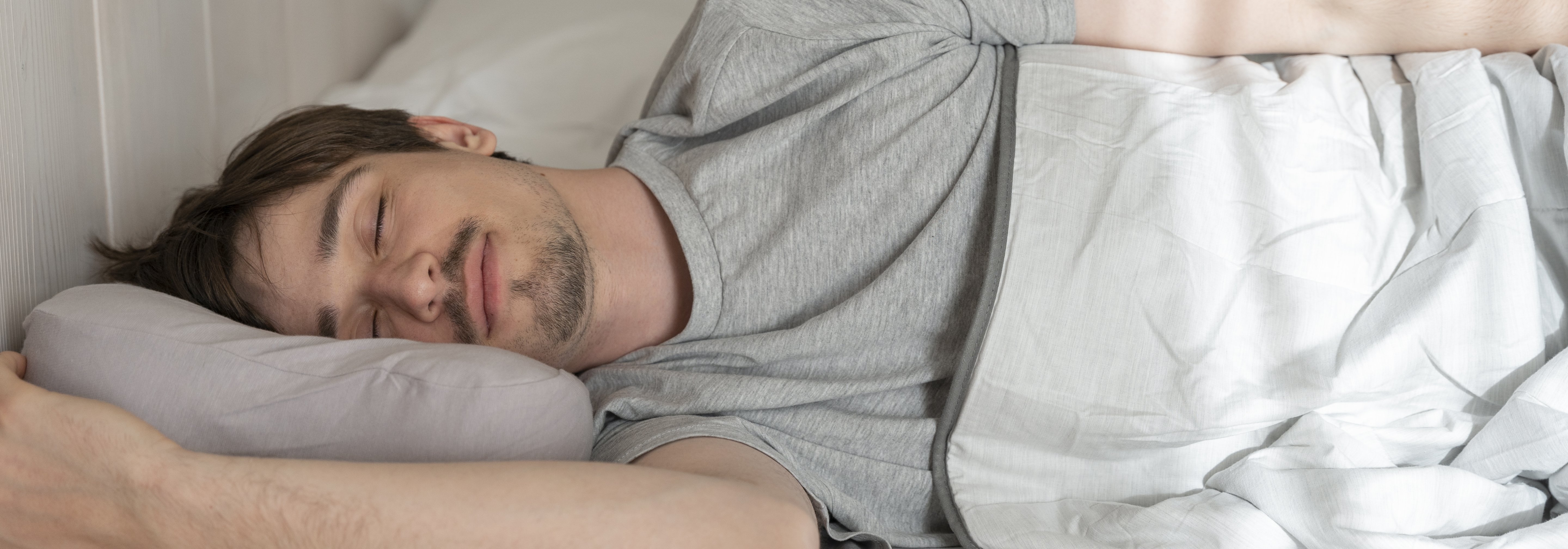
How much sleep does a person need? Myths claim that Napoleon supposedly slept only four hours a night. Albert Einstein, on the other hand, is said to have slept 12–13 hours a night. Whether one is healthier than the other is a matter of debate. The fact is, however, that there is no such thing as an “optimal” amount of sleep. The amount of sleep varies greatly from person to person, just as the optimal bedtime does.
How many hours of sleep does a person need?
As a society, we sleep a total of 1.5 hours less than we did 100 years ago. This isn’t because our need for sleep has changed, but rather because of us. We want to be there for friends and family, exercise, and pursue further education — and we do all of this by sleeping less. But that’s exactly the wrong approach. Because when we’re well-rested, we’re significantly more productive and in a better mood.
4, 5, 6, or 7 hours of sleep—numerous studies on healthy sleep show that we can live very healthy lives with varying amounts of sleep. Short sleepers get less than 6 hours of sleep, while most long sleepers get 9 hours or more.Generally, though, most people get between six and eight hours. Statistically speaking, people who regularly sleep around 7 hours have the highest life expectancy. However, if you regularly try to get by on less than 6 hours of sleep throughout the week, you unfortunately increase your risk of developing high blood pressure, heart attack, stroke, and certain types of cancer.
What determines the optimal amount of sleep?
Our biorhythm
Our ideal amount of sleep depends on our biorhythm. We humans have an internal timer, commonly referred to as the “internal clock” (suprachiasmatic nucleus). We follow what is known as a circadian rhythm. This refers to a biological rhythm in living organisms that is roughly aligned with the 24-hour cycle of a day—that is, the Earth’s rotation. The rhythm of this internal clock is set by (daytime) light, ensuring that we sleep in the dark and are awake in the light.
Physical and Psychological Stressors
We now know that the ideal amount of sleep is determined by the sum of the physical and psychological stressors in your life. To be able to cope with intense training loads and achieve the desired performance improvement, we need to regularly go through five sleep cycles of about 90 minutes each, so you should plan for at least 7.5 hours of sleep on those days. During periods of high-intensity training and competition, you may even need to sleep 9 hours or more. Physical stress is primarily processed during the deep sleep phase, whereas mental recovery occurs mainly during the dream sleep phases of REM sleep and light sleep.
So, consider whether you can sleep a little longer. It’s easier to sleep in a bit longer in the morning than to fall asleep a little earlier in the evening. Experiment to find what works best for you and see if you can incorporate it into your daily routine. Maybe you can take advantage of flexible working hours.
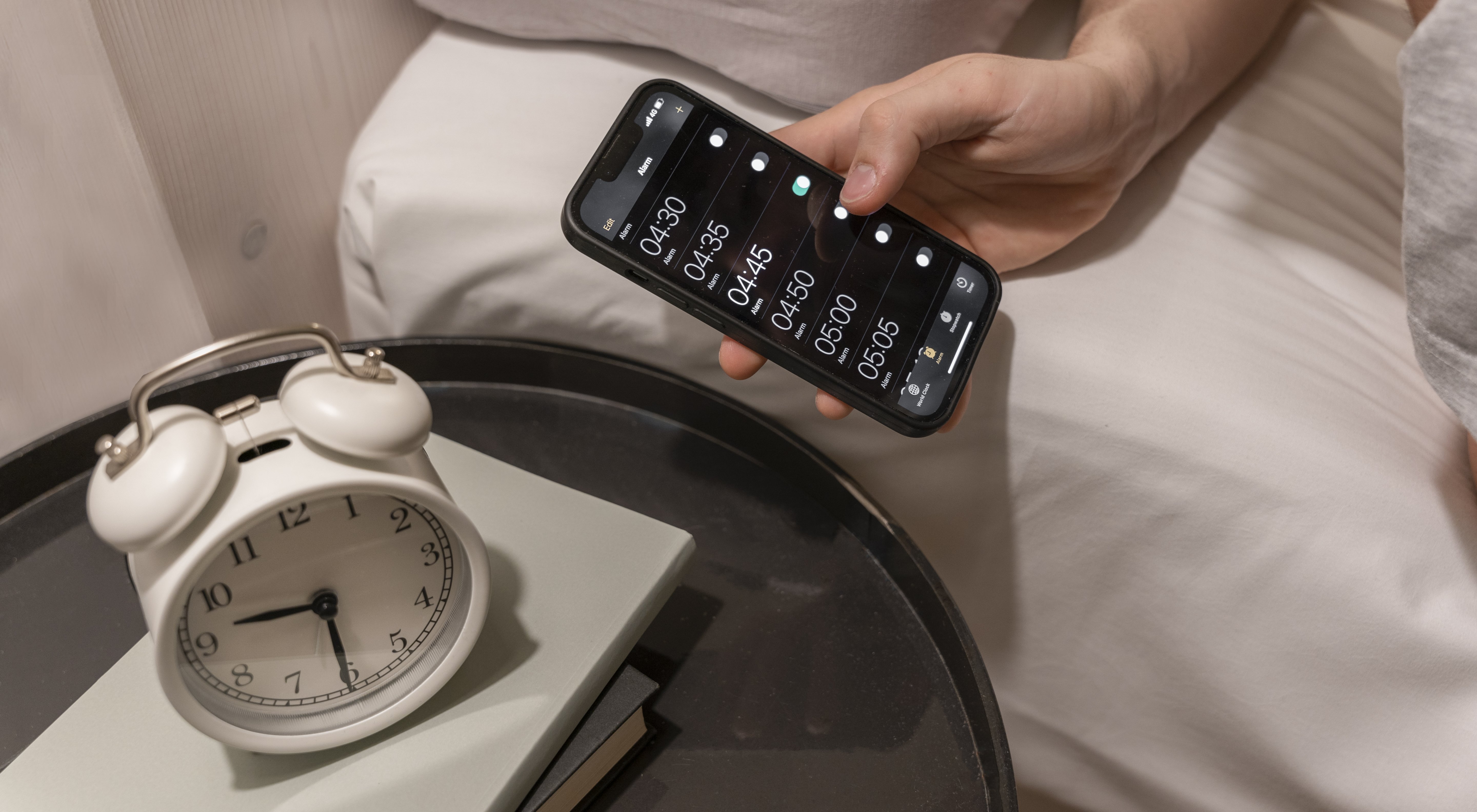
When you set your alarm, take a moment to reflect on the physical and mental stresses you’ve dealt with that day. The greater the total number of stressors, the more sleep you should allow yourself.
Tips for Your Optimal Sleep Time
Monitor your sleep, try out different bedtimes, and figure out what works best for you and when you feel fit and refreshed. Also, make sure to schedule your restful sleep as a fixed part of your day. If possible, plan all other activities (family, work, and hobbies) around your sleep.
If you work at night, you can prevent sleep disturbances and gastrointestinal issues by eating a light, easily digestible diet (rich in carbohydrates and protein, and low in fat). If your job doesn’t offer flexible hours, talk to your employer about the possibility of adjusting your work schedule to suit your needs. Getting enough sleep is absolutely essential for leading a healthy life.
Note: You should only take naps during the workday if you don’t suffer from nighttime sleep disturbances. Napping during the day can reduce your urge to sleep in the evening and make it difficult to fall asleep. In such cases, even adults can benefit from specific sleep tips designed for children to help them fall asleep more easily and establish a consistent evening routine.
When that big wave of tiredness hits after lunch, we’re less productive, creative, and capable of performing at our best. Make good use of this inevitable slump and take a nap!
The research is clear: naps are effective for maintaining performance throughout the afternoon. The positive effects set in immediately after the nap and last up to three hours.
After a nap, we’re not only more productive but also in a better mood. This positive effect on what’s known as “baseline mood” has been scientifically proven.
In addition to sleep duration, factors such as room temperature, bedding conditions, and diet play an important role. Even for men, heavy night sweats can significantly impair sleep quality and lead to frequent awakenings. As an option, you can invest in a new, ready-to-use mattress to make your sleep more restful.
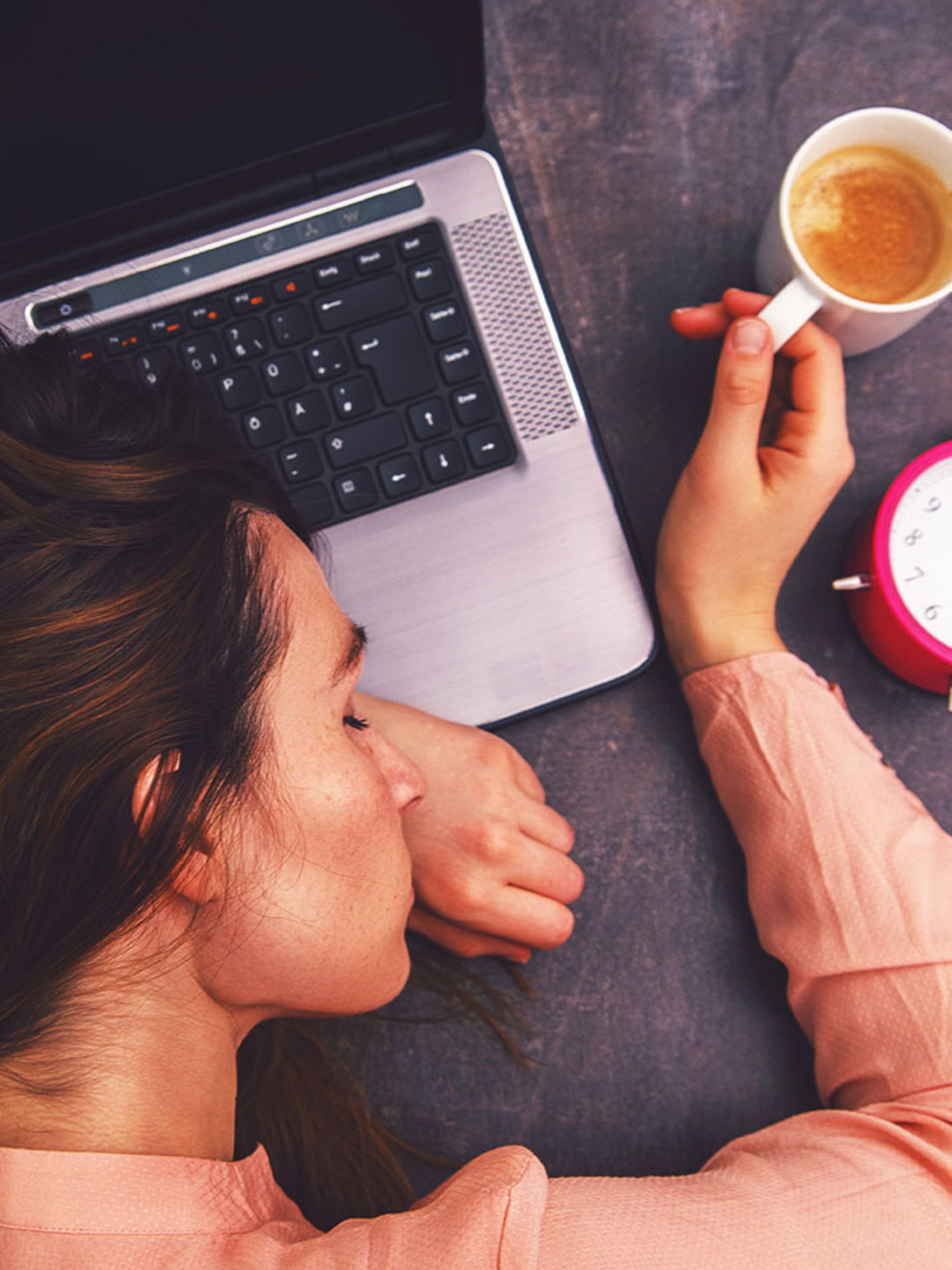
Combating fatigue with coffee yields, at best, short-term success. For one thing, we develop a tolerance, so that more and more is needed to achieve the same effect. For another, the fatigue is merely “postponed.” For many people, it returns even more intensely as soon as the boost wears off. During a nap, our cardiovascular parameters return to normal. This has a positive effect on how we perceive stress.

Make your sleep more restful with our bedding
The Ease of Getting Up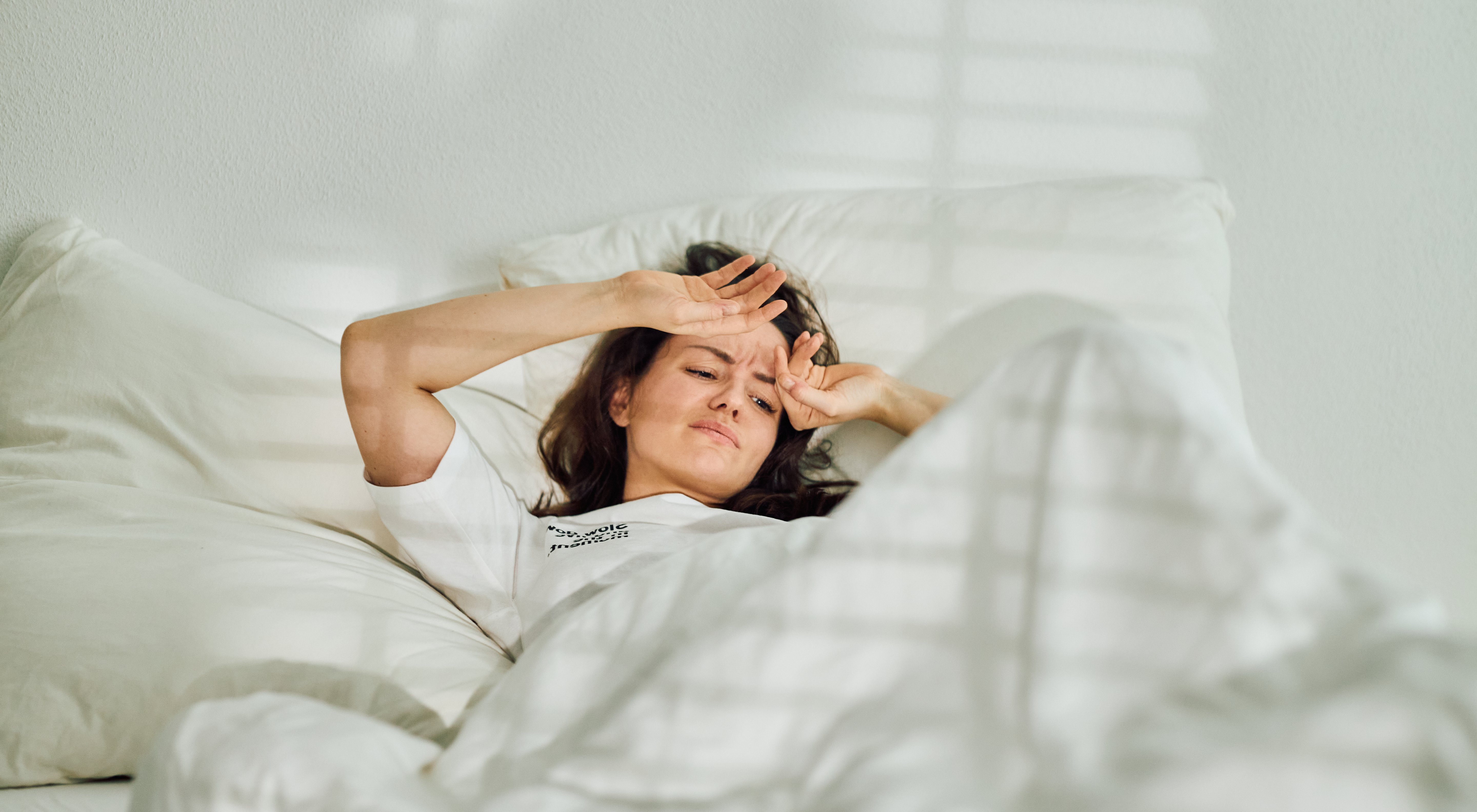
How little sleep is unhealthy?
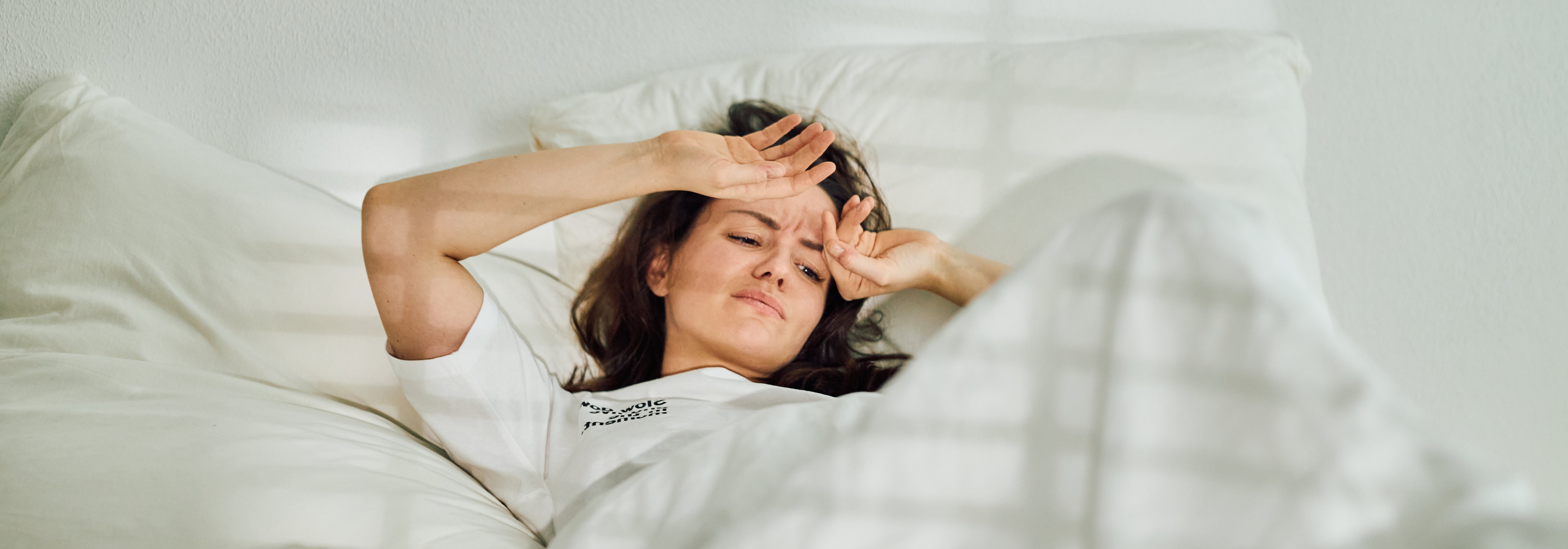
When the alarm clock rings in the morning, most people face an arduous struggle: getting out of bed and getting ready for the day. The reason: on average, most Western Europeans sleep no more than 6.5 hours. That’s not enough sleep and poses major health risks. For many, it seems normal to get up without having had enough sleep and to only “function” after having a cup of coffee. Sleep researchers have found, however, that the reaction time of test subjects after 6 hours of sleep is significantly worse—or even non-existent—compared to after 8 hours of sleep.
Even though not all functions of sleep are yet known, one thing is very clear: extreme sleep deprivation is deadly.
Consequences of too little sleep:
- Difficulty concentrating,
- irritability,
- irrational behavior,
- impulsiveness,
- and uncontrollable hunger.
This happens to everyone from time to time, but it should never become a permanent state. Doing so does neither you nor those around you any favors. The problem is that sleep-deprived people tend to overestimate their performance compared to what it actually is objectively. In fact, the more tired a person is, the more unrealistic their assessment becomes. It’s not just the brain that suffers from sleep deprivation—the entire body and its vital functions are harmed. The heart and circulatory system are responsible for supplying the organs and tissues with fresh oxygen and nutrients.
Even a moderate reduction of 1–2 hours of sleep causes an increased heart rate and high blood pressure. If this is not the exception but the rule, then the blood vessels suffer from the increasing strain: the result is calcification and an increased risk of heart attack.