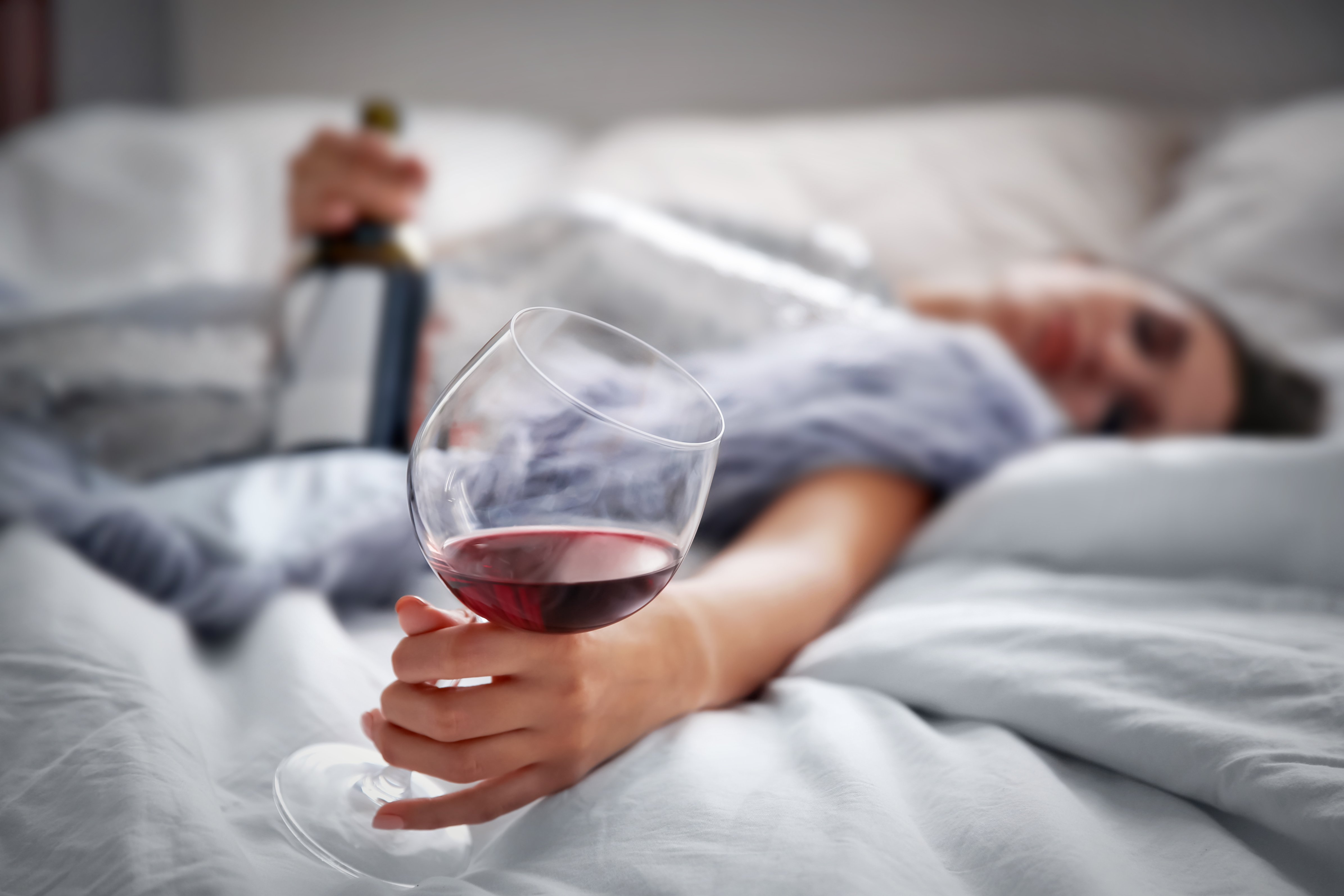
Alcohol and Sleep: Helpful or Harmful?

You’ve been out at the bar with your friends, had a great time, and now it’s time to head home and get some sleep. But wait—first comes the dreaded “alcohol-induced sleep”!
It’s what threatens to ruin the perfect evening—the inability to drift off and fall into a restful sleep. Concentration and the functioning of the heart, brain, and circulatory system can be impaired by such a sleep disorder. Some of the unpleasant effects can include an increased heart rate and dry mouth. It’s important to break the vicious cycle of these sleep problems to get a proper diagnosis and explore treatment options.
But don’t worry! Sleep medicine offers valuable insights we can use. You can minimize the effects of that dreaded drowsiness after drinking alcohol with a few simple tricks.
Here, you’ll learn how alcohol affects sleep, get helpful tips on how to make the most of your sleep quality after drinking, and find out how to make up for lost restorative sleep.


The Effects of Alcohol on Sleep Quality
Alcohol consumption can disrupt your normal sleep cycle. While alcohol’s sedative effect may initially make it easier to fall asleep, it can impair overall sleep quality and cause you to wake up earlier than expected—and possibly even need to use the restroom—since alcohol acts as a diuretic and promotes the release of bodily fluids.
For example, after a glass of beer, you may feel the urge to urinate more frequently, which interrupts your sleep. Alcohol can affect sleep quality in various ways, and the negative effects clearly outweigh the positive ones.
Here are some ways alcohol can affect sleep:
- Helping You Fall Asleep: Alcohol can initially have a sedative effect and help you fall asleep faster. This is because it depresses the central nervous system.
- Reduced deep sleep phases: Although alcohol can help you fall asleep faster, it leads to a decrease in deep sleep phases later in the night. Deep sleep is important for physical recovery and brain regeneration.
- Exacerbation of respiratory problems: Alcohol can relax the muscles in the throat, causing the airways to become partially blocked. This can lead to sleep apnea or loud snoring and disrupt sleep.
- Increased nighttime awakenings: After drinking alcohol, it is more common to wake up during the night and have difficulty falling back asleep. This can disrupt the natural sleep cycle and lead to restless sleep.
- Disruption of REM sleep: Alcohol also affects REM (rapid eye movement) sleep, which is important for cognitive function and learning. REM sleep can be shortened or suppressed, which can affect memory formation and mood.
- Frequent Urination: Alcohol acts as a diuretic and can cause you to need to use the restroom more often during the night. This interrupts sleep and impairs sleep quality.
Although alcohol may initially have a relaxing effect and help you fall asleep more quickly, its long-term effects on sleep quality are negative. Regular alcohol consumption can lead to chronic sleep disorders and impair the body’s ability to recover. To maintain good sleep quality, it is advisable to avoid alcohol before bedtime or to consume it only in moderation.


The Effect of Alcohol on the Sleep Cycle
Alcohol’s impact on the sleep cycle is multifaceted and can disrupt the various stages of sleep. The sleep cycle consists of several recurring stages that span the course of a night. Here’s an overview of how alcohol affects these stages:
- Fall asleep phase: Alcohol can have a sedative effect and help you fall asleep faster. This is because it depresses the central nervous system and has a calming effect.
- Light sleep: After falling asleep, the light sleep phase begins. Alcohol may not initially affect this phase. During this stage, sleep is relatively shallow, and the brain can respond more easily to external stimuli.
- Deep sleep: Deep sleep is an important phase of the sleep cycle during which the body recovers and regenerates. However, alcohol negatively affects the deep sleep phases. It can reduce the duration and intensity of deep sleep, which can lead to impaired physical recovery.
- REM sleep: REM (Rapid Eye Movement) sleep is a phase of sleep during which vivid dreams occur and the brain is active. Alcohol can disrupt REM sleep by shortening or suppressing it. This can lead to memory problems, reduced concentration, and emotional instability.
- Sleep Interruptions: After consuming alcohol, it is more common to wake up during the night. This may be due to the increased urge to urinate caused by alcohol or to alcohol’s effect on breathing. These sleep interruptions can disrupt the natural sleep cycle and lead to restless sleep.
It can therefore be said that alcohol can negatively affect the sleep cycle as a whole. Although it may initially help you fall asleep, it leads to a reduced deep sleep phase, disrupted REM sleep, and sleep interruptions. Regular alcohol consumption can lead to long-term sleep disorders and impair the body’s ability to recover. To ensure good sleep quality, it is advisable to limit alcohol consumption before bedtime or, ideally, avoid it altogether.
“Moderate alcohol consumption is crucial for sleep quality. While alcohol may make it easier to fall asleep in the short term, it impairs deep sleep phases and REM sleep in the long term—both of which are essential for physical and mental recovery. So always try to go to bed sober.”
Dr. Lutz Graumann, expert in regeneration



Risk of cognitive and motor impairments caused by alcohol during sleep
Drinking alcohol before bedtime can lead to cognitive and motor impairments during sleep. In the following section, you’ll learn why this is the case and why you should avoid drinking alcohol as much as possible.
- Cognitive Impairments: Alcohol affects cognitive function by influencing the central nervous system. Various cognitive processes play a role during sleep, such as information processing, learning, and memory formation. Alcohol can disrupt these processes and lead to impaired cognitive performance. This can manifest, for example, as reduced attention, difficulty concentrating, and slowed information processing.
- Motor impairments: Alcohol also affects motor skills. During sleep, motor activities may occur, such as turning over in bed, tilting the head, or moving the limbs. Alcohol can impair the coordination and control of these motor activities, which can lead to restless sleep, disrupted movement patterns, and possibly even involuntary movements.
- Sleepwalking and Other Parasomnias: Alcohol can also contribute to the occurrence of parasomnias, such as sleepwalking. Parasomnias are unusual behaviors or experiences during sleep that are typically associated with specific sleep stages. Alcohol can disrupt the normal sleep cycle and increase the likelihood of parasomnias.
Of course, there is no uniform pattern here; some people may be more sensitive to the effects of alcohol on sleep and on cognitive and motor functions than others. Good sleep hygiene—which includes a regular sleep routine, a comfortable sleep environment, and avoiding stimulants—can help minimize the risk of cognitive and motor impairments during sleep.
Effects of Drunkenness During Sleep
Intoxication during sleep can have both short-term and long-term effects on health and well-being. In the short term, alcohol consumption can disrupt the normal sleep cycle and impair decision-making during sleep, which may lead to unintentional injuries or damage. In the long term, alcohol’s depressant effect can interfere with hormone regulation and prevent the deep sleep necessary for maintaining physical and mental health.
Proponents of drinking alcohol before bedtime claim that some light drinkers fall asleep quickly due to alcohol’s relaxing effect. However, many studies have shown that any amount of alcohol consumed before bedtime leads to a decrease in blood oxygen levels, which can be particularly harmful for people with pre-existing conditions such as asthma or certain heart problems. Furthermore, intoxication is not a long-term solution for chronic insomnia and can even exacerbate it by creating a dependence on alcohol for sleep.
It is therefore important to be aware of the potential risks of getting drunk while sleeping and the unreliable effectiveness of alcohol in promoting a good night’s sleep.


Metabolic Effects of Alcohol and Sleep
The metabolic effects of alcohol and sleep are important factors that can influence a person’s well-being and health.
Alcohol consumption can trigger a variety of metabolic changes in the body. First of all, alcohol is very high in calories and has a high energy density compared to other nutrients. Excessive alcohol consumption can therefore lead to excessive calorie intake, which in turn can lead to weight gain and an increased risk of obesity.
Furthermore, alcohol has a direct effect on metabolism. The body prioritizes the breakdown of alcohol because it is considered a toxic substance. This means that other metabolic processes, such as fat burning, are slowed down while the body breaks down the alcohol.
This can reduce the body’s ability to burn fat efficiently and may thus contribute to weight gain.
Furthermore, alcohol affects blood sugar levels. In particular, consuming large amounts of alcohol can lead to hypoglycemia, as the body has difficulty maintaining blood sugar levels. This can result in symptoms such as dizziness, fatigue, and food cravings.
Sleep also plays an important role in the metabolic process. A lack of sufficient sleep can lead to metabolic disorders. Studies have shown that sleep deprivation affects hormone balance, particularly the hormones that regulate appetite. Lack of sleep can lead to an increase in insulin levels—a hormone that stimulates hunger—while simultaneously lowering leptin levels, a hormone that promotes feelings of fullness. This can result in an increased appetite and a heightened craving for high-calorie foods, which can lead to excessive calorie intake and weight gain.
It can therefore be said that both alcohol and sleep have a significant impact on metabolism. Excessive alcohol consumption can lead to excessive calorie intake, reduced fat burning, and impaired blood sugar levels. Lack of sleep, in turn, can disrupt hormonal balance and lead to increased appetite and a greater susceptibility to weight gain. It is important to consume alcohol in moderation and get enough sleep to support metabolism and overall health.

Potential Health Risks of Alcohol-Related Sleep Disorders
The inappropriate combination of alcohol and sleep can have serious effects on a person’s physical and mental health. Although alcohol is often used as a “nightcap” to increase the likelihood of falling asleep, it has been shown to disrupt important sleep cycles and lead to dehydration, which can result in fatigue and headaches the next day. Alcohol-related sleep disorders can pose potential health risks that may negatively impact a person’s well-being and long-term health.
Alcohol consumption may initially help a person fall asleep more quickly. While this may seem beneficial at first glance, it can lead to disrupted sleep architecture. Alcohol affects sleep cycles and results in reduced deep sleep and REM sleep phases.
This can impair sleep quality, even if the total duration of sleep initially appears sufficient. One of the main consequences of alcohol-related sleep disorders is the impairment of sleep’s restorative function. Deep sleep and REM sleep are important phases during which the body and mind regenerate and repair themselves. If these phases are disrupted by alcohol, this can lead to impaired physical recovery.
This can affect the immune system and increase the risk of illness and infection. In addition, alcohol-related sleep disturbances can lead to increased daytime sleepiness. If sleep is not sufficiently restorative, people often feel exhausted, unfocused, and tired during the day.
This can impair overall performance and increase the risk of accidents, particularly in traffic or in hazardous work environments. In the long term, repeated alcohol-related sleep disturbances can lead to chronic sleep problems. Insomnia and other forms of sleep disorders can develop even if alcohol consumption is reduced.
Chronic sleep disorders are associated with a variety of health problems, including an increased risk of cardiovascular disease, metabolic disorders such as diabetes, mood disorders such as depression and anxiety, and impaired cognitive function.
By prioritizing healthy sleep and consuming alcohol responsibly, you can reduce the risk of alcohol-related sleep disturbances, which can lead to better health and quality of life.
Studies on Alcohol Consumption and Fatigue
Sleep researchers have long been investigating the link between alcohol consumption and sleep. As a result, there are already several studies on the subject. Here are a few examples:
According to the study, oxygen saturation is significantly reduced by alcohol consumption. No difference was observed across different levels of alcohol consumption. Alcohol exacerbates sleep-related breathing disorders.
Studies have shown that while short-term alcohol consumption can help people feel relaxed and sleepy, in the long term it impairs overall sleep quality.
Women often feel much worse in the morning after drinking alcohol than men do. This was demonstrated by scientific studies conducted in a sleep lab: When women drink alcohol before going to bed, they wake up more frequently and more quickly and find their sleep less restful overall.
Ultimately, it seems clear that alcohol abuse over an extended period can lead to increased daytime sleepiness and a lack of energy, as it disrupts the normal sleep cycle. That is why it is important to be aware of and take into account the effects of alcohol on sleep.

Conclusion
Given the potential long-term effects on physical and mental health, alcohol consumption should be avoided whenever possible. It has been proven that regular alcohol consumption increases the risk of high blood pressure, dementia, depression, and other chronic diseases.
This can also affect sleep quality: while alcohol consumption may make it easier to fall asleep in some cases, it impairs the overall quality of nighttime rest. Immediate effects of drinking alcohol shortly before bedtime include blackouts or fragmented sleep, characterized by disrupted patterns in the REM and non-REM phases.
In general, excessive alcohol consumption immediately before bedtime leads to poor sleep, as it affects several factors, such as the disruption of brain wave activity and the disturbance of the body’s hormonal balance.
It is important to be aware that even small amounts of alcohol can cause negative effects, such as physical and mental harm, and can disrupt your regular sleep pattern.
Therefore, it is advisable to be cautious when consuming alcohol—because everyone reacts differently to it, regardless of how low their risk factor for addiction or another medical problem may be.
FAQ
There is no general rule regarding the amount of alcohol that will significantly disrupt sleep. For some people, even a “nightcap” can have undesirable effects on sleep. Factors that influence this include, for example, height, weight, gender, tolerance, and daily variables—such as how much the person has eaten during the day. You should also stop drinking alcohol four hours before going to bed.
Definitely not; there is no evidence that drinking alcohol before bedtime offers any benefits. In fact, drinking alcohol before bedtime can disrupt your healthy sleep cycle and impair the quality of your rest. Alcohol is a sedative, which means it has a relaxing effect that can make you feel like you’re sleeping better.
However, studies have shown that in the second half of the night, once the effects of alcohol have worn off, REM sleep is disrupted and overall sleep quality decreases. Long-term alcohol consumption to aid sleep also increases the risk of dependence and other negative health consequences.
Studies have shown that drinking alcohol before bedtime can raise levels of the stress hormone cortisol and make it harder for the body to achieve restful sleep. Elevated cortisol levels stimulate certain parts of the brain, which can lead to poor sleep quality, nightmares, and even insomnia.
Elevated cortisol levels can also lead to increased stress during the day, which in turn impairs judgment, increases distractibility, and affects brain function. In addition, drinking alcohol before bedtime can disrupt the circadian rhythm—the body’s internal clock—leading to restlessness at night and daytime fatigue.
In summary, excessive alcohol consumption before bedtime can lead to short-term disruption of the sleep cycle as well as long-term fatigue, stress, and adverse effects on overall health.
More Energy Thanks to Adequate Exercise & Recovery with These Tools

Recovery Blanket Summer
Available in multiple variants