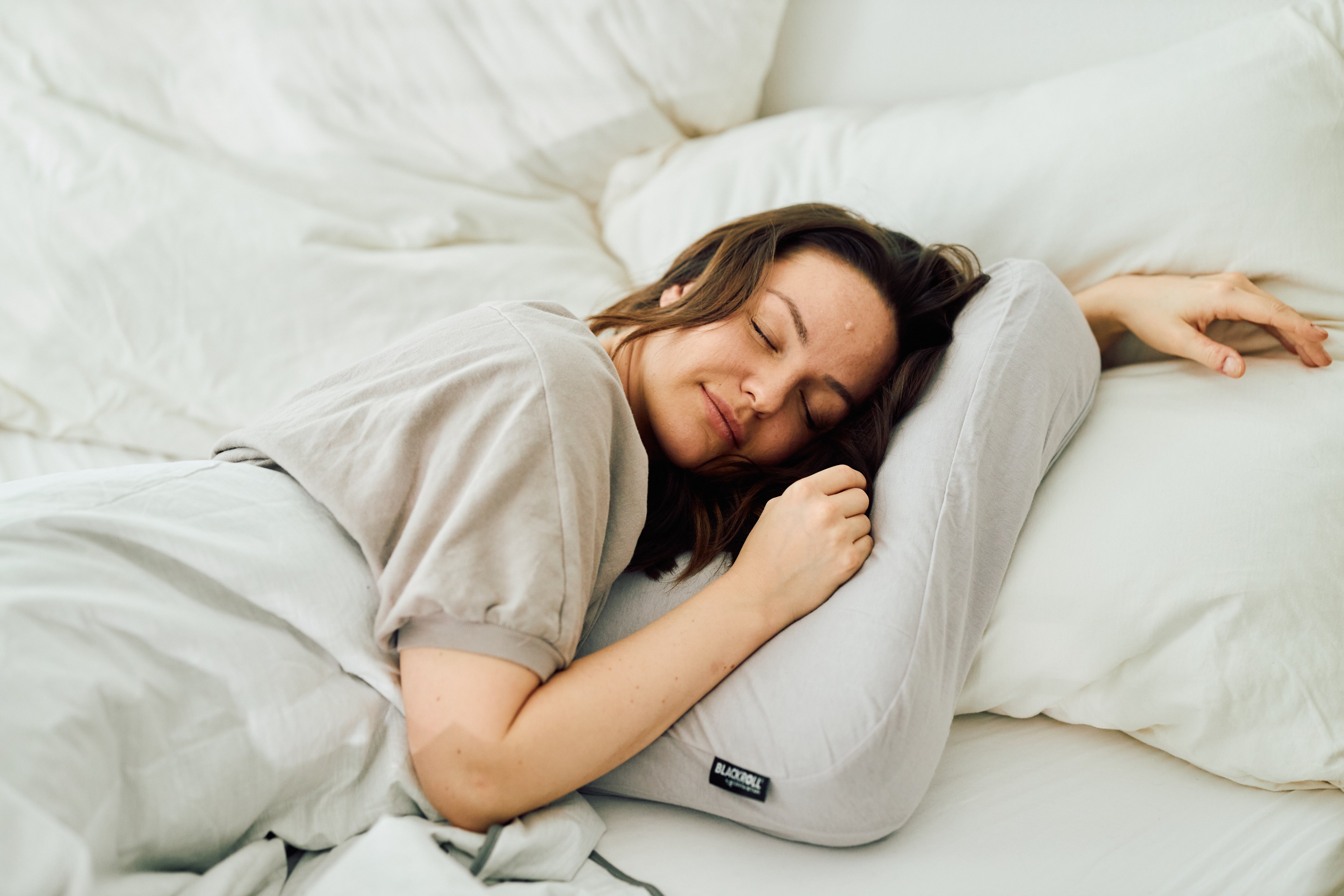
Owl or lark: What’s your sleep type?

Discover what your sleep type is and how you can use it to your advantage.
You’ve probably noticed this among your friends: Some jump out of bed early in the morning and are as fit as a fiddle. Others can barely drag themselves out of bed in the morning but are still productive late into the evening. For years, sleep researchers have primarily distinguished between two sleep types (also known as chronotypes), referred to as “larks” and “owls.”
But modern sleep research shows that these two bird metaphors do not do justice to the complexity of the issue. The variety of sleep-wake combinations is apparently greater than previously assumed. In 2014, Russian sleep researchers believe they discovered at least two additional types of sleepers during experiments with participants. According to their findings, there are people who are wide awake and productive both in the morning and in the evening, and others who struggle with a certain lethargy at both times of day. In this article, you’ll learn everything you need to know about sleep types.
Unlock the Secrets of Your Chronotype: How to Use Your Biological Clock to Maximize Productivity, Performance, and Well-Being
Our bodies are finely tuned machines, and our internal biological clock—or chronotype—plays a crucial role in determining our productivity, performance, and overall well-being. By understanding your individual chronotype, you can tailor your daily routine to your natural biological rhythms and achieve greater success in all areas of your life. In this article, we’ll explore the secrets of your chronotype and how you can use this knowledge to reach your full potential.
What Is a Chronotype?
Our internal biological clock, also known as the circadian rhythm, regulates our sleep-wake cycle, hormone production, and other bodily functions. Every person has a unique chronotype, which is determined by their genes and influences their natural sleep and wake patterns, energy levels, and overall performance throughout the day.
"Taking our natural chronotype into account can improve quality of life by contributing to better sleep, increased performance, and overall well-being. It is important to recognize these individual differences and to take them into account appropriately in our daily lives."
Dr. Fabian Krapf, Sleep Expert

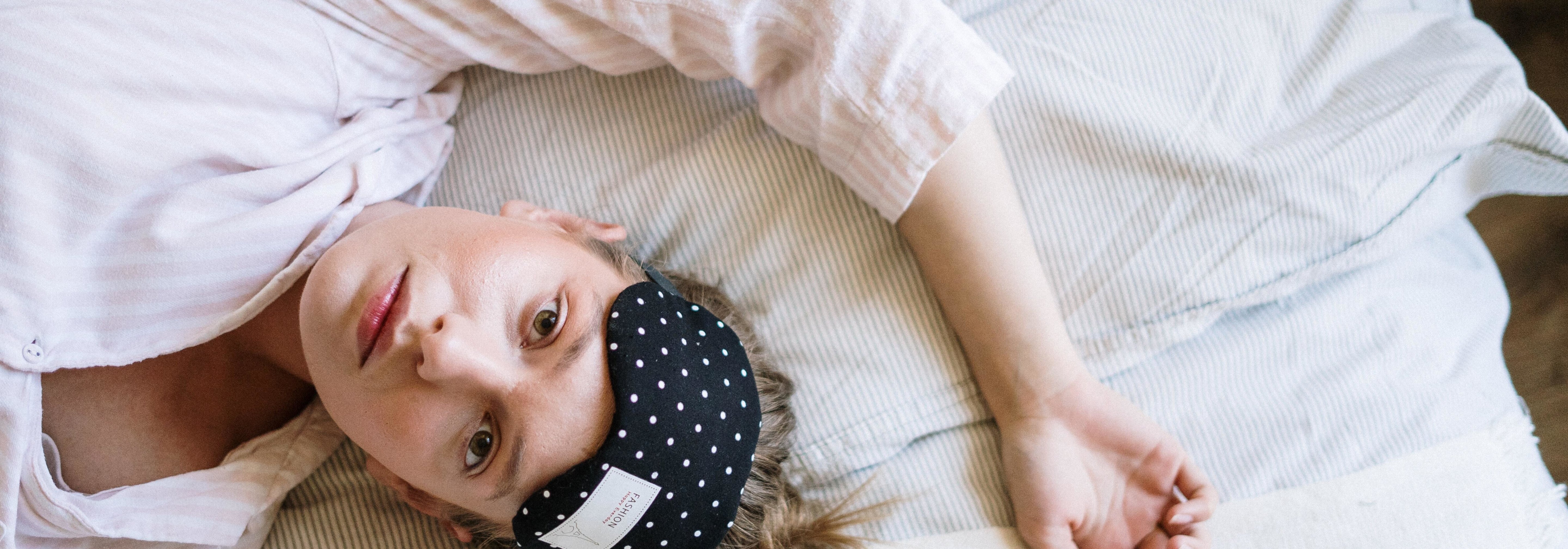
Larks and Owls: Can You Choose Your Own Chronotype?
What Makes Someone a Lark or an Owl? Whether someone is more of an early riser—a “lark”—or a late sleeper—an “owl”—is not something they can choose for themselves. The internal clock, with its individual performance curves, is part of human nature. An “owl” cannot be “re-educated” to become a “lark,” or vice versa. Even if late sleepers are forced to get up early for an extended period due to external circumstances—such as starting a job or an educational program—this does not change their original predisposition. While it is possible to condition someone, this does not result in a change of sleep type. Overall, however, pronounced early or late types are rather rare. Most people fall somewhere in between and are so-called intermediate or normal types.
Since our chronotype is, so to speak, determined at birth, it is very difficult to adapt to our social environment or professional demands. One can make do, but one will not be happy if one lives one’s entire life in opposition to one’s actual biorhythm.
Other Factors That Influence Your Chronotype
In addition to genes, there are other factors that can influence your chronotype and your daily rhythms. These include:
Age
Our chronotype tends to shift as we age, with older adults generally preferring earlier bedtimes and wake-up times.
Light Exposure
Exposure to natural light during the day can help regulate our circadian rhythm. The light you’re exposed to during the day can influence your biological clock. Try to get as much natural light as possible—for example, by taking regular walks outside.
Sleep Routine
A healthy sleep routine is important for making the most of your chronotype. Make sure you get enough sleep and try to keep your sleep and wake times consistent.
Diet
A balanced diet can also help support your natural biological rhythms. Try to eat regular meals and avoid large meals before bedtime.
Exercise
Regular exercise can support your circadian rhythm and help you feel more alert and energetic during the day. Try to get at least a little exercise every day.
Relaxation
Stress can disrupt your natural biological rhythms and lead to fatigue and burnout. Schedule relaxation periods into your day, such as meditation or yoga, to reduce stress and calm your mind.
Sleep Lark – Early Riser
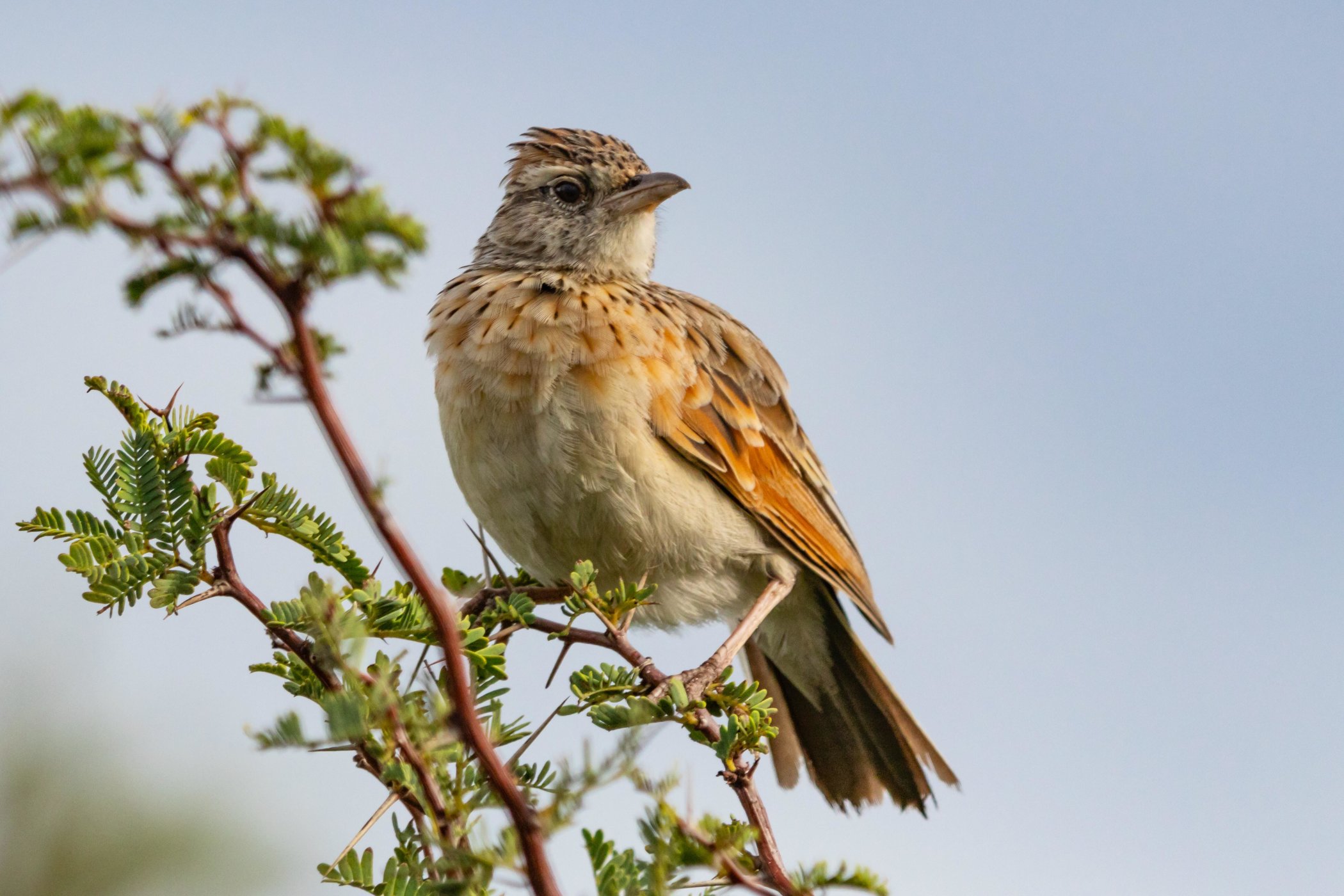
Larks tend to:
- go to bed early.
- feel their most energetic at the start of the day.
- wake up earlier.
The lark (early riser) feels quite at home in the time structure of Western society. This is because early risers find it easier to adapt to the normal daily routine of the business world. Most companies, stores, schools, and universities are open during the day. A 2012 study even shows that larks exhibit a higher level of positive emotions. From this, we can conclude that morning people, due to their chronotype, find it easier to fit into everyday life in the West. One disadvantage for larks is that they find it harder to form and maintain relationships and social connections. Social life often takes place after 9:00 p.m.—a time when the lark is already starting to feel sleepy again. Morning types struggle to get through late-night concerts and parties. The morning after a long night, the lark’s internal clock wakes them up at the usual time. As a result, some larks suffer from sleep deprivation, especially on weekends. The ideal job for a morning type is one that supports getting up early.
Sleep Type: Owl – Late Riser
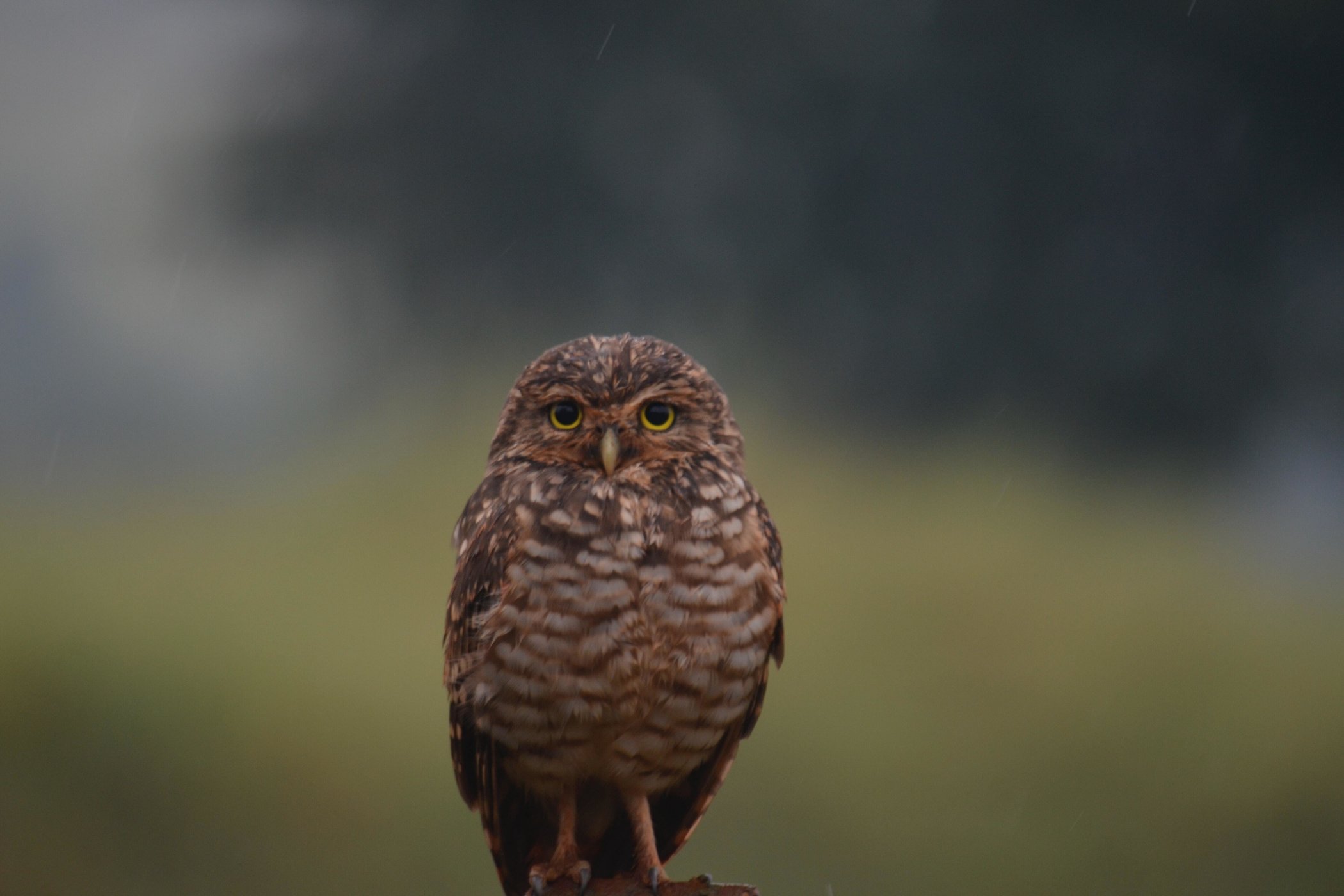
Night owls tend to:
- stay up later in the evening.
- feel their most energetic later in the day.
- sleep in longer.
- feel tired after waking up early.
The “night owl” sleep type faces a major disadvantage in everyday life in our society. The majority of our society follows a daily routine that requires getting up early. Most workdays and school days typically begin before 9:00 a.m. Night owls struggle to get out of bed when their internal clock is still geared toward sleep. They can barely manage to eat breakfast in the morning, since their digestive system is still in sleep mode. When the work or school day ends in the afternoon, night owls only reach their peak mental performance then. However, a preference for the late evening hours isn’t always a bad thing. Many creative minds, artists, and writers work best in the evening or at night, when the world around them is asleep. Owls can also easily handle a party that lasts until dawn. For evening types, jobs that start later (e.g., a permanent late shift) are particularly well-suited. If you still have to get up early, it helps for owls to get an extra dose of natural light in the morning, go to bed early in the evening, and avoid screens before bedtime.
The Mixed Chronotype
We refer to someone as a “normal type” when they fall somewhere between a lark and an owl. In fact, most people fall into this chronotype category. Normal types wake up neither particularly early nor particularly late—usually sometime between 6:30 and 8:00 a.m. They experience their mental peak in the morning, and the classic midday slump sets in during the early afternoon. The best time for exercise is in the afternoon, when blood pressure and body temperature rise.
Sleep type can change over the course of a person’s life. Most children have an early chronotype. During puberty, melatonin production in the brain shifts to a later time. As a result, teenagers stay up late in the evening and become grouchy in the morning the next day. For this reason, it’s worth questioning whether starting school early during adolescence isn’t counterproductive. Many sleep researchers have been advocating for later school start times for years. Starting at age 20, the chronotype shifts forward again, so that most adults function best when they wake up between 7:00 and 8:00 a.m.
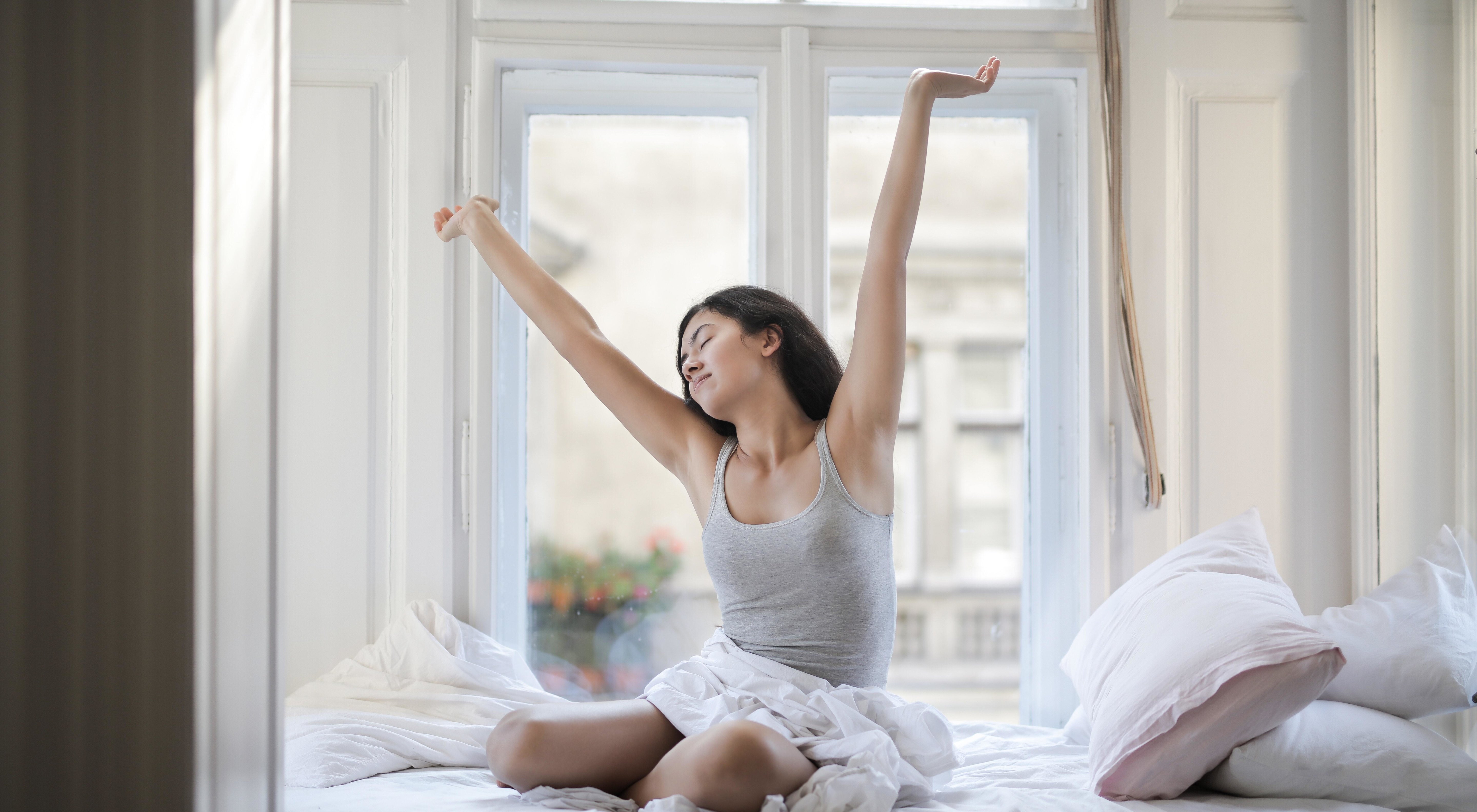
Sleep Type Test: What Sleep Type Am I?
You’re wondering, “What kind of sleep type am I?” There are several characteristics and personality traits you can use to determine which chronotype you belong to.
If you recognize yourself in the following points, you’re most likely a “Lark” sleep type:
- You start to feel tired relatively early in the evening.
- You like to get up at sunset or even earlier.
- Analytical thinking comes easily to you.
- You’re a conscientious and diligent person.
- You aren’t easily swayed by temptations.
- You like to set optimistic goals for yourself.
- You’re reluctant to take big risks and steer clear of unpleasant situations.
If you recognize yourself in these points, you’re most likely an “owl” sleep type:
- You like to stay up late into the night.
- You have a hard time getting out of bed early.
- You tend to procrastinate.
- You’re curious and willing to take risks.
- You enjoy seeking out fun.
- You tend to be moody.
- You’re a lateral thinker and don’t like to follow rigid patterns of thought.
You can take the sleep type test by considering which traits apply to you most. If you recognize aspects of both the “Lark” and “Owl” sleep types in yourself, you’re probably a “Normal” type. That means you fall somewhere between a late sleeper and an early riser.
Probably the best-known sleep type test was developed by the American Dr. Michael Breus. He also describes chronotypes using animals. However, he doesn’t divide them into owls and larks; instead, he refers to bears, wolves, lions, and dolphins.
Dr. Breus’s 4-animal model looks like this:
- Lion: The lion is the morning type. In the classic model, this would be referred to as a lark. About 20% of the Western population are lions.
- Wolf: The Wolf chronotype corresponds to the classic night owl and makes up about 15% of the population.
- Bear: The Bear chronotype falls between the Lion and the Wolf. According to Dr. Breus, about 55% of the population are Bears. This includes people whose waking hours follow the sun’s cycle and who cope best with traditional office hours.
- Dolphin: Dolphin chronotypes tend to suffer from sleep deprivation and have difficulty falling asleep and staying asleep. This chronotype is named after the dolphin because these marine mammals sleep using only one half of their brain at a time. About 10% of people are Dolphins.
Whether you relate more to the classic lark-owl model or Dr. Breus’s 4-animal model, a better understanding of your natural disposition can help prevent sleep deprivation and improve your quality of life.
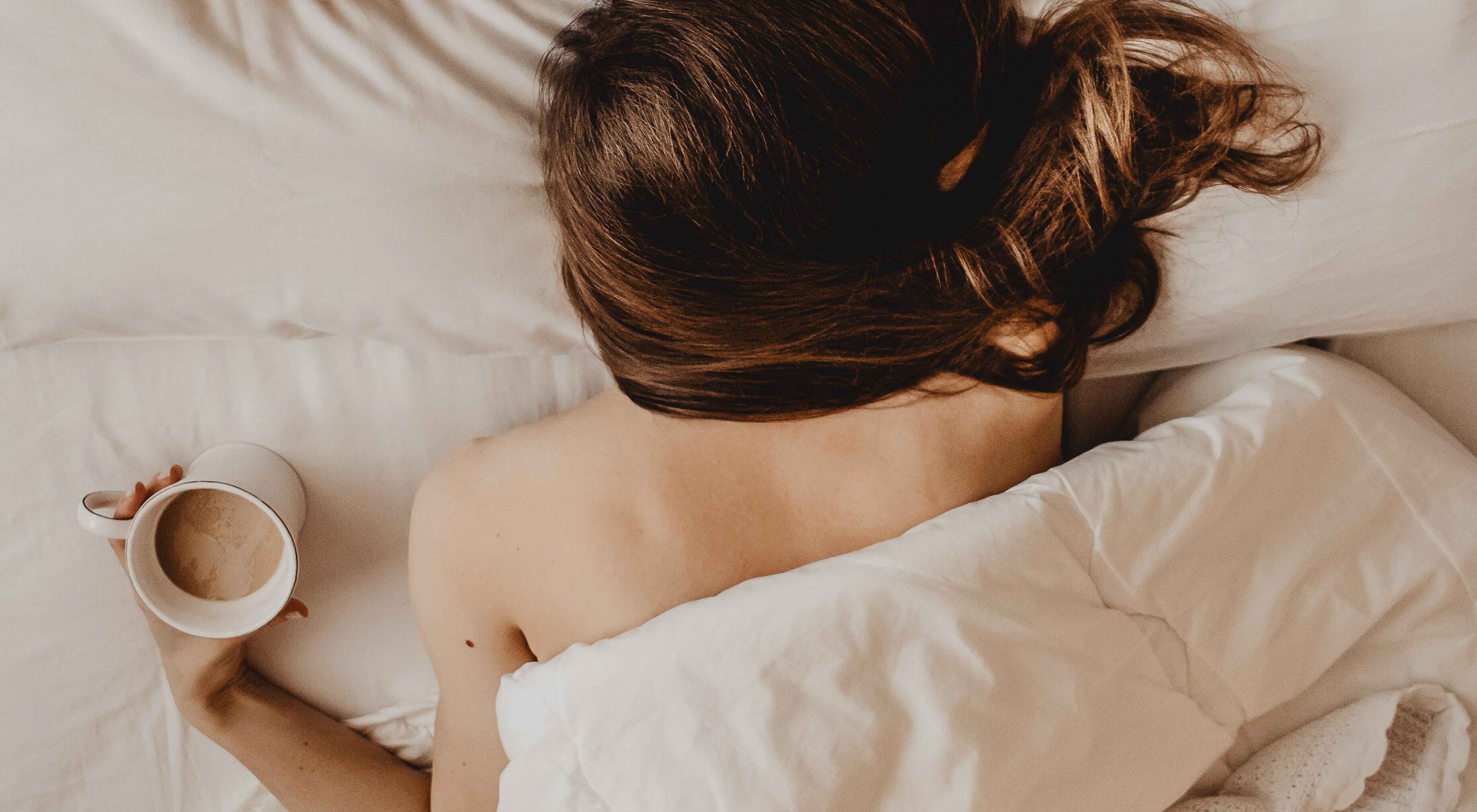
Why It’s Worth Living According to Your Sleep Type
Living according to your sleep type offers many benefits. It gives you insight into your sleep and wake cycles, as well as the times when you’re most productive. Among the most important benefits are:
- It helps you know when the best time is to go to sleep so that you feel fully rested in the morning.
- It helps you schedule certain tasks for optimal cognitive performance and maximum productivity.
- It can help you manage your eating habits.
- You can better estimate when you can consume alcohol or coffee without negatively affecting your sleep quality.
- It helps you determine when your body is at its most productive.
Recommendations for Your Sleep Type
Sleep Type: Lark
- Do work that requires a lot of focus in the morning.
- Go to sleep between 10:00 and 11:00 a.m.
- Get up before 7:00 a.m.
- Take advantage of flexible work arrangements at your job, for example.
- Cancel evening appointments if they’re too late for you.
Night Owl
- Do work that requires a lot of focus in the afternoon or evening.
- Go to sleep after 12:00 p.m.
- Get up after 8:00 a.m.
- Use the first few hours after waking up to plan your day and get some sunlight.
- If your circumstances still require you to get up early, use lighting strategies to help you cope better with waking up early (e.g., morning light exposure with a high color temperature and sufficient illuminance, i.e., very bright blue light).
Normal Type
- Complete work that requires a lot of focus in the morning.
- Take a nap between 11:00 a.m. and 12:00 p.m.
- Get up between 7:00 and 8:00 a.m.
- Take a nap in the early afternoon to overcome your midday slump.
Conclusion: Sleep Type
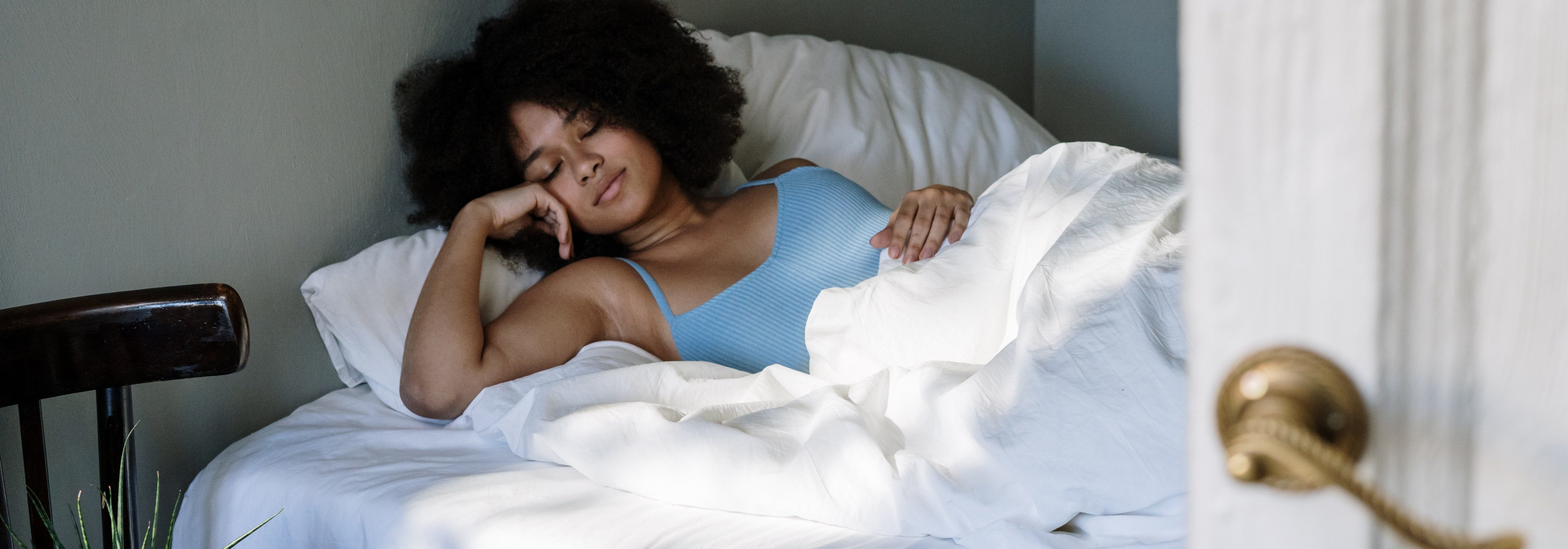
No one chronotype is better than another. Night owls may find it difficult to get up early and exercise. However, it’s often night owls who come up with bold new ideas. Every sleep type has characteristics that can be detrimental in some situations and beneficial in others. To get the most out of your chronotype, we recommend adapting your social and professional circumstances to your chronotype. Your sleep quality affects both your physical and mental health. If you understand how your sleep type influences your sleep rhythm, you’ll maximize your productivity, live a healthier life, and find ways to improve your sleep quality.
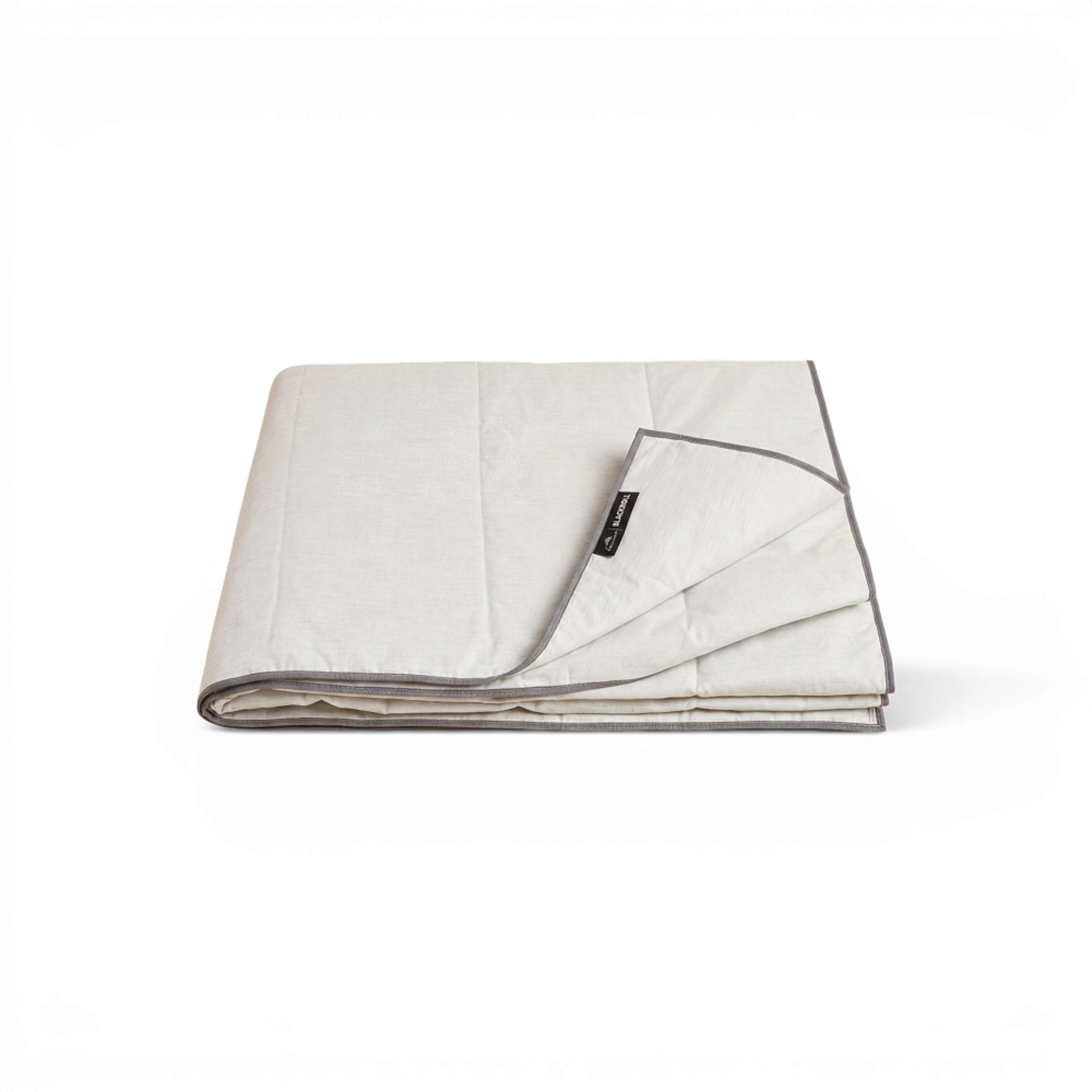
Recovery Blanket Summer
Available in multiple variants
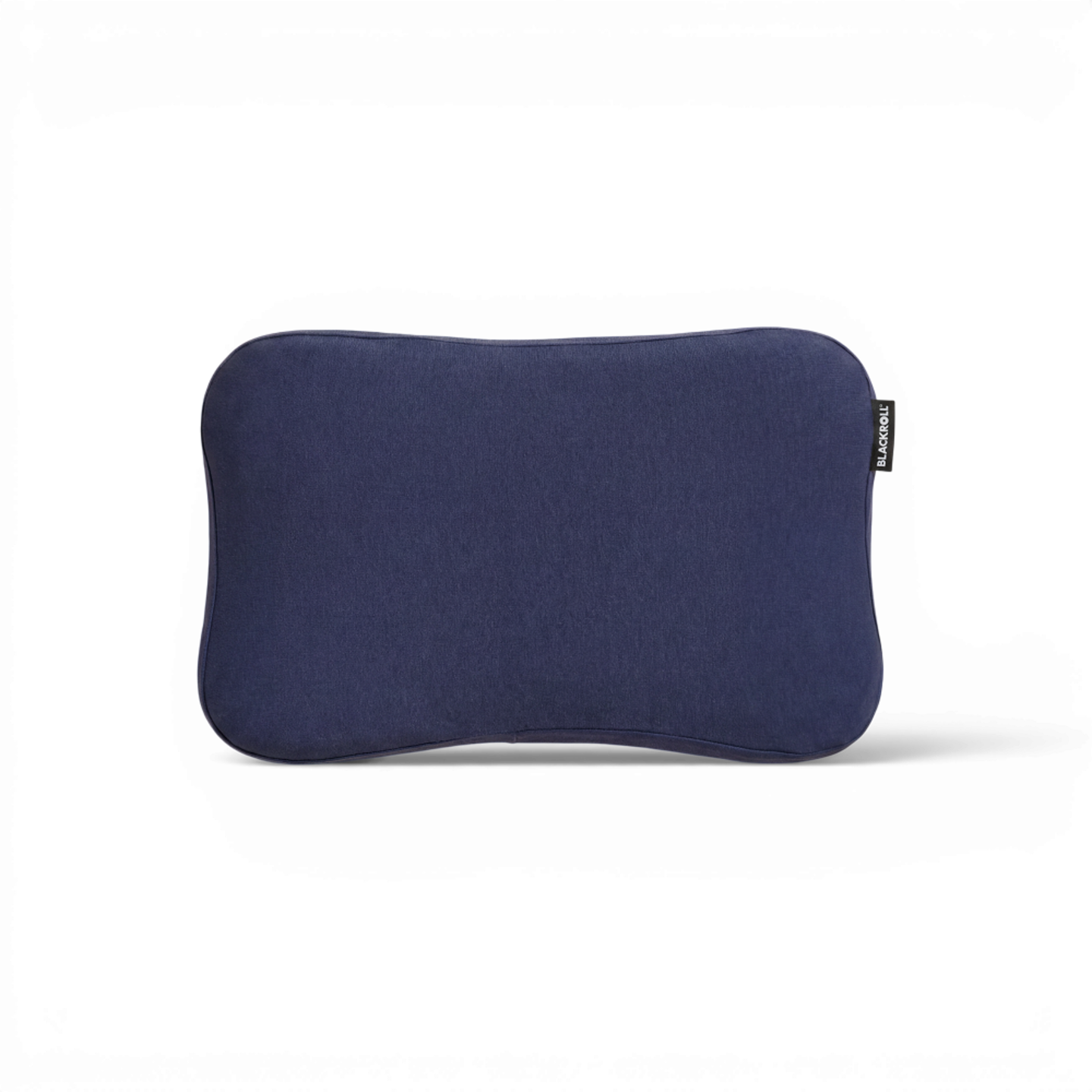
Pillow Case Jersey
Available in multiple variants