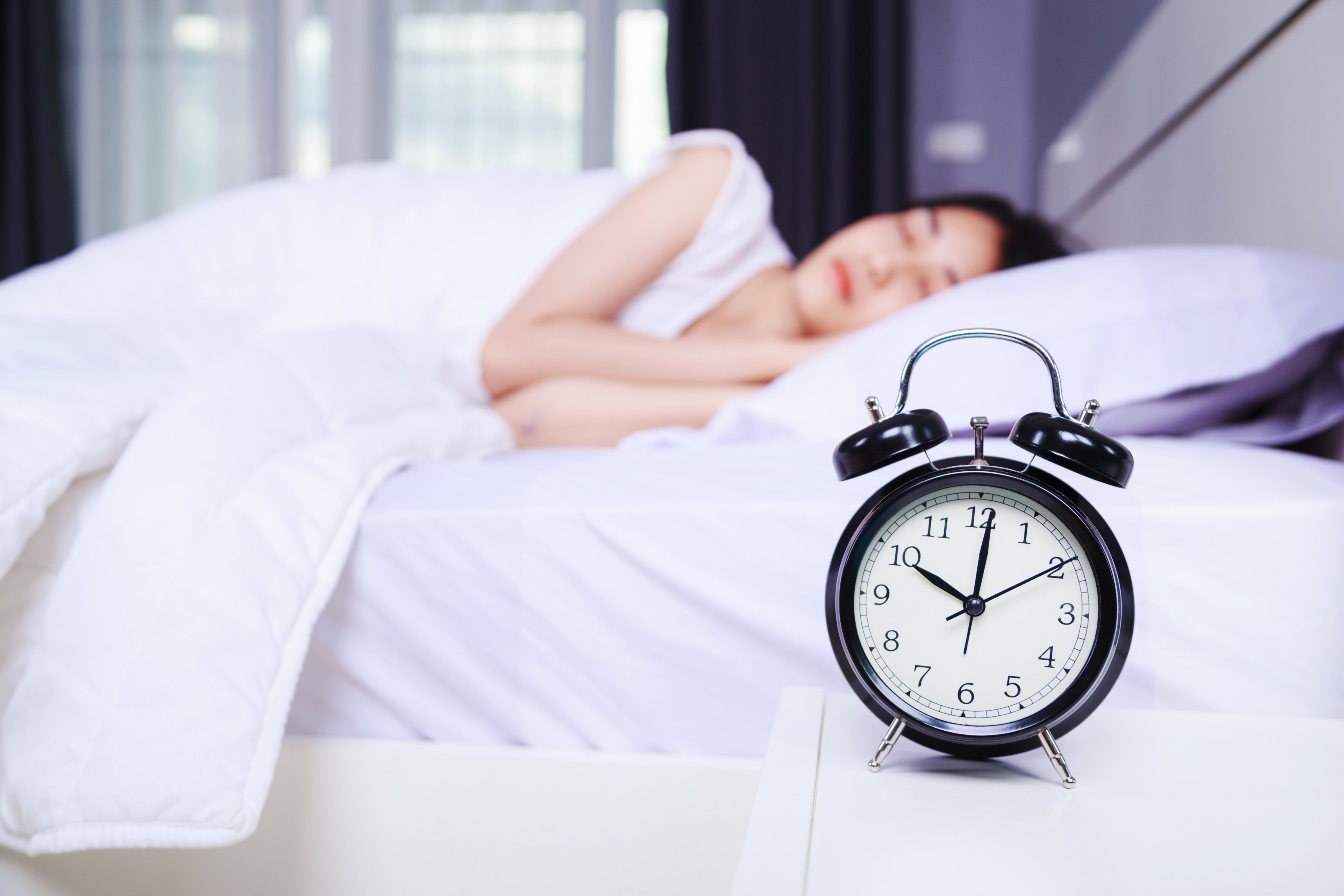
Bedtime: How to Determine the Optimal Amount of Sleep

Getting enough sleep is essential for our health and performance. And that depends largely on the quality of our sleep, which can be influenced by various factors. One of these factors is our bedtime and the duration of our sleep.
If these are optimally tailored to our sleep type, they can help ensure that we get enough rest at night and wake up feeling energized in the morning. In this article, we’ll provide you with the most important information on what the perfect bedtime entails and how you can determine the right time to wake up for you.


What is the optimal bedtime?
Going to bed at the “perfect” time in the evening is often not as easy as it sounds. Either your thoughts are circling around personal and work-related problems, there are still so many things on your to-do list, or your new favorite TV show is just getting so exciting. Yet it’s precisely the distractions from smartphones, tablets, TVs, and the like in the bedroom that cause bedtime to keep getting pushed back further and further. The reason for this is the blue light emitted by these devices, which inhibits melatonin production.
Melatonin, also known as the sleep hormone, is an important natural mechanism that helps prepare our bodies for sleep and makes us feel tired. A regular sleep-wake cycle—which includes going to bed at the right time—can help us get enough sleep and start the next day feeling energized.
However, there is no one-size-fits-all “best” bedtime for everyone.
After all, when we should go to bed also depends on chronotypes and life stage. Babies and toddlers have a much greater need for sleep than adults and therefore different bedtimes. And even among them, a distinction must be made between younger adults and seniors. This is because as people age, they often have a reduced need for sleep and can get by on just 5 to 6 hours of sleep per night. Seniors, however, often make up for lost sleep with an afternoon nap
If we align our sleep rhythm with the stage of life we’re in, it can have an extremely positive impact on sleep quality. After all, the consequences of too little sleep can be quite burdensome, ranging from constant irritability, poor concentration, chronic exhaustion, and reduced performance to obesity and increased susceptibility to infections


The best bedtime for adults
Ideally, adults should go to bed between 9 p.m. and midnight. This gives you the opportunity to wake up to the light of the rising sun after an optimal recommended sleep duration of 7 to 9 hours, which in turn has a positive effect on your mood and helps you feel refreshed.
However, you can determine the exact time you should go to bed based on your chronotype. A chronotype refers to a person’s individual sleep rhythm. The main distinction is between owls and larks. While there are also mixed types combining these, and additional types have since been defined, science primarily works with the lark and owl sleep types.
But what defines these types, and how do their sleep patterns differ? Larks like to go to bed early in the evening and have no trouble getting out of bed in the morning. Night owls, on the other hand, don’t settle down until late. They prefer to turn night into day and remain creative and productive even in the evening and at night—which is why they find it so hard to get up in the morning.
So, going to bed at 9 or 10 p.m. feels completely normal for larks, while owls would still be tossing and turning for hours if they went to bed at that time. The good news: Night owls don’t have to force themselves to go to bed early. As long as they’re in bed by midnight at the latest, they’ll still get enough sleep and can wake up with the morning light the next day.
However, if you go to bed much later than midnight, you might be in deep sleep when it gets light in the morning and you’re woken up by the sun. This throws your internal clock out of balance and makes you feel like you have a hangover when you get up. Not the best conditions for a good day.
Children and teenagers, on the other hand, have different sleep needs than adults. While newborns still need about 17 hours of sleep a day, teenagers need 8 to 10. In addition to their school obligations, they also have to cope with hormonal changes. A lack of sleep can really throw teenagers at that age off track. Younger schoolchildren, who need to process and store a lot of what they’ve learned during the night, should aim for 9 to 11 hours of sleep. Bedtime should therefore ideally be based on when school starts the next morning.
Calculating Your Sleep Schedule: 3 Tips
Ideally, you should sleep and live in harmony with your individual rhythm and sleep type. This means you know how much sleep you need at night and can adjust your bedtime and wake-up times accordingly—and ideally, you should stick to them every day.
If you have a traditional 9-to-5 office job, you can usually still influence this rhythm fairly easily. It gets more difficult with shift work or when crossing time zones, which causes jet lag. Both of these can really throw your body’s internal clock off, because your body isn’t adjusted to these changing wake-up and work times.
Use these 3 tips to figure out your very own sleep rhythm:
- Identify Your Sleep Type
As described above, sleep types can be roughly divided into owls and larks. To find out which type you are, simply take a look at your sleep habits. If you get tired quickly in the evening and like to go to bed early, but get out of bed early in the morning, you’re a lark. Owls, on the other hand, like to stay up late in the evening but sleep in longer in the morning and have a hard time getting up early.
If you find it hard to identify your sleep type in everyday life because you’ve adapted to your work schedule, take this test while on vacation. Then there’s no alarm clock dictating your rhythm, and you can go to bed and get up whenever you feel like it. - Determining Your Sleep Needs
You know yourself best and are in the best position to know how many hours of sleep you need to feel refreshed and focused. To observe yourself, simply set your alarm at different times or vary your bedtime, and then keep track of how long you need to sleep to feel your best. - Stick to Your Bedtime and Wake-Up Times as Much as Possible
Once you’ve determined your individual sleep needs, you should set specific times for going to bed and waking up. These should be based on the time you need to get up and the amount of sleep you require for optimal rest at night. According to sleep research, deviations of 20 to 30 minutes are acceptable. Ideally, you should also make sure these times remain consistent on weekends.

How to Calculate Your Personal Sleep Duration
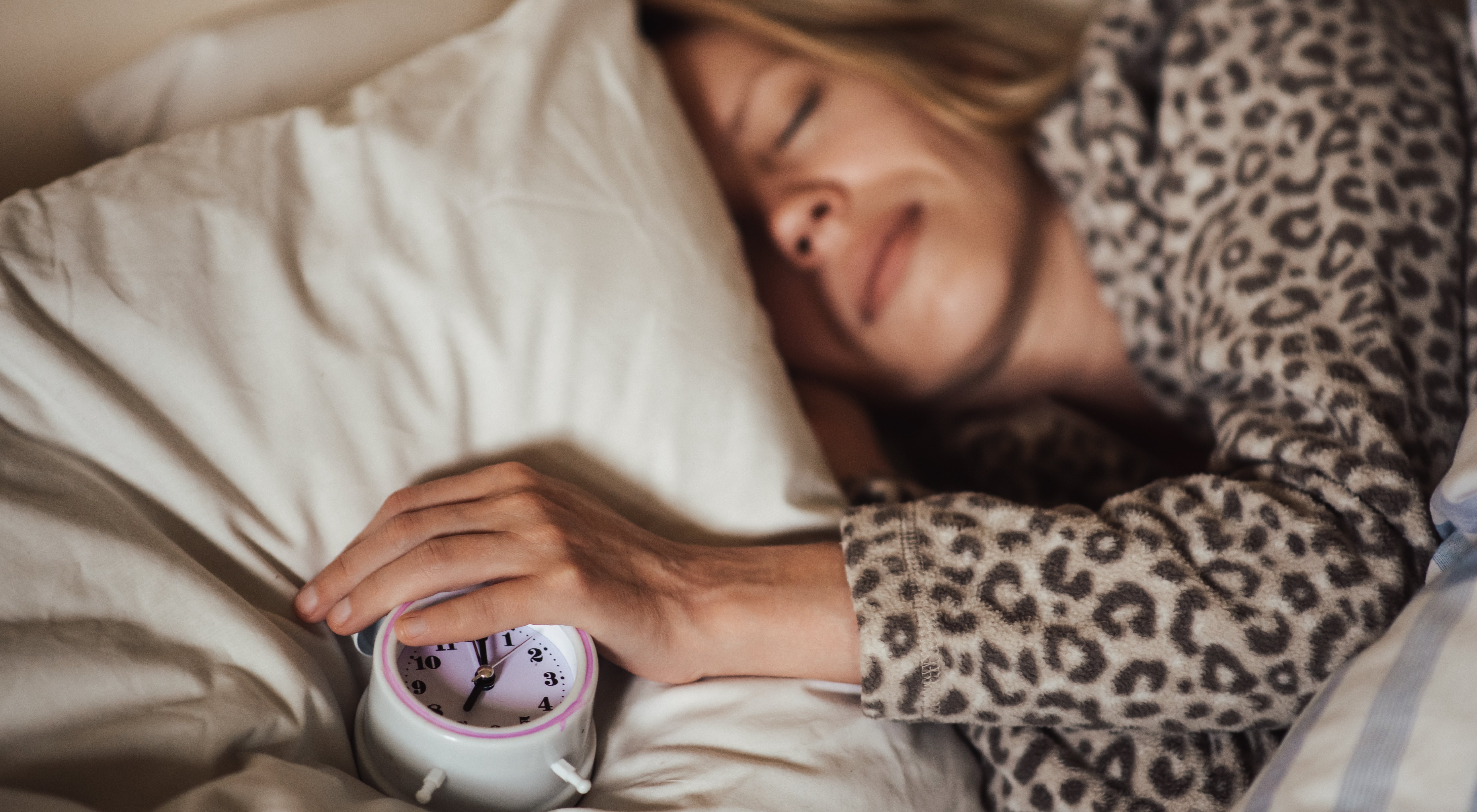
You can calculate the optimal bedtime for your sleep needs using a very simple formula, ensuring that you aren’t jolted out of a deep sleep phase when your alarm goes off. All you need to do is figure out in advance how much sleep you need each night to feel refreshed the next day. Tip 2 in the previous paragraph can help you with this.
The calculation is based on the assumption that it takes an average person about 15 minutes to fall asleep and that they go through 5 to 6 sleep cycles per night, each lasting 90 minutes. Ideally, that adds up to between 7.5 and 9 hours of sleep. Ideally, you’ve already determined your sleep needs and figured out whether you feel more refreshed after 5 or 6 sleep cycles. To do this, take the time you need to get up in the morning and count back the time required for 5 or 6 sleep cycles.
Calculation example: Your alarm goes off at 6 a.m. A night with 5 sleep cycles consists of about 450 minutes, or 7.5 hours. Subtracting the 15 minutes it takes you to fall asleep, you’d need to go to bed at 10:15 p.m. to complete all the cycles and avoid being woken up during deep sleep.
You could also go to bed at 11:45 p.m. or 1:15 a.m. Your sleep duration would then naturally be shorter. However, as long as you still wake up feeling refreshed, your sleep need has apparently already been met.


Conclusion: Bedtime
How much sleep a person needs and when they should ideally go to bed varies greatly from person to person. For a healthy sleep-wake cycle, it’s definitely recommended to listen to your body’s signals and live in harmony with your internal clock.
After all, it tells us exactly how much rest we need and when we need it. If you’re always very tired in the morning after getting up and don’t feel rested, that could be a sign that you need more sleep.
Now you should start by trying to adjust your bedtime and ensure you get the best possible sleep quality.