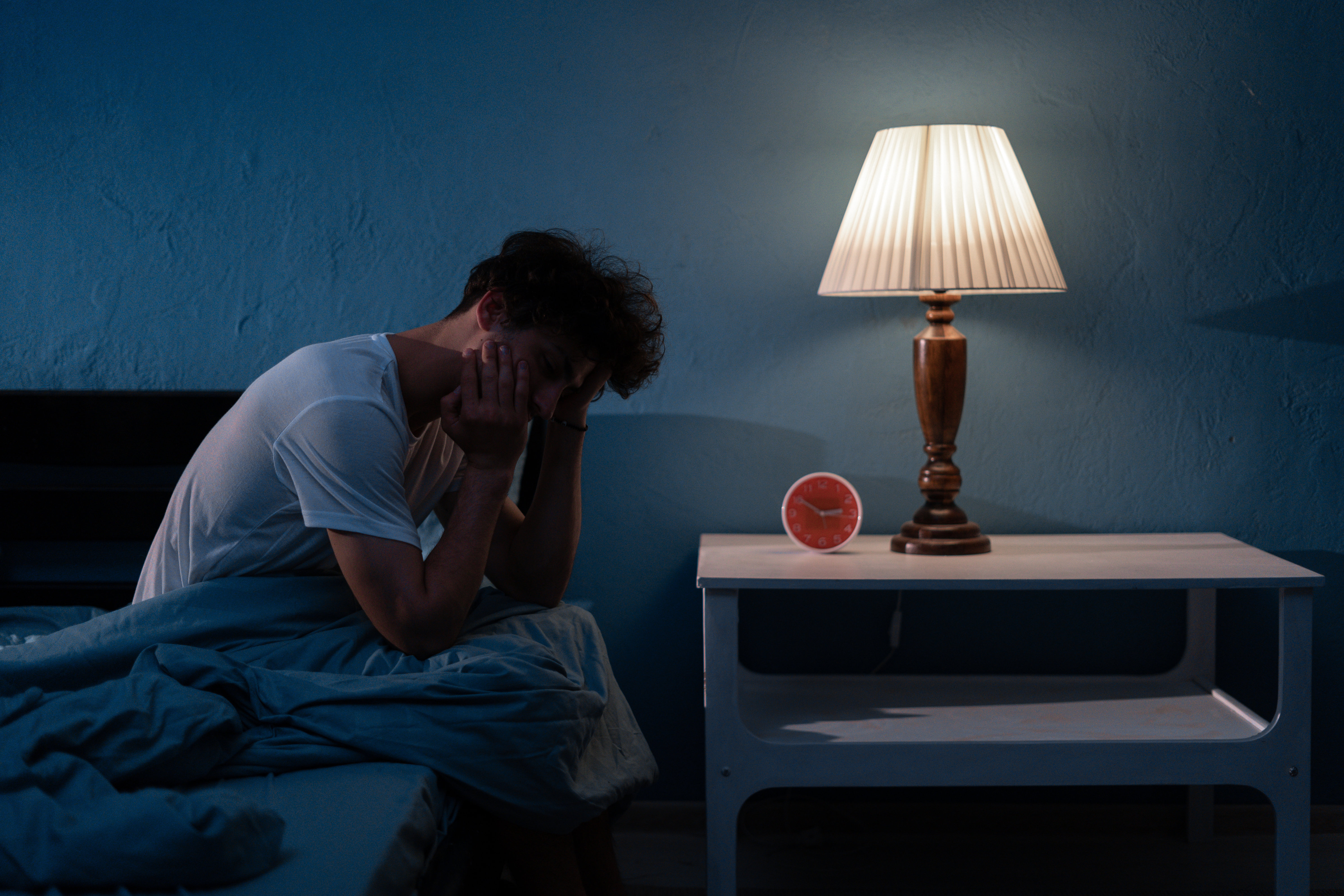
Sleep Deprivation: Effects on the Body and Mind

Anyone who frequently suffers from sleep deprivation knows why sleep deprivation was once considered a method of torture. That’s because the effects of not getting enough sleep can have serious consequences for both the body and the mind. Those who put up with poor sleep and prefer to rely on energy drinks or coffee the next day to keep themselves going aren’t doing their bodies any favors.
Chronic sleep deprivation takes its toll. If your body’s natural need for sleep is constantly ignored, it can lead to short- and long-term symptoms that can really throw your body off track. In this article, we’ll explain the symptoms and consequences of sleep deprivation and how to get your sleep deficit under control.
The outlook for sleep problems is good, as they can often be resolved simply by making a few small adjustments. And then the sleep deprivation subsides, and your energy levels rise again.

Sleep better, live healthier—with our sleep course. Up to 100% refund.
Discover the online sleep course now
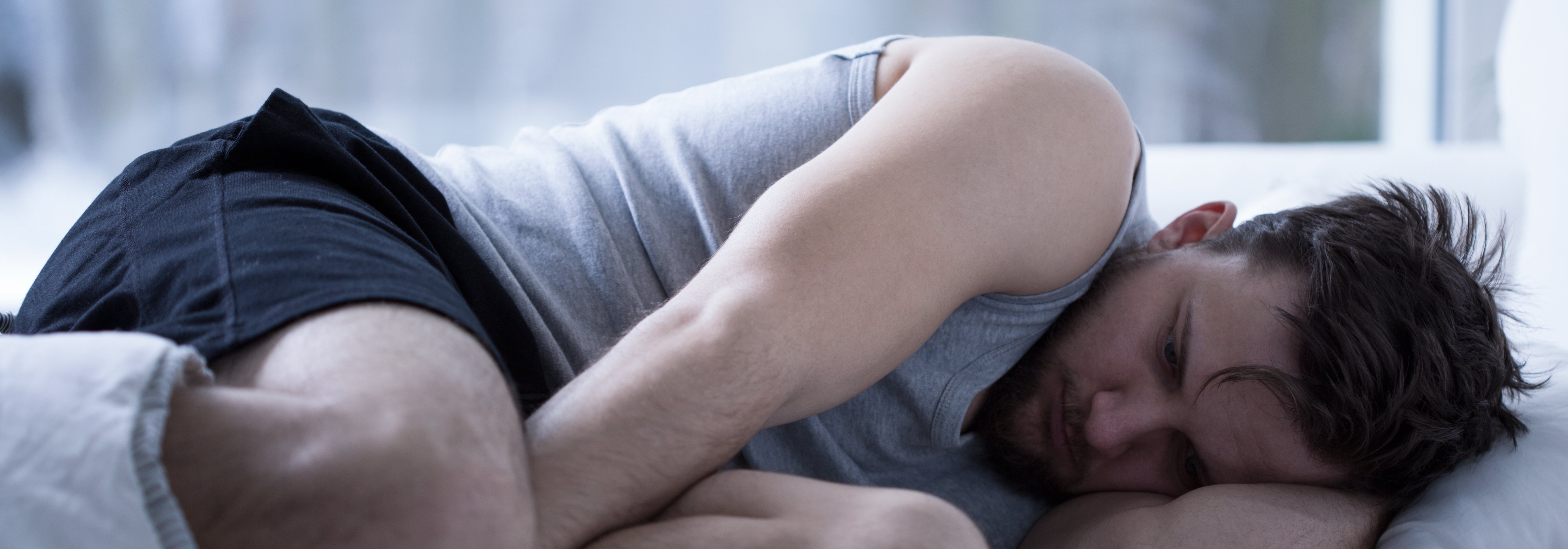
What exactly is sleep deprivation?
If you suffer from sleep deprivation, your body isn’t getting the sleep it needs. In sleep medicine, sleep deprivation is defined based on sleep duration—that is, the total amount of time a person spends sleeping. However, it’s also important to consider the quality of sleep when making an assessment.
This is because even if a person sleeps the recommended 8 hours in total, their sleep may be repeatedly interrupted, leaving them completely exhausted the next morning. So even if the duration of sleep itself meets the standard recommendation, sleep deprivation may still be present. For this reason, the term “sleep deprivation” is also used to describe factors that reduce the quantity and/or quality of sleep and prevent a person from waking up feeling refreshed.
By the way, you’re not alone in suffering from sleep deprivation—many Germans regularly toss and turn in their beds, unable to sleep. According to the findings of the DAK Health Report, around 80% of German workers are said to suffer from sleep problems. That’s no small number, considering that, when extrapolated to the population, this amounts to around 34 million people.
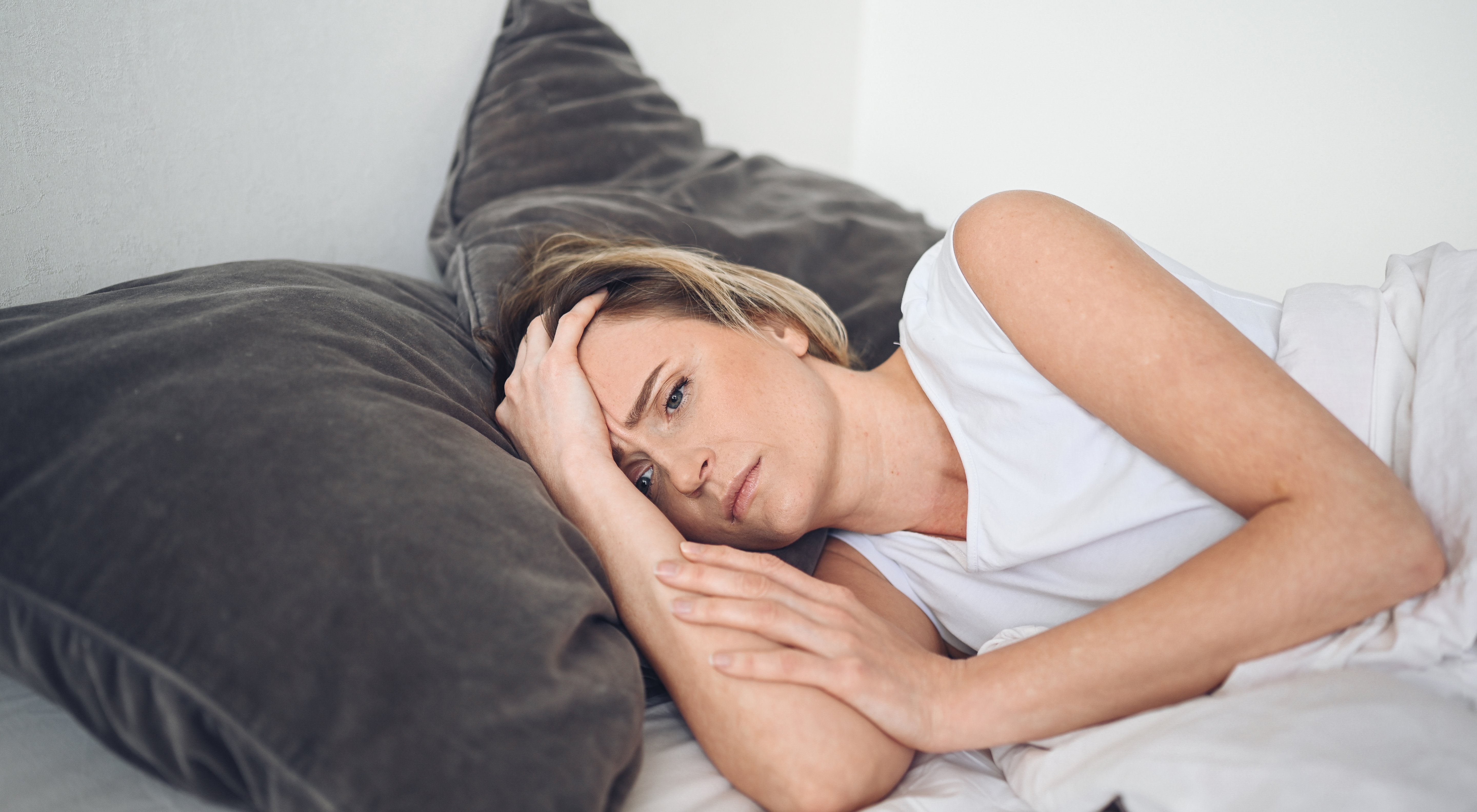
Symptoms and possible causes of sleep deprivation
But what symptoms can actually be attributed to a lack of sleep?
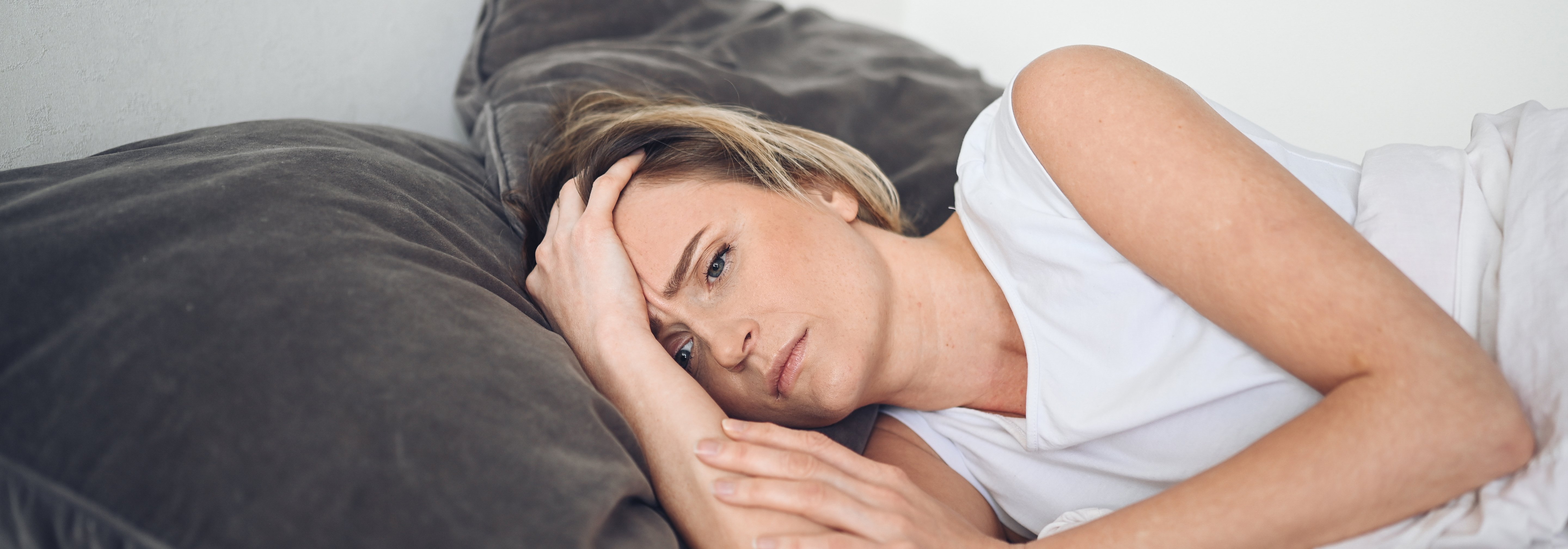
It’s important to distinguish between short-term and long-term symptoms. The former appear after just a single night of sleep problems and can be compared to a hangover after a night of heavy drinking. You’ll feel completely sleep-deprived in the morning and have a hard time getting out of bed.
People who consistently sleep poorly, on the other hand, risk long-term consequences from chronic sleep deprivation that affect both their mental and physical health as well as their cognitive functions.
Short-term symptoms that can occur after just one night of poor sleep include:
- Headaches
- Difficulty concentrating and reduced performance
- Severe fatigue
- general feeling of exhaustion
- Reduced reaction time
- Episodes of dizziness
- Irritability
- Burning and dry eyes
- Chills
- Nausea
- Frequent yawning
- Increased susceptibility to infections
- Increased inflammation in the body
What constitutes sleep deprivation and what ultimately counts as “not enough sleep” varies from person to person. And often, it just feels like you haven’t slept all night, especially if you were very restless during sleep. However, experts recommend that adults get an average of at least 6 hours of sleep to ensure that the body functions optimally.
There are several possible causes of sleep deprivation, such as:
- You use your smartphone, tablet, and TV before bed, which causes you to go to bed too late. Because if you absolutely have to watch one more episode of your new favorite show or spend hours scrolling through Instagram in bed, you lower your body’s natural readiness for sleep. The blue light emitted by electronic devices inhibits the production of the sleep hormone melatonin. And you’re signaling to your body that there are more important things than sleeping, so you stay awake longer and go to bed later than you should—even though you have to get up early the next morning.
- There’s a reason for the saying that the bedroom should be used exclusively for love and sleep. So banish electronic devices from your bedroom and, if possible, avoid too many decorations, pieces of furniture, and other items that distract your senses.
- You’re sleeping at the wrong times. For example, you take a (too) long afternoon nap or several sporadic power naps throughout the day. This can result in your sleep drive not being strong enough in the evening.
- You’re not going through all the sleep stages at night. It’s especially important to get enough REM and deep sleep. During these stages, our bodies regenerate and process the day’s experiences.
- You’re having trouble falling asleep or staying asleep, which leads to poor sleep quality and sleep deprivation. Experts generally define a sleep disorder as having difficulty falling asleep or staying asleep three times a week or more over a period of at least one month.
- Unless there is an underlying medical condition, poor sleep hygiene can also be responsible for sleep deprivation. More on that later.


These are the long-term consequences of sleep deprivation
The consequences of sleep deprivation depend on whether we have poor sleep for several nights or even weeks in a row, or just on the occasional night.
While the symptoms mentioned above are short-term effects following a single night of poor sleep, the long-term consequences of insufficient sleep can be associated with various health conditions. This is because chronic sleep deprivation significantly increases the risk of physical and mental health problems.
Lack of sleep can lead to the following long-term consequences:
- During sleep, important regenerative processes take place in the body and brain without any conscious effort on our part. Deep sleep, in particular, plays a crucial role. The brain clears itself of the “clutter” of everyday life. At night, it sorts and stores the day’s experiences, lessons learned, motor skills, and emotions. These processes ensure that we can remember things and that our knowledge and skills become firmly established. If the deep sleep phase is shortened, what we’ve learned and experienced isn’t fully incorporated into our memory—and we develop mentally less, if at all. In the long term, this makes it increasingly difficult for people to retain information or learn from specific experiences.
- In addition, the body releases growth hormones during sleep that support the growth and regeneration of organs, bones, and muscles.
- The immune system also works at full capacity while we sleep, eliminating invaders such as viruses or bacteria. Chronic sleep deprivation therefore increases susceptibility to infections and colds.
- Researchers have also been able to establish a link between sleep deprivation and an increased risk of cardiovascular problems such as high blood pressure, heart attack, stroke, or coronary heart disease in various studies.
- In addition, this can lead to increased calcium and cholesterol deposits in the arteries and blood vessels.
- Inflammatory activity in the body is also increased.
- Lack of sleep also impairs the body’s ability to regulate blood sugar. This is associated with an increased risk of metabolic diseases such as diabetes.
- Headaches and migraines are observed more frequently, and the risk of depression, stress, and obesity increases.
If you regularly sleep poorly or haven’t slept for days—or even an entire night—you can imagine what that means for your body. All of the processes mentioned no longer function properly, and the body’s natural regulatory mechanisms are disrupted as a result. The consequences of sleep deprivation are the symptoms listed above. Frequent disruptions can therefore have a massive impact on the entire body.
Sleep Quality as a Key Factor in Sleep Deprivation
Sleep deprivation isn’t just caused by not getting enough sleep; it’s often due to poor sleep quality as well. Even if you spend enough time in bed, a restless night can mean you miss out on important recovery phases. In addition to stress, lifestyle, and sleep habits, your sleep environment also plays a key role.
Especially in children, unsuitable bedding can further impair sleep. That’s why it’s worth examining such factors—such as the appropriate size of children’s comforters—to specifically improve rest.


Sleep Deprivation as a Successful Therapeutic Method
Sleep deprivation can result not only from poor habits and sleep disorders but also from planned sleep deprivation. This method is used in particular to treat depression as a supplement to conventional treatment. In this so-called wake therapy, patients are subjected to either complete or partial sleep deprivation. In other words, they either stay awake all night or only during the second half of the night.
According to the “National Care Guideline for Unipolar Depression,” this therapeutic measure can be quite effective in breaking the cycle of depressive episodes and allowing patients to experience different mood states. In about 60% of those affected, sleep deprivation leads to an improvement in symptoms and a better mood, at least the following day. Wake therapy is therefore considered the only non-pharmacological method with immediate effects and is available at any time and free of charge. In addition, successfully staying awake can strengthen patients’ sense of self-efficacy.
Coping with Sleep Deprivation: 10 Tips for When You’re Not Getting Enough Sleep
Anyone suffering from sleep deprivation should take a closer look at the underlying causes. Often, we ourselves are responsible for poor sleep quality—because we don’t give our bodies and minds the rest they need to wind down and prepare for the night.
However, this also means we can often set the stage for good sleep ourselves. So if you frequently wake up in the morning feeling completely sleep-deprived, it’s always worth taking a look at your sleep hygiene. This refers to all the behaviors that help promote healthy sleep. Here’s what you can do to improve it:
- Keep your bedroom as cool as possible. Around 18 degrees is considered ideal. This ensures you won’t wake up because you’re too warm. If your bedroom is too hot—or if you even sleep with the heat turned up—it can also put a strain on your mucous membranes. This makes your airways more vulnerable and can lead to an irritating cough that disrupts your sleep.
- Maintain a regular sleep schedule by consciously keeping your bedtime and wake-up times consistent (ideally even on weekends). This not only helps your internal clock settle into a rhythm but also ensures that melatonin release begins at the same time every evening (taking into account the time change between daylight saving time and standard time).
- Remove disruptive sources of light and noise from the bedroom. For example, use thick, light- and sound-blocking curtains that sufficiently darken the window facing outside or the glass in the doors.
- Avoid alcohol, nicotine, and caffeine a few hours before bedtime. They have a stimulating effect and prevent good sleep. Even though alcohol makes us drowsy at first, appearances can be deceiving. This is because alcohol consumption initially triggers the release of adenosine. A chemical in the brain that makes us sleepy. But as soon as it breaks down after a few hours, we wake up, even though we haven’t had a restful sleep yet. Alcohol also acts as a diuretic. So, after a night of drinking, frequent trips to the bathroom are inevitable.
- Avoid high-intensity sports like HIIT training or strenuous cardio workouts before bedtime. It’s better to save these for the morning, since intense exercise revs up your body and gives it an energy boost—exactly what you don’t need before going to sleep.
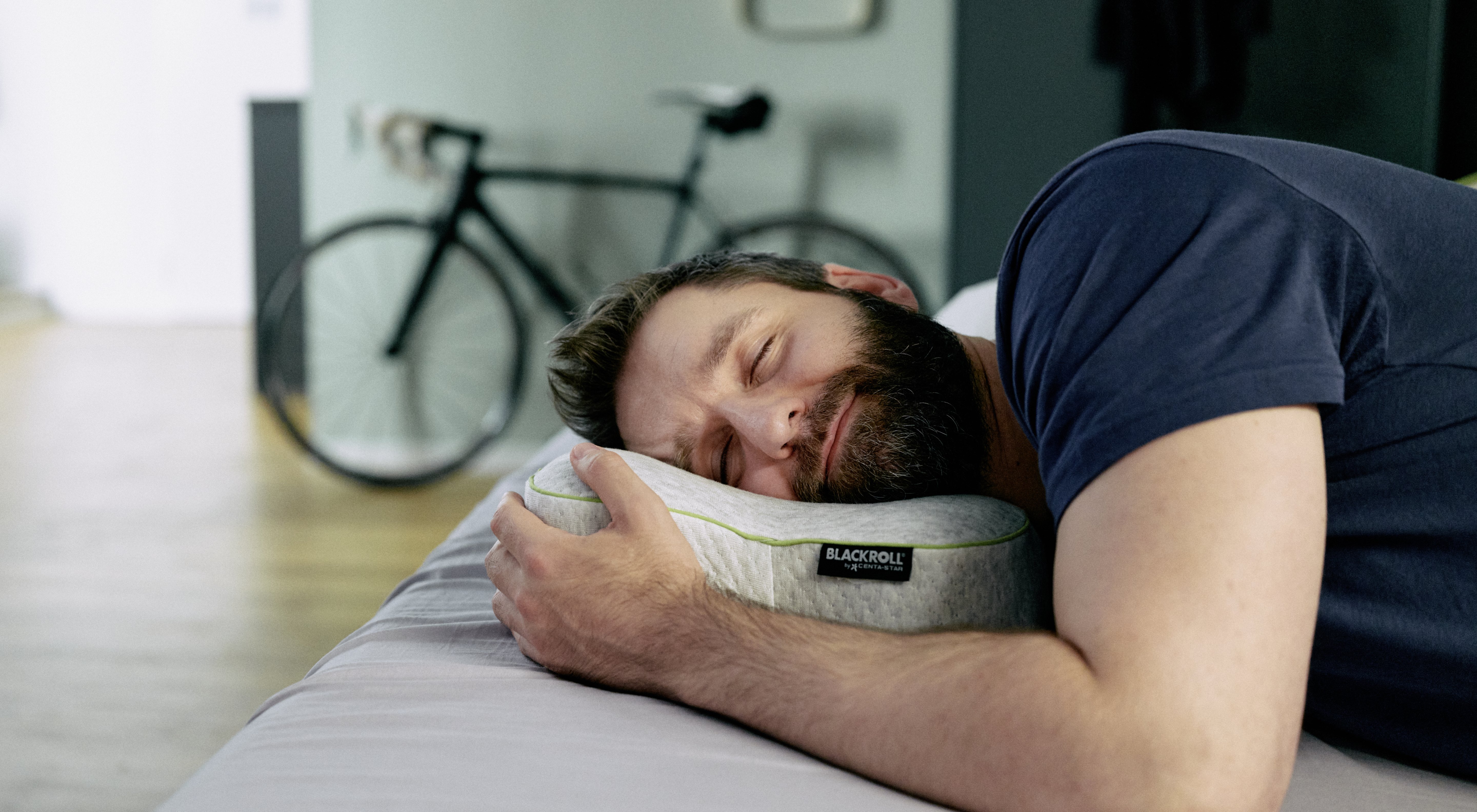
- Make sure your mattress and pillow provide optimal support for your body while you sleep. We recommend our ‘RECOVERY BASE.’ It’s a mattress that adapts perfectly to all body types and sleeping styles. In addition, our ‘RECOVERY PILLOW’ neck support pillow helps maintain your natural sleeping position. This not only helps prevent head and neck pain when you wake up but also ensures you sleep better.
- Avoid napping during the day. Even if it’s tempting to “just take a quick nap” during the day, for the sake of your sleep the following night, you shouldn’t take long daytime naps. This is because you may end up sleeping too much overall, so that your sleep pressure isn’t high enough in the evening and you fall asleep much too late. A power nap of 20 to 30 minutes, on the other hand, is fine during the day. That way, you’ll wake up in time before drifting into the deep sleep phase.
- Use relaxation techniques to help you fall asleep. Before going to bed, you should relax your body and mind and prepare for sleep by practicing calm relaxation exercises such as yoga, meditation, or breathing exercises. The inner calm this creates can have a positive effect on your sleep quality.
- Rely on medicinal plants as home remedies for sleep problems. Plants used in naturopathy to treat sleep problems include, among others:
- Passionflower: Passionflower extracts can stimulate receptors on nerve cells, including the so-called benzodiazepine receptor, which is believed to trigger a calming and sleep-promoting effect.
- Valerian: Like passionflower, valerian has anxiety-relieving, sleep-promoting, and calming effects. Valerian’s effectiveness stems from the fact that certain compounds in the valerian root inhibit the breakdown of gamma-aminobutyric acid (GABA) in the brain. Low GABA levels are associated with stress, anxiety, nervousness, and poor sleep.
- Hops: The compounds in the hop plant regulate the sleep-wake cycle. Hops may have a similar effect to the body’s own sleep hormone, melatonin. However, no studies have yet been conducted that focus exclusively on the effect of hops on sleep. There is, however, already scientific evidence that hops and valerian complement each other in their sleep-promoting effects when taken together. Taking combination supplements that contain both plants can therefore help you with sleep disorders.
- Lavender: We all know it as the ultimate medicinal plant for sleep problems. The essential oils found in lavender block the release of the stress hormones norepinephrine and epinephrine and prevent the breakdown of the “happiness hormone” serotonin. This, in turn, is said to promote calm and balance and make it easier to fall asleep.
- Lemon balm: Lemon balm can also have an anxiety-relieving and calming effect, thanks to its soothing essential oils.
Start by trying to make yourself a cup of tea with one of the medicinal plants mentioned above as part of your evening ritual before going to bed. Alternatively, extracts of these medicinal plants are also available in the form of coated tablets or capsules, which can be purchased at pharmacies or drugstores.
10. Adjust Your Diet
You should avoid heavy meals right before bedtime. Otherwise, your digestion will become very active, which can delay falling asleep. That said, you should still eat enough before going to bed. After all, nothing is more annoying than waking up at night with a growling stomach and being unable to fall back asleep as a result. When you’re hungry, the hormone ghrelin is released, which in turn triggers a sort of alarm response in the brain. Even a small snack before bed can help regulate this hormone and support you in falling asleep and staying asleep.
In the evening, you should ideally eat foods that contain tryptophan. This amino acid is a precursor to the sleep hormone melatonin. The body converts it into melatonin, which in turn makes us sleepy. Tryptophan is found especially in fish and seafood, soy, milk, cocoa, bananas, and nuts.

Summary
In most cases, we can successfully help our bodies and minds combat sleep problems and the resulting sleep deprivation (including “short-term sleep deprivation,” such as that caused by jet lag). Simply adjusting a few of your habits can already significantly improve your sleep quality.
However, if your sleep problems persist for more than a month and you regularly sleep poorly three times a week or more during that time, see a sleep specialist to be checked for possible medical conditions.
There may be an underlying medical condition causing your insomnia, such as sleep apnea, a neurological problem, or a mental health disorder.
But even if your lack of sleep is causing you significant distress in your daily life, it’s a good idea to see your family doctor. They’ll be able to provide you with comprehensive information about all treatment options.
Sleep Better and Recharge with These Tools