
What is the ideal sleeping temperature?

People need between seven and nine hours of sleep every night to recharge, relieve stress, and stay healthy. To ensure we sleep undisturbed and restfully, the bedroom should be at an optimal sleeping temperature. After all, being too hot or too cold can rob us of that precious sleep. Find out here what the best temperature for sleeping is, how you can regulate it, and how you can create a healthy sleeping environment.

Optimal Sleeping Temperature – That’s the Best Temperature for Sleeping
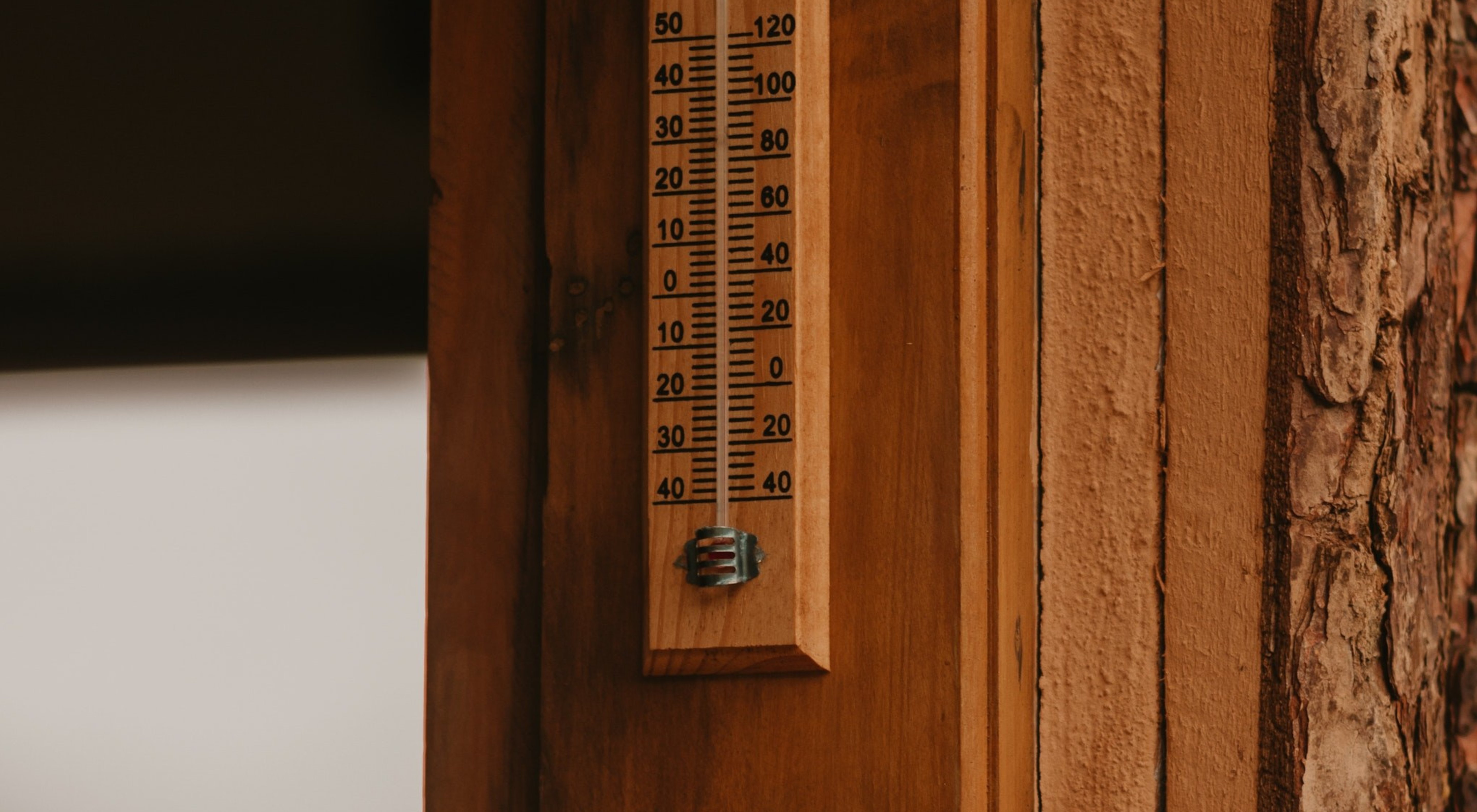
Experts recommend sleeping in a cool room and avoiding using the heater at night. But what should the temperature be in the bedroom so that the body can regenerate properly and we wake up feeling refreshed? Studies show that the best temperature for sleeping is between 16 and 19 degrees. In a cool—but not too cold—room, we can enjoy a comfortable night’s sleep, sleep through the night, and avoid waking up in the middle of the night because we’re freezing or sweating.
However, in addition to the right room temperature, other factors also play an important role:
On top of that, there’s individual sensitivity. Some people get cold easily and have cold feet, which keep them from falling asleep. Others, on the other hand, don’t need a warm comforter even in winter. As people age, their basal metabolic rate also decreases, which is why older people feel the cold more easily. The optimal sleeping temperature therefore depends not only on the room temperature measured by a thermostat or thermometer, but also on each person’s individual comfort temperature.
Next Regeneration Sleep Quality
Bedding Set Premium Comfort
Available in multiple variants
Bed Sheet Premium Comfort
Available in multiple variants


The Best Sleeping Temperature for Children and Seniors
The right sleeping temperature is a crucial factor for restful sleep, but it’s often underestimated. If it’s too warm or too cold, it’s harder to wind down and sleep through the night.
This applies not only to adults but especially to children, who are more sensitive to changes in their sleep environment. Especially when a 7-year-old child refuses to sleep, it can be helpful to take a closer look not only at routines but also at external factors such as temperature and indoor climate.
Babies and toddlers also sleep best in a room with a temperature of 16 to 19 degrees. They should neither get too cold nor be swaddled too warmly in their cribs. This is because babies, in particular, can overheat quickly and are unable to cool themselves down on their own.
Older adults, on the other hand, feel more comfortable in warmer rooms, as muscle mass—and thus basal metabolic rate—decreases with age. For this reason, a room temperature of 18 to 20 degrees is recommended for the bedroom.


Comfort Temperature—Everyone Feels It Differently
In general, it’s often observed that women feel the cold more easily than men. The temperature a person finds comfortable depends on many factors and can change from time to time. Among other things, metabolism, body fat percentage, muscle mass, hormone levels, age, and medical conditions influence how sensitive we are to the cold.
Comfort temperature is therefore a highly individual matter that poses a challenge for many couples sharing a bedroom. While some prefer to sleep with the window open, others need the room to be nice and cozy. If individual comfort temperatures differ significantly, one partner often suffers from sleep problems.

What is the normal body temperature for humans?
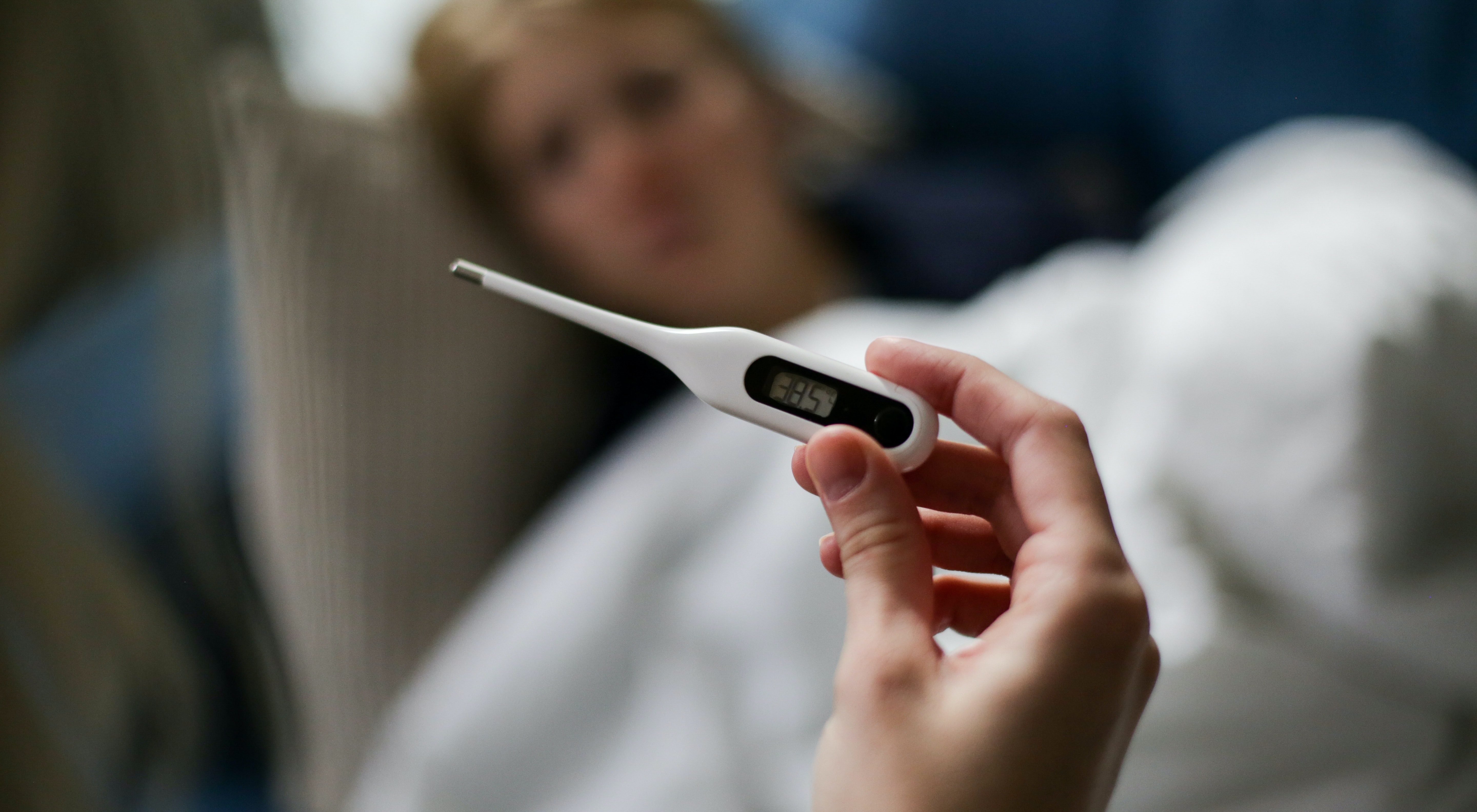
The normal body temperature for humans is between 36.5 and 37.4 degrees. It drops by 1 degree during sleep. The body works by every means possible to maintain its core temperature—a pure survival strategy. If the outside temperature is too high, the cooling system kicks in and we start to sweat. If it’s too cold, the body generates heat through shivering and muscle tension so that we don’t freeze to death.
Our body thus regulates body temperature and has a particularly heavy workload in both hot and cold conditions. By maintaining the optimal sleeping temperature, we provide it with the best possible conditions to focus on recovery without any additional strain.


Why is sleep temperature important?
During sleep, the body shuts down nonessential bodily functions and focuses entirely on recovery. Various processes then take place within the body:
- the immune system is strengthened
- Cells regenerate
- toxins are eliminated
- wounds heal
- muscles are repaired
- Fat burning is stimulated
- The brain processes the day’s experiences
However, all of this only works in an environment that doesn’t place additional strain on the body. If external factors force the body to work to maintain its nighttime temperature of 36 degrees, this distracts from the regeneration process. If the room temperature is too warm, the body must cool itself down by sweating. If it’s too cold, the body generates energy to prevent hypothermia. However, we should neither sweat nor feel cold in bed, so as not to compromise sleep quality. An optimal sleeping temperature allows the body to regenerate during sleep and recharge its energy reserves. Furthermore, at a temperature of 15.6 to 20 degrees, more of the sleep hormone melatonin is produced, which helps us fall asleep and stay asleep.
The wrong bedroom temperature can therefore have a negative impact on sleep quality. This often leads to trouble falling asleep, and frequent awakenings disrupt a restful night’s sleep. Restless sleep can cause muscle tension and back problems. If we sweat in high temperatures and kick off the comforter while sleeping, the risk of catching a cold also increases.


What effects does an incorrect sleeping temperature have on our health?
Our bodies and brains need restful sleep to regenerate. However, the wrong sleeping temperature can impair sleep quality. We’ve all been there: when the sweltering summer heat makes it impossible to sleep. We toss and turn in bed, kick off the covers, try to cool off any way we can, and have restless dreams. That’s not what restful sleep looks like, and we feel the consequences of a sleepless night the next day through
- fatigue
- difficulty concentrating
- decreased performance
- malaise
These are precisely the effects that a consistently incorrect sleeping temperature has on your health. An unhealthy sleeping environment can also lead to sleep disorders, muscle tension, increased susceptibility to infections, and other health consequences.


How do I regulate the sleeping temperature in my bedroom?
Heating and ventilation are the two methods you can use to regulate the sleeping temperature in your bedroom. If it’s too warm, opening the windows for a few minutes to let fresh air into the room can help. If the room is too cold, turn on the heater during the day and let it run on a low setting. However, the bedroom shouldn’t be overheated. If the room temperature is slightly above 16 degrees—which is within the optimal range—you can preheat the bed with a hot water bottle or wear warm socks to keep your feet from getting cold, instead of turning up the heat.
By the way, a high-quality mattress also helps regulate body heat while you sleep. For a comfortable sleeping environment, a mattress made of breathable material is recommended.


Tips for the Optimal Sleeping Temperature in Summer and Winter
When outdoor temperatures are particularly high in summer or low in winter, simply ventilating or heating the room isn’t enough. In sub-zero temperatures, the room cools down too quickly; on hot summer nights, ventilating brings more warm air into the room than a cool breeze. In these cases, the following tips can help you achieve an optimal sleeping temperature:
- Ventilation: Regular bursts of ventilation ensure a comfortable indoor climate in both summer and winter and provide sufficient oxygen in the bedroom—which we especially need while sleeping. Since the air entering the room through open windows is usually quite warm in summer, it’s best to ventilate early in the morning and late in the evening when temperatures are lower. In winter, several short ventilation sessions throughout the day are sufficient. Otherwise, when temperatures drop below freezing, the room will cool down too much and will need to be heated back up to an optimal temperature.
- Blackout: Roller shades block the sun during the day, which heats up the room. A darkened room stays pleasantly cool.
- Fan: Stagnant air makes it hard to sleep in the summer. A gentle breeze from a fan, on the other hand, has a cooling effect.
- Heating: If your bedroomis very cold, you can run the heater on a low setting in winter. Consistent heating at a low setting is actually more energy-efficient than heating a room that has cooled to below 16 degrees. However, the room temperature should not rise above 20 degrees. Be sure to pay attention to humidity levels in heated rooms, as heated air dries out your mucous membranes at night.
- Bedding: Duvets and bedding should be suited to the season. If you feel the cold easily, you’ll be comfortable in warm flannel. In summer, on the other hand, a duvet cover made of linen or cotton sateen is ideal.
If the bedroom gets very cold in winter, the windows may not be sufficiently insulated or the thermal insulation may be inadequate. In this case, it’s worth checking whether warm air is escaping outside and cold air is seeping in through a draft.


The optimal humidity level in the bedroom
In addition to the sleeping temperature, the optimal humidity in the bedroom is also an important factor for sleep quality and health. If the air in the room is too dry, the mucous membranes dry out at night and we become susceptible to infections. If, on the other hand, the air in the room is too humid, mold can form on the walls. Therefore, an optimal humidity level between 40 and 60 percent should be maintained.


What can I do if I have trouble falling asleep or staying asleep?
If you repeatedly have trouble falling asleep or staying asleep, it may be due to an unsuitable sleep environment or poor sleep hygiene. Here are a few tips on how to manage your sleep problems:
- Ventilate your bedroom for at least five minutes before going to bed with the windows fully open to ensure there is enough oxygen in the room.
- Maintain a humidity level of 40 to 60 percent in your bedroom. Humidity that’s too high or too low can affect the quality of your sleep.
- Get into the habit of maintaining a regular sleep-wake cycle by going to bed and waking up at the same time every day.
- Avoid alcohol, nicotine, heavy meals in the evening, and coffee after 3 p.m.


How does sleep temperature affect our dreams?
According to the latest findings in sleep research, a sleeping temperature that is too high or too low can even affect our dreams. If the bedroom is too warm, research findings suggest that the REM phase is prolonged. This is the sleep phase during which we dream most intensely. If this phase lasts longer, it can lead to wild dream experiences and nightmares. In addition, the heat causes us to wake up more frequently at night, and we may remember the dream vividly.

Optimal sleeping temperature for better sleep and recovery
According to recommendations, the bedroom temperature should be between 16 and 19 degrees. However, your individual comfort temperature also plays a role. Other factors, such as humidity, your mattress, bedding, and sleepwear, also come into play. Depending on the season, the sleeping temperature can be regulated by ventilating or heating the room—though it’s best to turn off the heat at night, as dry air can irritate the mucous membranes.