Activating the Vagus Nerve: Exercises to Stimulate the Vagus Nerve

These exercises help you activate your vagus nerve and strengthen your immune system. Ideal for your daily routine.
Time
- 10 minutes
- 3 exercises
Quick Explanation: Anatomy of the Vagus Nerve
The vagus nerve—also known as the tenth cranial nerve (nervus vagus)—is one of the longest and most versatile nerves in the parasympathetic nervous system. It originates in the brainstem and runs through the neck and chest into the abdominal cavity. Along the way, it branches out to numerous organs such as the heart, lungs, stomach, and intestines. Its sensory, motor, and autonomic fibers enable direct communication between the brain and the body—making it a central hub for regeneration, relaxation, and emotional balance.
Products from the video
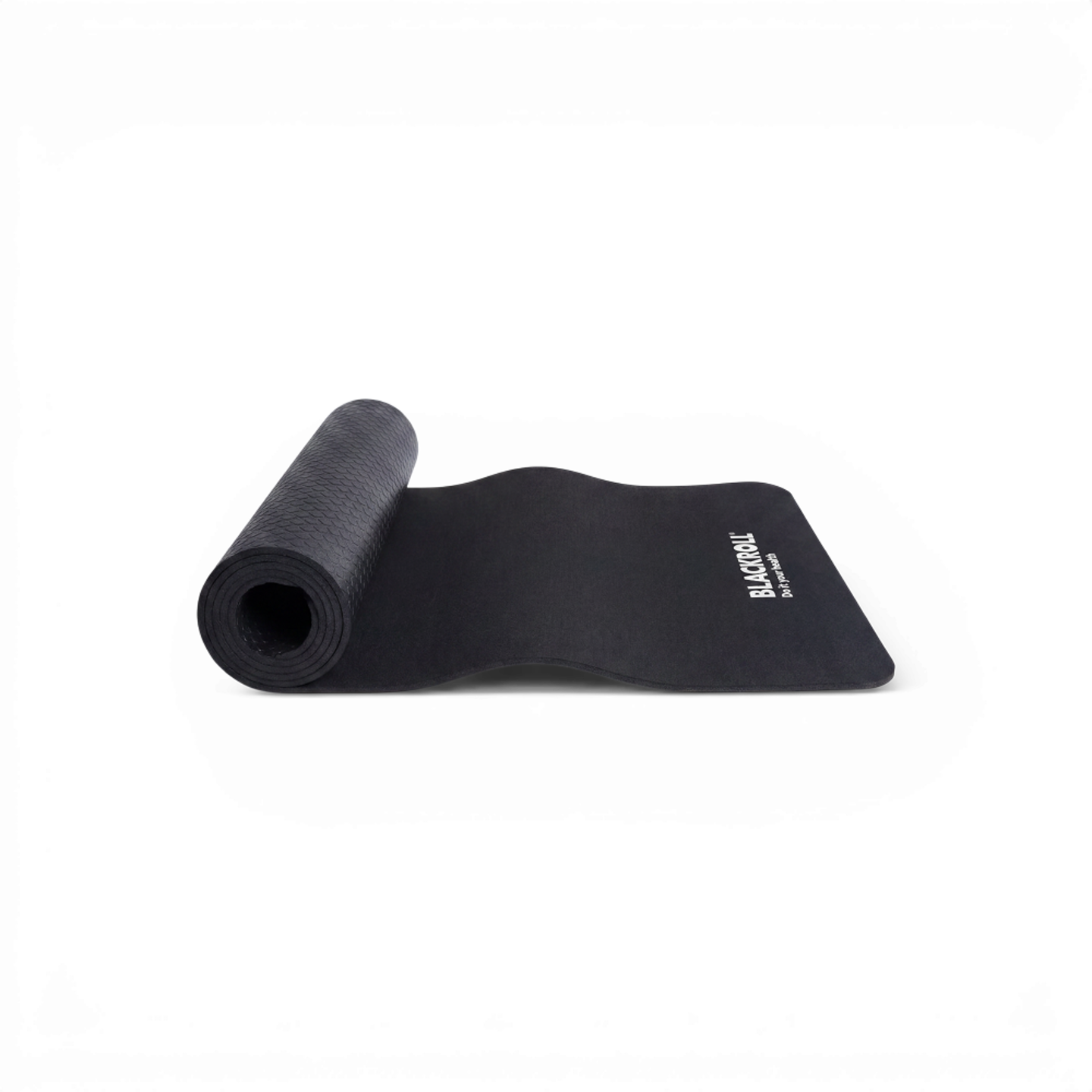
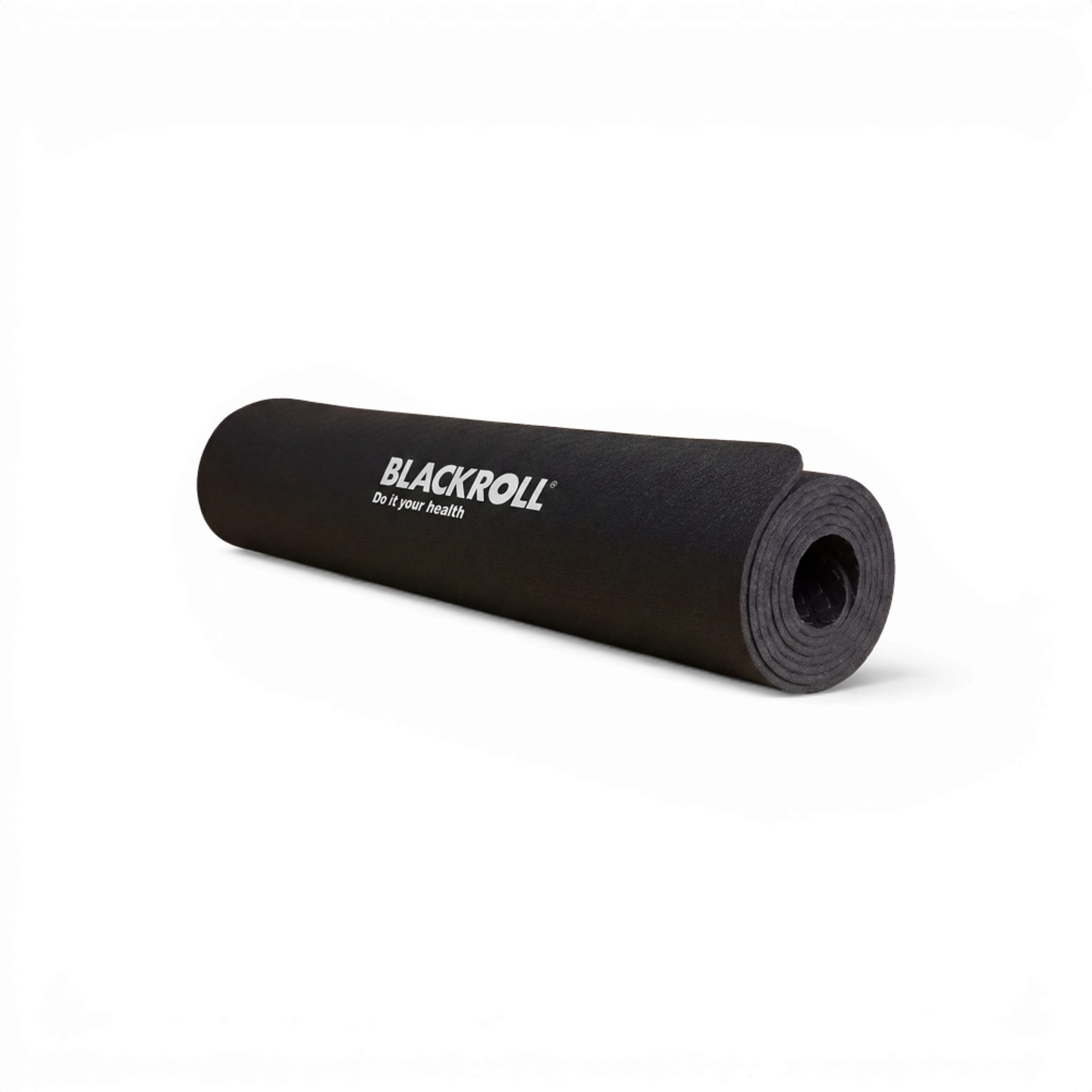
Mat
Available in multiple variants
Activate the Vagus Nerve—How to Support Your Immune System Long-Term
When you activate your vagus nerve, you put your body into a state where healing, regeneration, and a strong immune system become possible in the first place. The anterior branch of the vagus nerve, in particular, plays a central role in your self-regulation and immune defenses. Through targeted exercises—such as neck stretches, deep diaphragmatic breathing, and mindful movement—you stimulate this part of your nervous system and thereby strengthen your resilience.
In the following video, “Reduce Stress in Minutes—How to Stimulate Your Vagus Nerve!”, we’ll show you a simple routine you can incorporate into your daily life to specifically target the anterior branch of the vagus nerve. In addition to breathing techniques, you’ll also learn an effective physical exercise to mobilize the cervical spine—inspired by the work of Stanley Rosenberg—that activates your parasympathetic nervous system and supports your immune system.
The result: You’ll feel calmer, clearer, and more stable on the inside—and your body can focus on what really matters: keeping you healthy. Activating your vagus nerve isn’t a one-time trick, but a daily practice that has long-term effects. The more regularly you practice, the easier it is for your nervous system to regain its balance—even during stressful times.
Stimulate the vagus nerve – More calm, better immunity, noticeable effects
If you want to stimulate your vagus nerve, certain relaxation techniques can help.
Whether through slow, conscious breathing, mindful movements of the cervical spine, targeted deep breathing, meditation, gentle yoga exercises, or light pressure on specific areas of the body—there are many simple relaxation techniques to activate this calming nerve branch. Consistency is key: Just a few minutes a day are enough to recondition your nervous system and open the door to inner stability and self-healing.
If you feel like you’re constantly on edge or your immune system is more vulnerable than usual—then it’s especially worth paying attention to your vagus nerve. With targeted exercises for stress relief and inner calm, you can gently stimulate it and thus create a natural counterbalance to everyday stress and exhaustion.
More interesting articles





Calming the Vagus Nerve – Gentle Stimulation for Greater Inner Stability
An overstimulated nervous system often manifests as inner restlessness, shallow breathing, stomach discomfort, or constant rumination. If you want to calm your vagus nerve, the key is to send gentle, regulating signals to your body. Not only do breathing and physical exercises help, but so do external stimuli and intentional breaks in your daily routine. Here are some proven methods:
- Applying cold to the face and neck
Briefly dipping your face in cold water or placing a cool cloth on your forehead and cheeks can directly stimulate the vagus nerve via skin and temperature receptors—a natural reset for your system. - Humming, singing, or mumbling
The vibration produced by singing or humming acts directly on the vagus nerve pathways via the larynx. Deep, steady tones are particularly effective—for example, simply humming with your lips closed. - Eye movements while at rest
Gentle horizontal eye movements—for example, from left to right without moving your head—can help calm your nervous system.
This technique originates from trauma therapy and helps release unconsciously stored tension.
It can be applied easily and effectively during quiet moments. - Conscious Connection to Nature
Walking barefoot on grass, leaning your back against a tree, or simply taking in the sounds of nature—all of these are gentle stimuli that calm your nervous system and reconnect you with your body.
The key lies in mindfulness: The more consciously you engage with these small signals, the more strongly your body will respond to them over time—with greater calm, clarity, and inner security.
Massaging the Vagus Nerve – Finding Inner Peace Through Touch
The vagus nerve runs from the brain through the neck and chest down to the abdomen—and is directly accessible via numerous touch points throughout the body. Through targeted, gentle massage, you can activate and soothe this important relaxation nerve. The best part: You don’t need any complicated technique—even small movements with your hands or tools like the BLACKROLL® BALL or the BLACKROLL® MINI can have a profound effect.
The following are particularly effective:
- Massage behind the earlobe
A fine branch of the vagus nerve—known as the auricular branch—runs through the area behind and slightly above the earlobe.
Gentle, mindful massage or light circular movements in this area can send signals of safety to your nervous system and help reduce stress.
This method is based on findings from trauma therapy and research on auricular vagus nerve stimulation. - Gentle neck massage along the lateral neck muscles
By applying light pressure along the sternocleidomastoid muscle (the oblique neck muscle), you can help release tension in the neck area and indirectly stimulate the vagus nerve. This is especially soothing after a long day at work. Here’s a short, simple, yet particularly effective exercise for you:
Take a MICRO or MINI. Place the small fascia roller with your flat hand behind your ear, directly below the occipital bone. Apply a little pressure. Roll downward with slow back-and-forth movements. Do this for about 90 seconds.
Such touch not only promotes physical relaxation—it’s also a direct way to connect with yourself. You’re giving your body attention, signals of safety, and space for regeneration.
Nutrition to Support the Vagus Nerve
The vagus nerve is a central component of the parasympathetic nervous system and plays a key role in regulating relaxation, digestion, and inner balance. A targeted diet can specifically strengthen its function and promote vagal activity.
1. Probiotic Foods:
The vagus nerve is closely connected to the gut via the so-called gut-brain axis. Fermented foods such as sauerkraut, kimchi, yogurt, or kefir contain probiotic cultures that support the balance of the gut microbiota. A healthy microbiota has a positive effect on vagal activity and can thus help reduce stress responses.
2. Omega-3 fatty acids:
These polyunsaturated fatty acids have anti-inflammatory effects and support neural communication. Fatty cold-water fish such as salmon, mackerel, and sardines are particularly rich in omega-3s, as are flaxseeds and chia seeds. If you’re vegan or vegetarian, you should consider taking an algae supplement. Omega-3 fatty acids improve heart rate variability—a marker of vagal activity.
3. Fiber and a plant-based diet:
Dietary fiber from vegetables, legumes, and certain starchy foods—such as green bananas or cooked and cooled rice—specifically nourishes healthy gut bacteria.
In particular, so-called resistant starch is fermented in the large intestine and promotes the formation of short-chain fatty acids such as butyrate—a substance that has been shown to have anti-inflammatory effects and supports the gut-brain axis.
4. Antioxidant-rich foods:
Berries, green leafy vegetables, turmeric, and green tea are rich in powerful antioxidants that reduce oxidative stress in the body.
Chronic stress can disrupt the balance of the autonomic nervous system and reduce the activity of the vagus nerve.
A diet rich in antioxidants indirectly supports nervous system health by reducing inflammation and promoting parasympathetic balance.
5. Avoiding sugar and highly processed foods:
Excessive consumption of sugar and highly processed foods promotes inflammatory processes in the body and can disrupt the balance of gut-brain communication.
A low-inflammatory, nutrient-rich diet helps stabilize the gut microbiota, reduce systemic inflammation, and support the nervous system’s ability to self-regulate.
A mindful, plant-based diet thus lays the foundation for the vagus nerve to function optimally—allowing the body and mind to more easily return to a state of balance and regeneration.
More interesting articles







Vagus Nerve Acupressure – Precise Stimulation for Greater Relaxation
Acupressure is a gentle technique from Traditional Chinese Medicine in which specific points are stimulated through light pressure or circular movements.
Modern research shows that targeted acupressure—especially on points around the ear—can also stimulate the auricular branch of the vagus nerve.
By consciously stimulating these zones, you can calm your autonomic nervous system, reduce stress, and guide your body into a state of inner calm.
These acupressure points are easy to try:
Shen Men (Heart Point)
This point is located in the outer ear, in the upper third of the ear cavity.
Shen Men is traditionally used to reduce stress, calm the mind, and regulate the autonomic nervous system—making it perfect for gently promoting vagal activity.
Yintang (Third Eye)
Located between the eyebrows, slightly above the bridge of the nose.
Gentle pressure or circular strokes on this point promote deep relaxation, mental clarity, and inner centering.
Auricular reflex point behind the earlobe
Directly behind the earlobe, where it meets the base of the skull, lies an area innervated by the auricular branch of the vagus nerve.
Gentle acupressure here can help regulate the nervous system, release tension in the head and neck area, and induce a state of relaxation.
You don’t need any prior knowledge for vagus nerve acupressure—just your fingers, a few mindful minutes, and a willingness to listen to your body.
Just one to two minutes of gentle stimulation per point can bring about noticeable changes: greater inner peace, better regulation, and a deeper sense of security.
More interesting articles

Conclusion: Your daily connection to better health and inner peace
Activating your vagus nerve is much more than just relaxation—it’s the path to inner strength, emotional stability, and natural regeneration.
With targeted techniques such as breathing exercises, gentle touch, or acupressure, you can calm your nervous system and strengthen your immune system—gently, effectively, and anytime.
The simple exercises on this page help you integrate small rituals into your daily life that will give you greater serenity, vitality, and resilience in the long run.
After all, your vagus nerve isn’t just the key to relaxation—it’s a powerful regulator of your health, your emotions, and your overall well-being.

