
Wrist Pain: Causes, Symptoms, and Effective Treatment Options

Wrist pain is one of the most common musculoskeletal complaints—whether from typing, carrying objects, playing sports, or for no apparent reason at all. Often, it’s simply due to overuse, but sometimes it can also be caused by tendonitis, an irritated nerve—such as in carpal tunnel syndrome—or a structural issue resulting from a previous injury. Because the wrist is involved in almost every everyday movement, even mild irritation can quickly become bothersome and limit function.
In this article, you’ll learn what you can do immediately for acute wrist pain, what the typical underlying causes are, how to correctly identify different types of pain, and how doctors make a diagnosis. We’ll also show you the proven treatment options available—ranging from conservative therapy and exercises for stabilization and mobilization to surgical interventions, which are necessary only in select cases. In addition, you’ll find evidence-based home remedies, prevention strategies, and clear guidance on when a medical evaluation is important.
Our goal: to provide you with a practical, easy-to-understand, and scientifically sound overview so that you can better understand your symptoms—and know which steps will truly help you relieve pressure on your wrist, strengthen it, and eventually return to full use over the long term.
01. What You Can Do Immediately for Wrist Pain
If your wrist is in acute pain, a few targeted immediate measures can help reduce the strain, soothe the joint, and maintain mobility. Important: These measures should not make the pain worse. You can continue doing anything that relieves your symptoms; avoid anything that makes them worse for now.
1. Take the pressure off, but don’t completely immobilize it
Short-term rest soothes irritated tendons, ligaments, or nerves. At the same time, you shouldn’t completely immobilize the wrist—gentle movements that don’t cause pain promote blood flow and prevent the joint from becoming stiff. The ideal approach is to “move within the pain threshold.”
2. Apply cold for acute irritation or swelling
If you feel swelling, heat, or if you’ve overexerted yourself, cold can reduce inflammation. Use ice or a cold pack for 10–15 minutes, but never apply it directly to the skin. Repeat this several times a day as long as it feels comfortable.
3. Gentle mobilization instead of compensatory postures
Resting positions often increase tension in the forearm and shift the strain to other areas. A better approach: gentle, pain-free mobilization movements such as bending, stretching, or carefully circling the wrist. This improves fluid exchange and reduces pressure in the joint.
4. Release pressure and tension points in the forearm
Much wrist pain is caused by tense forearm muscles. By applying gentle pressure (e.g., with a small foam roller) along the flexor and extensor muscles, you can reduce tension and often immediately alleviate wrist pain. Be sure to use slow, controlled movements. You’ll find targeted exercises for wrist pain on our website.
5. Improve Ergonomics Immediately
Especially for discomfort caused by computer work, a small adjustment can help right away: Keep your wrists in a neutral position, rest your forearms, move the mouse and keyboard closer, and break up repetitive strain with short breaks. Often, simply avoiding a bent wrist can significantly reduce the pain.
6. Heat for Muscular Tension
If there is no acute swelling, heat can help you relax and stimulate metabolism—for example, using a warm cloth or mild heating pads. This is especially helpful for pain caused by forearm tension.
These measures often provide relief within a short time. However, they are no substitute for a medical examination if the pain is caused by a fall, if you experience numbness, or if your range of motion is significantly limited. In such cases, you should seek medical advice.


Causes of Wrist Pain
Wrist pain can result from overuse, inflammation, injuries, or structural conditions. Often, several factors are at play simultaneously—such as repetitive strain in daily life, poor ergonomics, or previous injuries that make the joint more susceptible to injury. An overview of the main causes:
1. Overuse due to repetitive movements
Monotonous movements such as typing, clicking, or cutting place constant strain on tendons and ligaments. This leads to micro-irritations that manifest as a pulling or dull pain and intensify with activity. Without making adjustments, this can develop into chronic overuse syndrome.
2. Tendon sheath inflammation (tendovaginitis)
Friction and overuse of the flexor or extensor tendons cause the tendon sheath to become inflamed. Typical symptoms include pain during movement, swelling, and sometimes a noticeable rubbing or crunching sensation along the tendon. This is one of the most common causes of activity-related wrist pain.
3. Carpal Tunnel Syndrome
If the median nerve is compressed in the carpal tunnel, it causes tingling, numbness, or a burning pain in the thumb, index finger, and middle finger. Typical symptoms include nighttime discomfort and a loss of grip strength. Hormonal changes, fluid retention (e.g., during pregnancy), or chronic strain can increase the risk.
4. Osteoarthritis or Rheumatic Diseases
Osteoarthritis results from wear and tear on the joint cartilage—often following previous fractures or long-term overuse. It manifests as stiffness, pain upon initial movement, and increasing discomfort with activity. Rheumatoid arthritis, on the other hand, is a systemic inflammatory disease that causes episodic pain, swelling, and limited mobility in the wrist.
5. Acute injuries (contusions, sprains, fractures)
A fall onto an outstretched hand or direct trauma can lead to ligament strains, contusions, or fractures. Common signs include sudden, sharp pain, swelling, bruising, or limited mobility. Even small fractures can go undetected and cause long-term symptoms.
6. Hormonal changes and pregnancy
Hormonal fluctuations—such as during pregnancy or menopause—often lead to fluid retention in the tissues. This increases pressure on the tendons, joint capsules, and nerves in the wrist, which can contribute to pain or nighttime tingling.
7. High-Stress Occupations and Sports
Sports such as tennis, rock climbing, or CrossFit, as well as activities requiring significant manual effort (trades, caregiving, food service), increase the risk of overuse, tendon irritation, and ligament injuries. Abrupt supporting or rotational movements that repeatedly place heavy strain on the joint are particularly problematic.
The underlying cause of your symptoms often becomes clear only through a combination of the location of the pain, the nature of the pain, and typical situations that trigger it—we’ll discuss this in the next section.
More Helpful Exercises




Symptoms: What Your Type of Pain Means
Wrist pain can manifest in many different ways. For diagnosis, it’s crucial to know how the pain feels, where it’s located, and which movements trigger it. Many symptoms can be easily distinguished from one another based on typical patterns. Here’s an overview of the most important signs:
1. Stabbing pain during rotational movements
A stabbing pain when unscrewing a bottle cap, turning a doorknob, or supporting yourself often indicates irritation of the ligamentous structures or the extensor and flexor tendons. Early-stage tendonitis can also present this way. If the pain becomes significantly worse when force is applied, it is often a sign of overuse.
2. Dull or pulling pain in the forearm and wrist
This pattern usually suggests muscular overuse or increased muscle tone in the forearm. The symptoms typically worsen during typing, holding, gripping, or other repetitive hand movements and subside at rest. This is a typical presentation of RSI syndromes or ergonomic strain.
3. Tingling, numbness, or burning sensation in the hand
Sensory abnormalities in the thumb, index finger, or middle finger are characteristic of carpal tunnel syndrome, in which the median nerve is compressed. Numbness on the little finger side, on the other hand, is more indicative of irritation of the ulnar nerve. Nighttime symptoms that subside when the hands are shaken out are a warning sign of nerve involvement.
4. Pain when supporting or absorbing weight
If the pain occurs especially when you support yourself on your hand (e.g., during yoga, push-ups, or getting up from the floor), the carpal joint capsule or the carpal ligaments are often irritated. After a fall, this pattern may also indicate an undiagnosed fracture or instability.
5. Swelling, redness, or warmth
These signs suggest an acute inflammatory process or an injury. Swelling often occurs with tendon irritation, contusions, or after overuse. If movement is also severely restricted, structural damage (e.g., a sprained or torn ligament) should be ruled out.
6. Pain that radiates into the thumb, fingers, or forearm
Radiating pain often indicates tendon or nerve involvement. If the pain spreads toward the thumb or forearm, the radial side of the wrist is frequently affected—typically, for example, in cases of tenosynovitis or irritated extensor tendons. If the symptoms radiate to the fingertips, a nerve entrapment may be the cause.
7. Activity-related vs. rest pain
Stress-induced pain: occurs during movement or exertion → typical of overuse, tendon irritation, osteoarthritis, or muscular imbalance.
Rest pain: occurs even without exertion → may indicate inflammatory processes or nerve irritation and should be evaluated by a doctor.
By combining the type of pain, its location, and its triggers, it is often possible to form a clear suspicion. However, a definitive diagnosis can only be made through a medical examination—we’ll discuss this in the next section.


Diagnosis: How Doctors Find the Cause
An accurate diagnosis is crucial for initiating the right treatment. Since the wrist consists of many small bones, tendons, ligaments, and nerves, various structures may be affected. Doctors therefore combine medical history, physical examination, and imaging tests to pinpoint the exact cause.
1. Medical History: How Did the Pain Begin?
In the first step, doctors ask questions such as: Where exactly is the pain located? How long have the symptoms been present? Does the pain worsen with certain movements? Was there a fall, a new strain, or is there additional numbness? The answers provide important clues as to whether the issue is tendon irritation, nerve compression, a problem with the joint capsule, or an injury.
2. Physical Examination: Range of Motion, Strength, and Pain Points
Next, the wrist is examined for range of motion, stability, and tender points. This includes functional tests such as flexion, extension, rotation, grip strength, and specific provocation tests (e.g., the Phalen test or Tinel’s sign if carpal tunnel syndrome is suspected). Swelling, misalignment, or muscle tension in the forearm are also assessed.
3. Imaging Procedures: X-ray, MRI, and Ultrasound
X-ray: is used when a fracture, osteoarthritis, or misalignment is suspected.
MRI: is particularly suitable for visualizing tendons, ligaments, nerves, and cartilage damage. Ideal for unclear chronic pain or suspected ligament injuries.
Ultrasound: helps detect tendonitis, fluid accumulation, and swelling. Advantage: allows for dynamic examination, i.e., during movement.
4. Nerve Conduction Velocity (NCV) in Cases of Suspected Nerve Compression
If numbness, tingling, or a burning sensation occurs in the fingers, nerve conduction velocity is often measured. During this test, neurologists check how quickly electrical signals are conducted through the median or ulnar nerve. A delay indicates carpal tunnel syndrome or compression of the ulnar nerve.
5. Laboratory Tests for Inflammatory or Rheumatic Conditions
If a rheumatic disease or systemic inflammation is suspected, blood tests—such as those for rheumatoid factors, inflammatory markers, or autoantibodies—can provide additional clues. These diagnostic tests are primarily used in cases of chronic, episodic, or symmetrically affected joints.
In most cases, the combination of clinical examination and modern imaging allows for a clear diagnosis. Based on this, a decision is then made regarding which conservative or surgical treatments are appropriate.


Treatment Options
The appropriate treatment for wrist pain depends on the cause, severity, and duration of the symptoms. As a general rule, conservative treatment—that is, treatment without surgery—is attempted first. Surgical intervention is considered only if the pain does not improve after several weeks of treatment or if structural damage is present. An overview of the main treatment approaches:
1. Conservative Treatment Options
Immobilization & Short-Term Relief
In cases of acute inflammation or injury, temporary stabilization using a splint or bandage may be advisable. This protects against further irritation, promotes healing, and relieves pain. However, prolonged immobilization should be avoided to prevent muscle atrophy and stiffness.
Ergonomic Adjustments in Daily Life
Many symptoms arise from unnatural hand positions—such as when typing, holding a mouse, or working in forced postures. A neutral wrist position, short breaks from activity, and optimized workplace ergonomics relieve strain on tendons, ligaments, and nerves and can significantly reduce pain.
Cold for acute irritation—heat for chronic tension
Cold has a decongestant and anti-inflammatory effect, especially in the first 48 hours after overexertion or injury. Heat, on the other hand, improves blood circulation and reduces muscle tension—ideal for long-standing symptoms without swelling.
Manual Therapy & Fascia Therapy
Through targeted mobilization techniques and fascia-oriented treatments, restricted movement is released, the gliding ability of tendons is improved, and muscular imbalances in the forearm are corrected. This often leads to a noticeable reduction in pain and increased resilience. You can find more about fascia therapy and why fasciacan be the cause of painin our in-depth article.
Taping for Stabilization and Relief
Kinesiology taping can support the wrist, improve awareness of movement, and reduce pain-triggering movements. Depending on the technique used, stress on the joint can be specifically reduced without completely restricting mobility.
Medication
In cases of acute inflammation or severe pain, nonsteroidal anti-inflammatory drugs (NSAIDs) such as ibuprofen, diclofenac, or naproxen can help. Topical gels are often better tolerated because they are gentler on the stomach. Cortisone is used only for persistent inflammation—always under a doctor’s supervision.
Exercises for Mobilization, Strengthening, and Stabilization
Targeted exercises are a central component of any treatment plan. These include gentle mobility exercises, strengthening exercises for the forearm muscles, stretches for the flexor and extensor tendons, and isometric stabilization exercises. Regular training improves endurance, promotes healing, and prevents relapses.
In most cases, a well-balanced combination of rest, targeted exercise, and ergonomic adjustments leads to significant improvement within a few weeks.
2. Surgical Treatment Options
Surgery is only considered if conservative measures have been exhausted or if structural damage—such as unstable fractures, severe ligament injuries, or pronounced compression syndromes—is present. The goal is to specifically address the cause of the symptoms and restore joint function.
Decompression for Carpal Tunnel Syndrome
If the median nerve is permanently compressed and numbness, loss of strength, or nighttime pain occur, a carpal tunnel release may be necessary. In this procedure, the transverse carpal ligament is cut to provide more space for the nerve. The procedure is minimally invasive and usually has a very good prognosis.
Removal of Inflamed Tendon Sheaths or Tissue
In cases of chronic inflammation or thickening of the tendons and tendon sheaths, surgical removal of the inflamed tissue may be advisable. This improves the tendons’ ability to glide and reduces friction.
Arthroscopy of the Wrist
A camera is inserted into the joint through small incisions measuring just a few millimeters. This allows for the smoothing of cartilage damage, the removal of loose bodies, or the excision of inflamed portions of the synovial membrane. Advantages: faster healing, low infection rate, and less scar tissue.
Surgical Stabilization for Fractures
Unstable or complicated fractures are treated with plates, screws, or wires to realign the joint surface correctly. The goal is to restore the anatomy as precisely as possible so that no pain or restricted movement remains in the long term.
Whether conservative or surgical—the key is individualized treatment that takes into account the cause, progression of symptoms, and activity profile. In the next step, we’ll show you how you can strengthen your wrist for the long term with targeted exercises.
Posture Correction in the Office
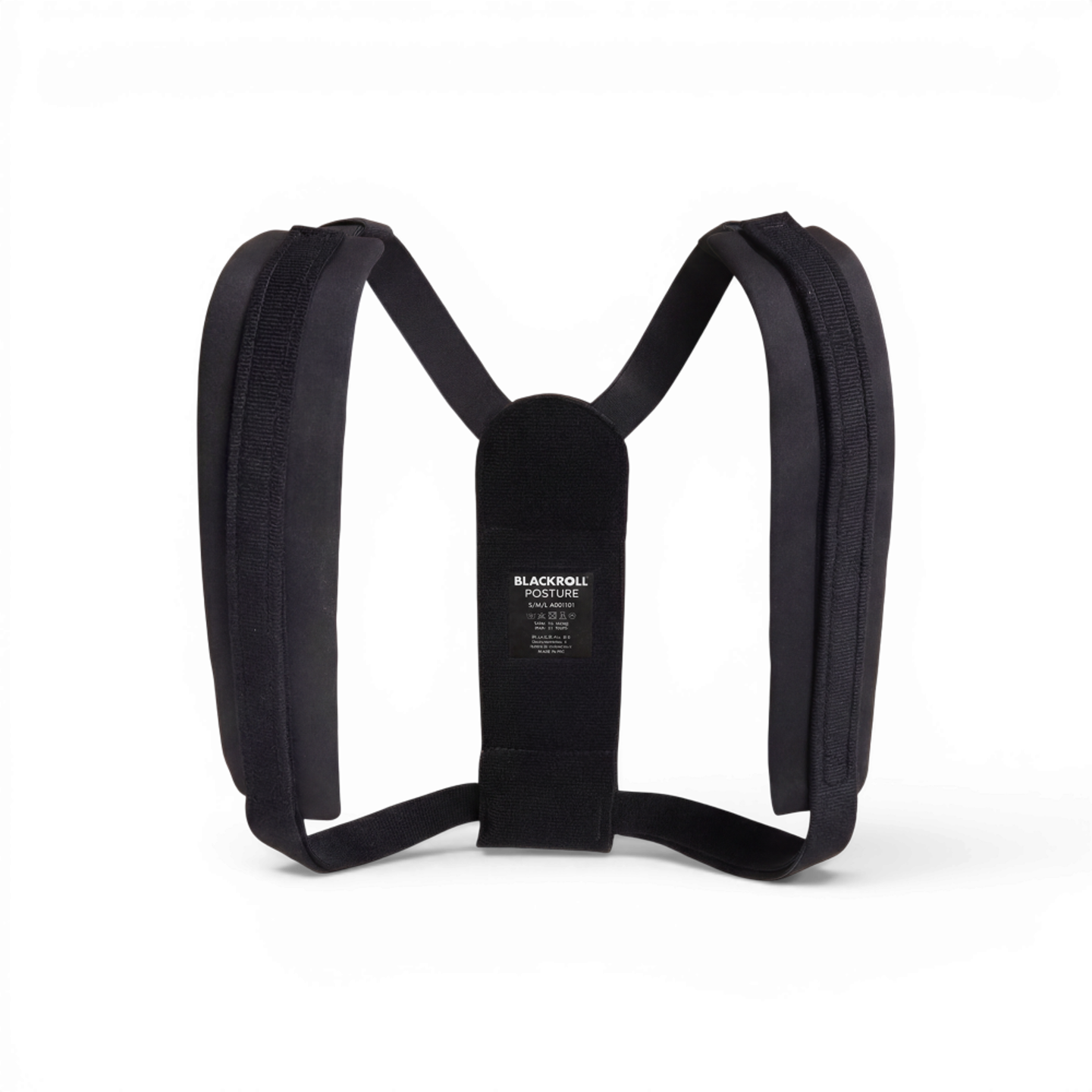
Posture
Available in multiple variants


Recovery Slopes
Available in multiple variants
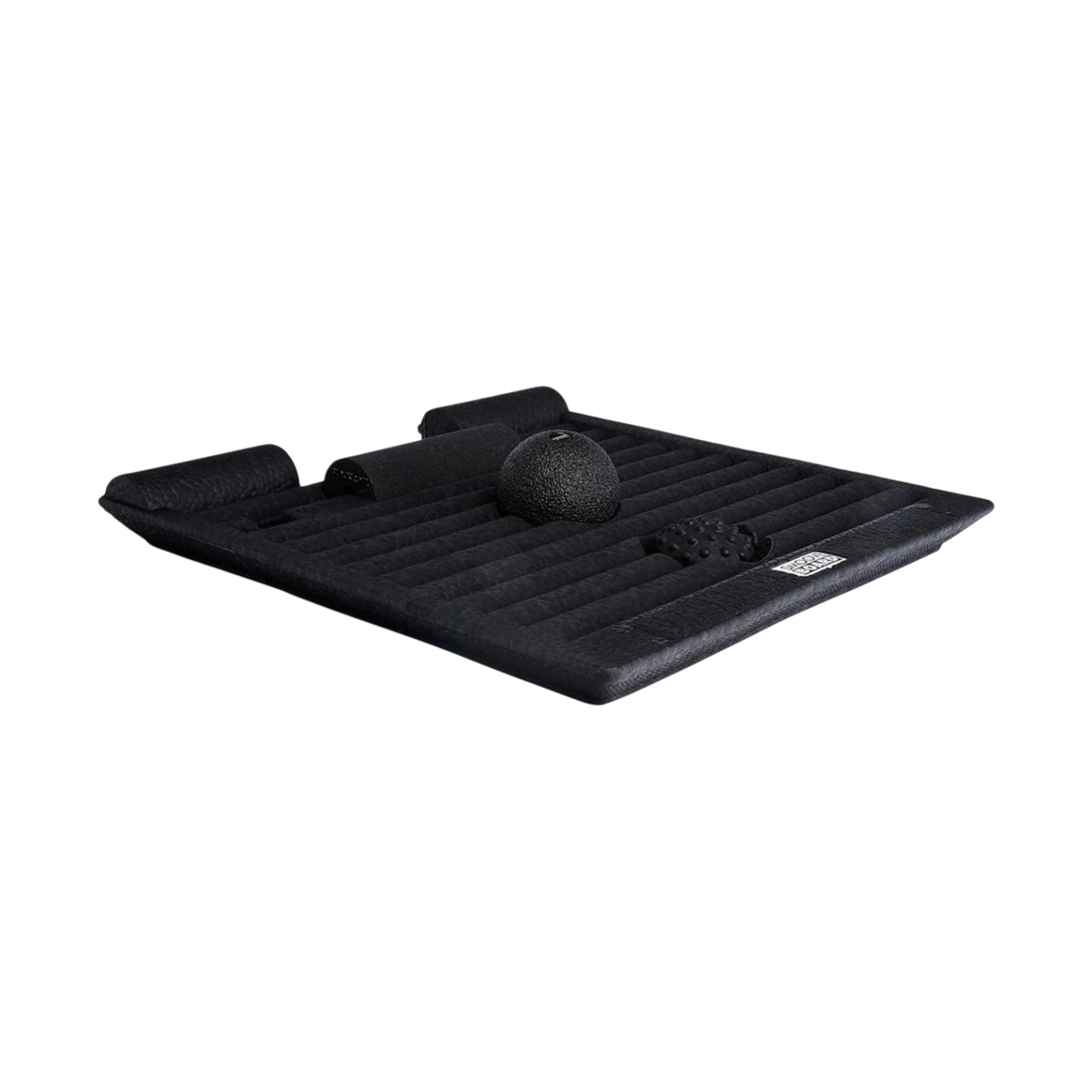
Smoove Board
Available in multiple variants
06. Exercises & Self-Care for Wrist Stabilization
Exercises are one of the most important building blocks for reducing wrist pain in the long term. They improve tendon glide, regulate muscle tension in the forearm, increase joint stability, and promote resilience in everyday life. The key is proper execution: pain-free, controlled, and regular. The following exercise categories have proven particularly effective.
1. Gentle Mobilization to Improve Range of Motion
Mobilization exercises help loosen stiff joint areas and stimulate fluid exchange. Suitable exercises include controlled movements such as bending, stretching, tilting, and gentle circling of the wrist. The movements should be performed slowly and without pain. Ideal as a starter or warm-up before a workout.
2. Strengthening exercises for the forearm and hand muscles
Strong, well-functioning muscles stabilize the wrist and protect against future strain. Effective exercises include:
- Wrist curls: Flexion and extension movements using a small dumbbell or water bottle.
- Eccentric training of the finger extensors, e.g., by slowly yielding against a resistance band.
- Fist clenches or gripping exercises with therapeutic putty to improve grip strength.
Important: Start with a light load and only increase it once you can perform the movements safely and without pain.
3. Stretching the flexor and extensor tendons
Tight forearm muscles can create tension in the wrist and exacerbate pain. Stretches with the arm extended—in which you gently pull your palm or fingertips toward the floor or your body—have proven effective. Hold the stretch for 20–30 seconds and perform it regularly.
4. Isometric exercises for low-impact stabilization
In isometric exercises, you tense the muscles without moving the joint—ideal during acute phases or when structures are sensitive. Examples include:
- Gently apply counterpressure to the palm with your other hand.
- Lightly press the back of your hand against a wall.
- Place your fingertips on the table and press down in a controlled manner.
These exercises improve neural control and stability without irritating the joint.
5. Fascia Massage for the Forearm and Hand
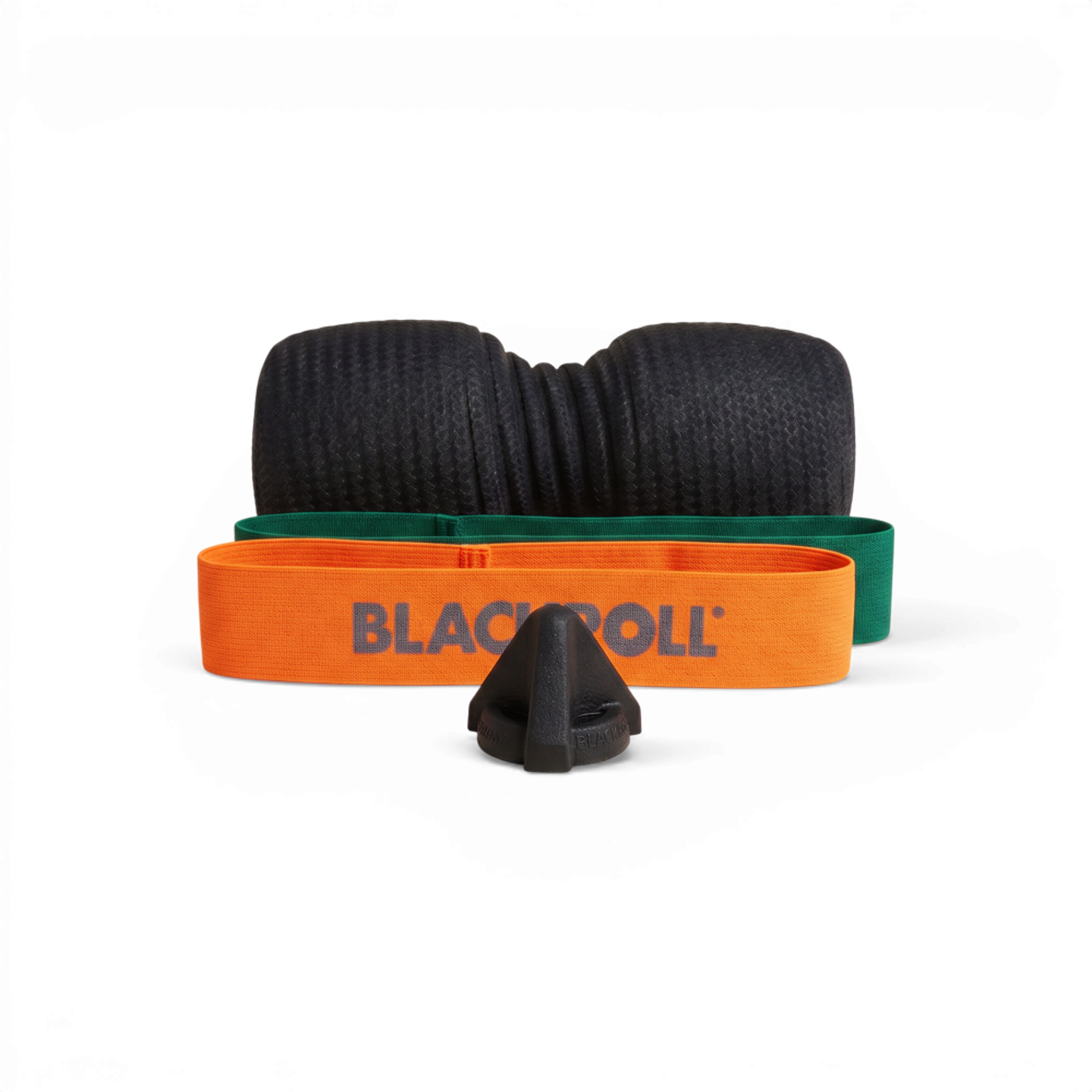
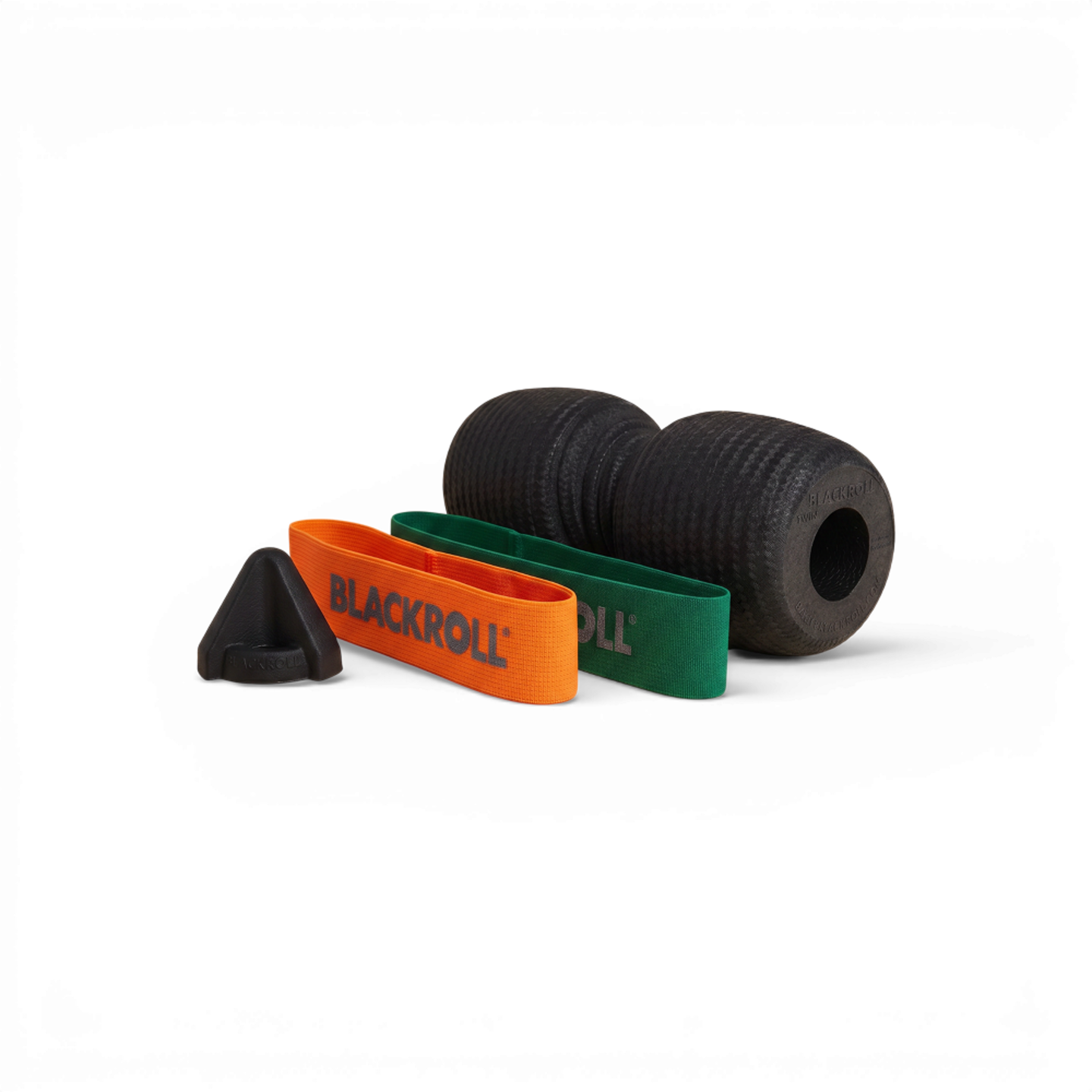
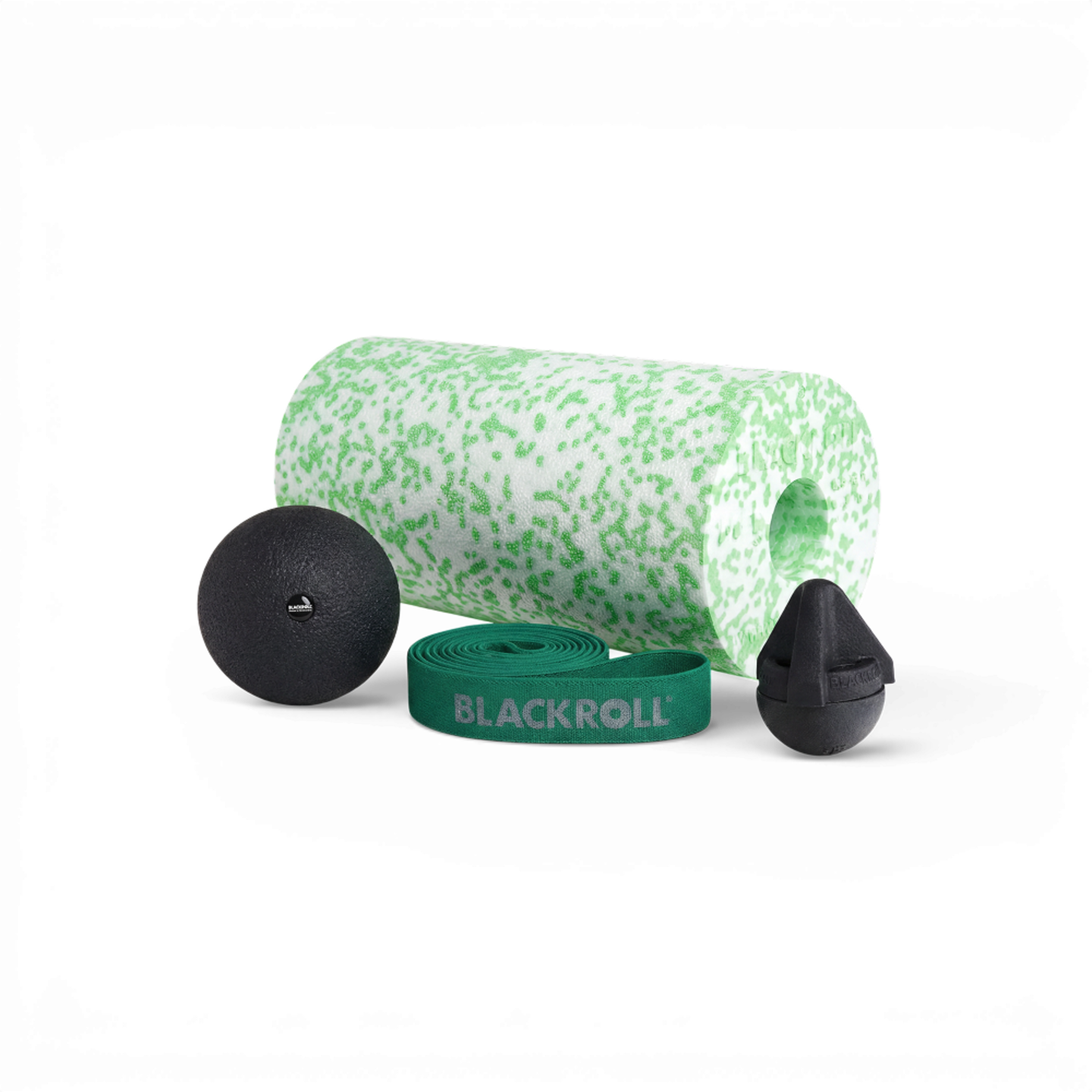
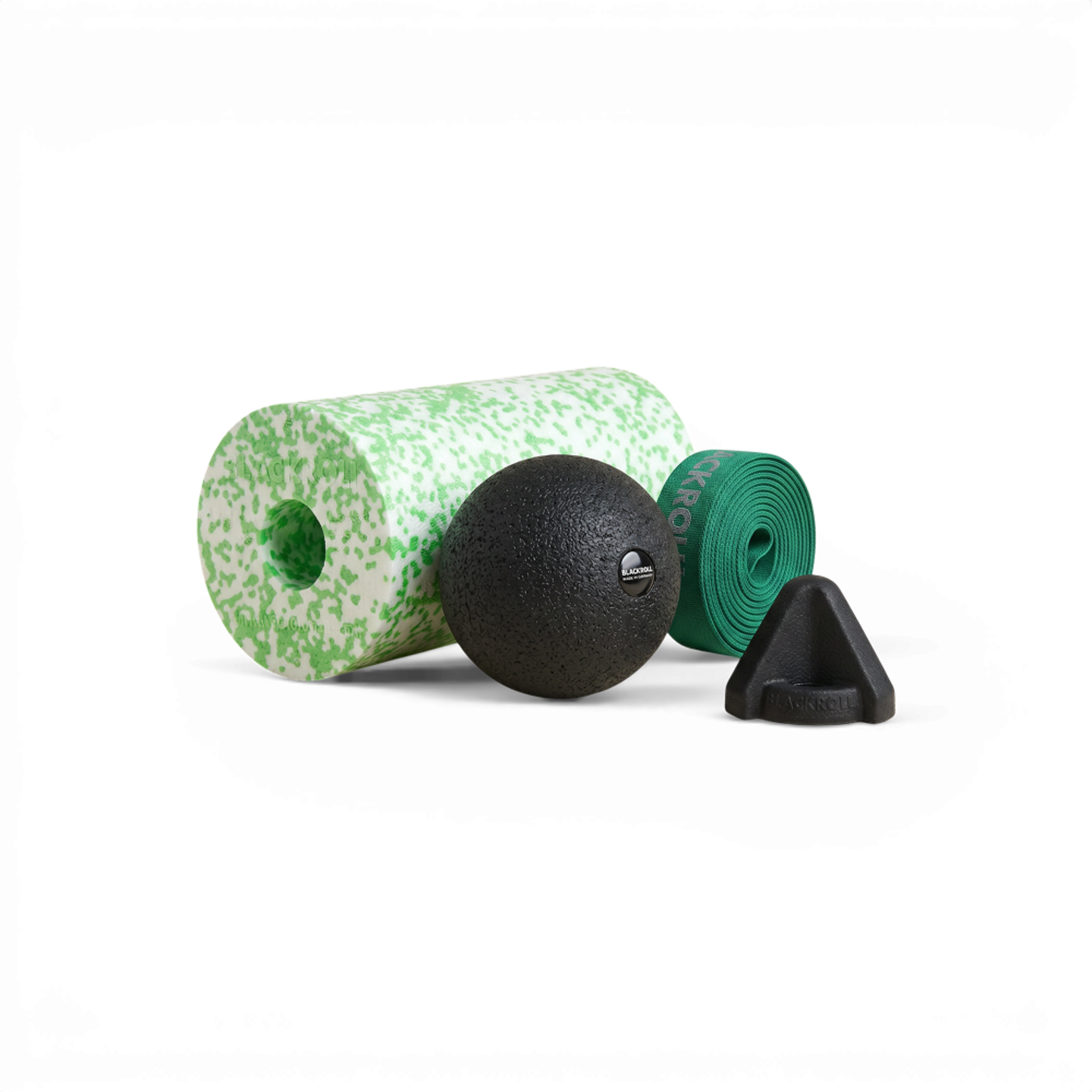
Tense forearm muscles are a common cause of stress-related wrist pain. Small fascia balls or tools can effectively reduce tension. To do this, slowly roll out the forearm flexors and extensors or target individual trigger points with controlled pressure. This improves the gliding ability of the tendons and reduces tension on the wrist.
On our website, you’ll find a selection of targeted exercises for the wrist that combine mobilization, strengthening, and myofascial massage. A personalized program—ideally accompanied by physical therapy—can significantly support healing and prevent relapses.
Fascia Tools



Preventing Wrist Pain
07. Prevention: How to Protect Your Wrist in the Long Term
Much wrist pain is caused by repetitive strain, poor movement patterns, or a lack of stability in the forearm. With a few targeted adjustments, you can significantly reduce the risk. The following measures have proven particularly effective in everyday life, at work, and during sports.
1. Ergonomic Posture at Work
A neutral wrist position—neither bent nor overextended—relieves strain on tendons, ligaments, and nerves. Adjust your keyboard and mouse so that your forearms rest on the desk and your wrists remain straight. In addition, taking short breaks every 30–60 minutes helps interrupt repetitive strain and relax the muscles.
2. Vary Your Movements and Reduce One-Sided Strain
Repetitive movements such as typing, cutting, or screwing can lead to strain. Switch hands more often, vary your movements, and avoid working for long periods in forced positions. Micro-breaks of just a few seconds are often enough to reduce the strain on tendons and joints.
3. Targeted strengthening of forearm and hand muscles
Strong muscles protect the wrist during everyday activities and athletic exertion. Strengthening exercises for flexor and extensor muscles, grip strength training, or isometric holding exercises increase resilience and improve control over the wrist. This routine should be incorporated as a preventive measure, not only after symptoms appear.
4. Warm up and stretch before physical activity
Sports such as climbing, tennis, CrossFit, or gymnastics place intense strain on the wrist. A short, targeted warm-up routine—including mobilization, light strengthening, and activation of the finger extensors—significantly reduces the risk of injury. Regular stretching exercises promote flexibility and prevent tendon irritation.
5. Optimizing Technique in Sports
Catching oneself during a fall, improper weight distribution, or poor technique are common causes of pain. Proper movement patterns, correct lines of force, and controlled force development reduce strain on the joint. Professional guidance is particularly valuable in sports involving high support or rotational forces.
6. Protective Measures for High-Risk Activities
In sports with a risk of falls or impacts (skating, snowboarding, inline skating, climbing), braces, protective gloves, or stabilizing tape can significantly reduce the risk of injury. They stabilize the joint without completely restricting mobility.
7. Pace Yourself Early On
Early warning signs—such as pulling sensations, tension, or recurring pain—should not be ignored. If you reduce the load in a timely manner and adjust your movements, many cases of irritation can be prevented before they become chronic. This is especially true for activities involving significant support, gripping, or rotational forces.
A combination of proper technique, sufficient strength, ergonomic workflows, and conscious load management offers the best protection against wrist pain. Many complaints can be permanently avoided this way.


Home Remedies and Natural Healing Methods
For mild or early-stage wrist discomfort, time-tested home remedies can help relieve pain, reduce inflammation, and promote blood circulation—all without medication. Although they cannot replace medical treatment, they make a valuable contribution to natural self-care.
- Cooling with quark wraps or ice
Cold has a soothing effect, especially in cases of acute inflammation, swelling, or after overexertion. A cooling quark wrap draws heat away from the tissue, reduces swelling, and relieves pain. Ice packs can also help, but should never be placed directly on the skin—it’s best to wrap the ice pack in a cloth to prevent frostbite. Treatment should not last longer than 15–20 minutes.
- Heat Pads for Muscle Tension
In contrast to cold, heat is particularly effective for chronic conditions, muscle tension, or after the initial swelling has subsided following an injury. Heat packs, grain pillows, or warm compresses promote blood circulation and relax the tissues. This can also relieve deeper tension in the forearm and hand area, which often leads to wrist pain.
- Chamomile Baths for Relaxation
A warm hand bath with chamomile tea has anti-inflammatory, soothing, and relaxing effects all at once. Chamomile contains natural active ingredients such as bisabolol and flavonoids, which can alleviate irritation and support tissue healing. To do this, soak your hand in the warm bath for about 10 to 15 minutes—ideal as an evening ritual for regeneration.
- Massaging with essential oils such as rosemary or lavender
Essential oils have a long tradition in naturopathy. Rosemary oil stimulates blood circulation, has a mild pain-relieving effect, and can relieve tension. Lavender oil has calming, anti-inflammatory, and relaxing properties. Apply a few drops diluted in a carrier oil (e.g., almond oil) to your wrist and gently massage the area.
- A Diet Rich in Anti-Inflammatory Foods
You can also positively influence anti-inflammatory processes in the body through your diet. Foods high in omega-3 fatty acids (such as salmon, flaxseeds, or walnuts) have anti-inflammatory effects. Turmeric, ginger, and green leafy vegetables can also help reduce inflammation. A balanced diet low in sugar, with sufficient antioxidants and healthy fats, supports tissue regeneration from the inside. In many cases—and depending on your diet—dietary supplements can be a useful addition to a healthy diet to ensure an adequate supply of essential building blocks and functional nutrients.
These gentle methods are particularly helpful at the first signs of overexertion or for chronic, mild symptoms. Important: If symptoms persist for a long time, worsen, or recur repeatedly, you should seek medical advice. Home remedies can be a useful supplement to medical treatment, but they do not completely replace it.


When to See a Doctor
Not all wrist pain is harmless. Many symptoms improve with rest, ergonomic adjustments, and targeted exercises. However, there are situations in which a medical evaluation is important to rule out serious causes and prevent further damage. The following signs are considered clear warning signals:
1. The pain lasts longer than a few days
If your symptoms do not improve after 3–5 days despite rest, cooling, and adjusting your activity level—or if they even worsen—you should have the cause examined by a doctor. Recurring or worsening pain, in particular, may indicate structural strain or inflammation.
2. Swelling, redness, or warmth are present
These symptoms often indicate acute inflammation, fluid in the joint, or an injury. If there is significant swelling or limited range of motion, you should be examined promptly to rule out torn ligaments or fractures.
3. Numbness, tingling, or burning in the fingers or hand
Sensory abnormalities are typical warning signs of nerve compression —for example, of the median nerve (carpal tunnel syndrome) or the ulnar nerve. The sooner the pressure on the nerve is detected and treated, the better the prognosis. Nighttime numbness or loss of fine motor skills should be taken particularly seriously.
4. A fall or injury occurred beforehand
Even if the pain seems minor at first after a fall: hidden or unclear fractures, as well as ligament injuries, often go undetected and can lead to long-term instability or osteoarthritis. If pain occurs after trauma, the wrist should be evaluated with an X-ray or MRI.
5. Range of motion is significantly limited
If you can no longer freely bend, extend, or rotate your wrist, the cause is usually structural: joint lockups, capsule irritation, ligament injuries, or inflammation. An early diagnosis prevents acute symptoms from developing into chronic functional impairments.
6. You can no longer grip firmly or hold objects
Decreased strength, a sudden feeling of weakness, or frequently dropping objects are signs of nerve problems or severe tendon irritation. You should not wait to seek treatment, as early intervention significantly improves the prognosis.
7. Pain occurs at night or wakes you up
Nighttime symptoms are a classic warning sign of nerve compression and should always be evaluated by a doctor—especially if the symptoms only temporarily subside when you shake your hands.
As a general rule, an orthopedic or hand surgery evaluation is advisable if you’re unsure or if the symptoms are interfering with your daily life. The sooner the cause is identified, the more targeted your treatment can be—and the better your chances of regaining full use of your hand.
Conclusion
Wrist pain is often caused by overuse, repetitive strain, or irritation of tendons, ligaments, and nerves. Sometimes there’s a specific trigger, such as a fall, tenosynovitis, or a compression syndrome like carpal tunnel syndrome. It’s crucial to correctly identify the cause of the symptoms early on and adjust your activity level so that the irritated structures can heal.
With simple immediate measures, ergonomic adjustments, and targeted exercises, most cases of wrist pain can be effectively managed on your own. If the symptoms persist, are accompanied by swelling or numbness, or occur following a trauma, it is advisable to seek medical evaluation. Modern diagnostic methods can usually clearly identify the cause—and, based on that, enable effective conservative treatment or, in rarer cases, surgical intervention.
The sooner you take action, the better your chances are that your wrist will regain its full range of motion—in everyday life, during sports, and in all the activities that are important to you.
FAQ – Questions & Answers
Rest your wrist for a short time, avoid activities that trigger pain, and perform gentle mobility exercises within your pain tolerance. For acute inflammation, applying cold for 10–15 minutes helps; for muscle tension, heat is more effective. Ergonomic adjustments at your workplace and gentle forearm stretches reduce additional strain. If the symptoms do not improve after a few days, you should see a doctor.
Typical symptoms include stabbing, pulling, or dull pain in the wrist, forearm, or fingers. Swelling, redness, or limited mobility often occur. Nerve irritation causes tingling, numbness, or a burning sensation—especially in the thumb, index finger, and middle finger. Pain often worsens with activity and subsides at rest.
If you’re experiencing severe pain, you should temporarily immobilize the wrist, relieve pressure through ergonomic measures, and apply cold to acute symptoms. Pain relievers such as ibuprofen or diclofenac can provide short-term relief but should not be used as a long-term solution. If the pain is preceded by numbness, significant limitations, or an accident, a medical evaluation is necessary.
The first point of contact is an orthopedic specialist’s office or a hand surgeon. If you experience numbness or suspect carpal tunnel syndrome, a neurologist is often consulted to measure nerve conduction velocity. After acute injuries, a surgical outpatient clinic may also be appropriate.
Gentle mobilization exercises, stretches for the forearm flexors and extensors, strengthening exercises such as wrist curls, and isometric stabilization exercises are particularly effective. Myofascial massage of the forearm muscles can also relieve pressure on tendons and nerves. Important: Only exercise within a pain-free range and practice regularly.
The pain can occur on the inside, outside, top, or bottom of the wrist—depending on which structure is affected. Pain on the inside often indicates flexor tendons or carpal tunnel issues, while pain on the outside often indicates extensor tendons or ligaments. If the pain radiates into the fingers or forearm, a nerve or tendon may be irritated.
It ranges from dull and aching to sharp or burning. Pain that worsens with activity usually points to a tendon or overuse issue. Tingling or numbness suggests nerve involvement. A sudden, severe spike of pain following a fall should be evaluated by a doctor.
The most common causes include overuse, tenosynovitis, carpal tunnel syndrome, osteoarthritis, rheumatic diseases, and acute injuries such as contusions or fractures. Hormonal changes and poor ergonomic posture also play a role.
Untreated symptoms can lead to chronic tendon irritation, permanent restricted movement, loss of strength, or nerve compression. Repeated improper strain also increases the risk of osteoarthritis and instability.
Pain when bending often indicates irritation of the flexor tendons, an inflamed tendon sheath, or increased tension in the forearm flexors. Overuse from typing, writing, or carrying objects can also exacerbate the pain. If swelling or warmth is also present, this usually indicates an acute inflammatory process.
Pain during twisting movements—such as when unscrewing a bottle—often indicates irritation of the carpal ligaments, the extensor tendons, or the joint capsule. Minor ligament injuries or unstable joint segments resulting from microtrauma can also cause this type of pain.
Typing for long periods with an awkward hand position puts strain on tendons and nerves. In particular, a bent wrist, high-impact keystrokes, or a lack of breaks can lead to overexertion. Ergonomic adjustments, such as maintaining a neutral hand position or using a supportive wrist rest, significantly reduce the risk.
When climbing, high tensile and holding forces act on the forearm and wrist. Overuse of the finger flexors, irritated tendons, or micro-injuries to the ligaments are typical causes. Abrupt “catching” on holds or poor technique can also trigger pain.
Support positions in yoga, such as the plank or downward dog, place significant strain on the carpal bones. If too much pressure is applied to the inner side of the hand or if weight isn’t distributed evenly, tendons, joint capsules, and nerves can become irritated. Widening your hand placement or shifting your weight toward your forearms often provides immediate relief.
Sources
- Armstrong, T. J., Buckle, P., Fine, L. J., Hagberg, M., Jonsson, B., Kilbom, A., ... & Viikari-Juntura, E. (1993). A conceptual model for work-related neck and upper-limb musculoskeletal disorders. Scandinavian Journal of Work, Environment & Health, 19(2), 73–84.
- Atroshi, I., Gummesson, C., Johnsson, R., Ornstein, E., Ranstam, J., & Rosén, I. (1999). Prevalence of carpal tunnel syndrome in a general population. JAMA, 282(2), 153–158.
- Bland, J. D. P. (2007). Carpal tunnel syndrome. BMJ, 335(7615), 343–346.
- Bongers, P. M., Ijmker, S., van den Heuvel, S., & Blatter, B. M. (2006). Epidemiology of work-related neck and upper limb problems: psychosocial and personal risk factors (Part I). Journal of Occupational Rehabilitation, 16(3), 272–295.
- Burton, C. L., Chen, Y., Chesterton, L. S., & Sim, J. (2016). Clinical course and prognosis of forearm pain in primary care: a systematic review. BMJ Open, 6(1), e007651.
- Dones, V. C., & Yee, A. (2019). Tendinopathies of the upper limb. BMJ, 364, l834.
- Gerr, F., Marcus, M., Ensor, C., Kleinbaum, D., Cohen, S., Edwards, A., ... & Monteilh, C. (2002). A prospective study of computer users: I. Study design and incidence of musculoskeletal symptoms and disorders. American Journal of Industrial Medicine, 41(4), 221–235.
- Huisstede, B. M., Randsdorp, M. S., Coert, J. H., & Glerum, S. (2014). Carpal tunnel syndrome. Part II: Effectiveness of surgical and nonsurgical treatments – a systematic review. Archives of Physical Medicine and Rehabilitation, 95(11), 2259–2272.
- Katz, J. N., & Simmons, B. P. (2002). Clinical practice: Carpal tunnel syndrome. New England Journal of Medicine, 346(23), 1807–1812.
- Lu, Y., Rosenbaum, R., & Smuck, M. (2021). Update on peripheral entrapment neuropathies: anatomy, pathophysiology, and modern management. Current Physical Medicine and Rehabilitation Reports, 9(1), 1–12.
- Page, M. J., Green, S., & McBain, B. (2017). Manual therapy and exercise for lateral elbow pain. Cochrane Database of Systematic Reviews, 2017(6), CD003527.
- Piazzini, D. B., Aprile, I., Ferrara, P. E., Bertolini, C., Tonali, P., Maggi, L., & Padua, L. (2007). A systematic review of conservative treatment of carpal tunnel syndrome. Clinical Rehabilitation, 21(4), 299–314.
- Seitz, A. L., McClure, P. W., Finucane, S., Boardman III, N. D., & Michener, L. A. (2011). Mechanisms of rotator cuff tendinopathy: intratendinous degeneration, not inflammation. Journal of Orthopaedic & Sports Physical Therapy, 41(10), 630–638.
- Sluiter, J. K., Rest, K. M., & Frings-Dresen, M. H. (2001). Criteria document for evaluating the work-relatedness of upper extremity musculoskeletal disorders. Scandinavian Journal of Work, Environment & Health, 27(suppl 1), 1–102.
- Szabo, R. M. (2004). Entrapment neuropathies. Journal of Bone and Joint Surgery, 86(4), 771–783.
- Verhagen, A. P., Cardoso, J. R., & Bierma-Zeinstra, S. M. (2019). Musculoskeletal pain in primary care. BMJ, 366, l4483.
- Werner, R. A., & Andary, M. (2002). Carpal tunnel syndrome: pathophysiology and clinical neurophysiology. Clinical Neurophysiology, 113(9), 1373–1381.
- Wipperman, J., & Goerl, K. (2016). Carpal tunnel syndrome: diagnosis and management. American Family Physician, 94(12), 993–999.