Relieving Pain: Optimizing Recovery with Fascia Training

Fascia training is still considered one of the newer methods in competitive and recreational sports—and has therefore not yet been extensively researched. A new study now shows that training with a fascia roller can significantly improve athletes’ recovery and, above all, effectively relieve pain.
New Study Shows: Fascia Training Relieves Pain
For a long time, our fascia was largely overlooked—it was considered merely irrelevant tissue enveloping the body. That changed only a few years ago, when the first “Fascia Research Congress” took place in Boston in 2007.
A recent study from 2023 has now shown that targeted fascia training can effectively relieve muscle pain after exercise—by as much as 59.7%. At the same time, physical performance improved in all participants.
All the athletes had to do was perform a 20-minute self-massage using a fascia roller.
But it’s not just muscle soreness that benefits from fascia training—other areas do as well:
- Muscle strength does not decline as sharply after a workout
- The athlete’s agility is improved
- Physical performance increases
Especially after intense workouts, rolling out with a foam roller helps relieve pain and allows the body to recover more quickly.
You’ll now learn exactly what fascia is, how fascia training works, and the specific experimental design of the study.


Fascia: An Overview
Even today, our fascia have not yet been fully researched. What is certain, however, is that they are responsible for many important functions in our bodies—and can also cause pain and functional disorders.
What Is Fascia?
Fascia is a fine-meshed, tough tissue that holds all organs in place and stabilizes the body during static postures (standing, sitting, or lying down).
Its structure is similar to that of other connective tissues—fascia consists mainly of collagenous and elastic fibers:
- Collagen fibers are relatively thick and provide high tensile strength.
- Elastic fibers are thinner and can stretch to twice their length.
Depending on the ratio of these two fibers, fascia varies in stability and flexibility at different parts of the body.
Fascia is divided into three layers:
- The superficial layer: The superficial layer is located immediately beneath the skin and consists of a dense network of elastic fibers. This makes it highly stretchable and allows it to accommodate changes such as weight gain or pregnancy. It serves as a buffer and shock absorber—while also functioning as a communication system.
- The deep layer: The deep layer surrounds our muscles, tendons, ligaments, joints, bones, blood vessels, and nerve pathways. Because it consists mainly of collagen fibers, it is very stable. The deep fascia layer also contains many receptors, making the fascial network the human body’s largest sensory organ.
- The visceral layer: The visceral layer’s function is to suspend and encase our organs—and is therefore less elastic and very stable. It encloses, for example, the brain, the heart, and the lungs.
The Tensegrity Model
When discussing fascia, scientists often refer to “tensegrity.” The term is a combination of “tension” and “integrity” and describes the network of tension that fascia forms within the body.
This network is characterized by its stable and elastic components. However, for this structure to remain stable even under deformation, the elastic components must also be under tension to a certain degree.
The Tensegrity Model therefore also suggests that muscles do not work in isolation but are connected via fascia, functioning in chains that extend across joints. Fascia thus serve as the connecting link between individual muscles and bones.
The Functions of Fascia
Fascia is much more than just a separating layer—it is the structure that connects all types of tissue to one another.
Its functions include:
- Structure: Fascia envelops, shapes, and supports tissues and organs, while also protecting and cushioning them.
- Movement: Fascia allows muscles, tendons, and ligaments to glide smoothly while also aiding in force transmission and the storage of kinetic energy.
- Supply: Fascia is important for metabolism, fluid transport, and nutrient delivery.
- Communication: Stimuli and information are detected by fascia and transmitted to surrounding cells and the central nervous system.
Fascia as a Cause of Pain
A lack of exercise in particular, but also chronic stress, overexertion, or poor nutrition, can lead to adhesions and tension. Increasing tissue stiffness, in turn, progressively limits your range of motion.
If your fascia is adhered, this can manifest in many different symptoms:
- Reduced flexibility
- Pain during movement or when pressure is applied
- Stiffness
- Limited range of motion
- Inflammatory processes
- Increased sensitivity to pain
Cross-links
If poor posture, injuries, or prolonged immobilization persist, fasciae form what are known as cross-links. These are cross-links that negatively affect the elasticity and mobility of the connective tissue.
Through regular countermeasures, these cross-links can be prevented on the one hand, and broken down on the other.
This is where fascia training comes into play: With targeted exercises, you can promote the flexibility and strength of your fascia and thus improve your mobility.
The Basics of Fascia Training
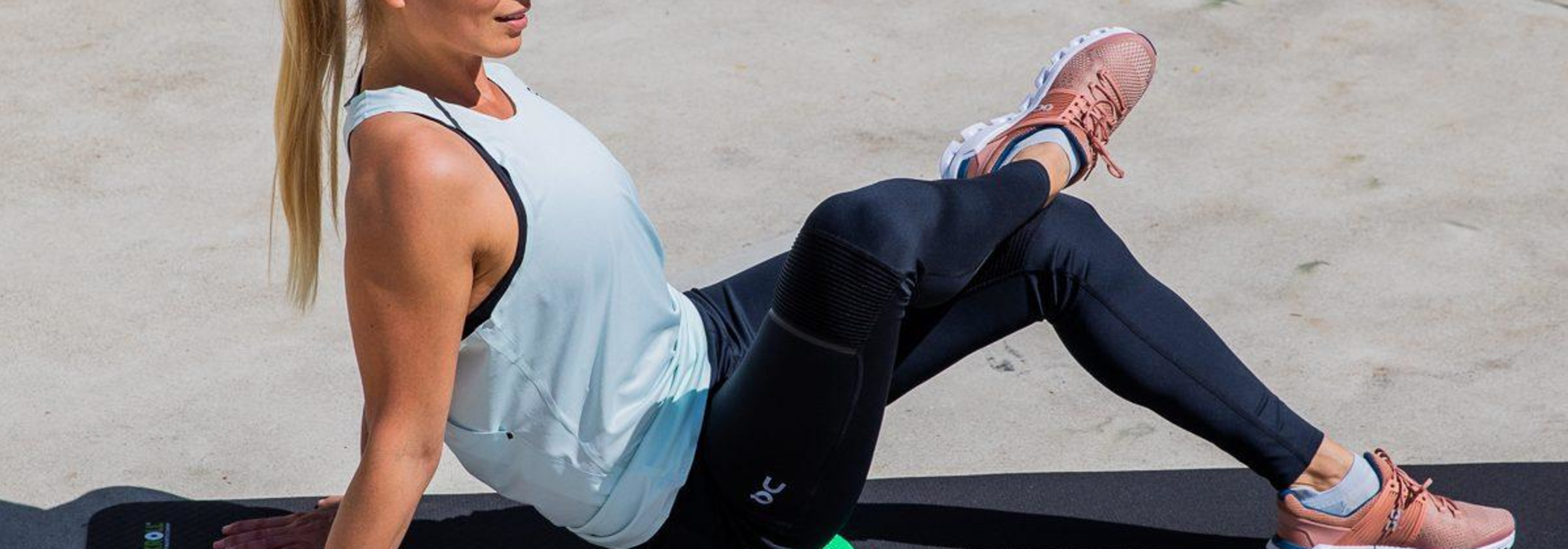
Proper fascia training does more than just loosen and soften the tissue. When we take good care of them, these highly complex fasciae also make us more capable overall.
Just like muscles, fascia can be strengthened through the right kind of stimulation. After just a few weeks of optimal fascia training, the symptoms mentioned above can be alleviated or even disappear completely.
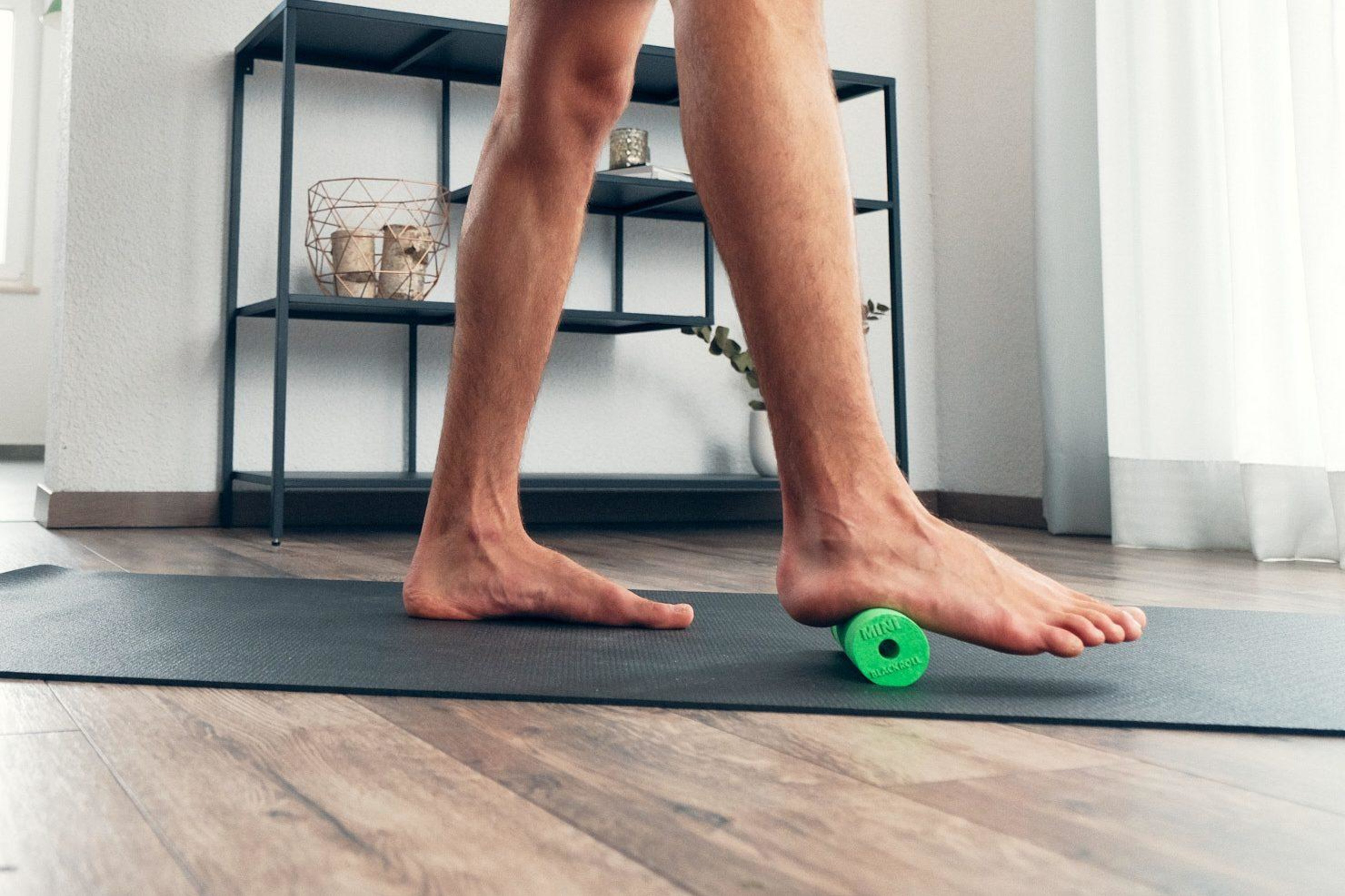
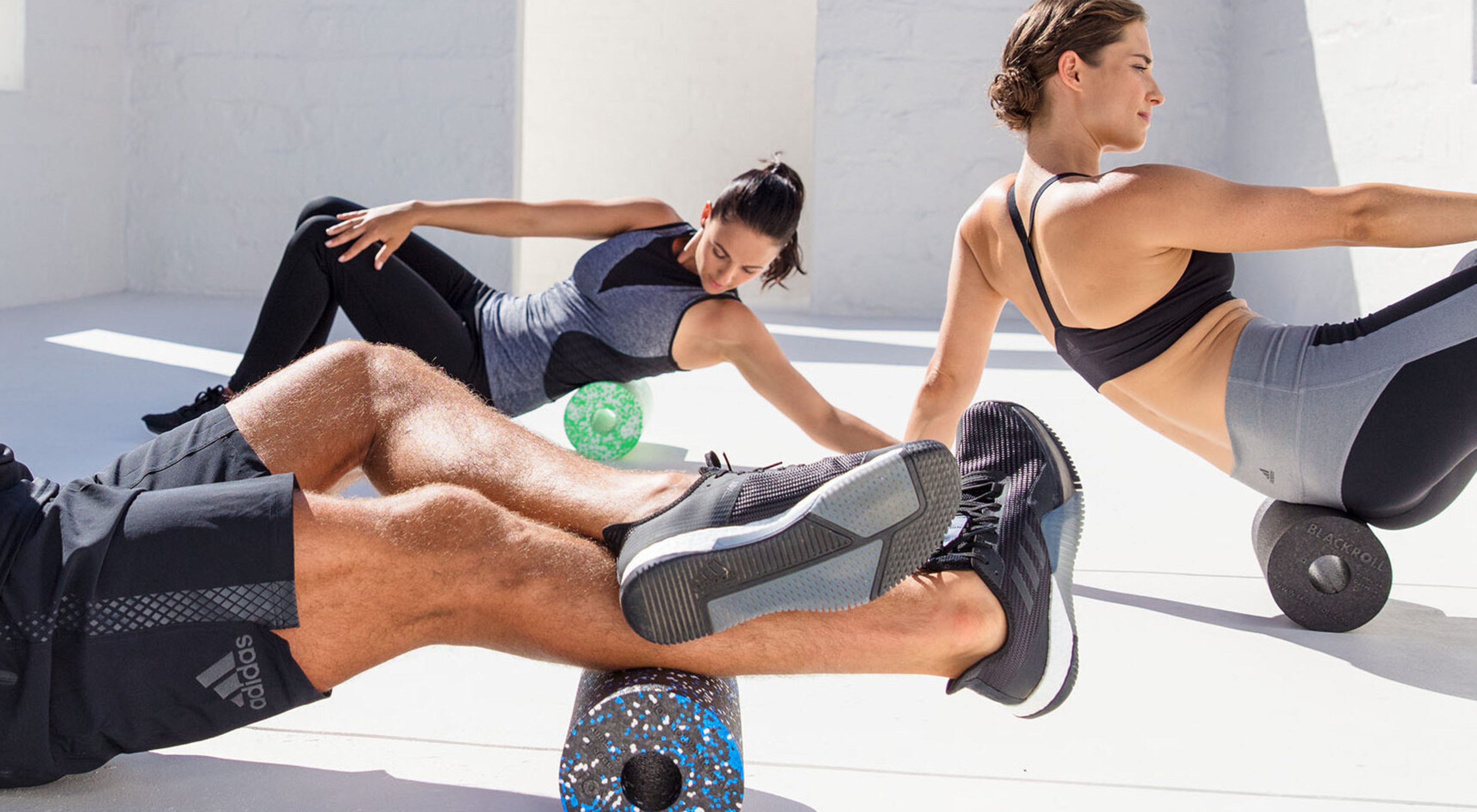
What’s needed is a functional, fascial workout —for example, with the BLACKROLL®. Although “rolling out” with a fascia roller is usually associated with recovery, fascial training has also proven effective as a warm-up routine.
How Fascia Rollers Improve Recovery for Athletes
For some time now, athletes and sports medicine specialists have suspected a link between improved recovery and myofascial training. Until now, however, the effects have not been sufficiently researched—leaving plenty of room for debate.
The study “Effect of foam rolling recovery on pain and physical capacity after resistance exercises: A randomized crossover trial” (Arbiza et al.), published in 2023, could now change that.
The Methods
The study’s objective: to compare the three basic forms of post-exercise recovery.
These include:
- Passive Recovery (PR)
- Active recovery (AR)
- Recovery through self-massage with foam rollers (Foam Rolling Recovery—FRR)
All study participants completed the exact same workout, consisting of leg press, squats, and leg extensions. The participants were then randomly assigned one of the recovery methods:
Method one: Passive recovery in the form of 20 minutes of sitting.
Method two: Active recovery in the form of 20 minutes on a stationary bike at no more than 50% of maximum heart rate.
Method three: Self-massage with foam rollers for 20 minutes, with 10 repetitions per target body area, followed by a one-minute break.
One hour after the workout, the participants’ physical performance was assessed for the first time based on various parameters:
- Strength
- Power
- Agility
- Joint mobility
- Flexibility
- Speed
- Fatigue Resistance
The participants’ muscle soreness was then assessed at 24, 48, and 72 hours to examine the long-term effects of the respective recovery methods.
The Results
Overall, the participants’ muscle strength decreased by 16.3% after the workout. However, the active recovery methods (AR and FRR) mitigated this decrease by 5.2%.
The athletes’ agility was also improved by the two active recovery methods compared to passive recovery—by 3.6% with AR on the bike and by 4.3% with FRR using the foam roller.
The greatest difference, however, was observed in muscle soreness. Here, fascia training alone was able to achieve a significant reduction in pain:
- By 22.8% after 24 hours
- By 39.2% after 48 hours
- And by 59.7% after 72 hours
The Conclusion
Only the active recovery methods were able to mitigate the decline in muscle strength following training. In addition, foam rolling (as opposed to active recovery on a bike) significantly reduced muscle soreness in the days following training.
Fascia training can therefore actually alleviate pain following high-intensity resistance training sessions and improve physical performance.
What does this mean for training practice?
Almost everyone is familiar with muscle soreness after exercise. The problem: This typical pain limits an athlete’s performance and also increases the risk of injury. Furthermore, especially for beginners, severe muscle soreness can be demotivating and lead to less effective training in the future. This has a particularly negative impact on patients who are advised to do strength training for medical reasons—in these cases, nothing less than the success of their treatment hangs in the balance.
When it comes to typical muscle soreness, fascia training is a true miracle cure.
But using a fascia roller has proven effective not only after workouts but also in everyday life—as earlier studies have already shown.
The key findings from these studies are:
- Foam rolling reduces pain, at least in the short term (Ortiz et al., 2019; Pearcey et al., 2015)
- Fascia training increases range of motion (Bushell et al., 2015; Krause et al., 2019; Macdonald et al., 2014)
- Regular foam rolling improves flexibility (Beardsley and Skarabot, 2015; Krause et al., 2019).
- The ability to manage pain to a certain extent has a positive effect on the athlete’s nervous system (Beardsley and Skarabot, 2015)—which in turn helps relax the entire musculature. (Drinkwater et al., 2019)
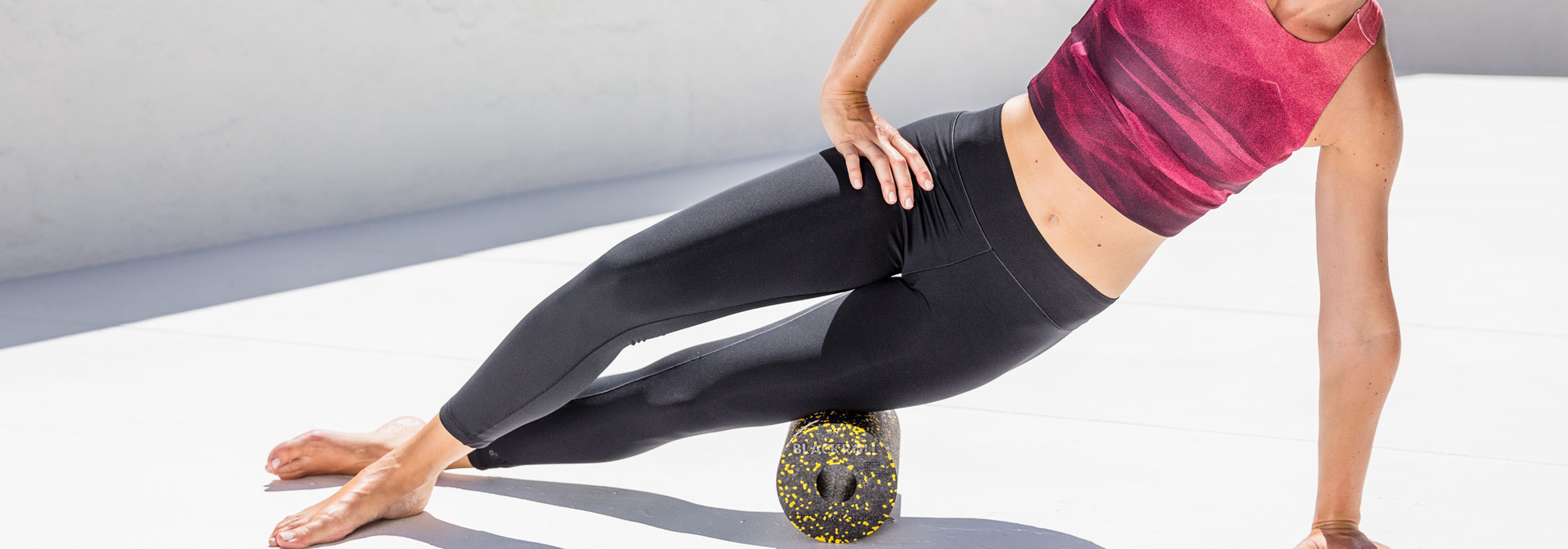
Foam Rolling: Exercises with a Foam Roller
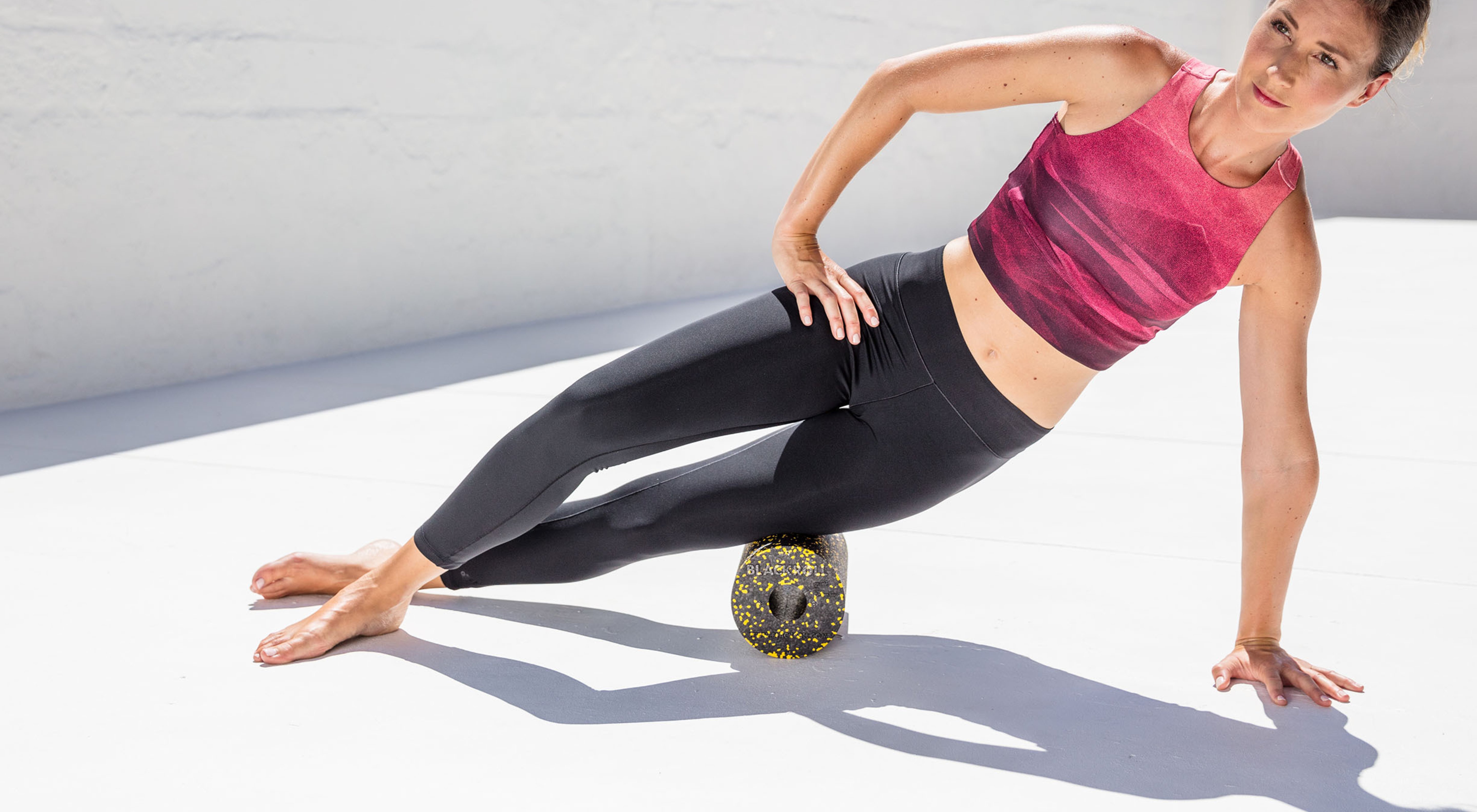
Basically, there are many different exercises you can do with the BLACKROLL®. We’ll now introduce you to the three exercises that the study participants performed regularly.
Our recommendation: Roll out each bodyarea very slowly for 1 to 3 minutes, relaxing your muscles and maintaining steady breathing.
Exercise 1: Calves
While sitting, bend one leg at the knee.
Place the calf of your extended leg on the foam roller.
Lift your buttocks off the floor and slowly roll your calf over the roller.
As you roll, slowly turn your foot to the right and left. This allows you to massage even more areas of the calf muscles.
If you want to make the exercise more intense, you can place your free leg on the lower leg of the other leg.
Exercise 2: Inner Thighs
Start in a prone position, supporting yourself on your forearms.
Bend one knee to a 90-degree angle and place the foam roller under your thigh.
Slowly roll your thigh from the knee toward your pelvis.
Exercise 3: Glutes
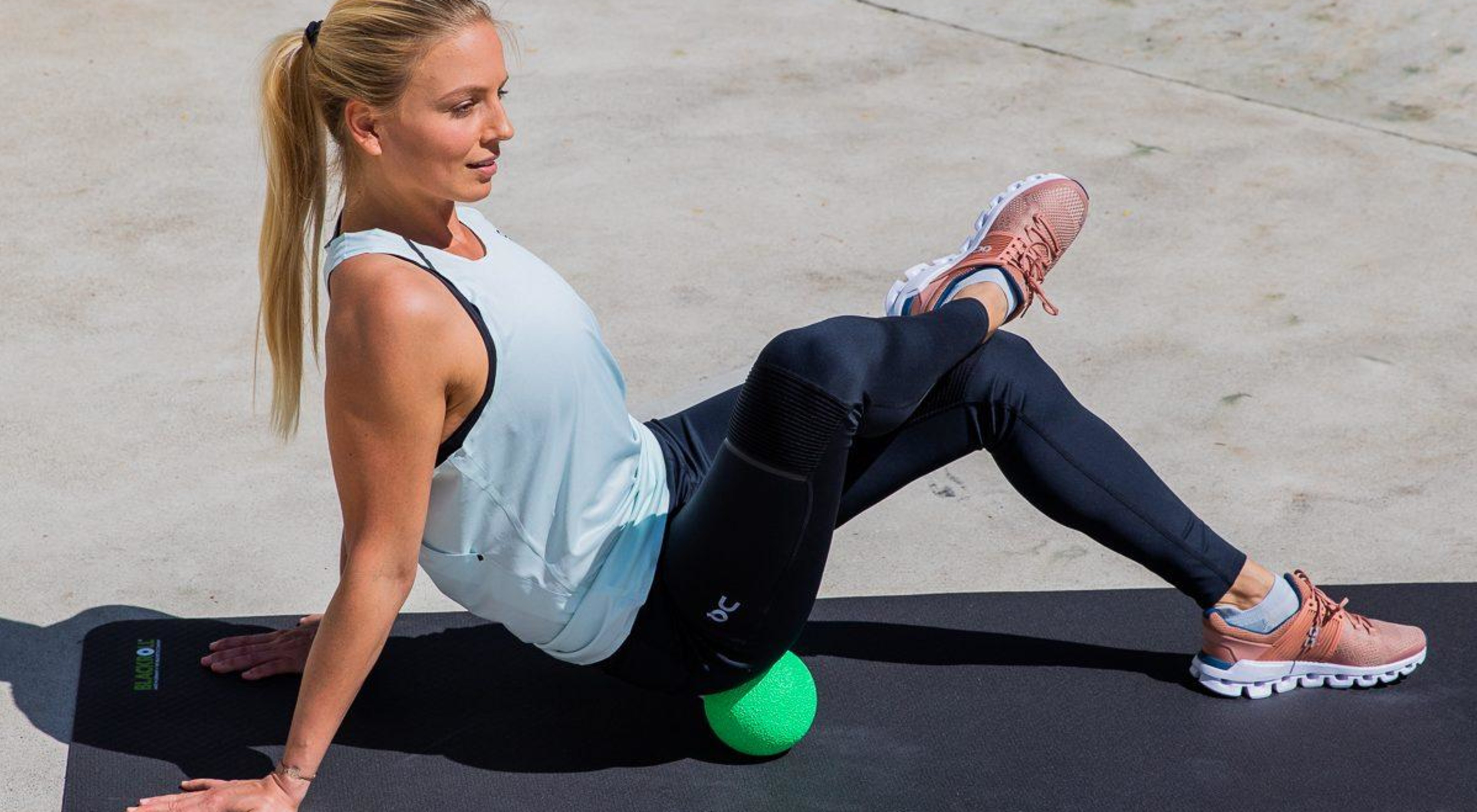
Sit with one buttock on the BLACKROLL®.
Raise the opposite leg and place the foot of the side you’re working on top of the raised knee.
Support yourself with your hands behind your back and slowly roll out your gluteal muscles.
Turn slightly to the side here as well to massage even more areas of your glutes.