Pain Caused by Fascia: The Most Common Causes

Do you often feel tense? You’re not alone. Very few people are 100 percent pain-free. But even fewer realize that the cause of their pain may lie in their fascia—and that they can do something about it themselves.
Yet it is precisely this thin layer of tissue—which surrounds and holds together every organ, blood vessel, bone, nerve, and muscle fiber—that is, in most cases, the cause of your physical pain, muscle tension, or even chronic pain.
Just ten years ago, very few people knew what fascia was. Fascia contains more pain receptors than muscles, is closely connected to your autonomic nervous system, and constantly sends signals to the brain. That’s why scientists today refer to it as the human body’s largest sensory organ.
Why your pain might be caused by your fascia, how you can tell if it’s fascial pain, and how you can manage your pain on your own—without medication, injections, or other interventions—is what you’ll learn here.

You’ll build a strong back. Your health insurance covers it.
Go to the online prevention course

How pain develops in the fascia
Fascial pain primarily occurs in the myofascial region (muscle fascia). The term “myofascial” is composed of the terms “myo”—muscles—and “fascia”—connective tissue. When pain occurs in this area, we refer to it as myofascial pain syndrome.
However, fascia surrounding the organs can also cause pain. For example, the intestines can trigger pain in the back or even the shoulder through their fascial attachments.
The same is true for muscle fascia. This is because the location where the pain spreads is not always the same as where the problem originates. We refer to this as referred pain. A tight spot on the sole of the foot can travel up through the posterior fascial tract all the way to the head, resulting in headaches.
The tensions in your body are therefore interdependent and influence one another. You can think of it like a sailing ship. The tension in the individual ropes, which are attached at various points, must be coordinated with one another.
If just one rope is loosened, the ship may sail in a different direction. You can apply this same principle to your body. Your bones and vertebrae are held in the correct position by the myofascial balance of tension. Experts refer to this new perspective as “tensegrity.”
Adhesions and tightness in the fascia can therefore cause imbalances throughout the entire body. This leads to fascial pain caused by adhesions in the fascia.

Tools for releasing fascia



How to visualize adhered fascia
Fascia varies depending on its location and is made up of several layers. To ensure good glide, fluid circulates between each layer—similar to the oil in an engine.
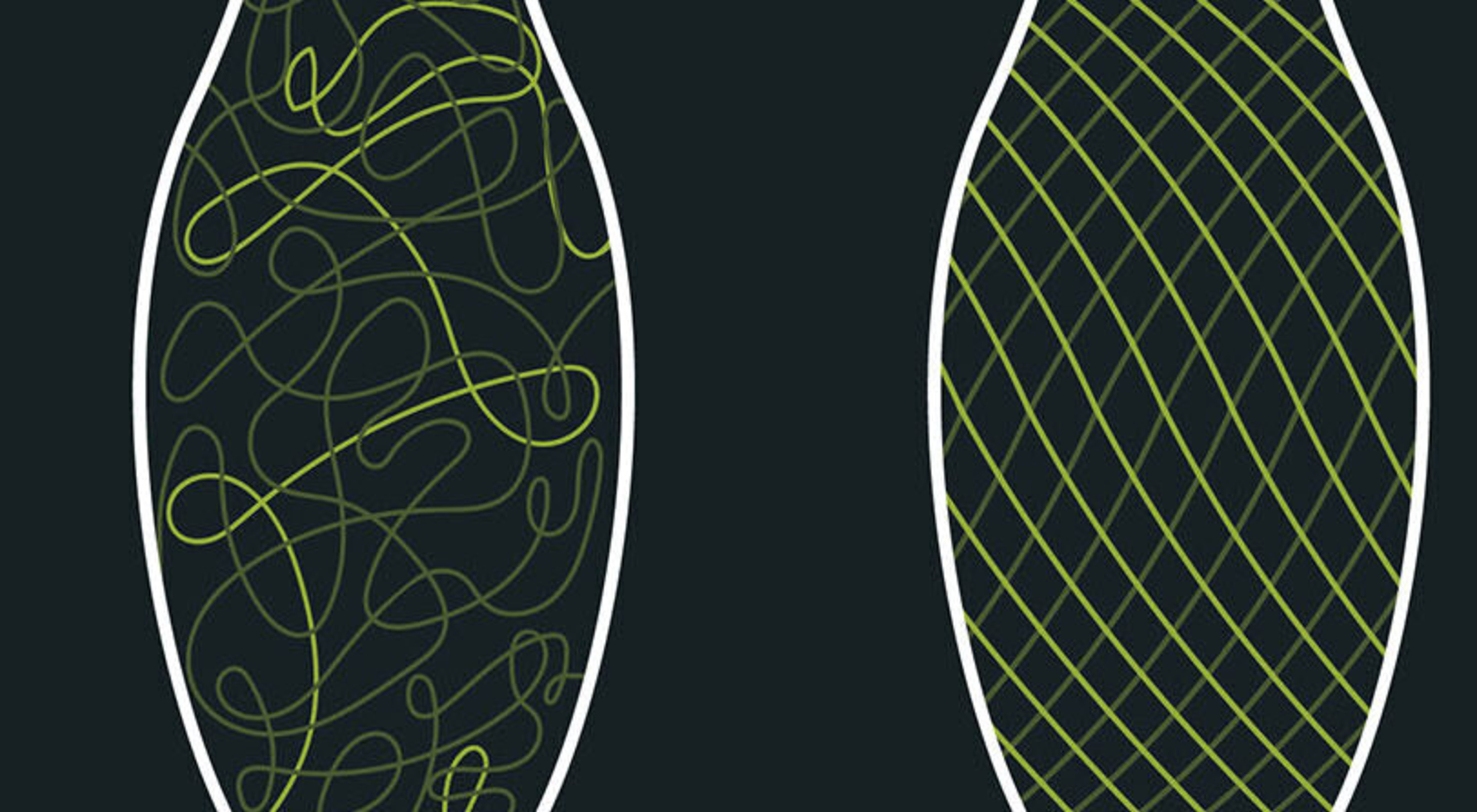
So what do you imagine when you hear the term “adhered fascia”? Probably a thickening of the fluid that holds the individual layers together like glue, thereby restricting their ability to glide. In the simplest terms, this idea is correct. However, experts explain the reduced glide of fascia in somewhat more complex terms, as research on fascia in recent years has led to an ever-growing body of knowledge and understanding about it.
Healthy fascia is flexible and glides easily. Lack of movement, overexertion, injuries, and stress create unstructured interconnections. The fascia becomes matted, and hardened areas form. It becomes particularly painful when the fascia thickens to the point that it constricts nerves.
Exercises for Pain Relief
We’ve put together an exercise routine tailored specifically to your pain that includes not only myofascial self-massage but also trigger point therapy, mobilization, and strengthening. Start practicing right away and take charge of your pain yourself. >




What Types of Pain Are Considered Fascial Pain?
Myofascial pain can occur acutely, but it is usually chronic. It is the most common cause of persistent pain in one or more areas of the body and accounts for 30–85% of all musculoskeletal pain.
It is estimated that myofascial pain accounts for 85% of back pain and 55% of head and neck pain. Shoulder pain can also often be attributed to myofascial dysfunction. In most cases, if left untreated, the pain spreads over time to other areas of the body via the myofascial tracts.
Myofascial pain occurs at any age, but most commonly affects people between the ages of 27 and 50. This is likely due to the following factors:
- First, enough time has passed in this age group for causes such as poor posture, repetitive strain, or stress to have already become entrenched in the myofascial system.
- Second, these individuals are typically still very active, so the myofascial pain and loss of mobility are perceived as highly limiting.
It often occurs in otherwise healthy people. However, it is even more common when associated with other musculoskeletal, neurological, or psychological conditions, such as nonspecific back and neck pain or even cancer.
Due to their persistent nature, they frequently lead to a decline in quality of life, impairing physical, psychological, social, and emotional well-being. Accurate diagnosis of myofascial pain is difficult; to date, there are no standardized criteria for it.
In addition, the symptoms often overlap with those of other chronic pain conditions, such as fibromyalgia, irritated nerve roots, or pain originating from ligaments, tendons, or joints.
Nevertheless, in cases of myofascial pain, a doctor or physical therapist can palpate tender points in the muscle and/or the fascia that can trigger severe pain and, if applicable, radiate along a specific path through the corresponding myofascial chain.
Sometimes, accompanying muscle weakness or sensory disturbances—and often restricted mobility—are also observed.
Typical characteristics of fascial pain:
- The pain and sensory disturbances spread along the fascial pathways
- The pain—and, in some cases, a burning sensation—spreads over a wide area
- Pain tends to be relieved by gentle movement
- Movements feel stiff and are particularly painful at the end of the range of motion
04 Symptoms and Causes of Fascial Inflammation
As you already know, fascia are fine connective tissue structures in our bodies that are crucial for our mobility and well-being. Inflammation of the fascia (eosinophilic fasciitis) can lead to several unpleasant symptoms.
- Stiffness and limited range of motion: In addition to pain, there is often noticeable stiffness in the affected areas. This can limit mobility, making everyday activities more difficult.
- Swelling and tenderness: In some cases, swelling may also occur. The affected areas are then not only painful but also very tender to the touch or when pressure is applied. This swelling usually occurs symmetrically on the arms and legs.
- Skin changes: Signs of inflamed fascia can also include an orange-peel-like texture or hardening of the skin in various areas.
- Fatigue: Signs of fatigue are also a fairly common symptom. Tiredness and weight loss may also be accompanying symptoms.
What are the causes?
In most cases, eosinophilic fasciitis is the result of an injury or intense training. However, it is likely that multiple factors are responsible for the inflammation. In people with a genetic predisposition, various diseases can trigger inflammation that disrupts metabolism in your tissues.
How can you prevent the inflammation?
A balanced mix of exercise and rest plays a major role in preventing eosinophilic fasciitis.
Regular stretching, myofascial self-massage with a foam roller, and mindful management of physical stress can reduce the risk of fascial inflammation.
How is fascial inflammation diagnosed?
To diagnose eosinophilic fasciitis, the doctor takes a small skin biopsy that also includes some of the underlying tissue and the fascia. When the sample is examined under a microscope, it becomes apparent that the fascia is thicker than normal and contains inflammatory cells.
In the early stages of the disease, particularly high levels of eosinophils—a type of young red blood cell—can be detected in the blood, and the erythrocyte sedimentation rate is significantly elevated.


Why fascia adheres and thus causes fascial pain
- Overuse: If your body is constantly in a state of acidosis due to exertion, this has a negative effect on your fascia. It’s important to find a balance between exertion and recovery.
- Repetitive and one-sided movements, lack of exercise:
One-sided strain on the muscles leads to tissue stress in the myofascial system. This can result in poor posture. People who are particularly affected include runners, cyclists, and office workers. - Circulatory and lymphatic drainage disorders:
Your fascia needs to be supplied with oxygen and nutrients. Likewise, used tissue fluid and its metabolic waste products must be able to be effectively drained via the veins and lymphatic system. Too few nutrients and fluids on one hand, and too many accumulated toxins on the other, cause the fascia to stick together and become brittle. - Nutrition & Hydration: A balanced diet is essential for ensuring your fascia receives the right nutrients. In addition to adequate hydration (fascia consists of approximately 75% water), maintaining a proper acid-base balance is particularly crucial.
- Stress: Fascia reactsto stressors by tensing up. If stress—and thus tension—becomes chronic, tension builds up in the body.
- Psychological Trauma: Fascia has an emotional memory. Traumatic events can therefore literally become embedded in your body.
- Medical Conditions: Structural conditions such as osteoarthritis or scoliosis; systemic conditions such as hypothyroidism; organ disorders such as intestinal diseases; cancer (the disease itself and/or its treatment); and depression, anxiety, and other mental health conditions. Prolonged use of pain medication can also have an adverse effect on the fascia.
- Sleep problems: Good sleep with sufficient deep sleep phases triggers the release of the growth hormone HGH (human growth hormone). HGH plays a key role in keeping our fascia elastic and supple. It stimulates blood circulation and ensures that muscles and fascia can relax. If we do not get enough high-quality sleep, this can lead to increased adhesions in the fascial tissue.
“Fascia literally absorbs all forms of stressors. Most people often think exclusively of physical strain and are surprised when physical efforts alone do not yield the desired results. Fascia exercises should always be supplemented with other measures, such as lifestyle adjustments.”
Expert: Dr. rer. nat. Torsten Pfitzer, holistic pain therapist



What Helps with Fascia Pain
Studies have shown that various therapies have positive effects in the treatment of myofascial pain.
From a physical therapy perspective, treatments such as massage, specialized manual therapy techniques from the field of “myofascial release,” heat and cold therapy, ultrasound, taping, electrical stimulation, and acupuncture can be used.
However, lifestyle changes and specialized exercise programs have proven to be the most effective. These often result in pain relief and increased mobility and strength in the affected area of the body.
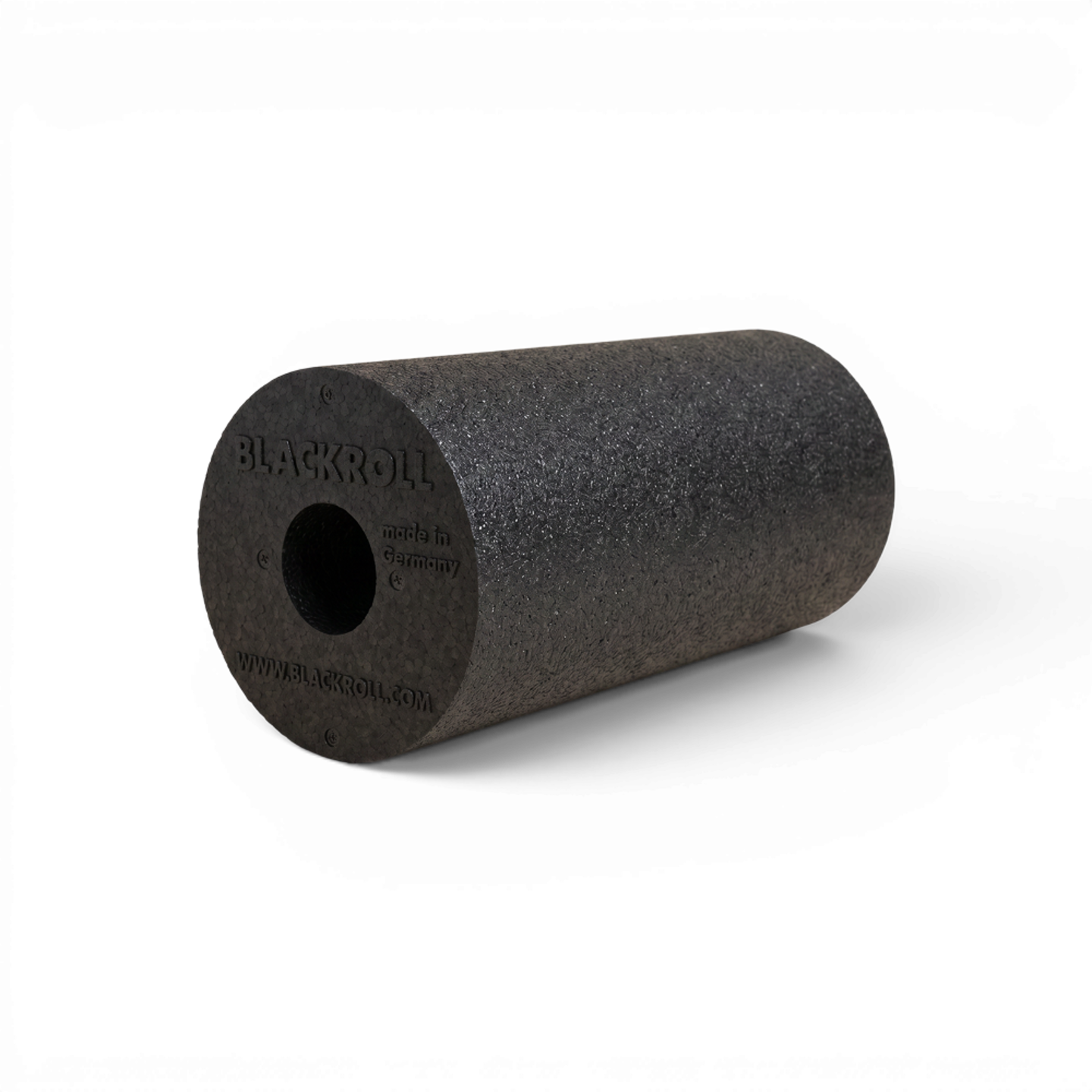
Training with foam rolling tools, such as fascia rollers, improves hydration and thus the glide of the fascia. Muscle pain, muscle tension, and fascial adhesions are released. Fascia training—in which the muscles are alternately contracted and stretched—or long-held stretching positions, such as in Yin Yoga, also provide relief.
Together, these exercises fall under the category of “self-myofascial release” (SMR or SMT exercises). These are exercises modeled after the techniques used by therapists but can be performed by the individual themselves.

The Effects of Exercises Such as Myofascial Self-Massage
Physiological effects include:
- Improved fluid exchange
- The release of adhesions
- Improved blood circulation
- Stimulation of lymphatic flow
- Relief and regulation of the nervous system
You’ll notice these effects in your body through:
- Your mobility improves
- Your tension is released
- Your stress levels decrease
- Your recovery is accelerated
- Your performance increases
- Reduces your susceptibility to injury
- Improve your body awareness
07 Medications for adhesions in the fascia
Medications for adhesions in the fascia aim to relieve the symptoms caused by adhesions in connective tissue structures.
There are no specific medications developed exclusively for the treatment of adhesions in the fascia; however, various types of medications can help reduce symptoms and thus relieve pain.
- Anti-inflammatory medications, such as nonsteroidal anti-inflammatory drugs (NSAIDs), can provide relief from pain and inflammation caused by adhesions in the fascia. These medications reduce pain and swelling and improve mobility.
- Pain relievers, such as acetaminophen or ibuprofen, can also be taken to relieve acute pain. These often provide rapid relief and help maintain daily functioning.
- Muscle relaxants may also be prescribed by a doctor, especially if the adhesions in the fascia lead to muscle tension and pain. These medications help relax the muscles and improve mobility.
Medications alone are usually not sufficient to treat adhesions in the fascia. A combination of medications, physical therapy exercises, and manual therapies such as foam rolling or massage yields greater benefits.
You should always discuss taking medication with your doctor. He or she can determine the appropriate treatment for your individual case and thus help avoid potential side effects or interactions with other medications.
08 Conclusion
If you have muscle pain or muscle tension caused by adhesions in your fascia, make sure to incorporate sufficient and varied physical activity, a balanced diet, and recovery into your daily routine, and follow a specific exercise program such as fascia training. The health of your fascia is the key to relieving your pain.