Snoring: What Causes It and How to Stop It

Snoring is a widespread problem that affects about half of all adults. Some people snore every night, some only when they’ve had alcohol or have a cold, and others only as they get older.
Depending on the cause, these sleep-related noises can pose a health risk, especially if breathing stops at night.
Find out here how snoring develops, when you should seek medical treatment, and what helps combat snoring.
Snoring – Definition and Symptoms
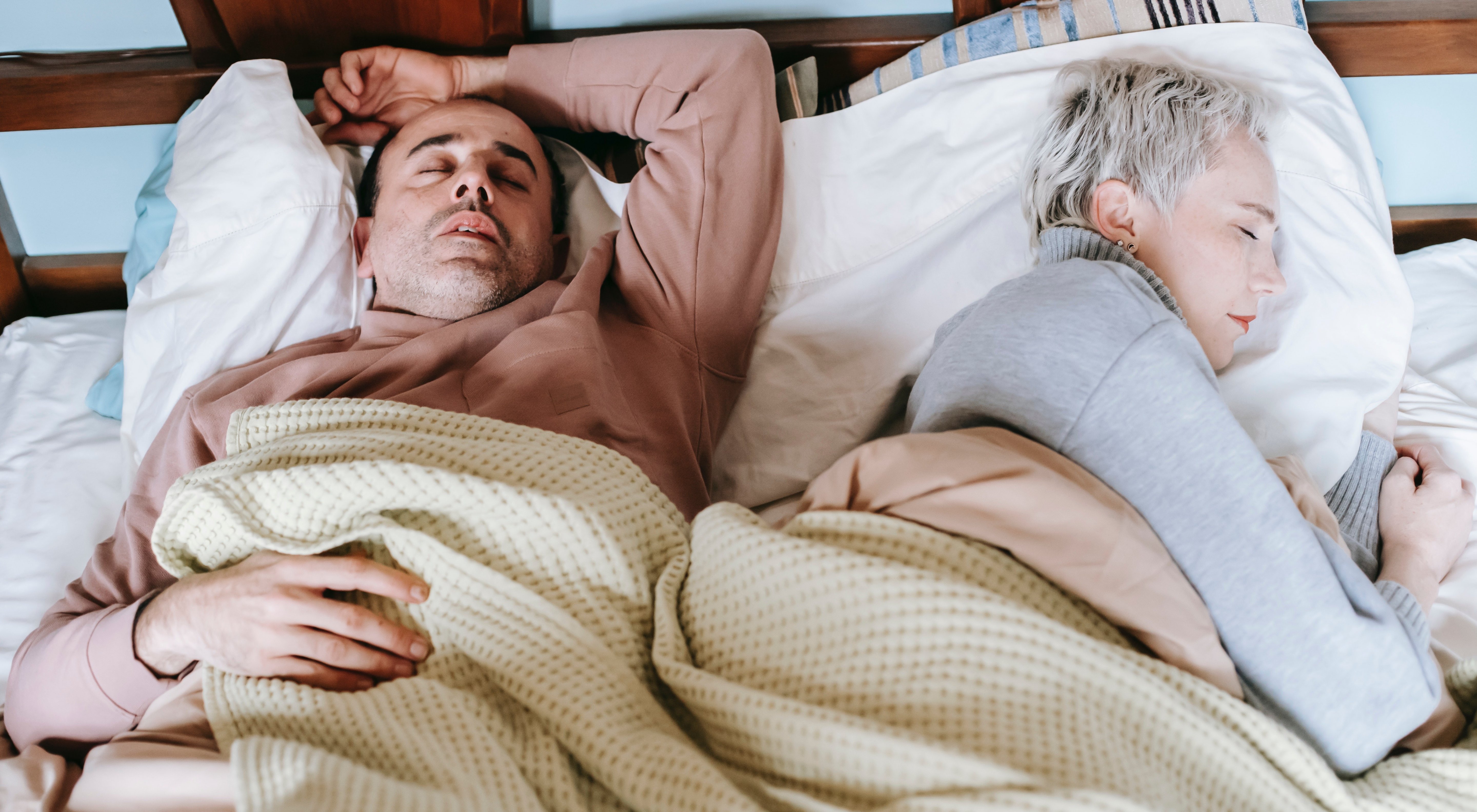
By definition, snoring refers to breathing sounds caused by the vibration of soft tissues in the upper airways. The medical term for this is rhonchopathy. Men are more likely to snore than women, and the likelihood of noisy breathing at night increases with age.
Generally, rhonchopathy is not classified as a disease, since in most cases snoring does not pose a health risk. Primarily, it is a noise nuisance for one’s partner.
However, it can become dangerous if it’s accompanied bynighttime breathing pauses. Obstructive sleep apnea (OSA) is a sleep-related breathing disorder in which breathing repeatedly stops for more than ten seconds. As a result, the body isn’t supplied with enough oxygen, the brain sounds the alarm, and you wake up.
Some people with this condition jolt awake and feel as if they are suffocating. But even if you aren’t consciously aware of waking up, your sleep is repeatedly disrupted by the apnea. Over time, the lack of oxygen can damage your blood vessels. Possible consequences, in addition to a reduced quality of life, include diabetes, cardiovascular disease, heart attack, stroke, or depression.
The following symptoms could indicate sleep apnea in people who snore:
- Sleep disturbances
- Difficulty sleeping through the night
- A dry throat in the morning
- Feeling groggy upon waking
- Fatigue throughout the day
- Difficulty concentrating
- Night sweats
- Frequent urination
- Dizziness
- Heart rhythm disturbances
- Headaches
- Anxiety
- Depression
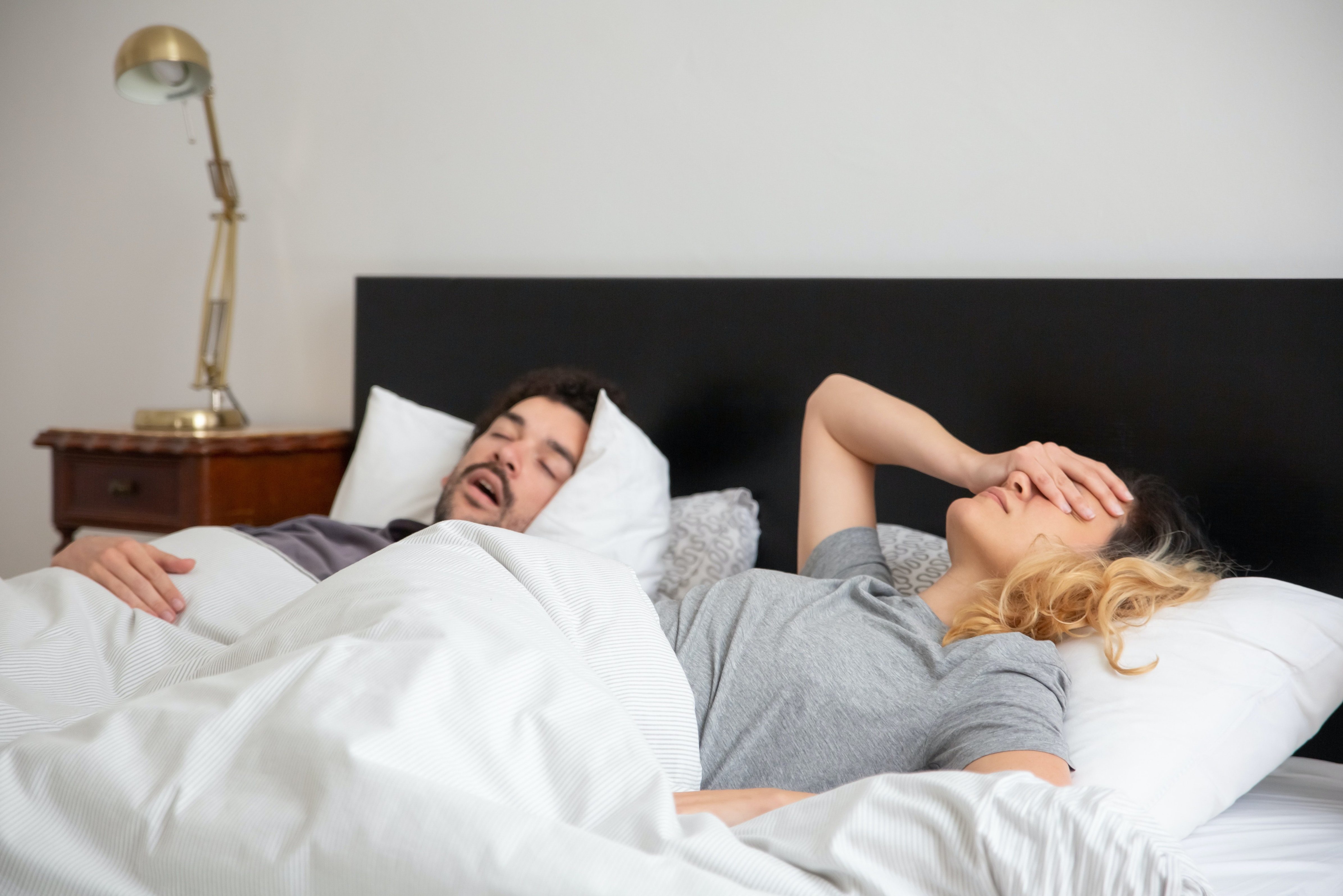
If you live alone, you might not even realize that you snore. In a relationship, your partner will usually let you know with an annoyed nudge when your loud snoring makes it impossible for them to fall asleep.
In addition to the health consequences, snoring primarily affects the relationship. Partners usually suffer more than the person who snores, since they’re deprived of restful sleep. Anyone who snores regularly should get to the bottom of the causes and do something about it—if only to maintain peace in the home.

"Snoring can be an indicator of more serious breathing disorders such as obstructive sleep apnea and should not be ignored. A proper diagnosis and adequate treatment are crucial for preventing long-term health problems and improving quality of life."
Dr. Fabian Krapf, sleep expert



Snoring – The Causes
Snoring occurs when the upper airways narrow and the throat muscles relax. During sleep, the muscles throughout the body relax, with the exception of the tongue, throat, and soft palate. To ensure unobstructed breathing even during deep sleep, the throat muscles normally remain slightly tense.
However, if the base of the tongue also relaxes, it slides backward when sleeping on one’s back and narrows the airways. The mouth opens, the pressure of breathing increases, and causes the soft palate, the uvula, and the tongue to vibrate. We perceive this process as sawing, grunting, rattling, or clattering.
From an unhealthy lifestyle to anatomical peculiarities, there are many different reasons why some people make these loud noises at night.
The most common causes of snoring are:
- Alcohol consumption
- Smoking
- Being overweight
- Medications
- Colds
- Hay fever
- Chronic sinusitis
- Deviated nasal septum
- Enlarged tonsils
- Long uvula
- large tongue
- enlarged soft palate
- narrow jaw
- Misaligned teeth
- Nasal polyps
Alcohol, sleeping pills, and antihistamines, for example, promote muscle relaxation, including that of the throat. That’s why many people snore only occasionally after a night of heavy drinking, which is no cause for concern as long as alcohol consumption isn’t part of a daily routine. Snoring caused by an upper respiratory tract infection is also only temporary and usually goes away as soon as the cold subsides.
Incidentally, there’s a reason why men snore more often than women: female hormones prevent the muscles in the throat from relaxing. Since estrogen levels decline during menopause and fat metabolism changes, women also begin to snore as they age. In children, adenoids or enlarged tonsils are the most common triggers.
The situation is different, however, if a deviated nasal septum permanently impedes breathing or other anatomical factors narrow the throat. In such cases, snoring can become a chronic problem.


Snoring and Obesity
Excess weight is one of the most common causes of sleep disorders such as snoring and sleep apnea. The more excess weight a person carries, the greater the risk of nocturnal breathing interruptions. Even a few extra kilos around the waist can contribute to snoring. This is because an increased body fat percentage is evident not only in waist circumference but also in the neck area. It is precisely here that it affects the airways: the narrowing of the airways triggers snoring.
For women, a neck circumference of over 40 cm indicates an increased risk of OSA; for men, the threshold is 43 cm. Furthermore, excess weight can press on the airways when lying on one’s back, leading to a high diaphragm position and thereby impairing lung function.
Many people with obesity (excess weight) rely on a breathing mask to reduce recurrent pauses in breathing and prevent long-term complications. However, many find wearing the tight-fitting mask uncomfortable. In the long term, the only effective way to combat snoring is to lose weight through a balanced diet, plenty of exercise, and a generally healthy lifestyle.


How to Prevent Snoring: Tips for Reducing Snoring
Snoring affects your sleep and quality of life. You don’t feel truly refreshed after waking up, you’d rather lie back down all day, you’re not productive, and you feel sluggish. Home remedies and small lifestyle changes can sometimes help with snoring, provided there are no underlying serious health issues.
With these tips for preventing snoring, you can take steps to stop it and soon enjoy more restful sleep again:
Do’s
- Light dinner: A heavy dinner puts a strain on your stomach and reduces sleep quality. A light meal with steamed vegetables and fish, on the other hand, can help prevent snoring. This way, your body isn’t busy digesting food at night and can focus entirely on recovery.
- Sea salt nasal spray: If your nasal membranes are swollen due to an allergy or cold, a sea salt nasal spray is a proven home remedy for snoring. Unlike other decongestant nasal sprays, sea salt can be used over a longer period of time without causing dependence on the spray.
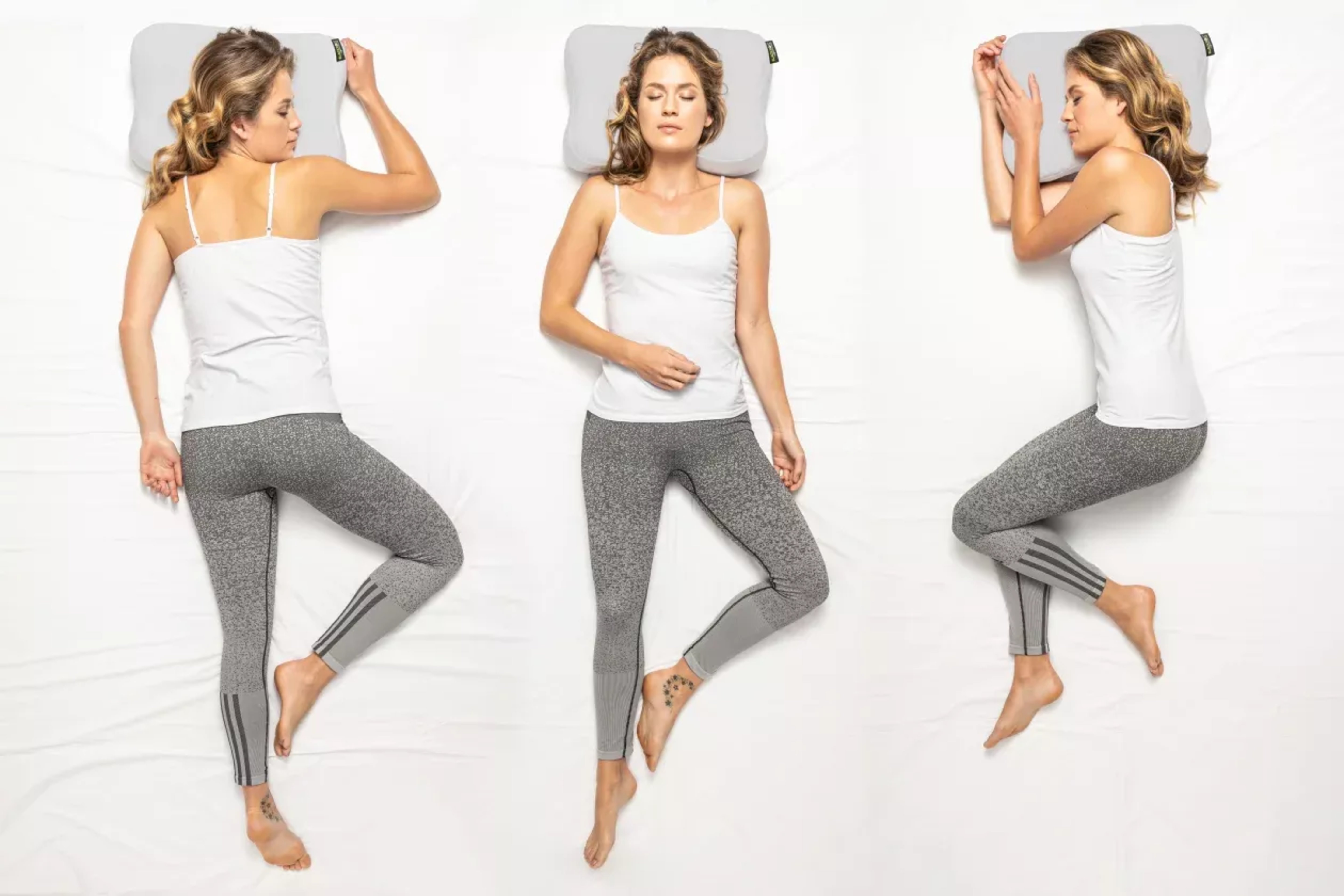
- Change Your Sleeping Position: Another thing you can do to combat snoring is to change your sleeping position. If you only snore when lying on your back, get into the habit of sleeping on your side. Alternatively, you can elevate your upper body using a wedge pillow.
- Sleep hygiene: Your bed and bedroom are your places of rest, and you should set them up accordingly. The room should be cool, clean, well-ventilated, quiet, and dark. Avoid having a cell phone or TV in the bedroom, and get into the habit of maintaining a regular sleep schedule.
- Exercise your muscles: You can strengthen the muscles of the throat and soft palate by singing, doing specific speech exercises, or playing a wind instrument. This helps reduce snoring by tightening the soft tissues.
- Mouth Taping: This is a method where you apply a special adhesive tape over your mouth to encourage breathing through the nose. It’s claimed that this technique can reduce your snoring by preventing mouth breathing. Curious? Learn all about mouth taping in our detailed article!

Don’ts
- Alcohol in the Evening: Avoiding alcohol can help prevent snoring, as alcohol consumption affects sleep quality. A glass of wine or a beer after work right before bedtime is particularly problematic. To break the habit, it’s best to avoid alcohol entirely for a while. Afterward, small amounts of wine and beer are allowed, but no later than 2–3 hours before bedtime.
- Smoking: Nicotine consumption has a negative effect on many bodily functions. Smoking also causes the mucous membranes to swell, which narrows the airways.

- Excess weight: Being overweight is one of the most common causes of regular snoring and sleep apnea. That’s why losing just a few kilograms can sometimes help reduce snoring.
- Sleeping Pills: Try to treat your sleep disturbances naturally. While sleeping pills promote relaxation, they also relax the throat muscles. Avoid medication and instead rely on home remedies such as lavender or hops in the form of essential oils or herbal tea, plenty of exercise in the fresh air, and a healthy diet.



Snoring – Treatment
In most cases, snoring is harmless and does not necessarily require treatment. The frequency and intensity of the sounds are key factors. This is because snoring can put a significant strain on a relationship and, in cases of sleep apnea, lead to health problems. To reduce the psychological stress and consequences for one’s own health, treating snoring definitely makes sense.
The first point of contact is an ENT specialist. During the examination, the doctor will look for anatomical causes and other triggers of snoring. The doctor will ask you specific questions about your sleep and snoring habits—questions that sometimes only your partner can answer. That’s why bringing your partner along to the doctor’s appointment usually provides important information for further treatment. A portable monitoring device may be used to record your breathing and heart rate overnight, which is then analyzed. Depending on the diagnosis, there are various treatment options:
- Mandibular splint: A mandibular advancement splint is used to widen the throat. You insert this plastic dental splint in the evening when you’re in bed so that it gently pushes your lower jaw forward overnight, thereby widening the throat.
- Nasal dilator: The nasal dilator helps widen the nasal passages when breathing through the nose is restricted. Before going to bed, you insert the plastic clip into your nostrils, allowing you to breathe freely.
- Sleep vest: Special sleep vests prevent you from rolling from your side onto your back. They help you adjust to a different sleeping position.
- Breathing device: For severe sleep apnea, CPAP therapy has proven effective. CPAP stands for “continuous positive airway pressure,” which means that a breathing device continuously pumps room air into the airways at a slight positive pressure.
Snoring should definitely be treated if it is accompanied by regular sleep apnea. If your breathing repeatedly stops for several seconds during sleep, this can have long-term effects on your health. For diagnosis, your sleep patterns are monitored in a sleep lab, and various metrics—such as blood pressure, heart rate, brain activity, and blood oxygen saturation—are measured.


Can you get rid of snoring with surgery?
If anatomical abnormalities are diagnosed as the cause, snoring can be treated with surgery. Nasal polyps or enlarged tonsils are removed through a surgical procedure. It’s also possible to tighten a soft palate that’s too loose or reduce the size of an enlarged uvula. Misalignments of the teeth or jaw—such as an overbite—can also be corrected.
People with a deviated nasal septum should consider surgery in any case, as the restricted breathing affects their quality of life even during the day and is not solely responsible for nighttime snoring.


Other remedies for snoring
Those affected—and especially their partners—are usually open to any remedy for snoring. That’s why many creative minds have already sought solutions to the snoring problem. For example, the market offers
- Nasal strips
- Nose clips
- Anti-snoring bands
- Mouth strips
- snoring rings
- Anti-snoring pillows
- Snoring apps
For example, they’re designed to improve nasal breathing or prevent your mouth from opening while you sleep. While these aids can have a positive effect for some people, there’s no guarantee they’ll work. Before trying any of these remedies, you should definitely consult a doctor to determine the underlying causes. After all, a nasal strip certainly won’t help if you have enlarged tonsils.
Although medications for snoring are available, they are not necessarily recommended. They are often associated with side effects that do more harm than good in reliably preventing snoring.
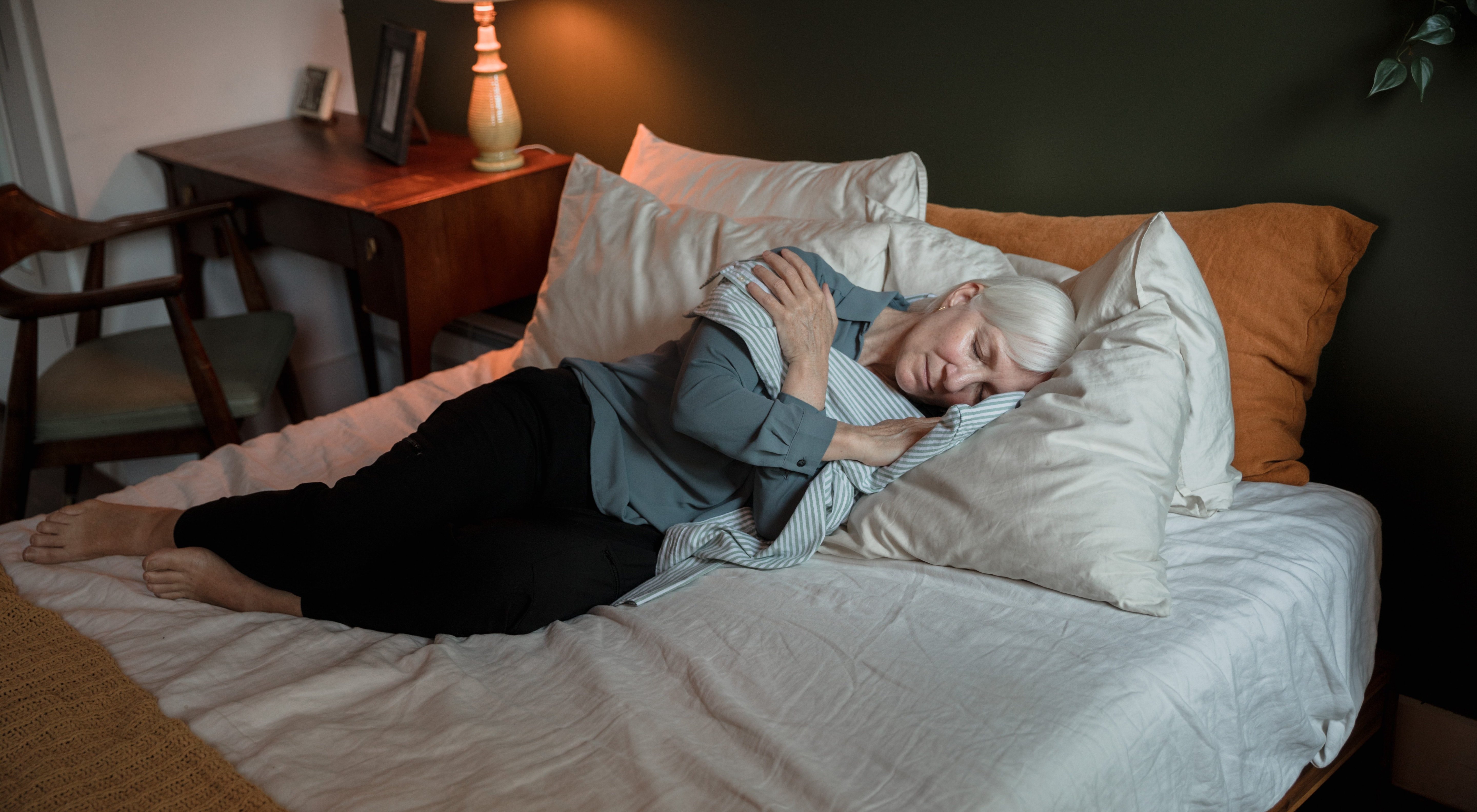
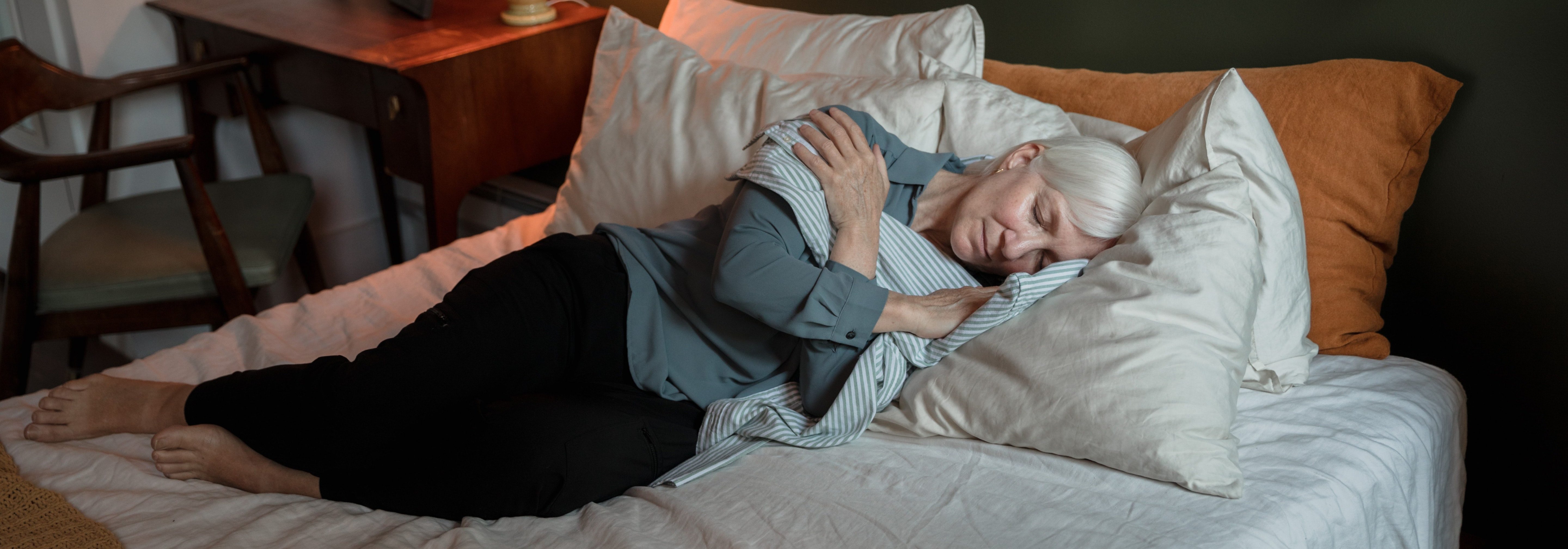
Snoring on your side
Typically, people snore when lying on their backs. However, there are also many people who snore while sleeping on their sides. This is usually due to a stuffy nose or a deviated septum, which makes breathing difficult. If the mucous membranes are swollen due to an infection or an allergy, nasal sprays provide quick relief from snoring.
In general, sleeping on one’s side is considered a proven remedy, though even in this position, the base of the tongue may sag and cause snoring sounds. Snoring then usually occurs with the mouth closed and is not as loud as when lying on one’s back, since the soft palate vibrates less intensely. Even this quieter snoring can be a relief for the people lying in bed next to you, allowing them to sleep better themselves.


Snoring: Sometimes the Causes Are Psychological
Sometimes psychological factors are behind snoring. Stress, worries, and anxieties have a negative impact on sleep quality. Problems at work, relationship issues, or feeling overwhelmed by work and family prevent you from getting enough rest at night.
What you can do about it:
Make sure to relax regularly through breathing exercises, yoga, Pilates, autogenic training, meditation, or other activities that help you unwind and mentally switch off.
Perhaps a hot bath in the evening, a soothing herbal tea made from lemon balm, valerian, or St. John’s wort, relaxing music, a short walk, or exercise will help you relieve stress and go to bed feeling relaxed.
Also interesting








Recovery Blanket Summer
Available in multiple variants