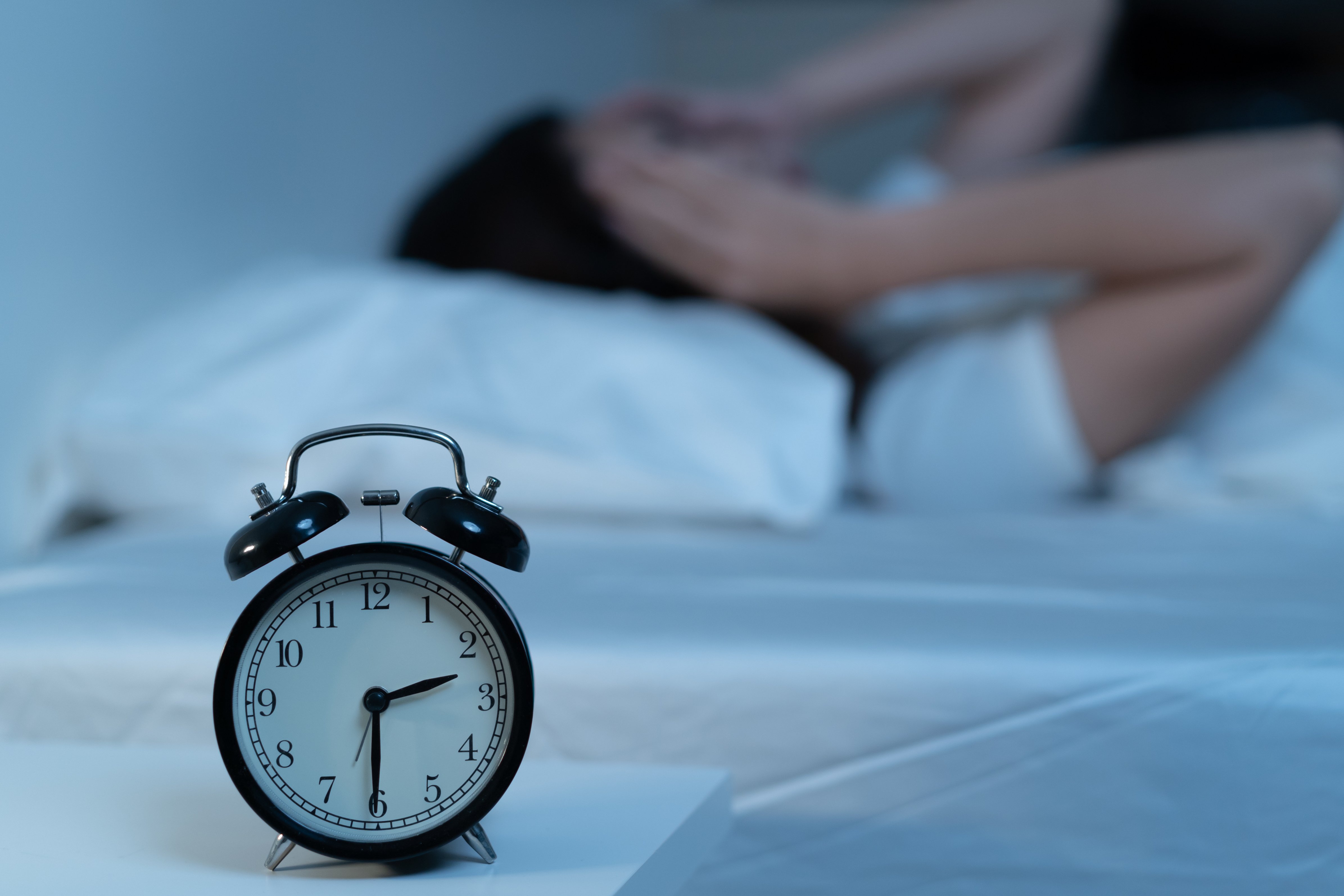
Sleep Phase Syndrome: Overview, Symptoms, and Treatment Options

Even though sleep phase syndrome is one of the rarer sleep disorders, those affected can suffer greatly from its effects. We’ll now tell you whether you might be one of them and how you can learn to better manage the symptoms.
Overview of Sleep Phase Syndrome
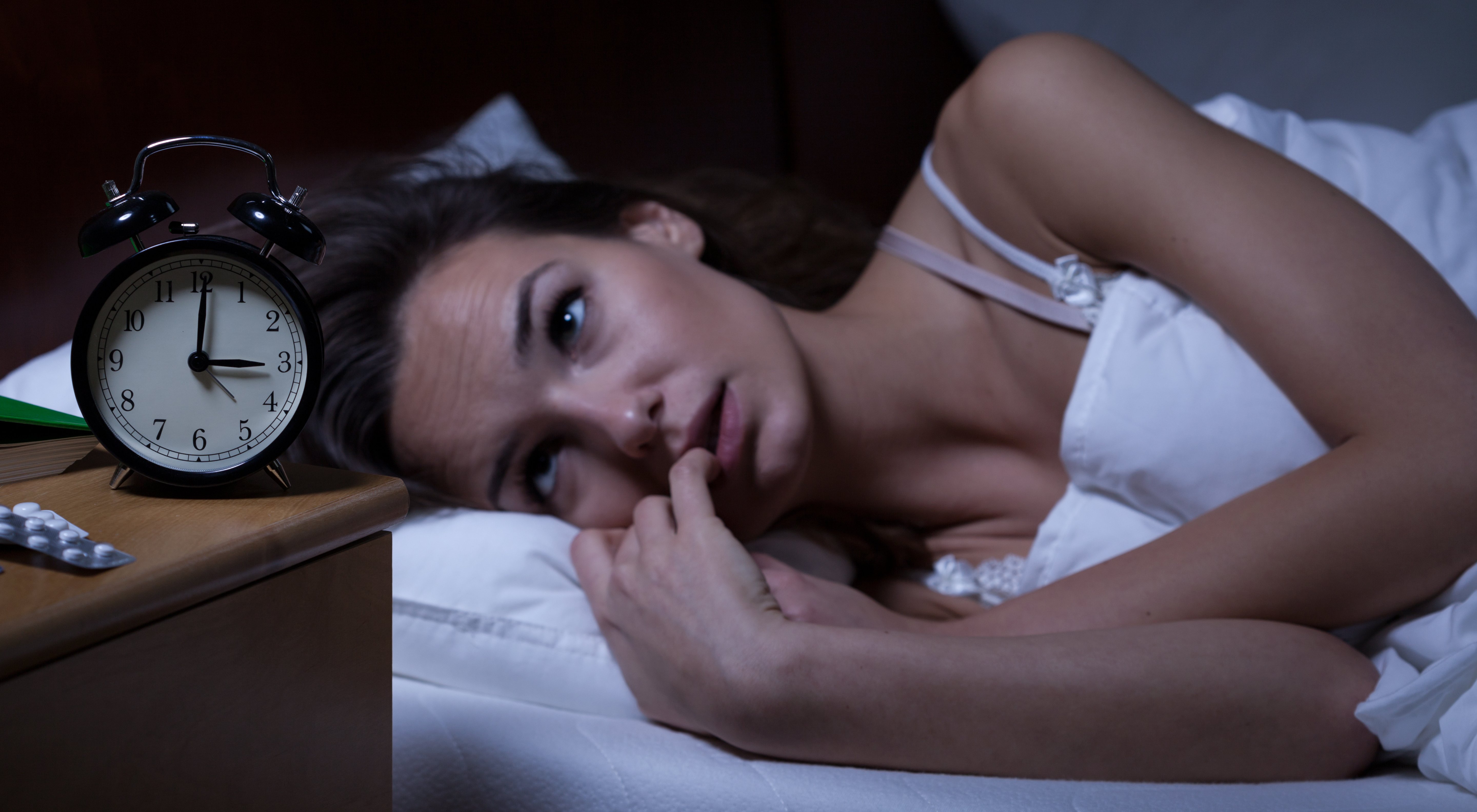
Sleep phase syndrome is a chronic disruption of the circadian rhythm in which a person’s biological clock is out of sync. Circadian rhythms are regular changes in mental and physical states that typically follow a 24-hour cycle. These rhythms are controlled by a region of the brain that is influenced by light. When light enters the eye, it stimulates cells at the back of the eye to send nerve impulses to this area. These impulses, in turn, signal the brain to stop producing the sleep-promoting hormone melatonin.
It is completely normal for sleep and wake times to vary among people. However, it can become problematic when these sleep phases deviate significantly from the norm, as is the case with sleep phase syndrome.
Sleep phase syndrome is classified into the following:
- delayed sleep-phase syndrome (DSPS) and
- Advanced Sleep-PhaseSyndrome (ASPS).
People who suffer from delayed sleep phase syndrome experience a shift in their sleep schedule. Those affected cannot fall asleep at the normal times expected by society (and, due to going to bed late, cannot wake up early enough either), even if they want to. As a result, it is difficult for them to adjust their own schedule to the daily routines of school or work, which can have a huge impact on their daily lives, work performance, and social activities. DSPS tends to manifest in a pronounced form, particularly among adolescents and young adults, up to the age of 21. Sleep-wake rhythm disorders are also more common among young adolescents who simultaneously suffer from conditions such as ADHD and autism spectrum disorders.
In advanced sleep phase syndrome (ASPS), on the other hand, those affected fall asleep much too early, wake up very early as a result, and are unable to fall back asleep. Unlike DSPS, ASPS tends to affect middle-aged people.
Advanced sleep phase syndrome is classified as a circadian sleep-wake rhythm disorder and is very rare.

Causes of sleep phase syndrome
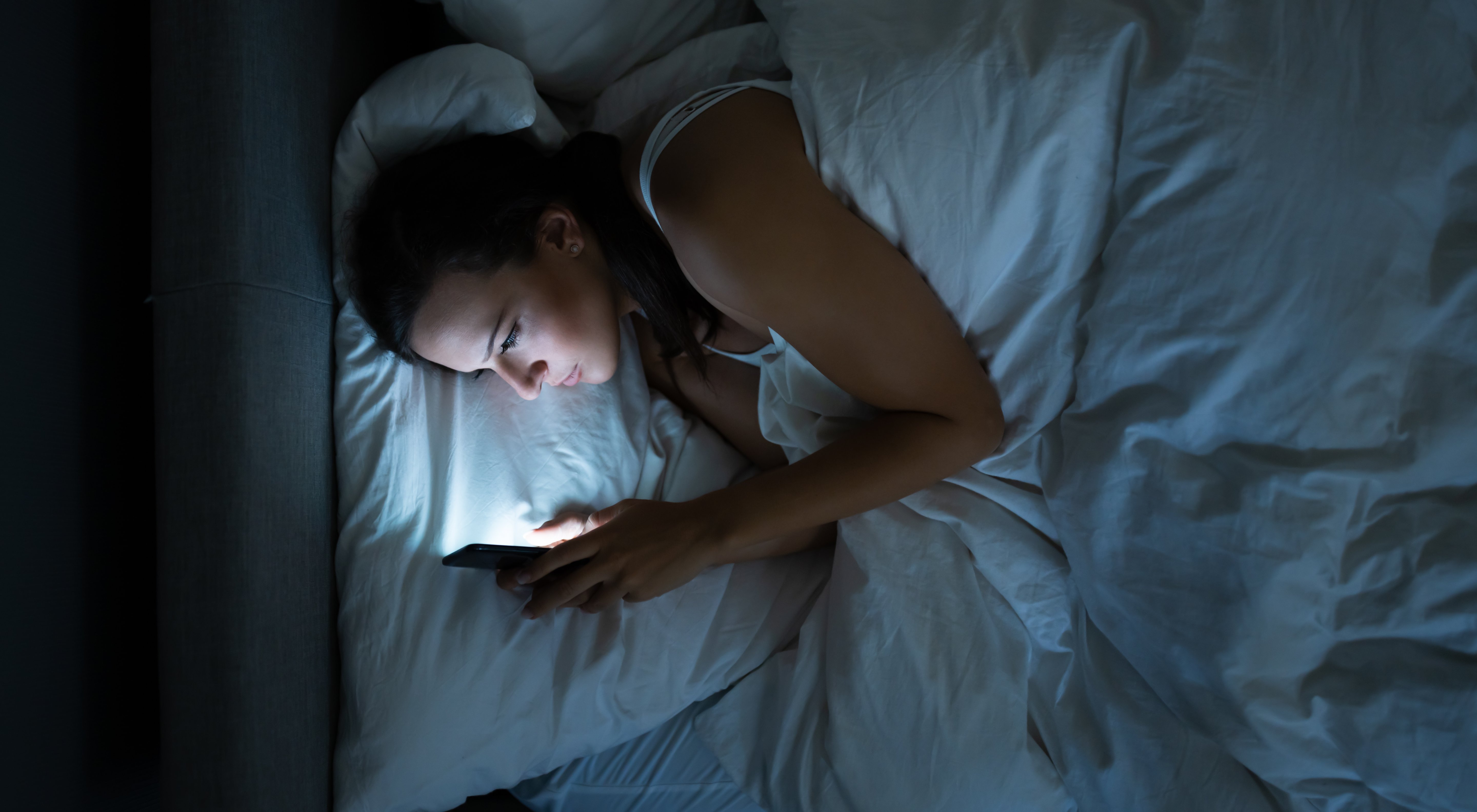
Scientists believe that in cases of sleep phase syndrome, the body’s internal clock—which regulates the sleep-wake cycle—has become out of sync and is, so to speak, running out of step. Possible causes include:
- Shift work
- Jet lag from long-distance travel
- A poor sleep schedule, characterized by constantly getting up and going to bed at different times
- prolonged bed rest
- Genetic factors


Symptoms of sleep phase syndrome
Do you have trouble falling asleep? Do you find it hard to get up in the morning and feel exhausted all day? If so, these could be symptoms of delayed sleep phase syndrome (among many other possible causes). While they can vary from person to person, they typically include:
- Difficulty falling asleep and waking up: People with DSPS often have trouble falling asleep early in the evening—even when they’re tired. And even after getting enough sleep, they struggle to wake up early in the morning.
- Fatigue and exhaustion: Because they fall asleep too late and consequently often don’t get enough sleep, people with DSPS may experience fatigue, drowsiness, and exhaustion during the day. This can sometimes make it difficult to manage a regular daily routine, and those affected feel overwhelmed because their productive hours differ so much from those of the general population.
- Problems with the daily rhythm: Because they fall asleep late, it is difficult to reconcile their sleep-wake cycle with the demands of daily life. It is therefore not uncommon for DSPS or ASPS to cause conflicts with work schedules, school hours, or social obligations for those affected. On the other hand, people with ASPS who get tired very early and consequently wake up very early in the morning have particular difficulty when they have to work in the evening or want to attend to social obligations in the evening.
- Difficulties with concentration and cognitive function: Sleep deprivation can impair cognitive performance and lead to problems with memory, attention, and decision-making.
By the way: It’s completely normal for everyone’s internal clock to tick at different rates, and this is by no means a sign of a sleep disorder. For example, some people are early risers (the “lark” chronotype), while others are referred to as “owls” because they like to go to bed late and prefer to sleep in. The key difference between people with a normal sleep rhythm and those with circadian rhythm disorders lies in their ability to control when they fall asleep and wake up. While larks can occasionally turn night into day and owls can get up early when they have to, people with sleep phase syndrome cannot control when they fall asleep or wake up.


Diagnosis and Tests
To diagnose phase-shift sleep disorder, you can consult either a primary care physician or a sleep specialist. Since there are no specific diagnostic tests, a doctor will typically ask you about your symptoms as part of a medical history review and gather information about your sleep habits and daily routine . A sleep diary, in which you record your bedtime, wake-up time, and sleep quality, is a useful tool for this purpose. This allows a doctor to identify specific patterns and deviations in your sleep-wake cycle. The doctor should also rule out other possible causes of your sleep disturbances. To this end, it may be helpful to undergo a polysomnography in a sleep lab, during which various bodily functions are monitored while you sleep and later analyzed.
Once a diagnosis has been made, the doctor will recommend treatment options tailored to the patient’s individual needs and symptoms.


Treatment Options
For most people, the goal of treatment is usually to re-establish a normal 24-hour sleep-wake cycle.
Others, however, adapt their daily routine to their own circadian rhythm to better manage sleep phase syndrome in their professional lives and seek out a job that allows for flexible scheduling.
Chronotherapy and light therapy are generally used to treat phase-shift sleep disorder. Light therapy can also be used in a modified form to treat seasonal affective disorder.
Chronotherapy aims to gradually guide those affected back to a normal day-night rhythm by resetting a disrupted chronobiological clock. A common method of this approach is the so-called sleep phase advance therapy, in which bedtime is gradually moved earlier using a step-by-step treatment plan to restore the normal rhythm.
This therapeutic approach can be supported by light therapy, which patients perform in the morning. Light therapy aims to simulate sunlight and thereby influence the release of hormones in the body. Immediately after waking up, patients sit in front of a daylight lamp with up to 10,000 lux for about 30 minutes. This corresponds roughly to a sunny but cloudy day. The start time is gradually moved forward each day until it aligns with a normal sleep-wake cycle. After three to seven days, the new rhythm should have already stabilized.
If the person’s distress is severe, medication may also be considered. This includes, for example, taking products containing melatonin. Melatonin promotes sleep and can regulate the sleep-wake cycle. Although the use of melatonin is controversial, it has few side effects—such as headaches, dizziness, or nausea—and taking it in low doses is considered safe.
Some antidepressants, when taken in low doses, can also reduce insomnia and prevent those affected from waking up too early in the morning. To avoid unwanted side effects, these medications should only be used for treatment in rare cases.
Note: Standard sleeping pills or sedatives, which are otherwise used to treat insomnia, have little or no effect—or even a detrimental effect—on changing the sleep-wake cycle.


Tips for Improving Sleep
Depending on the severity of their symptoms, simply improving their sleep hygiene may often be enough for some people. This includes:
- Going to bed and waking up at the same time every day, if possible
- Avoiding eating or drinking anything a few hours before bedtime
- Not going to bed hungry
- Avoiding alcohol, nicotine, and caffeinated beverages before bedtime
- Limit afternoon or nap time to no more than 30 minutes to maintain your sleep drive in the evening
- Don’t stay in bed longer than necessary in the morning
- Avoid intense exercise after 7 p.m.; practice yoga or meditation instead
- Create a comfortable sleeping environment, for example with a pillow or mattress that supports your body’s natural contours
- Avoid bright lights if you wake up during the night