Sleepwalking: Causes, Symptoms, and Treatment Options

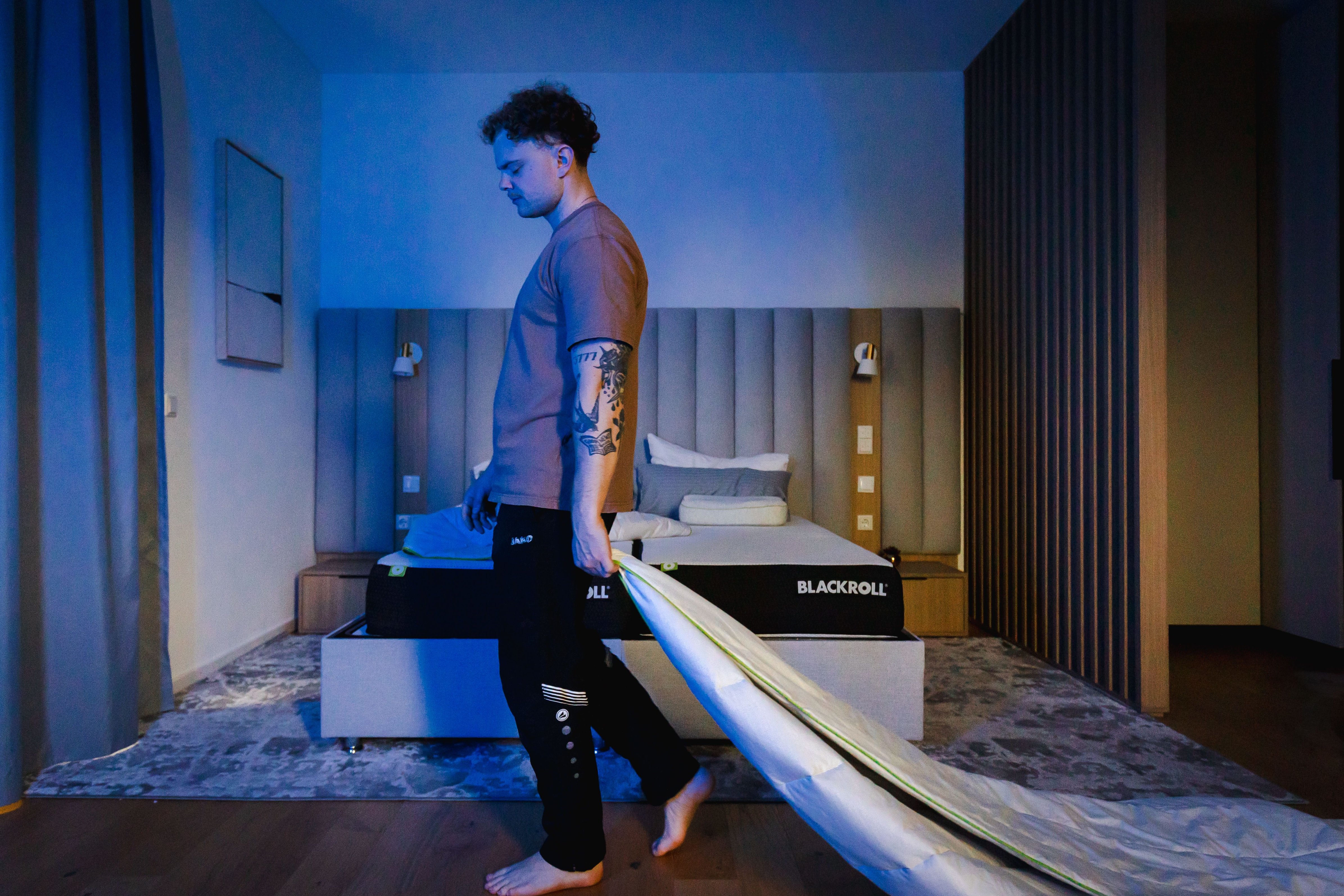
People who sleepwalk can give bystanders quite a scare. Although those affected are unresponsive, they often wander around in a semi-awake state with their eyes open and a blank expression—and this can last for several minutes. While sleepwalking is generally harmless, it becomes dangerous when these nighttime activities put the person at risk. In this article, we explain why some people sleepwalk, who is particularly affected, and how to reduce the triggers.
Sleepwalking is also known in medicine as somnambulism. The Latin word “somnus” means sleep, and “ambulare” translates to “to walk.” Somnambulism thus refers to a sleep behavior in which a person gets up and walks around while asleep without being aware of it. These episodes can last a few seconds, but may also last for minutes—and in rare cases, even for an hour or longer.

A form of amnesia occurs after sleepwalking
In somnambulism, only very specific areas of the brain are activated. Although sleepwalkers do not fully wake up, their motor functions remain active, enabling them to perform actions—some of which are complex—ranging from getting up and sitting to walking, speaking, or even cooking. In other words, the brain activates motor functions, but consciousness remains shut off. This results in a kind of amnesia—that is, memory loss—which means that sleepwalkers cannot recall the events of the night the next morning.
Although their eyes may be open during sleepwalking, sleepwalkers are often unresponsive. If you speak to a sleepwalker, you will either receive no response or hear only incomprehensible, mumbled words. A typical characteristic of a sleepwalker is also an expressionless face and a fixed gaze as they wander about.
Deep Sleep Phase Triggers Sleepwalking
Typically, sleepwalking occurs during deep sleep phases . The first phase begins about one to one and a half hours after falling asleep , during the transition from the non-REM phase to the dream sleep phase, which is called the REM phase because the eyes twitch rapidly during this time (REM = Rapid Eye Movement).
Sleepwalking, or what is also known as night terrors (pavor nocturnus)—which is also classified as a parasomnia (behaviors that occur during or upon waking from sleep)—frequently occurs in childhood and, in some cases, can persist into adulthood.
Sleepwalking: 7 Causes, Triggers, and Risk Factors
In the past, it was widely believed that the gravitational pull of the full moon or another light source was responsible for sleepwalking. The phenomenon was therefore even referred to as “lunar sleepwalking.” This myth has since been scientifically disproved. Although the triggers for sleepwalking are not yet fully understood, it is known that certain factors are associated with it.
Typically, a simple arousal stimulus is enough to trigger nighttime activity, even though it does not fully wake the person affected. A full bladder or loud noises that penetrate the person’s consciousness are sufficient to cause this. Scientists therefore also refer to sleepwalking as a sleep arousal disorder.
The following factors can increase the risk of sleepwalking:
Sleepwalking is very likely to have a genetic component. According to the German Society for Sleep Research and Sleep Medicine (DGSM), 80 percent of all sleepwalkers have another family member who also sleepwalks.

Sleepwalking occurs more frequently in children and may be related to the development of the nervous system and the brain. In many cases, sleepwalking disappears by puberty at the latest, but it can also persist into adulthood.

People who suffer from sleep disorders and sleep deprivation have an increased risk of sleepwalking. Irregular sleep schedules, sleep deprivation, or sleep disorders such as sleep apnea can further increase the likelihood of sleepwalking.
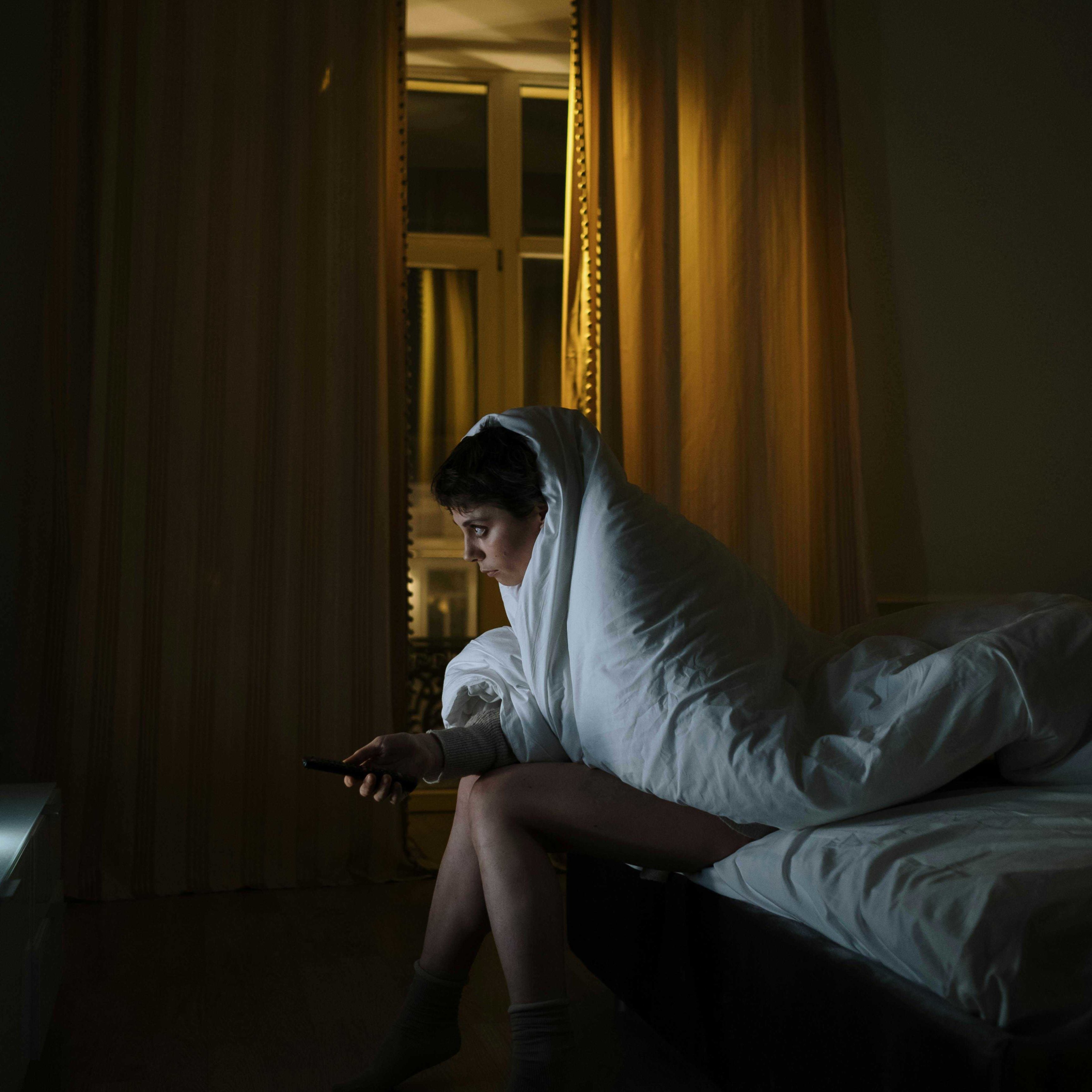
Stress, anxiety, exciting or stressful events, and mental health conditions can increase a person’s risk of sleepwalking.
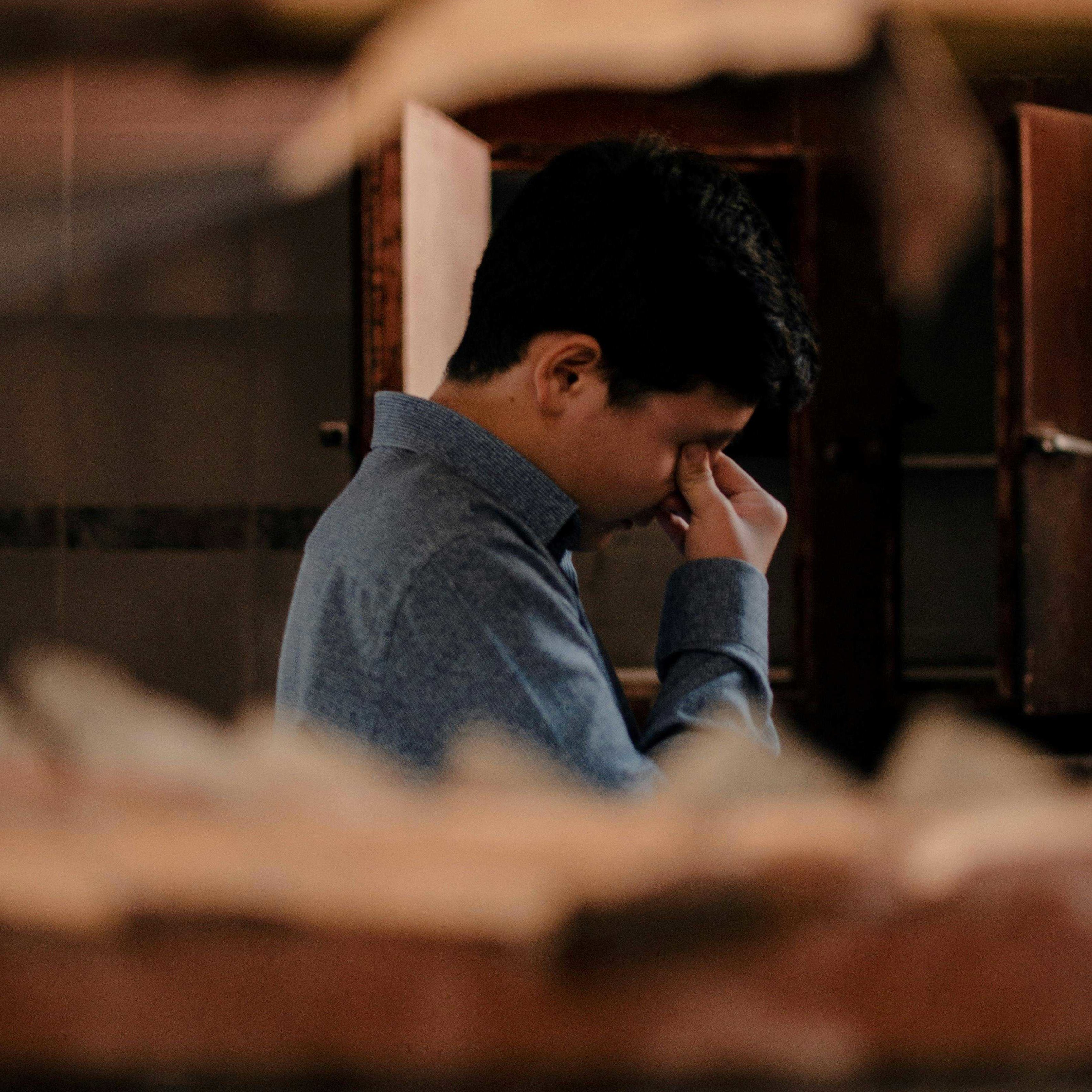
Since sleepwalking occurs during the deep sleep phase, factors that deepen sleep—such as the use of alcohol, drugs, sleeping pills, or antidepressants—can also increase the risk of sleepwalking.

Sleepwalking may be associated with other sleep disorders, such as nightmares or restless legs syndrome (RLS). These disorders can increase the risk of sleepwalking or occur alongside it.

In children, sleepwalking may occur more frequently during periods of physical illness or fever. However, the exact relationship between physical illness and sleepwalking has not yet been fully clarified.

Symptoms and Signs
While other people are fast asleep, sleepwalkers are becoming active. We’ve summarized some of the most common symptoms and signs:
- Getting up and walking around: Sleepwalkers get out of bed while asleep and may walk around or move about the room. They may take slow, cautious steps or even walk more quickly.
- Talking or Incoherent Speech: Sleepwalkers may speak, mumble, or make incoherent sounds while asleep without actually being awake.
- Confusion and disorientation: Sleepwalkers may appear disoriented while asleep and remember nothing when they wake up. They may show confusion or disorientation when spoken to.
- Memory lapses: Most sleepwalkers do not remember their nighttime activities or the sleepwalking itself after waking up (amnesia).
- Uncoordinated movements: Uncoordinated movements are also typical of sleepwalkers. They do not seem to be fully aware of what is happening around them.
- Safety risks: Sleepwalkers may unintentionally engage in dangerous activities—such as opening windows and doors, leaving the house, or handling dangerous objects. There have even been cases where sleepwalkers have driven cars.
- Limited response to external stimuli: Sleepwalkers often do not respond, or respond only to a limited extent, to external stimuli such as being spoken to or touched.
Prevalence and Affected Age Groups
According to the DGSM, only one percent of adults in Germany are affected by sleepwalking. It is far more common among children and adolescents. According to the DGSM, 15 to 30 percent of all children are said to have experienced at least one episode of sleepwalking, and it occurs frequently in three to four percent . After the age of 10, however, the frequency decreases significantly, and sleepwalking usually ceases altogether.
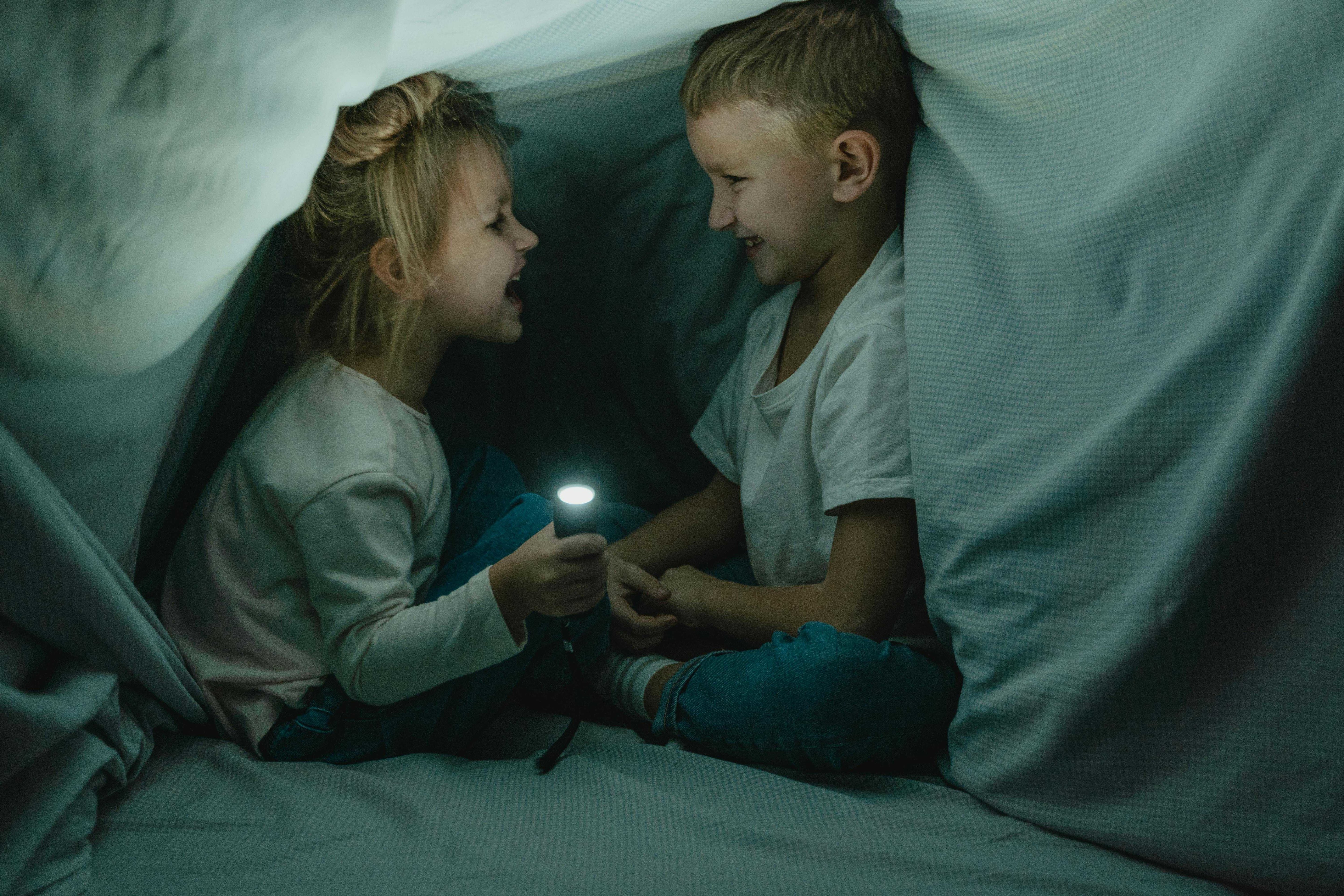
First occurrence in adulthood is very rare
Anyone who has not experienced sleepwalking by that point is highly unlikely to do so in the future: A first occurrence during adolescence or adulthood is considered extremely unusual and is usually associated with fever, exceptional physical or psychological stress, sleep deprivation, or the use of certain medications (such as psychotropic drugs).
Diagnostic Procedures
Above all, the medical history plays a major role in diagnosing sleepwalking. The physician’s task is to recognize the typical signs. A thorough interview, during which the doctor gathers information about the symptoms—including their frequency, severity, any medications the patient may be taking, stress factors, the presence of sleep disorders, and the patient’s medical history—can provide the family doctor, pediatrician, a sleep specialist, or neurologist with valuable initial clues for making an appropriate diagnosis.
Parents or other family members can also keep a sleep log for affected children to record details about their sleep behavior—such as times of falling asleep and waking up, the frequency of sleepwalking, and accompanying symptoms.
During an overnight stay in a sleep lab, a polysomnography can provide further insight into sleep behavior. This test measures various physiological parameters such as brain activity (EEG), eye movements (EOG), muscle activity (EMG), respiratory rate, and heart rate during sleep. Although sleepwalking may not always be recorded during a polysomnography, this test can help rule out other sleep disorders and assess overall sleep quality.

Treatment Options, Prevention, and Tips for Managing Sleepwalking
Whether and how sleepwalking is treated depends on its severity, triggers, and the individual needs of the person affected. Generally, sleepwalking alone does not require treatment and is not dangerous. Nevertheless, it is extremely important to create a safe environment so that the sleepwalker cannot put themselves in danger during their nighttime activities.
To minimize the risk of injury, potential hazards (such as knives, scissors, and other sharp objects) should be removed from the immediate vicinity, stairways should be secured, and mechanisms should be installed to prevent windows from being opened unintentionally. Additionally, there should be no furniture or objects that pose a risk of injury, nor any tripping hazards, on the floor of the bedroom. By taking these measures, family members can provide optimal support to someone who wanders while asleep.

Specific sleep hygiene measures can help reduce the frequency of sleepwalking as a preventive measure. These include maintaining a regular sleep schedule, avoiding sleep deprivation, and minimizing stress and anxiety, as well as avoiding alcohol and caffeinated beverages before bedtime.
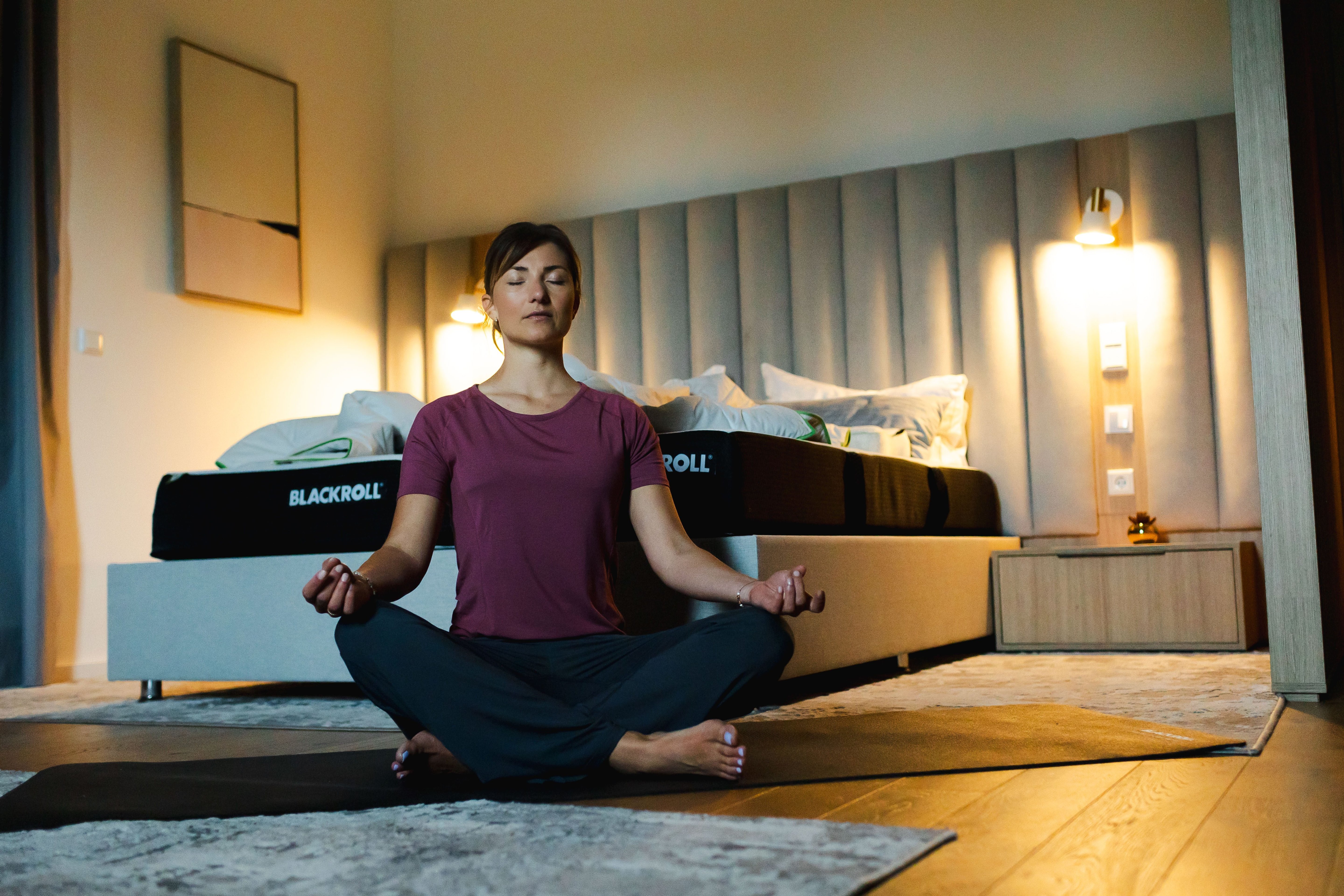
Relaxation techniques such as breathing exercises, meditation, or yoga can help reduce stress and minimize sleepwalking.
If sleepwalking is associated with other sleep disorders, mental health conditions, or medical problems, treating the underlying conditions can help reduce it.
Stressful and conflict-ridden situations, which can trigger nighttime wandering, can also be reduced through cognitive behavioral therapy .
In exceptional cases, medications such as benzodiazepines or antidepressants may also be prescribed . However, these should only be taken under a doctor’s supervision, and they do not address the underlying causes but merely treat the symptoms. That said, they are generally used only in severe cases. Seek comprehensive advice from a doctor to determine which measures are best suited for you, your children, or other family members.
Tip: If you encounter a sleepwalker at night, do not wake the person abruptly (except in emergencies); instead, speak to them calmly and guide them back to bed with soothing words.
Sleepwalking: When to See a Doctor
In general, sleepwalking is not harmful to health and does not require treatment per se. However, if adolescents begin sleepwalking after the age of 16, the causes should be evaluated by a doctor to diagnose or rule out neurological disorders or psychological causes. This also applies to adults aged 60 and older, for whom the first occurrence of sleepwalking at this stage of life is considered extremely unusual and should therefore be evaluated by a doctor.
Fatigue and Concentration Problems as a Result of Sleepwalking
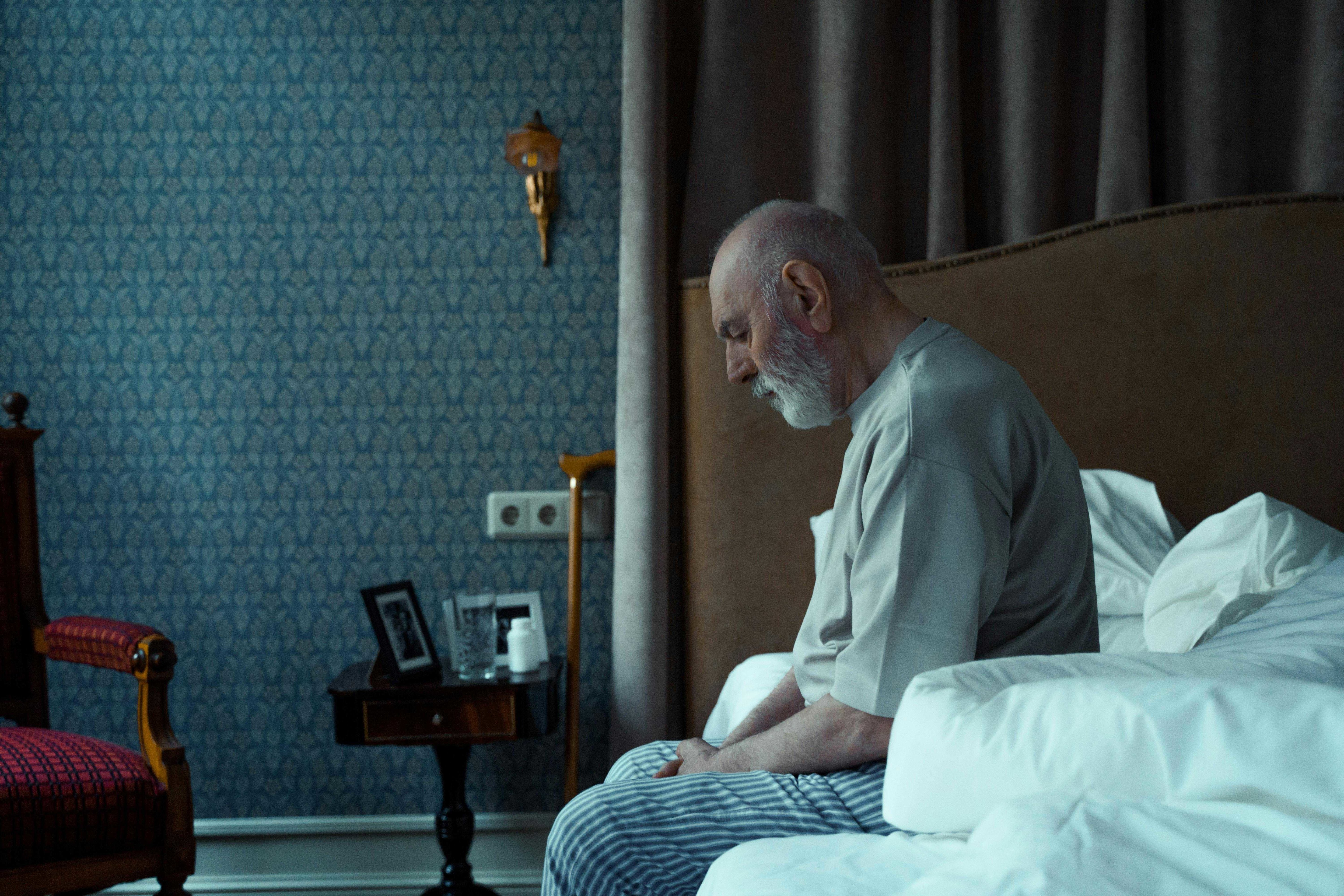
Since sleepwalkers experience a lighter stage of deep sleep than non-sleepwalkers and consequently have restless sleep, frequent sleepwalking can negatively impact daily life and be accompanied by fatigue and difficulty concentrating. In such cases, those affected or their parents should seek medical advice to consider further measures that can help improve the quality of their sleep. By the way, anyone looking to improve their sleep quality can also use a mattress topper to create a more comfortable sleeping surface.
By the way: Although both sleepwalking and nightmares occur during sleep and can lead to sleep disturbances, their characteristics and causes are quite different. An accurate diagnosis and appropriate treatment require a medical professional to distinguish between the two disorders.
Conclusion
- Sleepwalking is a sleep disorder that often occurs in childhood and subsides with puberty. The first appearance of symptoms in adulthood is quite unusual and should be medically evaluated.
- Sleepwalkers get out of bed and perform activities such as walking, sitting, or cooking; they may also leave the house or apartment and, in extreme cases, even drive a car.
- The causes of somnambulism have not yet been conclusively determined. However, scientists suspect that genetic factors, the presence of other sleep disorders, stress, or emotionally distressing events may be triggers.
- A doctor makes an accurate diagnosis based on a comprehensive interview with the affected person or their family members. Spending a night in a sleep lab can also provide insight and confirm the suspected diagnosis.
- Treatment for sleepwalking is generally not necessary. However, those affected should optimize their sleep hygiene to reduce stressful events, learn relaxation techniques, and ensure that their sleep environment is safe. In exceptional cases, medication may be used; however, this does not address the underlying causes of the sleep disorder but only helps manage the symptoms.