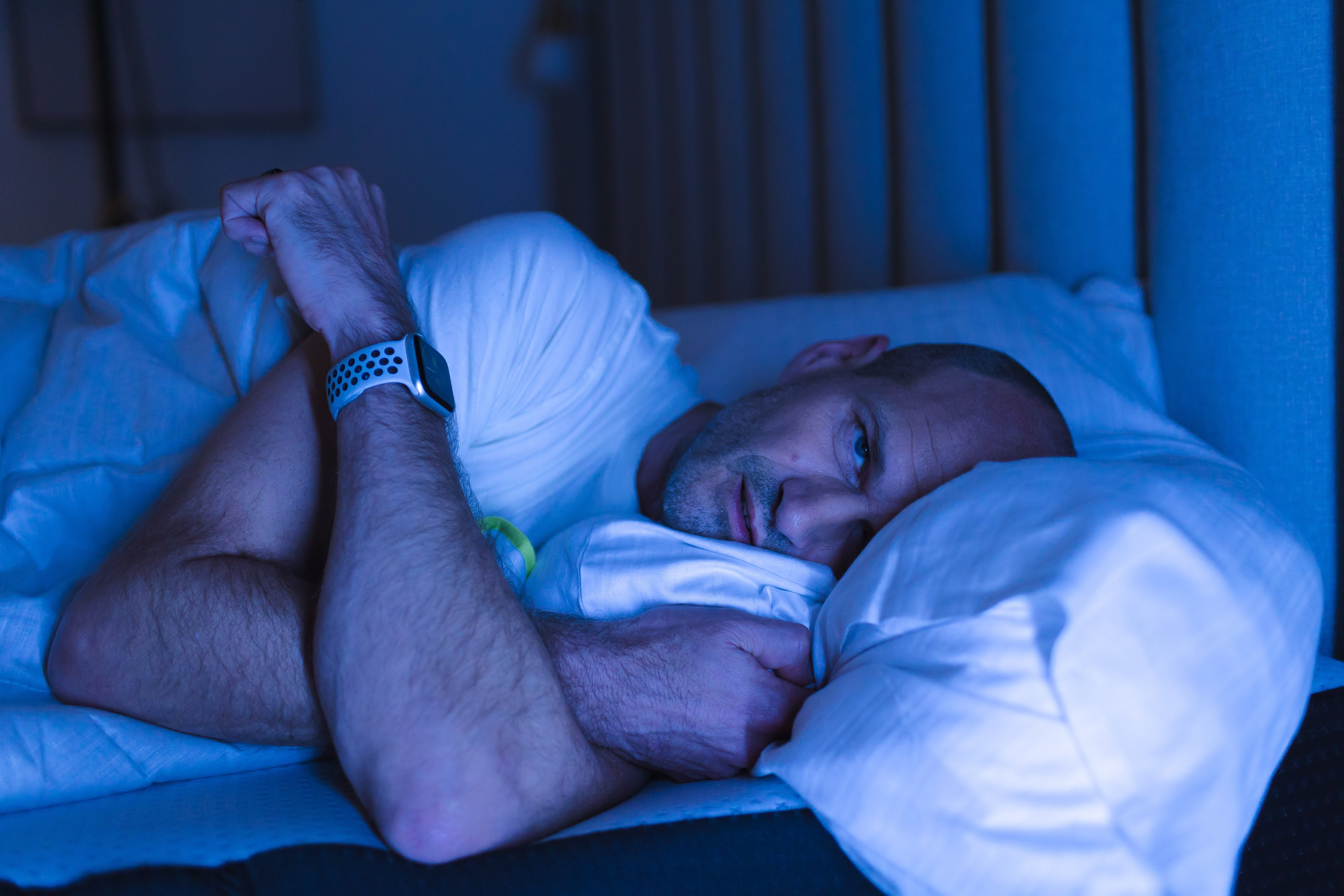
Parasomnia: Causes, Symptoms, and Treatment Options

A parasomnia can significantly impair sleep quality and have long-term effects on health. However, many people affected often don’t even realize they’re suffering from this type of sleep disorder. In our article, you’ll learn everything about the causes and different types of parasomnia, as well as symptoms, diagnosis, and treatment options.
What is a parasomnia?
Parasomnias are specific types of sleep disorders. They are accompanied by complex behaviors, emotions, movements, and perceptions and occur either during sleep or during the transition from wakefulness to sleep. Parasomnias typically occur during deep sleep phases and are often not even noticed by those affected, but they can significantly disrupt the sleep cycle, leading to fatigue and reduced daytime performance.
The prevalence of parasomnias changes over the course of a person’s life. While they occur regularly in about 20 percent of all children, the number of adults affected is only about three percent, according tothe ‘Deutsche Hirnstiftung.’
The duration of a parasomnia can vary and depends on various factors, including the type of parasomnia, the individual’s situation, and possible triggers. Individual episodes of parasomnias may last only a few minutes, while others persist longer; sometimes they occur only sporadically, while in other cases they occur more regularly.
Different Types of Parasomnias
Parasomnias are classified based on the sleep stages in which they occur. These include NREM parasomnias, REM parasomnias, and other parasomnias that cannot be clearly assigned to a specific sleep stage:
NREM Parasomnias
These occur during the non-rapid eye movement (NREM) phase and typically take place during the first half of the night. They are also referred to as arousal disorders because, although the brain does not fully awaken during these phases, those affected appear to be awake. NREM parasomnias include:
Sleepwalking (somnambulism)
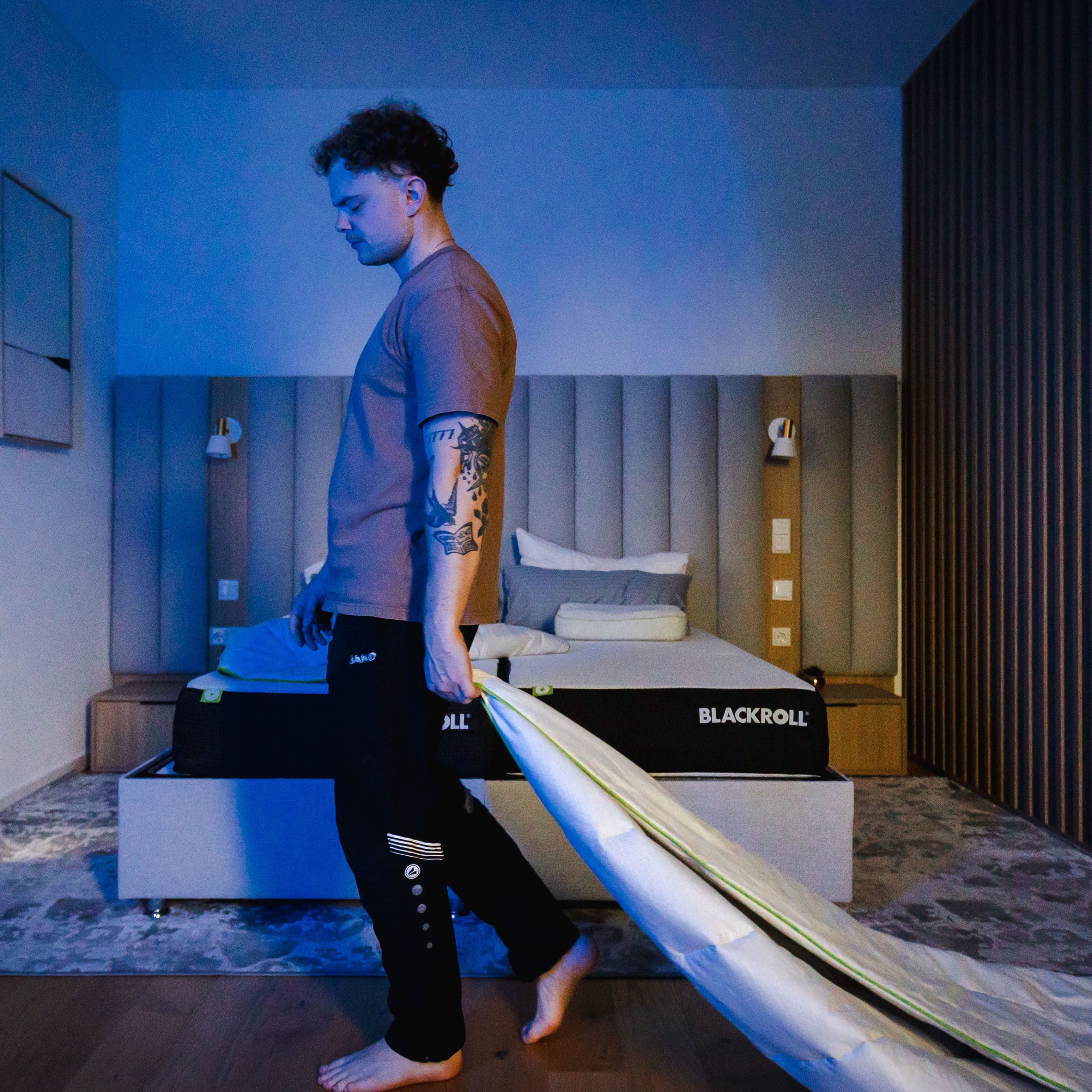
People who sleepwalk may get up and walk around while asleep without being aware of it. They often perform complex actions, such as opening doors and windows or eating, without remembering them later. If you are a sleepwalker, your first priority should be to make your home safe so that you do not endanger yourself while asleep.
Night Terrors (Pavor nocturnus)
A night terror is characterized by a sudden awakening from sleep accompanied by panicked screams and fearful behavior. Those affected have their eyes wide open and show clear signs of fear. These episodes usually occur early in the night and are much more common in children than in adults.

Sleep Stupor
Similar to sleepwalking, those affected only partially awaken. The person is confused and disoriented but does not get out of bed. Often, people who suffer from sleep drunkenness simply turn off their alarm clock or fail to hear it, causing them to oversleep.
REM Parasomnias
These types of parasomnias are characterized by the fact that they occur almost exclusively in the second half of the night, which is due to the fact that REM sleep is more common during this time. Dreams during the REM phase are marked by a certain dynamism and intensity, and sleep is characterized by rapid eye movements. REM parasomnias include:
REM Sleep Behavior Disorder (RBD)
People with RBD exhibit unusual movements or behaviors during REM sleep, which is normally characterized by almost complete muscle paralysis. This can lead them to have vivid dreams and perform aggressive or violent actions that may endanger their sleeping partner. RBD is very rare and most commonly occurs in men over the age of 50. Scientists believe that the onset of this disorder may be a precursor to a neurodegenerative disease such as Parkinson’s.

Sleep Paralysis
Sleep paralysis occurs when a person awakens from the REM phase and experiences complete nocturnal paralysis of the body. With the exception of the respiratory muscles and the eye muscles, this paralysis affects the entire skeletal musculature. Although such episodes usually last only a few minutes and are considered harmless from a medical standpoint, they can cause severe fear and anxiety in those affected.

Nightmares
Nightmare disorder is also classified as a REM sleep parasomnia. While everyone experiences nightmares from time to time, for people with nightmare disorder, these nightmares are so intense that they are jolted awake by them. Nightmares occur even several times a week and have a significant impact on daily life and sleep. This is because those affected are plagued by the fear of falling asleep and experiencing another such nightmare, and they often suffer from poor sleep quality, which also limits their quality of life in daily life.
Other Parasomnias
Certain parasomnias cannot be clearly assigned to any specific sleep stage. These include conditions such as:
Nocturnal Enuresis (Bedwetting)
Bedwetting is common in children and is characterized by repeated wetting during sleep that is beyond voluntary control.
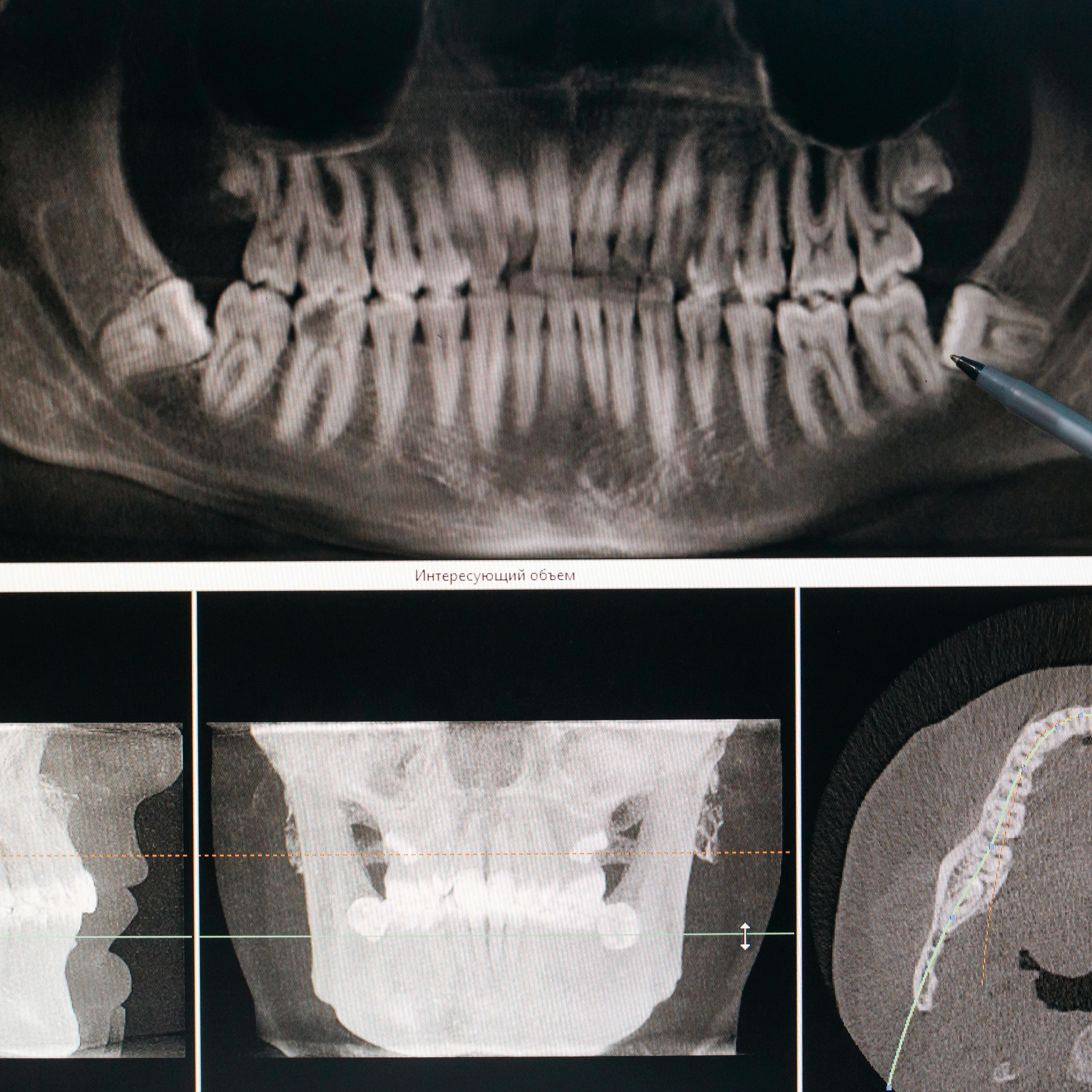
Teeth Grinding (Bruxism)
Bruxism refers to the involuntary grinding or clenching of the teeth during sleep, which can lead to dental problems, headaches, tinnitus, and tension in the jaw area.
Sleep-Onset Jerks
Most of us have probably experienced a sudden muscle twitch just before falling asleep. Sleep twitches are divided into visual and auditory types. Visual sleep twitches are accompanied by images such as stumbling or falling, while in auditory sleep twitches, those affected perceive sounds that are not actually occurring at that moment.
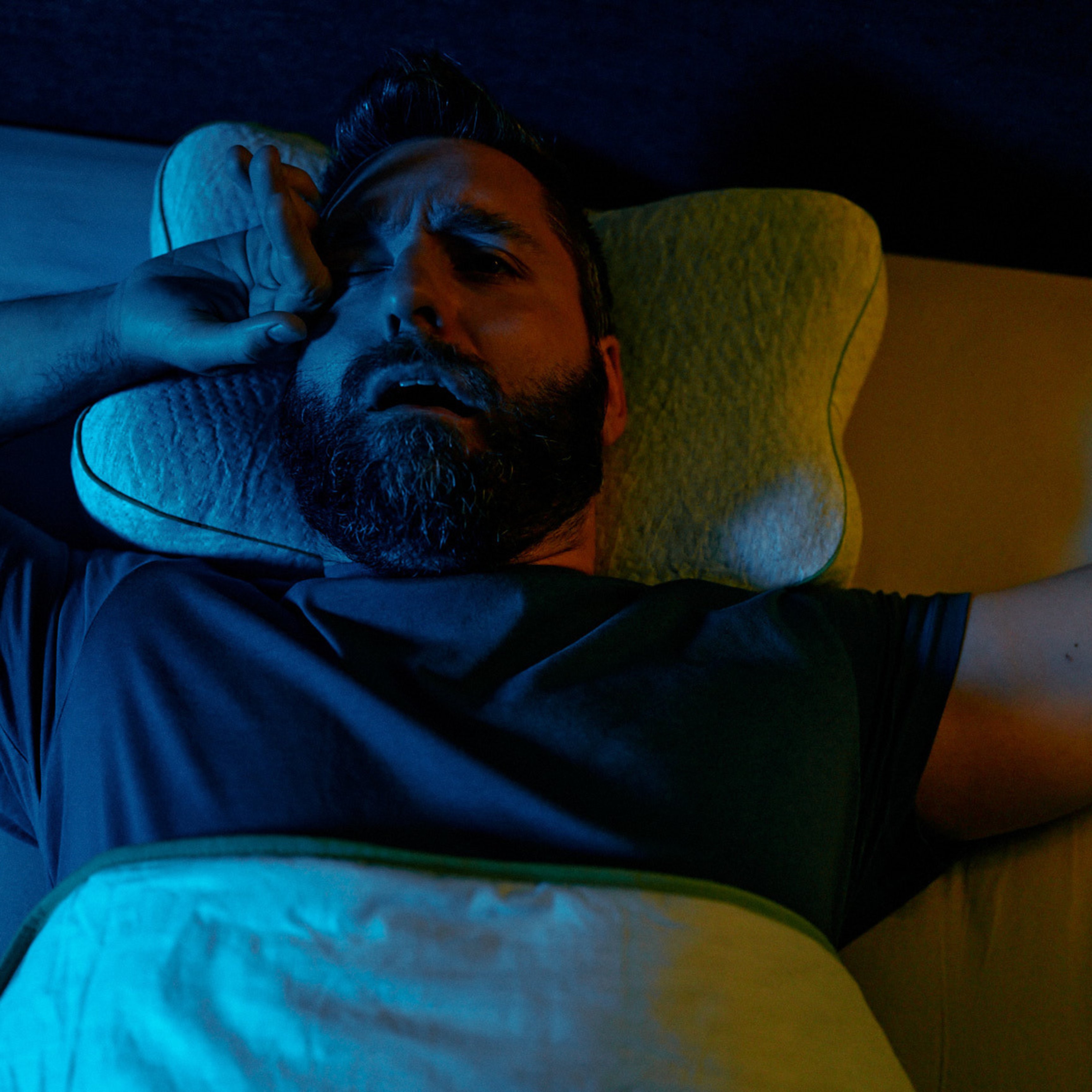
Talking in Your Sleep
Talking in your sleep (known scientifically as somniloquy) is also classified as a parasomnia. Most often, people simply mumble unintelligibly to themselves while asleep, as the speech muscles relax significantly during sleep.
Although the various types of parasomnias are not in themselves harmful to health, they can significantly impair sleep behavior and sleep quality and increase the risk of injury or other negative health effects.
Causes and Risk Factors of Parasomnias
Most people who experience parasomnias do not have psychiatric or neurological disorders. The exact causes of parasomnias have not yet been fully researched, but it is believed that a combination of genetic, neurological, and environmental factors plays a role in their development. Stress, sleep deprivation, irregular sleep habits, and certain medications can also increase the risk of parasomnias. People who already suffer from other sleep disorders, such as sleep apnea or restless legs syndrome (RLS), are also at higher risk of developing parasomnias.
Diagnosis
To diagnose a parasomnia, your primary care physician will likely refer you to a sleep specialist after taking an initial medical history. A video polysomnography can help identify which specific sleep stage is associated with nighttime behavioral abnormalities. During the test, your sleep behavior is recorded in great detail. A video polysomnography can also rule out other causes of nighttime events that may pose a health risk, such as sleep-related breathing disorders or certain forms of epilepsy.
Medical Treatment
Whether medical treatment for a parasomnia is necessary depends largely on how much distress it causes the person affected and whether they perceive the sleep disorder as a disability. Normally, parasomnias are not dangerous in and of themselves, but their effects can pose risks. This is the case, for example, with sleepwalkers who injure themselves while asleep, or with sleep disorders such as REM sleep behavior disorder, in which those affected thrash about wildly and thereby endanger their bed partners, for instance.
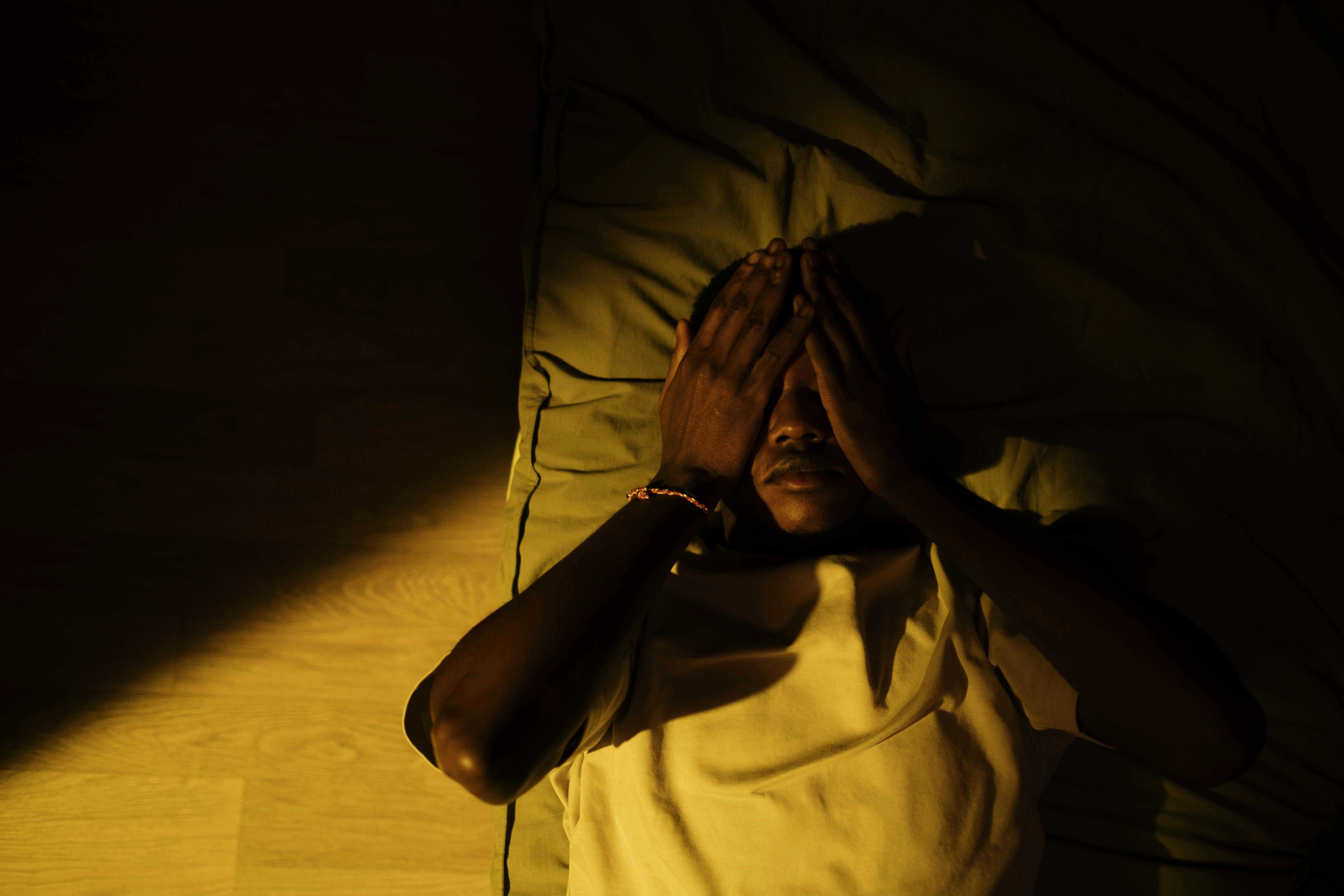
As a rule of thumb (depending on the individual’s subjective perception of the burden and the severity of the symptoms): If parasomnias occur once a week or more frequently, those affected should consult a doctor for a thorough evaluation. The treatment of parasomnias aims to eliminate the triggers for such episodes. In this way, parasomnias can also be prevented. While for some people a combination of improved sleep hygiene and psychotherapeutic approaches (such as cognitive behavioral therapy), better stress management, and learning relaxation techniques provides relief, others may benefit from taking so-called benzodiazepines at bedtime. This is the umbrella term for medications that depress the central nervous system and are typically used to treat insomnia and anxiety disorders. But be careful: These medications can be highly addictive and should only be prescribed under strict medical supervision. In some cases, taking the sleep hormone melatonin can also reduce the frequency of these episodes.
To find the treatment that’s right for you, you should always consult a healthcare professional. Only a healthcare professional can recommend the perfect therapy for you after a comprehensive medical history review.
Naturopathic/Alternative Treatment Approaches
If you suffer from a parasomnia but don’t want to resort to medication right away, you can also try naturopathic and alternative therapies. Here are a few of them:
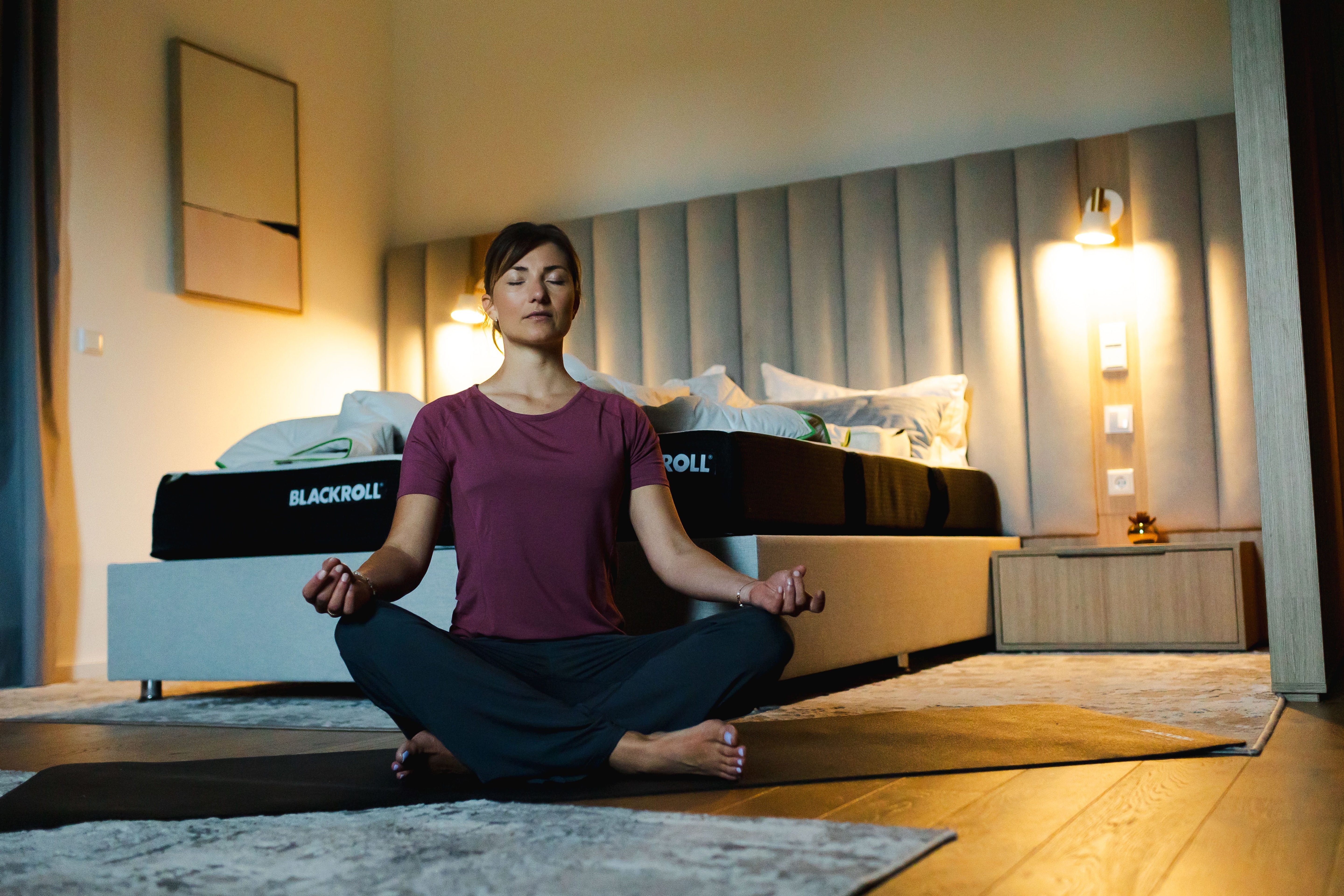
- Relaxation Techniques: Since many parasomnias are triggered by excessive stress, relaxation techniques such as Jacobson’s progressive muscle relaxation, autogenic training, or yoga can help reduce stress and thereby improve sleep quality.
- Aromatherapy: The use of certain essential oils, such as lavender oil, can have a calming effect and help the body relax, which may lead to better sleep quality. The oils can be used in an aromatherapy diffuser, as a room spray, or applied directly to various parts of the body. Oils known for their calming effects include lemon balm, neroli, bergamot, and lavender.
- (Homeopathy): Some homeopathic remedies can also be used to treat sleep disorders, depending on the patient’s individual symptoms and overall constitution. For example, Coffea can help with racing thoughts before bedtime, while Nux vomica may be helpful for sleep disturbances caused by stress or excessive caffeine consumption. Consult a naturopath about the appropriate remedy and its dosage.
- Herbal Medicine: Certain herbs can have a calming effect and promote sleep. These include, for example, valerian, passionflower, and hops, which you can take in the form of tea, tinctures, or dietary supplements.
- Diet and Lifestyle: Avoid caffeinated beverages and heavy meals before bedtime, and make sure to maintain a regular sleep-wake cycle. Ideally, you should go to bed and wake up at the same time every day—even on weekends—to ensure the best possible sleep quality.
Proper sleep management can prevent parasomnias
To manage your parasomnia, you should also optimize your sleep environment. For example, darken your bedroom with blinds or curtains, or use a sleep mask to minimize your exposure to light. This helps promote the production of the sleep hormone melatonin. Also, ensure a quiet environment and try to eliminate as much ambient noise as possible. Since this isn’t always possible due to your living situation, you can use earplugs while sleeping to block out noise sources. Make sure the room temperature in your bedroom is cool and comfortable—ideally between 16 and 18°C. A room temperature that’s too high or too low can disrupt your sleep. Electronic devices like smartphones, tablets, and computers have no place in the bedroom. The blue light emitted by these devices can interfere with melatonin production and significantly disrupt your sleep. Also, invest in a suitable mattress and pillow to help your body get a restful night’s sleep. The RECOVERY BASE from BLACKROLL, for example, can help with this—it’s a mattress that adapts to your individual body contours thanks to its memory foam topper, provides optimal pressure relief, and significantly promotes your recovery while you sleep.
Summary
A parasomnia is a sleep disorder that, while it may cause anxiety for those affected and lead to negative effects in daily life, is generally harmless to one’s health. If you suffer from a parasomnia that could endanger you or your bed partner while you sleep, you should ensure that your sleep environment is safe and that anyone sleeping next to you is aware of your sleep disorder. Depending on how often you experience a parasomnia or how much it affects you, you should consult a sleep specialist who can conduct a comprehensive evaluation, rule out other sleep disorders, and recommend appropriate treatment. Even lifestyle changes can have a positive effect on parasomnias. These include a balanced diet, good sleep hygiene, effective stress management, and support through cognitive behavioral therapy. Further support can be provided by taking medication prescribed by a doctor. With these methods, you should be able to manage your symptoms effectively and regain a better quality of life.