Sleep-Wake Cycle: Why It’s So Important for Your Health

We wake up in the morning. We fall asleep again in the evening. At least, that’s how it usually works. This vital mechanism is regulated by the sleep-wake cycle. This cycle is governed by the circadian rhythm, which describes an organism’s ability to synchronize physiological processes to a period of approximately 24 hours. Here, we explain how this biological clock works and what effects it has on the human body. We also discuss the individual factors that influence the sleep-wake cycle and the health consequences of disrupted rhythms. In such cases, there are therapeutic approaches to restore the sleep-wake cycle.
Day-Night Rhythm
The sleep-wake rhythm is controlled by the circadian regulatory system and forms a fundamental component of the biological clock. This internal clock is controlled by the suprachiasmatic nucleus (SCN), located in the hypothalamus, and synchronizes the body with the 24-hour cycle of day and night. The circadian rhythm extends beyond sleep and wakefulness and influences essential physiological processes such as hormone secretion, metabolic activity, and cognitive functions.
In contrast, the day-night rhythm regulates the natural 24-hour cycle of day and night. This regulation encompasses not only the sleep-wake rhythm but also other vital physiological processes. Light acts as an external timer by synchronizing the rhythm. In short: daylight promotes wakefulness, while darkness promotes sleep.

Anyone who’s ever experienced jet lag knows what it feels like when your body is thrown off its normal rhythm. Because you’ve traveled quickly across several time zones and your sleep-wake cycle hasn’t immediately adjusted to the new environment—that is, to the new day-night rhythm— you’ve lost your balance. This always happens when the body’s internal clock isn’t (yet) adjusted to the time zone of the departure location. Symptoms of jet lag can include fatigue, insomnia, trouble concentrating, digestive problems, and general discomfort.

Overcoming Jet Lag
Tips for Overcoming Jet LagHow the Biological Clock Works: Wake and Sleep Phases
The biological clock is a complex network of biological processes that enables us humans to adapt to the cycle of day and night. Within this system, the suprachiasmatic nucleus (SCN) plays a crucial role by acting as a central regulator and precisely synchronizing internal biological processes with external environmental cycles.
Melatonin, as the primary sleep hormone, is the key player here. Its production is stimulated by light. Natural blue daylight, in particular, suppresses melatonin production, preventing the body from preparing for the sleep phase. To understand the inner workings of the biological clock in all its complexity, it is necessary to delve deeply into its structures and processes. But to grasp the general processes, it is enough to know that the SCN in the hypothalamus is the core of this biological masterpiece and that it is influenced by environmental stimuli—primarily light.
If this highly complex system becomes disrupted, it can lead to serious sleep disorders and other health problems.
Circadian Sleep-Wake Rhythm Disorders
Various endogenous (internal) and exogenous (external) factors influence an individual’s sleep-wake rhythm and may, under certain circumstances, cause circadian sleep-wake rhythm disorders. The SCN, genetic predispositions, and hormones such as melatonin and cortisol are endogenous influences. Exogenous factors include light, temperature, social cues, diet, exercise, stress, shift work, and jet lag. All of these factors are sensitive to disruptions and can have health consequences or affect well-being.
Genetic predisposition also plays a role in the individuality of the sleep-wake cycle . Genes and hormones—such as the aforementioned melatonin and cortisol—regulate the body’s rhythms and are essential for sleep and wakefulness. Cortisol is the antagonist of the sleep hormone melatonin and activates bodily functions in the morning. At night, however, it is undesirable and causes sleep disturbances and problems falling asleep and staying asleep.
Exogenous factors influenced by the environment also play a crucial role. Light is the most important external cue and has the strongest influence on the rhythm. However, social cues such as work schedules, mealtimes, jet lag, and other regular events can also significantly disrupt the sleep-wake cycle.
The optimal bedtime varies from person to person and depends on various factors, including age, health, lifestyle, and individual needs. However, health organizations and sleep experts provide general recommendations based on age groups. According to these recommendations:
- Infants (0–11 months): 14–16 hours per day
- Children (1–13 years): 9–11 hours per day
- Adolescents (14–17 years): 8–10 hours per day
- Adults (18–64 years): 7–9 hours per day
- Seniors (65+ years): 7–8 hours per day
It’s especially worth taking a closer look at children, as sleep needs and sleep-wake cycles can vary significantly depending on their stage of development. You can find an overview here to help you better understand the sleep needs of 6-year-olds and other age groups.
Symptoms of a disrupted circadian rhythm
A stable sleep-wake cycle is crucial for health, and a disrupted cycle can lead to serious consequences if it becomes chronic. In general, a disrupted circadian rhythm manifests in symptoms such as sleep disorders, which are associated with fatigue, cognitive impairments, and an increased risk of chronic diseases. The effects range from hormonal imbalances to metabolic and cardiovascular disorders, as well as mental health conditions such as depression.
As previously mentioned, the pineal gland is responsible for the release of various hormones, including cortisol, melatonin, growth hormones, thyroid hormones, and others. Regular hormone production is particularly important for metabolism, and an imbalance often leads to thyroid dysfunction. It also controls energy production and the regulation of inflammatory processes. Without a stable rhythm, the entire hormone production system becomes unbalanced, which ultimately weakens the immune system and can thus lead to health problems.
In addition to hormones, metabolism also regulates our blood sugar, insulin, and fat metabolism. Therefore, metabolic disorders can also increase the risk of heart disease, diabetes, and high blood pressure, as well as affect mood and mental health. As you can see, sleep disorders and disrupted rhythms can cause serious and, above all, far-reaching damage and have been shown to lead to depression, anxiety, and other mental health conditions.
Overall, the circadian rhythm influences a wide range of biological functions. A stable rhythm is therefore crucial for maintaining both physical and mental health. Healthy sleep habits and routines that promote vitality are consequently particularly important.
How to Restore a Disrupted Sleep Rhythm
Once your rhythm is disrupted, it’s often not so easy to reestablish a healthy sleep routine. But don’t worry—it’s definitely possible. Restoring a disrupted sleep rhythm requires patience, discipline, and targeted adjustments to your lifestyle habits. A crucial step is establishing a regular sleep-wake cycle by trying to go to bed and wake up at the same time every day, even on weekends. This routine stabilizes your internal clock and can help restore your disrupted sleep rhythm.
- Consistent Bedtimes and Wake-Up Times: Stick to fixed bedtimes and wake-up times, even on weekends. Consistent times help stabilize your circadian rhythm. Variations in your sleep schedule can confuse your internal clock and disrupt your sleep rhythm.
- Exposure to natural light in the morning: Expose yourself to natural daylight as early as possible in the morning, ideally within the first 30–60 minutes after waking up. This helps synchronize your internal clock by signaling to your brain that the day has begun. Spending 10–30 minutes outdoors is ideal, even on cloudy days.

- No Caffeine After 2:00 PM: Also, avoid stimulants such as caffeine and nicotine, especially in the afternoon and evening. Regular physical activity and exercise outdoors not only promote health but also help stabilize your sleep-wake cycle.
- Avoiding bright light in the evening: Reduce your exposure to bright light, especially blue light, about 1–2 hours before bedtime. This means you should limit your use of screens (cell phones, tablets, computers) or use special blue light filters. Dim the lights in your home and opt for warm, subdued lighting.
- Regular physical activity: Daily exercise, preferably in the early afternoon, can promote sleep. Avoid intense physical activity shortly before bedtime, as this can lead to an increase in your body temperature and alertness, which can disrupt sleep.

- Establishing an Evening Relaxation Routine: Develop a routine that signals to your body that it’s time to prepare for sleep. This can include activities such as reading, meditation, a warm bath, or listening to soothing music. Avoid caffeinated beverages and large meals at least 3–4 hours before bedtime.
For people who work shifts or fly frequently and suffer from jet lag, it’s recommended to maintain a consistent work schedule or, at the very least, gradually adjust to new schedules or sleep on the plane. Relaxation techniques such as meditation, breathing exercises, or yoga can help you reduce stress and prepare your body for sleep.
If natural methods don’t help, you should talk to your doctor about melatonin supplements, which can help regulate your sleep cycle. Adjusting your sleep cycle takes time and consistency and should be pursued diligently to prevent chronic sleep disorders.
Circadian Rhythms in the Future
Thanks to advances in research and new studies, circadian health should be significantly improved in the future. Society is becoming increasingly aware of the importance of adequate sleep and a healthy routine, and through various approaches, the latest techniques, individual behavioral changes, and societal shifts, a healthy sleep-wake cycle can be achieved.

Research and Findings
Ongoing research into the mechanisms and effects of the circadian rhythm will contribute to a deeper understanding of its significance and interactions with health. New findings could lead to innovative therapies and interventions.
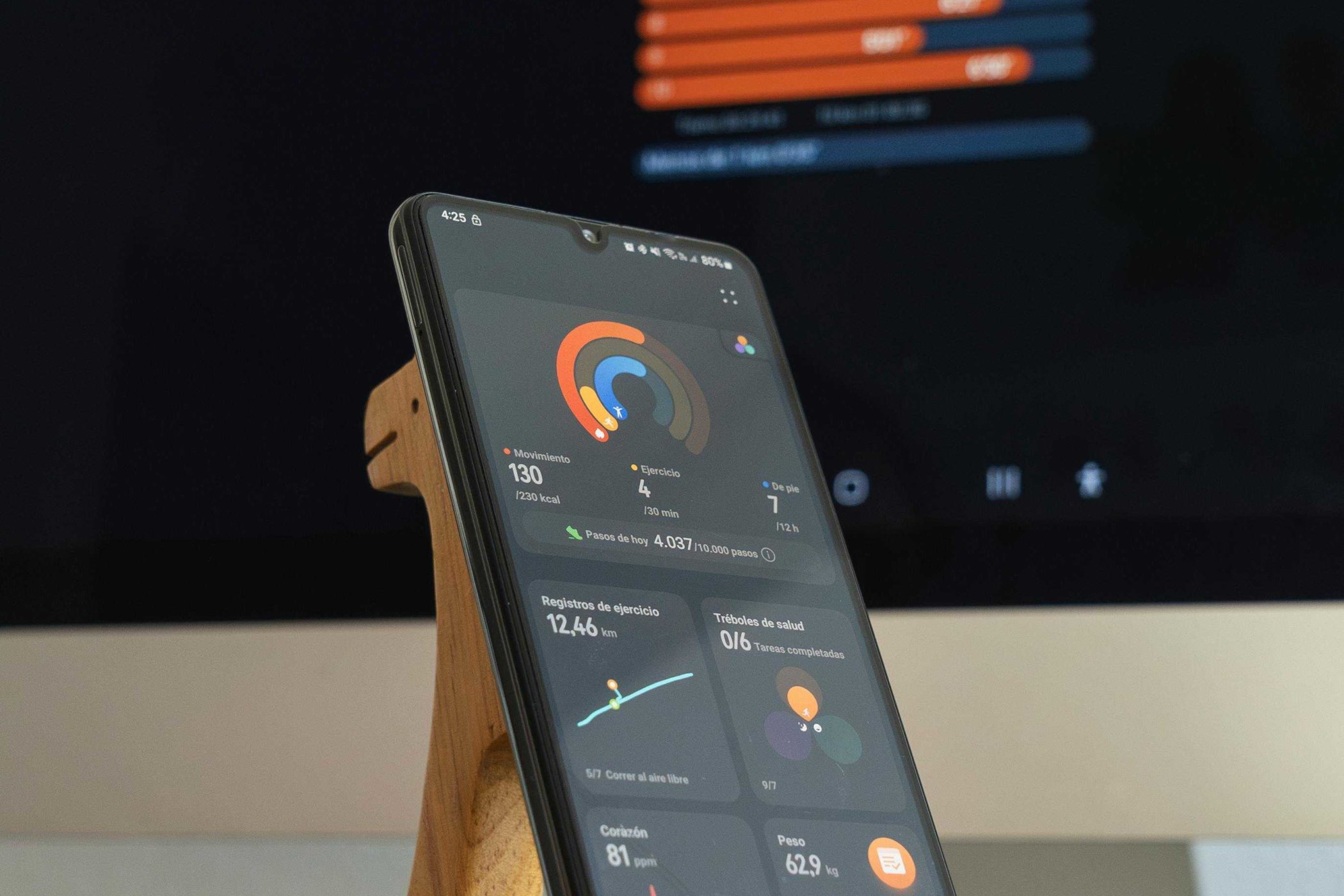
Technological Innovations & Apps
Advances in technology could enable the development of personalized solutions for improving circadian health. For example, smart lighting systems, wearables, and sophisticated sleep apps can provide personalized advice for a healthy sleep-wake cycle.

Workplace Design
Greater awareness of the importance of the circadian rhythm in the workplace could lead to more flexible work schedules, better lighting management, and other measures to promote employees’ sleep health.

Education and Awareness
Wider public awareness of the importance of the circadian rhythm for health could, for example, lead to a more conscious approach to sleep habits and lifestyle. Schools, companies, and health organizations could implement programs to promote knowledge about circadian health.

Health Policy
Integration of findings on the circadian rhythm into health policies and practices. This could promote the development of guidelines for protecting sleep health across various population groups and age groups.

Social Changes
A shift in societal attitudes toward sleep and rest periods could help reduce the pressure on people to neglect their natural sleep cycles. This could include a change in social norms and expectations regarding working hours and leisure activities.
Conclusion: Sleep-Wake Rhythm and Circadian Health
As you can see, the sleep-wake cycle and circadian health are closely linked and have a profound impact on our physical and mental well-being. Individual factors, both endogenous and exogenous, play a key role in influencing our sleep-wake rhythm, while genetic predispositions and social cues affect how well we can maintain our natural rhythm.
The effects of a disrupted sleep-wake cycle range from hormonal imbalances and metabolic disorders to serious health problems, including cardiovascular disease and mental health disorders, and should be treated without delay using the recommended therapeutic options. If none of this helps and you still can’t fall asleep even after weeks of counting sheep, you should consider seeking professional help. As you now know, sleep disorders can have long-lasting negative effects.