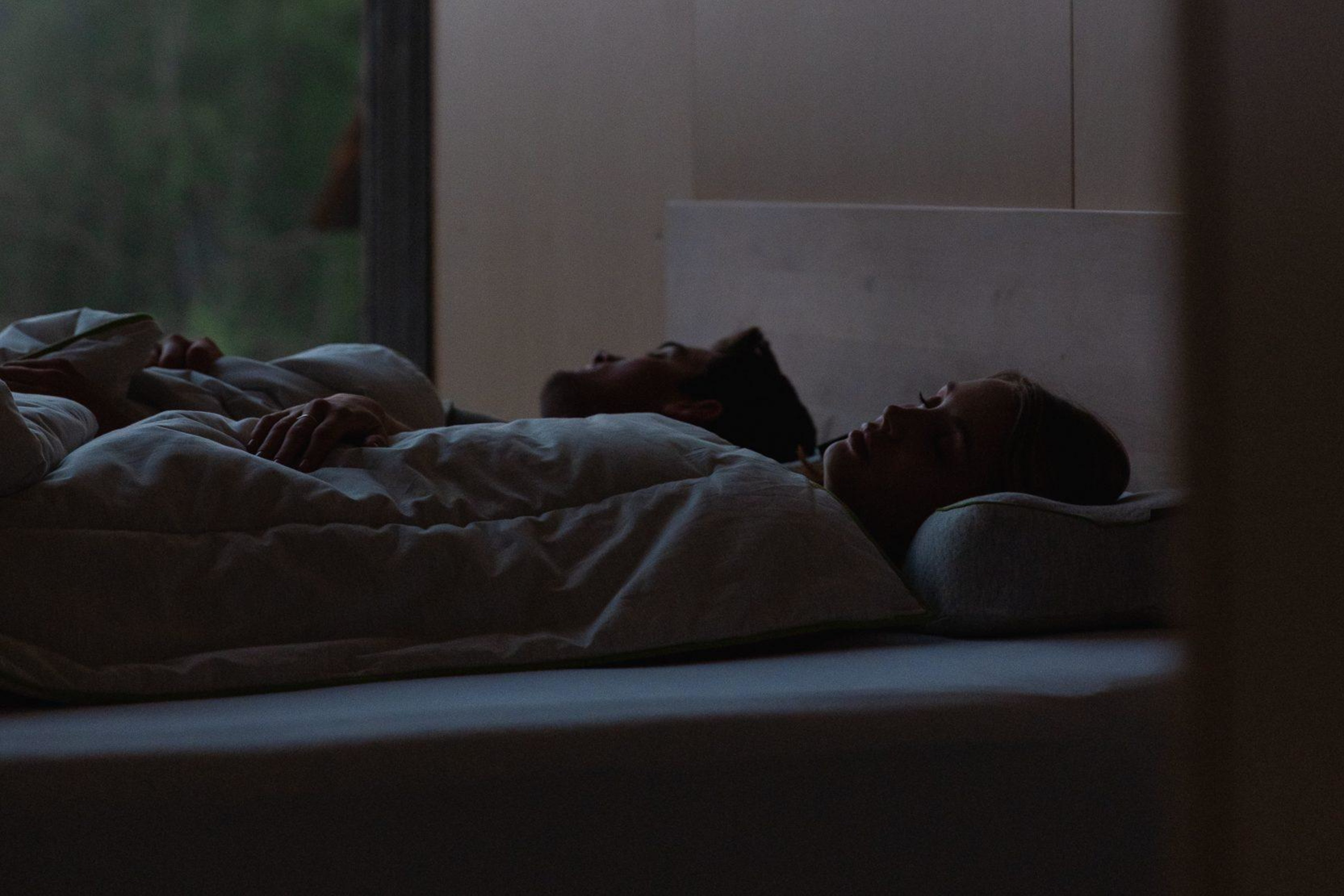
Sleep Deprivation: Can You Catch Up on Sleep?

Did you sleep well last night? Many of us answer this question right after waking up—with a “no.” About a quarter of all Germans sleep less than 6 hours every night, which indicates a sleep deficit.
The second question we often ask ourselves is: Can I catch up on sleep? The answer is both yes and no. That’s because you have to look closely at how severe the sleep deficit is and what steps you’re taking to make up for it.
This article answers all your questions about catching up on sleep, sleep debt, and healthy sleep. We’ll also debunk sleep myths and show you strategies for getting back to a good sleep routine after a short night. So you can start your day feeling refreshed, maintain your cognitive abilities, and achieve your fitness goals.
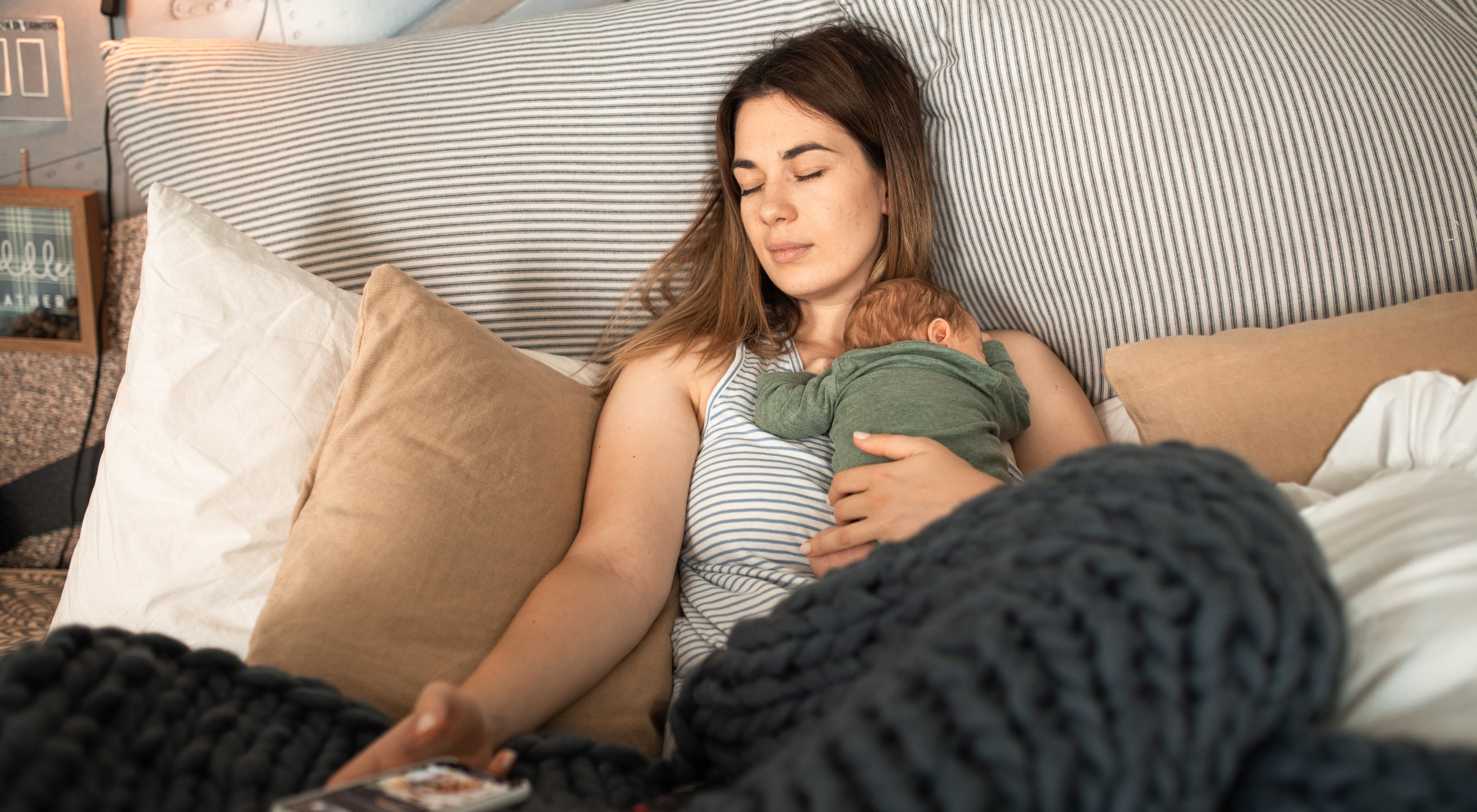

What is a sleep deficit?
A sleep deficit is a condition in which a person isn’t getting enough sleep. It’s called a deficit because it refers to the shortfall in sleep compared to the recommended number of hours for your age group.
The recommended amount of sleep varies depending on age and individual needs. Adults generally need 7 to 9 hours of sleep per night, while infants and toddlers should sleep up to 14 hours. They simply need more time to recover from the day, grow, and process their experiences.
A sleep deficit can have various causes. Work-related stress, family obligations, social commitments, or leisure activities are broad categories that fall under this umbrella. You’ll surely have your own specific reasons for why you didn’t get enough sleep last night and may be experiencing night sweats . Or perhaps you’ll recognize yourself in the following examples.
- If you’re a student and study late into the night during exam season, only to get up early again, it’s clear that the shortened night means you don’t have enough time to sleep.
- If your job is demanding—involving a lot of overtime and stress or a long commute—it will have a negative impact on the amount of sleep you get.
- As a mother or father of young children, the night is no longer what it used to be. Getting up at night or starting the day early is practically inevitable.
- If you work shifts or travel frequently—especially to different time zones—this disrupts your sleep-wake cycle.
- If you have a sleep disorder such as sleep apnea, that is certainly the reason for your poor sleep quality. In this case, we recommend that you contact a doctor.
The consequences of sleep deprivation can include various physical and mental health problems. A classic example is fatigue. But muscle tension, headaches, and an increased risk of cardiovascular disease, diabetes, and obesity can also be attributed to sleep deprivation.
Mentally, sleep deprivation can impair cognitive functions—such as memory, attention, concentration, and reaction time. A sleep deficit also increases the risk of depression, anxiety, and mood swings.


Can you make up for lost sleep?
There are two answers to the question of whether you can make up for lost sleep: yes and no. Various studies in the U.S. have shown that participants who suffer from a sleep deficit and get extra sleep on the weekends performed better—both physically and cognitively—than the control groups. However, it also became clear that sleep could only be made up to a certain extent and that complete recovery did not occur. Differences among participants suggest that the ability to make up for lost sleep also depends on individual factors.
A 2019 study found that participants who regularly got enough sleep demonstrated better cognitive performance than those who made up for lost sleep. Researchers also discovered that it takes four nights of good sleep to recover from one hour of sleep deprivation.
Catching up on sleep over the weekend can even have negative effects, according to a study by the University of Colorado at Boulder. On the one hand, the sleep deficit could not be fully compensated for in the experimental setup; on the other hand, the changing sleep rhythm stressed the body to such an extent that the participants’ glucose metabolism deteriorated. This increases the risk of obesity, cardiovascular disease, and diabetes. On the other hand, a long-term study in Sweden has shown that people who sleep longer on the weekend live longer.
As clearly ambiguous as the body of research on catching up on sleep may be, it is equally clear that sufficient sleep is healthy, sleep deficits should be avoided, and sleep can only be made up to a certain extent.
"Sleep can be made up to a certain extent, but complete recovery isn’t always possible. Methods such as getting extra sleep on the weekend or taking short naps can help, but it’s better to avoid sleep deprivation in the first place. Healthy, regular sleep is essential for cognitive function and overall well-being."
Dr. Fabian Krapf, sleep expert

Compensating for or Avoiding Sleep Deprivation

Prevent Sleep Deprivation with BLACKROLL Sleep Products
Discover now

Is it worth sleeping for 2 hours?
As previously described, sleep deprivation has significant effects on physical and mental health. Since it’s not always possible to sleep for 7 to 9 hours, there are various strategies for catching up on lost sleep. In any case, it’s worth getting two hours of sleep rather than staying up all night. However, missing a night of sleep entirely won’t have any long-term effects.
If your sleep was disrupted by a party, a flight, or exam season at college, you should try to get back into your normal rhythm as quickly as possible. Especially if the sleep deprivation was only temporary, this is the best strategy for avoiding long-term sleep disorders, physical impairments, and illnesses. Night sweats can also prevent you from getting restful sleep.
An afternoon nap is also an effective way to make up for lost sleep and improve mental performance. But be careful: Your afternoon nap shouldn’t last longer than 20 minutes, otherwise you might feel even more tired than before.
If you’ve already developed an unhealthy sleep pattern and accumulated a significant sleep deficit over several days or weeks, you should try to gradually increase your sleep duration again. For example, go to bed a little earlier each week. Alternatively, you can consider using ergonomic neck pillows for a more restful sleep.


Sleep Myths. Can You “Catch Up” on Sleep?
There are many sleep myths. But which ones are true? For example, is it possible to “sleep in advance”? Does wine help you fall asleep, and does blue light interfere with sleep? Does the full moon keep us awake, and does everyone really need 8 hours of sleep per night?
Is it possible to “sleep in advance”?
It’s not possible to “stock up” on sleep in advance. But it does help to approach demanding tasks—which can lead to sleep deprivation—while well-rested and alert.
So if you already know you’re invited to an event in the evening that will go late into the night, it can help to take a short nap at lunchtime so you’ll stay alert longer in the evening. Still, this event will result in a sleep deficit.
Does the full moon disrupt sleep?
Although the myth persists, studies have yielded mixed results—or, at most, have been able to demonstrate only a minor effect. What is clear is that nights are brighter during a full moon, so we recommend making sure to lower your blinds all the way during a full moon. The psychological component should not be overlooked here either. Because if we convince ourselves that we sleep poorly during a full moon, then that’s exactly what will happen.

Does wine help you fall asleep?
Alcohol has a psychologically relaxing effect. However, men shouldn’t drink more than a quarter-liter of wine, as otherwise the deep sleep phase will be suppressed. Women shouldn’t drink more than an eighth-liter of wine.
While more wine does lead to greater relaxation, the large amount of alcohol impairs recovery, which means you won’t wake up feeling refreshed the next morning. The classic hangover.
Does blue light keep you awake?
Light in general is bad for falling asleep. That’s a fact. Whether blue light is particularly disruptive or the content on your phone is to blame for sleep disturbances hasn’t been conclusively proven. Checking Instagram one last time in bed or watching YouTube videos is definitely not as good for falling asleep as reading a book.
Does everyone need 8 hours of sleep per night?
False. Sleep is individual. Not everyone needs the same amount of sleep. Women need slightly more than men, and toddlers need significantly more than adults. Sleep needs can also change with age and depend on your circumstances.
If you wake up in a good mood, feel energized, and well-rested, you’ve had enough sleep. It’s that simple to figure out how much sleep is right for you.
Conclusion: Catching up on sleep
In summary, it’s possible to catch up on sleep to a certain extent. There are various methods for doing this, such as getting extra sleep on the weekend, taking short naps at midday, or—after a prolonged sleep deficit—gradually balancing things out and adjusting over the next few weeks. It’s especially important to ensure that your sleep deficit doesn’t turn into a long-term sleep disorder.
If possible, you should avoid developing a sleep deficit in the first place, because from a medical perspective, it’s always better to get enough sleep regularly than to catch up on sleep. After all, both cognitive abilities and overall performance and well-being depend on healthy sleep.
When we’re well-rested, we’re more productive, more creative, and enjoy sports and life more. Rest gives us strength, and strength leads to success, so to speak. With that in mind: Have a good night and rest well.
Sources:
Belenky, G., et al. (2016). Patterns of performance degradation and restoration during sleep restriction and subsequent recovery: A sleep dose-response study. https://pubmed.ncbi.nlm.nih.go...
Goel, N., et al. (2019). Impact of sleep debt on metabolic and endocrine function. The Journal of Clinical Endocrinology & Metabolism. https://pubmed.ncbi.nlm.nih.go...
Dinges, D. F., et al. (2018). Cumulative sleepiness, mood disturbance, and psychomotor vigilance performance decrements during a week of sleep restricted to 4–5 hours per night. Sleep. https://pubmed.ncbi.nlm.nih.go...
Wright Jr, K. P., et al. (2017). Sleep extension is a feasible lifestyle intervention in free-living adults who are habitually short sleepers: A potential strategy for decreasing cardiometabolic risk. https://pubmed.ncbi.nlm.nih.go...
Casiraghi, L., Spiousas, I., Dunster, G. P., McGlothlen, K., Fernández-Duque, E., Valeggia, C., & de la Iglesia, H. O. (2021). Moonstruck sleep: Synchronization of human sleep with the lunar cycle under field conditions. https://pubmed.ncbi.nlm.nih.go...
Torbjörn Åkerstedt, Francesca Ghilotti, Alessandra Grotta, Hongwei Zhao, Hans-Olov Adami, Ylva Trolle-Lagerros, Rino Bellocco (2018). Sleep duration and mortality – Does weekend sleep matter? https://onlinelibrary.wiley.co...
Christopher M. Depner, Edward L. Melanson, Robert H. Eckel, ..., Ellen R. Stothard, Sarah J. Morton, Kenneth P. Wright, Jr. (2019). Weekend Recovery Sleep Fails to Prevent Metabolic Dysregulation during a Repeating Pattern of Insufficient Sleep and Weekend Recovery Sleep.https://www.cell.com/current-b...(19)30098-3?_returnURL=https%3A%2F%2Flinkinghub.elsevier.com%2Fretrieve%2Fpii%2FS0960982219300983%3Fshowall%3Dtrue
Also interesting







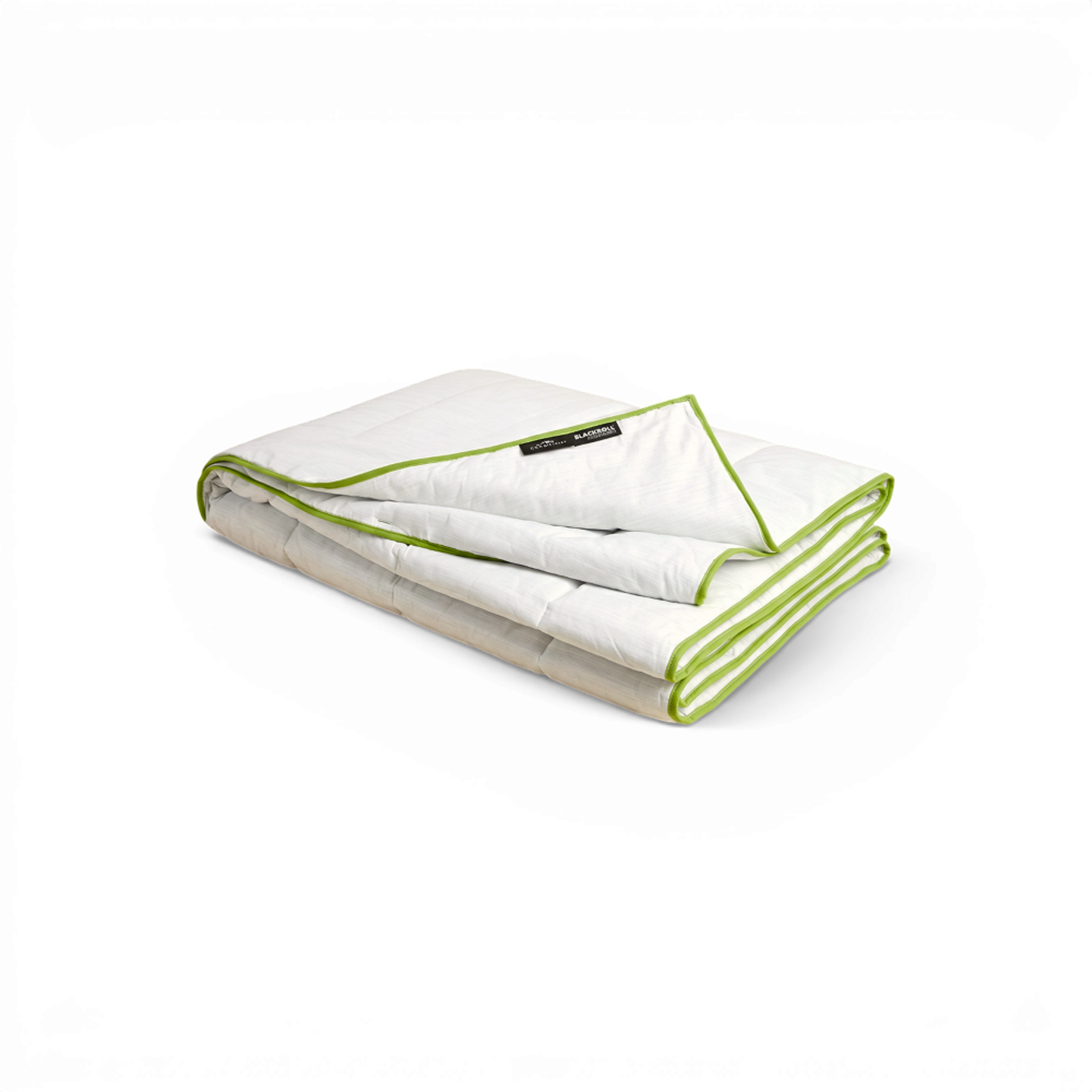
Perfect for catching up on sleep

Recovery Blanket Summer
Available in multiple variants

Recovery Blanket All Year
Available in multiple variants

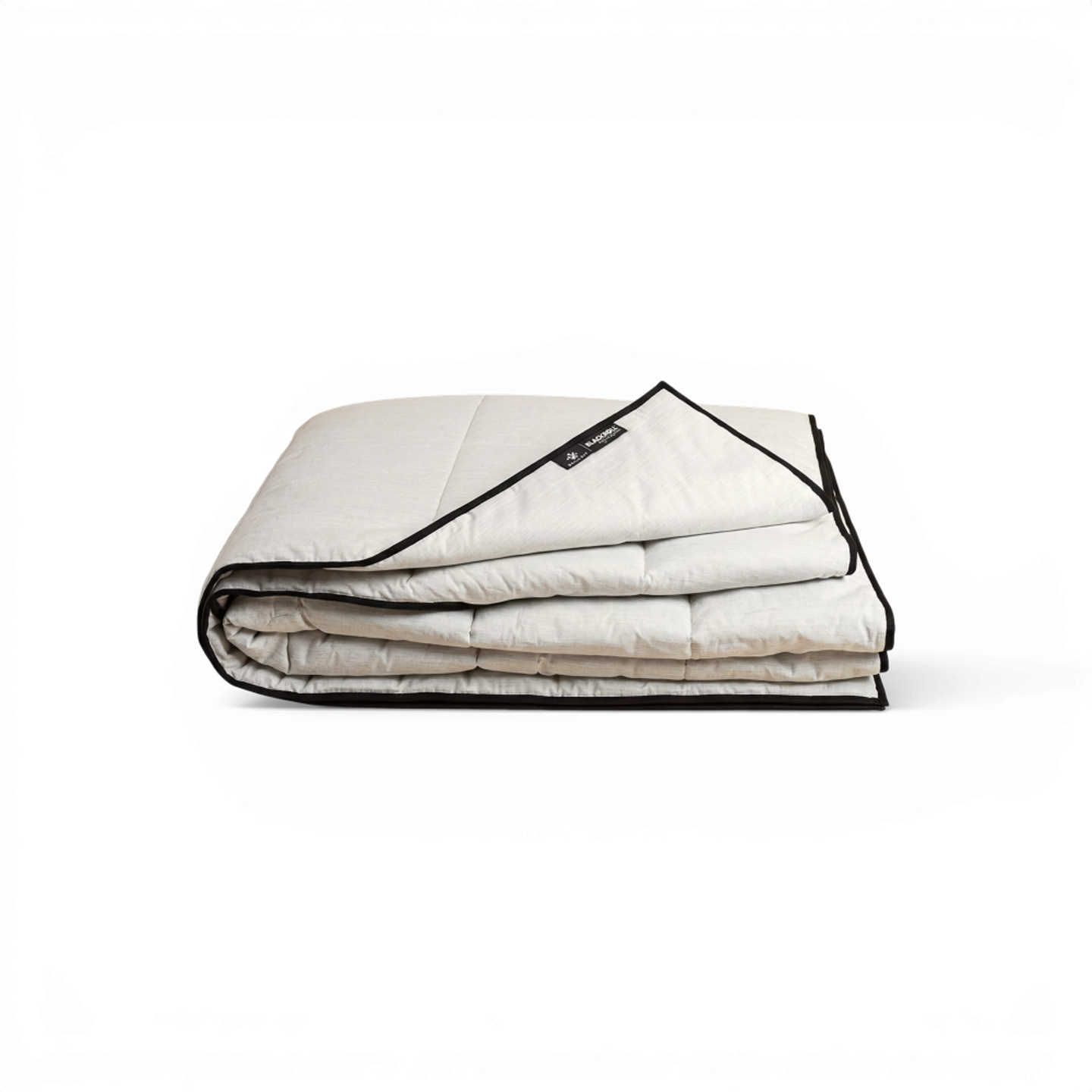
Recovery Blanket Winter
Available in multiple variants