
Muscle Inflammation

Suddenly, even walking to the coffee maker is a struggle: Your thighs are burning, every step feels heavy—and this goes on for days, without any intense training to account for it. Such persistent pain may be caused by muscle inflammation (myositis). In this condition, muscle fibers react to infections, autoimmune processes, or overexertion with inflammation, which triggers pain, swelling, and loss of strength. If left untreated, it can lead to permanent muscle damage.
Here, you’ll learn which symptoms should raise a red flag, how doctors narrow down the causes, and why blood tests, MRIs, and occasionally a muscle biopsy are part of a definitive diagnosis. You’ll get an overview of proven treatments—from rest and home remedies to physical therapy , cortisone, or antibiotics—and find out how long recovery can take and what complications are possible.
We’ll also show you how to prevent muscle inflammation with targeted exercise and simple measures. Get started now and gain the knowledge that will get you moving again.

Exercises Tailored to Your Needs
Discover now
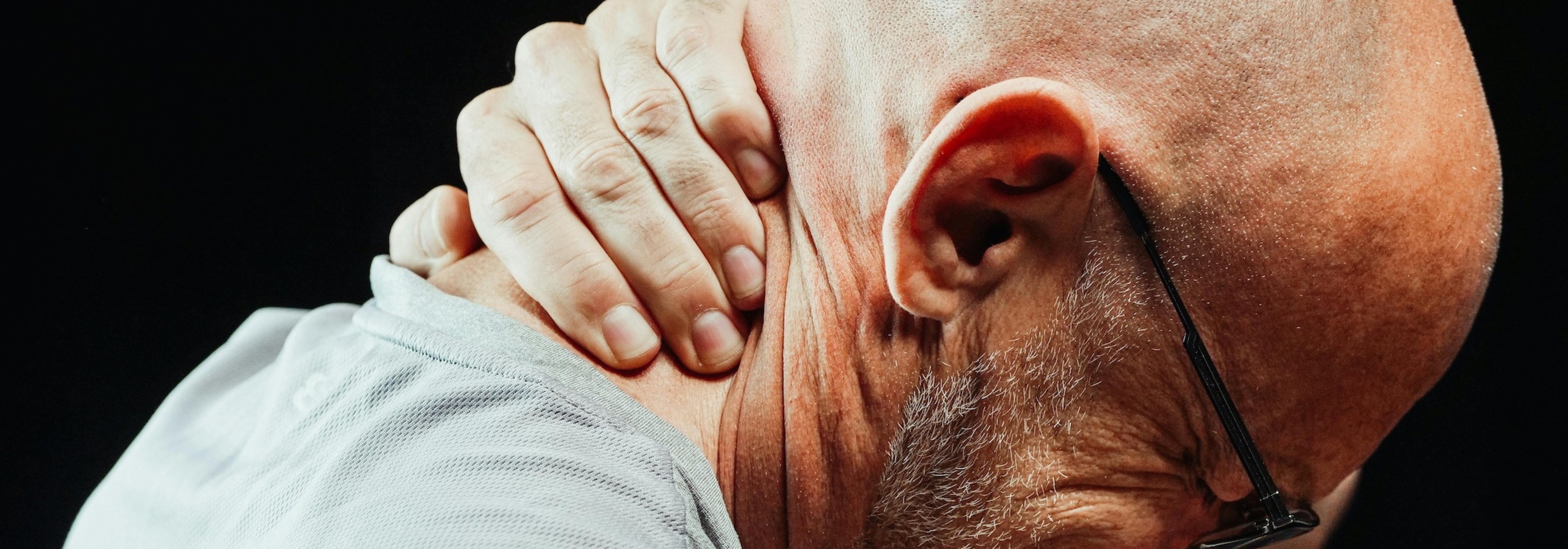
Muscle Inflammation: Definition, Causes & Types
What Is Muscle Inflammation?
In muscle inflammation (myositis), inflammatory cells (immune cells) attack the muscle tissue. The result: persistent pain, weakness, and often swelling. In contrast, ordinary muscle soreness subsides after 24–72 hours and gradually improves without any further symptoms.
The Three Main Causes
- Infectious: Bacteria (e.g., staphylococci), viruses (flu, SARS-CoV-2), or parasites invade the muscle and cause fever, redness, and severe localized pain.
- Autoimmune: Your immune system mistakes healthy tissue for an invader. Classic forms include dermatomyositis and polymyositis.
- Traumatic / Overuse: Micro-injuries caused by repetitive or very intense training, or contusions; common among athletes.
Sore Muscles vs. Myositis—How Can You Tell the Difference?
Muscle soreness only hurts when you move and improves with light activity. If the pain persists despite rest, and is accompanied by weakness, fever, or visible swelling, muscle inflammation is likely—it’s time to see a doctor.
Causes & Symptoms
Typical triggers:
|
Typical triggers:
|
Typical triggers:
|
Note: The sooner you identify and treat the cause, the better you’ll protect your muscles and the faster you’ll be back on your feet.


Myositis Symptoms – Recognizing Early Warning Signs
If a muscle does not recover as usual but becomes more painful or weaker with each passing day, you should take notice. Typical warning signs that may indicate myositis include:
- Persistent pain: dull or sharp, often noticeable even at rest.
- Muscle weakness: Climbing stairs, carrying water bottles, or even brushing your teeth suddenly become difficult.
- Swelling & warmth: the affected area feels thicker, warm, and sometimes reddened.
- Fever and flu-like symptoms: particularly common with infectious myositis.
Acute onset—when symptoms appear suddenly
- Symptoms appear within hours to a few days.
- Pain, swelling, and fever are the main symptoms.
- Prompt medical evaluation is important to prevent tissue damage.
Chronic course—a creeping danger
- Symptoms develop over weeks or months.
- The main symptom is progressive muscle weakness; pain may be mild.
- If left untreated, there is a risk of permanent loss of strength—the earlier the diagnosis, the better the prognosis.
Rule of thumb: If pain lasts longer than three days or worsens despite rest, have a doctor determine the cause.
More articles










Myositis: Diagnosis, Treatment, and Course
A quick and accurate diagnosis determines how quickly you’ll regain your strength—and how effectively you can prevent long-term damage.
Here’s how doctors identify the cause:
- Blood tests: Inflammation markers (CRP), creatine kinase (CK), and autoantibodies indicate whether an inflammatory process is occurring in the muscle.
- Imaging (MRI or ultrasound): shows inflamed, swollen areas and helps rule out other injuries.
- Muscle biopsy: A tiny tissue sample provides clarity in cases of atypical findings or suspected autoimmune myositis.
Treatment Components—What Really Helps:
- Medications:
- Cortisone quickly reduces inflammation.
- Immunosuppressants (e.g., azathioprine) for autoimmune forms.
- Antibiotics if bacteria are the cause.
- Physical therapy & tailored exercise: maintains muscle length, reduces pain, and prevents loss of strength.
- Home Remedies & Self-Care: Rest during the acute phase, light stretching exercises and flexibility exercises, an anti-inflammatory diet (omega-3, turmeric), and adequate hydration support healing.
Typical Course:
- Acute: Symptoms often improve with treatment within days to weeks.
- Subacute/chronic: In cases of autoimmune or recurrent inflammation, longer-term medication and regular follow-up visits are required.
- Prognosis: The sooner you start treatment, the greater the chance of regaining full muscle strength.
Note: Combine doctor-prescribed medications with physical therapy and active self-care—this will shorten the healing process and reduce the risk of permanent muscle weakness.


Myositis Life Expectancy: Prognosis & Influencing Factors
How long you can live with myositis depends less on the name of the disease than on how early treatment begins and which organs are affected.
A long-term study by University College London involving 158 myositis patients shows that five years after diagnosis, nearly 90% of those affected are still alive, and after 25 years, just under 45%. An older age at diagnosis, cardiac involvement, or severe infections double or even triple the risk of death.
A U.S. study by the University of Michigan involving 160 patients reached similar conclusions to the London data: Five years after diagnosis, approximately 77% of those affected were still alive; after ten years, around 62%. Those who received the immunosuppressant methotrexate early on fared better in the long term—the 10-year survival rate was approximately 76%, while it remained at about 52% for those on azathioprine.
What this means for you
- Early treatment initiation: Corticosteroids and carefully tailored immunosuppressants slow the progression of the disease before the heart or lungs are damaged.
- Interdisciplinary care: Cardiology and pulmonology checkups detect silent complications in a timely manner.
- Take infections seriously: Even minor respiratory infections can be dangerous in immunosuppressed patients—vaccinations and prompt antibiotic treatment reduce the risk.
- Lifestyle factors: Quitting smoking, moderate endurance exercise, and an anti-inflammatory diet support your medication and help improve long-term outcomes.
In short: The sooner you take action and the more consistently comorbidities are treated, the closer your life expectancy will come to that of the general population.



Muscle inflammation due to overexertion
Constant, one-sided strain repeatedly irritates your muscle fibers in the same spots. Tiny tears accumulate, leading to a gradual buildup of inflammation—typical in sports like marathons, triathlons, rowing, tennis, or even CrossFit, where millions of repetitive movements take place.
This is how inflammation occurs
With every step or stroke, micro-injuries occur; if they aren’t fully repaired, the fibers swell, immune cells move in, inflammation sets in, and pain and loss of strength follow. A marathon study showed that, even eight days after the race, the hamstrings still exhibited clear signs of inflammation on an MRI—particularly in the middle and distal portions of the muscles.
Recovery & Treatment
- 48–72 hours of active recovery (light cycling, swimming) after intense workouts.
- Physical therapy: eccentric strength training accelerates collagen regeneration in the muscle.
- Cold and compression therapy reduce swelling, but are only truly effective within the first 24 hours.
- Anti-inflammatory diet: fish rich in omega-3s, berries, green vegetables. A meta-analysis of 14 studies confirms that curcumin supplements significantly reduce muscle soreness, elevated creatine kinase levels, and IL-6 levels.
Prevention—Five Simple Rules
- Gradually increase the intensity of your workout: a 10% increase per week is sufficient.
- Schedule rest days and prioritize sleep—repair processes occur at night.
- Check your form (running or stroke technique) to minimize improper strain.
- Strength and mobility training twice a week for the core and affected muscle groups.
- Hydration & electrolytes: well-hydrated tissue is less prone to tearing.
Our tip for you: If you experience increasing pain or swelling despite taking a break, have your blood values checked and, if necessary, get an MRI to catch early-stage myositis before it progresses.


Accurately Interpreting Polymyositis Symptoms
Not all forms of muscle inflammation follow the same course— polymyositis often presents with a distinct set of symptoms. If you recognize the typical signs early on, muscle wasting can be significantly slowed in many cases.
What Is Polymyositis?
Polymyositis is a rare autoimmune disease in which your immune system mistakenly attacks muscle cells. The result is a slowly progressive muscle weakness—especially in areas close to the trunk.
Typical muscle groups that weaken
- Hips and thighs (climbing stairs is difficult)
- Shoulders and upper arms (raising arms overhead, blow-drying hair)
- Neck muscles (holding your head upright for long periods)
The weakness usually affects both sides of the body at the same time and develops over weeks to months.
Differential Diagnosis from Similar Myositis Conditions
Who is affected?
Children and adults
Main characteristics
Muscle weakness similar to that seen in polymyositis |
Typical additional symptom
Purple rash on the eyelids or hands
Response to treatment
Responds well to cortisone / immunosuppressants
Who is most commonly affected?
People over 50 (especially men)
Main characteristics
Slow, uneven weakness—especially in the finger flexors and thighs
Typical additional symptom
Frequent swallowing difficulties
Response to treatment
Hardly responds to medication
Why the distinction is important
- Treatment: Polymyositis usually responds well to corticosteroids and other immunosuppressants, whereas IBM rarely does.
- Prognosis: Dermatomyositis diagnosed early often results in a full recovery; IBM, however, progresses more slowly but steadily despite treatment.
- Comorbidities: Dermatomyositis may be associated with an increased risk of skin cancer; IBM carries a risk of swallowing difficulties.
Important for you: Seek medical advice if you notice weakness on both sides of your body when standing up or performing overhead tasks—especially if this is accompanied by skin rashes or one-sided loss of strength. An accurate diagnosis is the key to effective treatment and a better quality of life.

Everything You Need to Know About Fascia
Learn more now

Risk Factors for Muscle Inflammation
Myositis isn’t always limited to the muscle itself. If left untreated, it can affect vital organs and weaken your immune system.
- Heart and Circulation: If the heart muscle also becomes inflamed, there is a risk of arrhythmias or heart failure. A recent French registry study found that people with myositis are more than three times as likely to experience serious cardiovascular events as people of the same age without inflammation.
- Lungs: Especially in cases of dermatomyositis, a condition known as interstitial lung disease can develop. Coughing, shortness of breath when climbing stairs, or a persistent dry cough are early warning signs. If the inflammation is not quickly brought under control, the lungs can become scarred and permanently lose their elasticity.
- Persistent muscle weakness: Every untreated episode of inflammation destroys muscle tissue. If the condition progresses, the body partially replaces the muscle fibers with scar tissue—resulting in loss of strength, balance problems, and rapid fatigue that may persist.
- Secondary infections: Corticosteroids and other immunosuppressants that stop inflammation also suppress your immune system. Even a common respiratory infection can become more severe. Regular vaccinations (e.g., flu, pneumococcal) and early antibiotic treatment reduce this risk.
- Risk factors to watch out for: older age at diagnosis, delayed start of treatment, history of heart or lung involvement, smoking, and uncontrolled high blood pressure. The sooner you treat inflammation and comorbidities, the lower the risk of long-term damage.


Daily Life and Exercise with Myositis
Rest First, Then Gentle Activation
In the first 48 hours after an acute muscle inflammation, the affected area primarily needs rest and cooling. However, as soon as the pain subsides significantly at rest, you’ll benefit from light exercise: short walks, gentle cycling, or aqua jogging prevent muscle atrophy and tendon shortening. A recent qualitative study from Sydney confirms that regular, individually tailored activity in cases of myositis is not only safe but also an effective way to combat loss of strength and endurance—provided that intensity and duration are adjusted to how you feel each day.
How to Gradually Return to Exercise
- Build-up phase (Weeks 1–4): Start with isometric holding exercises and stretches without additional weight. Keep a pain diary (scale 0–10) and only increase the intensity if the pain remains below “3.”
- Advanced Phase (Weeks 4–8): Add moderate strength training (Theraband, light dumbbells) and interval sessions on the ergometer. Make sure to allow 48 hours of recovery time between more intense sessions.
- Return to Sport: A Finnish case registry shows that even elite athletes who underwent surgical treatment for post-traumatic myositis ossificans did not return to competition without symptoms until at least four to six weeks after surgery—returning too early significantly increases the risk of relapse.
Practical Tips for Everyday Life
- Pace yourself: Plan daily activities in stages and incorporate micro-breaks.
- Warm-up & Cool-down: Ten minutes of mobility exercises before any physical activity, followed by gentle stretching.
- Nutrition & Hydration: Protein (1.2–1.5 g/kg body weight) and omega-3 fatty acids (at least 2,000 mg/day) support recovery; drink approximately 30 ml of water per kg of body weight.
- Warning Sign Check: New swelling, persistent pain at rest, or a fever mean you should stop training and see a doctor.
Note: Exercise is therapy—but only if you pace yourself. Listen to your pain threshold, increase intensity slowly, and seek guidance from a physical therapist to maintain your performance over the long term.


FAQ – Frequently Asked Questions About Muscle Inflammation
Myositis is an inflammatory condition of the muscles in which muscle tissue is damaged by infections, autoimmune reactions, or overexertion. Typical symptoms include muscle pain, weakness, swelling, and sometimes fever.
Unlike muscle soreness, the pain associated with myositis does not subside within 72 hours. If weakness, fever, or swelling are also present, you should seek medical advice. An MRI, blood tests, or a muscle biopsy can help with the diagnosis.
Acute cases can improve within a few weeks with proper treatment. Chronic or autoimmune cases may take months and require long-term medication. Early diagnosis significantly improves the prognosis.
Rest is important during the acute phase. Once the acute signs of inflammation subside, targeted, controlled exercise—under the guidance of a physical therapist—can help prevent muscle wasting and promote recovery.
Cooling, light stretching exercises, omega-3 fatty acids, anti-inflammatory spices such as turmeric, and adequate hydration can support healing. However, they are not a substitute for medical treatment.
If left untreated, the inflammation can spread to the heart or lungs and lead to permanent muscle weakness. Secondary infections are also possible due to immunosuppressive therapies—therefore, vaccinations and medical checkups are essential.
Gradually increase your training volume, and ensure adequate recovery, nutrition, and hydration. Two sessions per week to strengthen and mobilize the muscles, as well as good sleep hygiene, also help prevent it.
More Articles

Sources / Studies:
https://pmc.ncbi.nlm.nih.gov/articles/PMC3392815/
https://discovery.ucl.ac.uk/id/eprint/10195406/
https://journals.plos.org/plosone/article?id=10.1371/journal.pone.0299135
https://journals.plos.org/plosone/article?id=10.1371/journal.pone.0234401
https://rmdopen.bmj.com/content/11/1/e005276?utm_source=chatgpt.com
https://bmcrheumatol.biomedcentral.com/articles/10.1186/s41927-025-00547-2